

Michelin Plate · Macarfi 7.7 Food Rating
Our verdict
A Michelin Plate-recognised address on Rúa Castelar, Kero brings Peruvian cooking into dialogue with Galician ingredients and palates. The open-view kitchen frames a menu split between à la carte and two tasting menus — Viaje a Perú and Alto Perú — while the dining room draws on Andean visual culture, from ceremonial kero vessels to colourful woven textiles. At the €€ price point, it occupies a different tier from Vigo's starred contemporary restaurants.

Pearl is the En Primeur Club membership app — saves, bookings, and concierge access live there. Same editors, same standards.
- Address
- Rúa Castelar, 6, 36201 Vigo, Pontevedra, Spain
- Phone
- +34 886 12 40 66
- Hours
- Mon–Tue ClosedWed 8:30–11 PMThu 8:30 PM–12 AMFri–Sat 1:30–4 PM, 8:30 PM–12 AMSun 1:30–4 PM
- Website
- kerococinaperuana.com
- Directions
- Get directions
- Booking
- Book on the venue's website
The menu
What to order
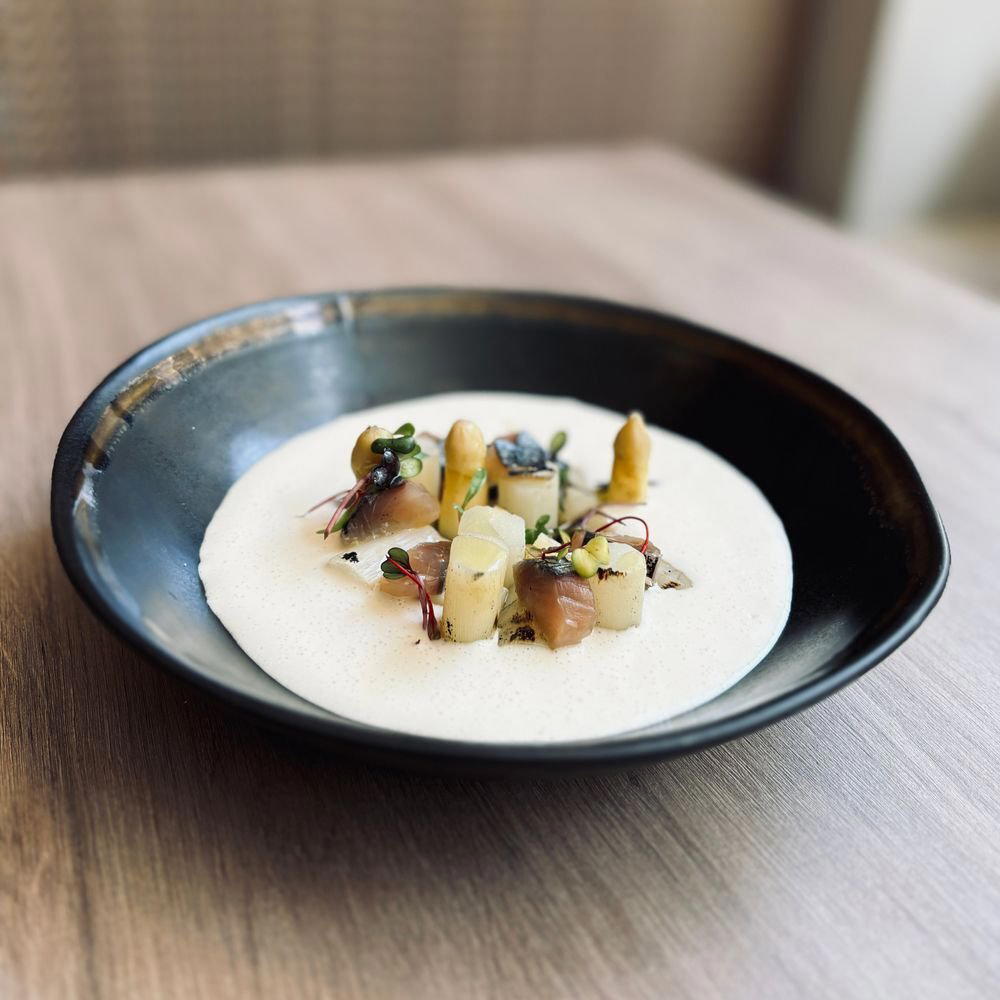
- Ceviche Clásico
- Tiradito de Salmón
- Arroz Chaufa de Pato
Where the Andes Meet the Ría
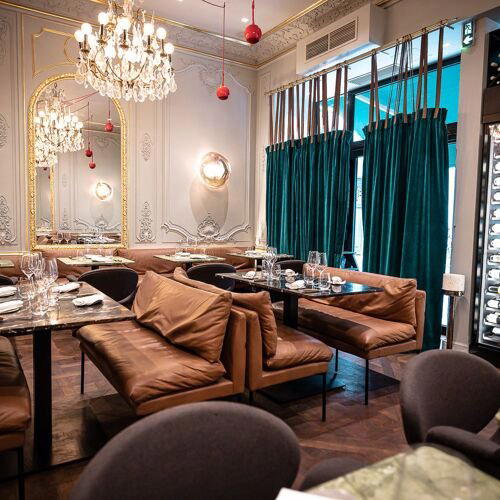
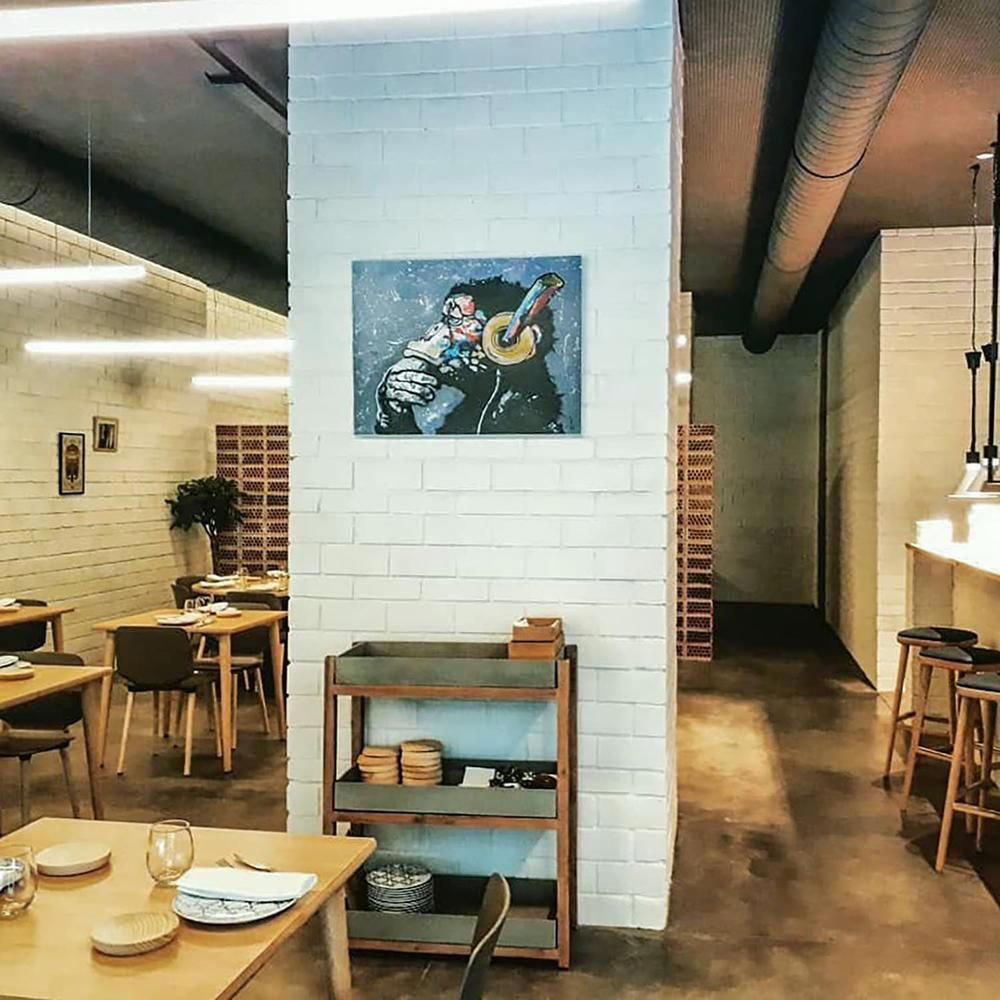
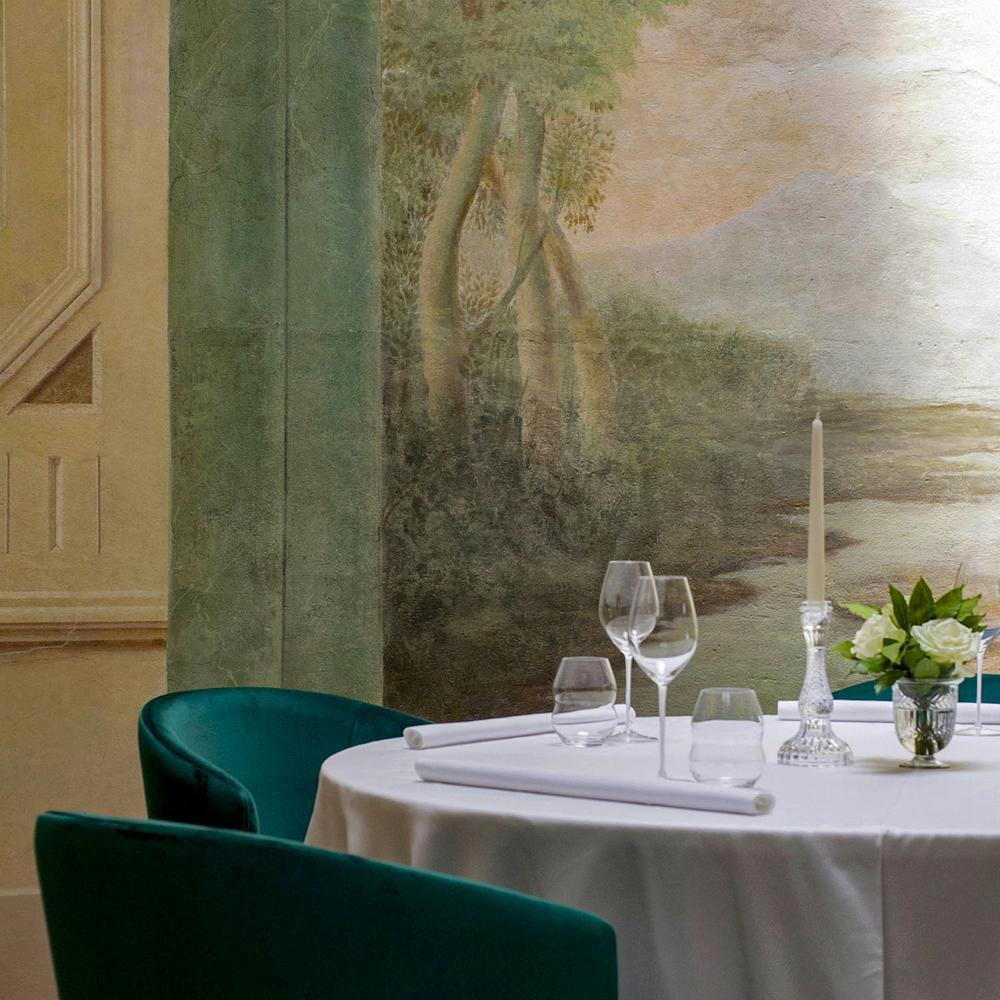
The first thing you register on entering Kero is the colour. Andean shawls and woven wool in ochre, crimson, and deep blue line the walls alongside an abundance of warm wood — a visual grammar borrowed directly from the altiplano rather than from any generic pan-Latin aesthetic. The restaurant takes its name from the ceremonial kero vessels used in Inca ritual, and that deliberate reference signals the intent here: this is not an approximation of Peruvian food adjusted down for a European audience, but a kitchen genuinely interested in where two culinary traditions intersect. The open-view kitchen reinforces that transparency, letting the room watch the process rather than simply receive the result.
Peruvian Cooking in a European Port City
Peruvian cuisine has accumulated international recognition over the past two decades in a way few national traditions have matched. Its architecture — acidity from citrus and ají, contrast between hot and cold preparations, the layered textures of causa and ceviche, translates readily across borders, but the more interesting question is always what happens when that framework meets a regional ingredient set as specific as Galicia's. The Rías Baixas coastline produces shellfish and fin fish of exceptional quality, and the Galician interior contributes its own root vegetables, greens, and preserved meats. At Kero, the kitchen's stated ambition is finding a balance between typical Peruvian cooking and Galician palates, which in practice means treating local produce as the raw material and Andean technique as the method.
That negotiation between street-level tradition and restaurant formality is at the heart of what makes the format coherent. Peruvian food has deep roots in market stalls and cevicherías where the cooking is fast, precise, and built around a few central techniques rather than elaborate preparation. Bringing that sensibility into a sit-down restaurant, with tasting menus, plated presentation, and a fixed address, requires maintaining the directness of the original while adding the consistency a kitchen at this level demands. Chef Juan Carlos Perret, who has presented his work at Madrid Fusión, operates within that tension, and the two tasting menus (Viaje a Perú and Alto Perú) structure that approach across a longer arc rather than leaving it to individual à la carte choices.
The Tasting Menu Format
Two tasting menus give the kitchen more room to move through the range of Peruvian-Galician combinations than a single à la carte order allows. Madrid Fusión, where Perret has cooked, functions as one of Spain's primary stages for chefs developing a clear technical argument, it is not a venue for showmanship alone but for demonstrating a coherent culinary position. That context matters when reading the menu structure at Kero: the progression across Viaje a Perú and Alto Perú is designed to make a cumulative case rather than deliver isolated highlights. Spain's broader fusion conversation, represented by addresses like DiverXO in Madrid and Arzak in San Sebastián, tends to operate at considerably higher price points and with more theatrical production. Kero's €€ positioning places it in a register that is genuinely accessible while maintaining a structured, menu-driven approach that goes well beyond casual eating.
Where Kero Sits in Vigo's Dining Scene
Vigo's restaurant scene has broadened in recent years, but the bulk of its higher-end offer still gravitates toward Galician tradition, grilled fish and seafood, local octopus, and the kind of product-led cooking that the region's raw materials make almost inevitable. Against that backdrop, Kero occupies a distinct position. The city's contemporary tier, represented by addresses like Silabario (one Michelin star, €€€), sits above it in both price and formal recognition. Grill-focused options such as Alberte and traditional houses like Casa Marco occupy overlapping price brackets but entirely different flavour territory. More informal contemporary options including Detapaencepa and Enxebre operate in a similar price tier to Kero but without the cross-cultural framework that defines it.
Michelin awarded Kero a Plate in both 2024 and 2025, a designation that recognises good cooking without the full star recognition, and which in practice means the guide's inspectors found the food worth noting. It places Kero in a category shared by a large number of competent European restaurants, but in a city where most dining conversation centres on Galician tradition, a Plate recognition for a Peruvian-fusion address is a more pointed signal. It suggests the cooking holds up against a broader European frame of reference, not just against local alternatives.
Internationally, Peruvian kitchens operating in diaspora or fusion contexts have developed a substantial track record at the serious end. Causa in Washington, D.C. and ITAMAE in Miami represent two approaches to the same challenge, bringing Andean and coastal Peruvian techniques into a non-Peruvian city context. Spain's own fusion conversation, anchored by references like El Celler de Can Roca in Girona, Azurmendi in Larrabetzu, Aponiente in El Puerto de Santa María, and Cocina Hermanos Torres in Barcelona, provides a broader frame for understanding what it means to operate a distinctive non-Galician kitchen in a Spanish regional city.
Planning a Visit
Kero is located on Rúa Castelar, 6, in central Vigo, at the €€ price point, broadly in line with the mid-range of the city's sit-down restaurant offer. The format offers both à la carte and the two tasting menus, which gives a degree of flexibility depending on appetite and time. Booking in advance is advisable given that tasting-menu restaurants at this price point and recognition level in mid-sized Spanish cities fill earlier than their lower-key profile might suggest. For broader planning across the city, see our full Vigo restaurants guide, our full Vigo hotels guide, our full Vigo bars guide, our full Vigo wineries guide, and our full Vigo experiences guide.
Frequently asked questions
What does dinner at Kero typically cost?
Pricing at Kero is listed as €€.
Standing Among Peers
| Venue | Cuisine | Price | Awards | Notes |
|---|---|---|---|---|
| KeroThis venue — the venue you are viewing | Peruvian-Galician Fusion | $30–50 | Michelin Plate · Macarfi 7.7 Food Rating | Not listed |
| Silabario | Contemporary Galician Fine Dining | Not listed | 1 Michelin Star · Guía Repsol 1 Sol | Contemporary |
| Casa Marco | Traditional Galician Cuisine with Modern Twist | $30–50 | Michelin Bib Gourmand · Macarfi 7.7 Food Rating | Traditional Cuisine |
| Alberte | Modern Galician Seafood Grill | $30–50 | Michelin Plate · Macarfi 7.6 Food Rating | Grills |
| Kita | Modern Japanese Omakase with Galician Influences | $150–200 | Michelin Plate · Macarfi 8 Food Rating | Japanese |
| Morrofino | Modern Spanish Tapas | $30–50 | Michelin Bib Gourmand · Macarfi 7.8 Food Rating | Modern Cuisine |
Recognition history
Dated appearances from independent guides and award organizations, with the underlying list record or original source where available.
Michelin Plate
Michelin
Macarfi 7.7 Food Rating
Macarfi
Full recognition history (4 entries)
Michelin Plate
Michelin
Michelin Plate
Michelin

Details
- Cozy
- Lively
- Romantic
- Date Night
- Special Occasion
- Terrace
- Craft Cocktails
- Local Sourcing
- Tasting Menu
- A La Carte
- Small Plates
- Pisco Sour
Current opening hours
- Monday
- Closed
- Tuesday
- Closed
- Wednesday
- 8:30–11 PM
- Thursday
- 8:30 PM–12 AM
- Friday
- 1:30–4 PM, 8:30 PM–12 AM
- Saturday
- 1:30–4 PM, 8:30 PM–12 AM
- Sunday
- 1:30–4 PM
Hours can change for holidays and private events. Last verified .
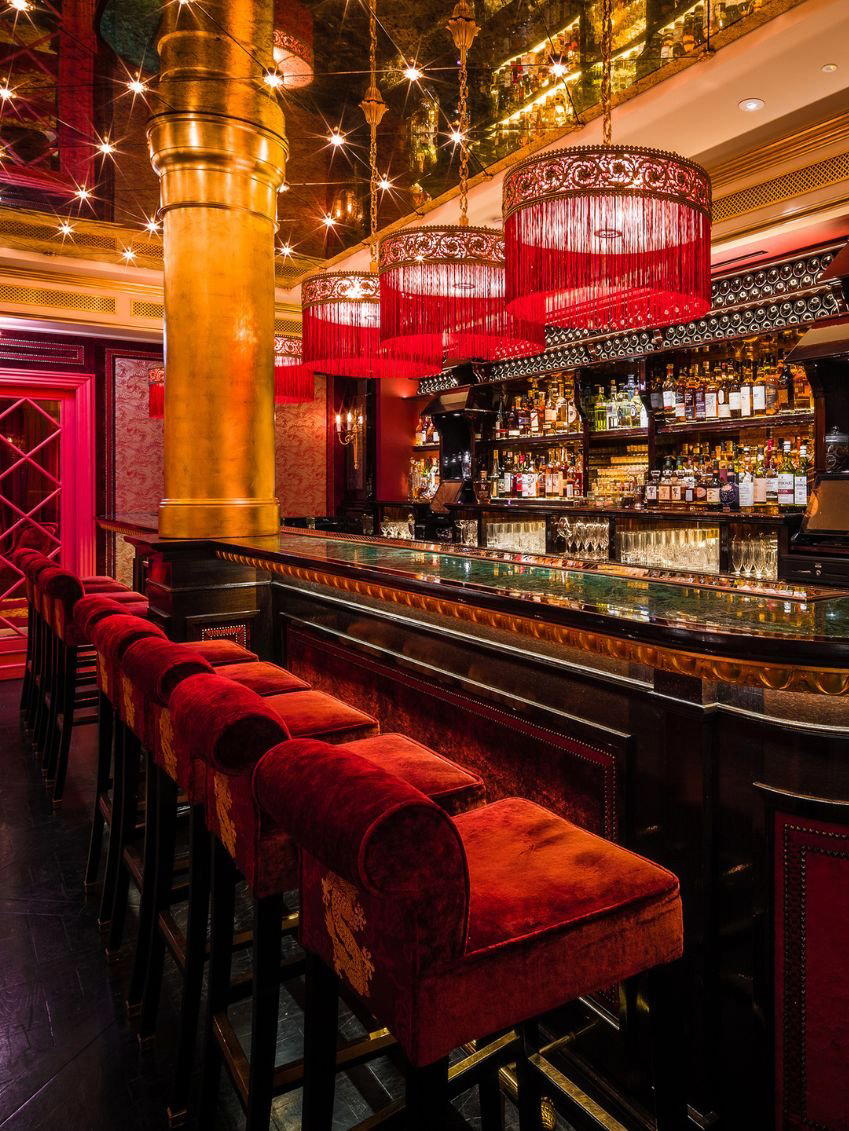
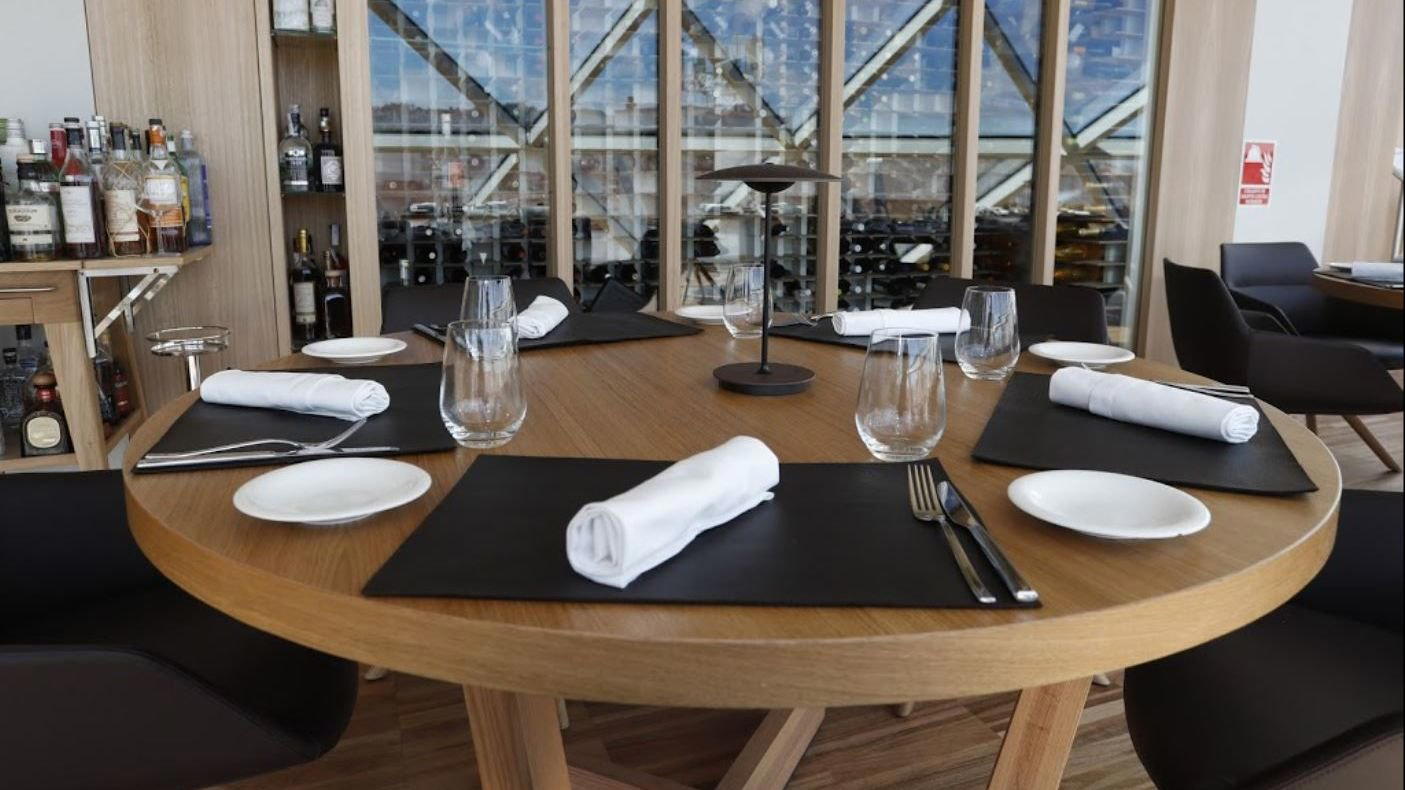
Warm and cozy with decorative references to Peruvian culture including Andean shawls, colorful wool, and wood elements, offering a nice ambience.