
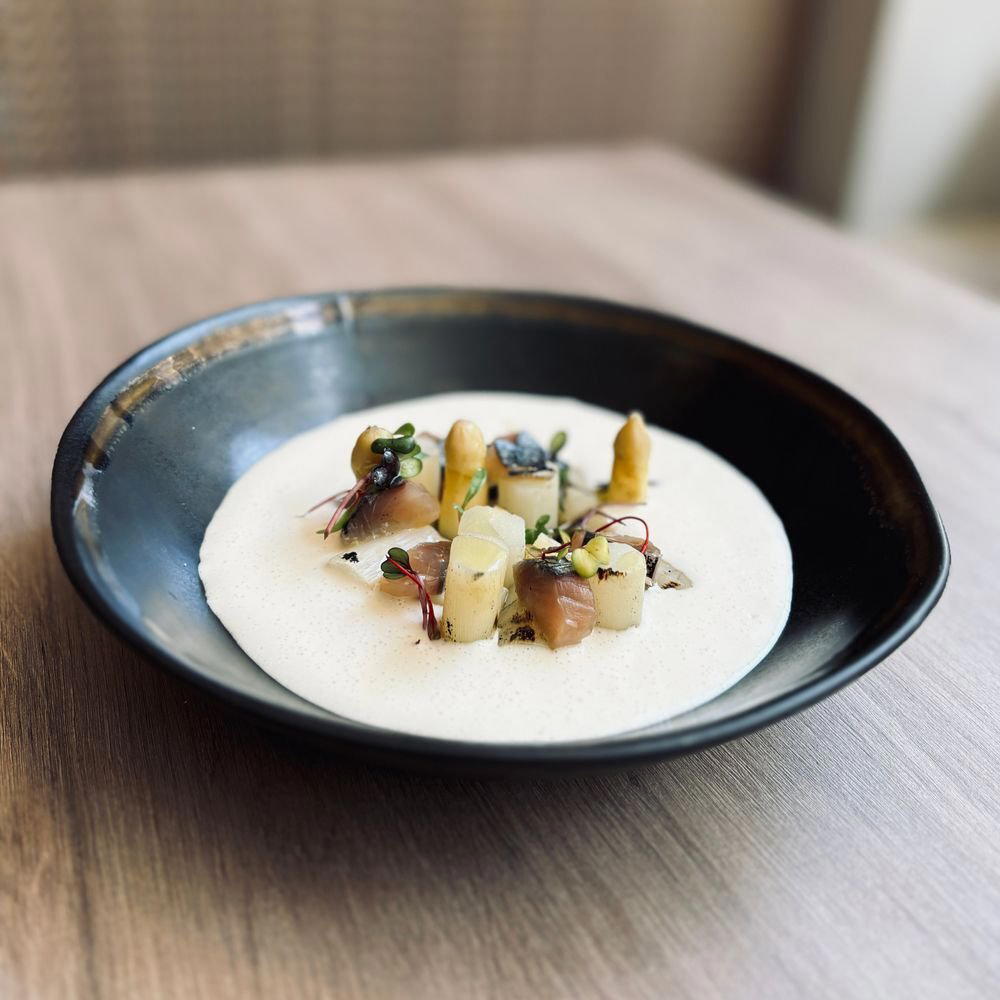
On Rúa Real in the heart of Vigo, Niño Corvo sits at the intersection of Galician coastal tradition and contemporary kitchen thinking. The address places it within easy reach of the city's fish market and old quarter, giving the kitchen direct access to one of Atlantic Spain's most productive shorelines. For a city still finding its place on Spain's serious dining map, Niño Corvo represents the kind of focused, ingredient-led cooking that Galicia's waters make possible.
Pearl is the En Primeur Club membership app — saves, bookings, and concierge access live there. Same editors, same standards.
- Address
- Rúa Real, 22, 36202 Vigo, Pontevedra, Spain
- Phone
- +34986115064
- Website
- xn--niocorvo-e3a.com
- Directions
- Get directions
 Saves & bookings on Pearl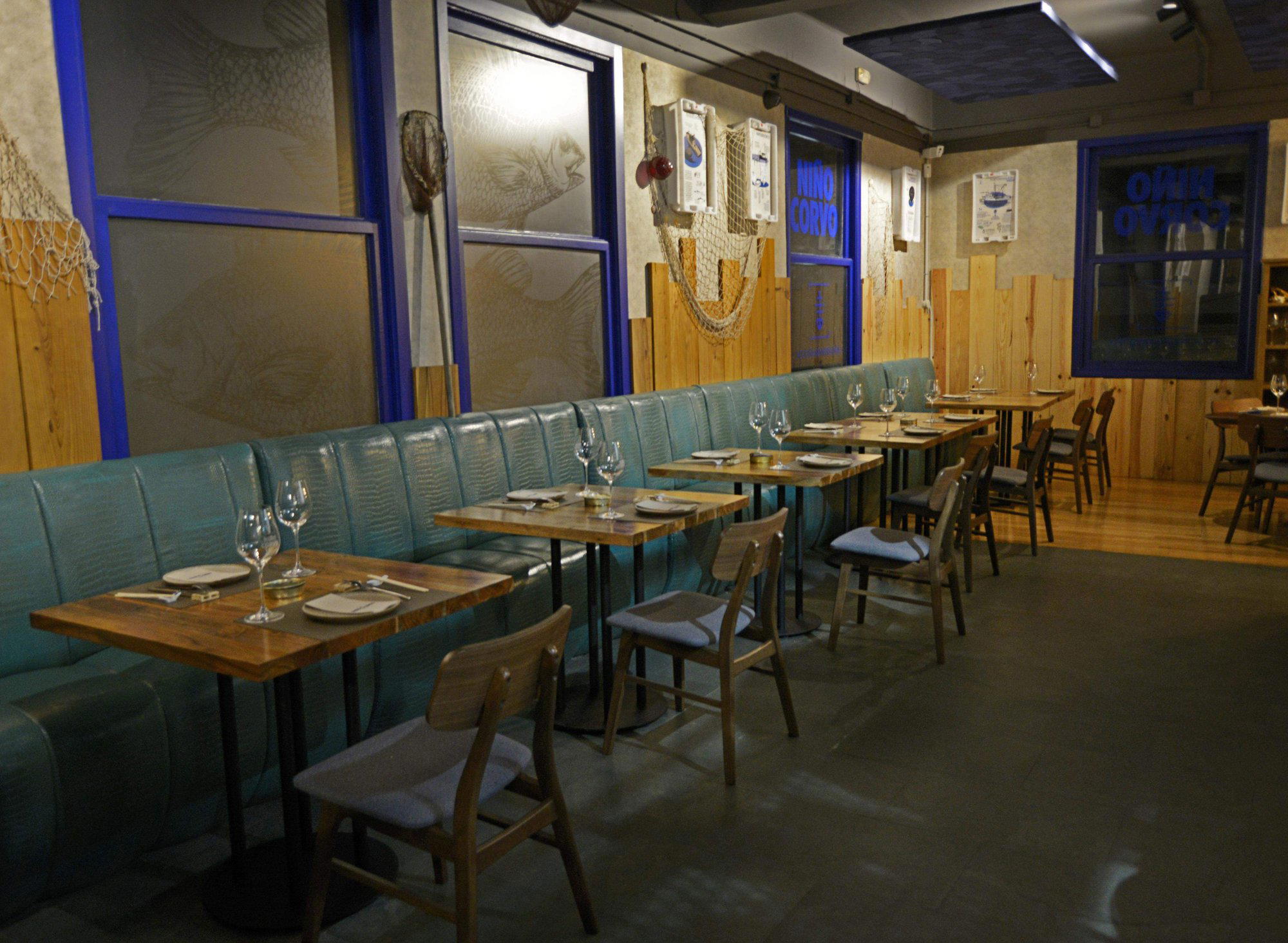
Where Vigo's Atlantic Shore Meets the Plate
Rúa Real runs through the commercial heart of Vigo like a spine, connecting the old city's stone-paved squares to the waterfront districts where fishing boats have unloaded their catch for centuries. Arriving at number 22, you are already in the gravitational field of one of Europe's most productive fishing ports. The Lonja de Vigo, the city's fish auction house, turns over more Atlantic seafood by volume than almost any other market on the continent. For a kitchen that takes ingredient sourcing seriously, there are few more advantageous addresses in Spain.
That proximity is not incidental. Galician cooking at its most serious has always been defined by compression: fewer steps between the water and the plate, less intervention between the raw material and the diner. Niño Corvo operates within that tradition, in a city where the baseline quality of what arrives each morning from the Rías Baixas and the open Atlantic sets the ceiling higher than most kitchens elsewhere in the country could reasonably reach.
The Galician Sourcing Argument
Spain's serious dining conversation tends to concentrate on the Basque Country, Catalonia, and Madrid. Venues such as Arzak in San Sebastián, El Celler de Can Roca in Girona, and DiverXO in Madrid attract international attention that Galicia, despite its extraordinary larder, has historically not. The region produces percebes, razor clams, turbot, and octopus of a quality that kitchens like Mugaritz in Errenteria and Martin Berasategui in Lasarte-Oria have long sourced from afar. In Vigo, those same ingredients are local by default.
The cooking that emerges from this context in Vigo's better kitchens tends to resist the kind of technical maximalism that defines dining in Barcelona or Valencia. Venues like Cocina Hermanos Torres in Barcelona, Ricard Camarena in València, or Quique Dacosta in Dénia operate with a technical ambition that places transformation at the center of the proposition. Galician kitchens, at their leading, make a different argument: that restraint applied to notable raw material produces results that heavy technique cannot improve upon. Niño Corvo sits within that school of thought.
Internationally, the closest parallel for what this kind of sourcing-led coastal cooking achieves is Le Bernardin in New York City, where the primacy of the fish itself governs every decision on the plate, or Aponiente in El Puerto de Santa María, which has spent years interrogating what the sea can yield beyond its most obvious offerings. The underlying logic is the same: when the ingredient is notable, the kitchen's job is to present rather than obscure.
Vigo's Dining Position and Its comparable set
Within Vigo itself, the serious dining options cluster into recognizable tiers. Silabario represents the contemporary end of the city's offer, with a format and ambition that place it in a different bracket than the city's traditional taverns. Alberte handles the grill-centered tradition with the kind of directness that Galician cooking often favors, while Casa Marco anchors the traditional end of the spectrum at a price point that keeps it broadly accessible. Detapaencepa and Enxebre offer contemporary formats that have expanded the city's repertoire in recent years.
Niño Corvo's address on Rúa Real places it in a commercially active part of the city, accessible from the waterfront and the older residential neighborhoods that surround it. This is a destination that requires no peripheral detour, and reservations are recommended. The city's scale works in the diner's favor: Vigo is large enough to have a genuinely competitive dining scene but compact enough that the leading kitchens remain geographically concentrated.
For visitors coming specifically for the food, Vigo rewards an early start and a long lunch. The afternoon hour carries different weight in this part of Spain than in Madrid or Barcelona, and pacing meals accordingly makes a significant difference to how much the city's food culture reveals itself.
What the Address Signals About the Cooking
A kitchen on Rúa Real, with the port's logistics operating at walking distance, operates under different conditions than a restaurant sourcing through a national distribution network. The species available change with the season and the catch. Galician percebes, for instance, arrive in their leading condition in autumn and winter, when the Atlantic swells make harvesting them from the rocky coast both more dangerous and more productive. Summer brings different abundance: sardines, spider crab, and the smaller crustaceans that the Rías Baixas warm-water season favors. A kitchen calibrated to this rhythm produces a menu that reflects what is genuinely available rather than what has been engineered for year-round consistency.
This seasonal variability is a central part of visiting Vigo with a specific kitchen in mind. For ingredient-led cooking of this kind, the experience shifts materially depending on when you arrive.
Internationally, kitchens taking a comparable approach to sourcing-as-argument include Azurmendi in Larrabetzu and Atomix in New York City, both of which have built their reputations around supply chain discipline rather than technique as spectacle. The comparison illuminates something about where serious dining has moved in the past decade: sourcing has become a primary credential, not a background condition.
Planning Your Visit
The restaurant is located at Rúa Real, 22, 36202 Vigo, Pontevedra, Spain. For current opening hours and reservation details, check the restaurant directly. Reservations are recommended, especially for lunch. That said, weekend lunches during peak Galician summer months fill quickly, and building in some lead time remains sensible if your travel dates are fixed.
Comparison Snapshot
Comparable venues nearby, for context on price, style, and recognition.
| Venue | Cuisine | Price | Awards | Notes |
|---|---|---|---|---|
| Niño CorvoThis venue — the venue you are viewing | Galician Fusion with Japanese and Peruvian Influences | $$$ | Not listed | Not listed |
| Silabario | Contemporary Galician fine dining | $$$ | Not listed | / Príncipe – A Sede RC Celta |
| Rokuseki | Japanese Yakiniku | $$$ | Not listed | Santiago de Vigo |
| Kita | Modern Japanese Omakase with Galician Influences | $$$ | Michelin Plate | residential district (Freixeiro) |
| El Olivo | Dining | Not listed | Michelin Plate | Vigo |
| Detapaencepa | Modern Spanish Tapas | $$ | Michelin Plate | Vigo |
Recognition history
Dated appearances from independent guides and award organizations, with the underlying list record or original source where available.
Macarfi 8 Food Rating
Macarfi
At a Glance
- Intimate
- Modern
- Elegant
- Date Night
- Special Occasion
- Open Kitchen
- Local Sourcing
Current opening hours
- Monday
- Closed
- Tuesday
- Closed
- Wednesday
- 1:30–5 PM, 8:30–10:45 PM
- Thursday
- 1:30–5 PM, 8:30–10:45 PM
- Friday
- 1:30–5 PM, 8:30–10:45 PM
- Saturday
- 1:30–5 PM, 8:30–10:45 PM
- Sunday
- Closed
Hours can change for holidays and private events. Last verified .
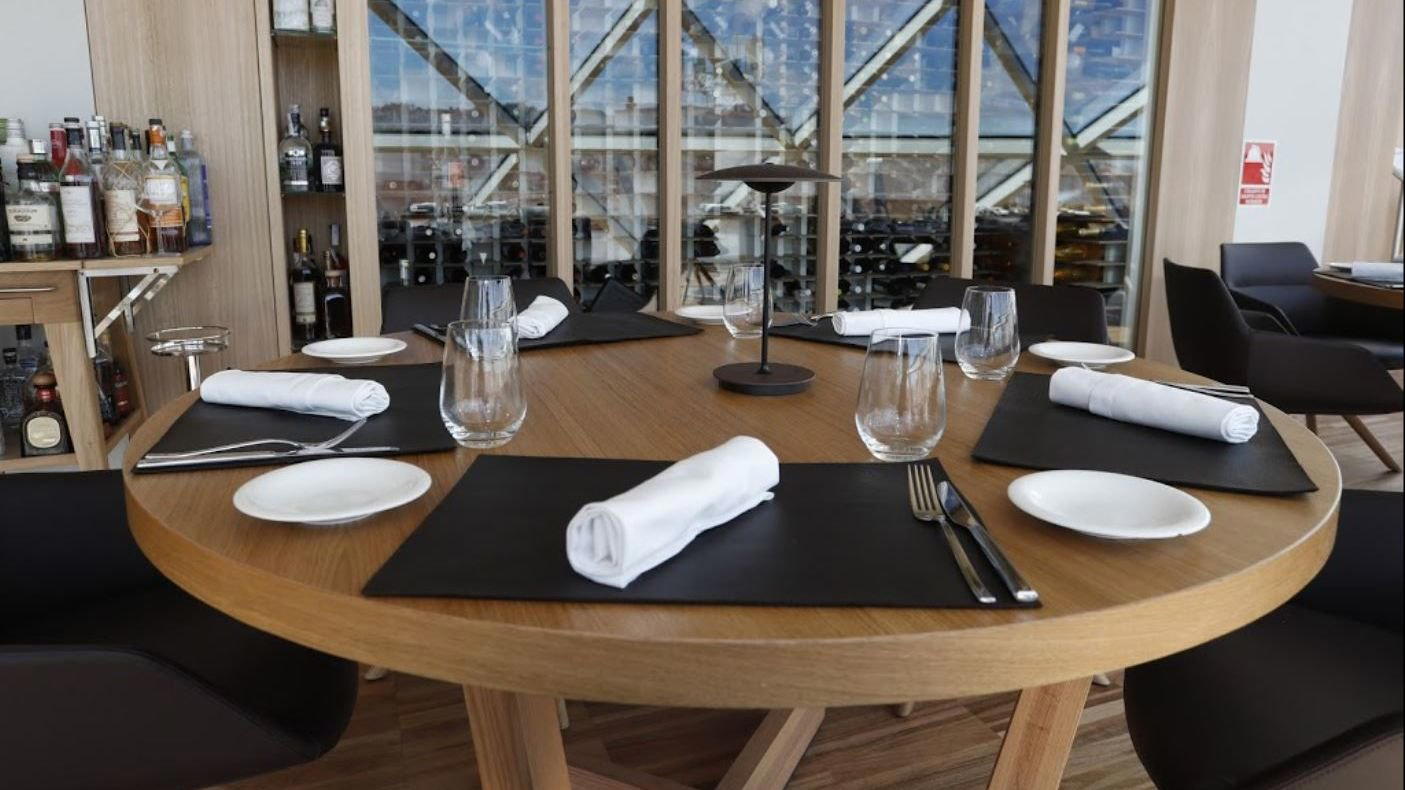
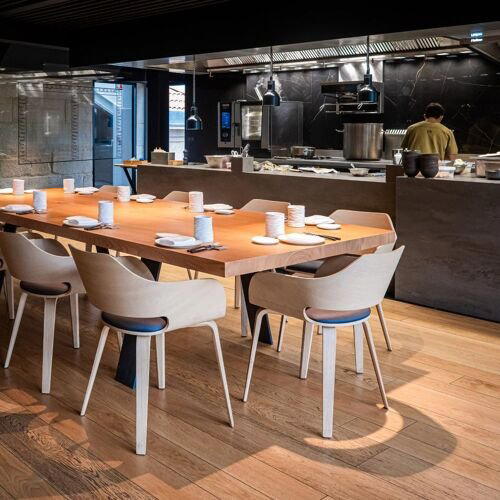
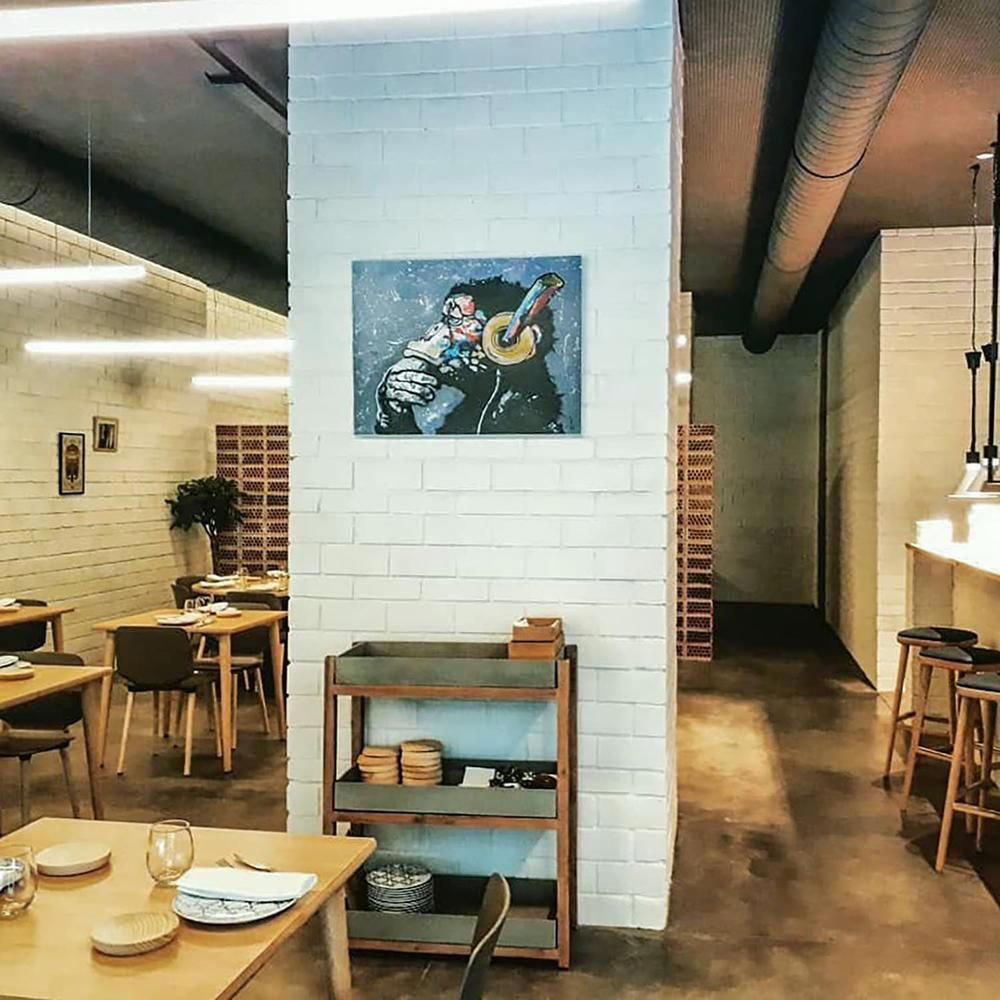
Intimate atmosphere with an open kitchen and attentive service.