

Michelin Plate · Macarfi 7.6 Food Rating
Our verdict
Detapaencepa operates as two venues under one roof on Rúa do Ecuador: a ground-level tapas bar and a seated restaurant, both drawing from the same kitchen and the same updated traditional menu. The Michelin Plate (2025) reflects a kitchen working seriously within the Galician idiom, with dishes such as wild boar stew with wild mushrooms and Gnocchi Sarda sitting alongside Carabinero prawn tartare on pigs' trotters.

Pearl is the En Primeur Club membership app — saves, bookings, and concierge access live there. Same editors, same standards.
- Address
- R. do Ecuador, 18, Santiago de Vigo, 36203 Vigo, Pontevedra, Spain
- Phone
- +34 986 47 37 57
- Hours
- Mon–Sat 1–5:30 PM, 8 PM–12 AMSun Closed
- Website
- detapaencepa.com
- Directions
- Get directions
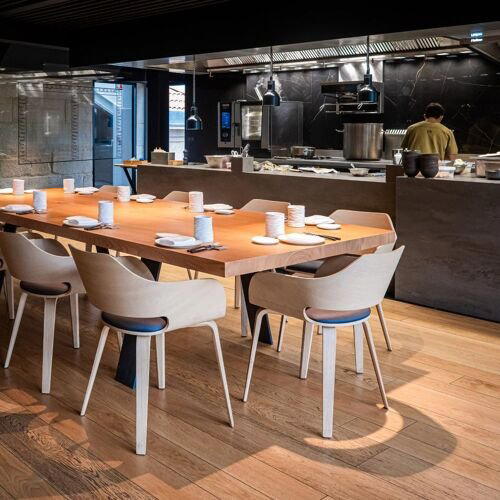
Two Rooms, One Kitchen, One Way of Eating
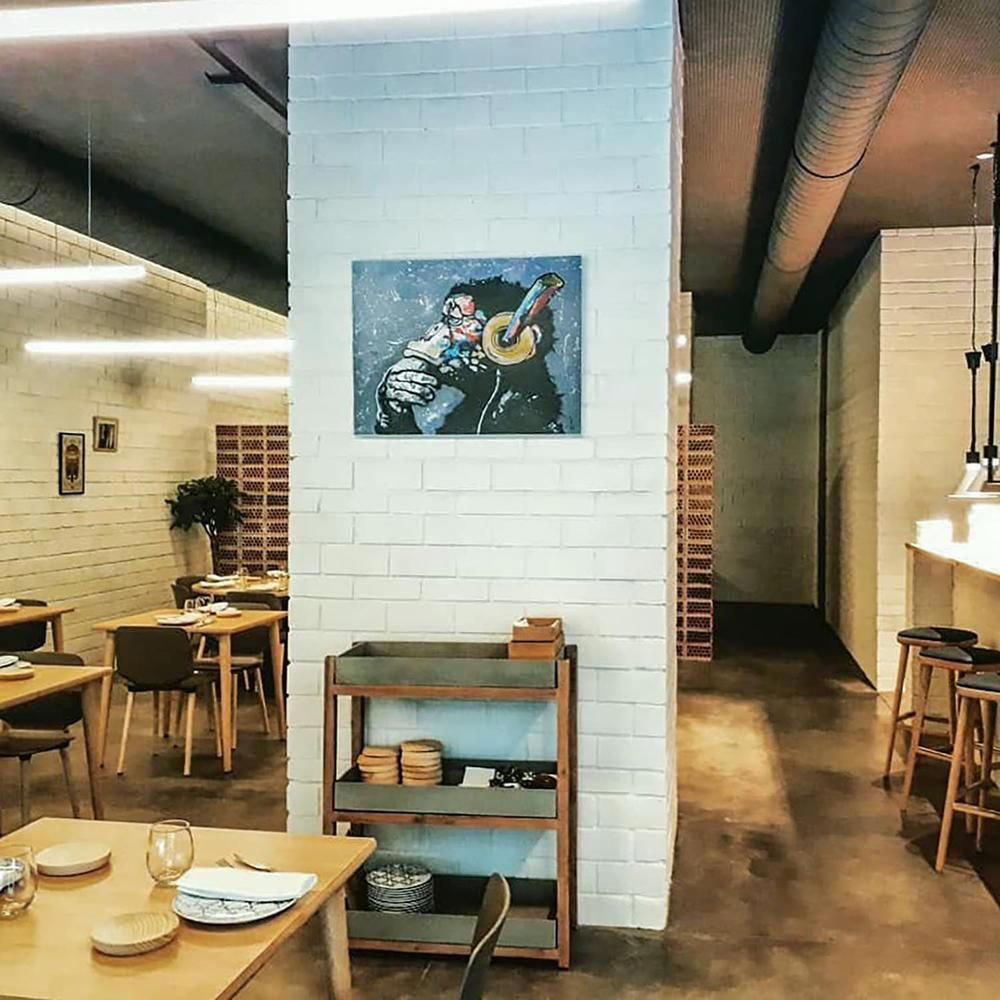
Galician dining has long operated on an informal axis: the bar counter as the first move, the table as the second. Vigo's restaurant scene maintains that tradition more honestly than most Spanish port cities, and Detapaencepa at Rúa do Ecuador, 18, in the Santiago de Vigo district, is structured around exactly that rhythm. Walk in and you encounter the tapas bar first, busy and upright, with the fuller dining room behind it. Both spaces draw from the same kitchen and the same menu. That isn't a compromise or a cost-saving arrangement; it is a deliberate statement about how Galicians actually eat.
The dual-format model places Detapaencepa in a specific tier of Vigo's mid-range contemporary scene. At the €€ price point, it occupies the same bracket as neighbours such as Enxebre and La Mesa de Conus, rather than the heavier investment required at Silabario (€€€, Michelin one star) or Alberte (Grills) at the same higher tier. What separates Detapaencepa from casual tapas bars in that price band is the 2025 Michelin Plate — a recognition that acknowledges consistent kitchen quality without the tasting-menu architecture that tends to earn stars. Michelin Plates at this price point are relatively rare in Galician cities and signal a kitchen operating with more discipline than the format strictly requires.
The Ritual of the Menu
The structure of a meal here follows a familiar Galician-Spanish progression, but with enough editorial confidence to reward attention. Tapas and raciones are available in both the bar and the restaurant, which means the meal can be shaped around appetite and pace rather than a fixed sequence. That flexibility is part of the local dining tradition: small dishes are not an alternative to a full meal but an extension of it, a way of covering more ground across the kitchen's range.
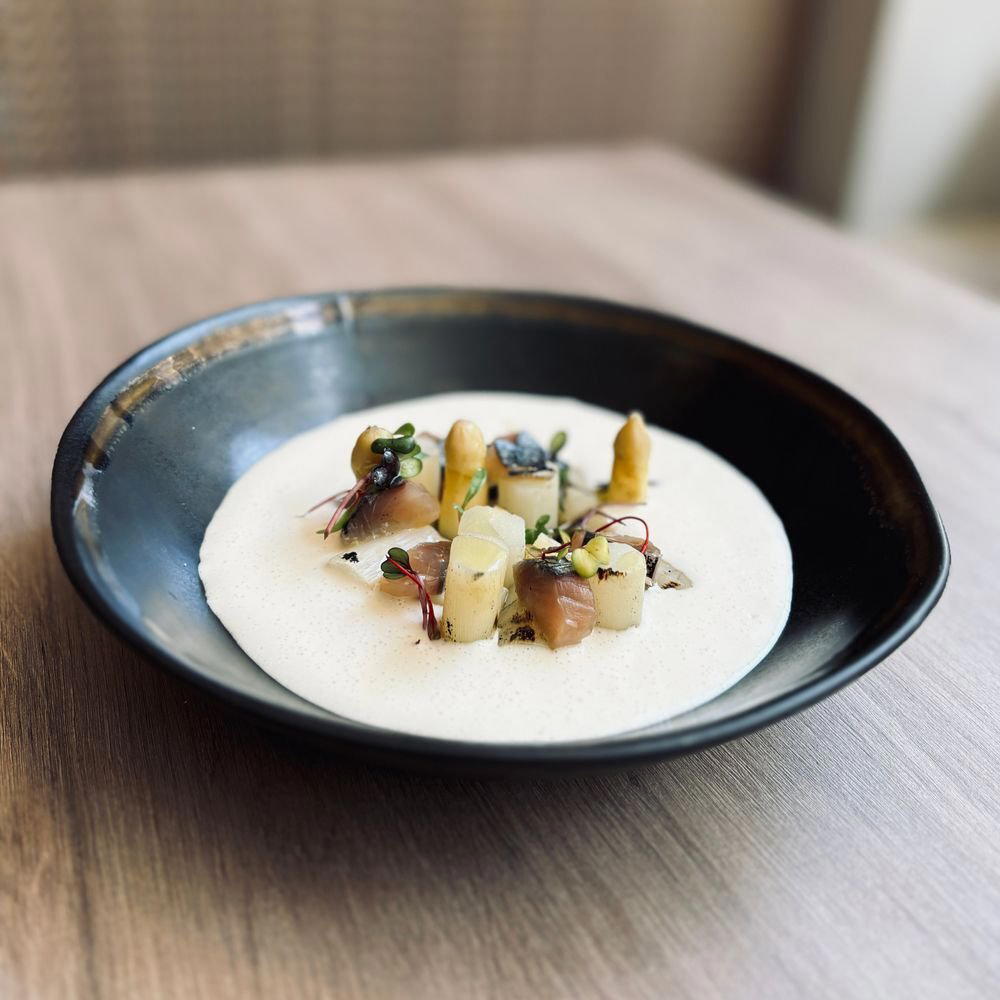
Where the menu steps beyond standard tapas territory is in its more elaborate dishes. The pigs' trotters with a Carabinero prawn tartare is the kind of combination that defines updated Galician cooking: gelatinous slow-cooked offal paired with the intense, salt-sweet richness of Carabinero, a red prawn species that has become something of a prestige ingredient in northern Spanish kitchens. The wild boar stew with wild mushrooms and Gnocchi Sarda introduces a pasta format from Sardinia into a dish that is otherwise rooted in Galician mountain produce, an unexpected cross-reference that works because both traditions share an appetite for deeply reduced, aromatic braises.
The à la carte menu is supplemented by several formats designed to shape the decision for different visitors. An executive menu runs Monday to Friday at lunch, a weekday-focused structure that suggests the restaurant draws a regular professional clientele as well as its evening crowd. The menú de la casa is described as substantial, while daily suggestions rotate through whatever the kitchen has sourced that morning. This kind of layered menu architecture, where multiple entry points coexist, is common in serious mid-range Spanish restaurants: it signals that the kitchen can operate at different registers without losing coherence.
Where Detapaencepa Sits in Vigo's Dining Pattern
Vigo's restaurant identity is shaped by proximity to some of the most productive fishing waters in Europe. The Rías Baixas system and the Atlantic shelf supply the city's kitchens with seafood that competitors in Madrid or Barcelona can only access at significant cost and delay. The leading Vigo tables, including Maruja Limón, exploit that supply advantage directly. Detapaencepa operates within the same ecosystem but applies it to a format that is more accessible in both price and pacing.
The contemporary tag on the cuisine type is worth reading carefully in this context. Contemporary in Vigo rarely means the architectural plating and laboratory technique associated with the Spanish vanguard at venues like DiverXO in Madrid, El Celler de Can Roca in Girona, or Azurmendi in Larrabetzu. In a port city with a strong product tradition, contemporary more often means a kitchen that updates classic recipes through sourcing choices, flavour pairings, or technique without abandoning the recognisable backbone of regional cooking. The Carabinero and trotter dish is a clear example: the technique is traditional, the ingredient pairing is the update.
That approach places Detapaencepa in a different frame from the dedicated tasting-menu format that has come to represent Spanish fine dining internationally, at restaurants such as Arzak in San Sebastián, Aponiente in El Puerto de Santa María, or Cocina Hermanos Torres in Barcelona. It is also a different proposition from the contemporary format operating in cities further afield, such as César in New York City or Jungsik in Seoul. What Detapaencepa shares with all of them is a commitment to doing something specific well, rather than covering the broadest possible ground.
Planning a Visit
Detapaencepa sits at Rúa do Ecuador, 18, in the Santiago de Vigo neighbourhood, a residential district in the west of the city with a quieter character than the central waterfront area. The bar counter format means that a spontaneous visit for a racion and a glass of Albariño is entirely workable, while the restaurant section and the menú de la casa suit a slower, more deliberate lunch or dinner. The executive lunch menu, running Monday to Friday, is the entry point for visitors who want a structured meal at the lower end of the cost range.
A phone number and website are not currently listed in public directories, so the most practical approach for table reservations is to visit in person or check current booking platforms. For visitors building a wider picture of Vigo's dining scene, EP Club's guides to Vigo restaurants, Vigo bars, Vigo hotels, Vigo wineries, and Vigo experiences cover the full range of options across the city.
Frequently asked questions
What kind of recognition has Detapaencepa received?
Detapaencepa has received recognition including: This eatery is two businesses in one: a busy tapas bar, plus the restaurant itself. In both spaces, guests can order from the same updated traditional menu of tapas, raciones and a choice of more elaborate dishes such as the pigs’ trotters ….
What dish is Detapaencepa famous for?
Two preparations draw the most attention: pigs' trotters with a Carabinero prawn tartare, and a wild boar stew with wild mushrooms and Gnocchi Sarda pasta. Both appear on the main à la carte and reflect the kitchen's approach of grounding updated Galician cooking in regional produce. The Carabinero prawn, sourced from Atlantic waters that define the wider Rías Baixas food identity, makes the surf-and-turf pairing a logical expression of Vigo's pantry.
What part of town is Detapaencepa in?
Detapaencepa is located at R. do Ecuador, 18, Santiago de Vigo, 36203 Vigo, Pontevedra, Spain, Vigo.
Can I walk in to Detapaencepa?
The tapas bar side of the operation, one of two distinct spaces under the same roof at Rúa do Ecuador, 18, is the more walk-in-friendly option. At the €€ price point in Vigo's mid-range contemporary bracket, the bar counter absorbs casual visitors more readily than the restaurant dining room, particularly outside peak lunch and dinner windows. For the full restaurant experience or the menú de la casa, arriving early or calling ahead is the safer approach.
Style and Standing
| Venue | Cuisine | Price | Awards | Notes |
|---|---|---|---|---|
| DetapaencepaThis venue — the venue you are viewing | Modern Spanish Tapas | $30–50 | Michelin Plate · Macarfi 7.6 Food Rating | Not listed |
| Silabario | Contemporary Galician Fine Dining | Not listed | 1 Michelin Star · Guía Repsol 1 Sol | Contemporary |
| Casa Marco | Traditional Galician Cuisine with Modern Twist | $30–50 | Michelin Bib Gourmand · Macarfi 7.7 Food Rating | Not listed |
| Alberte | Modern Galician Seafood Grill | $30–50 | Michelin Plate · Macarfi 7.6 Food Rating | Not listed |
| Kero | Peruvian-Galician Fusion | $30–50 | Michelin Plate · Macarfi 7.7 Food Rating | Not listed |
| Kita | Modern Japanese Omakase with Galician Influences | $150–200 | Michelin Plate · Macarfi 8 Food Rating | Not listed |
Recognition history
Dated appearances from independent guides and award organizations, with the underlying list record or original source where available.
Michelin Plate
Michelin
Macarfi 7.6 Food Rating
Macarfi
Full recognition history (4 entries)
Michelin Plate
Michelin
Michelin Plate
Michelin

Details
- Intimate
- Elegant
- Cozy
- Sophisticated
- Date Night
- Special Occasion
- Open Kitchen
- Extensive Wine List
- Sommelier Led
- Local Sourcing
- Small Plates
- A La Carte
- Sherry
- Spanish Wines
- Vegetarian Friendly
- Vegan Options
- Gluten Free Options
Current opening hours
- Monday
- 1–5:30 PM, 8 PM–12 AM
- Tuesday
- 1–5:30 PM, 8 PM–12 AM
- Wednesday
- 1–5:30 PM, 8 PM–12 AM
- Thursday
- 1–5:30 PM, 8 PM–12 AM
- Friday
- 1–5:30 PM, 8 PM–12 AM
- Saturday
- 1–5:30 PM, 8 PM–12 AM
- Sunday
- Closed
Hours can change for holidays and private events. Last verified .
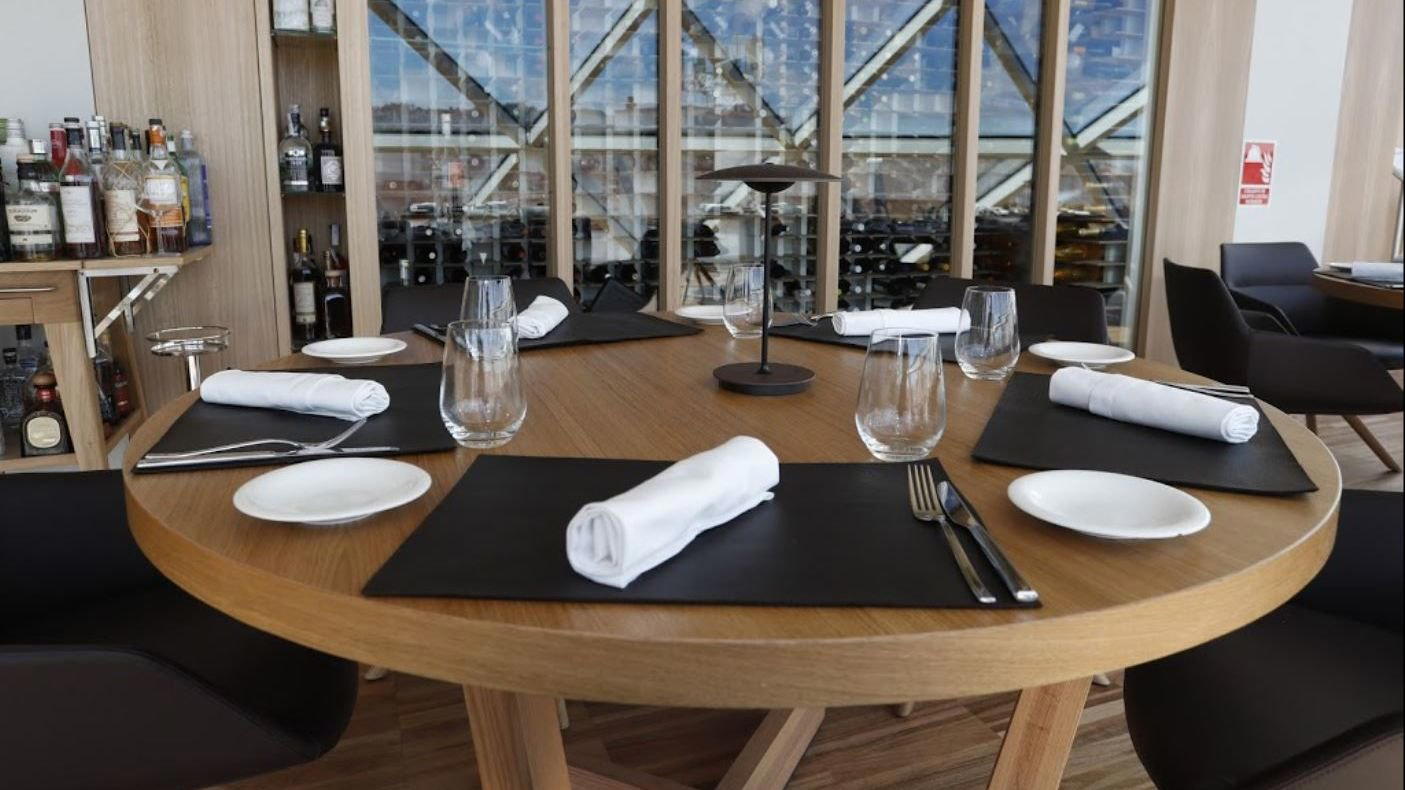
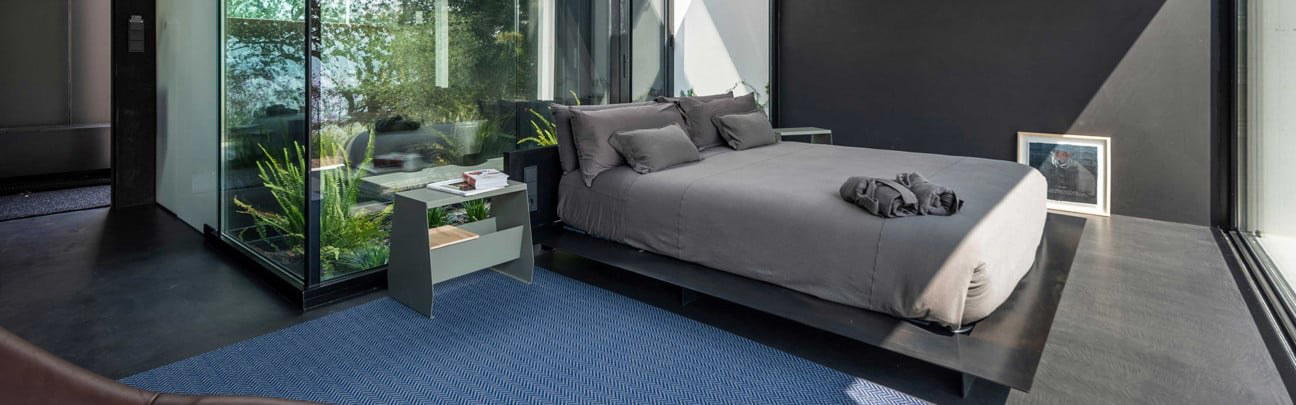
Candlelit stone room with tactile woods, linen banquettes, soft glow, and quiet kitchen theater creating an elegant, unhurried embrace.