Rodeo Goat
Rodeo Goat on Market Center Boulevard sits in Dallas's craft burger tier — a category that, in this city, has developed its own serious following distinct from the steakhouse and BBQ traditions that dominate the broader dining conversation. The format rewards repeat visitors, with a rotating cast of creative burger builds that give regulars a reason to return beyond the familiar anchors.
Pearl is the En Primeur Club membership app — saves, bookings, and concierge access live there. Same editors, same standards.
- Address
- 1926 Market Center Blvd, Dallas, TX 75207
- Phone
- +12147414628
- Website
- rodeogoat.com
- Directions
- Get directions
 Saves & bookings on Pearl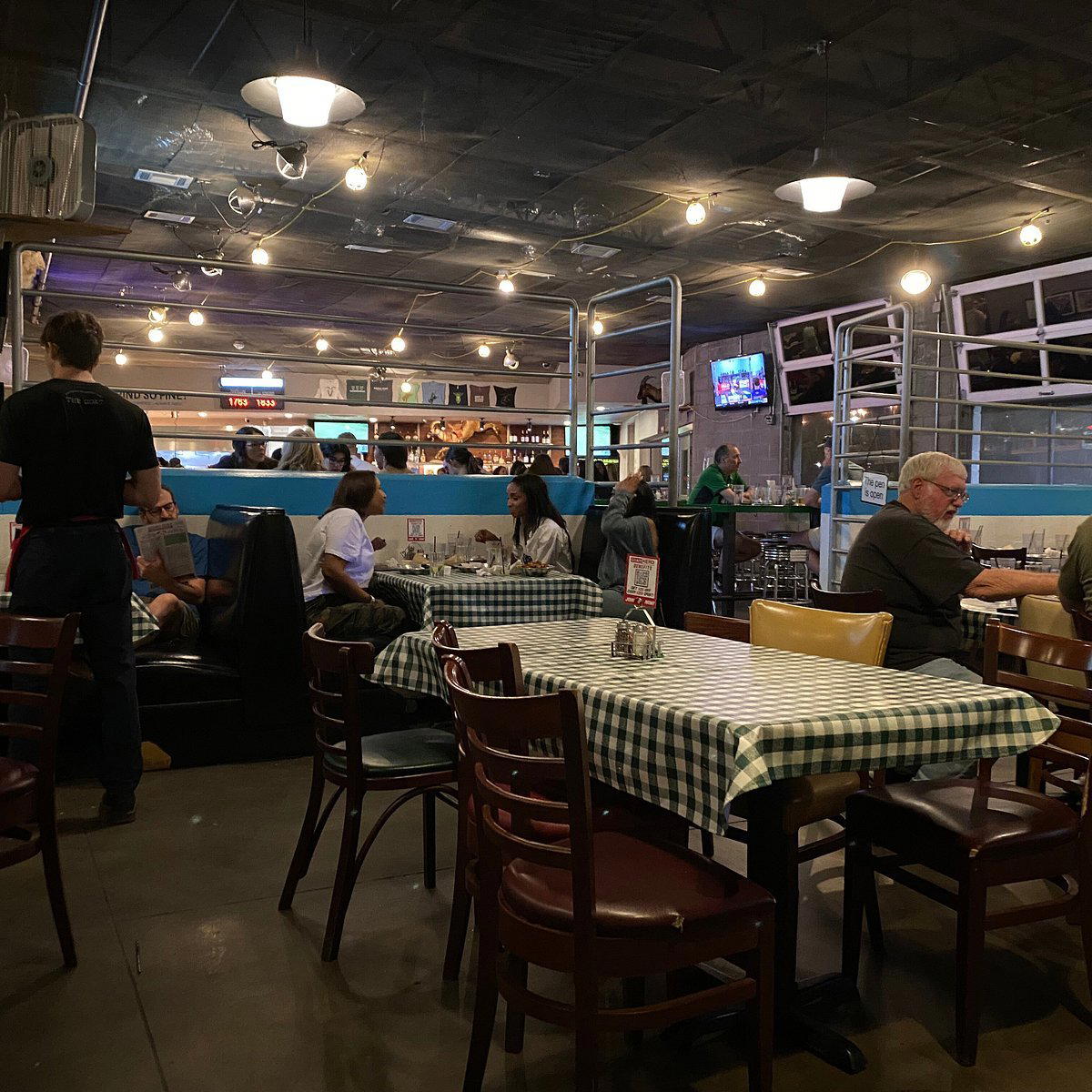
What the Regulars Know
Dallas dining tends to get framed around its extremes: the white-tablecloth Southwestern ambition of places like Mamani, the precision Japanese counter work at Tatsu Dallas, the theatrical churrasco theatre of 12 Cuts Brazilian Steakhouse. But there is a parallel track in this city — a craft burger scene that has earned its own loyal constituency, operating on different terms and at a different register than the formal dining tier. Rodeo Goat, at 1926 Market Center Boulevard, sits firmly on that track.
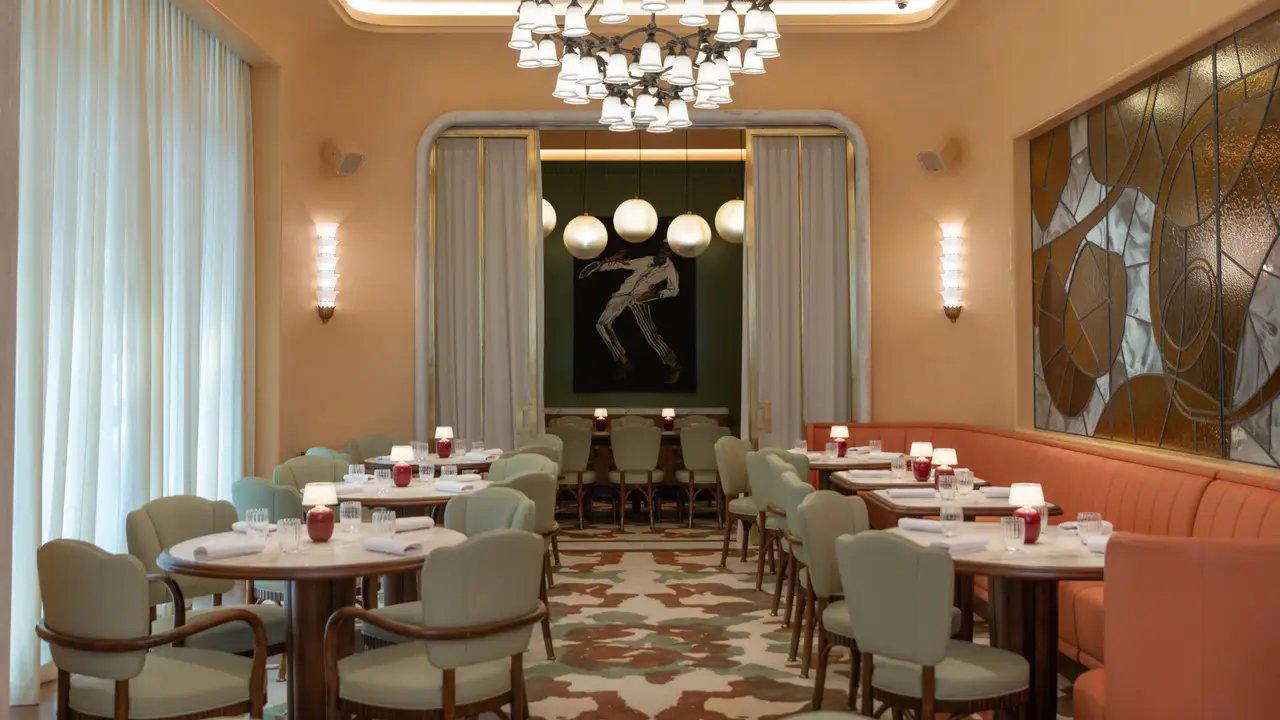
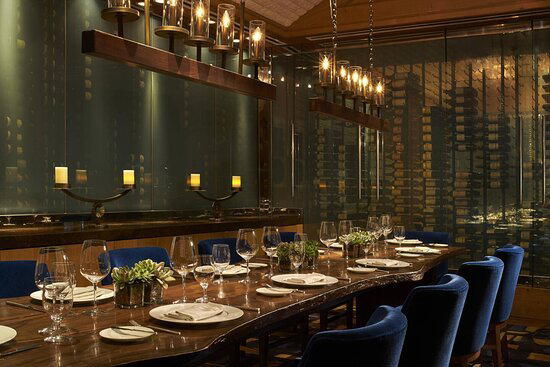
The address places it in the Market Center district, a zone that sits between downtown and the Design District, with the kind of industrial framing that has become common shorthand for casual-premium eating across American cities. Approach from Market Center Boulevard and the signage is direct — no curated mystique, no choreographed entry sequence. What draws regulars back is not atmosphere architecture but the food itself, which in the craft burger category is exactly where the argument should be made.
The Craft Burger Tier in Dallas
American cities have spent the better part of a decade sorting their burger options into distinct tiers: fast-casual chains, upscale-casual independents, and the handful of places that treat the burger as a serious culinary format worthy of sourcing decisions and creative iteration. Dallas, given its red-meat culture, has a more developed version of this hierarchy than most cities its size. The comparison set for Rodeo Goat is not Fearing's or 3Eleven Kitchen and Cocktails, it sits in the casual-premium bracket where price point and format informality are features rather than limitations.
That tier is defined, in part, by what regulars expect from it. The draw is not a tasting menu's narrative arc or the kind of tableside ceremony you'd associate with the upper brackets at places like Le Bernardin in New York City or Alinea in Chicago. The draw is repeatability: a menu with enough range that coming back twice in a month doesn't feel redundant, and a core product reliable enough that regulars have specific things they order without looking at the menu.
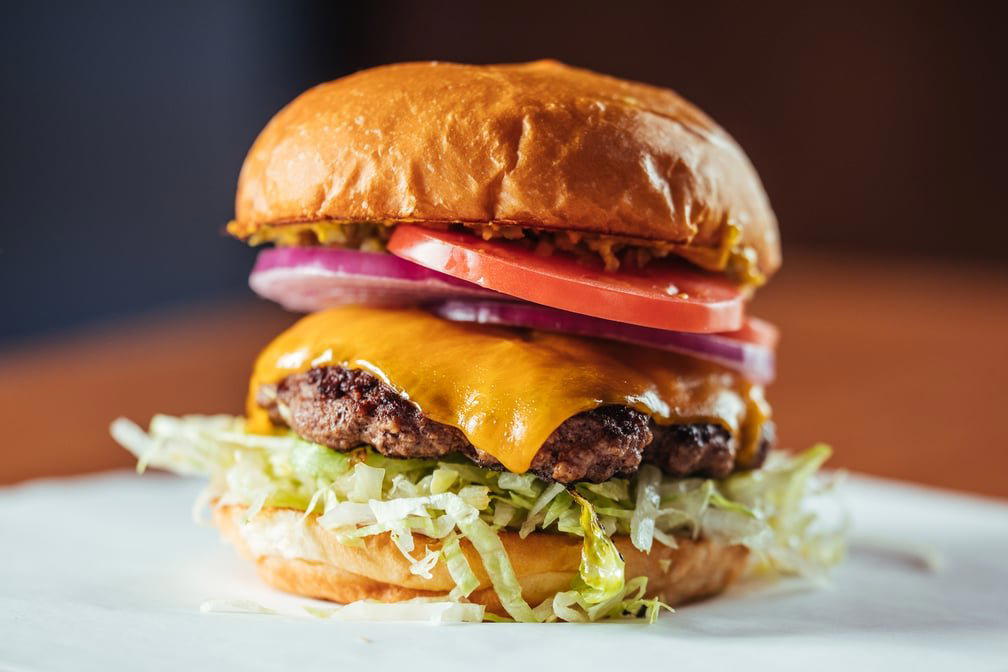
Rodeo Goat's burger program has developed that kind of following. The format, named builds with creative topping combinations, is common to the category, but the execution has earned the venue a distinct place in Dallas burger conversations. Regulars tend to have their order locked, and the rotating or seasonal additions give the menu enough movement to reward the curious alongside the committed.
What Keeps People Coming Back
The regulars' perspective on any restaurant is a reliable signal of product consistency. Occasional visitors can be won over by novelty; repeat visitors are returning because the thing they came for last time was worth repeating. In the craft burger format, that calculus is particularly transparent, there is no complicated tasting menu to unpack, no wine list to explore, no seasonal progression to track. The burger is the argument, and it either holds up or it doesn't.
For a venue with Rodeo Goat's following in Dallas, the implication is that the core product holds. The creative naming and build combinations that characterize the menu give the place a personality distinct from the more anonymous burger-and-fries format, without tipping into the kind of overwrought novelty that tends to age poorly. The balance, familiar format, specific execution, enough variation to sustain interest, is the working formula for this tier of the market.
The Market Center location also gives Rodeo Goat a catchment area that spans lunch crowds from the surrounding commercial zone and evening trade from the Design District, which has become one of the more active dining corridors in Dallas. For context on the broader Dallas scene, see our full Dallas restaurants guide.
Dallas in the Broader American Burger Conversation
It is worth placing the Dallas craft burger tier in national context. Cities like San Francisco, with venues such as Lazy Bear anchoring a certain kind of creative dining identity, have developed their casual food culture in parallel with their fine dining scenes. The same pattern holds in Healdsburg, where Single Thread Farm defines one end of the spectrum, and in Tarrytown, where Blue Hill at Stone Barns anchors a very different kind of agricultural dining conversation.
Dallas's casual food culture has been shaped by its barbecue tradition, venues like Cattleack Barbeque occupy a $$ price point that has its own serious following, and by the city's comfort with red meat in all its formats. The craft burger sits naturally inside that cultural context. It is not an import from coastal dining trends so much as a local evolution of a deep-rooted preference, filtered through the sourcing and creative-build sensibility that defines the current generation of the format nationally.
For comparison, the kind of formal tasting menu ambition you find at The French Laundry in Napa, Providence in Los Angeles, or Addison in San Diego represents a different relationship with the dining decision entirely. Rodeo Goat operates at the opposite end of the commitment spectrum, no reservation anxiety, no dress code calculation, no multi-hour time investment. That accessibility is part of the proposition, not a concession.
The same contrast holds internationally: the structured ceremony of 8 1/2 Otto e Mezzo Bombana in Hong Kong or the Korean fine dining precision of Atomix in New York City belongs to a category that shares almost no operational logic with a craft burger venue. The point is not hierarchy, it's that different formats serve different reader decisions, and Rodeo Goat is solving a specific one: a reliable, creative, casual meal in Dallas with a clear point of view on what a burger should be.
For other angles on Dallas casual dining, 360 Brunch House covers the weekend brunch format, while Emeril's in New Orleans and The Inn at Little Washington in Washington represent the kind of formal American dining that sits at the other end of the occasion spectrum entirely.
Know Before You Go
| Detail | Notes |
|---|---|
| Address | 1926 Market Center Blvd, Dallas, TX 75207 |
| District | Market Center, between downtown and the Design District |
| Format | Casual craft burger; walk-in format typical for the category |
| Occasion fit | Lunch, casual dinner, group meals, not occasion dining |
| Reservations | |
| Hours |
At a Glance
- Lively
- Trendy
- Energetic
- Casual Hangout
- Group Dining
- Late Night
- Open Kitchen
- Craft Cocktails
- Beer Program
- Street Scene
Current opening hours
- Monday
- 11 AM–10 PM
- Tuesday
- 11 AM–10 PM
- Wednesday
- 11 AM–10 PM
- Thursday
- 11 AM–10 PM
- Friday
- 11 AM–11 PM
- Saturday
- 11 AM–11 PM
- Sunday
- 11 AM–10 PM
Hours can change for holidays and private events. Last verified .
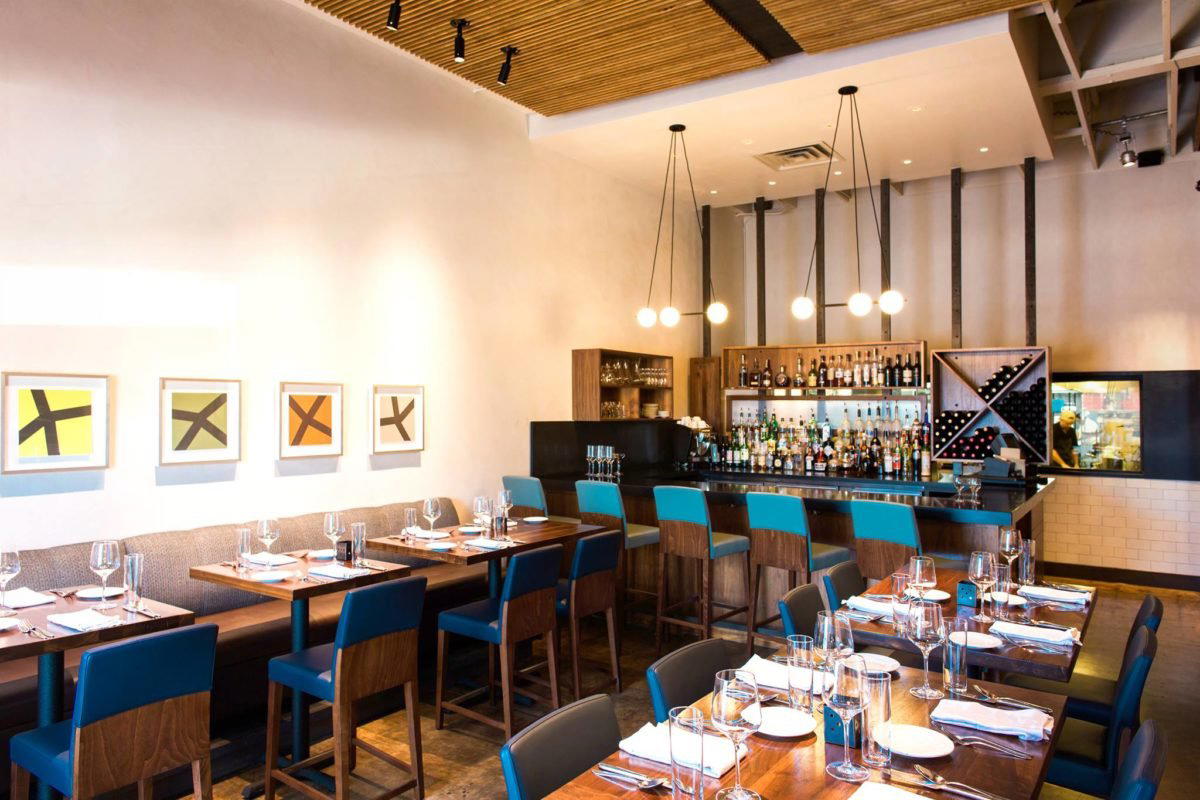
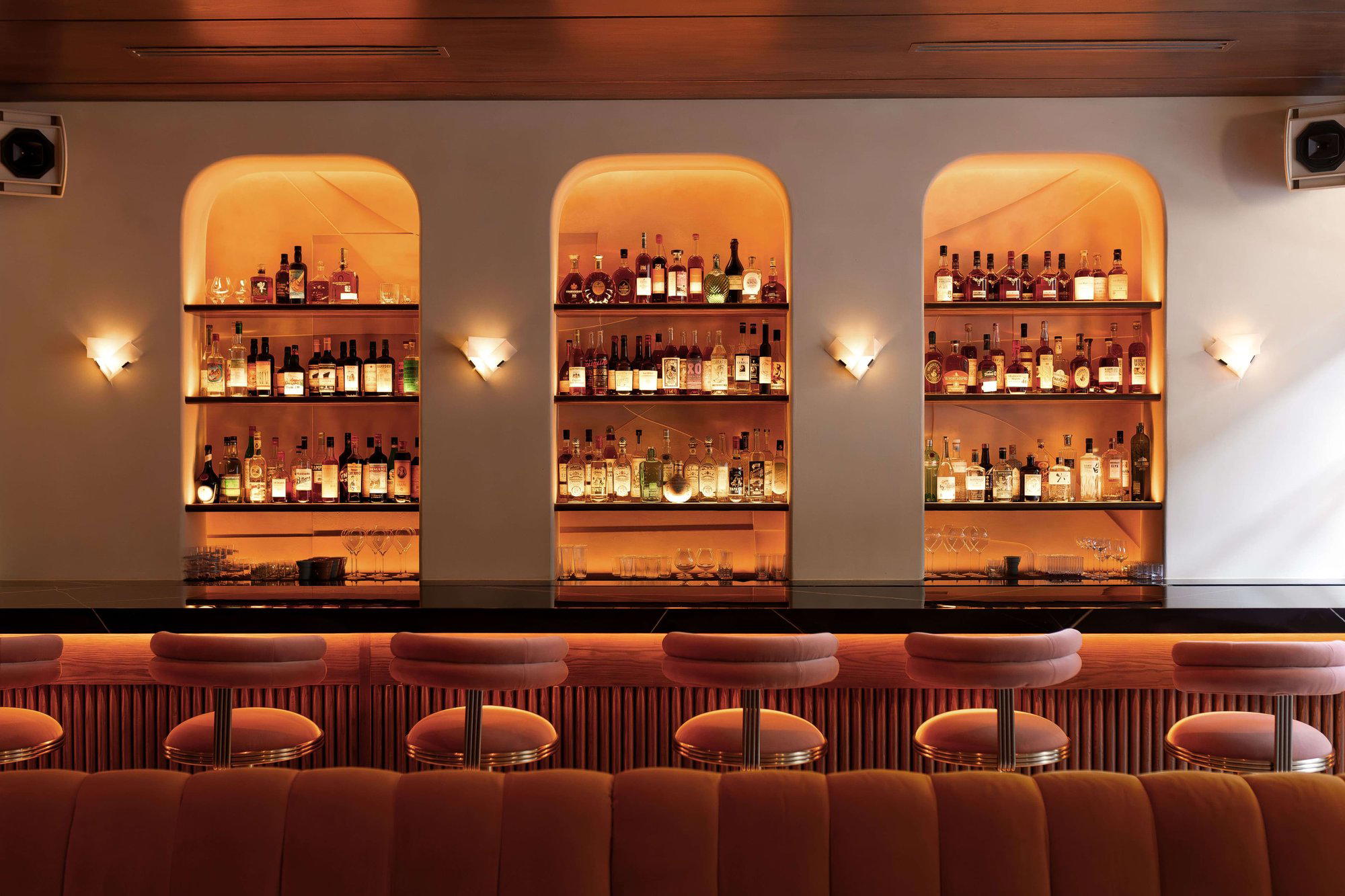
Lively and energetic bar setting with a fun, casual vibe well-suited for burgers and drinks.
Know Before You Go
- Getting there
- 1926 Market Center Blvd, Dallas, TX 75207