Seek
Seek occupies a Commerce Street address in Dallas's Deep Ellum-adjacent corridor, placing it inside the city's most active stretch of independent dining. The venue's position in a neighborhood that has seen serious culinary investment over the past decade makes it a reference point for understanding where Dallas's non-chain dining scene is heading.
Pearl is the En Primeur Club membership app — saves, bookings, and concierge access live there. Same editors, same standards.
- Address
- 2026 Commerce St Ste A, Dallas, TX 75201
- Phone
- +12147498308
- Website
- hydeloungedallas.com
- Directions
- Get directions
 Saves & bookings on Pearl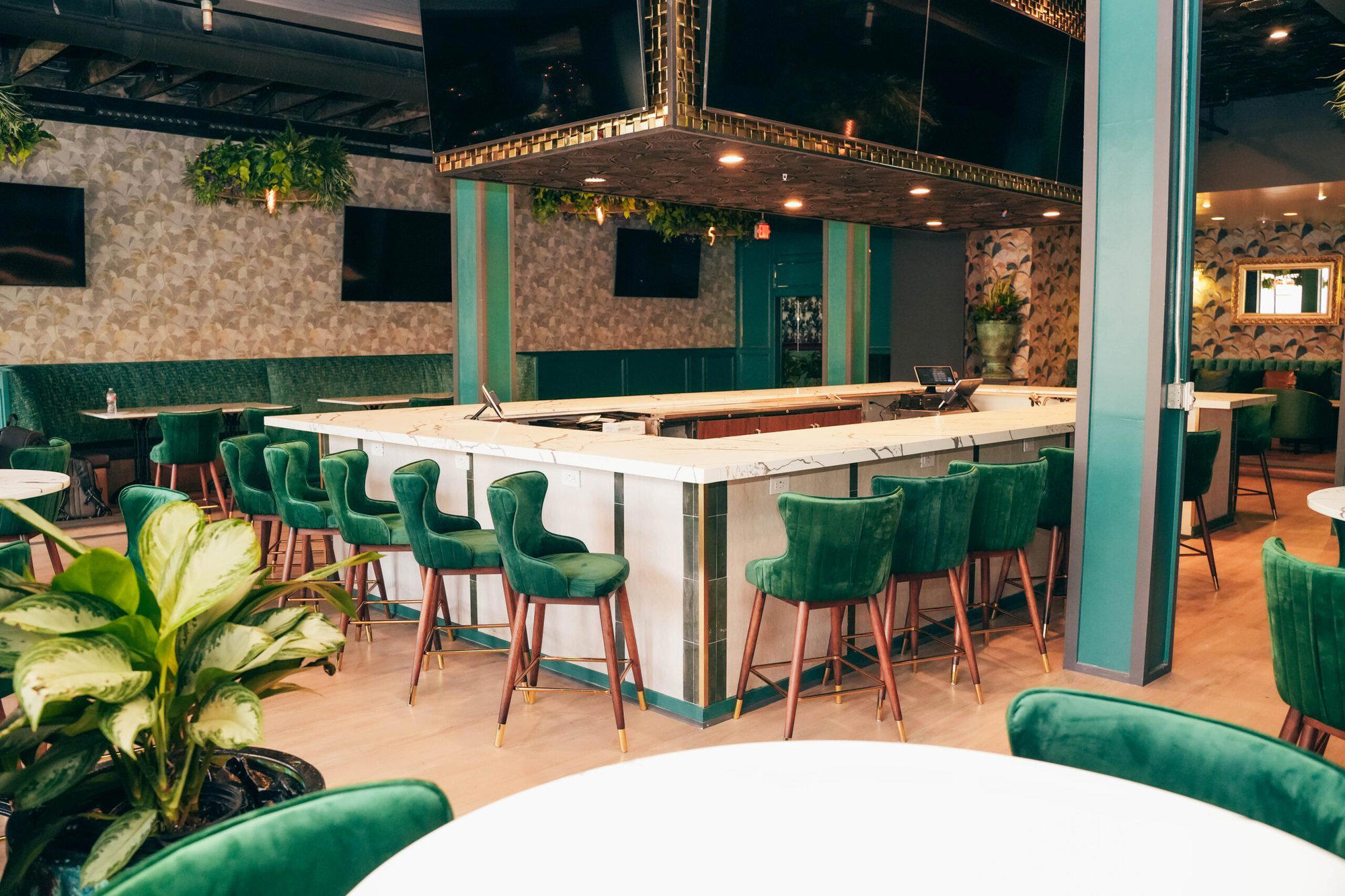
Commerce Street and the Architecture of Discovery
Along Commerce Street, between the Arts District's polished towers and Deep Ellum's louder, more performative blocks, a quieter tier of restaurants has taken root over the past several years. These are places that operate without the scaffolding of hotel affiliations, celebrity chef brands, or the kind of press infrastructure that follows a high-profile opening. Seek, at 2026 Commerce Street, belongs to that category, a venue in a neighborhood the city's most attentive diners have been watching closely.
The Commerce Street corridor functions differently from Dallas's more established dining districts. Uptown and Knox-Henderson carry higher rents, more predictable formats, and a clientele that often skews toward recognizable names. The strip that runs through this part of downtown, by contrast, has historically rewarded operators willing to take on rawer spaces and less foot traffic in exchange for lower barriers to entry and more creative latitude. That dynamic has produced some of the city's more considered independent restaurants, and it shapes the context in which Seek operates.
What the Address Reveals About the Menu
In American dining, the relationship between a restaurant's neighborhood and its menu architecture is rarely accidental. Venues in high-rent, high-visibility corridors tend toward formats that amortize cost quickly: large dining rooms, high turn rates, prix-fixe structures that keep the kitchen efficient. Restaurants in lower-profile addresses can afford, at least structurally, to be more patient. They can build menus that require more explanation, more trust from the guest, and more investment from the kitchen team.
This is the structural logic that has produced some of the more interesting mid-tier independent restaurants across American cities in the past decade. Think of the way Lazy Bear in San Francisco built a communal, ticketed format that would have been commercially impossible on a premium block, or how Atomix in New York City used a below-grade address to justify a menu architecture that prioritizes depth over accessibility. The address is never incidental; it is part of the editorial statement the restaurant makes about what kind of dining it is trying to produce.
What the Commerce Street address and the venue's positioning suggest, however, is an operator interested in the independent, non-chain tier of Dallas dining, a segment that has grown considerably since 2018 as the city's culinary infrastructure matured beyond its steakhouse-and-Tex-Mex baseline.
Dallas's Independent Dining Tier: A Competitive Map
Understanding where Seek sits requires understanding the spread of Dallas's non-institutional restaurant scene. At the upper end, venues like Fearing's operate within hotel infrastructure, with Southwestern and American formats priced at the summit of the market and a clientele that includes a significant proportion of hotel guests and expense-account diners. One tier below, Italian-focused independents like Mamani and other Dallas independents have built loyal followings through cuisine specificity and neighborhood presence rather than marketing spend.
The Japanese tier in Dallas is particularly active. Tatsu Dallas and Tei-An both operate at the summit of the market, with formats and price points that place them in direct conversation with the leading Japanese restaurants in other major American cities. For context on where serious American dining sits nationally, operations like Le Bernardin in New York City, The French Laundry in Napa, and Alinea in Chicago define the ceiling of the format, the kind of credential-heavy, award-verified operations that younger independents in cities like Dallas are measured against, even when they operate in a different register entirely.
Regionally, the comparison set expands further. Emeril's in New Orleans built its reputation on a Southern-inflected format that proved a regional identity could carry national weight. Providence in Los Angeles showed that seafood-focused independents could hold Michelin-level recognition outside New York. Addison in San Diego demonstrated that secondary-market cities could produce operations that competed with coastal flagships on every metric. Dallas, with its expanding independent tier, is working through the same argument.
At the more casual end of the city's range, venues like 12 Cuts Brazilian Steakhouse, 360 Brunch House, and 3Eleven Kitchen and Cocktails anchor a middle tier where format diversity and price accessibility do the work. Seek's Commerce Street address places it somewhere in between, potentially more considered than the casual mid-tier, but operating without the institutional scaffolding of the hotel-affiliated upper bracket.
Farm-to-Table and Sourcing-Led Menus: A National Parallel
The independent restaurant addresses that have gained critical traction over the past decade have tended to organize their menus around sourcing logic rather than cuisine category. Blue Hill at Stone Barns in Tarrytown and Single Thread Farm in Healdsburg both built formats in which the menu is essentially a document of what the farm or the season produced. The Inn at Little Washington in Washington and 8 1/2 Otto e Mezzo Bombana in Hong Kong represent the other pole: cuisine-tradition-led formats where the menu architecture reflects a specific culinary heritage rather than a local supply chain.
Most serious independent restaurants operate somewhere between these two poles, and menu architecture, how courses are ordered, how many choices the diner is given, how the kitchen signals its influences, reveals which direction the kitchen leans. Seek's Commerce Street positioning suggests an operator more likely aligned with the sourcing-led, independent-spirit tier than with the heritage-cuisine flagship model.
Planning a Visit
Visitors should note that Seek is closed Monday and Tuesday, with Wednesday through Sunday hours ranging from 12 PM to 2 AM, and reservations are recommended. The 2026 Commerce Street address places the venue within walking distance of downtown Dallas's main hotel corridor.
| Venue | Cuisine Focus | Price Tier | Format |
|---|---|---|---|
| Seek | Not confirmed | Not confirmed | Not confirmed |
| Fearing's | Southwestern, American | $$$$ | Full-service hotel dining |
| Lucia | Italian | $$$ | Independent neighborhood |
| Tei-An | Izakaya, Japanese | $$$$ | Independent specialist |
| Cattleack Barbeque | Barbecue | $$ | Counter service, limited days |
Reputation First
Comparable venues nearby, for context on price, style, and recognition.
| Venue | Cuisine | Price | Notes |
|---|---|---|---|
| SeekThis venue — the venue you are viewing | Modern American Cajun | $$ | Not listed |
| National Anthem | New American | $$ | Main Street District |
| Punch Bowl Social | American Gastropub with Entertainment | $$ | Deep Ellum |
| Smoky Rose | Texas BBQ with Chef-Driven Refinement | $$ | East Dallas |
| Twisted Root Burger Co. | Gourmet American Burgers | $$ | Deep Ellum |
| Buzzbrews Kitchen | American Diner with Breakfast All Day | $$ | Deep Ellum |
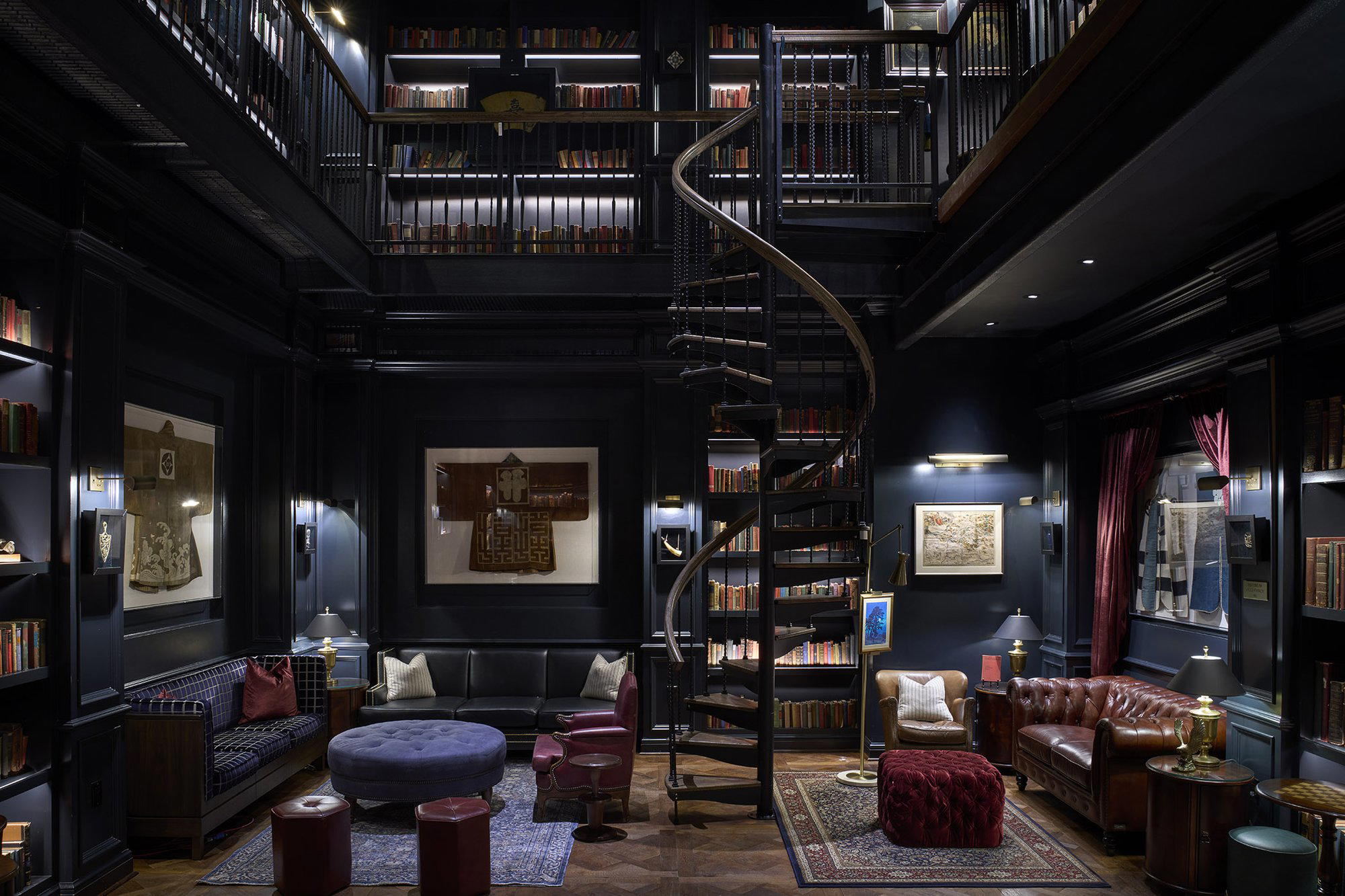
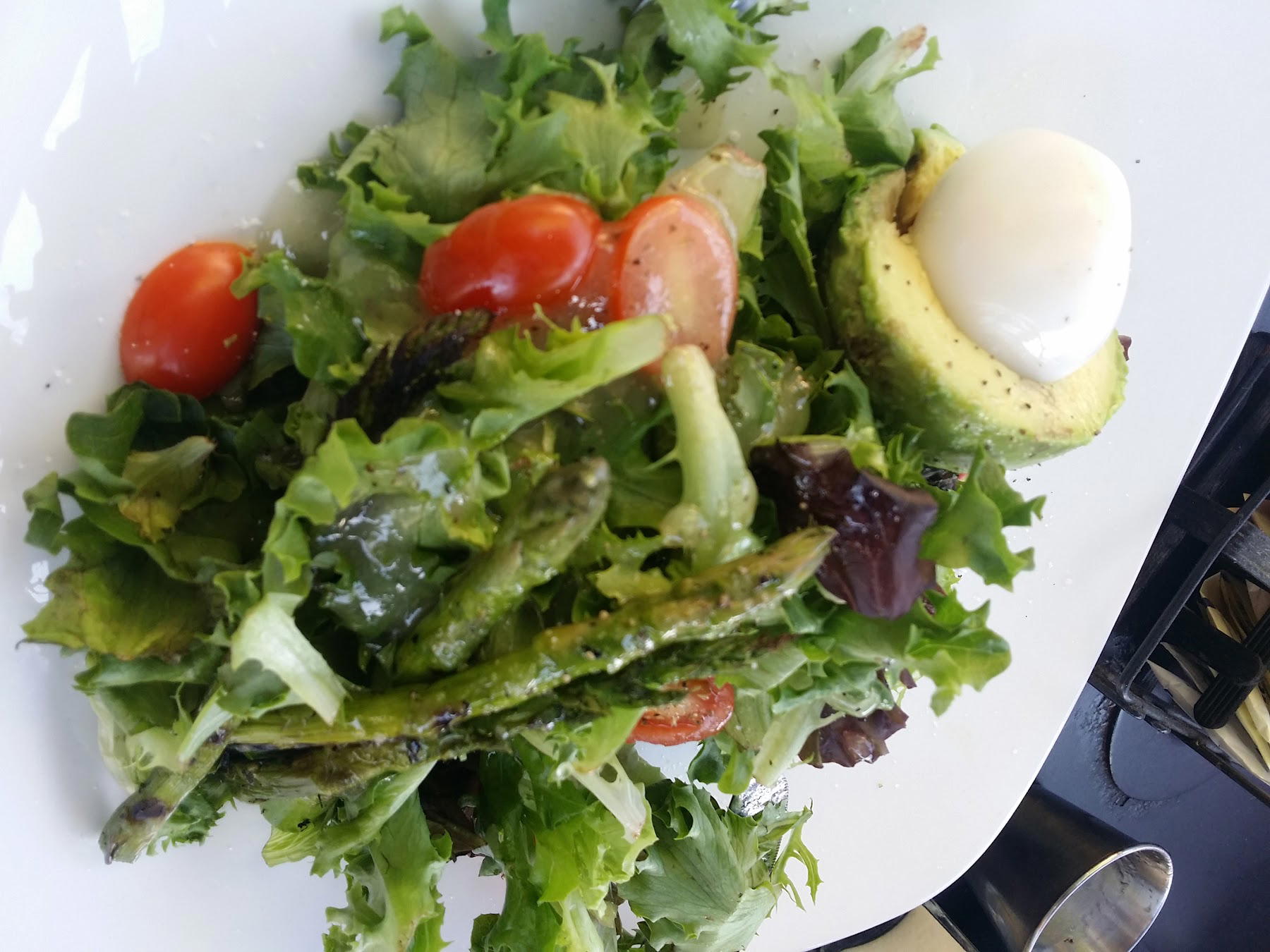
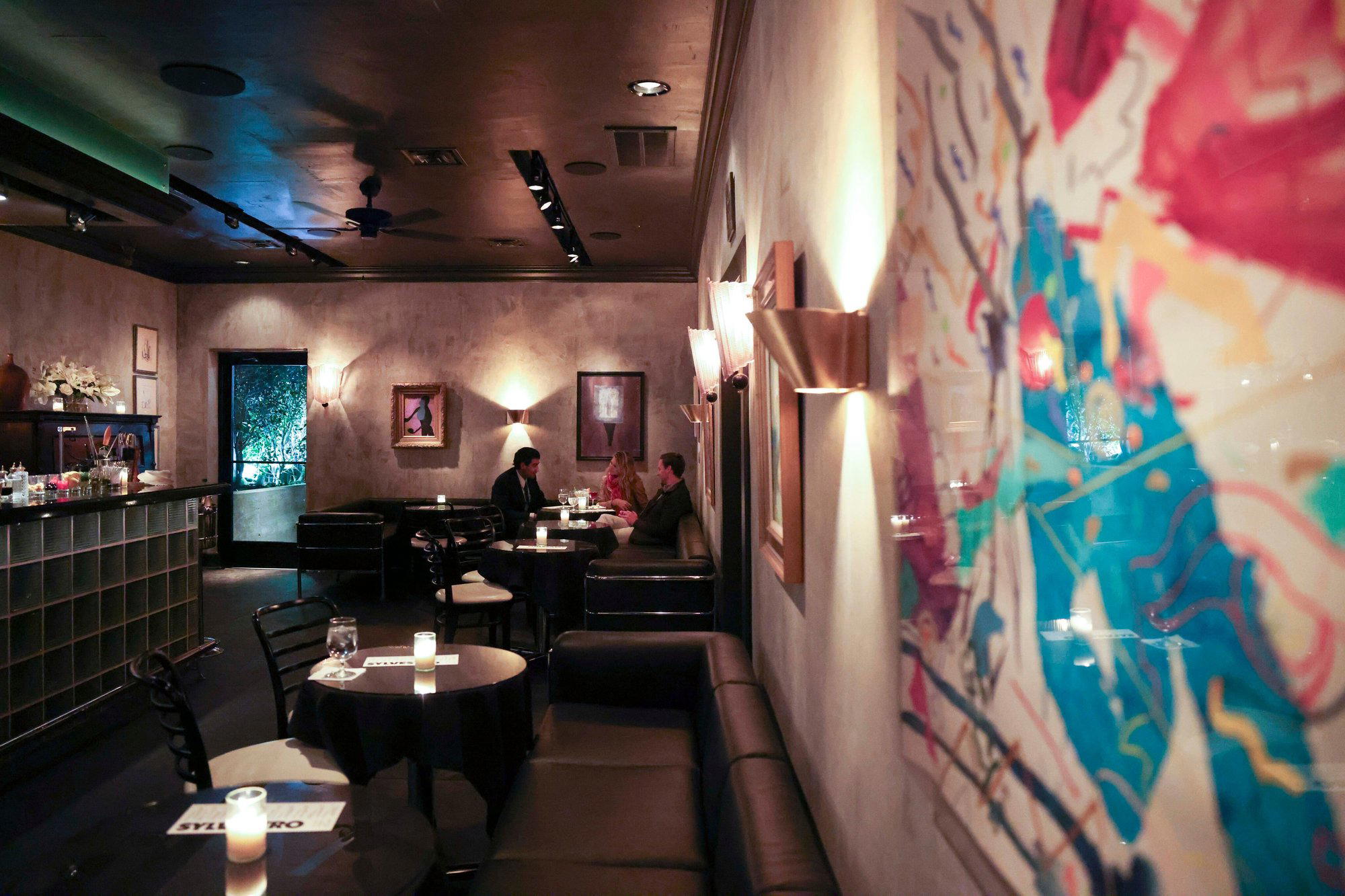
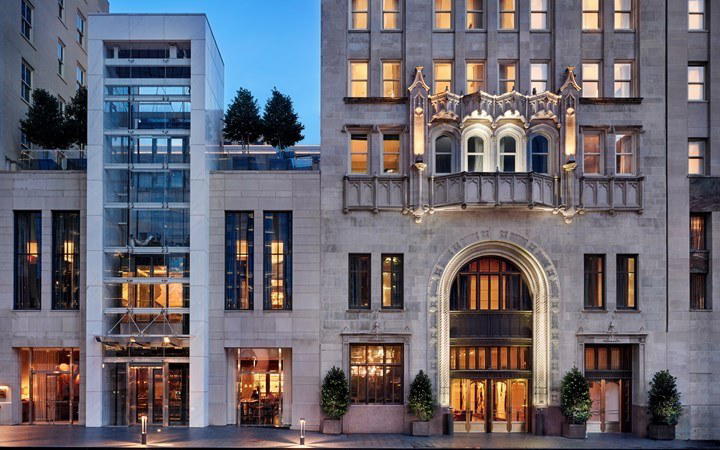
At a Glance
- Lively
- Date Night
- Casual Hangout
- Craft Cocktails
Current opening hours
- Monday
- Closed
- Tuesday
- Closed
- Wednesday
- 7 PM–2 AM
- Thursday
- 7 PM–12 AM
- Friday
- 7 PM–1 AM
- Saturday
- 3 PM–1 AM
- Sunday
- 12 PM–12 AM
Hours can change for holidays and private events. Last verified .
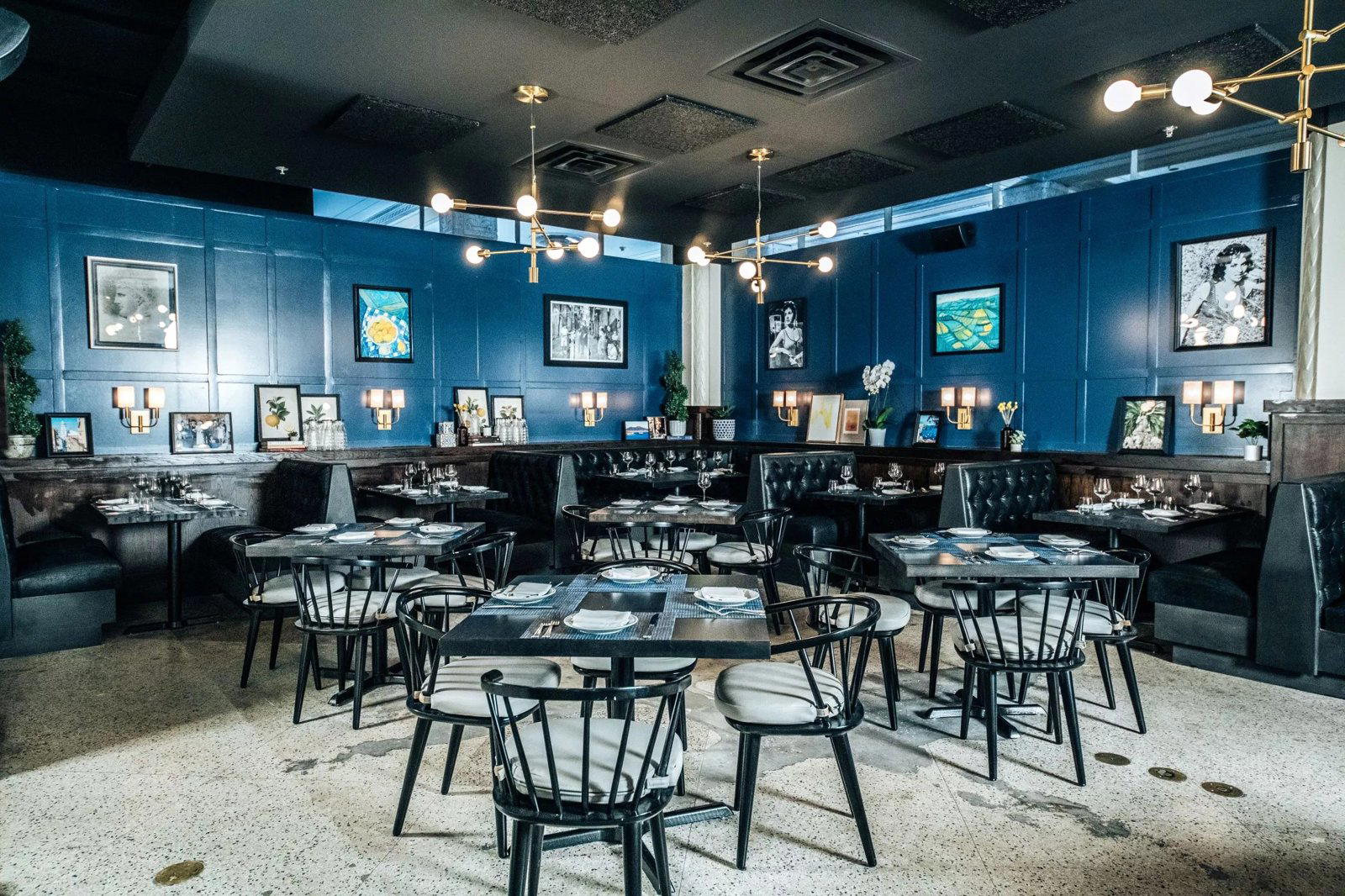
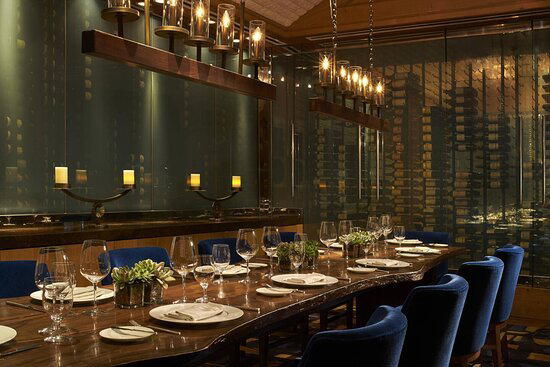
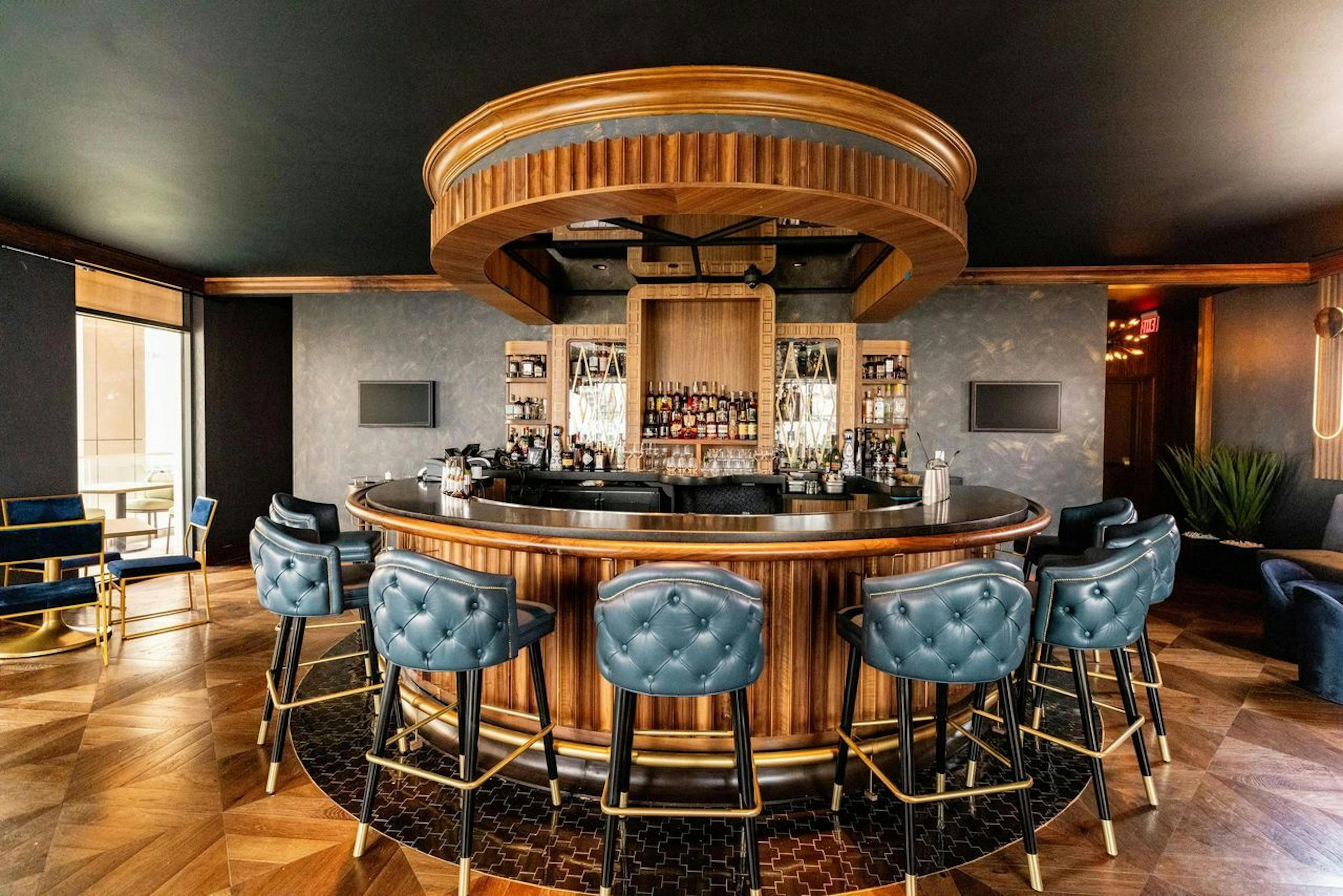
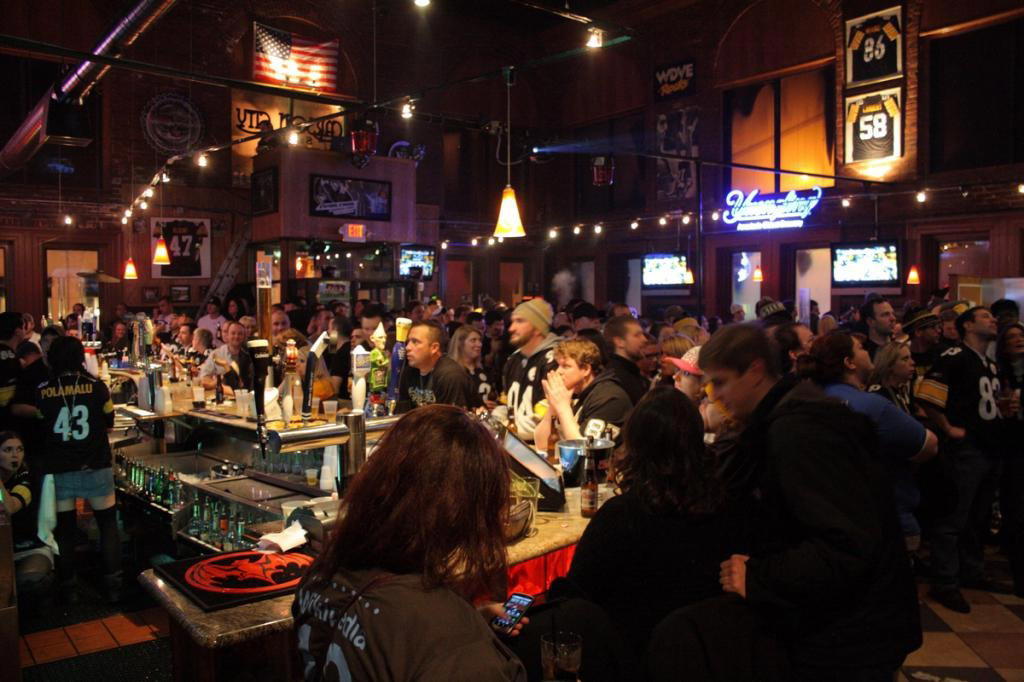
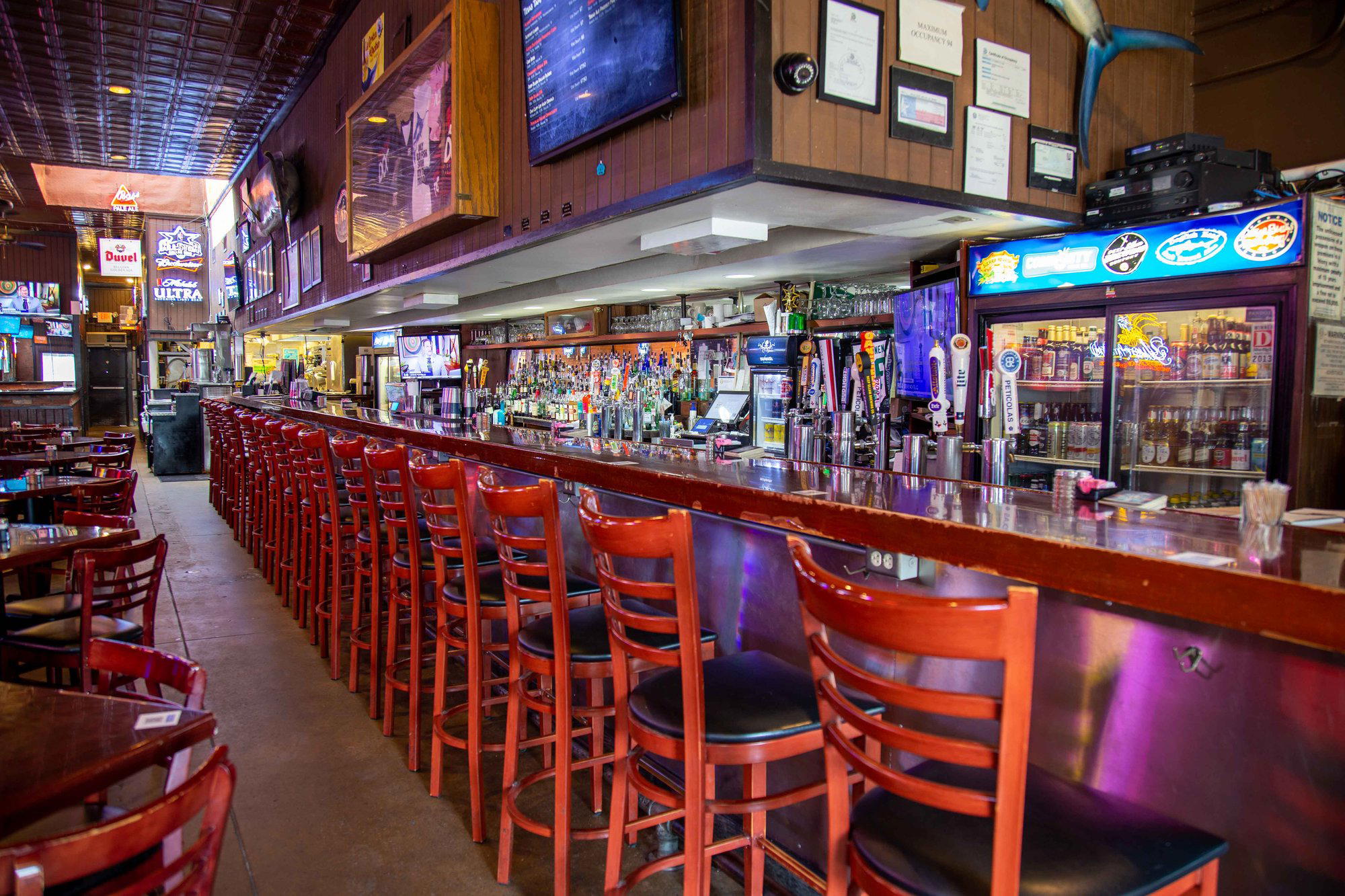
Lively and lively atmosphere suitable for dining and nightlife.