On Vennestraat in Genk, Balena occupies a corner of Belgian Limburg where the region's agricultural depth and cross-border sourcing culture quietly shape what ends up on the plate. The address places it within reach of Genk's broader dining circuit, alongside peers ranging from the creative French cooking at Feast to the refined European table at De Kristalijn. For ingredient-led dining in an underreported provincial city, it warrants a close look.
Pearl is the En Primeur Club membership app — saves, bookings, and concierge access live there. Same editors, same standards.
- Address
- Vennestraat 185, 3600 Genk, Belgium
- Phone
- +3289208382
- Website
- balenaosteria.be
- Directions
- Get directions
 Saves & bookings on Pearl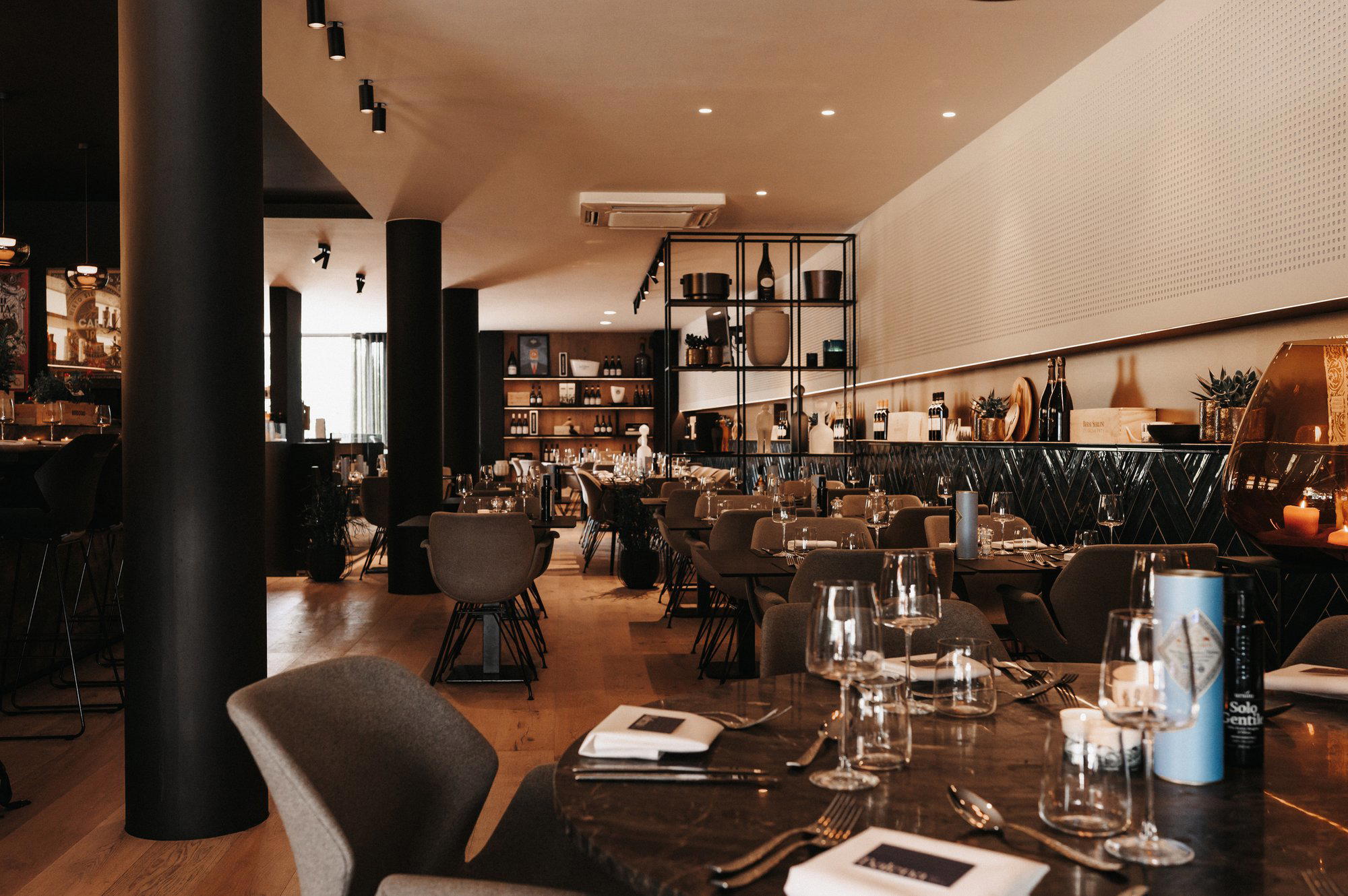
Vennestraat and the Ingredient Question in Genk
That territory has long been ceded to the coastal producers feeding kitchens in Ghent and Antwerp, or to the Ardennes larder that supplies a different kind of table further south. Yet the eastern province has its own sourcing logic: proximity to Dutch market gardens across the border, a tradition of small-scale livestock farming in the surrounding countryside, and a regional identity that has historically expressed itself through produce rather than prestige. Balena, at Vennestraat 185 in Genk, sits inside that geography.
The address itself is instructive. Vennestraat runs through a part of Genk that functions as a practical neighbourhood rather than a destination strip, which means a restaurant here earns its visits on merit rather than foot traffic. That dynamic is common across Belgian cities that lack a single dominant dining quarter: kitchens spread across residential and semi-commercial streets, and the ones that persist tend to do so because the cooking gives people a reason to come back.
Where the Ingredient Conversation Starts
Belgian dining at the premium end has spent the past decade sharpening its sourcing rhetoric, and the movement has real substance behind it. Kitchens like Willem Hiele in Oudenburg have built national reputations partly on the specificity of their supply lines, while Vrijmoed in Ghent has consistently framed its vegetable-forward approach around named growers. The question for any ingredient-led kitchen outside the established circuits is whether it can access comparable supply, or whether it works with what the region actually offers rather than what the coastal or Flemish-heartland networks provide.
Limburg's answer tends to be the latter, which is not a limitation so much as a different kind of discipline. The province's agricultural output includes asparagus cultivation of genuine quality in the sandy soils around the Kempen, fruit production that peaks in summer and autumn, and proximity to the Dutch greenhouse corridor that makes year-round vegetable supply more reliable than in regions further from the border. A kitchen that works with that material honestly will produce something that reads as Limburg rather than as a generic Belgian fine-dining proposition.
This matters because the alternative, sourcing beyond the region to replicate what kitchens in Antwerp or Roeselare can access through longer-established supply relationships, tends to produce menus that feel slightly out of place. The more coherent choice for a provincial kitchen is to build its identity around what the immediate geography actually yields.
Genk's Dining Range and Where Balena Sits
Genk is a post-industrial city with a dining scene that has matured considerably without attracting the critical coverage its better-known neighbours receive. The city's restaurant range now extends from direct neighbourhood eating to tables operating at a price and ambition level that would not look out of place in larger Belgian cities. De Kristalijn anchors the Modern European end of that range with a format that prices and performs at the €€€€ tier. La Botte covers Italian seafood at a comparable price point. Feast operates in Creative French territory at a more accessible €€ price level, making it a reference point for what ambitious cooking looks like at lower commitment in the same city.
For a fuller picture of how the city's restaurants cluster by cuisine and price tier, the EP Club Genk restaurants guide maps the range across neighbourhoods. Casa Paglia and Corneille add further texture to the city's mid-to-upper dining circuit, while Cuchara in nearby Lommel and Ralf Berendsen in Neerharen extend the regional reference set without requiring a trip to Antwerp or Brussels.
The national frame matters too. Belgian fine dining benchmarks against a demanding set of references. Hof van Cleve in Kruishoutem and Bozar in Brussels sit at the summit of that reference pyramid. Provincial kitchens are not competing directly with those addresses, but they are evaluated against the standards those kitchens have helped establish for what Belgian ingredient-led cooking can look like when it is operating seriously. Even internationally, the sourcing conversation has analogues: the farm-to-table discipline that has shaped kitchens like Lazy Bear in San Francisco reflects the same underlying argument about provenance as the leading Belgian regional tables, even if the specific geographies differ entirely. And the protein precision that has made Le Bernardin in New York a sustained reference point demonstrates what sourcing specificity can do over decades when applied consistently.
At the provincial level in Belgium, the kitchen that makes the sourcing argument credibly, and then backs it with cooking that rewards the visit, earns its place in that broader conversation without needing to pretend it is something it is not. For tables further afield but still within the regional orbit, La Durée in Izegem and d'Eugénie à Emilie in Baudour show how Belgian kitchens at varying price points are working through similar questions about place and produce.
Planning a Visit
Balena is located at Vennestraat 185 in Genk, a city accessible by train from both Hasselt and Liège, with connections to Brussels making a day trip or combined evening viable for visitors based in the capital. Genk does not have the density of a Brussels or Antwerp restaurant district, which means planning the visit around the specific address rather than a neighbourhood wander is the practical approach. Balena’s reservation policy is recommended, and its opening hours are Tuesday to Friday 12 to 2:30 PM and 5:30 PM to 12 AM, Saturday 5:30 PM to 12 AM, and Sunday 12 to 2:30 PM and 5:30 PM to 12 AM. It is closed on Mondays.
Fast Comparison
Comparable venues nearby, for context on price, style, and recognition.
| Venue | Cuisine | Price | Notes |
|---|---|---|---|
| BalenaThis venue — the venue you are viewing | Italian-French Fusion Osteria | $$$ | Not listed |
| Foglia | Vegan Italian Fine Dining | $$$ | Vennestraat |
| Corneille | Belgian & French Grande Cuisine | $$$ | Genk |
| Gusto | Contemporary French-Belgian Fine Dining | $$ | Carbon Hotel area |
| Casa Paglia | Authentic Italian Pizza and Pasta | $$ | Vennestraat |
| NoRes | Modern French with Worldly Twists | $$$ | Genk |
Continue exploring
More in Genk
Restaurants in Genk
Browse all →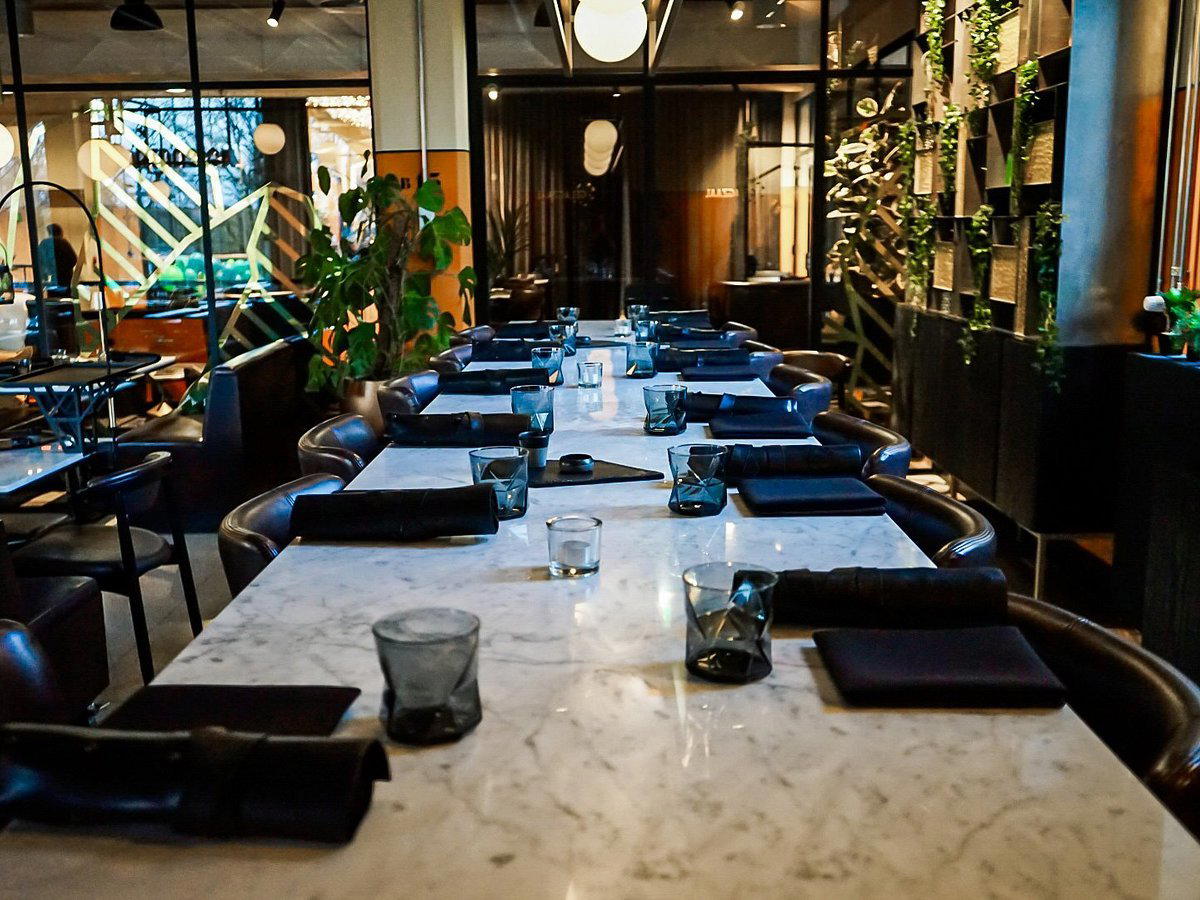
Bars in Genk
Browse all →
Hotels in Genk
Browse all →

At a Glance
- Cozy
- Modern
- Intimate
- Date Night
- Group Dining
- Business Dinner
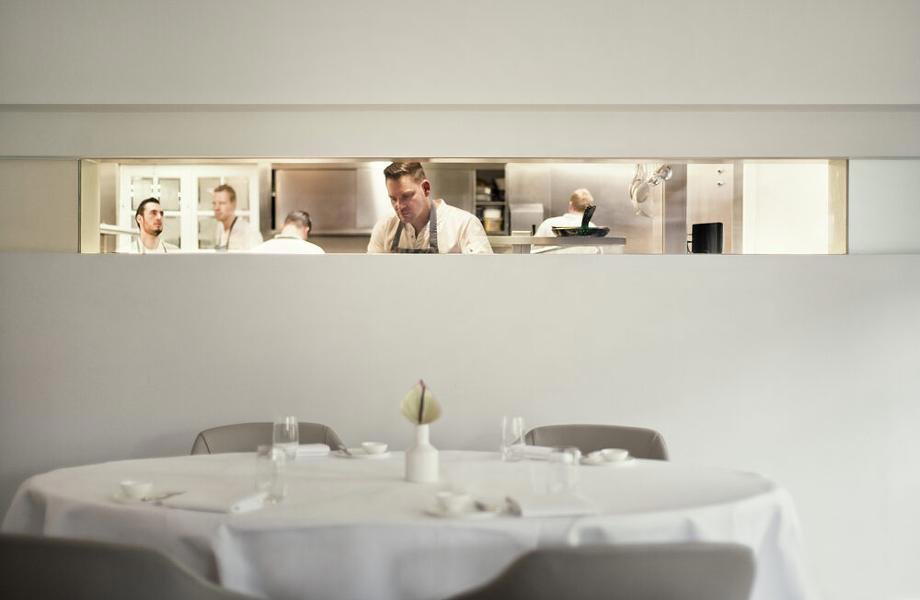
- Open Kitchen
- Extensive Wine List
- Craft Cocktails
- Local Sourcing
- Street Scene
Current opening hours
- Monday
- Closed
- Tuesday
- 12–2:30 PM, 5:30 PM–12 AM
- Wednesday
- 12–2:30 PM, 5:30 PM–12 AM
- Thursday
- 12–2:30 PM, 5:30 PM–12 AM
- Friday
- 12–2:30 PM, 5:30 PM–12 AM
- Saturday
- 5:30 PM–12 AM
- Sunday
- 12–2:30 PM, 5:30 PM–12 AM
Hours can change for holidays and private events. Last verified .
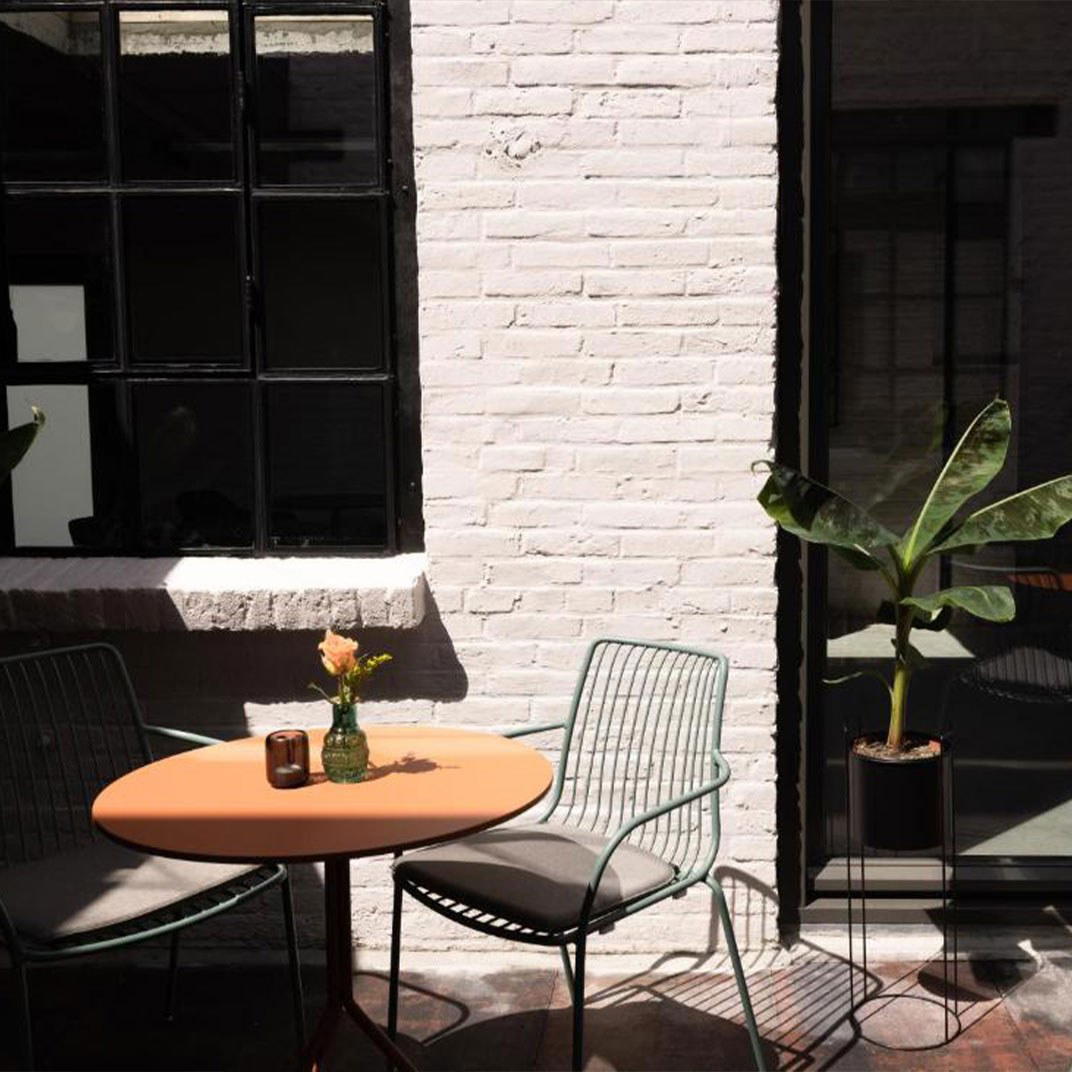
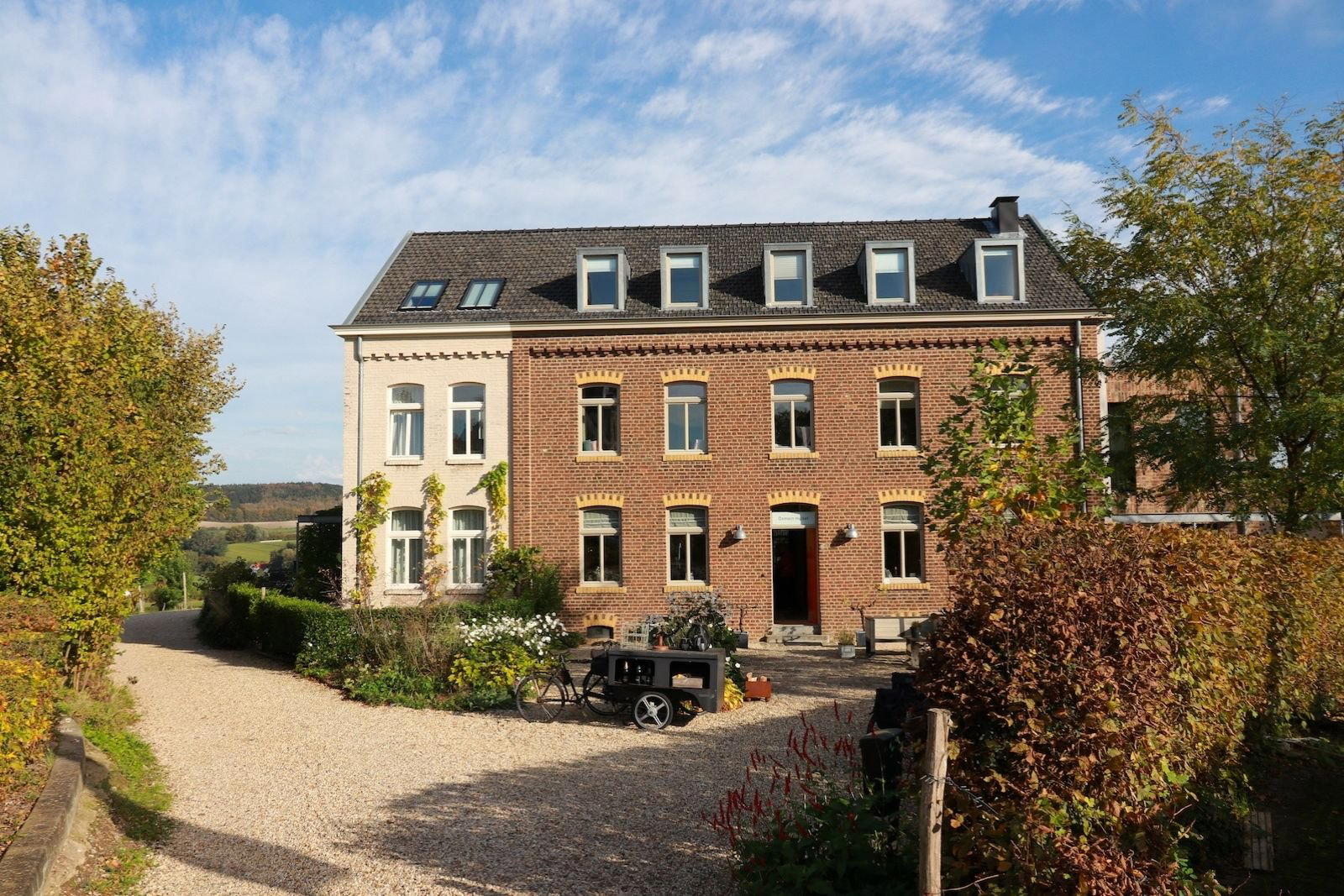
Warm and cozy atmosphere with natural materials, inviting bar, open kitchen, and sunny terrace.