Casa Paglia sits on Vennestraat in Genk, a city whose dining scene has grown more considered in recent years alongside a broader Belgian interest in regional Italian cooking. The address places it within reach of Genk's other serious tables, making it a reference point for Italian-rooted cuisine in the province of Limburg. Visitors planning a Genk itinerary will find it worth factoring into any multi-restaurant visit to the city.
Pearl is the En Primeur Club membership app — saves, bookings, and concierge access live there. Same editors, same standards.
- Address
- Vennestraat 110, 3600 Genk, Belgium
- Phone
- +3289353677
- Website
- lapostacasapaglia.be
- Directions
- Get directions
 Saves & bookings on Pearl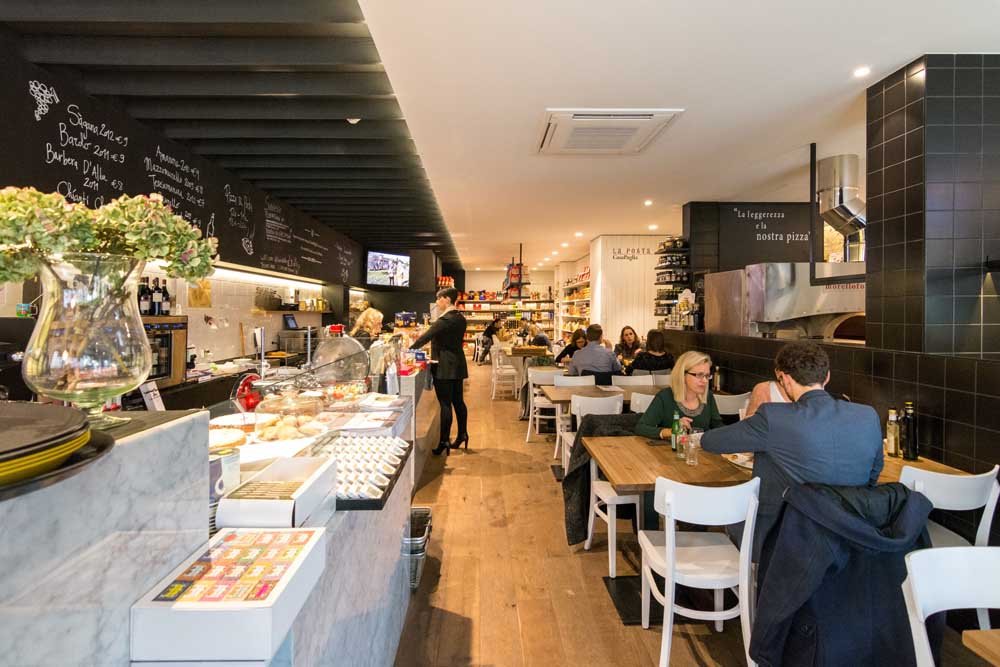
Italian Cooking in a Belgian Industrial City
That conversation tends to start in Antwerp, where Zilte holds three Michelin stars above the city's roofline, or in the Flemish countryside, where places like Hof van Cleve in Kruishoutem and Boury in Roeselare have built reputations that extend well beyond their immediate towns. But Genk has been quietly accumulating its own dining infrastructure, and the presence of Italian-rooted restaurants in the city reflects something specific about its demographic and cultural history.
Limburg's industrial past, particularly the coal-mining decades of the twentieth century, brought waves of Italian workers and their families to the region. That migration left a cultural imprint that is still legible in the local food culture. Italian surnames appear on shopfronts. Italian social clubs persist in the surrounding municipalities. And the appetite for Italian cooking in this part of Belgium is not the imported trend it might be elsewhere; it is closer to a continuation of something already present in the community. Casa Paglia, at Vennestraat 110, sits within that context.
What the Vennestraat Address Signals
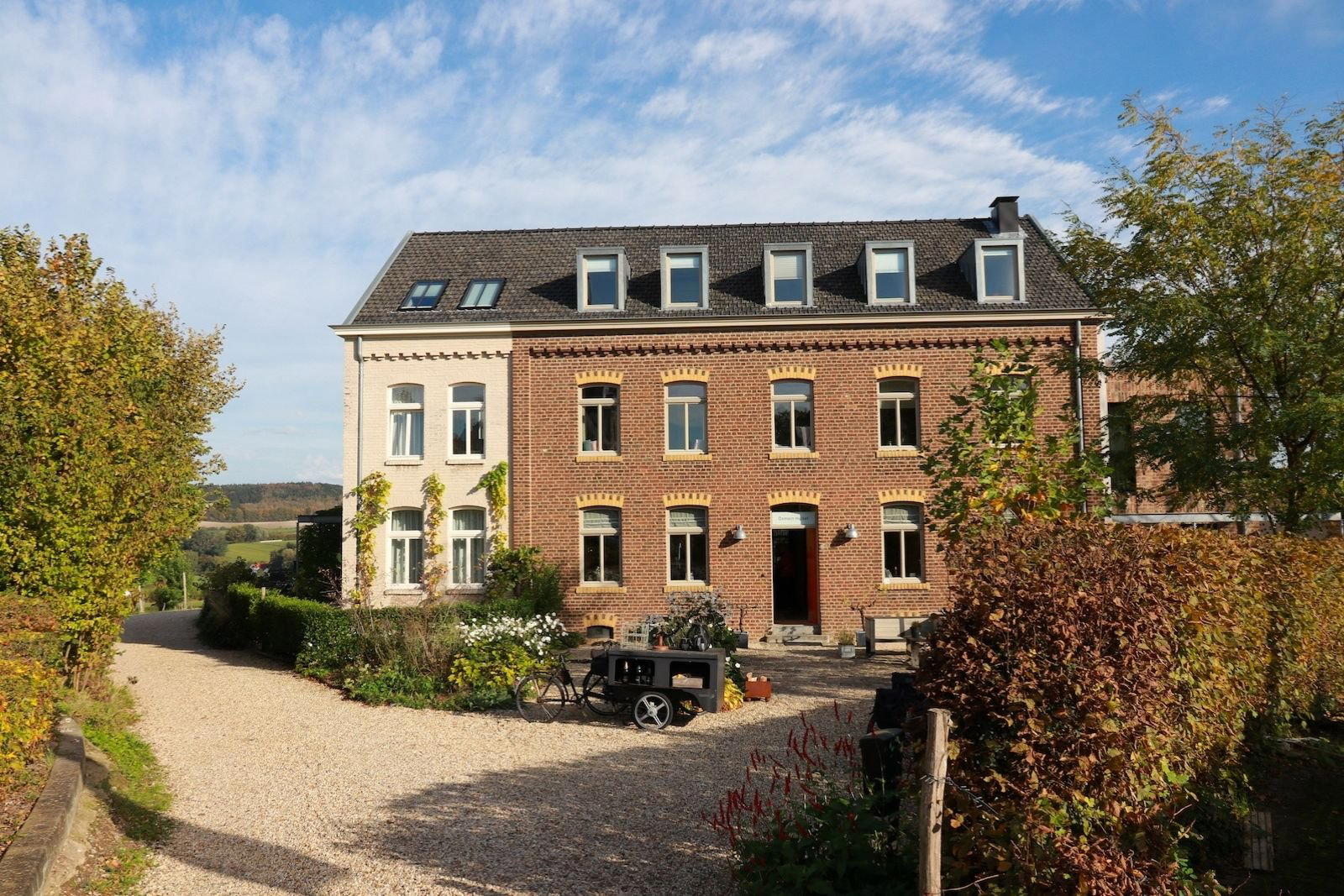
Vennestraat is not a destination street in the way that certain Brussels or Ghent addresses are. It is a working neighbourhood thoroughfare, which tends to filter the clientele toward locals and deliberate visitors rather than passing foot traffic. Restaurants in this kind of setting typically rely on repeat custom and word of mouth more than on visibility, and the trade-off is that the dining room tends to feel less performative than venues positioned for tourist capture.
Genk's broader restaurant picture at this point includes De Kristalijn, operating at the €€€€ tier in Modern European and Modern French, and La Botte, which also sits at the €€€€ level with Italian seafood as its focus. At the more accessible end, Feast works in Creative French at the €€ tier. Balena and Corneille add further range to the city's options. Casa Paglia occupies its own position within this set, one shaped by the Italian cooking tradition rather than the Franco-Belgian fine dining mode that dominates the higher tiers.
The Italian Restaurant Tradition in Provincial Belgium
Italian restaurants in Belgian provincial cities have historically operated across a wide spectrum. At one end are the red-sauce trattorias that arrived with the postwar migrant communities and have changed little in format since. At the other are the more recent wave of regional Italian specialists, drawing on specific culinary traditions from Liguria, Emilia-Romagna, or Campania rather than presenting a generic Italian menu. The better venues in this latter category have pushed Belgian diners toward a more granular understanding of Italian regional cooking, in the same way that natural wine culture pushed them toward producer-specific choices rather than appellation-level generalizations.
This trajectory is visible at the national level too. In Brussels, Bozar Restaurant represents the kind of culturally anchored fine dining that takes its surroundings seriously. In Ghent, Vrijmoed has shown how a mid-sized Flemish city can sustain cooking with genuine intellectual ambition. Further afield in Belgium, d'Eugénie à Emilie in Baudour and La Durée in Izegem demonstrate that serious tables are not exclusive to the major urban centres. The regional spread matters because it tells you that informed cooking has moved well beyond Brussels and Antwerp, and that a city like Genk can support venues with genuine culinary identity.
Neighbouring Competition and the Limburg Dining Zone
Genk does not sit in isolation. Lommel, close enough to be considered part of the same dining circuit for anyone arriving by car, has Cuchara. Neerharen, further south toward the Dutch border, is home to Ralf Berendsen. And for those who treat a dining trip to Flanders as a multi-day affair, the coastal end of the country offers Willem Hiele in Oudenburg, one of Belgium's more singular addresses. The point is that Casa Paglia exists within a broader Limburg and Belgian dining conversation, not as a standalone proposition.
For visitors constructing an itinerary around Genk specifically, the city's restaurants span enough variety that a two- or three-day visit can be built around serious eating without repetition. The full Genk restaurants guide maps that range in more detail.
What Italian Cooking in This Context Actually Means
The name Casa Paglia carries associations that any reader familiar with Italian regional food will recognise. "Paglia" translates literally as straw, and appears in a range of Italian culinary contexts, most notably in the pasta preparation paglia e fieno, the green and yellow tagliatelle combination common in Emilia-Romagna. Whether that reference is intentional or incidental in the naming of this Genk address is not something the available record confirms, but the cultural register is worth noting for what it suggests about the likely orientation of the kitchen.
Italian cooking at its most coherent is not a single cuisine but a collection of regional traditions that happen to share a language. The northern traditions, particularly those of Piedmont, Lombardy, and Emilia-Romagna, tend toward richer, butter-forward preparations and egg-based pastas. The southern and coastal traditions lean harder on olive oil, tomato, and seafood. A restaurant positioning itself within Italian cooking in provincial Belgium is making choices within that spectrum, even if those choices are not always explicitly signalled on the menu.
Planning a Visit
The restaurant is located at Vennestraat 110 in Genk, accessible by car from both the E313 motorway corridor connecting Antwerp to Hasselt and the broader Limburg road network. Genk itself is served by train from Hasselt and Leuven, making it reachable from Brussels within roughly ninety minutes by public transport.
For comparison of scale and ambition within the Italian dining category in Belgium, La Botte in Genk and venues further afield like those covered in the broader Belgian network offer useful reference points. Those arriving from or passing through the United States may find useful calibration in how European neighbourhood Italian dining differs from the New York model represented by places like Le Bernardin or the California communal dining format at Lazy Bear in San Francisco, both of which operate at a different register entirely but illustrate how dining context shapes expectation.
A Pricing-First Comparison
Comparable venues nearby, for context on price, style, and recognition.
| Venue | Cuisine | Price | Notes |
|---|---|---|---|
| Casa PagliaThis venue — the venue you are viewing | Not listed | $$ | Not listed |
| Peppe's | Genk center, Authentic Italian Bistro | $$ | Not listed |
| Robijn | Not listed | $$ | Genk center, Wine Bar with Sharing Plates |
| Gusto | Not listed | $$ | Carbon Hotel area, Contemporary French-Belgian Fine Dining |
| Foglia | Vennestraat, Vegan Italian Fine Dining | $$$ | Not listed |
| NoRes | Modern French with Worldly Twists | $$$ | Not listed |
Continue exploring
More in Genk
Restaurants in Genk
Browse all →
Bars in Genk
Browse all →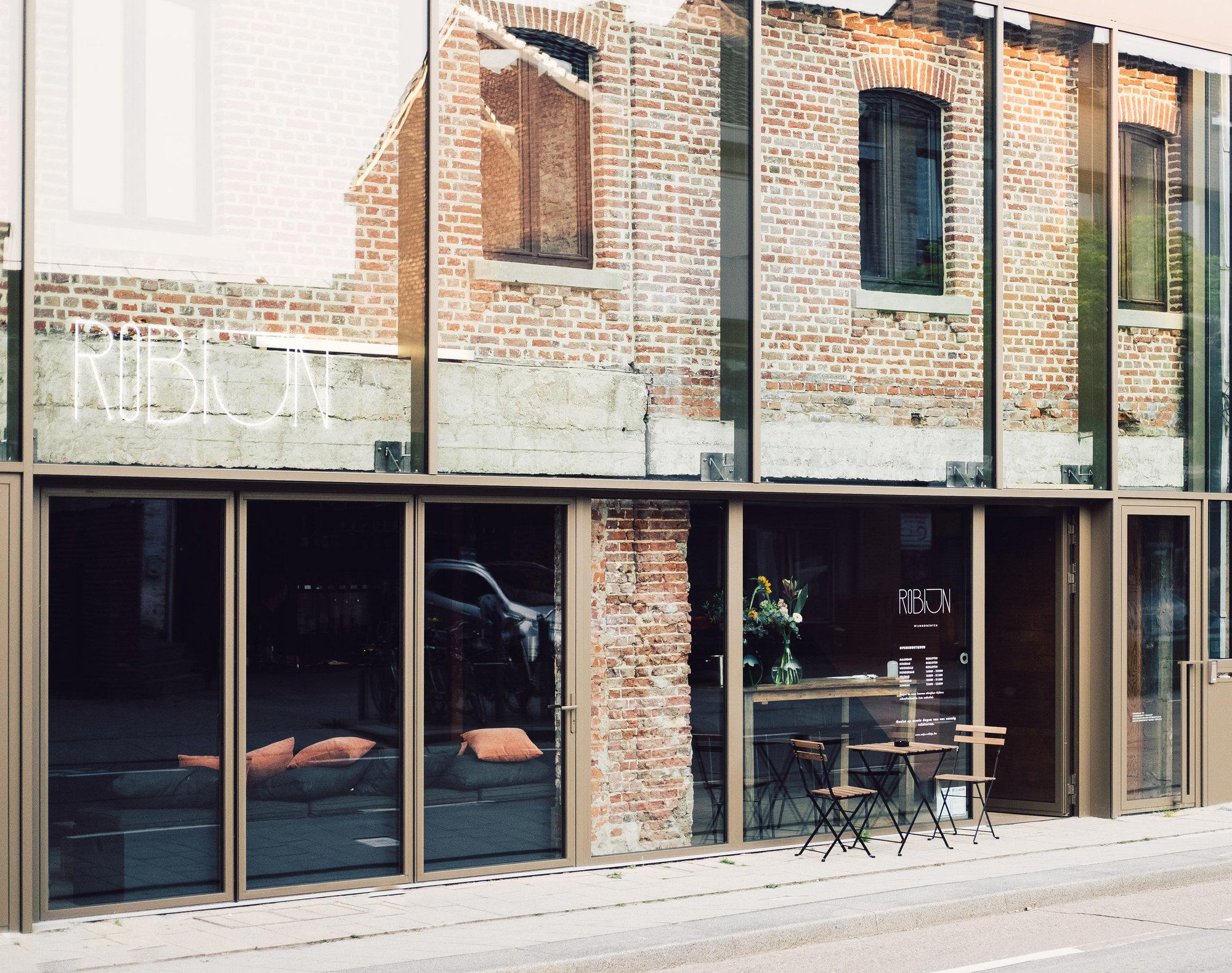
Hotels in Genk
Browse all →

At a Glance
- Cozy
- Lively
- Family
- Casual Hangout
- Open Kitchen
- Extensive Wine List
Current opening hours
- Monday
- Closed
- Tuesday
- 10:30 AM–11 PM
- Wednesday
- 10:30 AM–10 PM
- Thursday
- 10:30 AM–11 PM
- Friday
- 10:30 AM–11 PM
- Saturday
- 10 AM–11 PM
- Sunday
- 11:30 AM–11 PM
Hours can change for holidays and private events. Last verified .
Busy and friendly atmosphere that can get noisy with crowds, offering a homely Italian family feel.