Our verdict
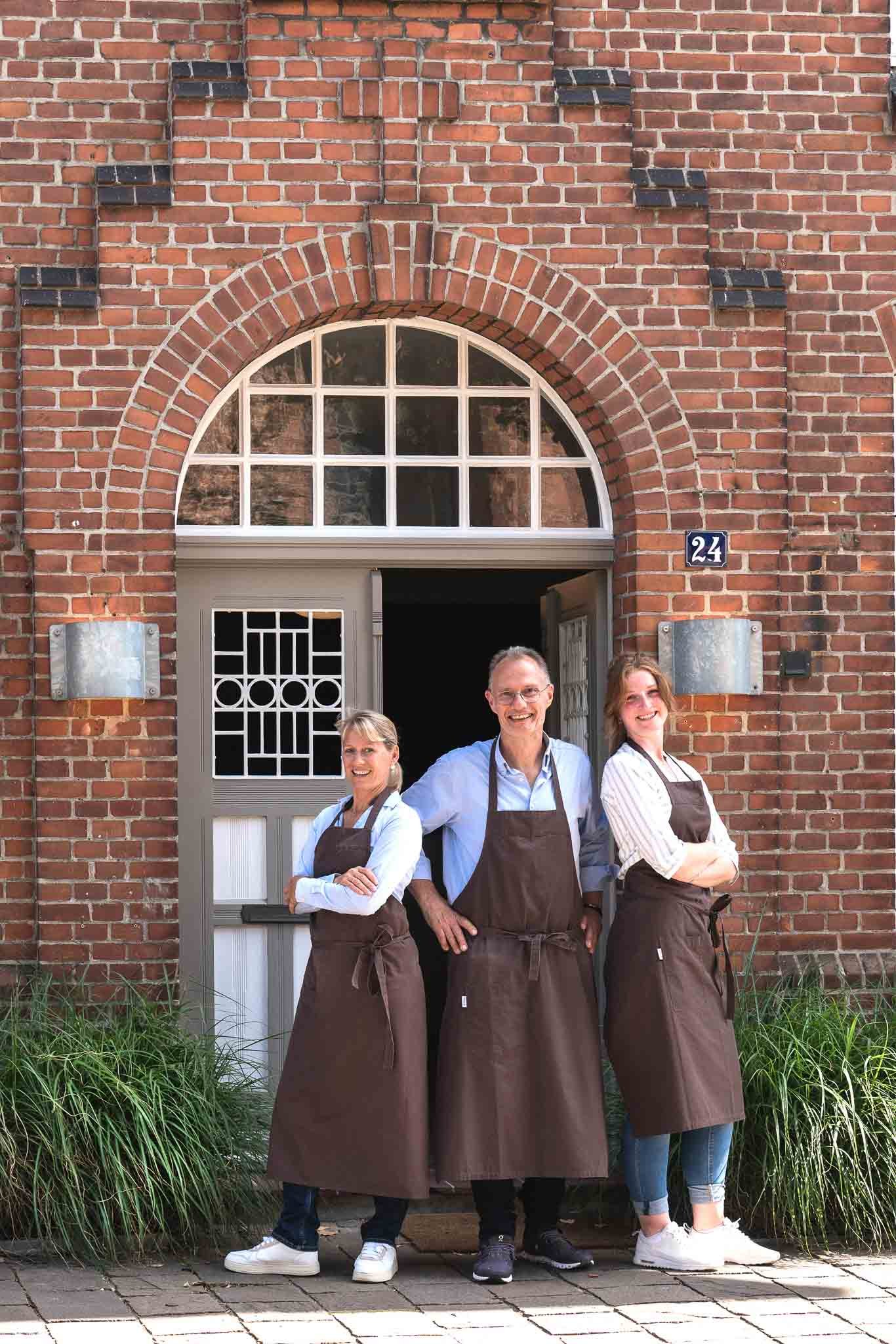
Robert Stolz eat.share.live focuses on natural fine dining German cuisine, with a six-course tasting menu and waterfront views that suit a planned dinner.

Pearl is the En Primeur Club membership app — saves, bookings, and concierge access live there. Same editors, same standards.
The menu
What to order
- Six-course tasting menu with seasonal produce
- Cod and langoustine bouillabaisse
- Tournedos with summer truffle polenta
A Market Square Address in Small-Town Holstein
Plön sits at the junction of several lakes in the Schleswig-Holstein lake district, a region where the relationship between water, land, and table has shaped local cooking for generations. The market square at the centre of town is the kind of address that carries civic weight in a German Kleinstadt: it faces the historic Rathaus, it collects foot traffic from the Saturday market, and it signals, by proximity alone, that whatever occupies it intends to be taken seriously. Robert Stolz operates from Markt 24, on that square, placing it at the social and geographic centre of a town that most fine-dining itineraries skip entirely in favour of Hamburg to the north or Lübeck to the west.
That positioning matters editorially because Plön is not a dining destination in the way that, say, Baiersbronn is for Schwarzwaldstube or Bergisch Gladbach is for Vendôme. Visitors do not arrive with restaurant reservations as the primary reason for the trip. Instead, a kitchen in this location earns its audience through a different mechanism: it has to be compelling enough that local regulars return consistently, and interesting enough that travellers passing through the Holstein lake district make the detour deliberately. Both demands point toward quality of sourcing as the fulcrum, because in a region this rural and this close to the water, the argument for visiting a restaurant is almost always rooted in what it does with the ingredients immediately available to it.
Ingredient Sourcing in the Holstein Lake District
The Holstein lake district produces a distinct larder. The Plöner See and its surrounding lakes yield freshwater fish that rarely reach the menus of metropolitan restaurants: zander, perch, eel, and tench move through local supply chains that are short by necessity and regional by character. The agricultural land between the lakes supports dairy cattle, and Holstein dairy products carry a regional identity that predates any modern farm-to-table marketing language. Proximity to the Baltic coast, roughly thirty kilometres to the east, extends the sourcing radius to include flatfish, shellfish, and the cold-water seafood that defines northern German coastal cooking at its most direct.
This is the sourcing context in which a serious kitchen in Plön operates, and it is a more compelling one than it might initially appear. The opportunity in a market-square address in Plön is precisely to resist that template and to construct a menu where the geography is legible on the plate.
For comparison, look at how kitchens in similarly rural German settings have built their identity around sourcing specificity. ES:SENZ in Grassau draws on Bavarian alpine produce; Waldhotel Sonnora in Dreis works within the Eifel's hunting and foraging tradition; Schanz in Piesport is anchored to the Mosel valley's wine-country produce. Each builds a case for visiting that is inseparable from the landscape it sits in. Hamburg carries the regional weight, with Restaurant Haerlin anchoring the city's upper bracket. Beyond Hamburg, the landscape thins quickly. This makes Plön, for a visitor driving the Holstein lake district or using it as a base for Baltic coast exploration, a genuinely useful stop rather than a destination in isolation.
The comparison set for Robert Stolz is not the €€€€ multi-course kitchens of Aqua in Wolfsburg or Victor's Fine Dining by Christian Bau in Perl. Those kitchens operate in a different register of ambition, investment, and price. The more useful comparison is with regional kitchens that have built a serious local following without metropolitan recognition: places where the cooking is grounded in a specific geography, the room reflects the character of the town rather than the ambitions of an international hospitality brand, and the booking process is local and direct rather than mediated by a global reservations platform.enprimeurclub.com/restaurants/jan-munich-restaurant">JAN in Munich, AUGUST in Augsburg, or AURA by Alexander Herrmann and Tobias Bätz in Wirsberg, and who are now looking for something outside the conventional itinerary, represent exactly the reader for whom Plön becomes interesting. The town is an hour by road from Hamburg, roughly the same from Lübeck, and sits on a route toward the Baltic that rewards slow travel rather than transit. For that kind of trip, a market-square address with genuine regional ambition is more useful than another urban tasting menu. See our full Plön restaurants guide for additional context on the local dining options.
Planning a Visit
Plön is accessible by train from Kiel (approximately 30 minutes) and by road from Hamburg in under an hour via the A21. The town itself is small enough that Markt 24 is within walking distance of any central accommodation. Given the limited verified data currently available on Robert Stolz, including hours, booking method, price range, and current menu format, the most reliable approach before visiting is to confirm details directly at the address or through local tourism contacts. This is standard practice for smaller regional kitchens that do not operate through centralised booking platforms.enprimeurclub.com/restaurants/restaurant-haerlin-hamburg-restaurant">Restaurant Haerlin in Hamburg and the creative programmes at CODA Dessert Dining in Berlin represent different poles of what the country's non-metropolitan fine-dining tier is doing. At the other end of the geographic spectrum, the precision sourcing models at Le Bernardin in New York City and the ingredient-led rigour of Atomix illustrate how serious kitchens worldwide have made provenance a structural commitment rather than a talking point. Alongside Bagatelle in Trier, ammolite in Rust, and ATAMA by Martin Stopp in Sankt Ingbert, Robert Stolz represents a tier of German regional cooking that rewards attention precisely because it operates below the radius of most international coverage.
Frequently asked questions
Is Robert Stolz child-friendly?
Plön is a small lake-district town with a relaxed pace, and a market square address like Markt 24 tends to draw a mixed local crowd rather than a strictly adult-oriented clientele. That said, no children's menu or family-specific facilities are documented for Robert Stolz, so it is worth contacting the venue directly before arriving with young children.
How would you describe the vibe at Robert Stolz?
The address — Markt 24, on Plön's central market square — sets the tone: a town-centre room rather than a destination resort or urban fine-dining box. The surrounding Holstein lake district shapes the context, with a quieter, water-adjacent sensibility that differs markedly from Hamburg's restaurant corridor roughly 60 kilometres to the south.
Is Robert Stolz worth a trip from Kiel or Hamburg specifically for the regional cooking?
Plön sits roughly 30 minutes by train from Kiel and under an hour by road from Hamburg via the A21, making it a credible half-day detour for those tracking northern Germany's less-charted dining addresses. Northern Germany's fine-dining tier outside Hamburg is sparsely documented, which gives a market square restaurant in a lake-district town like Plön an outsider position that can work in a visitor's favour — fewer competing tables, stronger local sourcing incentives. Confirm current hours and reservation requirements directly before travelling.
What do regulars order at Robert Stolz?
The Holstein lake district's freshwater fish, drawn from lakes including the Plöner See, represents the most regionally distinctive ingredient available to kitchens in this area.
How do I find Robert Stolz?
Robert Stolz is located at Markt 24, 24306 Plön, Germany, Plon.
Fast Comparison
Comparable venues nearby, for context on price, style, and recognition.
| Venue | Cuisine | Price | Notes |
|---|---|---|---|
| Robert StolzThis venue — the venue you are viewing | Natural Fine Dining German Cuisine | $100–150 | Not listed |
| Jagdhaus Heiligendamm | Modern German Seasonal Cuisine | $50–100 | Heiligendamm |
| Schifferbörse Restaurant | Traditional Northern German Seafood | $30–50 | St. Georg |
| Restaurant Alte Schule Siek | German Fine Dining with Seasonal Specialties | $50–100 | Siek |
| Küchenfreunde | Modern German Bistro | $30–50 | Anscharhoehe |
| Brüdigams | Modern German Bistro | $50–100 | Neu Lokstedt |
Continue exploring
More in Plon
Restaurants in Plon
All restaurants in Plon →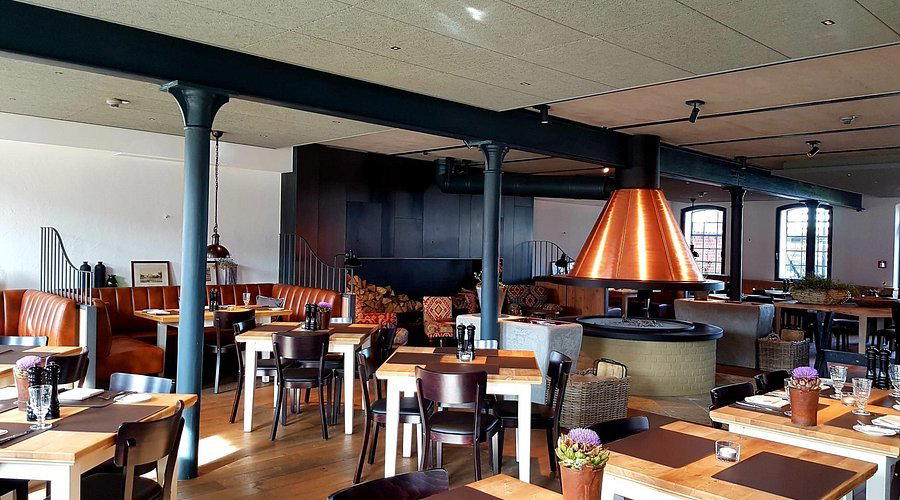
Bars in Plon
Browse all →
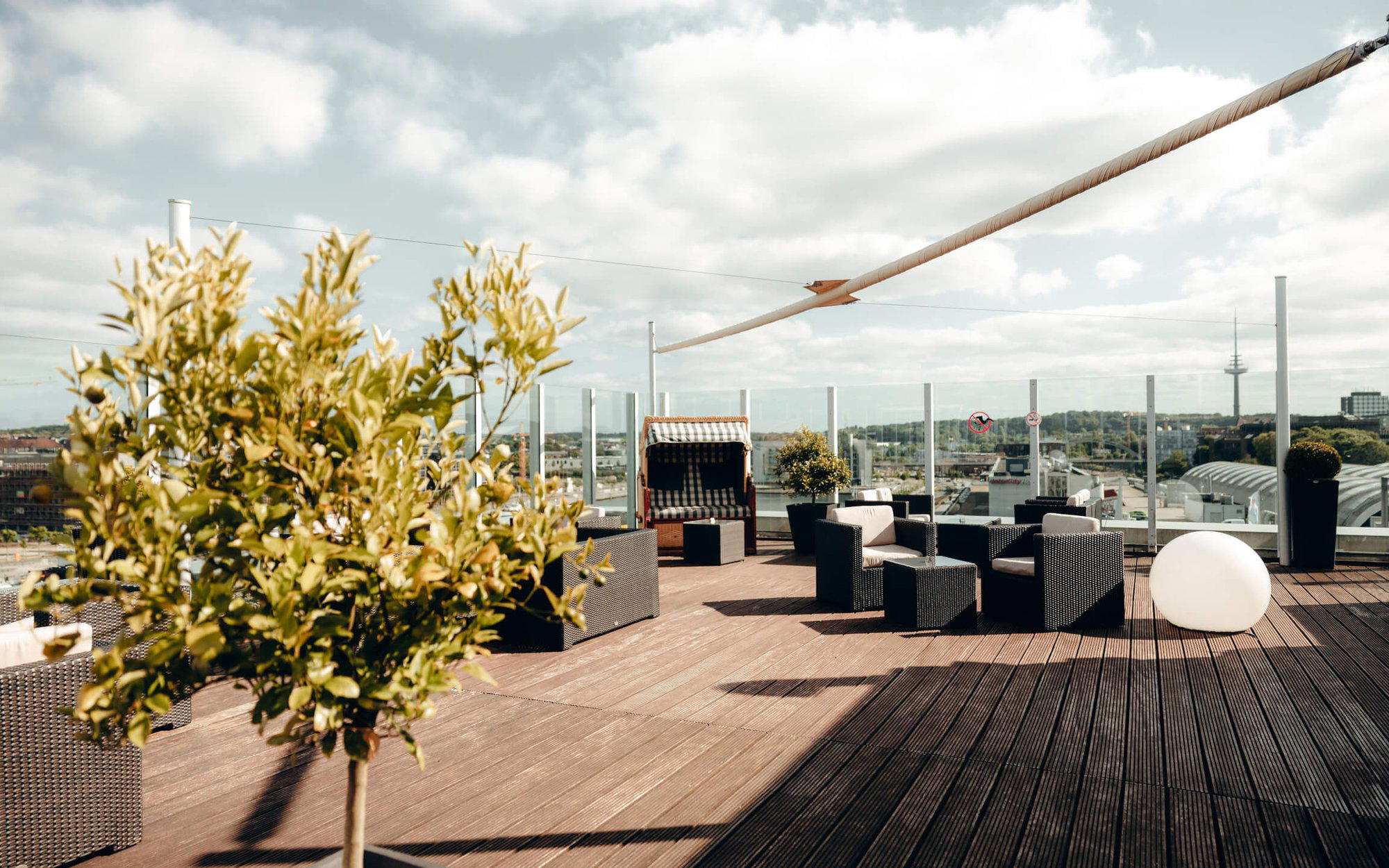

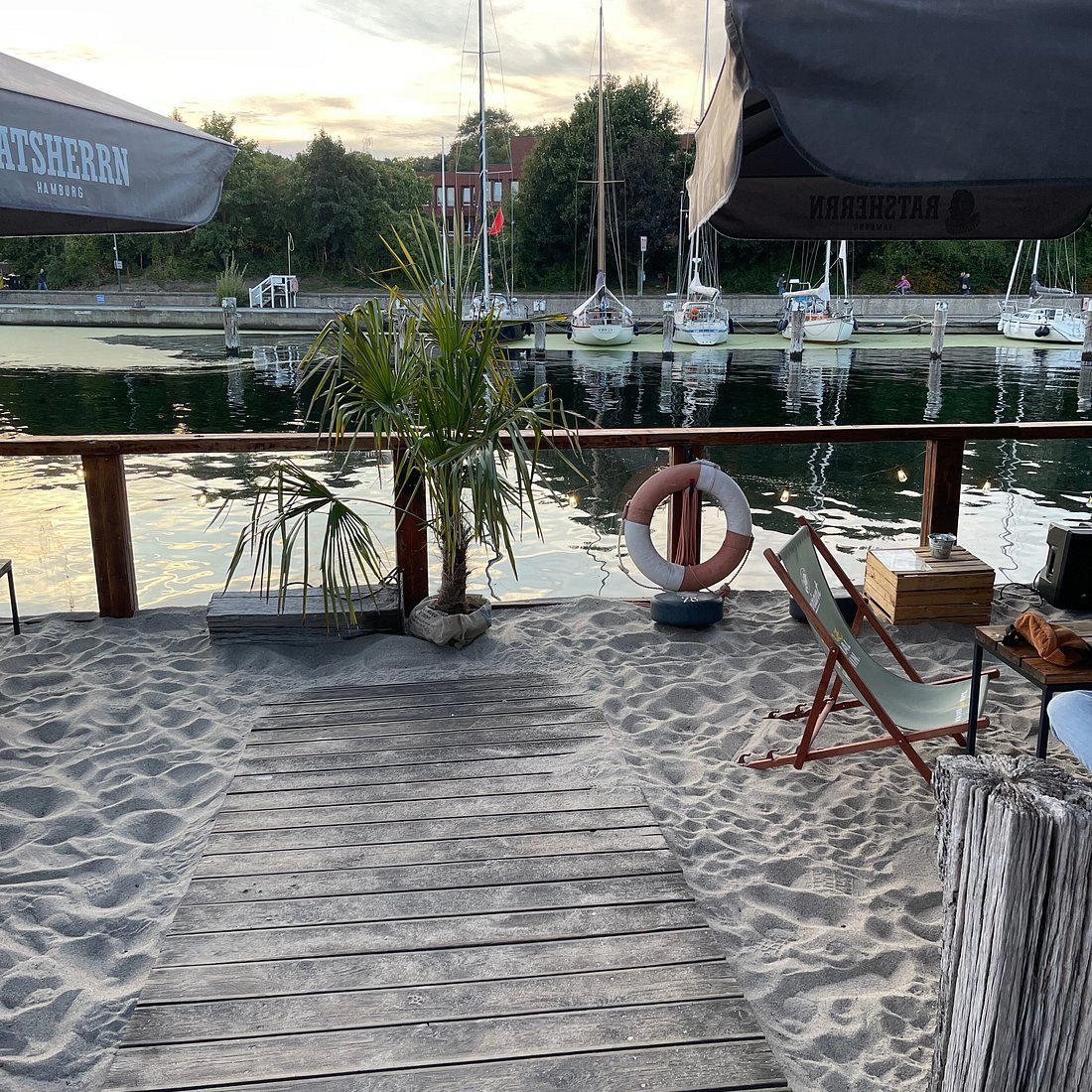
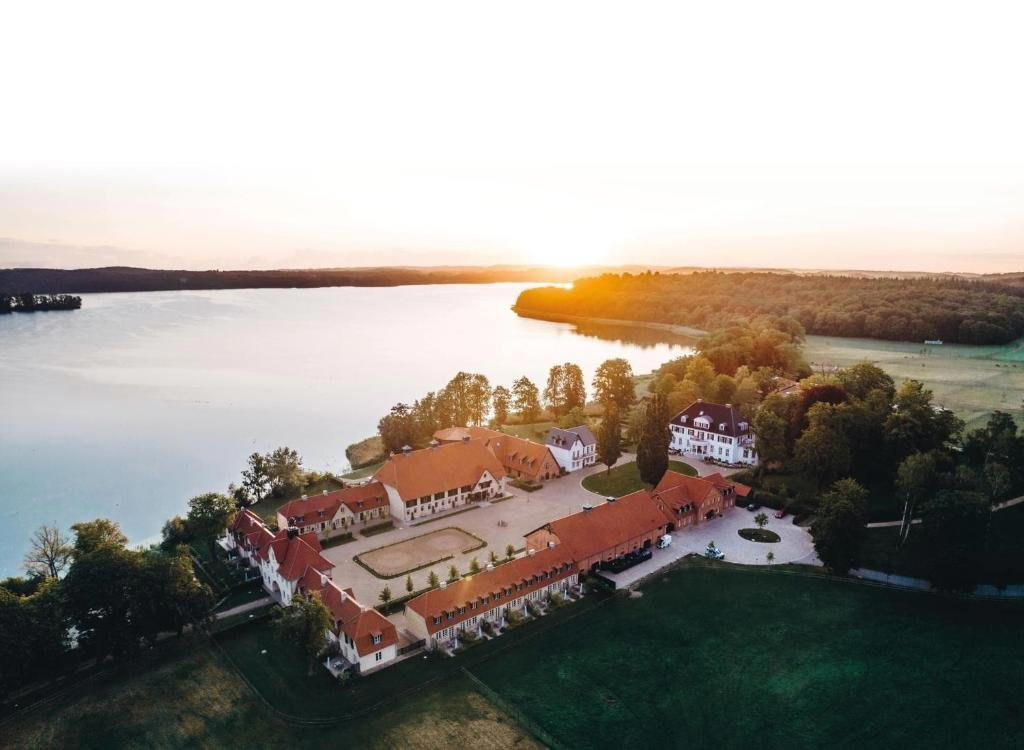
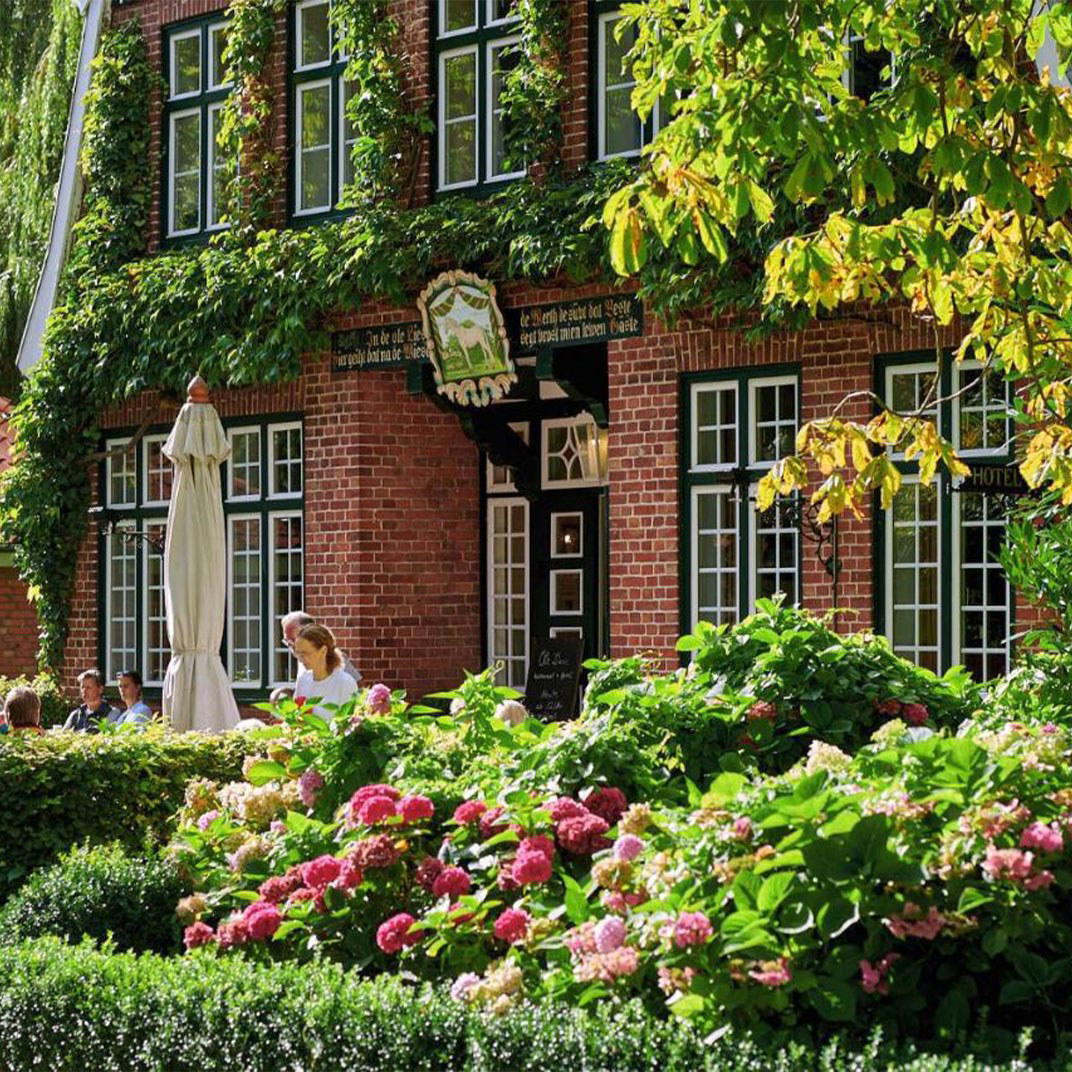

Robert Stolz eat.share.live
The wine
- Wine program
- Curated wine list
- Zero-proof drinks
- Beer program
Details
- Intimate
- Elegant
- Sophisticated
- Scenic
- Special Occasion
- Private Event
- Celebration
- Private Dining
- Open Kitchen
- Waterfront
- Garden
- Beer Program
- Zero Proof
- Farm To Table
- Local Sourcing
- Organic
- Waterfront
- Tasting Menu
- Family Style
- Set Menu
- Wine
- Beer
- Non Alcoholic Pairings
- Organic Focus
Current opening hours
- Monday
- Closed
- Tuesday
- Closed
- Wednesday
- Closed
- Thursday
- 6–10 PM
- Friday
- 7 PM–12 AM
- Saturday
- 7 PM–12 AM
- Sunday
- Closed
Hours can change for holidays and private events. Last verified .
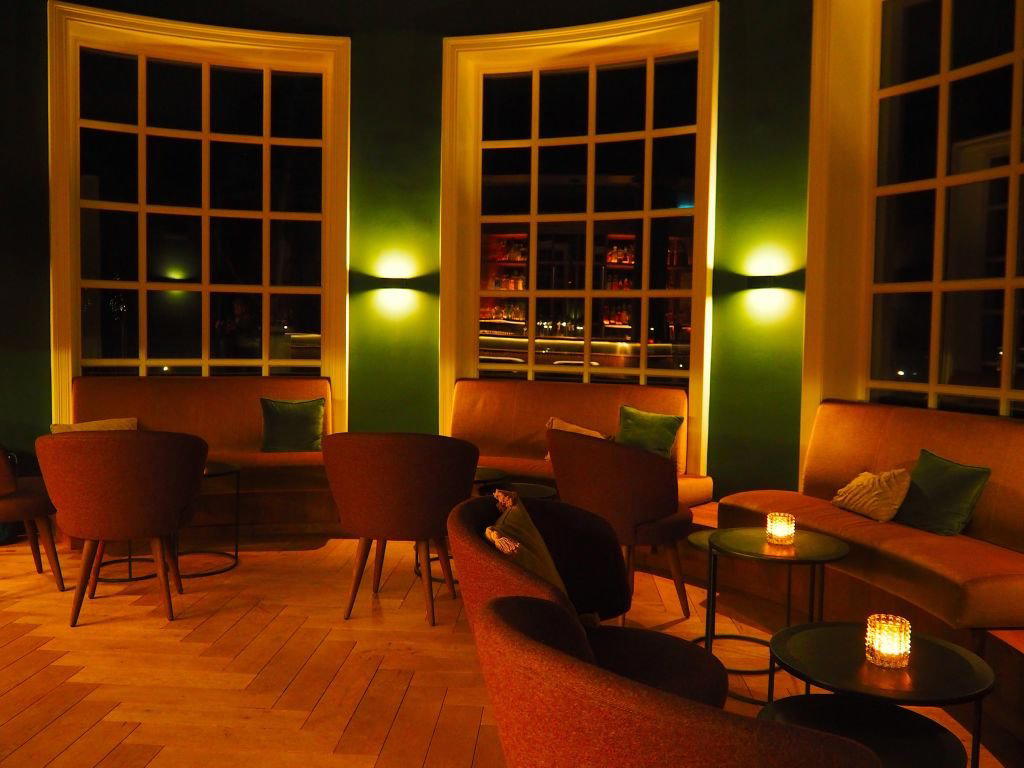
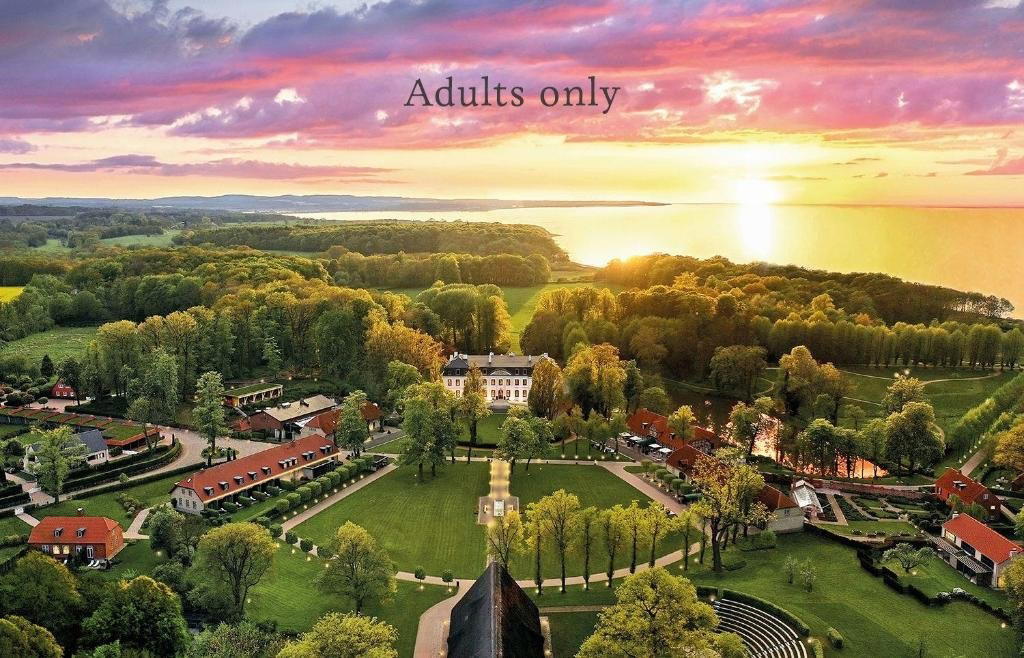
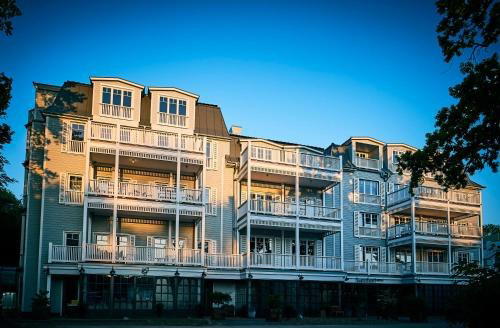
Sophisticated and refined private dining room with views of Lake Plön, combining natural light with an intimate atmosphere focused on the culinary experience.