
Michelin Plate
Our verdict
Forsthaus Hessenstein earns its 2024 Michelin Plate in a setting that makes the food's provenance impossible to ignore: a forestry lodge on the Hessenstein estate in rural Schleswig-Holstein where farm-to-table is a geographic fact rather than a menu concept.

Pearl is the En Primeur Club membership app — saves, bookings, and concierge access live there. Same editors, same standards.
- Address
- Hessenstein, 24321 Panker, Germany
- Phone
- +49 4381 9416
- Hours
- Mon–Tue ClosedWed–Sat 5:30–9:30 PMSun 12–9:30 PM
- Website
- forsthaus-hessenstein.com
- Directions
- Get directions
The menu
What to order
- Wiener Schnitzel
- Crème brûlée
A Forest Lodge Where the Supply Chain Is the View
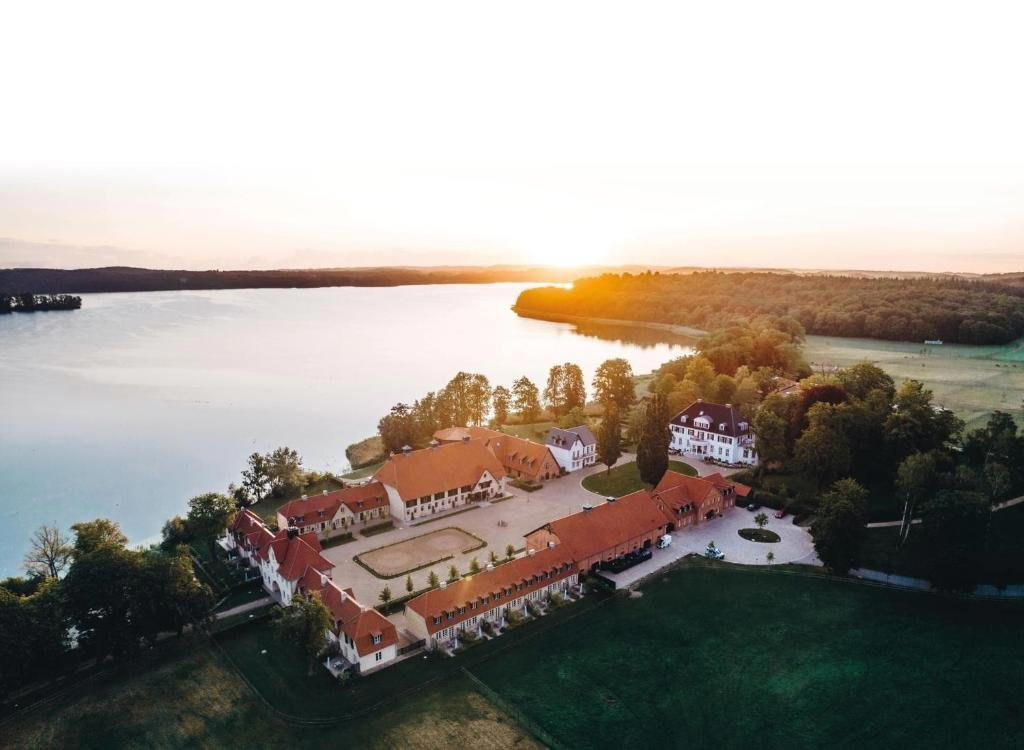
There is a particular kind of restaurant that earns credibility not from its address in a gastronomic capital but from its relationship with the land immediately outside its windows. Forsthaus Hessenstein, set within the historic Hessenstein estate in Panker, Schleswig-Holstein, belongs to that category. The approach to the building tells you something important before you sit down: agricultural land, managed forest, and the quiet infrastructure of a working estate surround the dining room. In a country where farm-to-table has become a genre as much as a practice, this is the version that starts from a specific place rather than a marketing posture.
Schleswig-Holstein's dining identity is shaped by its geography in ways that more urban German restaurant scenes are not. The peninsula sits between the North Sea and the Baltic, with a hinterland of low pasture, estate farming, and small-scale husbandry that has supplied regional kitchens for centuries. The Hessenstein estate context means Forsthaus operates with that supply infrastructure close at hand, which narrows the gap between field and plate in ways that kitchens in Hamburg or Munich must work considerably harder to achieve. For context on what the broader Panker area offers, see our full Panker restaurants guide.
What Farm-to-Table Means When the Farm Is Adjacent
The farm-to-table category in contemporary European dining covers a wide spectrum, from certified organic programs at destination restaurants with waiting lists to loose claims about seasonal sourcing. Forsthaus Hessenstein occupies a position defined by proximity: the estate setting provides direct access to ingredients that many kitchens source through distributors. That structural advantage shapes the menu in ways that are more about consistency and seasonality than about trophy ingredients.
Across Germany, the most compelling farm-led kitchens are not necessarily the ones with the longest tasting menus or the most elaborate technique. The credibility tends to come from restraint: allowing ingredients harvested or raised nearby to arrive on the plate with minimal interference. This approach sits in contrast to the creative elaboration at places like CODA Dessert Dining in Berlin or the classical French architecture of Schwarzwaldstube in Baiersbronn, which work in entirely different registers. It also differs from the urban fine-dining ambition of Aqua in Wolfsburg or JAN in Munich. Forsthaus asks different questions of its kitchen.
The Michelin Plate recognition in 2024 confirms that the kitchen meets a standard of cooking quality without placing the restaurant in the starred tier occupied by Vendôme in Bergisch Gladbach or Restaurant Haerlin in Hamburg. The Plate is Michelin's signal that food quality is the reason to visit, even where format and price point do not match the starred cohort. At the €€ price range, Forsthaus positions itself as an accessible point of entry into Michelin-recognised cooking in a rural estate setting, comparable in tier to farm-led operations elsewhere in northern Europe such as Au Gré du Vent in Seneffe or BOK Restaurant Brust oder Keule in Münster.
How It Sits Within the Panker Scene
Panker is not a dining destination in the conventional sense. It does not have the density of Michelin-recognised restaurants that a city like Hamburg offers, nor the wine-tourism infrastructure of the Mosel or the tourist throughput of Bavaria. What it has is the Hessenstein estate and the particular character of Schleswig-Holstein's rural hospitality, which tends toward directness, seasonal logic, and an absence of the performance that marks premium urban dining. The closest comparable within the area is Ole Liese, which takes a seasonal approach to the same regional ingredient base.
That combination of estate setting and Michelin recognition makes Forsthaus Hessenstein the reference point for farm-led cooking in this part of the country. Visitors arriving for the estate, the landscape, or the Schleswig-Holstein coast have a credentialed kitchen within the grounds rather than a drive to a larger city. For those planning a broader trip, the Panker hotels guide, bars guide, wineries guide, and experiences guide cover the full range of options in the area.
The Evidence Behind a 4.7 Rating
For a property at the €€ price range, that score suggests the kitchen and setting consistently meet expectations set by Michelin Plate recognition and estate surroundings.
The combination of institutional recognition from Michelin and sustained public approval across a smaller-volume guest base is the clearest evidence available that Forsthaus Hessenstein operates with consistent quality. In the farm-to-table category specifically, consistency is the harder challenge: seasonal constraints, proximity-sourcing, and estate-dependent supply chains create variability that kitchens working from centralised distributors do not face in the same way. A stable rating under those conditions carries more weight than the same number at a kitchen with predictable year-round supply. Comparable estate-based kitchen programs in Germany, such as those at Waldhotel Sonnora in Dreis or ES:SENZ in Grassau, operate in similar territory between nature-embedded settings and serious kitchen intent, though at different price points and award levels. At the other end of the Michelin spectrum, Schanz in Piesport and Victor's Fine Dining by Christian Bau in Perl show how far the estate-and-landscape-adjacent format can go in Germany's regional dining scene.
Planning a Visit
Forsthaus Hessenstein sits on the Hessenstein estate at the address Hessenstein, 24321 Panker. At the €€ price tier, it is accessible without the advance financial commitment required by Germany's starred restaurants, though the rural location means a visit requires planning around transport. Schleswig-Holstein's estate properties are not on major public transit routes, and the Hessenstein estate is most practically reached by car from Kiel or Lübeck. Specific booking methods and opening hours are best confirmed directly with the restaurant, as this information changes seasonally for estate-based operations of this type.
Frequently asked questions
Is Forsthaus Hessenstein Michelin-listed?
Forsthaus Hessenstein has received recognition including: Michelin Plate (2024).
How much does it cost to eat at Forsthaus Hessenstein?
Pricing at Forsthaus Hessenstein is listed as €€.
What should I order at Forsthaus Hessenstein?
The kitchen holds a 2024 Michelin Plate, which signals consistent execution across the menu rather than a single standout dish. Given the farm-to-table format and estate setting in Panker, the most reliable approach is to follow what is seasonal and sourced closest to the property.
What part of town is Forsthaus Hessenstein in?
Forsthaus Hessenstein is located at Hessenstein, 24321 Panker, Germany, Panker.
Can I walk in to Forsthaus Hessenstein?
Contacting the restaurant in advance is the safer approach, particularly for groups or dinner service.
In Context: Similar Options
Comparable venues nearby, for context on price, style, and recognition.
| Venue | Cuisine | Price | Awards | Notes |
|---|---|---|---|---|
| Forsthaus HessensteinThis venue — the venue you are viewing | Traditional German Rural Cuisine | Not listed | Michelin Plate | Not listed |
| Ole Liese | Regional German Seasonal Cuisine | $50–100 | Michelin Plate | Panker |
| FLYGGE | Nordic-inspired Regional Cuisine | $50–100 | Michelin Plate | Düsternbrook |
| Cox | Modern German Bistro | $50–100 | Michelin Plate | St. Georg |
| Köllner's Landhaus | Regional German with Mediterranean Influences | Not listed | Michelin Plate | Celle-Boye |
| The Newport Marina & Restaurant | Modern Northern German Seafood | $50–100 | Not listed | Media Docks / Harbor District |
Recognition history
Dated appearances from independent guides and award organizations, with the underlying list record or original source where available.
Michelin Plate
Michelin
Continue exploring
More in Panker
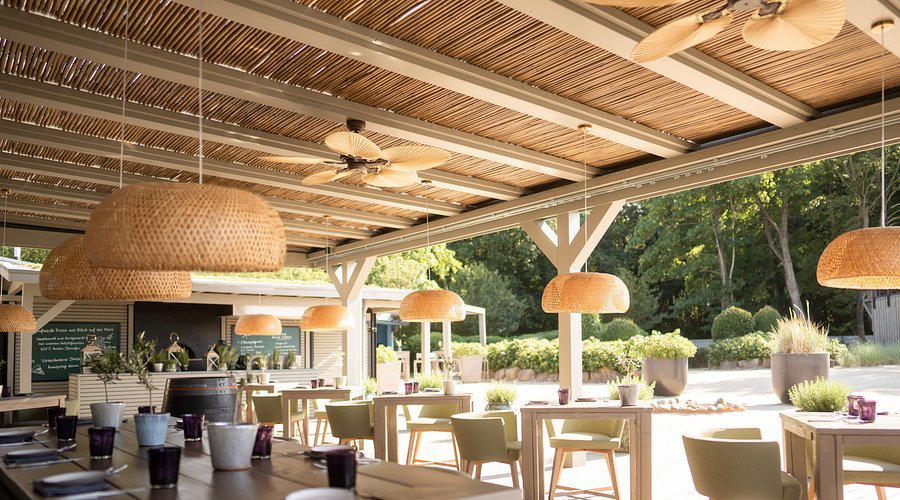
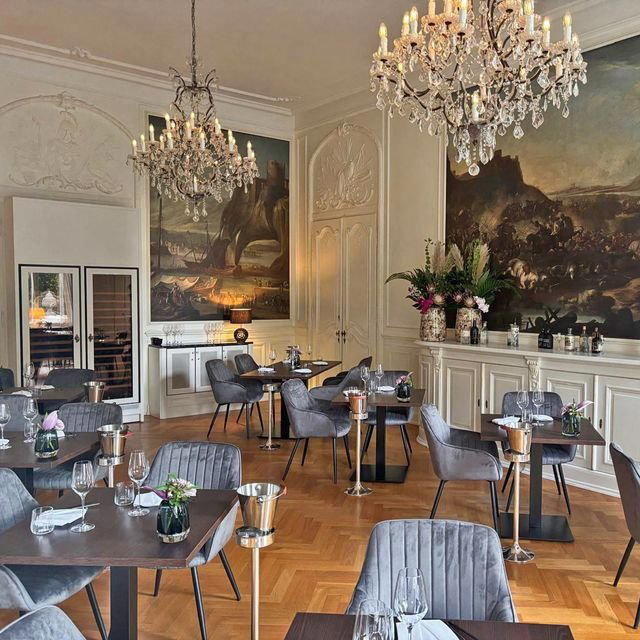
Restaurants in Panker
Browse all →
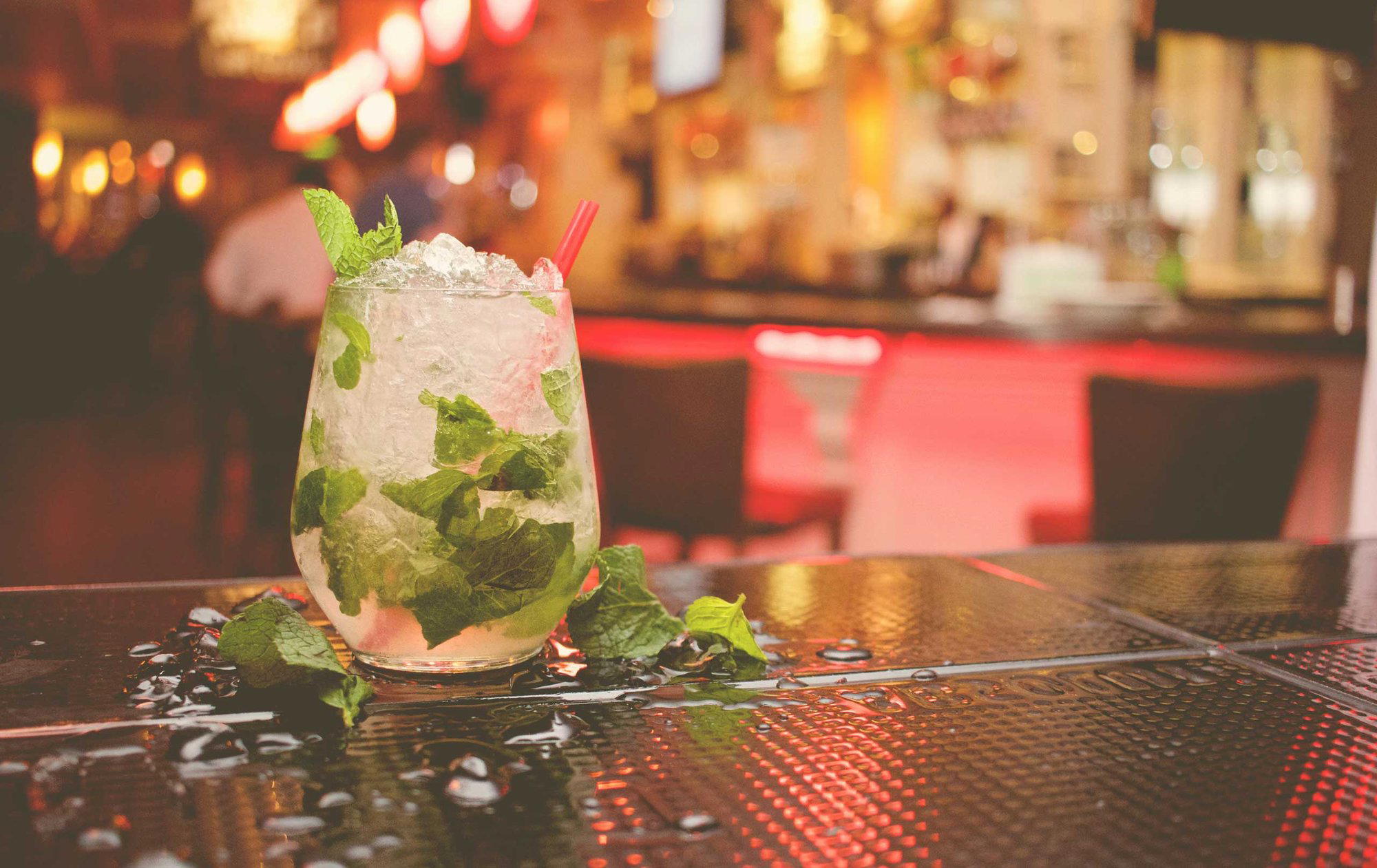
Bars in Panker
Browse all →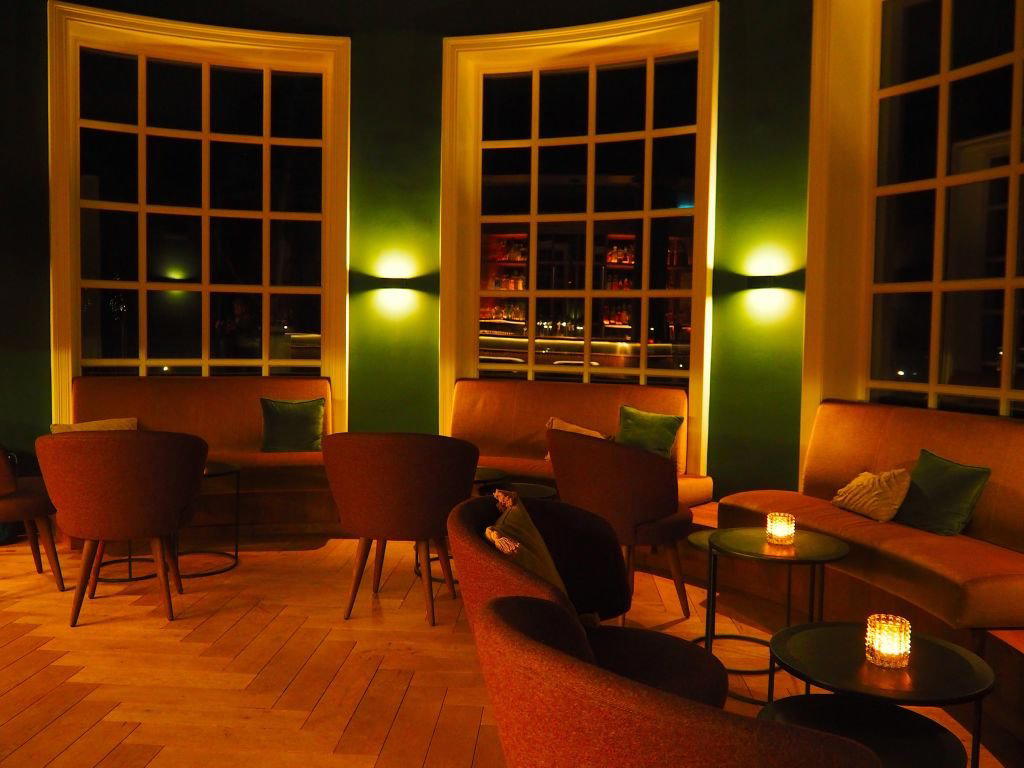

Hotels in Panker
Browse all →
Wineries in Panker
Browse all →
Forsthaus Hessenstein
The wine
- Wine program
- Curated wine list
- Extensive wine list
Details
- Rustic
- Cozy
- Scenic
- Elegant
- Classic
- Date Night
- Family
- Special Occasion
- Historic Building
- Terrace
- Extensive Wine List
- Local Sourcing
- Mountain
- Garden
- A La Carte
- Vegetarian Friendly
Current opening hours
- Monday
- Closed
- Tuesday
- Closed
- Wednesday
- 5:30–9:30 PM
- Thursday
- 5:30–9:30 PM
- Friday
- 5:30–9:30 PM
- Saturday
- 5:30–9:30 PM
- Sunday
- 12–9:30 PM
Hours can change for holidays and private events. Last verified .
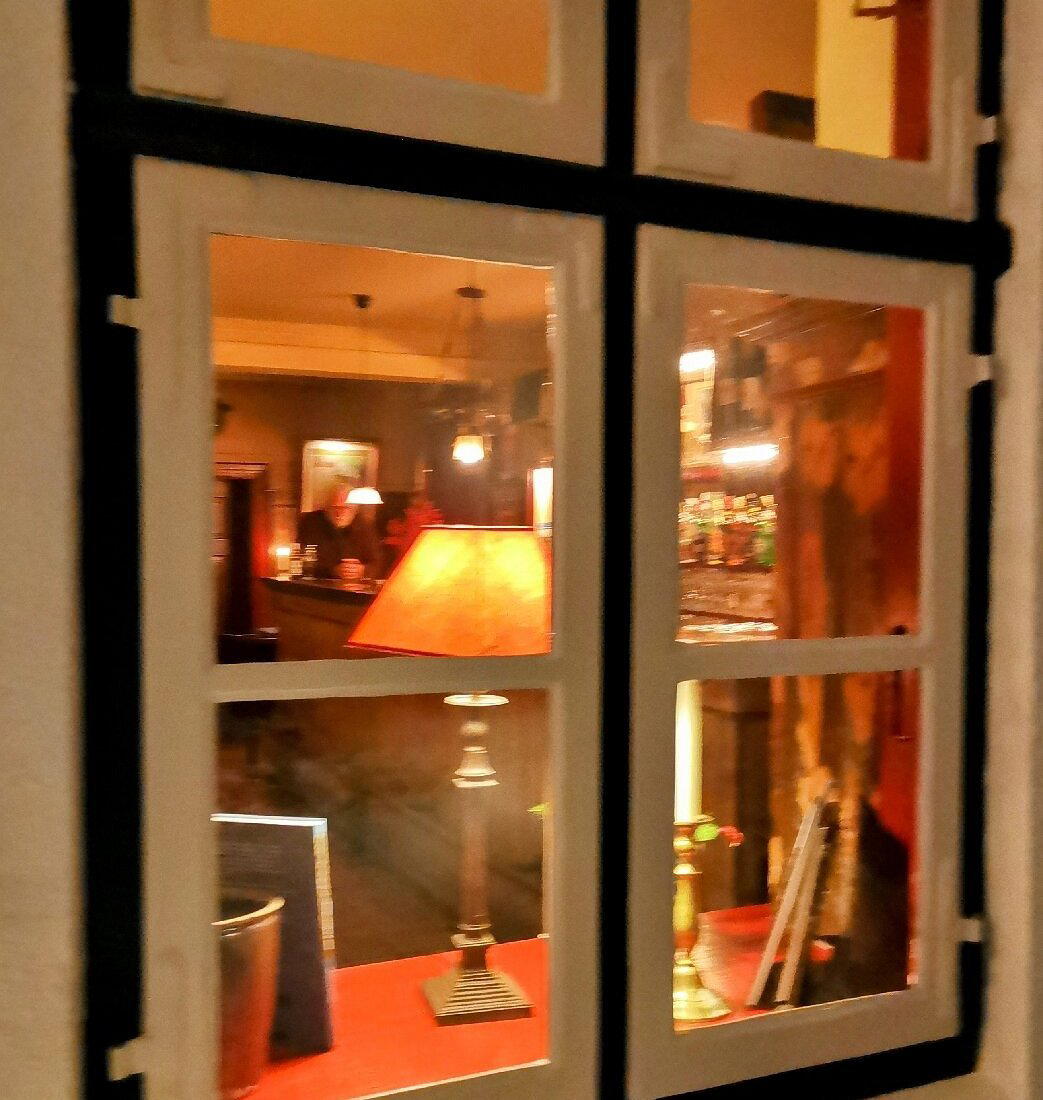
Paneled wood interiors with soft lighting, faint pine scent, and a convivial hum that invites unhurried conversation in a quietly luxurious forest setting.