Bärenkrug occupies a particular place in Molfsee's modest dining scene, operating from Hamburger Chaussee 10 in a town better known for its open-air museum than its restaurants. With limited publicly available detail, it sits as one of a small handful of local options in a village where eating out rarely makes regional headlines. Readers planning a visit should verify current hours and format directly before travelling.
Pearl is the En Primeur Club membership app — saves, bookings, and concierge access live there. Same editors, same standards.
- Address
- Hamburger Chaussee 10, 24113 Molfsee, Germany
- Phone
- +4949434771200
- Website
- baerenkrug.de
- Directions
- Get directions
 Saves & bookings on Pearl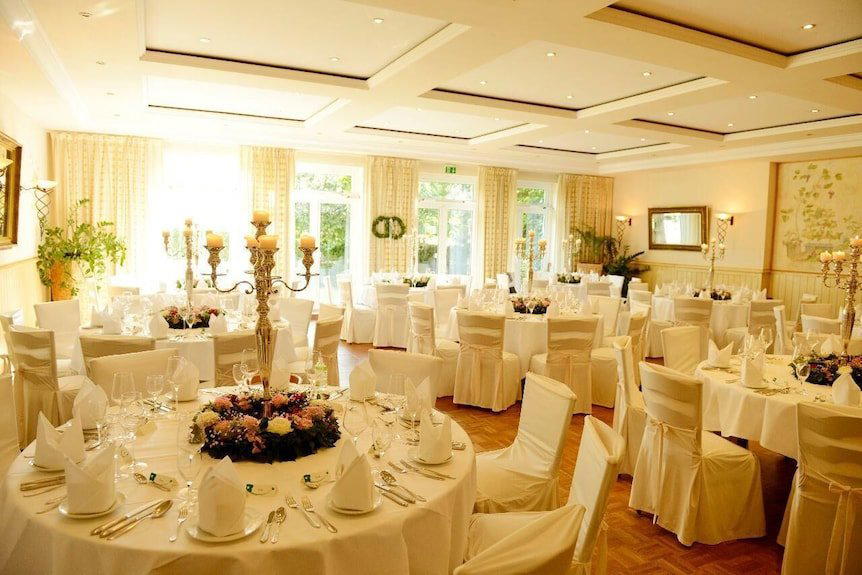
Eating in Molfsee: What the Village Actually Offers
Molfsee is not a dining destination in the sense that Hamburg or Kiel are. The village, situated just south of Kiel in Schleswig-Holstein, draws visitors primarily to the Schleswig-Holstein Open Air Museum, one of northern Germany's more substantial folk museum complexes. The restaurants that operate here serve a local and museum-adjacent crowd rather than destination diners making a journey for a specific kitchen. That context matters when thinking about where Bärenkrug fits: it is a neighbourhood address in a small German village, not a fine-dining proposition competing with the Michelin-tracked rooms further south.
Northern German pub culture has its own logic. The Gaststätte and Krug format, which Bärenkrug's name directly references, belongs to a tradition of inn-style eating that predates restaurant culture as most urban diners understand it. These establishments historically served hearty, local produce-driven food to travellers and locals alike, with sourcing determined by proximity rather than philosophy. Schleswig-Holstein's agricultural and coastal geography means that tradition was built on grain-fed livestock, North Sea catch, and root vegetables from the flat, fertile hinterland.
Ingredient Sourcing and the Northern German Context
The ingredient story of Schleswig-Holstein is worth understanding independently of any single address. This is Germany's northernmost state, sharing a border with Denmark, and its food culture reflects that position: more restrained than Bavarian cooking, more reliant on preserved and smoked fish, and deeply tied to seasonal agricultural cycles. The flat marshlands produce some of Germany's most reliable lamb, while the Baltic and North Sea coasts supply herring, plaice, and shrimp that appear in regional kitchens with a regularity that has little to do with trend. A restaurant operating in Molfsee, in proximity to Kiel, has access to that regional larder without the sourcing overhead that urban kitchens face.
What separates the better Gasthof-style establishments in this part of Germany from their undistinguished counterparts is usually the degree to which they commit to that regional sourcing rather than defaulting to generic Central European supplier lists. Venues that draw on local farms, deal with regional fish processors, and cook within a seasonal discipline tend to produce food that tastes of somewhere specific. The address at Hamburger Chaussee 10 places Bärenkrug on a route that historically connected Kiel to Hamburg, a road that passed through farming communities and market towns, and the name itself suggests an establishment that understood its geography. For visitors trying to read the room before arriving, that lineage is a reasonable starting signal, even if current menus and sourcing practices would need to be confirmed on contact.
Where Bärenkrug Sits in the Regional Dining Picture
The broader German fine-dining circuit runs through different cities and towns. The kind of multi-course tasting menus associated with rooms like Schwarzwaldstube in Baiersbronn, Aqua in Wolfsburg, or Vendôme in Bergisch Gladbach represent a different tier and a different intention entirely. Similarly, concept-driven operations like CODA Dessert Dining in Berlin or the refined regional cooking at Victor's Fine Dining by Christian Bau in Perl are built around singular culinary programmes that attract audiences from far beyond their immediate postcodes. Bärenkrug is not in that conversation, nor would it be fair to place it there.
Closer to Molfsee, the relevant comparable set is the small cluster of local restaurants serving Kiel's southern commuter belt. Restaurant Kreiselmaiers is the other named Molfsee address in this category, and comparing the two gives a more accurate sense of what options actually exist in the village. For anyone building a wider Schleswig-Holstein or north German itinerary, Restaurant Haerlin in Hamburg represents the region's most decorated dining option, operating within a city that has built genuine culinary momentum over the past decade. The contrast between a village Krug and Hamburg's grand hotel dining rooms illustrates how diverse Germany's restaurant geography actually is.
For context on what serious regional German cooking looks like at the higher end, kitchens like ES:SENZ in Grassau, Schanz in Piesport, and Waldhotel Sonnora in Dreis each demonstrate how deeply rooted sourcing and strong technical discipline can coexist in non-metropolitan settings. JAN in Munich, Bagatelle in Trier, L.A. Jordan in Deidesheim, GästeHaus Klaus Erfort in Saarbrücken, and Ösch Noir in Donaueschingen round out the broader German table worth knowing. Internationally, the sourcing-forward approach practised at kitchens like Le Bernardin in New York City or the producer-chef relationships at Lazy Bear in San Francisco show how far ingredient provenance has moved from background assumption to front-of-menu identity.
Planning a Visit
Bärenkrug's address at Hamburger Chaussee 10, 24113 Molfsee, places it in easy reach of Kiel, which sits roughly ten kilometres to the north. For visitors approaching from Hamburg via the A7 and B4, Molfsee is a natural stopping point before or after the open-air museum. Reservations are recommended.
Comparable Spots, Quickly
Comparable venues nearby, for context on price, style, and recognition.
| Venue | Cuisine | Price | Notes |
|---|---|---|---|
| BärenkrugThis venue — the venue you are viewing | Traditional German Regional | $$ | Not listed |
| restaurant kreiselmaiers | German Bistro with Mediterranean Influences | $$ | Molfsee |
| Hofbräu Hamburg | Traditional Bavarian Beer Hall | $$ | Neustadt |
| Strandlächeln Hohenfelde | Modern German Seafood | $$ | Hohenfelde |
| Alte Mühle Bergstedt | Traditional German | $$ | Saselberg |
| Old Commercial Room | Traditional Hamburg Hanseatic Cuisine | $$ | Neustadt |
Continue exploring
More in Molfsee
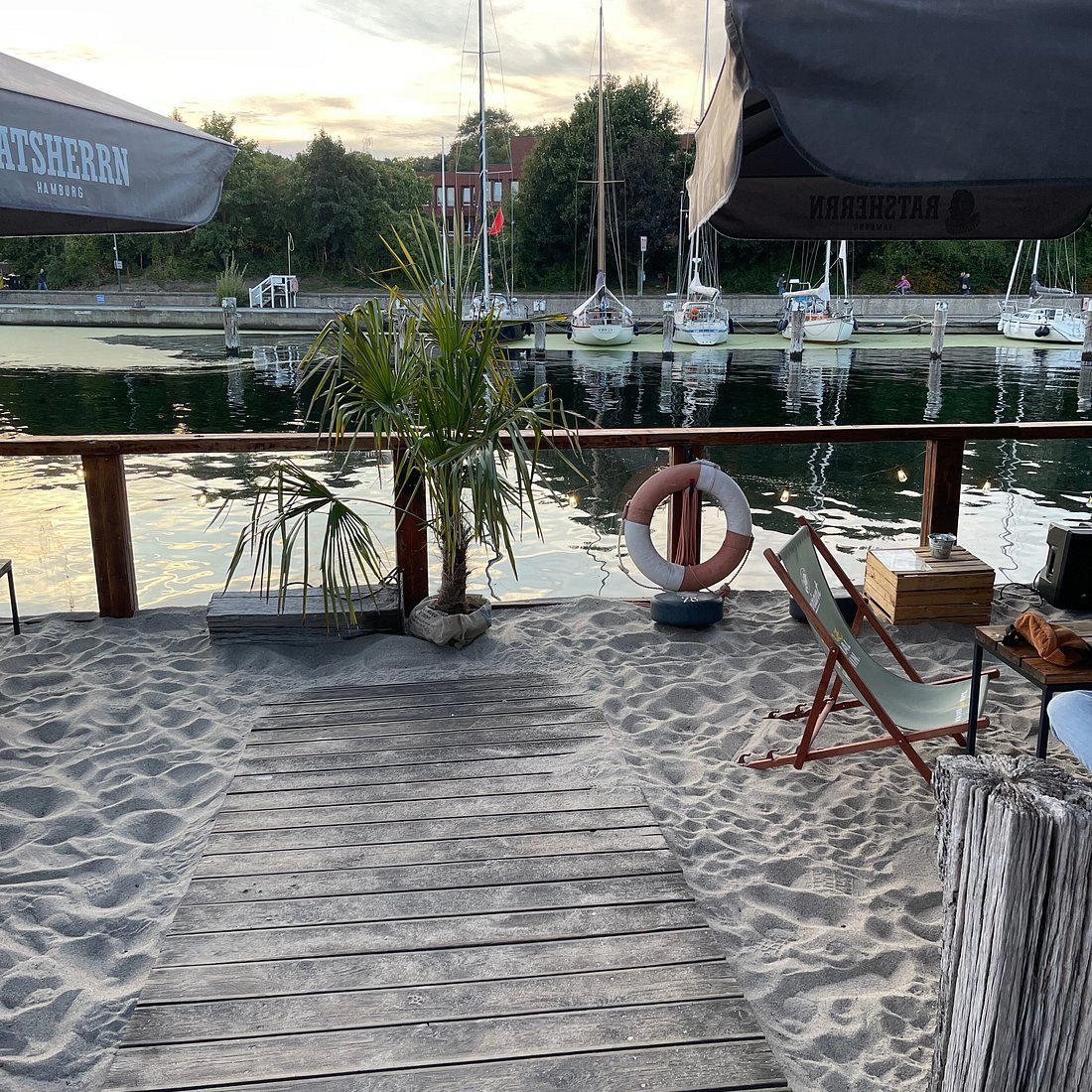
Restaurants in Molfsee
Browse all →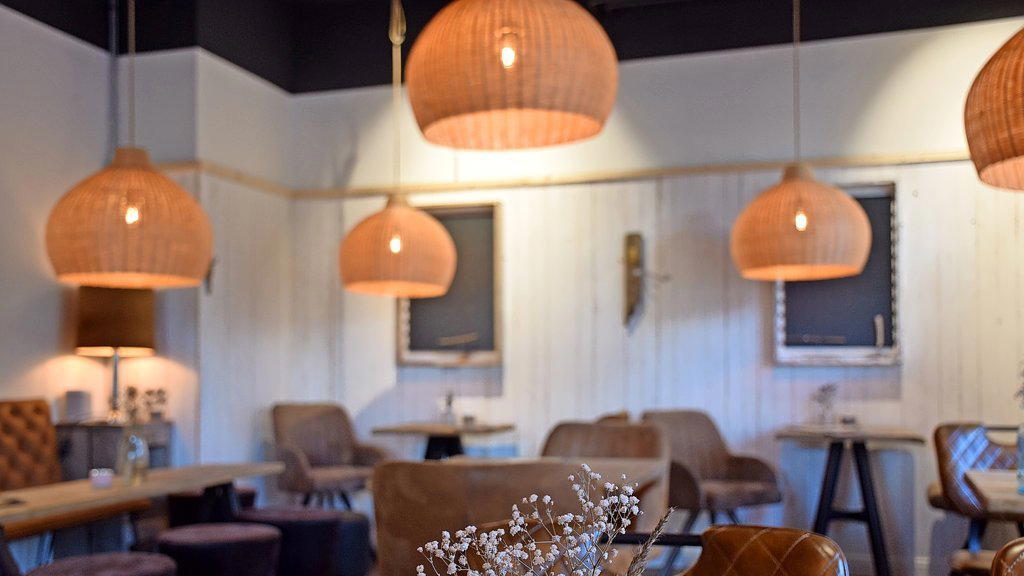
Bars in Molfsee
Browse all →

Hotels in Molfsee
Browse all →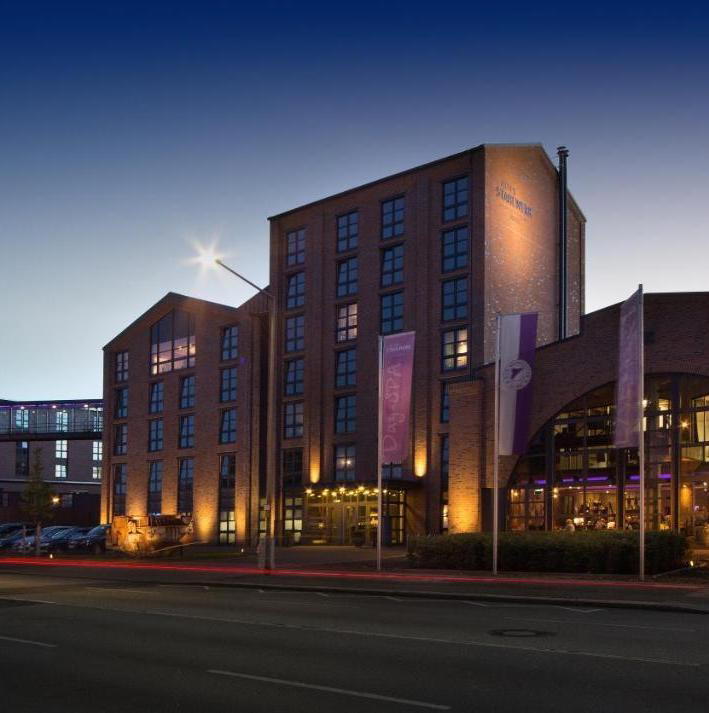
At a Glance
- Cozy
- Rustic
- Scenic
- Family
- Casual Hangout
- Garden
- Local Sourcing
- Garden
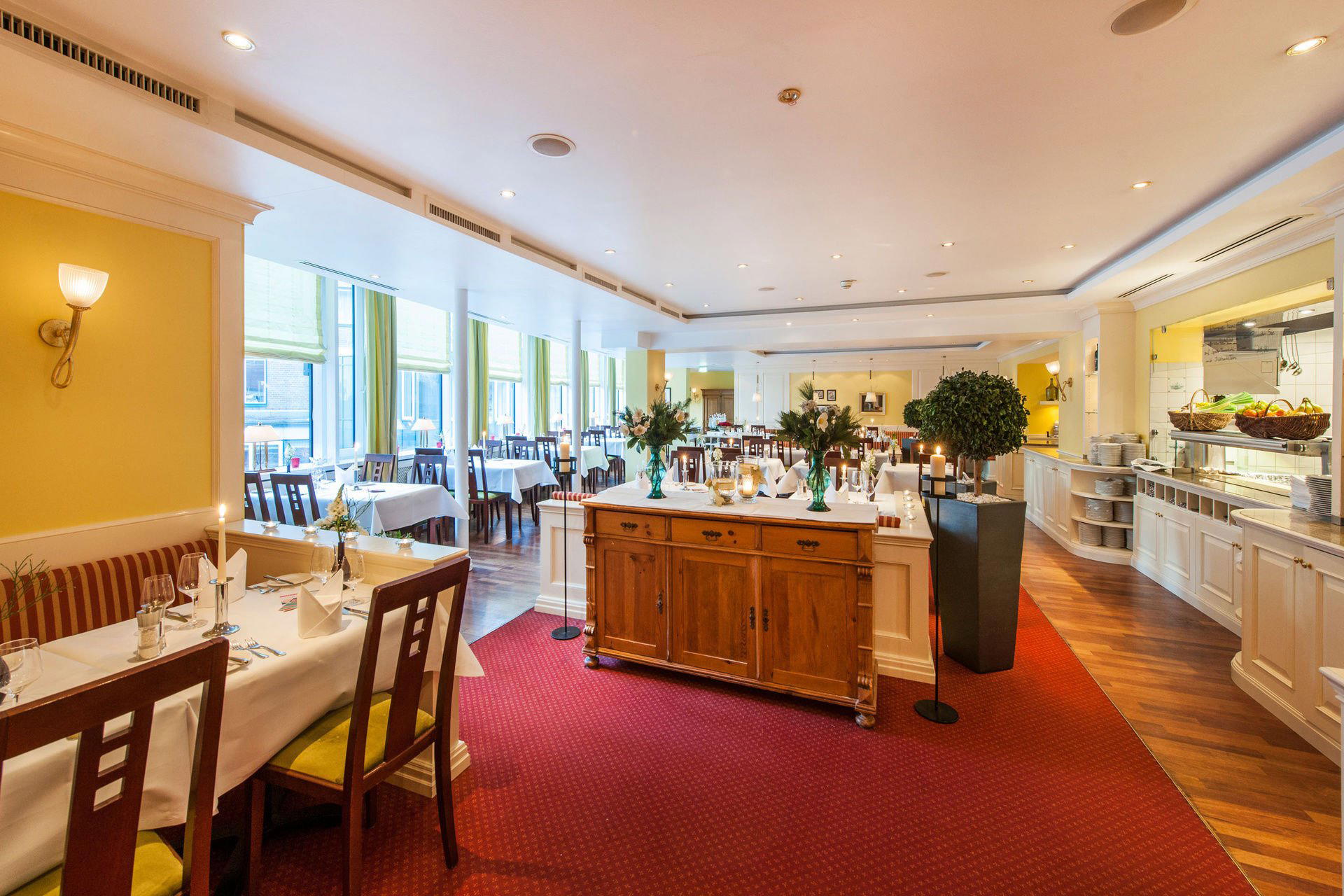
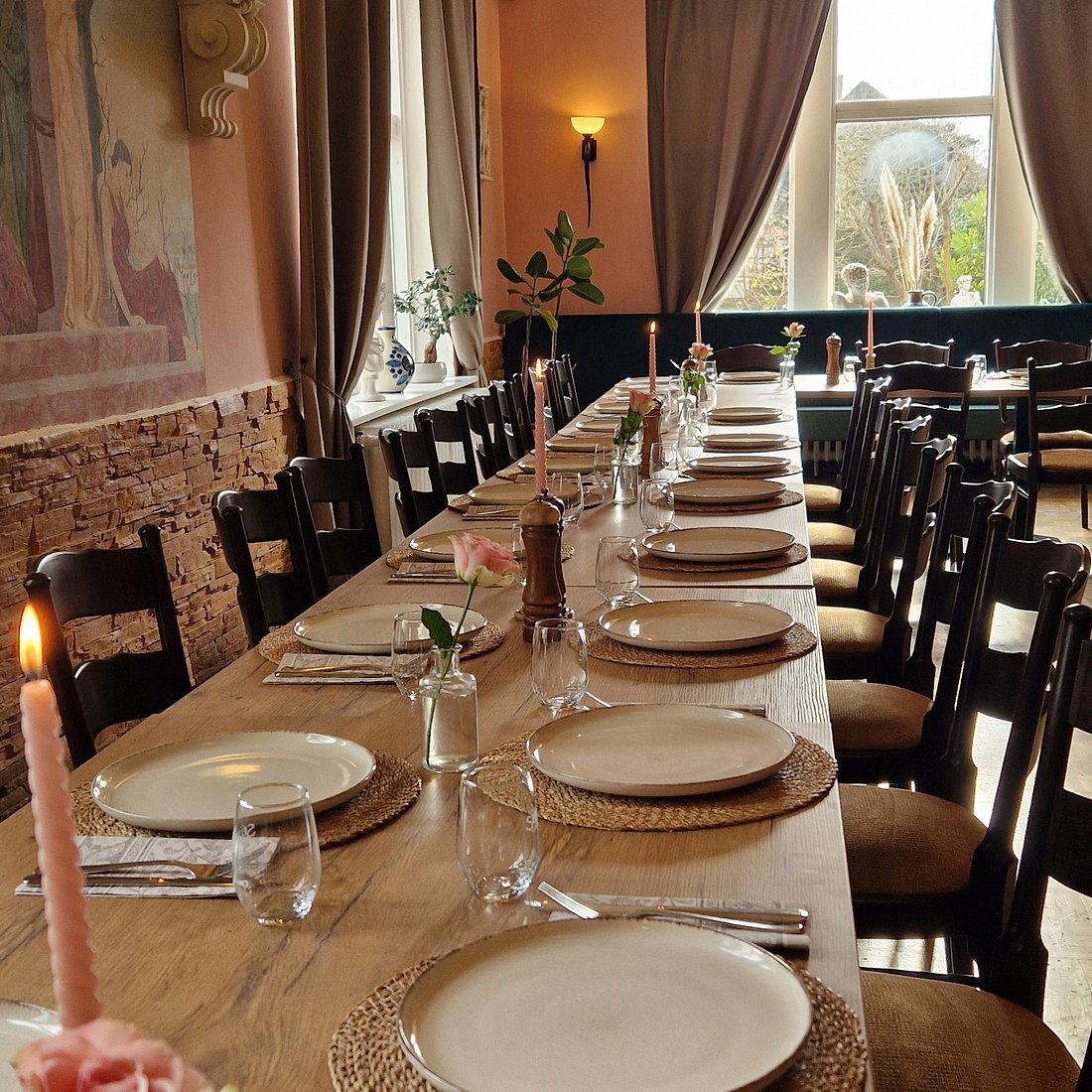
Cozy Friesenstube dining room and secluded courtyard garden under old chestnut trees create a warm, rustic atmosphere.