
Michelin Plate
Our verdict
Ole Liese holds a 2025 Michelin Plate at Panker 1007, placing it within Schleswig-Holstein's quiet but credible seasonal dining circuit. A grounded choice for visitors exploring Panker's agricultural heartland.

Pearl is the En Primeur Club membership app — saves, bookings, and concierge access live there. Same editors, same standards.
- Address
- Panker 1007, 24321 Panker, Germany
- Phone
- +49 4381 90690
- Website
- oleliese.de
- Directions
- Get directions
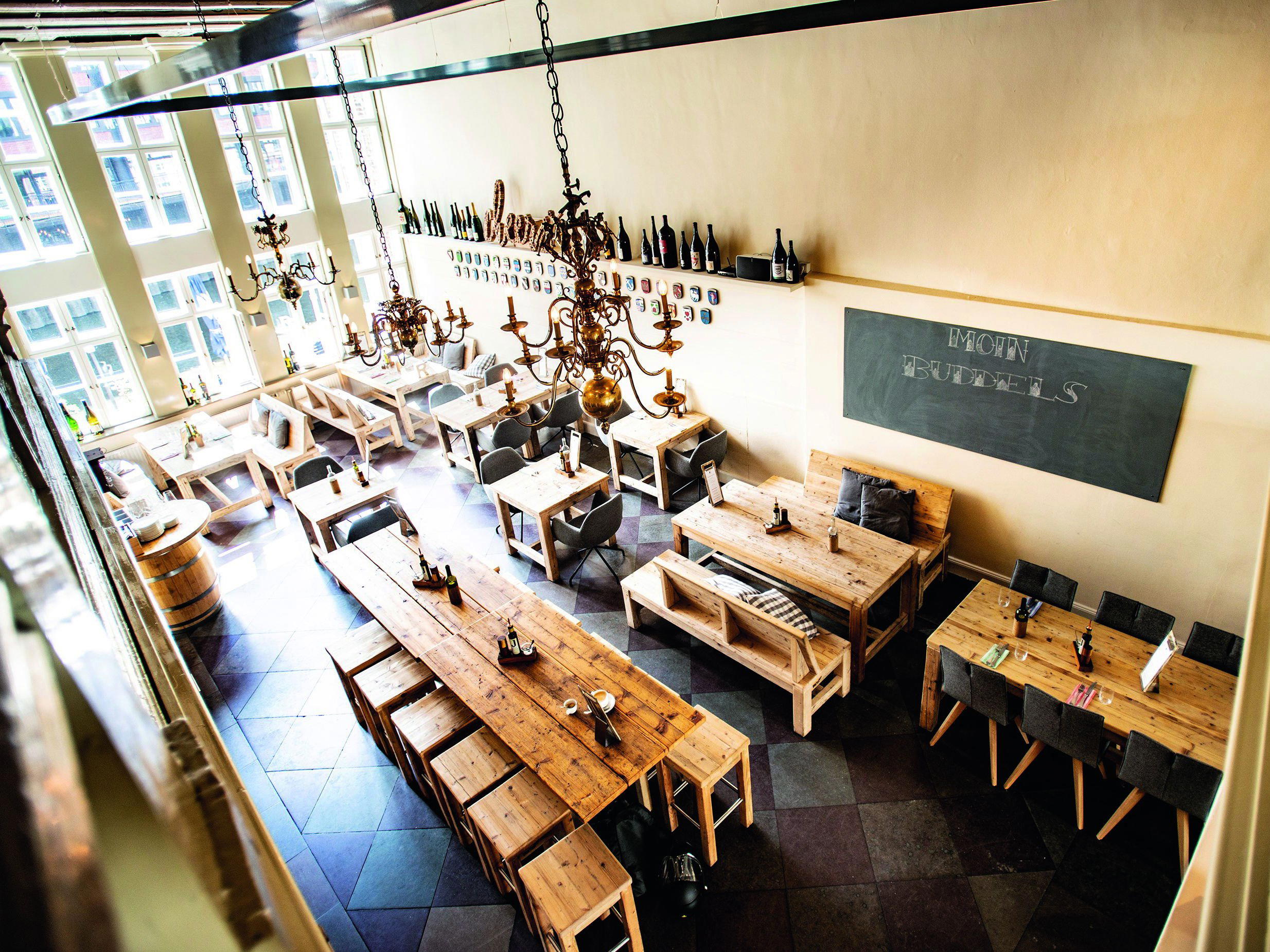
The menu
What to order
- Königsberger Klopse
- Barbecued octopus
- Fish of the day
Seasonal Cooking in the Schleswig-Holstein Countryside
Rural Schleswig-Holstein has its own culinary logic. The flat, wind-exposed farmland between the Baltic coast and the Wagrien peninsula produces dairy, game, root vegetables, and freshwater fish that rarely appear in Hamburg restaurants — they travel no further than the county they come from. Cooking in this region, when it works, is less about technique performance and more about fluency with what the season and the soil offer this week rather than last month. Ole Liese, addressed at Panker 1007 in the village of Panker, sits within that tradition. Its 2025 Michelin Plate recognition positions it inside a tier of German restaurants where the Michelin inspectors have marked the food as consistently worth a detour, without the starred formality that would shift the register entirely.
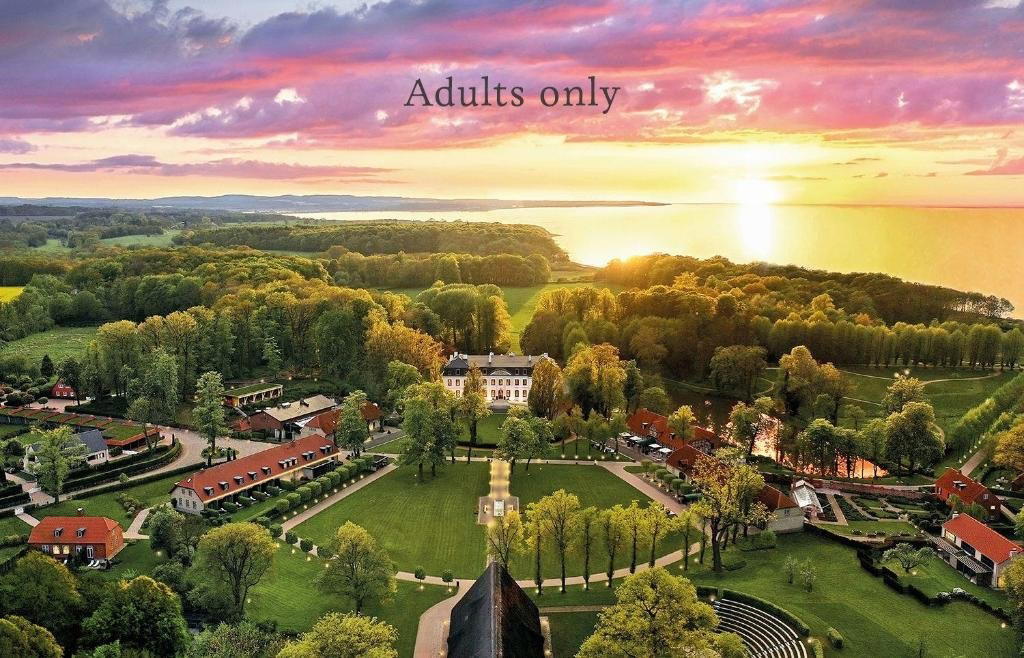
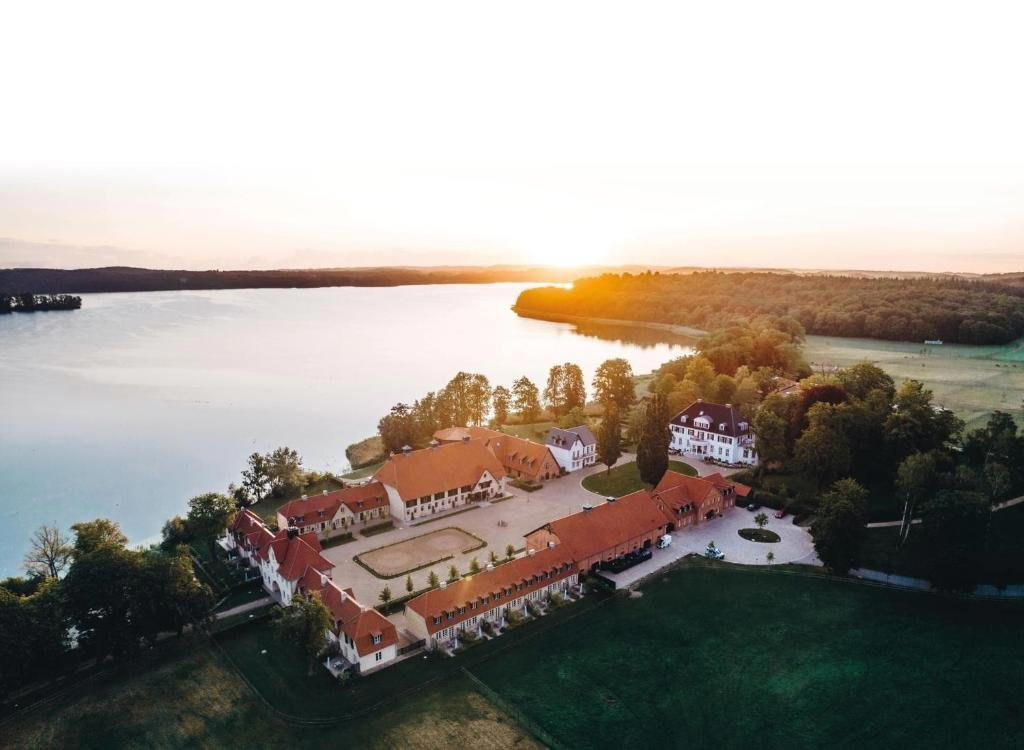
Panker itself is not a dining destination in the conventional sense. There is no high street, no cluster of competing restaurants, no neighbourhood buzz. What exists instead is an agricultural estate with its own internal geography, the kind of address that requires a deliberate decision to visit. That deliberateness tends to filter the clientele toward guests who have already committed to the countryside rather than stumbling in from a city weekend. For context on the full range of options across the village and estate, our full Panker restaurants guide maps the choices across price tiers and formats.
Where Ole Liese Sits in the German Seasonal Dining Picture
Germany's seasonal cuisine category has bifurcated sharply over the past decade. At the upper end, kitchens like JAN in Munich or ES:SENZ in Grassau have pushed seasonal sourcing into multi-course formats with extensive wine programs and price points that reflect the ambition. At the other end, rural Gasthäuser serve seasonal menus by necessity rather than philosophy, cycling through whatever the local farms produce with little editorial intent. Ole Liese at €€ pricing occupies a middle tier that is arguably more honest about what seasonal cooking in the German countryside actually is: not a statement, but a practice.
That mid-range position distinguishes Ole Liese from the heavily awarded circuit of German fine dining. Restaurants like Aqua in Wolfsburg, Vendôme in Bergisch Gladbach, or Waldhotel Sonnora in Dreis operate in the €€€€ bracket with multi-star recognition and the expectations that follow. Ole Liese's Michelin Plate at €€ suggests a different kind of ambition: cooking that earns inspector acknowledgment without requiring the financial or logistical commitment of a starred evening. For travellers comparing across Germany's broader seasonal and regional canon, Schwarzwaldstube in Baiersbronn and Schanz in Piesport offer instructive contrasts in how different German regions approach similar seasonal philosophies at different price tiers.
The Michelin Plate, sometimes underestimated relative to star designations, is not a consolation award. It marks kitchens where inspectors found the food good enough to note — a meaningful filter in a country with thousands of restaurants and a Guide that applies consistent standards across the spectrum.
The Estate Setting and What It Means for the Experience
The cultural roots of this style of cooking are embedded in the German country estate tradition, where the kitchen historically drew from the surrounding land out of proximity rather than ideology. Schleswig-Holstein's Gut Panker estate context places Ole Liese in a lineage of rural hospitality where the ingredients arrive because they are nearby, not because they have been sourced from a distance to construct a concept. That distinction matters when reading a seasonal menu here: the produce on the plate reflects what the surrounding landscape produces, not what a procurement team has selected to tell a story.
This is the same structural logic at work at Forsthaus Hessenstein, the farm-to-table address also operating within the Panker estate. The two restaurants share a geographic and agricultural context while presumably serving different formats and price points. Visitors to the Panker area who want to understand the full range of estate-adjacent dining should treat them as complementary rather than competing options.
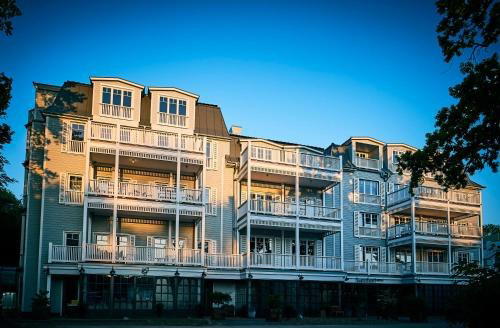
For accommodation in the area, our full Panker hotels guide covers the available options in and around the estate. Those planning a broader stay in the region may also want to reference our Panker bars guide, our Panker wineries guide, and our Panker experiences guide for a fuller picture of what the area supports beyond the table.
Comparing Notes: Seasonal Cuisine Across Borders
The seasonal cuisine category in German-speaking Europe is well-documented beyond Germany's own borders. Kirchenwirt in Leogang and Mesnerhaus in Mauterndorf both represent the Austrian variant of the same philosophy: rural addresses, agricultural sourcing, and a kitchen identity that emerges from terrain rather than trend. Positioned against these, Ole Liese participates in a broader Central European tradition of estate and farmhouse cooking that predates the contemporary farm-to-table movement by generations. The difference is that in Schleswig-Holstein, the flat light, the proximity to both Baltic and North Sea, and the particular character of the Wagrien dairy and game larder give the cooking a regional signature that no Alpine or Black Forest kitchen can replicate. For a contrasting urban take on creative German cooking, CODA Dessert Dining in Berlin and Restaurant Haerlin in Hamburg represent the city-anchored end of the German dining spectrum, where seasonal sourcing is part of a more constructed tasting format. Victor's Fine Dining by Christian Bau in Perl rounds out the comparison at the very best of the German formal dining tier.
Planning a Visit
Ole Liese is located at Panker 1007, 24321 Panker, in Schleswig-Holstein's Plön district. The address is rural and requires a car; the nearest city of scale is Kiel, approximately 40 kilometres to the northwest. The €€ price positioning makes this accessible within the mid-range bracket for German restaurant spending, and the Michelin Plate recognition from 2025 provides a quality benchmark without implying starred-format expectations.
Frequently asked questions
Would Ole Liese be comfortable with kids?
At €€ pricing in a rural Plön district estate setting, Ole Liese operates at a register that tends toward relaxed rather than ceremony-heavy. Country estate restaurants in this tier across Schleswig-Holstein rarely impose formal dining codes, which generally makes them more accommodating for families than city-centre fine dining. Calling ahead to confirm seating arrangements is advisable given the rural address at Panker 1007.
What is the atmosphere like at Ole Liese?
The Panker estate address, set in the flat farmland of the Wagrien peninsula, places Ole Liese firmly in the German country dining tradition rather than any urban mode. A 2025 Michelin Plate signals kitchen seriousness, but the €€ price range and the rural surroundings point toward an atmosphere shaped by the landscape outside rather than by metropolitan polish. Expect a setting where the season and the farm context register as clearly as the service.
Is Ole Liese Michelin-listed?
Ole Liese has received recognition including: Michelin Plate (2025).
What's the signature dish at Ole Liese?
No specific dishes are confirmed in the available record for Ole Liese, and the kitchen's seasonal cuisine designation means the menu shifts with what the Schleswig-Holstein farmland and Baltic region supply. The Michelin Plate recognition awarded in 2025 points to consistent cooking quality, but a fixed signature item would contradict the seasonal-first approach the cuisine type implies.
A Pricing-First Comparison
Comparable venues nearby, for context on price, style, and recognition.
| Venue | Cuisine | Price | Awards | Notes |
|---|---|---|---|---|
| Ole LieseThis venue — the venue you are viewing | Regional German Seasonal Cuisine | $50–100 | Michelin Plate | Not listed |
| Forsthaus Hessenstein | Traditional German Rural Cuisine | Not listed | Michelin Plate | Panker, Traditional German Rural Cuisine |
| Kaufmannsladen | Modern North German Steak & Grill | $30–50 | Michelin Plate | Düsternbrook, Modern North German Steak & Grill |
| LENZ | Traditional Northern German Regional Cuisine | $50–100 | Michelin Bib Gourmand | Tannenbaum, Traditional Northern German Regional Cuisine |
| philipps restaurant | Modern German Fine Dining | $50–100 | Michelin Plate | St. Pauli, Modern German Fine Dining |
| Meilenstein | Modern German Fusion Fine Dining | $50–100 | Michelin Plate | Altstadt, Modern German Fusion Fine Dining |
Recognition history
Dated appearances from independent guides and award organizations, with the underlying list record or original source where available.
Michelin Plate
Michelin · 2026 Michelin Plate
Full recognition history (2 entries)
Michelin Plate
Michelin
Continue exploring
More in Panker
Restaurants in Panker
Browse all →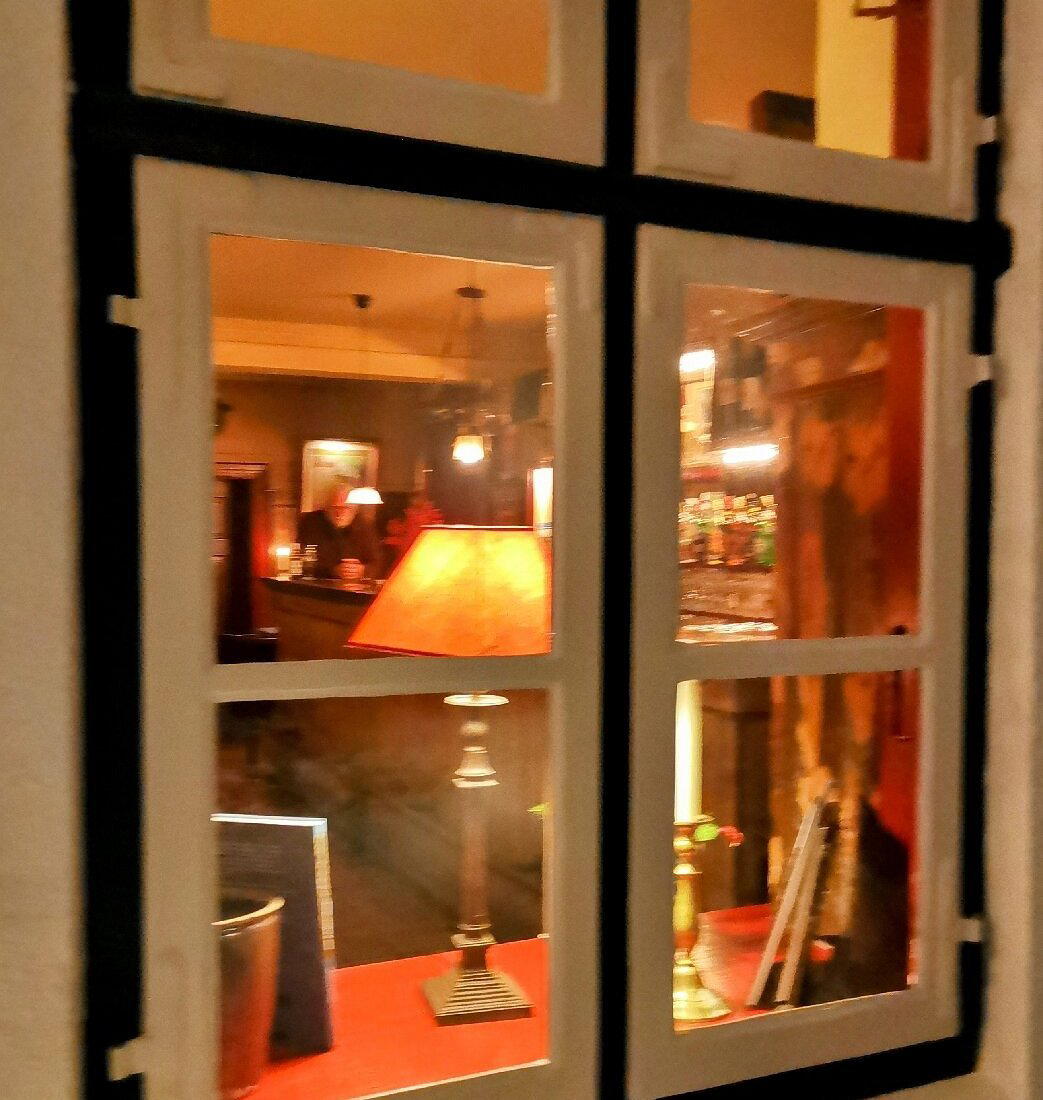
Bars in Panker
Browse all →
Hotels in Panker
Browse all →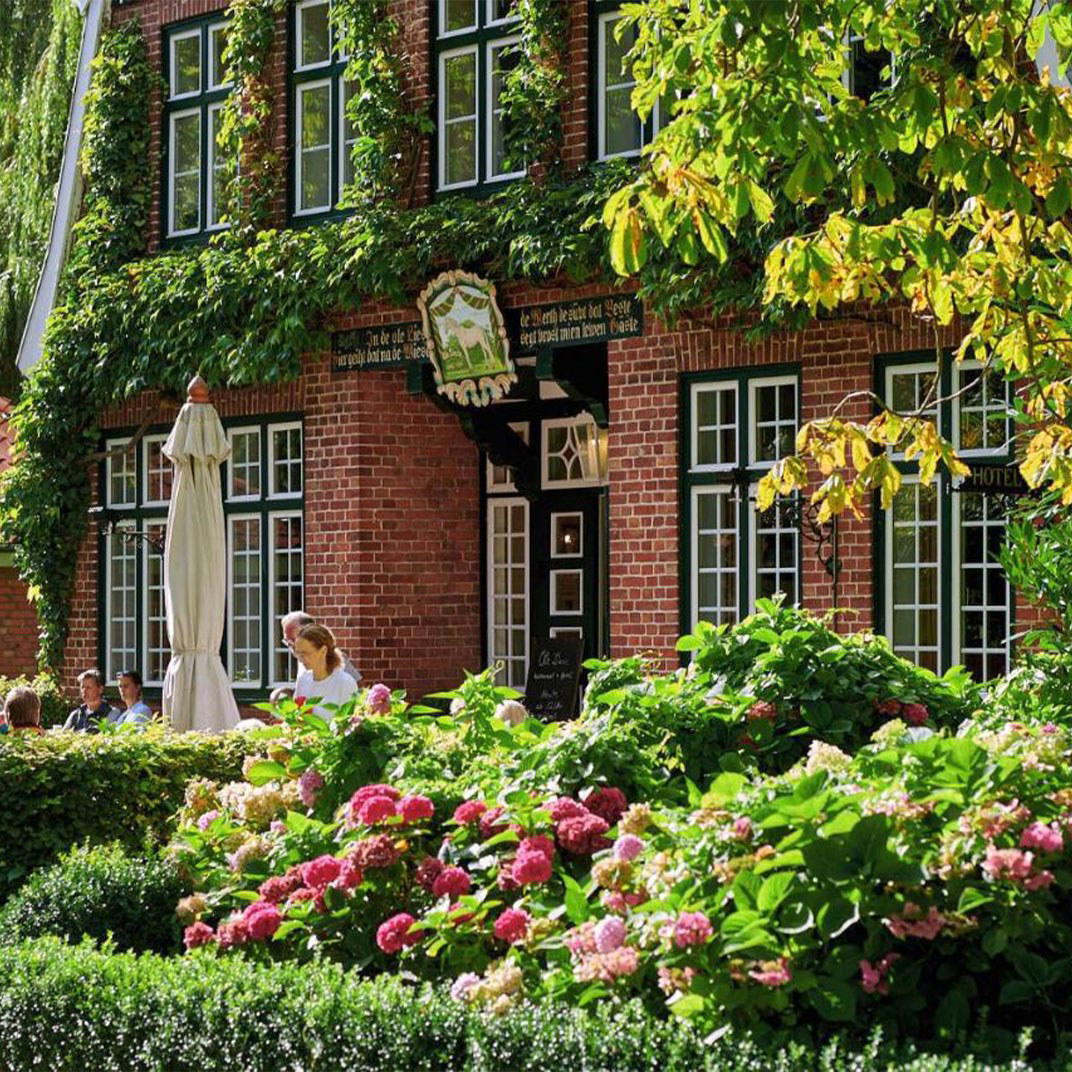
Wineries in Panker
Browse all →
Details
- Romantic
- Cozy
- Rustic
- Elegant
- Scenic
- Quiet
- Date Night
- Special Occasion
- Celebration
- Terrace
- Garden
- Historic Building
- Hotel Restaurant
- Private Dining
- Beer Program
- Local Sourcing
- Garden
- Set Menu
- A La Carte
- Wine
- Beer
- Vegetarian Friendly
- Gluten Free Options
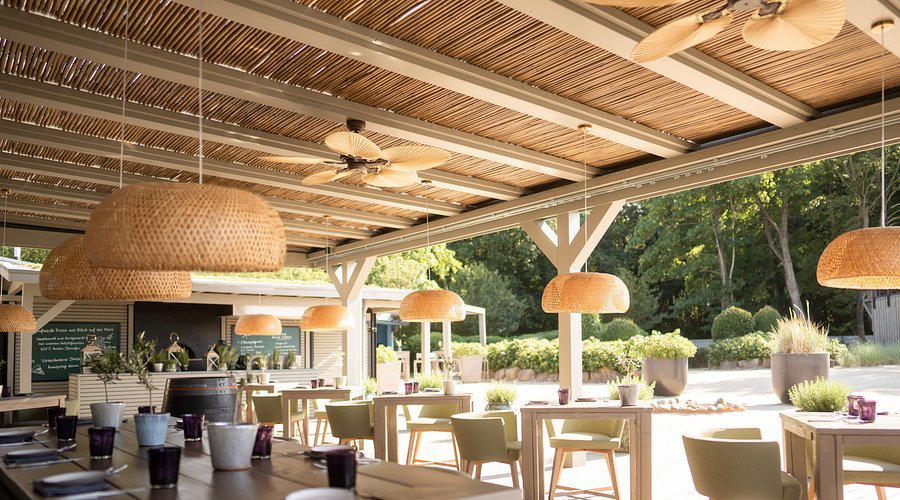
Cosy, rustic interior with delightful terrace overlooking horse paddocks and fields; warm, attentive service in a peaceful countryside atmosphere with Scandinavian-style bright rooms.