Tempura Kiki
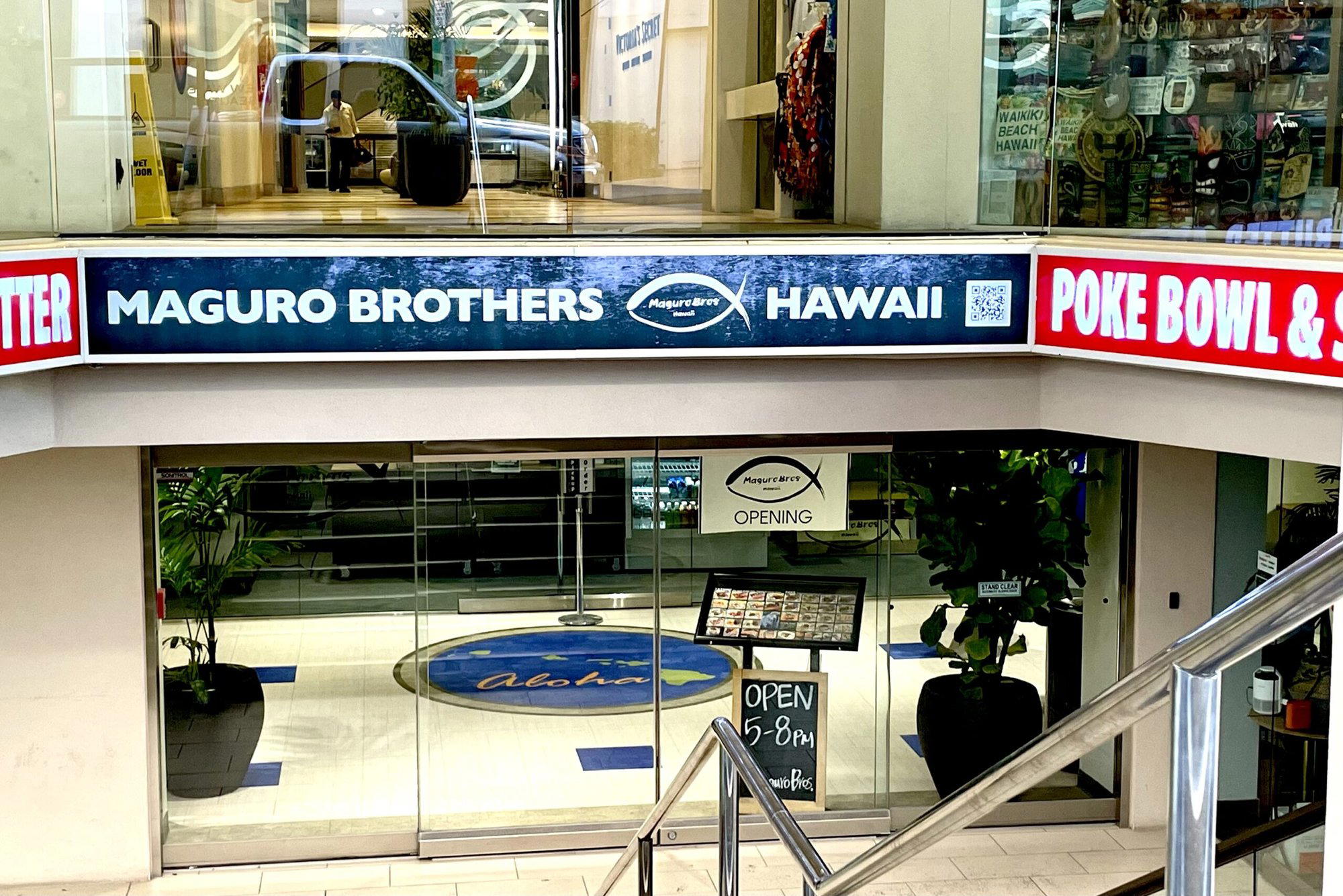
Tempura Kiki occupies a lower-level address along Kalākaua Avenue, positioning itself within Honolulu's wider Japanese dining corridor rather than apart from it. Where much of Waikīkī's Japanese offer skews toward volume and visibility, tempura as a dedicated format demands a different kind of attention — from kitchen and guest alike. The address puts it steps from the strip's foot traffic, but the format signals a more deliberate pace.
Pearl is the En Primeur Club membership app — saves, bookings, and concierge access live there. Same editors, same standards.
- Address
- 2250 Kalākaua Ave LL#6, Honolulu, HI 96815
- Phone
- (808) 888-0514
- Website
- ubereats.com
- Directions
- Get directions
 Saves & bookings on Pearl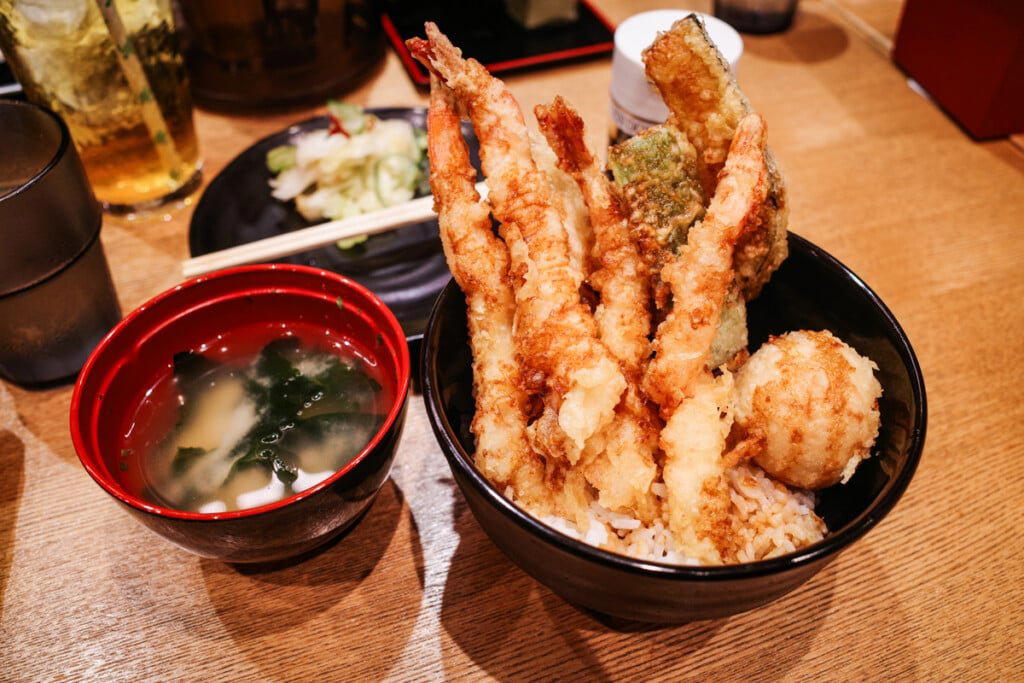
Tempura on Kalākaua: What the Format Signals
Honolulu's Japanese dining scene has always tracked closely with Japan's own regional exports. Ramen, izakaya, sushi omakase, and tonkatsu all have established footholds across the island, each format carrying its own service logic and price expectation. Tempura as a dedicated restaurant category sits in a narrower band. In Japan, the form is split between casual neighborhood tendon counters and highly formal, counter-only kaiseki-adjacent experiences where batter temperature, oil composition, and sequencing are treated with the same rigor applied to sushi at the top of the market. Honolulu has not historically been home to many venues that take tempura seriously as a standalone proposition, which makes the address at 2250 Kalākaua Ave — lower level, suite six — worth examining on its own terms.
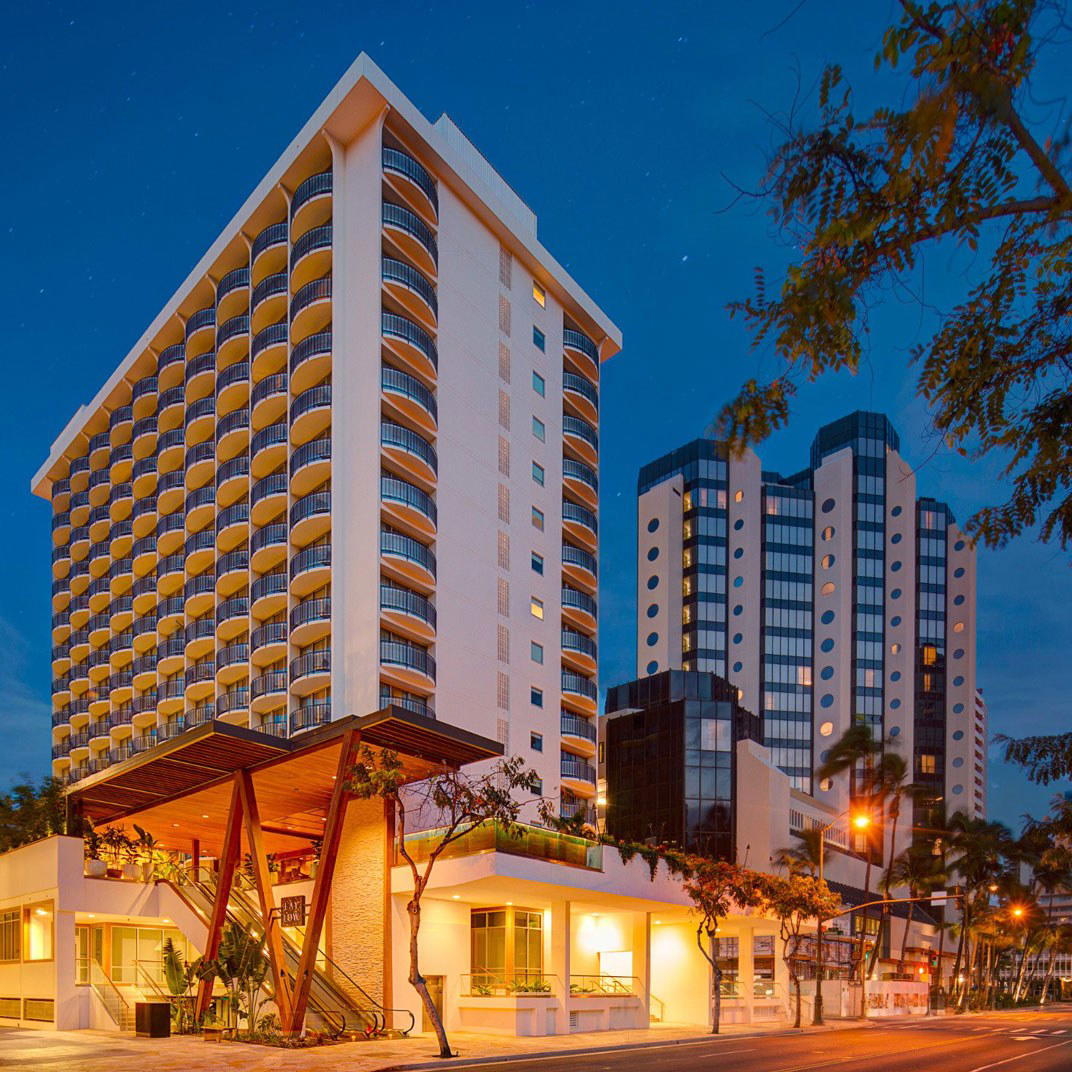
Kalākaua Avenue runs through the commercial spine of Waikīkī, and a lower-level address along that corridor is a specific kind of real estate: below the tourist-facing retail above, closer in character to the dining establishments that serve returning guests rather than walk-by crowds. That positioning, intentional or incidental, shapes the experience before a single piece of batter hits oil.
The Lunch and Dinner Divide in Japanese Tempura Culture
Across Japanese tempura traditions, the gap between daytime and evening service is rarely cosmetic. At the more formal end of the spectrum, counters in Tokyo's Minato or Chūō wards, for instance, lunch represents a calculated entry point: shorter sequences, accessible price bands, and a guest profile that skews toward regulars on a weekday break rather than occasion diners. Evening service inverts that logic. The room quiets, the sequence lengthens, and the price climbs. That structure has migrated, in varying degrees, to Japanese restaurants operating in North American markets.
In Honolulu specifically, the lunch-versus-dinner distinction carries additional weight because the city's visitor-to-resident dining ratio shifts across the day. Morning and midday tend to attract a more resident-oriented crowd at Japanese restaurants that have earned local loyalty; evening fills with visitors on curated itineraries who may be eating Japanese food in Honolulu for the first time. A tempura specialist operating on Kalākaua sits at the intersection of those two audiences, and how it calibrates price, portion, and formality across the day says something about who it is actually cooking for.
For venues in this category, the smarter signal tends to be the lunch set. In Japan, tendon, a bowl of rice topped with tempura, serves as the informal midday expression of the same technique that appears in coursed form at dinner. Venues that maintain distinct lunch and dinner formats generally reward guests who engage with both on separate visits.
Where Tempura Kiki Sits in Honolulu's Japanese Dining Tier
Honolulu's Japanese dining ecosystem ranges from fast-casual ramen to white-tablecloth kaiseki, with several strong mid-tier Japanese restaurants operating in between. Comparisons within the Japanese category are useful here: venues like Fujiyama Texas and Ginza Bairin address different segments of the Japanese dining market, the former with a fusion lean, the latter with a tonkatsu focus imported directly from a Tokyo parent brand. Tempura as a dedicated format occupies yet another niche: technically demanding, ingredient-dependent, and not easily scaled without quality loss.
That specificity places Tempura Kiki in a different peer conversation than the broader Honolulu restaurant market. The relevant comparisons are not Fête or 3660 On the Rise, both of which operate in the contemporary American or Pacific Rim register. Nor does it map cleanly onto special-occasion venues like 53 By The Sea, where setting and occasion-marking are central to the proposition.
At the national level, the tempura format has rarely been the organizing principle of a celebrated American restaurant. The venues that have shaped American fine dining's relationship with Japanese technique, omakase sushi counters, kaiseki rooms, have not generally foregrounded tempura as the lead discipline. That gap is part of why a Honolulu address focused specifically on the form is worth attention. For reference, the broader conversation about Japanese technique in American fine dining runs through venues like Atomix in New York City, which applies Korean fine-dining logic to a similar question of technique-first service, and places like Providence in Los Angeles, which has long treated Japanese influence as a structural element rather than a garnish. Tempura Kiki works at a different scale than those reference points, but the category question, what does it mean to take a single Japanese technique seriously in an American city, is shared.
Waikīkī's Dining Geography and the Lower-Level Address
The lower-level positioning on Kalākaua deserves a word on its own. Street-level and above-grade real estate on Kalākaua commands a premium and tends toward high-visibility chains and hotel-affiliated restaurants. Lower-level suites, by contrast, require a degree of intentionality from the guest: you have to know you're going. That friction filters the audience. Venues like 855-ALOHA and Ahaaina Luau operate in entirely different formats and price registers, but both illustrate how Honolulu's dining options stratify not just by cuisine but by physical location and the kind of guest effort required to reach them.
For a tempura specialist, that barrier to casual discovery may be an asset. The guest who seeks out suite LL#6 at 2250 Kalākaua has, at minimum, done enough research to arrive with some intention. That is a different starting condition than the walk-in tourist scanning a menu board from the sidewalk, and it creates a different dynamic inside the room.
Honolulu's broader dining scene, documented fully in our full Honolulu restaurants guide, has matured significantly over the past decade, with serious Japanese, New American, and Pacific Rim operators raising the baseline across multiple neighborhoods. The tempura format, in that context, represents one of the fewer remaining gaps in the city's Japanese dining offer at the specialist level. Whether Tempura Kiki fills that gap with the rigor the form demands is a question the available record does not fully answer, but the category position is real and the address puts it where that conversation is worth having.
Know Before You Go
Address: 2250 Kalākaua Ave, Lower Level Suite 6, Honolulu, HI 96815
Neighbourhood: Waikīkī
Cuisine focus: Tempura (Japanese specialist)
Phone: Not publicly listed, check current local directories for reservations
Website: Not confirmed in available records
Awards: No awards data currently on file
Booking advice: Given the lower-level address and specialist format, calling ahead before a first visit is advisable; walk-in availability varies by service period and day of week
Nearby context: Located on the main Waikīkī corridor, within the broader Japanese dining cluster that includes tonkatsu and izakaya options along the same avenue
At a Glance
- Casual
- Cozy
- Casual Hangout
- Family
- Open Kitchen
- Sake Program
Current opening hours
- Monday
- 11 AM–10 PM
- Tuesday
- 11 AM–10 PM
- Wednesday
- 11 AM–10 PM
- Thursday
- 11 AM–10 PM
- Friday
- 11 AM–10 PM
- Saturday
- 11 AM–10 PM
- Sunday
- 11 AM–10 PM
Hours can change for holidays and private events. Last verified .
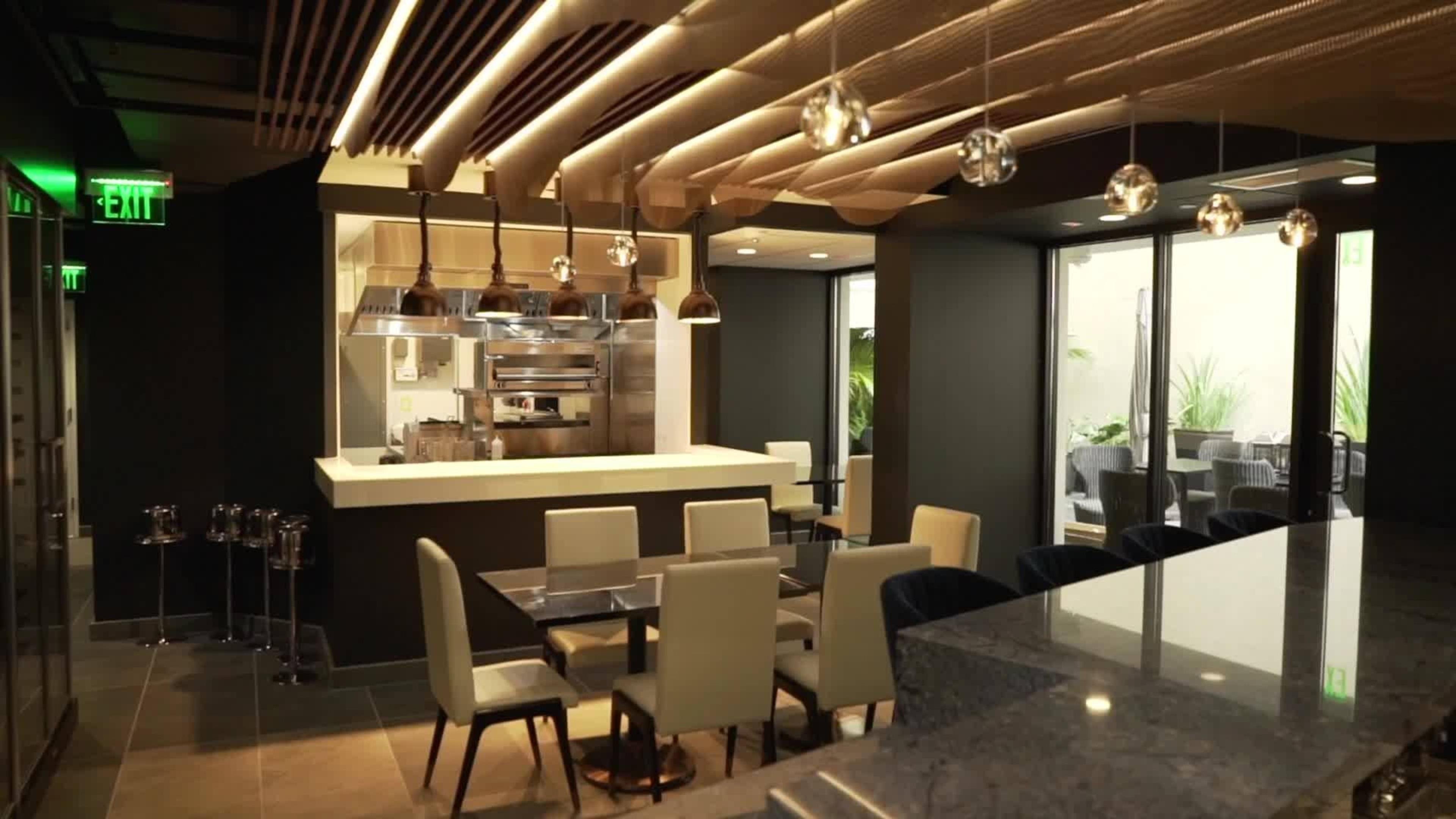
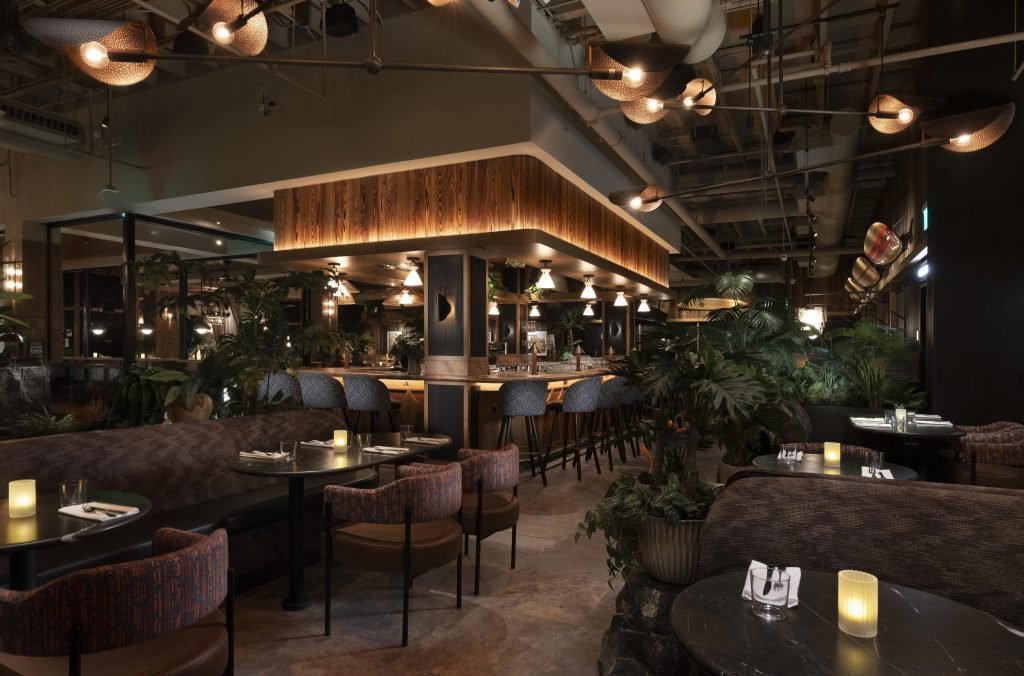
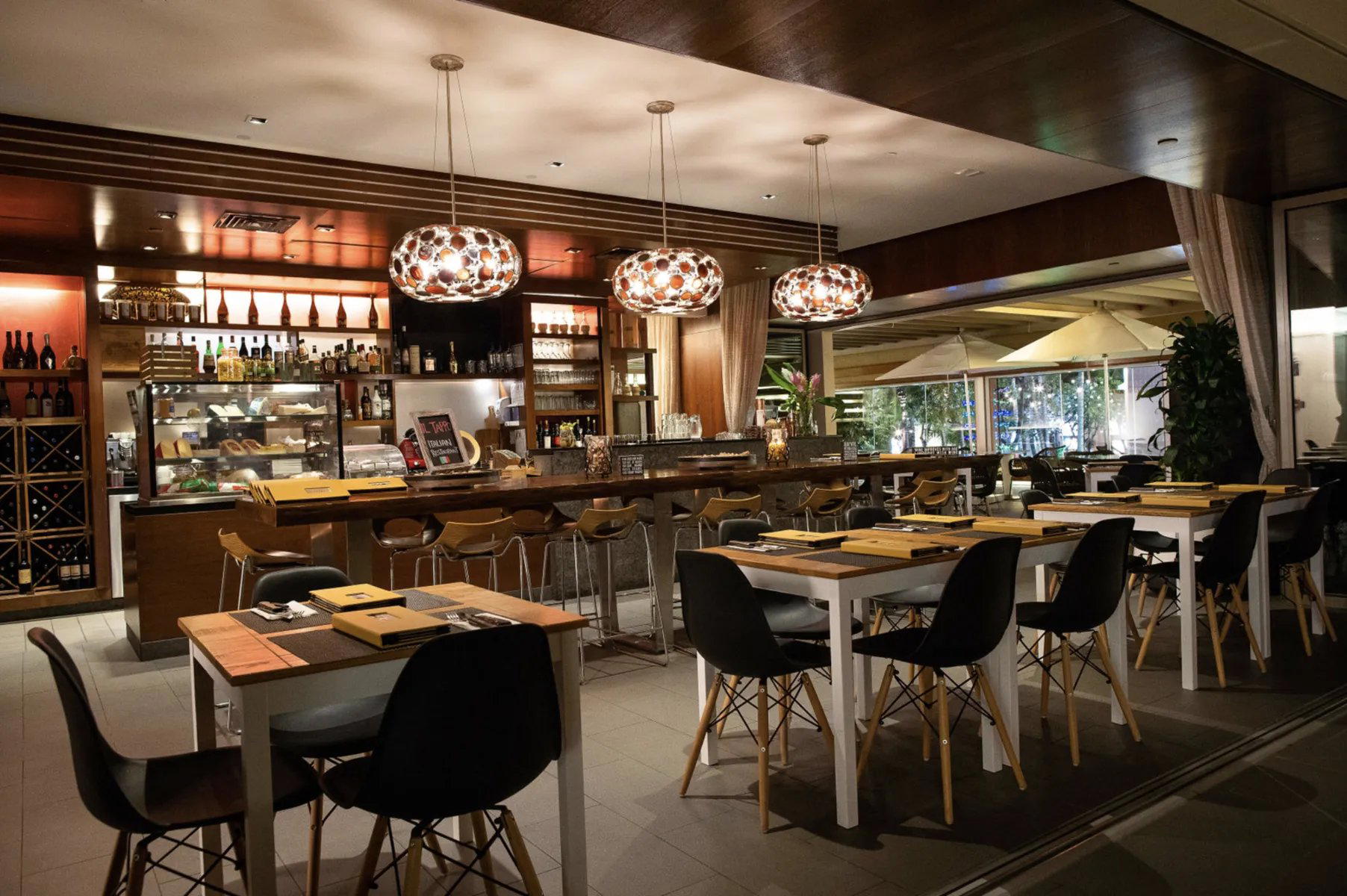
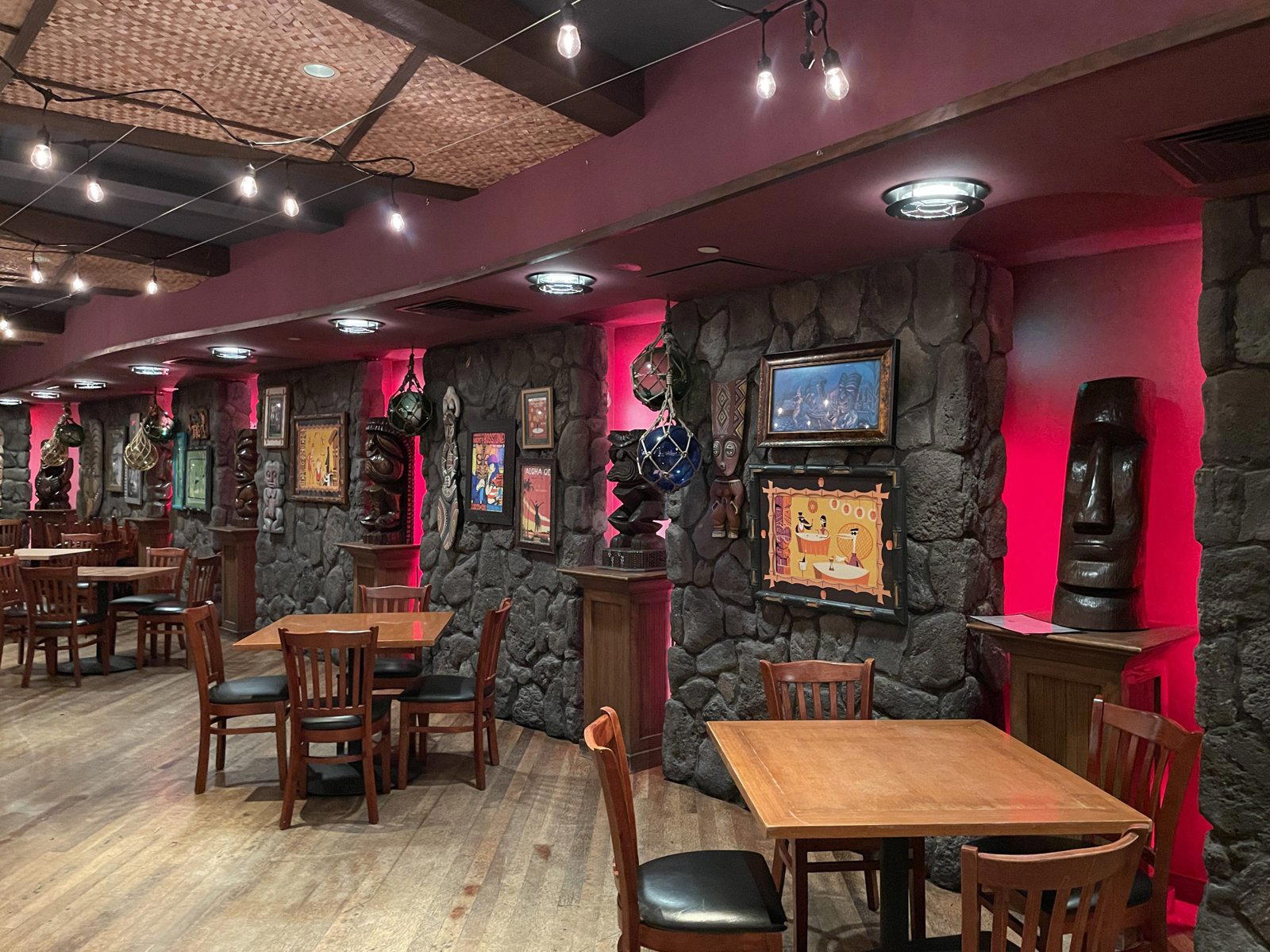
Casual food hall atmosphere in the basement with fast-paced, friendly service and focus on hot, fresh tempura.
Know Before You Go
- Getting there
- 2250 Kalākaua Ave LL#6, Honolulu, HI 96815