Tabelog 100 #8
Our verdict
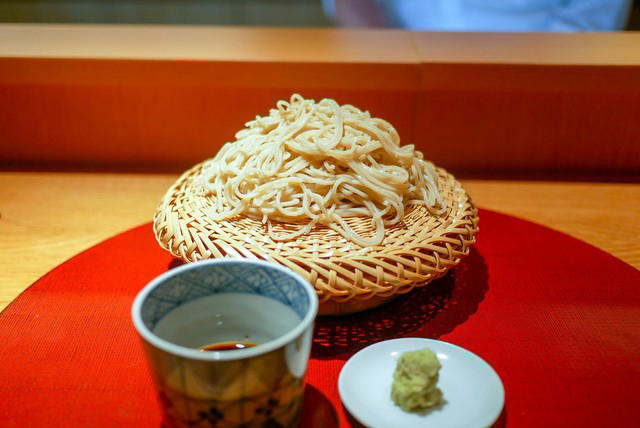
Roan Oosaka doujima ten belongs to Osaka’s more serious soba conversation: late-opening, counter-friendly, and grounded in buckwheat rather than luxury theatre. Its Tabelog 100 - Soba - WEST selections in 2024 and 2025 place it among the Kansai soba addresses that matter, while the Dojima setting gives it a sharper after-dark rhythm than a daytime noodle stop.

Pearl is the En Primeur Club membership app, where members save venues, book tables and use the concierge.
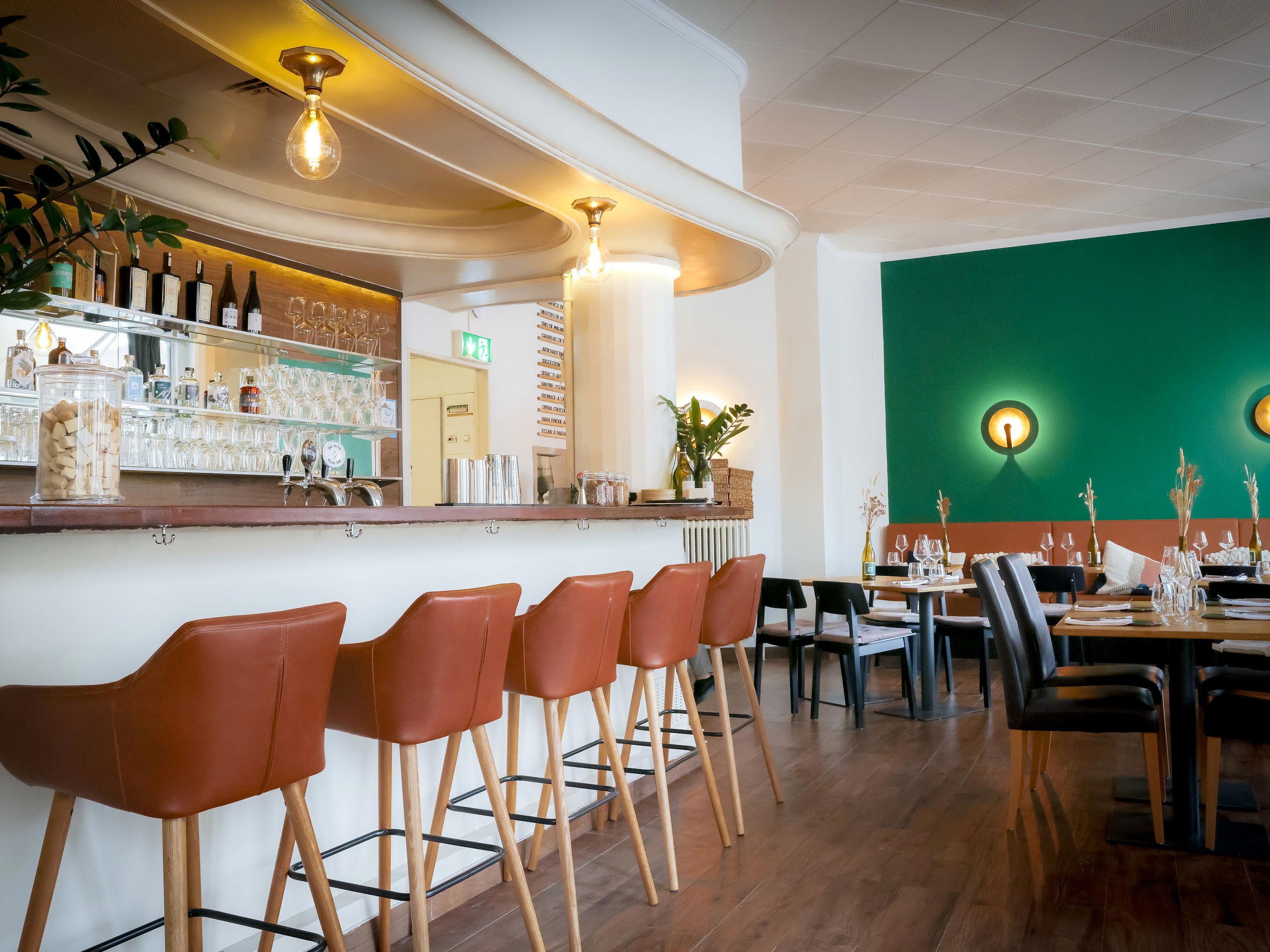
Osaka after office hours has its own frequency: basement signs, elevator lobbies, low ceilings, and the soft compression of evening trade as dinner begins. Soba suits that setting. In Osaka, where flour, broth, sauce, and late-night eating often pull attention toward louder formats, a buckwheat-focused meal asks for quieter concentration. Roan Oosaka doujima ten sits in that register: not luxury theatre, but part of a smaller Kansai tradition where noodle craft, Japanese cooking, and restraint can carry a full evening.
Why soba in Osaka feels different from soba at lunch
Visitors often misread soba as a quick meal, useful between appointments or before a train. Kansai’s stronger soba rooms complicate that. The format can stretch into dinner when the meal supports Japanese dishes around the noodles and a pace that makes buckwheat feel less like a closing course than the spine of the meal. Roan Oosaka doujima ten earns its place here: it is listed for soba and Japanese cuisine, signalling more than a simple noodle stop.
The environmental argument for soba is built into buckwheat’s history. It is hardy, fast-growing, and able to thrive in leaner soils than many grains. Serious soba culture also rewards economy: aroma, texture, broth, and seasoning do the work that imported luxury ingredients often do elsewhere. That does not make every soba restaurant ethically superior, and the available details here do not support claims about sourcing programs or waste systems. But the category gives Osaka diners a lower-impact alternative to protein-heavy tasting formats, especially when the meal is anchored by grain, dashi, and small Japanese dishes rather than spectacle.
Recognition matters because soba excellence is hard to decode from the street. The restaurant is included in Tabelog’s Hyakumeiten context for 2025, a useful signal in a field where many rooms look modest and differences show up in technique rather than décor. A Tabelog score of 3.65 adds another public marker, especially in Japan, where scoring norms are compressed and a mid-three rating can indicate a serious specialist rather than a casual crowd-pleaser.
The competitive set: Kansai noodles, Osaka spending, and restraint
Osaka dining often asks travellers to choose between two instincts: chase the city’s democratic food culture or turn the trip into high-spend reservations. The city sharpens that divide. Nearby comparison points show the range: Kitashinchi Mikazuki, Sushi Uchida, and Kuukai each suggest different ways to spend an evening. Against that backdrop, soba offers a different value proposition. It is not cheaper because it is less serious; it is cheaper because the cuisine’s grammar puts technique ahead of luxury procurement.
That distinction helps travellers building an Osaka itinerary. A soba evening can balance heavier meals elsewhere, especially if surrounding days include beef, sushi, tempura, or long tasting menus. Sobadokoro Toki represents another soba lane, while Konishi sits in a broader Japanese category. Roan Oosaka doujima ten occupies a focused position in that set: specialist enough to carry a recognition signal, but not framed like a grand occasion restaurant. It is a sharp choice for diners who want to understand Kansai soba without turning the meal into a status exercise.
For wider planning, EP Club’s Osaka coverage works better as a map of contrasts than a checklist. Start with Our full Osaka restaurants guide, then layer in sleep, drinks, wine, and cultural time through Our full Osaka hotels guide, Our full Osaka bars guide, Our full Osaka wineries guide, and Our full Osaka experiences guide. The city reads better that way: noodles beside other casual dining, counters beside bars, and regional Japanese cooking beside imported formats.
How to read the room without over-ordering the idea
Treat soba as the centre, not an afterthought. The strongest approach is to keep the meal focused and let the listed categories, soba and Japanese cuisine, set the frame. Restraint is the smarter stance: this is not a maximalist night out. Let the noodles define the meal, then allow Japanese dishes to fill the edges.
There is also a practical reason to value this style in 2026. Premium dining in Japan has become increasingly reservation-driven, English-menu-aware, and internationally benchmarked. Soba resists some of that flattening. It remains rooted in milling, water, timing, and temperature, elements that do not translate neatly into social-media shorthand. The better soba rooms reward attention rather than itinerary bragging. In Osaka, that feels persuasive because the city already has enough expense-account energy; a focused buckwheat meal cuts through it.
Readers comparing categories across Japan can place this address alongside other Osaka dining for the city’s lighter daytime register, populist comfort-food identity, and imported craft translated through local taste. Beyond the city, the contrast is best kept broad: Japanese regional restaurants, casual counters, curry specialists, bakeries, and drink-focused rooms all show how grain, broth, rice, and sake-adjacent ideas change across different contexts without needing this soba address to become something it is not.
The editorial case is simple: this is a soba address for travellers who want Osaka beyond obvious signatures. The 2025 Tabelog Hyakumeiten recognition supplies the credential; the Osaka setting supplies the after-dark mood; the cuisine supplies the argument for a lighter, grain-led meal in a city often sold through excess.
Frequently asked questions
Where is Roan Oosaka doujima ten located?
Osaka.
What are Roan Oosaka doujima ten's hours?
Current hours are not provided in the available venue details.
Is Roan Oosaka doujima ten more mid-range or high-end?
Pricing at Roan Oosaka doujima ten is listed as JPY 2,000 - JPY 2,999 View spending breakdown.
What's Roan Oosaka doujima ten best at?
Its clearest strength is soba, with Japanese cuisine also listed, backed by 2025 recognition in Tabelog’s Hyakumeiten context. The restaurant is in Osaka.
In Context: Similar Options
Comparable options at the same price tier.
| Venue | Cuisine | Price | Awards | Notes |
|---|---|---|---|---|
| Roan Oosaka doujima tenThis venue (the venue you are viewing) | Japanese Soba | $20–30 | Tabelog 100 #8 | Not listed |
| DINING | Japanese Kaiseki and Teppanyaki | Not listed | Not listed | Osaka |
| Ramen Yashichi | Japanese Ramen | $10–20 | Tabelog 100 #12 | Kita |
| Udo An | Handmade Soba & Seasonal Izakaya | $30–50 | Tabelog 100 #99 | Chūō |
| Stand Tsumamigui | Standing Japanese izakaya & curry bar | $20–30 | Tabelog 100 #23 | Naniwa |
| Soba Kiri Oshiro | Traditional Soba Noodle Shop | $20–30 | Tabelog 100 #42 | Abeno |
Recognition history
Dated appearances from independent guides and award organizations, with the underlying list record or original source where available.
Tabelog 100 #8 · No. 8
Tabelog · Tabelog 100 - Soba - WEST - 2025