Tabelog 100 #12
Our verdict
Ramen Yashichi belongs to Osaka’s serious daytime ramen culture: small room, quick turnover, regulars who understand the rhythm before they reach the door. Its repeated Tabelog 100 Ramen recognition, 11-seat format, and Nakatsu location place it in the city’s specialist ramen tier rather than the casual station-bowl category.

Pearl is the En Primeur Club membership app, where members save venues, book tables and use the concierge.
The menu
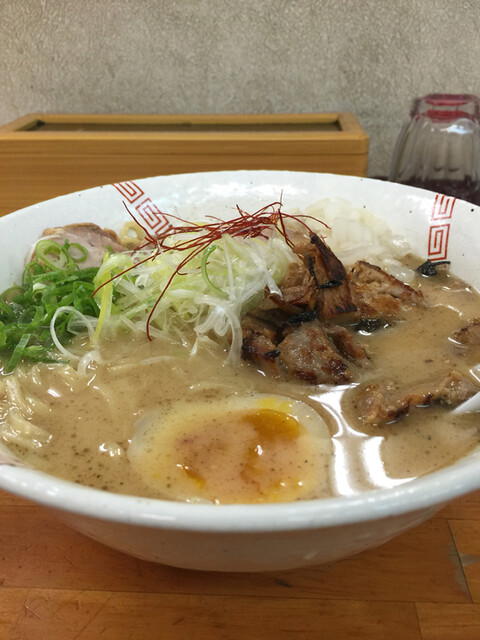
What to order
- Tori paitan shoyu ramen
- Shoyu ramen
- Salt ramen
- Hetameshi
Approaching Ramen Yashichi in Osaka, the ramen map of the city feels less like a tourist circuit and more like a weekday habit. The shop is best understood through pace and purpose: arrive ready to eat, keep the flow orderly, focus on the bowl, and understand that ramen here is built for immediacy rather than lingering. That kind of discipline is not theatre. It is how serious ramen shops protect quality when demand is steady.
Ramen Yashichi sits inside that compact Osaka tradition: a focused format, a practical mood, and an appeal that treats the shop less as a novelty than a repeatable ritual. The appeal is not scale. It is consistency, reinforced by selection for Tabelog Hyakumeiten in 2025 and a Tabelog score of 3.74. In a city where many casual eating styles compete for attention, that kind of ramen recognition puts a shop into a narrower, more demanding category.
Osaka ramen, regulars' rules, and the quick-meal logic
Osaka’s ramen scene rewards directness. The city’s specialists are often folded into daily movement: quick meals, solo visits, small groups, and repeat decisions where diners know exactly what kind of meal they want. In Osaka, a ramen shop competes on the bowl, the rhythm, and the trust that the experience will be clear rather than showy.
The best way to read the shop is through its practical tempo. A serious ramen meal is not a place for indecision or a drawn-out conversation; it is a place where the kitchen’s work and the diner’s attention meet quickly. That is useful culinary intelligence: this is a noodle-first format where texture is part of the contract between kitchen and customer. People return because that contract is clear.
That clarity separates the shop from the broader casual field around Osaka. A quick city itinerary might move through snack counters, coffee stops, bakeries, or longer meals elsewhere, but Ramen Yashichi belongs to another register: low-friction, focused, and judged by whether the bowl can bring people back on ordinary weekdays.
A focused shop in a city that takes casual food seriously
The category listing matters here. Ramen, tsukemen, and donburi place the shop in a practical Japanese comfort-food frame, while the Tabelog Hyakumeiten 2025 recognition moves it away from interchangeable lunch territory. The score listed at 3.74 is another signal within Japan’s review culture, where incremental differences can carry real weight among ramen followers. The format also shapes the experience: focused enough to reward decisiveness, not designed for hesitation.
Within the comparison set, Mugito Mensuke is the obvious ramen reference in Osaka, while Takeuchi Udon Ten shows how fiercely the city treats noodle shops even at modest spend. IRISH CURRY Nakatsu ten points to Osaka’s everyday dining mix, and rooms such as La Barcaccia or Sumi Daruma occupy a different decision entirely. The useful point is not that one category beats another; it is that Osaka’s casual meals can be as destination-driven as its formal dinners.
For readers building a wider Osaka plan, the contrast is instructive. A specialist meal elsewhere in the city answers a different appetite from a ramen stop governed by quick noodle timing and close attention to the bowl. The better comparison is with other tightly defined Japanese formats: curry, compact dining, or rice-based comfort food. Each depends on repetition and restraint more than novelty.
How to read the meal without overcomplicating it
The regulars’ perspective is the right lens. This is not a place to turn into a drawn-out tasting exercise. The smart diner reads the room, orders within the listed ramen, tsukemen, or donburi frame, and treats speed as respect rather than pressure. That does not make the meal lesser; it makes it closer to the way Osaka uses serious casual food in daily life.
The practical format reinforces that point. Solo diners and small groups often fit this kind of ramen experience better than social occasions built around extended conversation. The editorial takeaway is simple: bring the right expectations, because the shop is designed around noodle condition, rhythm, and a direct exchange between kitchen and diner.
Ramen Yashichi is most valuable to a visitor who already understands that Osaka dining is not a ladder with luxury at the top and everything else below. The city’s strength lies in formats that know exactly what they are. For the wider context, use our full Osaka restaurants guide, then build the day around category contrast: a compact ramen lunch, coffee or bakery stops, and a different evening tempo. For the rest of the trip, our full Osaka hotels guide, our full Osaka bars guide, our full Osaka wineries guide, and our full Osaka experiences guide help separate food planning from the city’s broader logistics.
That same lens applies beyond Osaka. A concise Japanese meal can carry as much regional information as a formal tasting menu, whether the reference point is a grill, a seafood counter, a compact regional room, or sake-led dining abroad. The point is discipline. At this level, the experience does not need to explain itself at length; the regulars already have.
Frequently asked questions
What does dinner at Ramen Yashichi typically cost?
Pricing at Ramen Yashichi is listed as - JPY 999 - JPY 999.
How do I find Ramen Yashichi?
Ramen Yashichi is located in Osaka.
How far ahead should I plan for Ramen Yashichi?
Plan around the shop’s focused ramen format rather than treating it like a long, flexible meal. In Osaka, this kind of specialist meal rewards diners who arrive ready to order, eat promptly, and keep the visit simple.
What do critics highlight about Ramen Yashichi?
The clearest signal is its selection for Tabelog Hyakumeiten in 2025, alongside a listed Tabelog score of 3.74. The categories are ramen, tsukemen, and donburi, which frame the shop as a focused casual specialist rather than a broad all-purpose restaurant.
Can Ramen Yashichi handle vegetarian requests?
The menu categories listed are ramen, tsukemen, and donburi, so vegetarian diners should approach with caution. The provided profile does not identify a vegetarian menu, so it is sensible to verify ingredients before making it part of an Osaka dining plan.
Is Ramen Yashichi suitable for children?
It can work for children who are comfortable with a focused ramen routine. Because the experience is best understood as quick and noodle-centered, it is a better fit for children who can eat promptly than for leisurely family meals.
Local
Comparable venues at a similar level for quick context.
| Venue | Cuisine | Price | Awards | Notes |
|---|---|---|---|---|
| Ramen YashichiThis venue (the venue you are viewing) | Japanese Ramen | $10–20 | Tabelog 100 #12 | Not listed |
| Mugito Mensuke | Traditional Ramen | $10–20 | Michelin Bib Gourmand · Tabelog 100 #74 | Ramen |
| La Barcaccia | Neapolitan Pizza & Italian Wine Bar | $50–100 | Tabelog 100 #2 | JPY 6,000 - JPY 7,999 |
| Sumi Daruma | Seasonal Seafood & Yakitori Izakaya | $50–100 | Tabelog 100 #62 | JPY 8,000 - JPY 9,999 |
| IRISH CURRY Nakatsu ten | Japanese Curry | $1–10 | Tabelog 100 #80 | JPY 1,000 - JPY 1,999 JPY 1,000 - JPY 1,999 |
| Takeuchi Udon Ten | Sanuki-style udon and tempura shop | $10–20 | Tabelog 100 #27 | JPY 999 |
Recognition history
Dated appearances from independent guides and award organizations, with the underlying list record or original source where available.
Tabelog 100 #12 · No. 12
Tabelog · Tabelog 100 - Ramen - OSAKA - 2025