ÁRO Osnabrück occupies a considered position in one of Lower Saxony's more understated dining cities, where fine dining operates outside the typical German gastronomic spotlight. Located at Neuer Graben 22, the restaurant sits within a city that rewards those who look past its modest national profile. For a measured account of where ÁRO fits in Osnabrück's broader food scene, the full context is worth understanding.
Pearl is the En Primeur Club membership app — saves, bookings, and concierge access live there. Same editors, same standards.
- Address
- Neuer Graben 22, 49074 Osnabrück, Germany
- Phone
- +494925143437
- Website
- aro-schalen.de
- Directions
- Get directions
 Saves & bookings on Pearl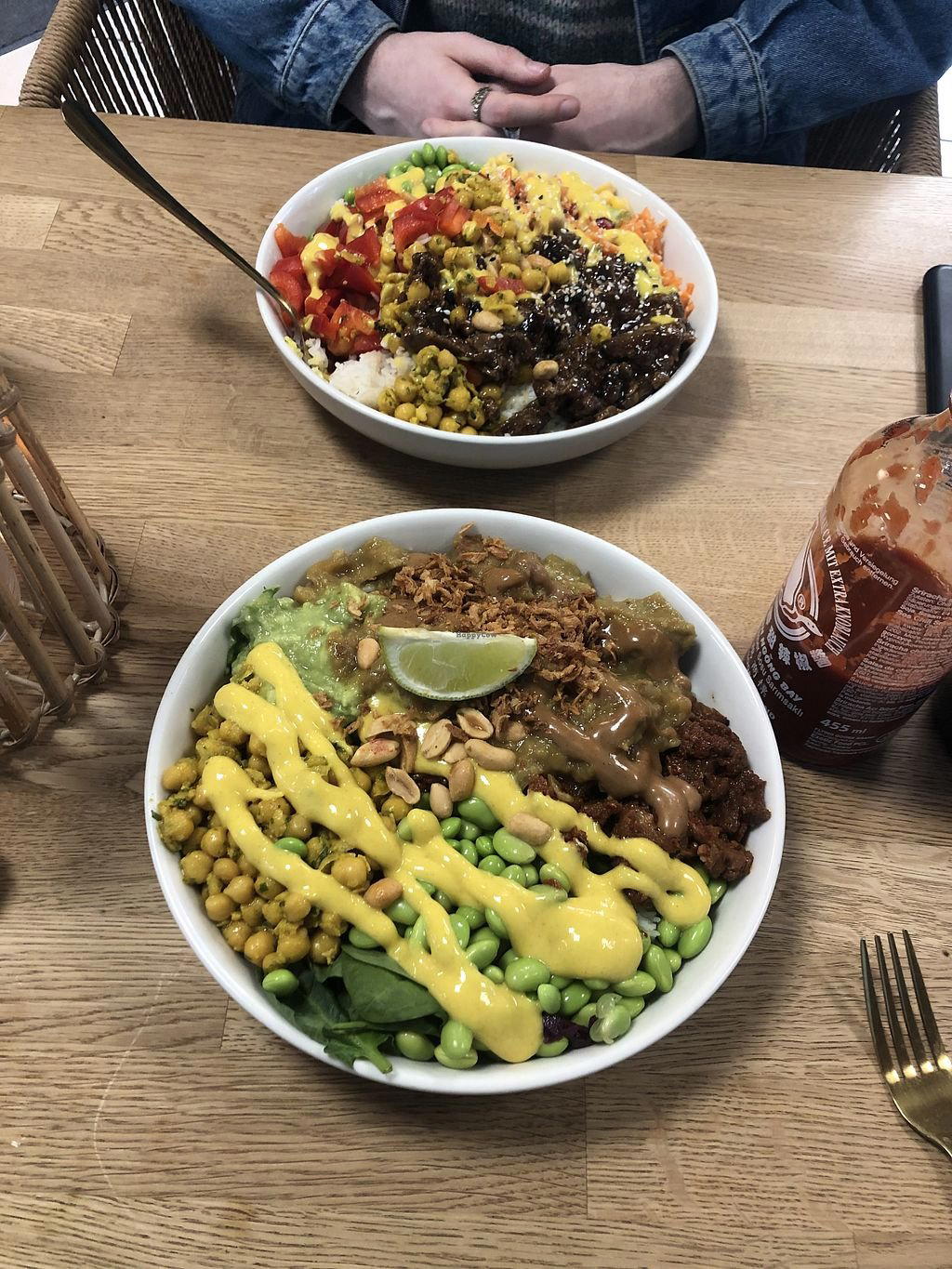
Fine Dining in a City That Doesn't Advertise Itself
ÁRO Osnabrück is a casual Asian Fusion Bowls restaurant at Neuer Graben 22, 49074 Osnabrück, Germany. Cities that sit outside the main critical circuits tend to develop restaurants for locals rather than for reviewers, which produces a different kind of ambition: quieter, more specific, less performative. ÁRO Osnabrück, addressed at Neuer Graben 22 in the city's central district, operates in exactly that register. The address places it within walking distance of Osnabrück's historic core, where the Hase river bends through the old town and the pedestrian zones give way to quieter institutional streets. Arriving on foot from the Hauptbahnhof, the neighbourhood reads as composed rather than buzzy, the kind of setting where a serious restaurant can develop on its own terms without competing against a neighbourhood scene.
Where Ingredient Origin Shapes the Proposition
Across Germany's serious independent restaurants, sourcing has become the primary grammar of the menu. The shift away from classical French-coded luxury ingredients toward regional and hyper-local supply chains has been one of the defining movements in German fine dining over the past decade. What's notable is how consistently this turn toward provenance has allowed smaller-city restaurants to compete credibly with their metropolitan counterparts. When the story of a dish is rooted in a specific farm, a named producer, or a regional tradition, the restaurant's geography becomes an asset rather than a liability.
In Lower Saxony specifically, the agricultural base is substantial: the region produces significant volumes of grain, dairy, and produce, and sits close enough to the North Sea to access coastal supply chains without the premium freight costs absorbed by inland cities further south. A restaurant serious about ingredient sourcing in Osnabrück has a defensible case for localism in a way that a comparable operation in, say, a landlocked Bavarian town might not.
Germany's broader fine dining conversation increasingly runs through this sourcing lens. At Schwarzwaldstube in Baiersbronn and Aqua in Wolfsburg, regional identity is pressed into classical technique. At JAN in Munich and Vendôme in Bergisch Gladbach, sourcing functions as a philosophical position rather than just a menu note. Where ÁRO sits on that spectrum is a question the restaurant's own programming answers more precisely than any external summary can.
Osnabrück's Dining Position in German Context
Lower Saxony's restaurant culture sits in an interesting middle position nationally. It is neither the heritage-heavy wine-country fine dining of the Mosel, where addresses like Schanz in Piesport and Waldhotel Sonnora in Dreis draw destination diners specifically for the regional grape context, nor the internationally-facing metropolis dining of Hamburg's Restaurant Haerlin. It occupies a more self-sufficient register, serving a city of roughly 170,000 that has a university, a Peace of Westphalia history, and a middle-class professional base that supports serious hospitality without requiring tourist volume to sustain it.
That demographic reality shapes what restaurants like ÁRO can build. Consistency matters more than spectacle. A regular local clientele, rather than a rotating cast of destination visitors, becomes the core relationship. This dynamic distinguishes Osnabrück's serious restaurants from those in cities where Michelin recognition drives significant tourist traffic, and it explains why particularly durable independent restaurants in cities like this tend to operate with disciplined format choices rather than ambitious seasonal reinvention for press cycles. For comparison within Osnabrück's current scene, gio Ristorante and Romantikhotel Walhalla represent different positions in the local market, while Roadrunnerburger-Catering Foodtruck signals the informal end of the spectrum. A complete mapping of the city's options is available in
How ÁRO Fits the German Fine Dining Trajectory
German fine dining has undergone a structural sorting over the past several years. The three-Michelin-star tier, represented by addresses like Victor's Fine Dining by christian bau in Perl and ES:SENZ in Grassau, operates at a different scale of investment and recognition than the independent regional restaurant with serious ambitions. Between those poles sits a productive middle category: restaurants that apply genuine technical discipline to a local ingredient story, without the overhead of destination hotel real estate or the pressure of chasing starred recognition at any cost. CODA Dessert Dining in Berlin and Bagatelle in Trier demonstrate how strongly differentiated format choices can define a restaurant's position in that middle tier. L.A. Jordan in Deidesheim shows how wine-region anchoring adds a layer of identity that pure urban addresses cannot replicate.
ÁRO, operating in a city without an established fine dining infrastructure to lean on, navigates this without the structural supports those addresses carry. That makes the format question particularly consequential: the experience a kitchen in Osnabrück builds has to justify itself on its own terms, without a pilgrimage narrative or a wine-country context to supplement the meal. Internationally, this challenge is not distinctive to Germany. Le Bernardin in New York City and Lazy Bear in San Francisco both demonstrate how clarity of concept, rather than location prestige, sustains serious restaurants in competitive environments over decades.
Planning a Visit
ÁRO Osnabrück is located at Neuer Graben 22, 49074 Osnabrück, accessible from the city's central train station on foot in under fifteen minutes through the historic core. Osnabrück's size means accommodation options are concentrated centrally, making a dinner reservation here logistically uncomplicated to pair with a stay in the city centre.
Frequently Asked Questions
At-a-Glance Comparison
Comparable venues nearby, for context on price, style, and recognition.
| Venue | Cuisine | Price | Awards | Notes |
|---|---|---|---|---|
| ÁRO OsnabrückThis venue — the venue you are viewing | Asian Fusion Bowls | $$ | Not listed | Not listed |
| Roadrunnerburger-Catering Foodtruck | Burger Food Truck | $ | Not listed | Osnabrück |
| Wilde Triebe | Dining | Not listed | Michelin Plate | Osnabrück |
| gio Ristorante | Italian Mediterranean | $$ | Not listed | Innenstadt |
| Romantikhotel Walhalla | Modern German & International | $$$ | Not listed | old town |
| IKO | Modern French-Japanese Fusion | $$$ | Michelin 1 Star | Lüstringen |
Continue exploring
More in Osnabrück
Restaurants in Osnabrück
Browse all →
Bars in Osnabrück
Browse all →
At a Glance
- Modern
- Trendy
- Casual
- Casual Hangout
- Solo
- Open Kitchen
- Local Sourcing
- Organic
Current opening hours
- Monday
- 11:30 AM–9 PM
- Tuesday
- 11:30 AM–9 PM
- Wednesday
- 11:30 AM–9 PM
- Thursday
- 11:30 AM–9 PM
- Friday
- 11:30 AM–9 PM
- Saturday
- 11:30 AM–9 PM
- Sunday
- 11:30 AM–9 PM
Hours can change for holidays and private events. Last verified .
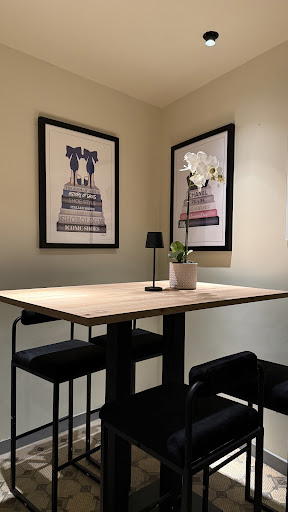
Casual, bright fast-casual environment with a focus on healthy, customizable dining.