gio Ristorante occupies a quiet address on Pottgraben in central Osnabrück, positioning itself within a city that has gradually developed a more considered fine dining culture beyond its Westphalian roots. The restaurant draws diners looking for Italian-inflected cooking in a mid-sized German city where that category remains relatively thin. Advance enquiry is advisable given the limited seating typical of restaurants at this level.
Pearl is the En Primeur Club membership app — saves, bookings, and concierge access live there. Same editors, same standards.
- Address
- Pottgraben 60, 49074 Osnabrück, Germany
- Phone
- +495416001110
- Website
- gioristorante.de
- Directions
- Get directions
 Saves & bookings on Pearl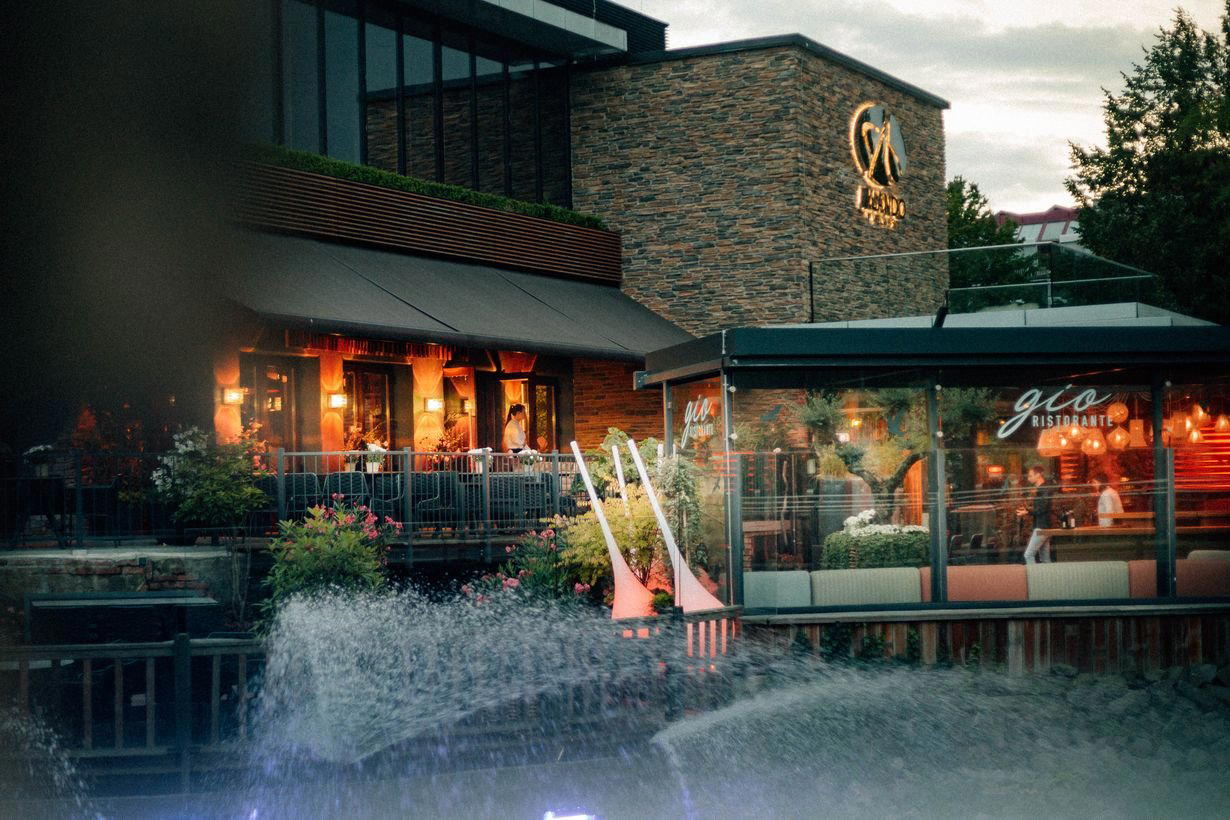
Italian Dining in a Westphalian City
gio Ristorante is an Italian Mediterranean restaurant in Osnabrück, Germany, with. Osnabrück sits at an interesting inflection point for German regional dining. The city is large enough to sustain specialist restaurants yet compact enough that any serious entry in a given cuisine category quickly becomes the reference point for that style. Italian cooking in Germany occupies a complicated position: the category spans everything from neighbourhood pizzerias to refined northern-Italian tasting menus, and diners have learned to read the signals carefully. gio Ristorante, addressed at Pottgraben 60 in the city centre, positions itself within that more considered tier of Italian restaurants that have moved the conversation in German mid-sized cities beyond red-checked tablecloths and predictable pasta lists.
The Pottgraben address places the restaurant in central Osnabrück, walkable from the Altstadt and accessible without a car from most parts of the city. For a dining category where atmosphere does much of the early work, the neighbourhood matters: a central location signals that the kitchen is confident enough not to rely on destination-dining distance to manufacture exclusivity. Comparable Italian-influenced addresses at the serious end of the German fine dining circuit, such as Vendôme in Bergisch Gladbach or JAN in Munich, occupy urban positions that reinforce rather than insulate the dining proposition.
What the Italian Fine Dining Tradition Asks of a Kitchen
Italian cuisine at the serious restaurant level in Germany tends to resolve into one of two schools. The first is the southern-inflected trattoria model, where generosity of portion and directness of flavour are the primary values. The second is closer to the cucina d'autore tradition from northern Italy, where restraint, seasonal precision, and the quality of individual ingredients carry the weight. Restaurants in the second category face a harder test in Germany because the domestic supply chain for Italian-specific ingredients, from Piedmontese hazelnuts to Ligurian olive oil, requires active sourcing relationships rather than convenience purchasing.
The cultural significance of Italian food in Germany is partly demographic and partly historical. Italian gastronomy arrived in German cities through waves of post-war migration, embedding itself at every price point from the humble Eisdiele to the formal ristorante. What has changed over the past two decades is the appetite, particularly among German diners in cities outside Frankfurt, Munich, and Hamburg, for Italian cooking that applies the same rigour to sourcing and technique that German kitchens have applied to their own traditions. This is the appetite that restaurants like gio Ristorante are positioned to address in Osnabrück.
For comparison, the German fine dining scene more broadly has evolved toward longer tasting menus with tighter ingredient stories, a development visible in celebrated addresses such as Schwarzwaldstube in Baiersbronn and Aqua in Wolfsburg. Italian-rooted kitchens operating within Germany absorb that ambient expectation while maintaining fidelity to a culinary tradition with its own internal logic about simplicity and product quality.
Osnabrück's Dining Scene and Where gio Sits
Osnabrück's restaurant scene has diversified meaningfully over the past decade without yet generating the density of reference-point addresses that larger German cities take for granted. The city's dining options range from the casual end represented by venues like Roadrunnerburger-Catering Foodtruck through to more formal propositions including Romantikhotel Walhalla and the contemporary cooking at ÁRO Osnabrück. Within that spread, a restaurant presenting Italian cooking at a considered level occupies a specific gap: it attracts diners who want the familiarity of Italian culinary references combined with the quality discipline more often associated with German fine dining.
That gap matters more in a city like Osnabrück than in Berlin or Hamburg, where the Italian fine dining category has multiple competing entrants. In a mid-sized city, a single serious Italian address tends to function as the default recommendation for a broad range of occasions, from business dinners to celebratory meals, which places particular pressure on consistency and service reliability. The venues that hold that position successfully in comparable German cities share a commitment to format discipline, meaning the experience delivers the same quality signals on a Tuesday as on a Saturday.
German Fine Dining Context and How gio Compares
Understanding where the restaurant sits within Osnabrück's dining offer requires some awareness of what serious dining looks like at the national level in Germany. The country's Michelin-decorated addresses include kitchens with precise, long-developed identities: Waldhotel Sonnora in Dreis, Restaurant Haerlin in Hamburg, Victor's Fine Dining by Christian Bau in Perl, and Schanz in Piesport among them. None of these operate in Osnabrück, which means the city's more serious restaurants function without the gravitational pull of a decorated local peer. That is a different operating environment: kitchens must build reputation through repeat diner loyalty and word-of-mouth rather than through award adjacency.
For diners arriving from cities with a denser fine dining infrastructure, venues like ES:SENZ in Grassau, Bagatelle in Trier, or L.A. Jordan in Deidesheim provide a useful calibration. At the international reference level, kitchens like Le Bernardin in New York City or the format-driven work at Lazy Bear in San Francisco illustrate how cuisine with a clear cultural identity can sustain a serious dining format over many years. The Italian tradition has the same potential, and Italian kitchens in Germany that commit to that level of seriousness tend to earn loyal, returning clientele relatively quickly.
The dessert-forward experiment represented by CODA Dessert Dining in Berlin shows how far German restaurants have pushed format innovation. Italian cooking at the serious end sits at the other end of that spectrum, where the format is traditional but the execution is the differentiator. That is the terrain the restaurant occupies in Osnabrück.
Planning a Visit
Pottgraben 60 is a central Osnabrück address, within walking distance of the old town and accessible from the main rail station in under fifteen minutes on foot. Given the limited competition at this level in the city, reservations on Friday and Saturday evenings are likely to book ahead, and mid-week visits will generally offer more flexibility.
Cost and Credentials
Comparable venues nearby, for context on price, style, and recognition.
| Venue | Cuisine | Price | Awards | Notes |
|---|---|---|---|---|
| gio RistoranteThis venue — the venue you are viewing | Innenstadt, Italian Mediterranean | $$ | Not listed | Not listed |
| ÁRO Osnabrück | Neuer Graben, Asian Fusion Bowls | $$ | Not listed | Not listed |
| Romantikhotel Walhalla | old town, Modern German & International | $$$ | Not listed | Not listed |
| Wilde Triebe | Dining | Not listed | Michelin Plate | Not listed |
| Roadrunnerburger-Catering Foodtruck | Osnabrück, Burger Food Truck | $ | Not listed | Not listed |
| IKO | Not listed | $$$ | Michelin 1 Star | Lüstringen, Modern French-Japanese Fusion |
Continue exploring
More in Osnabrück
Restaurants in Osnabrück
Browse all →
Bars in Osnabrück
Browse all →
At a Glance
- Cozy
- Elegant
- Modern
- Date Night
- Group Dining
- Casual Hangout
- Waterfront
- Terrace
- Private Dining
- Craft Cocktails
- Waterfront
Current opening hours
- Monday
- Closed
- Tuesday
- Closed
- Wednesday
- 5:30–11 PM
- Thursday
- 5:30–11 PM
- Friday
- 5:30 PM–12 AM
- Saturday
- 5:30 PM–12 AM
- Sunday
- 5:30–11 PM
Hours can change for holidays and private events. Last verified .
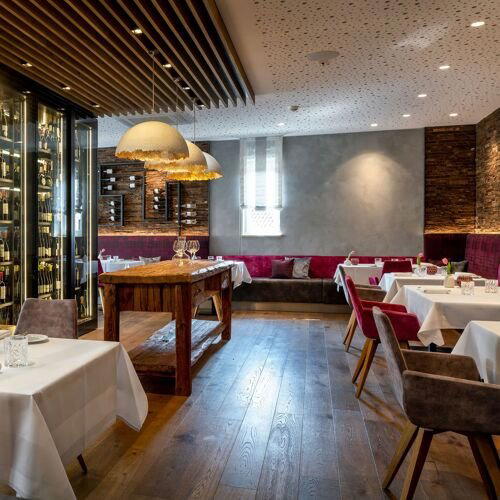
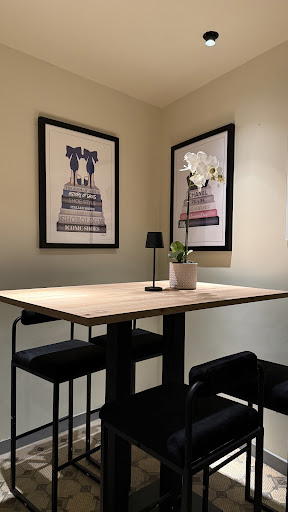
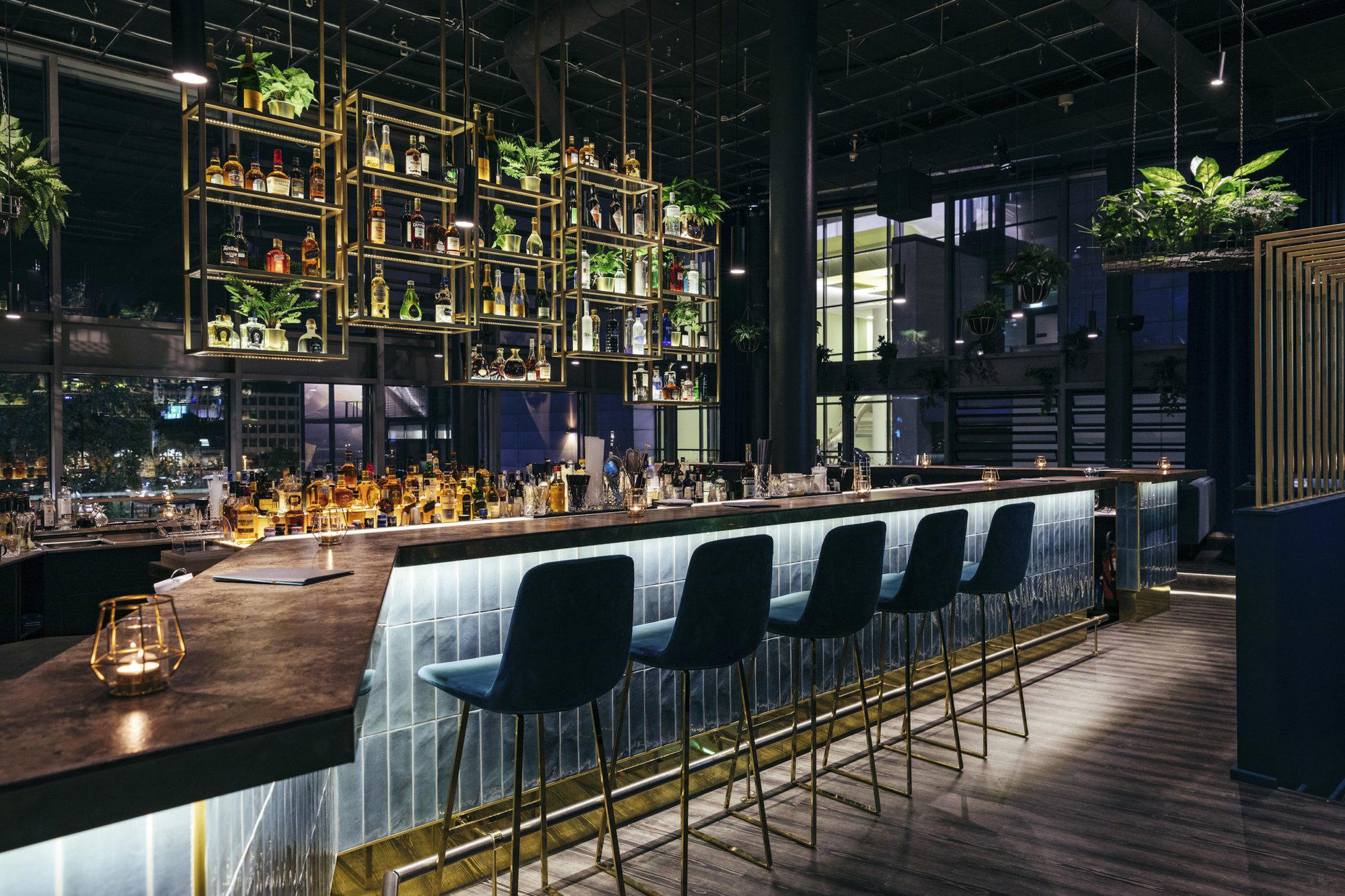
Nice and cozy atmosphere with stylish, rustic-modern design and waterfront location.