Romantikhotel Walhalla serves modern German and international cooking at Kleine Gildewart 11 in Osnabrück, with a quiet, leisurely pace and an extensive wine list.
Pearl is the En Primeur Club membership app — saves, bookings, and concierge access live there. Same editors, same standards.
- Address
- Kleine Gildewart 11, 49074 Osnabrück, Germany
- Phone
- +49 541 34910
- Website
- hotel-walhalla.de
- Directions
- Get directions
 Saves & bookings on Pearl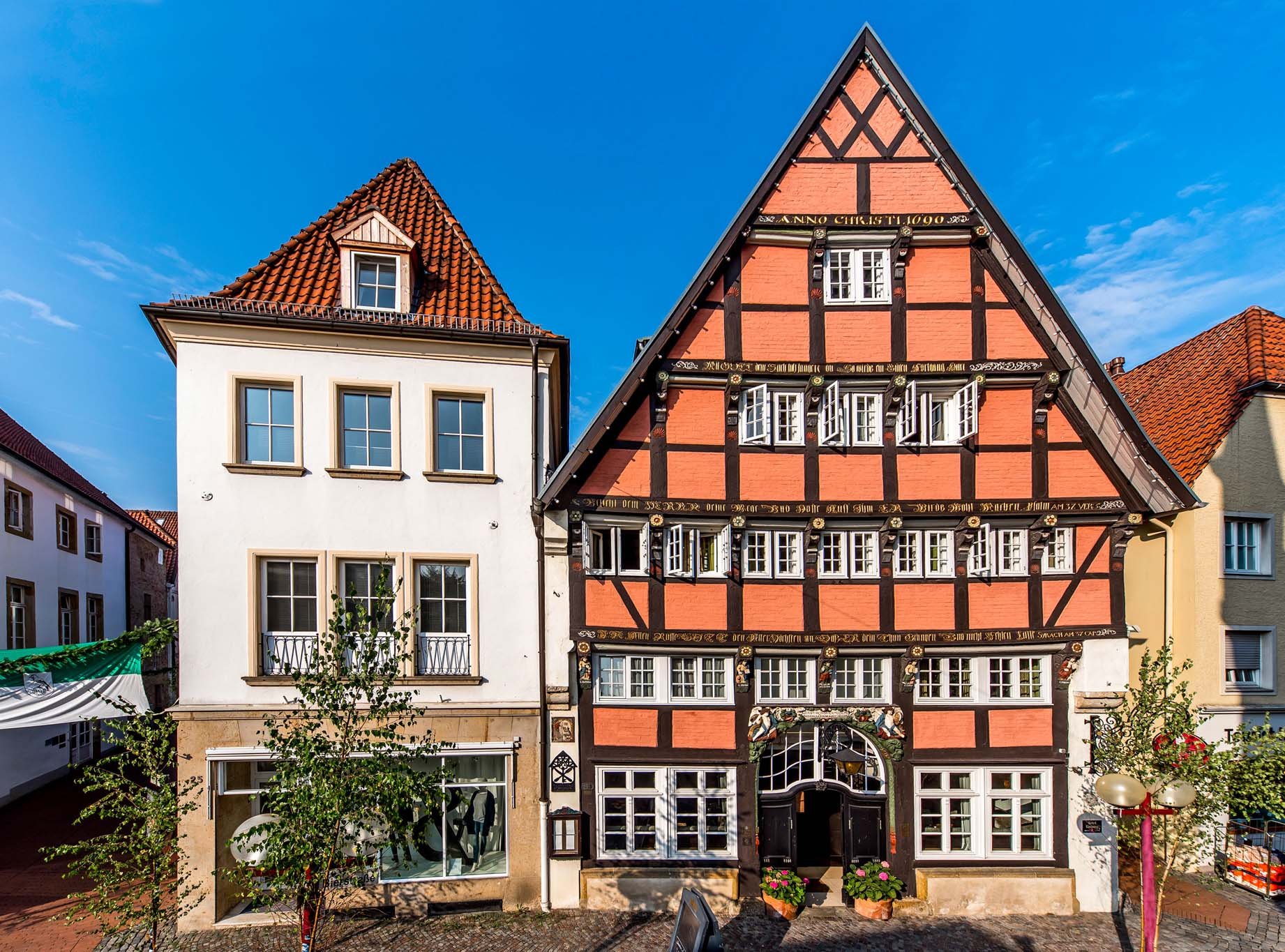
A Romanesque Address in the Old Town
Osnabrück's Altstadt carries the kind of layered civic history that shapes a city's hospitality character as much as its architecture. The streets around Kleine Gildewart sit within the medieval core, a district where guild houses and Hanseatic-era stonework frame the pedestrian routes between the cathedral and the Rathaus. In that context, a property bearing the Romantik Hotels label occupies a specific cultural position: Romantik Hotels and Restaurants, the German-founded collective established in 1972, selects member properties on the basis of character, regional rootedness, and architectural heritage rather than chain uniformity. Membership signals a deliberate break from standardised hospitality, and in a city like Osnabrück, where the independent and the historic tend to overlap, that distinction matters.
Romantikhotel Walhalla sits at Kleine Gildewart 11, within walking distance of the city's central landmarks, including the Osnabrück Cathedral and the Felix-Nussbaum-Haus, the Daniel Libeskind-designed museum housing the work of the city's most internationally recognised painter. That proximity to cultural infrastructure is not incidental: the Romantik brand is built around the idea that a hotel should deepen a guest's engagement with its surroundings, not insulate them from it.
What the Romantik Framework Means in Practice
Germany's independent hotel scene has long divided between two broad categories: the international-flag properties that cluster near conference centres and train stations, and the owner-operated, character-led houses that tend to anchor themselves in historic districts and smaller cities. The Romantik collection represents one of the more coherent versions of the latter. Across its member properties, the common thread is architectural or cultural significance, not scale. Properties in this network rarely exceed a modest key count, and they compete on atmosphere and regional specificity rather than amenity breadth.
For a city like Osnabrück, which sits in Lower Saxony at the intersection of the Teutoburg Forest region and the broader Westphalia cultural zone, that framing is a reasonable fit. The city carries a weight that exceeds its size: it was one of the sites of the Peace of Westphalia negotiations in 1648, which ended the Thirty Years' War, and the combination of that historical depth with a modern mid-size university population creates a civic culture that supports both heritage tourism and contemporary dining. The Romantikhotel model is calibrated for exactly that kind of layered audience.
The Dining Scene in Osnabrück: Where the Walhalla Sits
Osnabrück's restaurant scene operates across a wider range of registers than many visitors from larger German cities anticipate. At the upper end, properties like IKO (Modern Cuisine) and Kesselhaus (Creative) represent the city's most ambitious contemporary kitchens, both at the €€€€ tier and both working in idioms that would not look out of place in Hamburg or Düsseldorf. At the more accessible end, Wilde Triebe (Country cooking) represents a return to regional produce and simpler formats at the €€ level. gio Ristorante adds an Italian-leaning option to the mix, while Roadrunnerburger-Catering Foodtruck speaks to the city's more casual, street-level energy. A property-affiliated dining room in a Romantik hotel typically positions itself in the middle of that range, drawing on the collective's regional-ingredient philosophy without necessarily competing at the summit tier for formal accolades.
Germany's most decorated dining rooms operate at a considerable remove from Osnabrück, whether that's Aqua in Wolfsburg, Schwarzwaldstube in Baiersbronn, or Vendôme in Bergisch Gladbach. But that distance is part of the logic of staying in a city like Osnabrück rather than passing through: the hospitality offer is calibrated for engagement with the city itself, not for destination dining that could be replicated in any major centre. Properties like Waldhotel Sonnora in Dreis and ES:SENZ in Grassau sit in a similar character-led independent hotel tradition in other German regions, each anchoring their dining to the specifics of their setting rather than importing a generic luxury format. Victor's Fine Dining by Christian Bau in Perl, Restaurant Haerlin in Hamburg, JAN in Munich, CODA Dessert Dining in Berlin, and Schanz in Piesport each represent Germany's more ambitious formal dining tier, a comparable set that a Romantik property in Osnabrück does not directly target. For internationally minded travellers curious about that contrast, Le Bernardin in New York City and Atomix in New York City illustrate how the tension between formal technique and cultural rootedness plays out at the highest tier elsewhere.
Lower Saxony Hospitality: The Regional Register
The cultural roots of hospitality in the Lower Saxony and Westphalia regions run through a specific set of traditions: hearty, produce-led cooking built around game, pork, regional river fish, and, in the modern era, an increasing turn toward locally grown vegetables and artisan-scale suppliers. The Romantik framework encourages member properties to connect their dining offer to those regional threads rather than defaulting to a generic European hotel menu. Whether a specific property leans more toward the classical regional register or incorporates contemporary technique is a kitchen-level decision, but the collective's identity sets an expectation of specificity over genericism.
Osnabrück's position near the Teutoburg Forest also means reasonable access to game produce, forest mushrooms, and the agricultural output of a productive rural hinterland. That geographic reality shapes what regional cooking in this part of Germany can plausibly offer: the pantry is different from what a comparable property in coastal northern Germany or the Rhine Valley would draw on, and coherent hotel dining rooms in this region tend to reflect those differences.
Planning a Stay: What to Know
Specific booking details, pricing, and hours for Romantikhotel Walhalla are best confirmed directly with the property, as operating details change seasonally and the Romantik Hotels network typically handles reservations through both its own central platform and direct property contact. The address at Kleine Gildewart 11 places the hotel in the pedestrianised core of the Altstadt, making it a logical base for visitors prioritising on-foot access to the cathedral quarter, the Nussbaum-Haus, and the city's concentrated restaurant strip. For a broader picture of where the Walhalla sits among Osnabrück's options, our full Osnabrück restaurants guide maps the city's dining scene in more detail.
Osnabrück is served by rail connections from Hanover (approximately 45 minutes by ICE) and from the Dutch border region, making it accessible as both a standalone destination and a stop on a broader Lower Saxony itinerary. Travellers arriving by car should note that Altstadt parking in Osnabrück follows the pattern common to most German historic centres: structured parking outside the pedestrian zone with short walking distances into the old town.
Budget Reality Check
Comparable venues nearby, for context on price, style, and recognition.
| Venue | Cuisine | Price | Awards | Notes |
|---|---|---|---|---|
| Romantikhotel WalhallaThis venue — the venue you are viewing | old town, Modern German & International | $$$ | Not listed | Not listed |
| ÁRO Osnabrück | Neuer Graben, Asian Fusion Bowls | $$ | Not listed | Not listed |
| gio Ristorante | Innenstadt, Italian Mediterranean | $$ | Not listed | Not listed |
| Wilde Triebe | Dining | Not listed | Michelin Plate | Not listed |
| Roadrunnerburger-Catering Foodtruck | Osnabrück, Burger Food Truck | $ | Not listed | Not listed |
| IKO | Not listed | $$$ | Michelin 1 Star | Lüstringen, Modern French-Japanese Fusion |
Continue exploring
More in Osnabrück
Restaurants in Osnabrück
Browse all →
Bars in Osnabrück
Browse all →
At a Glance
- Romantic
- Elegant
- Cozy
- Classic
- Intimate
- Date Night
- Business Dinner
- Special Occasion
- Hotel Restaurant
- Historic Building
- Extensive Wine List
- Local Sourcing
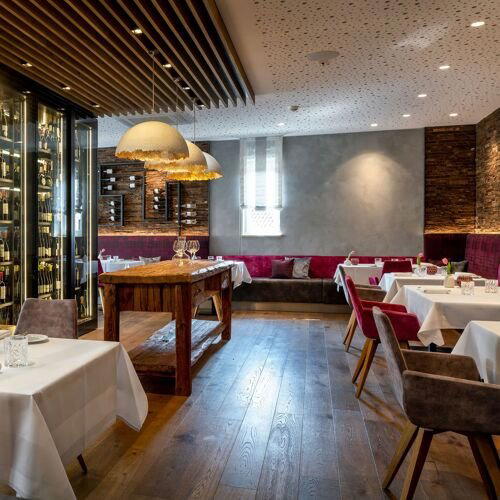
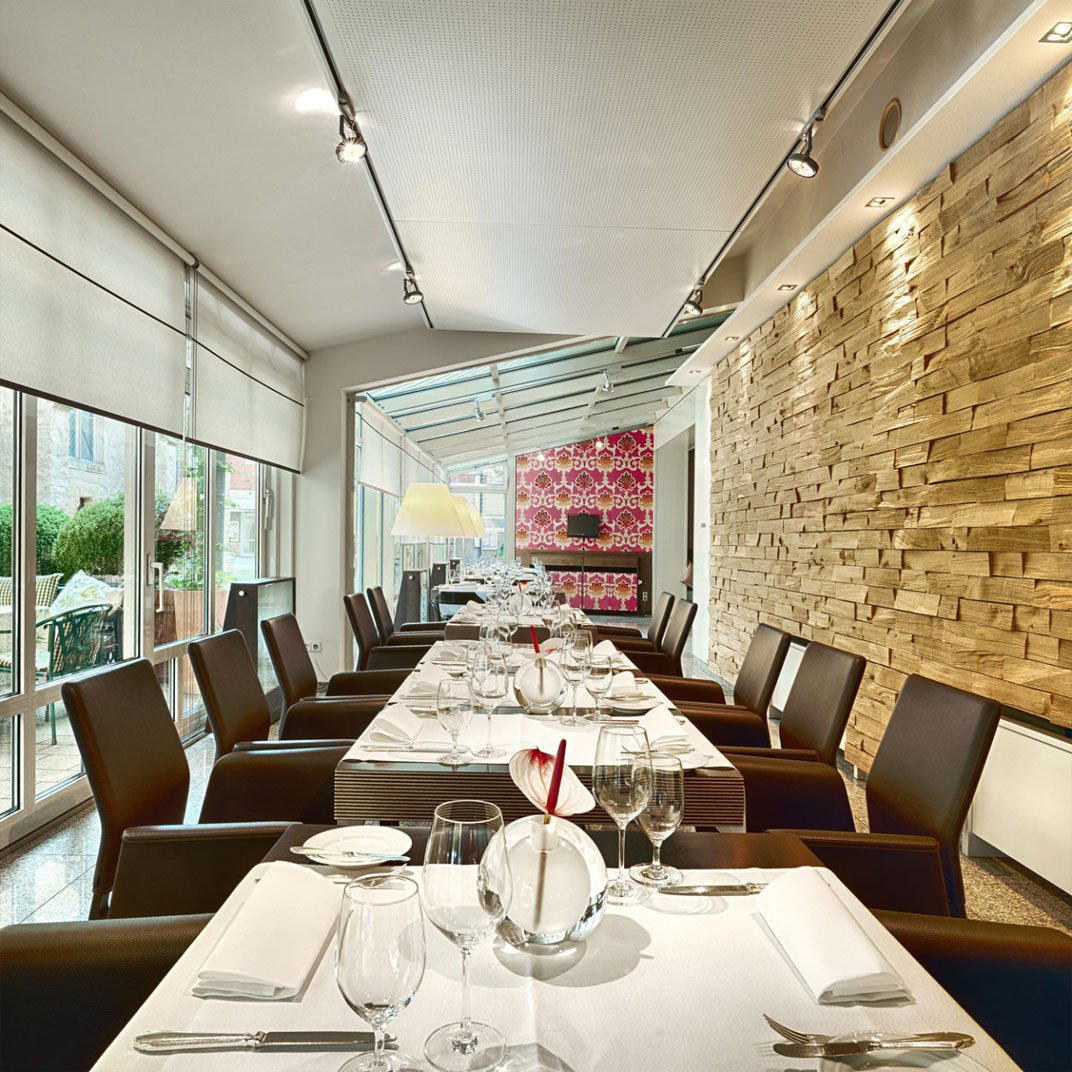
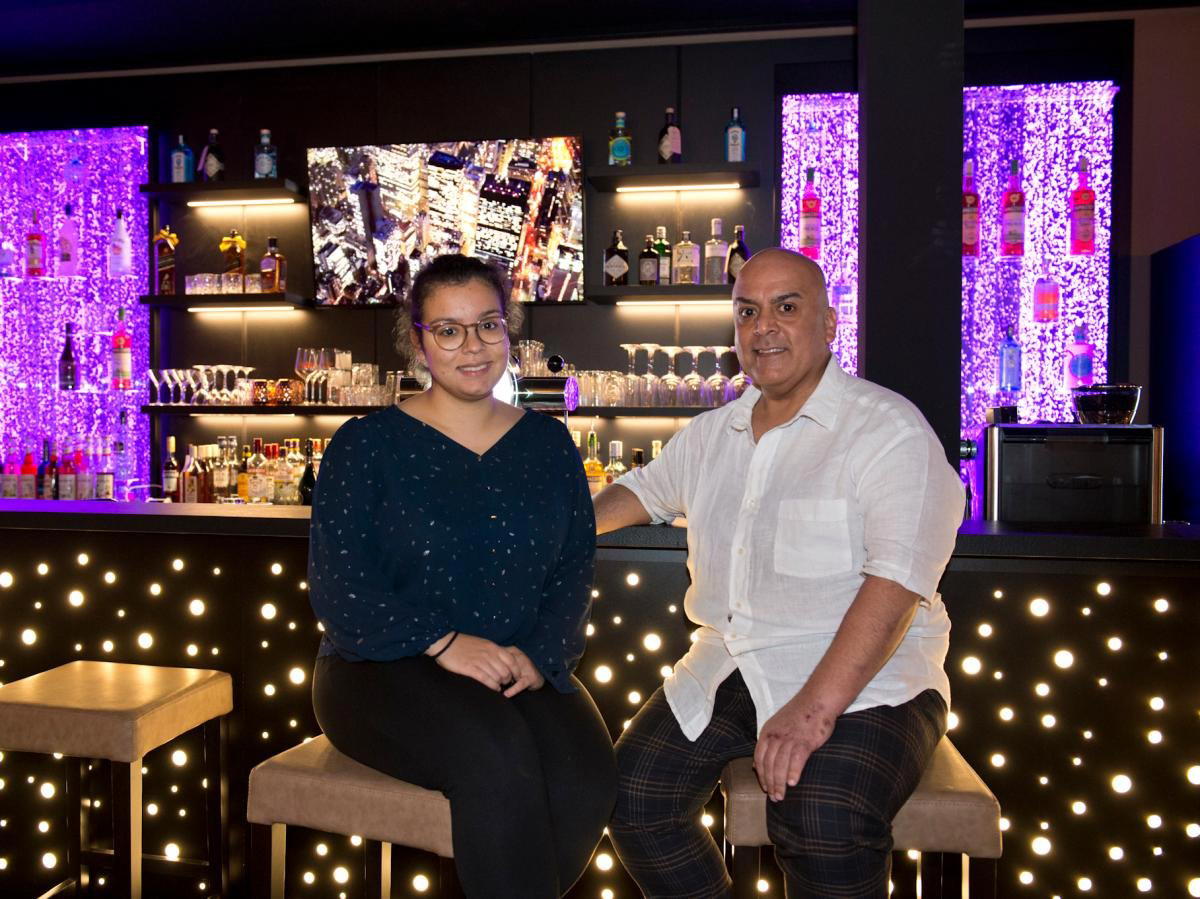
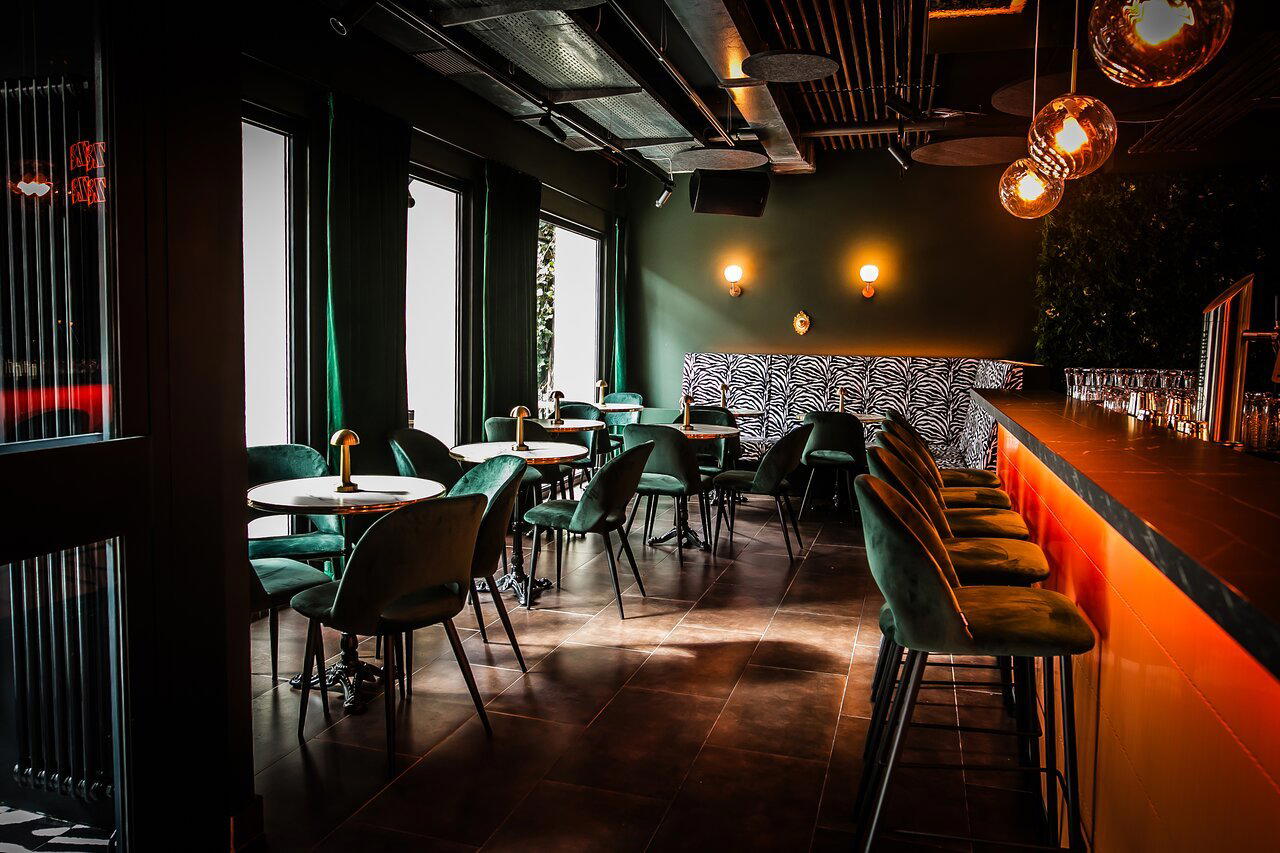
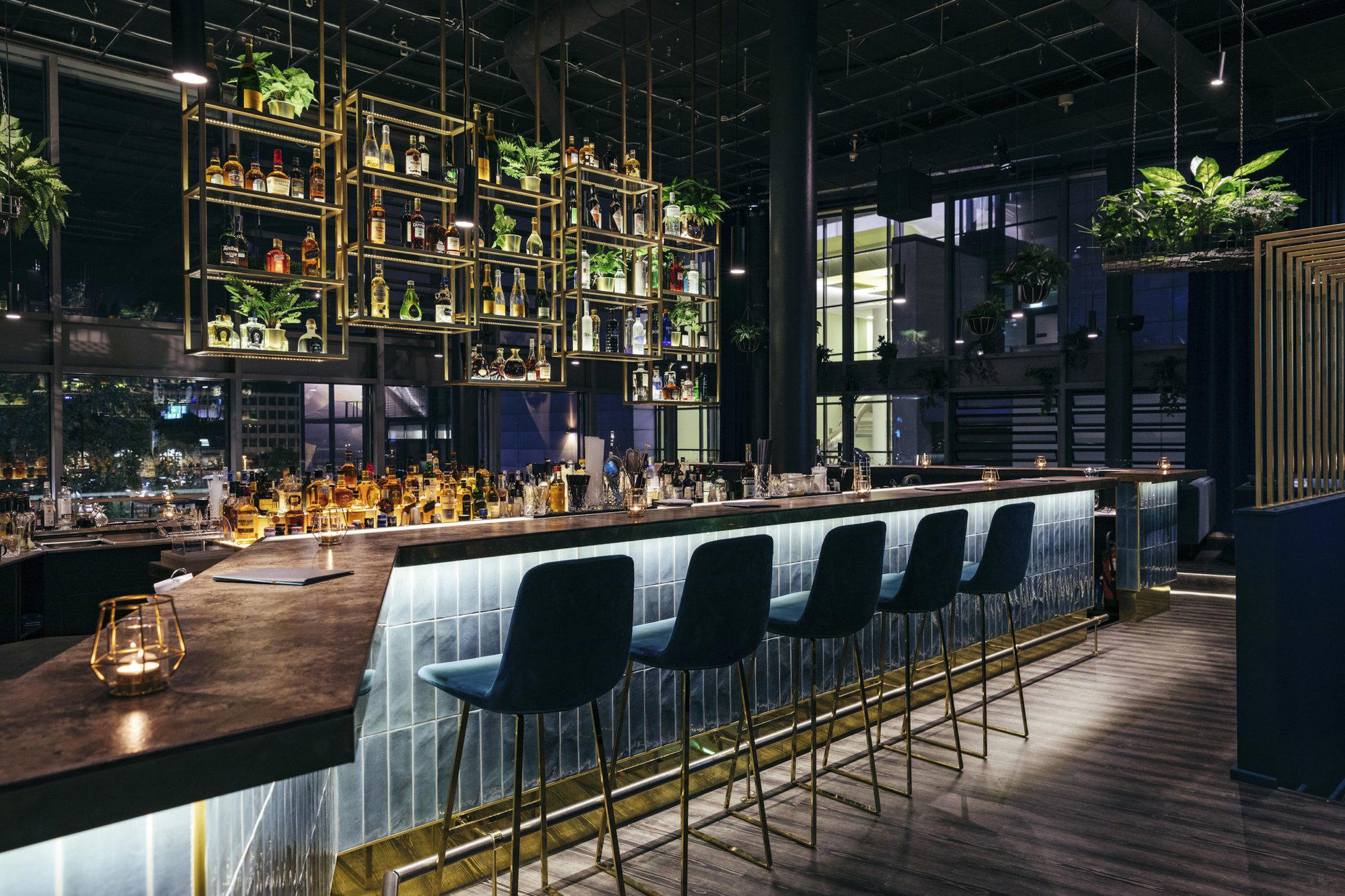
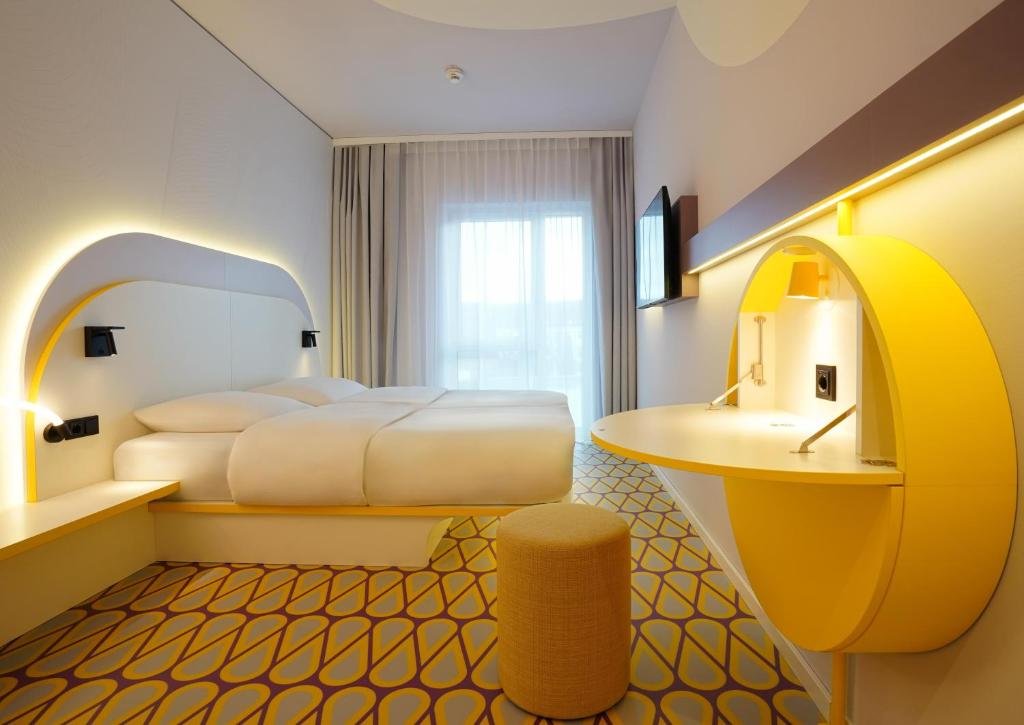
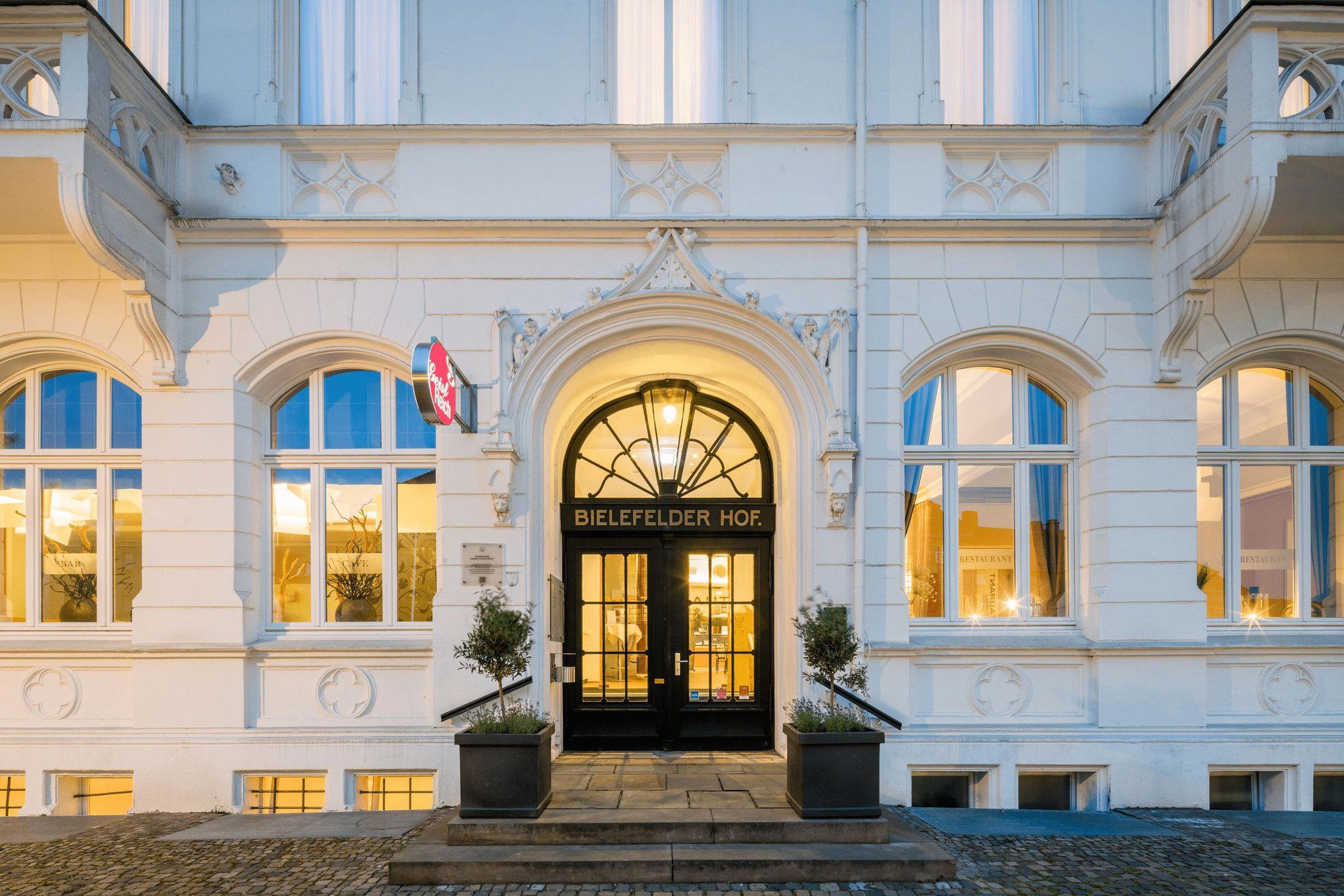
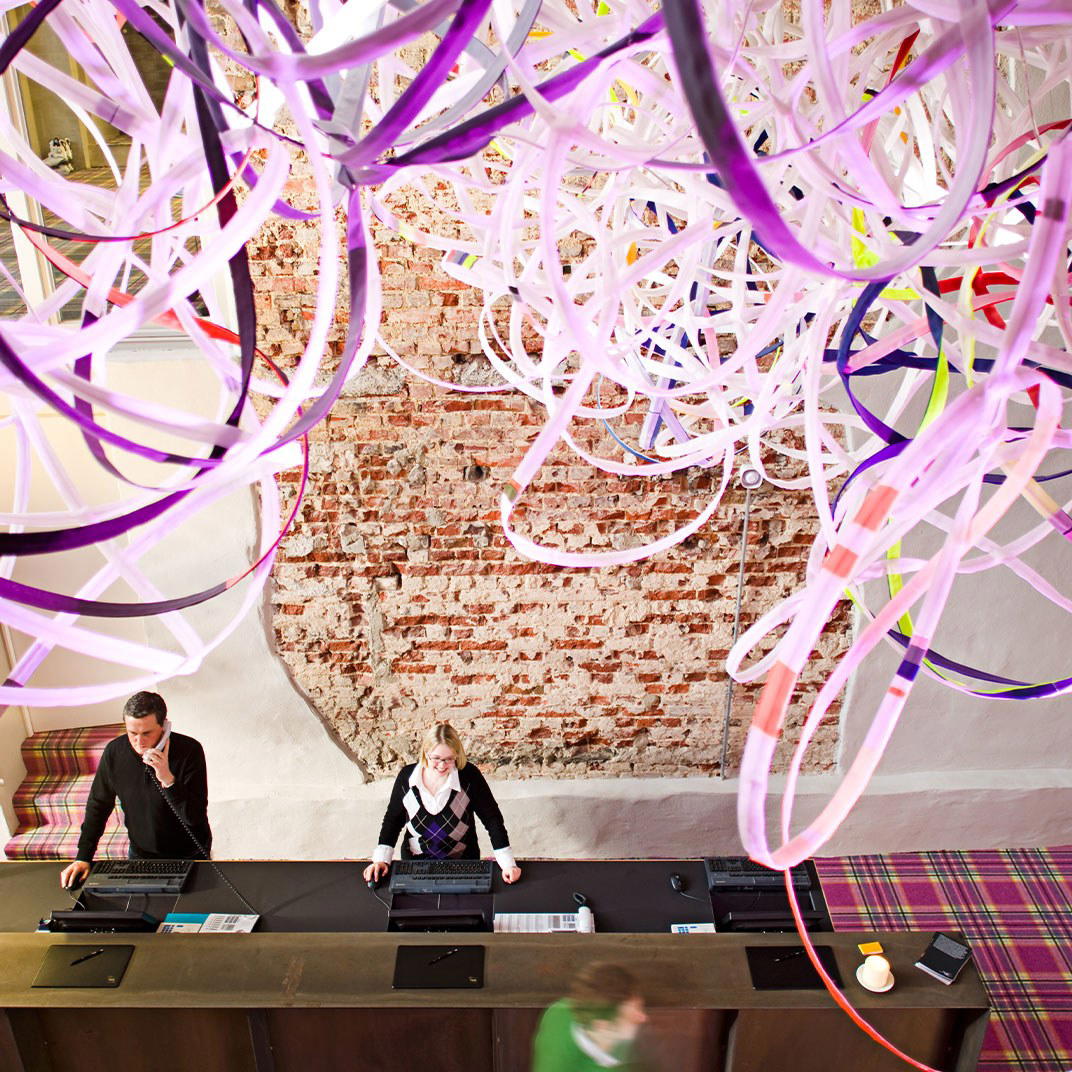
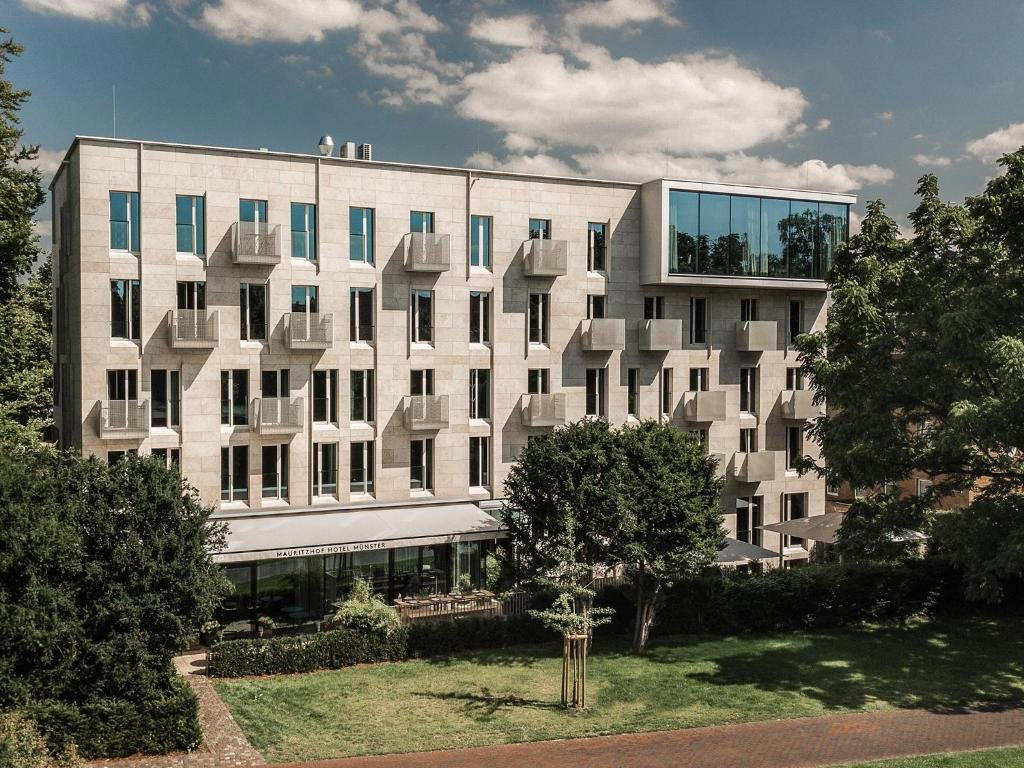
Warm, cozy environment in a baroque half-timbered house with pleasant, romantic lighting ideal for candlelight dinners.