A smoke-forward barbecue address in Ghent's Dok-Noord warehouse district, RØK brings live-fire cooking to a city better known for its medieval dining rooms and Flemish bistros. The setting, a converted industrial hall, matches the directness of the food: wood, heat, and time doing most of the work. Drink pairings here reward attention, cutting across smoked fat with selections that hold their own against char and intensity.
Pearl is the En Primeur Club membership app — saves, bookings, and concierge access live there. Same editors, same standards.
- Address
- 9000 Dok-Noord 4B, hal 16, 9000 Gent, Belgium
- Website
- dokbrewingcompany.be
- Directions
- Get directions
 Saves & bookings on Pearl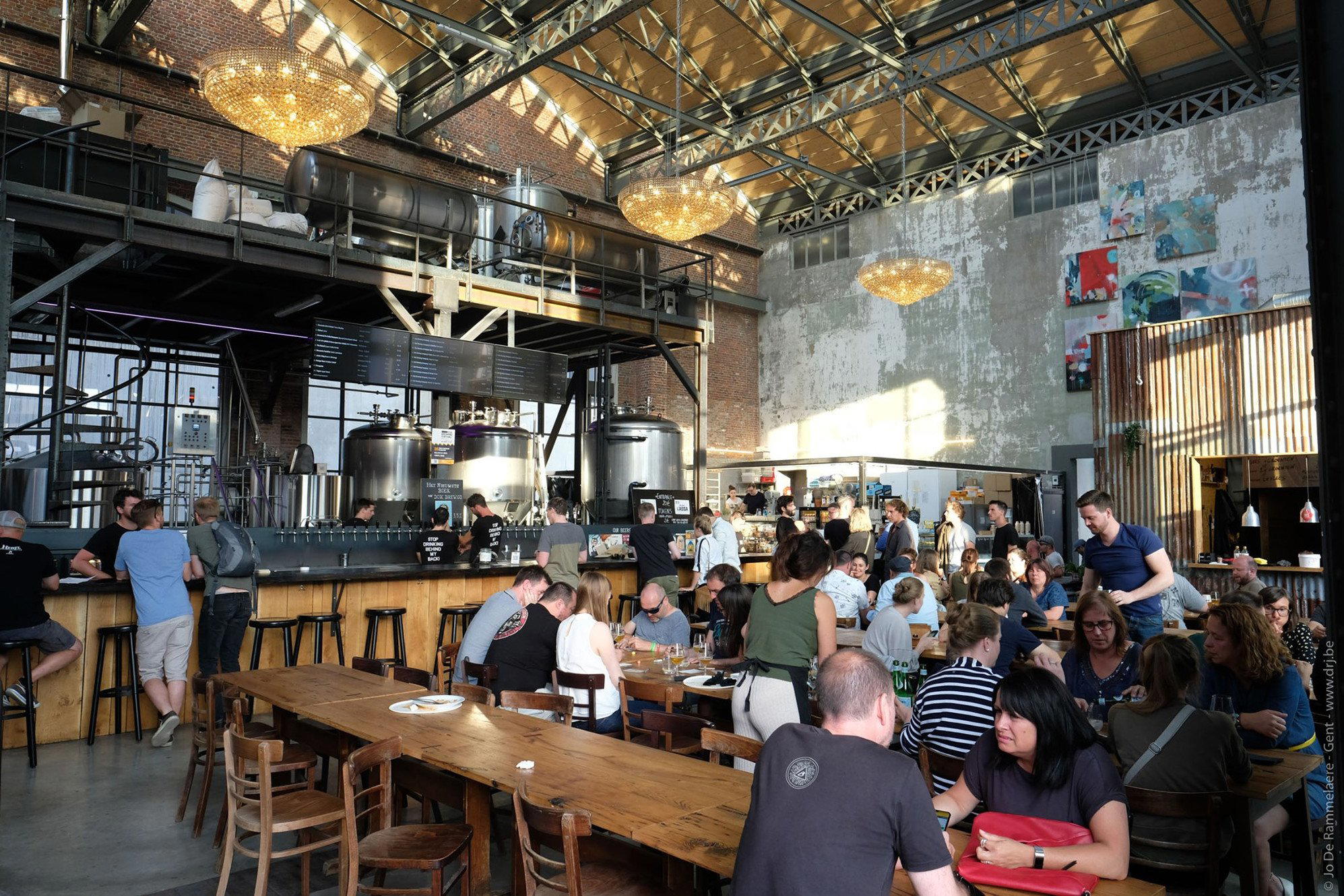
Where Ghent's Industrial North Meets Live-Fire Cooking
Dok-Noord, the waterfront warehouse quarter on Ghent's northern edge, has become the city's most compelling argument that post-industrial space and serious food are not mutually exclusive. The district's repurposed dock halls now house a generation of restaurants that would have been impractical anywhere in the medieval core: ceiling heights that absorb smoke, floor plans that allow open kitchens anchored by actual fire, and a clientele that cycles in from the creative and tech communities that colonised the neighbourhood first. RØK Barbecue, at Dok-Noord 4B, occupies hal 16 of one of these converted industrial buildings, and the address signals something before you even consider the menu.
Approaching the building, the shift from Ghent's usual dining grammar is immediate. There are no lace-curtained windows, no guild-house facades. The structure is functional and large, and the barbecue format inside suits the architecture: a kitchen where wood and heat are the primary tools, and where the smell of smoke becomes part of the atmosphere before you cross the threshold. This is a city that has internationally prominent formal dining on offer, Ghent restaurants including Arbane and Astro Boy cover refined contemporary territory, but RØK operates at a different register, one where technique is measured in hours of cook time rather than stages of a tasting menu.
The Fire-and-Smoke Tradition in a Belgian Context
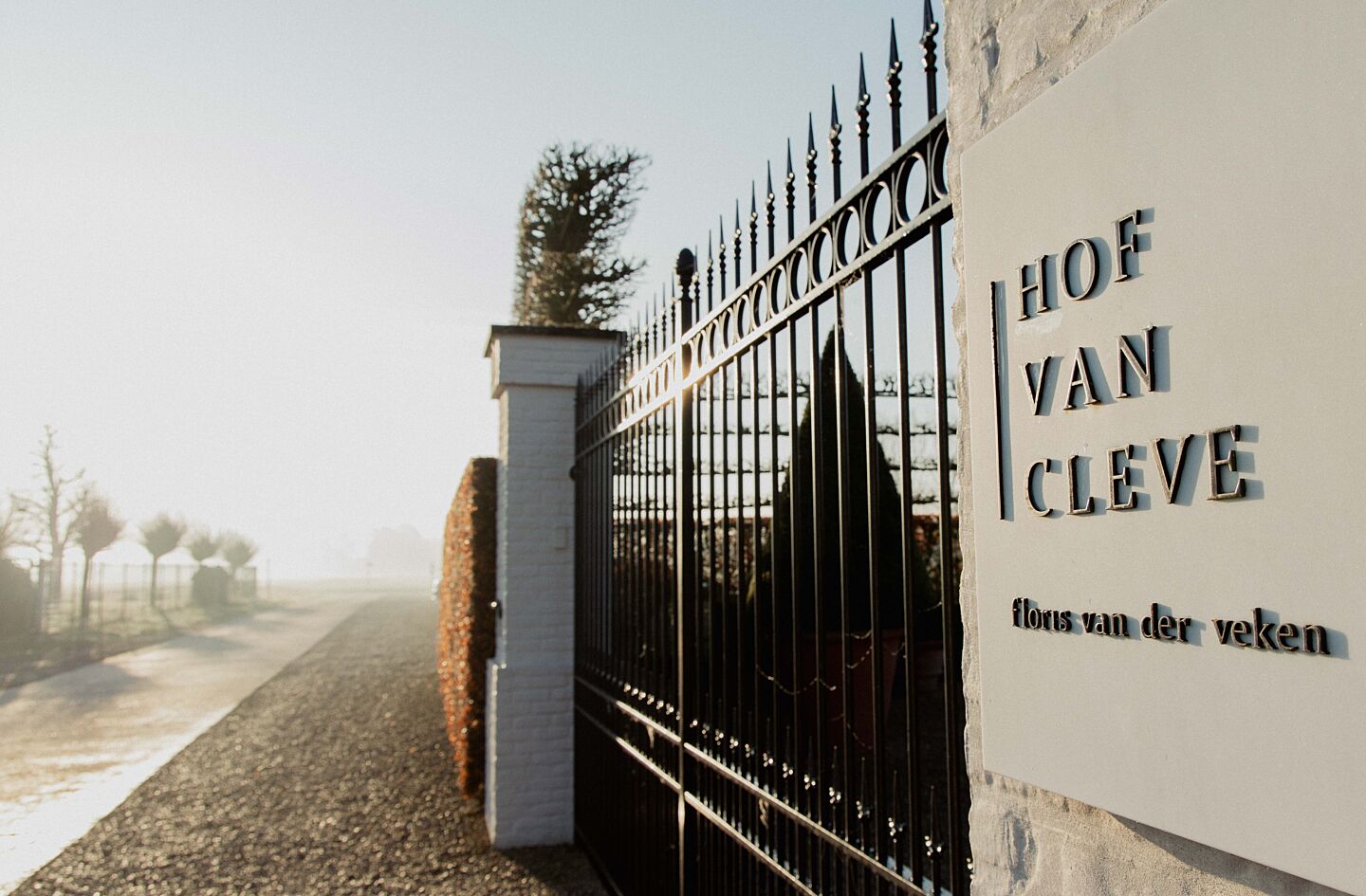
Belgium's fine-dining conversation is dominated by classical French technique and its modern extensions. Restaurants such as Hof van Cleve - Floris Van Der Veken in Kruishoutem, Boury in Roeselare, and Zilte in Antwerp occupy the upper tier of that tradition, drawing international attention and Michelin recognition. Live-fire barbecue as a serious restaurant format sits outside that mainstream, which is precisely what makes Dok-Noord a logical home for it: the neighbourhood carries none of the historical expectations that weight dining rooms in the Patershol or along the Graslei.
The global barbecue restaurant category has matured considerably over the past decade. Where it was once shorthand for casual, low-sophistication eating, a tier of serious practitioners has emerged, operators who treat wood selection, temperature management, and resting periods as craft variables equivalent to any brigade technique. The question of drink pairing in this format is genuinely interesting: smoke and rendered fat call for wines and other beverages that have enough acid, tannin structure, or carbonation to cut through rather than amplify richness. Getting that pairing right is as much a curatorial act as assembling a cellar for a white-tablecloth kitchen.
Drink Pairing as Editorial Decision
The drink programme at RØK is worth examining in how a barbecue address in Ghent handles it. Live-fire cooking creates specific challenges for a list: smoke transforms protein and fat in ways that intensify and concentrate flavour, which means overly delicate wines disappear, while heavily oaked or extracted selections can compound rather than balance the richness. The middle ground, wines with defined acid structure, moderate tannin, and fruit clarity, tends to perform leading against barbecue formats.
In Belgium's wider restaurant scene, drink list ambition tends to concentrate in classical fine-dining addresses. Willem Hiele in Oudenburg and Bartholomeus in Heist are examples of coastal addresses where wine programmes have become as discussed as the food itself. At a barbecue address, the expectation is usually simpler, a short list of crowd-pleasing options. When a fire-forward kitchen takes its drink pairing seriously, it changes the conversation about what the format can be.
Other Ghent addresses in RØK's broader neighbourhood context include BABÚ, Beiruti, and BIJ DEN WIJZEN EN DEN ZOT BVBA, each carving out distinct territory in a city whose dining range extends considerably beyond its medieval-centre reputation.
Barbecue at This Price Point in Belgium
The Belgian restaurant market prices casual-format dining quite differently from formal tasting experiences. A fire-kitchen address in a converted warehouse is positioned structurally below the multi-course classical tier, places like Castor in Beveren, De Jonkman in Sint-Kruis, or d'Eugénie à Emilie in Baudour, but within the casual tier, barbecue done well carries a premium over standard bistro formats because the raw material quality and the cook time required to produce properly smoked protein are both cost drivers. Internationally, the benchmark for high-end barbecue pricing exists in markets like New York, where places such as Le Bernardin and Atomix set the formal ceiling, while serious fire-kitchen operations occupy a distinct mid-market that still commands real per-head spend.
For reference points in Belgium's broader fine-dining tier, Bozar Restaurant in Brussels and L'air du temps in Liernu represent the formal-kitchen standard against which more casual formats are implicitly measured. RØK's value proposition sits on a different axis: it is not competing on formality, but on the specificity and honesty of what wood-and-fire cooking produces when done with discipline.
Planning Your Visit to Dok-Noord
The Dok-Noord address (hal 16, 9000 Gent) is a short taxi or tram ride from Ghent-Sint-Pieters station, and the warehouse district is most easily navigated on foot once you arrive in the area. The neighbourhood's industrial character means it operates on a different schedule from the city centre: daytime foot traffic is limited, and the restaurant and bar spaces in the dock halls tend to animate from early evening. Visiting in the autumn and winter months, when the contrast between cold air off the water and a fire-heated interior is sharpest, suits the format well. Summer, when Ghent's festival calendar fills the centre, is also a logical time to seek out a less-visited district.
Peers Worth Knowing
Comparable venues nearby, for context on price, style, and recognition.
| Venue | Cuisine | Price | Notes |
|---|---|---|---|
| RØK BarbecueThis venue — the venue you are viewing | Texas-Style Barbecue & Grill | $$ | Not listed |
| Kruidtuin | Seasonal Modern Belgian | $$ | Stationsbuurt-Noord |
| Van Hoorebeke | Artisan Belgian Chocolatier | $$$ | Binnenstad |
| bistrobastien | French Bistro | $$ | Binnenstad |
| Martino | Belgian Brasserie | $$ | Binnenstad |
| Kin Khao - Thai Eatery | Modern Thai Street Food | $$ | Binnenstad |

At a Glance
- Industrial
- Lively
- Rustic
- Group Dining
- Casual Hangout
- Open Kitchen
- Terrace
- Beer Program
- Local Sourcing
Current opening hours
- Monday
- Closed
- Tuesday
- 12–2 PM, 6–9 PM
- Wednesday
- 12–2 PM, 6–9 PM
- Thursday
- 12–2 PM, 6–9 PM
- Friday
- 12–2 PM, 6–9 PM
- Saturday
- 12–2 PM, 6–9 PM
- Sunday
- 12–2 PM, 6–9 PM
Hours can change for holidays and private events. Last verified .
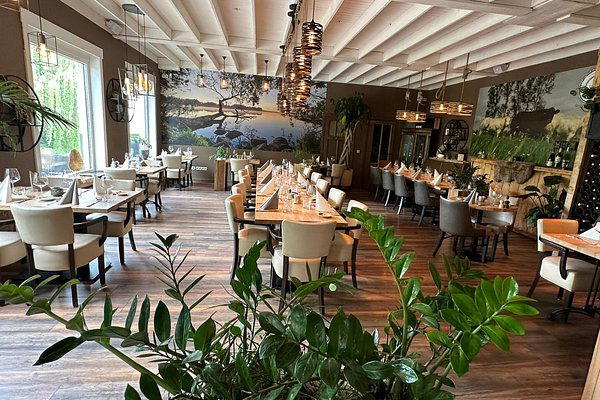
Industrial warehouse atmosphere with high ceilings, long communal tables, lively crowds, and a casual, energetic vibe.