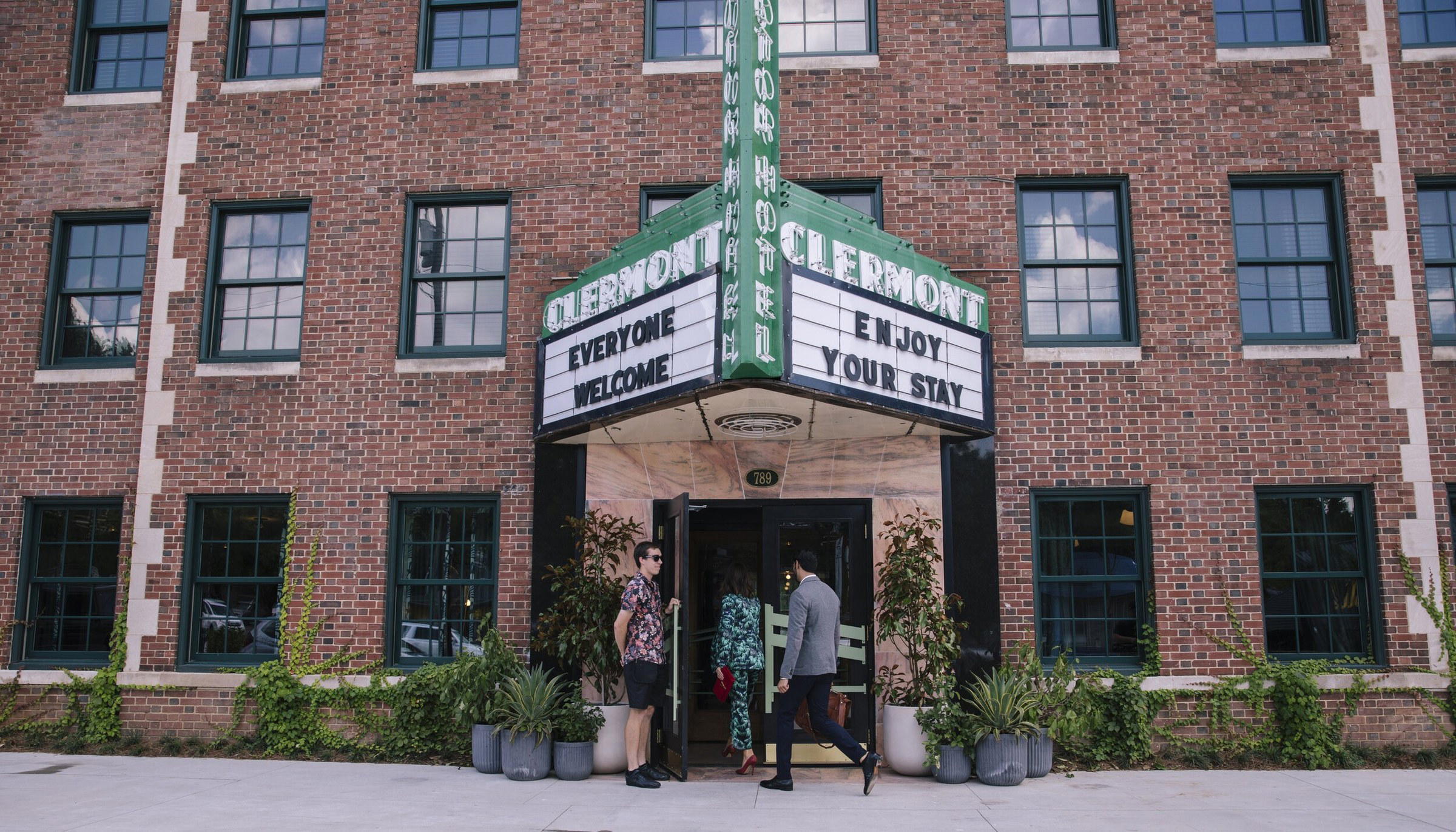
Rina - Old Fourth Ward
Our verdict
Rina occupies a suite inside the Ponce City Market corridor in Atlanta's Old Fourth Ward, a neighbourhood where the dining conversation has moved decisively toward sourcing transparency and seasonal discipline. The restaurant sits within a broader Atlanta tier of ambitious, independently minded tables that treat ingredient provenance as a structural commitment rather than a menu footnote.

Pearl is the En Primeur Club membership app — saves, bookings, and concierge access live there. Same editors, same standards.
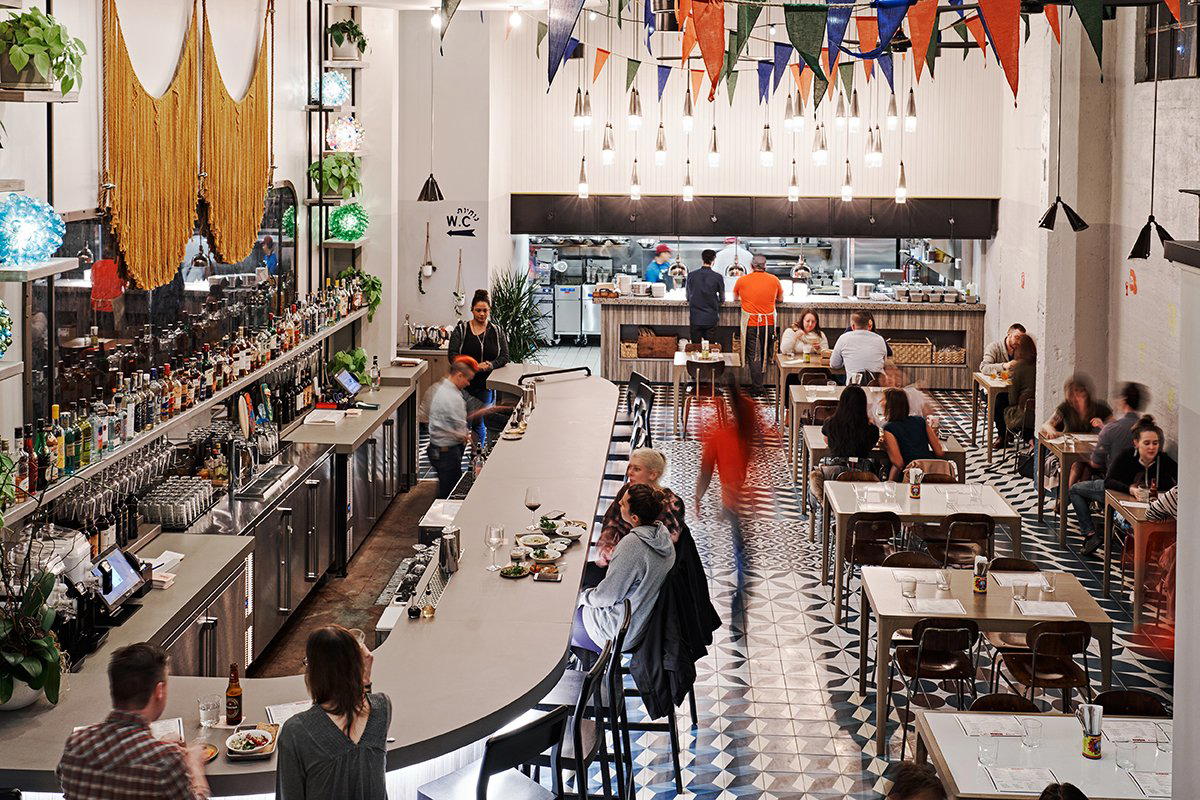
The menu
What to order
- Falafel
- Hummus
- Pistachio baklava
- Shawarma
Old Fourth Ward and the Ethics of the Plate
Atlanta's Old Fourth Ward has spent the better part of a decade becoming the city's most contested dining territory. What began as a neighbourhood of repurposed industrial space along the BeltLine has stratified into something more complex: a corridor where casual ambition sits next to serious culinary intent, and where the restaurants doing the most interesting work are frequently the ones asking harder questions about where their food comes from. Rina, at 699 Ponce De Leon Avenue, occupies a suite in this contested zone, and the address alone places it inside a conversation that the city's dining class is taking seriously.
The Ponce corridor has become a reliable indicator of Atlanta's dining maturity. It draws a crowd that expects more than a polished plate, and the restaurants that last here tend to be the ones that have something to say beyond the menu itself. Across the city, a tier of ambitious independents — Bacchanalia, Lazy Betty, and Atlas — has established that Atlanta can sustain high-commitment dining. Rina enters that conversation from the Old Fourth Ward's particular angle: neighbourhood-embedded, less formal in its architecture of hospitality, but no less demanding in what it asks of its supply chain.
Sourcing as Structure, Not Story
The sustainability conversation in American fine dining has matured past the point where listing a farm name on a menu counts as enough. The restaurants doing meaningful work in this space, Blue Hill at Stone Barns in Tarrytown and Single Thread Farm in Healdsburg represent the most integrated examples nationally, treat ethical sourcing as a structural commitment that shapes the menu from the ground up rather than a narrative layered on top of it. The distinction matters because it determines whether the kitchen's relationship with producers is reactive (buying what's available) or generative (planning around what growers can sustainably yield).
In the American South, that commitment has a particular resonance. Georgia's agricultural calendar is long and varied, with a growing season that extends well past what most Northern kitchens can access. A kitchen rooted in Old Fourth Ward that takes sourcing seriously has access to a supply network, from the farms of north Georgia to the Georgia coast's seafood corridor, that more than a few nationally prominent programs would find enviable. The question is always whether the kitchen is organised around that access or simply dipping into it opportunistically.
Nationally, the restaurants that have made this structural commitment most legibly, Lazy Bear in San Francisco, Providence in Los Angeles with its fisheries focus, Addison in San Diego, share a quality of menu discipline that makes the sourcing visible without becoming didactic. The food does the explaining. That's the standard against which any restaurant making genuine sustainability claims should be measured, whether in Atlanta or anywhere else.
The Atlanta Context: A City Catching Up With Its Own Ambition
Atlanta's fine dining tier has grown more self-aware in recent years, less interested in importing a metropolitan template and more attentive to what a Southern city with serious agricultural infrastructure can do on its own terms. Hayakawa and Mujō represent one axis of that ambition, the precision import, where a Japanese culinary tradition is executed at a level that competes with peer counters in any American city. The other axis is the Southern-inflected contemporary kitchen, one that takes its geography seriously and treats Georgia's growing landscape as a primary creative resource rather than a supporting detail.
That second axis is where Rina's positioning becomes most interesting. The Old Fourth Ward address places it adjacent to the BeltLine's foot traffic and the Ponce City Market's broader hospitality ecosystem, but a kitchen with genuine sourcing discipline tends to create a gravitational pull of its own, independent of neighbourhood foot traffic. The most durable Atlanta restaurants, see Bacchanalia's multi-decade run as a reference point, have survived neighbourhood shifts because the quality of the cooking gave people a reason to seek them out regardless of what was happening around them.
For a broader map of where Rina sits relative to Atlanta's wider restaurant field, the EP Club Atlanta restaurants guide traces the full spectrum from casual neighbourhood fixtures to the city's most formal rooms.
The National Comparison Set
Conversations about sourcing-led American restaurants tend to cycle through the same reference points: The French Laundry in Napa, Le Bernardin in New York for its rigour around sustainable seafood sourcing, Alinea in Chicago for its waste-reduction protocols, The Inn at Little Washington for its kitchen garden program. These are useful comparisons not because every restaurant should aspire to their price points or formality, but because they've demonstrated that the structural commitment to ethical sourcing is legible at the table, it changes what gets cooked, how it's cooked, and in what sequence it appears.
Further afield, Atomix in New York has shown that a deep relationship with a specific culinary tradition can amplify rather than constrain a sourcing-led approach. 8½ Otto e Mezzo Bombana in Hong Kong demonstrates that the commitment travels across regions and ingredient vocabularies. Even Emeril's in New Orleans built much of its durability on a visible relationship with Louisiana producers at a time when that was still a differentiating signal rather than table stakes. The pattern across these restaurants is consistent: sourcing philosophy, when it runs deep enough, becomes a competitive advantage that outlasts any single season's menu.
Know Before You Go
| Address | 699 Ponce De Leon Ave NE, Suite 9, Atlanta, GA 30308 |
|---|---|
| Neighbourhood | Old Fourth Ward |
| Price Range | Not confirmed, check directly with the restaurant |
| Booking | Contact the restaurant directly; online booking status unconfirmed |
| Hours | Not confirmed, verify before visiting |
| Dress Code | Not specified |
| Nearby Reference Points | Ponce City Market, Atlanta BeltLine (Eastside Trail) |
Frequently asked questions
Where is Rina - Old Fourth Ward in Atlanta?
Rina - Old Fourth Ward is located at 699 Ponce De Leon Ave NE suite 9, Atlanta, GA 30308, Atlanta.
How does Rina - Old Fourth Ward fit into Atlanta's fine dining scene compared to other sourcing-focused restaurants in the city?
Atlanta's fine dining tier has shifted noticeably toward restaurants with a regional identity rather than those importing a generic metropolitan template, and Rina sits at that intersection. Located in the Old Fourth Ward, a neighborhood that has become one of the city's most contested dining territories over the past decade, Rina contributes a sourcing-led American perspective that is less common in the Southeast than in coastal markets. That specificity of place and supply, rather than any single award or credential, is what sets its position in the Atlanta conversation.
What dish is Rina - Old Fourth Ward famous for?
Rina's reputation in Atlanta's Old Fourth Ward is built less around a single signature dish and more around a sourcing philosophy that shapes the entire menu. The kitchen at 699 Ponce De Leon Ave treats supplier relationships as the architecture of the plate, so what stands out changes with season and availability. That approach places Rina closer to the sourcing-led American model than to any single dish identity.
What's the best way to book Rina - Old Fourth Ward?
Rina is located at 699 Ponce De Leon Ave NE, Suite 9, Atlanta, GA 30308. Given the restaurant's position in one of the city's most active dining corridors, securing a reservation in advance is advisable, particularly on weekends.
What's the defining dish or idea at Rina - Old Fourth Ward?
The defining idea at Rina is that sourcing functions as structure rather than marketing language. Where many American restaurants name a farm and move on, Rina's menu in Atlanta's Old Fourth Ward appears to organize itself around what responsible supply relationships actually produce. That positions the restaurant within a national conversation that includes reference points like The French Laundry and Blue Hill at Stone Barns, but applied to Atlanta's own agricultural and culinary context.
Same-City Peers
Comparable venues nearby, for context on price, style, and recognition.
| Venue | Cuisine | Price | Notes |
|---|---|---|---|
| Rina - Old Fourth WardThis venue — the venue you are viewing | Modern Israeli Street Food | $20–30 | Not listed |
| Sufi's Kitchen | Persian Cuisine | $30–50 | Brookwood |
| Anis Cafe & Bistro | French Mediterranean Bistro | Not listed | Buckhead |
| Basil's Restaurant & Tapas | Mediterranean Tapas | $30–50 | Buckhead |
| Pom Court | Southern-Spanish Tapas | $30–50 | Midtown |
| Hartley | Contemporary American with Southern influences | $30–50 | Midtown |