Staplehouse


Michelin Plate
Our verdict
Staplehouse holds a Michelin Star on Edgewood Avenue in Atlanta's Old Fourth Ward, where chef Ryan Smith runs a contemporary tasting menu that trades formality for directness. The open kitchen, exposed brick, and high ceilings set a register that the cooking matches: seasonal, grounded, and without unnecessary flourish. Opinionated About Dining listed it among its top North American recommendations in 2023.

Pearl is the En Primeur Club membership app — saves, bookings, and concierge access live there. Same editors, same standards.
- Address
- 541 Edgewood Ave SE, Atlanta, GA 30312
- Phone
- (404) 524-5005
- Hours
- Mon–Wed ClosedThu 12–9 PMFri–Sat 12–10 PMSun 12–9 PM
- Website
- staplehouse.com
- Directions
- Get directions
- Booking
- Book on Tock
The menu
What to order
- Chicken liver tart
- Brisket sandwich
- Potato rolls
Old Fourth Ward and the Architecture of a Counter-Trend
Staplehouse is a Michelin-starred New American fine dining restaurant in Atlanta, and at about $85 per person it serves a tasting menu in the Old Fourth Ward. Atlanta's fine dining scene has spent the better part of a decade splitting into two distinct camps. One pulls toward the polished, tablecloth-and-sommelier format associated with restaurants like Bacchanalia and Atlas. The other, increasingly anchored in neighborhoods like Old Fourth Ward, has moved toward something less ceremonial but no less serious in the kitchen. Staplehouse, at 541 Edgewood Avenue SE, sits firmly in the second camp, and Michelin's recognition of it with a star confirmed what Atlanta diners had understood for longer: the cooking here operates at a level that doesn't require formal staging to make its argument.
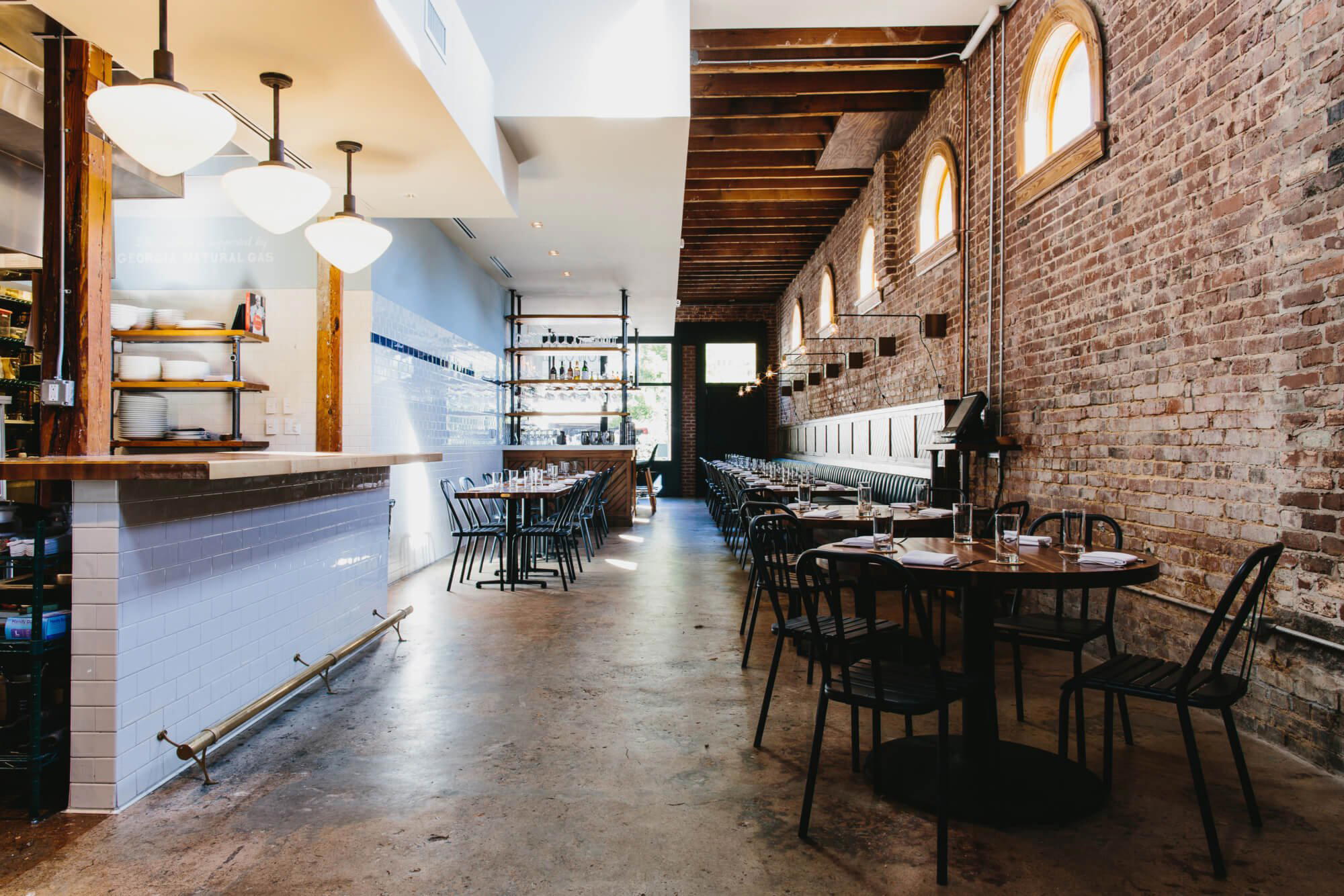
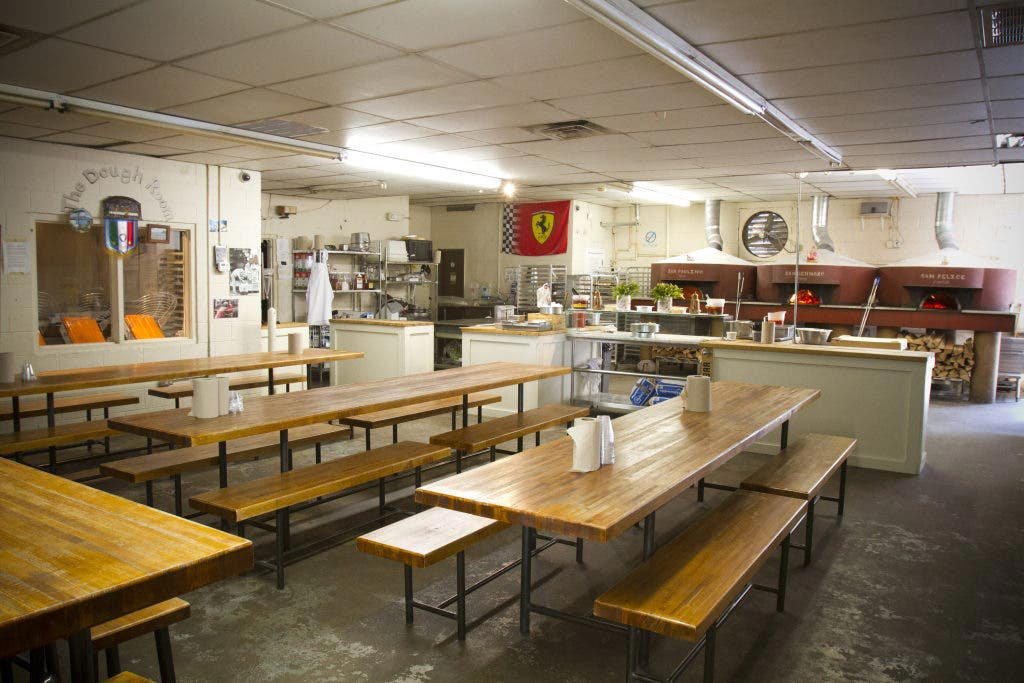
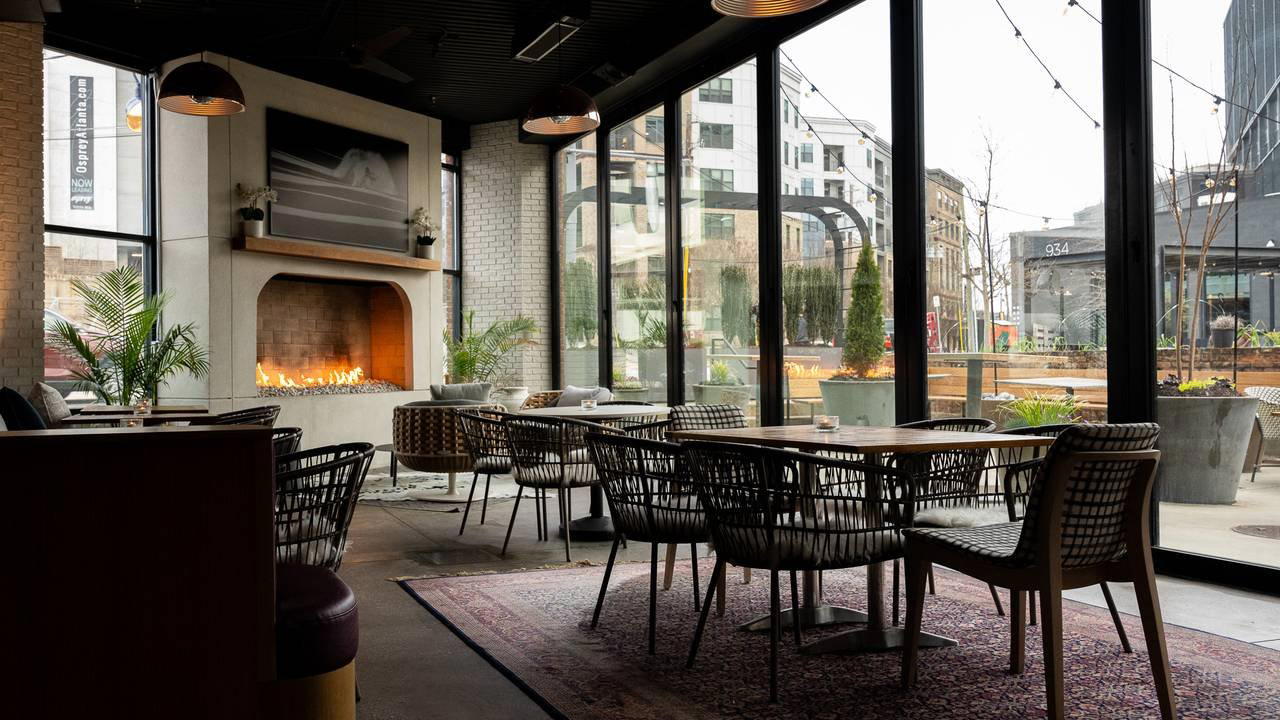
The room itself makes a statement before a single dish arrives. Exposed brick, a high industrial ceiling, and an open kitchen set a tone that is closer to a well-considered neighborhood restaurant than a destination tasting-menu venue. That contrast — the gap between the setting's apparent casualness and the precision on the plate — is part of what defines the Old Fourth Ward's contribution to Atlanta dining. It is a neighborhood that has resisted the kind of venue-as-spectacle logic that drives some premium openings elsewhere in the city.
The Menu and What It Argues About Contemporary American Cooking
The tasting menu format has become one of the more contested forms in American dining over the past decade. Critics of it point to price opacity, theatrical detachment, and menus engineered for social media rather than the table. The counter-argument, demonstrated at a handful of American kitchens, is that the format can be used to push seasonal and ingredient-led cooking into a structured, coherent narrative without resorting to ceremony as a substitute for substance. Lazy Bear in San Francisco and The Wolf's Tailor in Denver have made similar arguments in their respective cities.
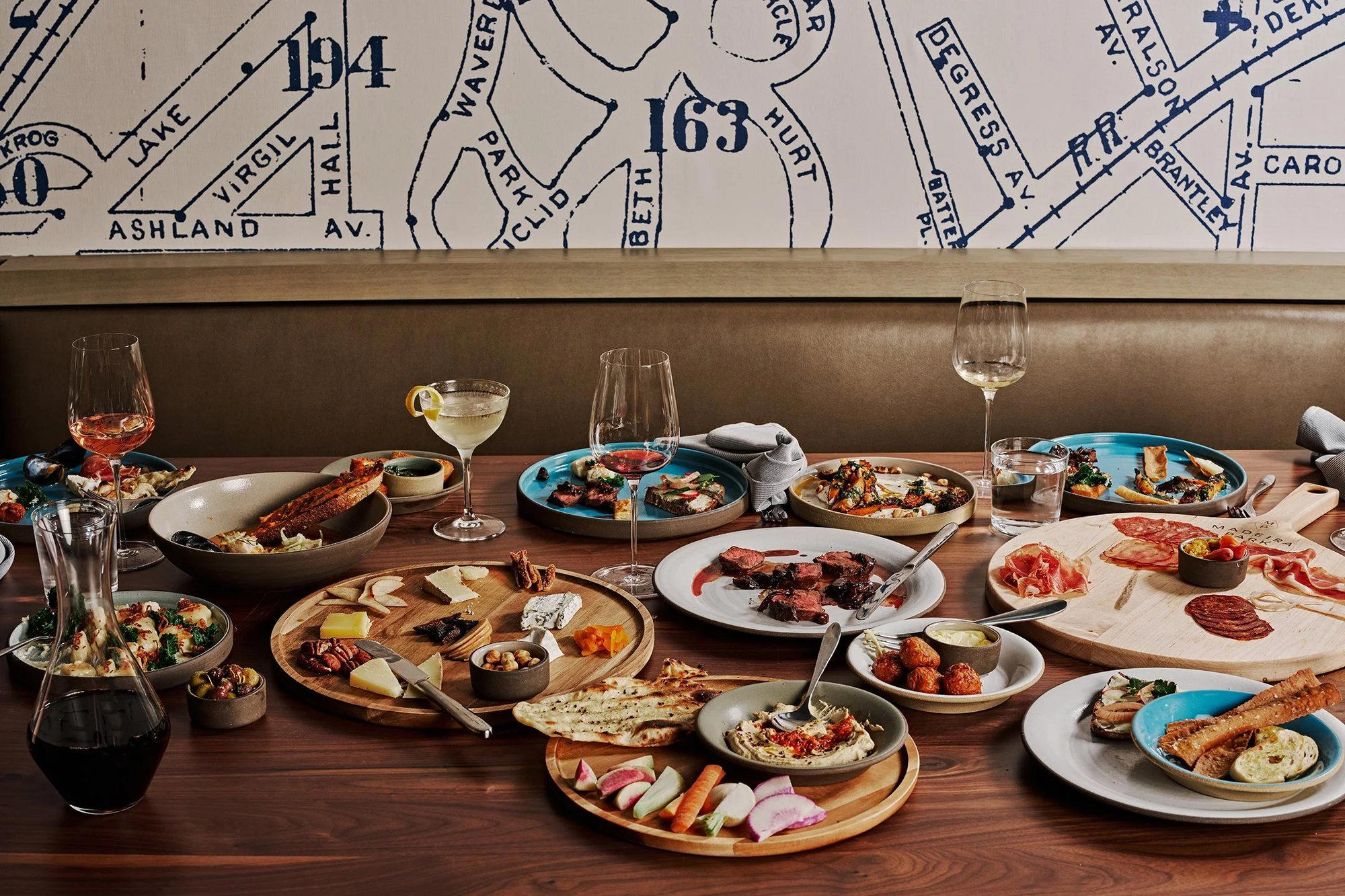
Staplehouse's version of the tasting menu lands on the side of directness. A cabbage course that carries genuine character, a thick-cut grilled sirloin served with a crispy morel mushroom alongside a wedge of grilled gem lettuce and sprouting cauliflower, and a citrus tart finished with honeycomb candy, these are the kind of dishes that describe their own logic plainly. There is no intermediary interpretation required. The sourcing signals are embedded in the produce choices: morel mushrooms, gem lettuce, sprouting cauliflower are not incidental menu elements but markers of a kitchen that times its dishes to what is actually available and flavorful in a given season.
Farm-to-Table in the South: Where the Movement Has Arrived
The farm-to-table designation has been diluted so thoroughly by marketing usage that it now functions less as a sourcing descriptor and more as a positioning signal. In the American South, however, the underlying practice retains more integrity in certain kitchens than the terminology might suggest. Georgia's agricultural range, from coastal lowland produce to mountain-region specialty crops, gives Atlanta chefs genuine access to seasonal variety that menus like Staplehouse's can reflect without fabricating scarcity.
The evolutionary arc of this movement is relevant context. Early farm-to-table formats, popularized through the 1990s and 2000s at restaurants like Emeril's in New Orleans and refined at the institutional level by The French Laundry in Napa, placed sourcing relationships at the center of the story in a way that sometimes turned the farmer into a marketing device. The more recent iteration, visible at places like Single Thread Farm in Healdsburg, treats sourcing as an internal discipline rather than a front-of-house talking point. The produce appears on the plate; the story is told through flavor and timing rather than menu annotation.
Staplehouse's tasting menu reads as operating within this more recent model. The dishes documented through Michelin's assessment process emphasize vegetables and proteins that speak to specific seasonal windows rather than year-round availability. A sprouting cauliflower wedge, paired with gem lettuce and sirloin, is a combination that makes sense only at a particular moment in the growing calendar. The honeycomb candy in the citrus tart suggests access to local apiaries rather than a generic pastry finish. These are signals of a kitchen organized around what the season makes possible, not what a fixed menu requires.
Where Staplehouse Sits in Atlanta's Competitive Set
Atlanta's Michelin-recognized dining tier includes a small number of restaurants working at the premium tasting-menu level. Lazy Betty, which holds its own Michelin recognition, works in a similar Contemporary register. Hayakawa and Mujō occupy the Japanese omakase tier of the same price bracket. These restaurants collectively define Atlanta's position as a city where the Michelin presence, established in 2023, confirmed rather than created a fine dining infrastructure that had been developing organically for years.
Within that set, Staplehouse's positioning is defined partly by neighborhood. Old Fourth Ward is not the traditional geography of Atlanta fine dining, which has historically centered on Buckhead. Operating at the $$$$ price point from Edgewood Avenue signals a specific kind of institutional confidence: the cooking is the draw, and the location reinforces rather than undermines the argument. This mirrors a broader pattern visible in American cities from Brooklyn to the Mission District in San Francisco, where high-quality, format-led restaurants have migrated to neighborhoods that offer lower overheads and audiences less interested in traditional prestige signifiers.
The Opinionated About Dining recommendation in 2023 adds a second trust signal that operates differently from Michelin. OAD aggregates the assessments of serious diners across multiple visits, which means its inclusion represents a consensus of informed repeat visitors rather than a single inspection. For a restaurant working in the tasting-menu format, where consistency across service and seasonal variation matters as much as peak performance, that signal carries weight.
Comparisons Across the American Tasting-Menu Tier
At the upper register of American contemporary dining, the tasting-menu format varies considerably in its relationship to the ingredients it claims to celebrate. Alinea in Chicago uses technique as the dominant language, with sourcing subordinate to transformation. Le Bernardin in New York City prioritizes ingredient quality but within a French classical structure. Sons and Daughters in San Francisco works in a mode closer to Staplehouse's, where contemporary American structure meets seasonal discipline without theatrical escalation.
Staplehouse's differentiation within this broader peer group comes from its refusal of the format's more excessive tendencies. Chef Ryan Smith's kitchen, as documented through Michelin's star recognition, has maintained a posture of restraint that resists the course-inflation and presentation complexity that can make tasting menus feel detached from the act of eating. A grilled sirloin with morel mushrooms is not a dish that requires decoding. It is a dish that requires good sourcing, accurate cooking, and appropriate seasoning. The achievement is in the execution, not the concept.
Planning Your Visit
Staplehouse operates Thursday through Sunday, with lunch and dinner service available from noon. Dinner runs to 9 PM on Thursday and Sunday, and to 10 PM on Friday and Saturday. The restaurant is closed Monday through Wednesday. The address is 541 Edgewood Ave SE, Atlanta, GA 30312, in the Old Fourth Ward. Given the Michelin recognition and the limited weekly operating hours, reservations should be treated as necessary rather than optional, particularly for Friday and Saturday dinner slots, which represent the busiest service windows. The $$$$ price point aligns Staplehouse with Atlanta's other premium tasting-menu venues, and the format rewards coming without time pressure.
For broader Atlanta dining context, including hotels, bars, and experiences in the city, see our full Atlanta restaurants guide, our full Atlanta hotels guide, our full Atlanta bars guide, our full Atlanta wineries guide, and our full Atlanta experiences guide.
Frequently asked questions
What dish is Staplehouse famous for?
Staplehouse does not trade on a single signature dish. The tasting menu shifts with the season, and the kitchen's reputation rests on the coherence of the full sequence rather than any individual course. That said, the dishes documented through Michelin's 2024 star assessment point to a grilled sirloin served with a crispy morel mushroom and a wedge of grilled gem lettuce with sprouting cauliflower as representative of the kitchen's approach: seasonal produce, direct preparation, and a vegetable component given enough attention to function as more than a garnish. Chef Ryan Smith's menu has also drawn attention for its vegetable-forward courses, including a cabbage preparation that the Michelin guide specifically noted for its character. The citrus tart with honeycomb candy that closes the meal has received similar notice. These dishes reflect a kitchen organized around what Georgia's seasonal calendar makes available, with Michelin recognition confirming that approach.peer Atlanta venues and the Opinionated About Dining 2023 North America recommendation confirming the consistency of that approach across multiple services and seasons.
Cuisine and Credentials
A small set of peers for context, based on recorded venue fields.
| Venue | Cuisine | Price | Awards | Notes |
|---|---|---|---|---|
| StaplehouseThis venue — the venue you are viewing | New American Fine Dining | $50–100 | Michelin Plate | Not listed |
| Bacchanalia | Contemporary American Fine Dining | $100–150 | 1 Michelin Star · James Beard Award Best Chefs | New American, American |
| Lazy Betty | Modern Inventive Tasting Menu | $200–300 | 1 Michelin Star · Star Wine List | Contemporary |
| Atlas | Modern American Fine Dining | $200–300 | 1 Michelin Star · La Liste Top Restaurants | Modern European, New American, American |
| Gunshow | Modern Southern Dim Sum-Style | $50–100 | Michelin Plate | Northern Chinese, American |
| Heirloom Market BBQ | Korean-American BBQ Fusion | $10–20 | Michelin Bib Gourmand | Barbecue |
Recognition history
Dated appearances from independent guides and award organizations, with the underlying list record or original source where available.
Michelin Plate
Michelin
Opinionated About Dining Top Restaurants in North America Recommended
Opinionated About Dining





Details
- Cozy
- Casual
- Trendy
- Intimate
- Date Night
- Special Occasion
- Celebration
- Open Kitchen
- Garden
- Extensive Wine List
- Local Sourcing
- Tasting Menu
- A La Carte
- Small Plates
- Allergy Accommodating
Current opening hours
- Monday
- Closed
- Tuesday
- Closed
- Wednesday
- Closed
- Thursday
- 12–9 PM
- Friday
- 12–10 PM
- Saturday
- 12–10 PM
- Sunday
- 12–9 PM
Hours can change for holidays and private events. Last verified .
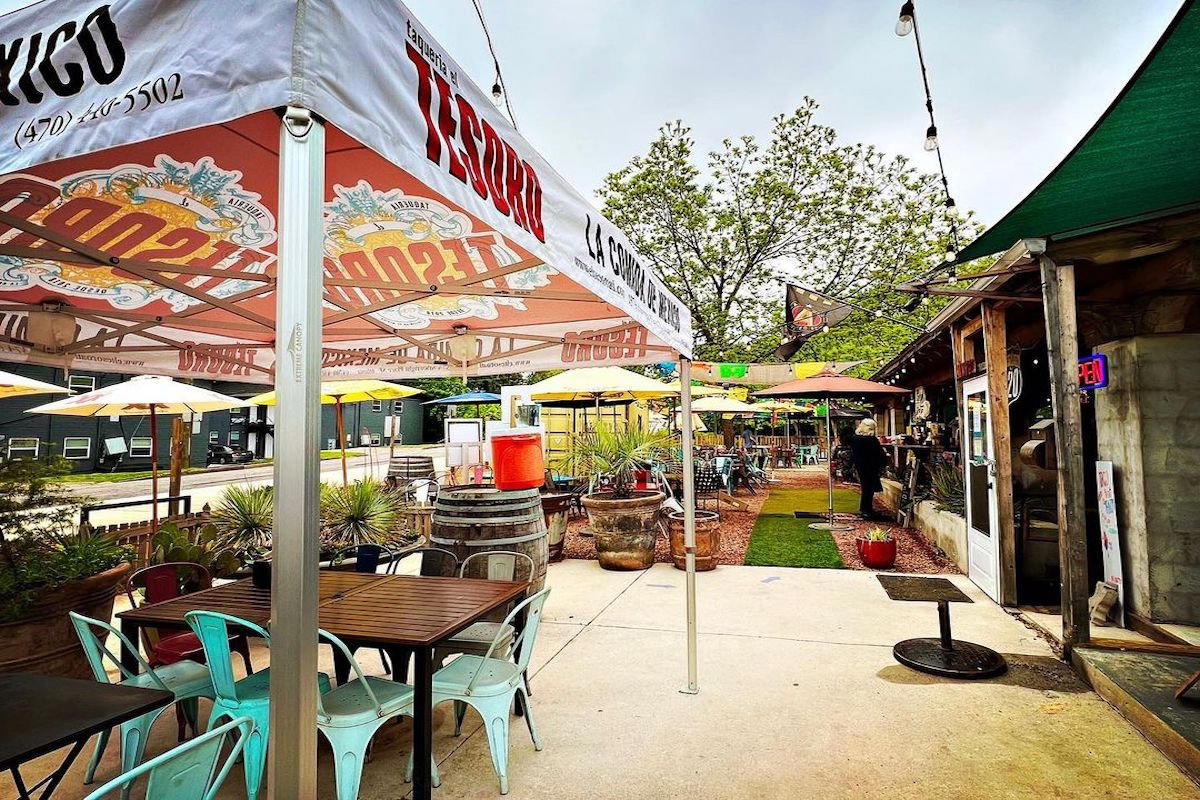
Casual, homey, and cozy atmosphere with an open kitchen and lush outdoor courtyard.