
Relais Chateaux Award
Our verdict
Singer's Tiroler Stube in Berwang earns a Creative Cooking highlight for its approach to Austrian Alpine cuisine under chef Marcio Shihomatsu, whose background introduces a distinctive cross-cultural lens to a deeply traditional regional format.

Pearl is the En Primeur Club membership app, where members save venues, book tables and use the concierge.
Where the Tyrolean Stube Meets Something Less Predictable
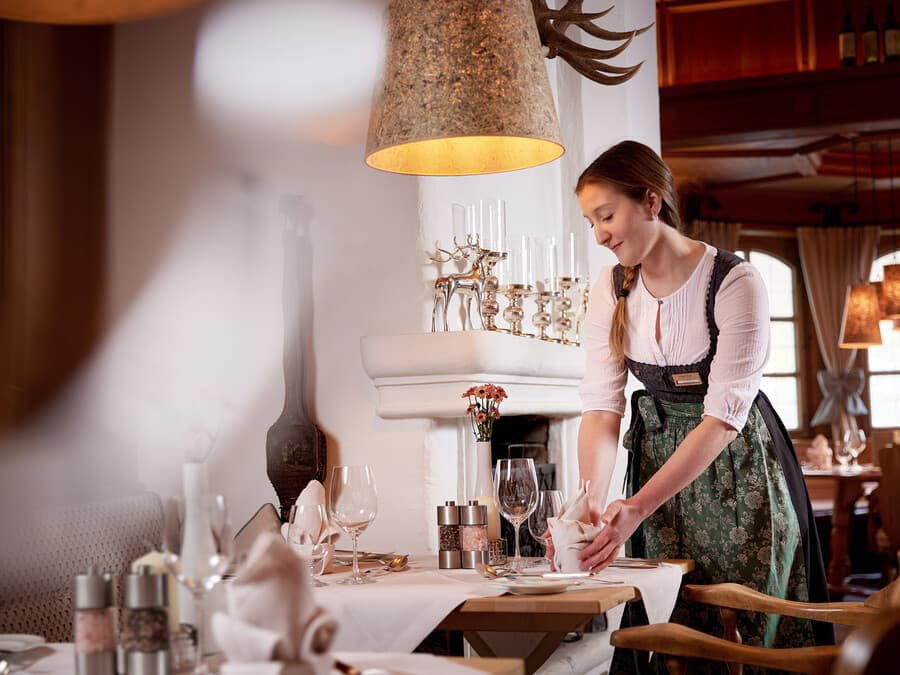
Alpine dining rooms in the Tyrolean highlands follow a recognizable script: low-beamed ceilings, wood panelling worn to a warm amber, the smell of woodsmoke threading through a room that hasn't changed its bones since the postwar ski boom. The Stube format, intimate and deliberately insular, was never designed to accommodate outside influence. That is precisely what makes Singer's Tiroler Stube in Berwang worth examining. The room may read as traditional as its neighbours on the Rinnen road, but what arrives at the table diverges sharply from the regional template.
Berwang sits in the Zugspitz Arena, part of a cluster of small Austrian resort villages that skiers move between from late November through April. The dining infrastructure here skews toward comfort: schnapps, Wiener Schnitzel, Kaiserschmarrn in portions designed to absorb a day on the mountain. Restaurants earning recognition for creative cooking at this altitude are sparse. For context on how that distinction is distributed across the country, you can read our full Berwang restaurants guide.
Chef Marcio Shihomatsu and the Logic of Cross-Cultural Cooking in the Alps
Austria's most decorated creative kitchens tend to cluster in Vienna and along the Salzburg corridor. Steirereck im Stadtpark in Vienna and Döllerer in Golling an der Salzach operate with the infrastructure of urban sourcing networks and international press attention. What Ikarus in Salzburg achieves through its rotating guest chef format, Singer's Tiroler Stube pursues through a more permanent tension: a chef whose name signals a lineage outside the Alpine tradition entirely.
Chef Marcio Shihomatsu brings a background that sits at a specific angle to the Austrian culinary canon. The Tyrolean mountain kitchen has always had its own rigorous logic, built around preservation techniques, dairy fats, root vegetables, and game. A chef whose formation almost certainly included reference points well outside that tradition, likely in the Brazilian-Japanese culinary intersection that his name implies, doesn't simply overlay that background onto a Stube menu. The more interesting outcome, when it works, is a calibration: alpine ingredients and structural formats absorbing different technical approaches without the seams showing.
This kind of biographical tension produces a specific type of cooking that the broader Austrian scene has explored in urban contexts. Kräuterreich by Vitus Winkler in Sankt Veit im Pongau and Ois in Neufelden each frame regional Austrian produce through a distinct creative lens. In a mountain resort context, where conservative expectations are baked into the room and the clientele, the creative signal is harder to sustain and therefore more visible when it lands.
The Alpine Creative Tier: Where Singer's Tiroler Stube Sits
Among Tyrolean restaurant addresses that have earned recognition for creative or contemporary cooking, the western corridor from Ischgl to Sankt Anton carries the most concentrated examples. Stüva in Ischgl and Gourmetrestaurant Tannenhof in Sankt Anton am Arlberg both operate at a level where creative cooking and mountain-resort luxury overlap. Griggeler Stuba in Lech holds a similar position further north in the Arlberg.
That score, accumulated at a destination that requires specific intent to reach, carries weight. The guests who eat here have generally planned to do so. That the rating holds at 4.8 under those conditions places Singer's Tiroler Stube in a reliable tier above the resort average, distinct from the purely schnapps-and-schnitzel category that accounts for the majority of dining in the Zugspitz Arena.
Reading the Room: Atmosphere and Format
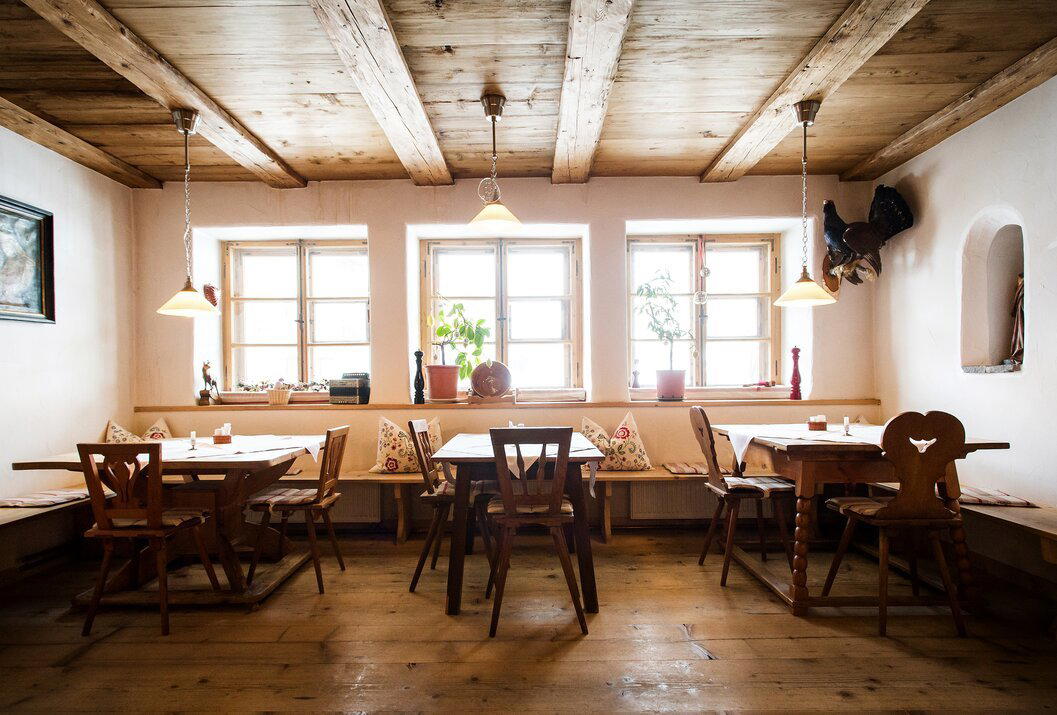
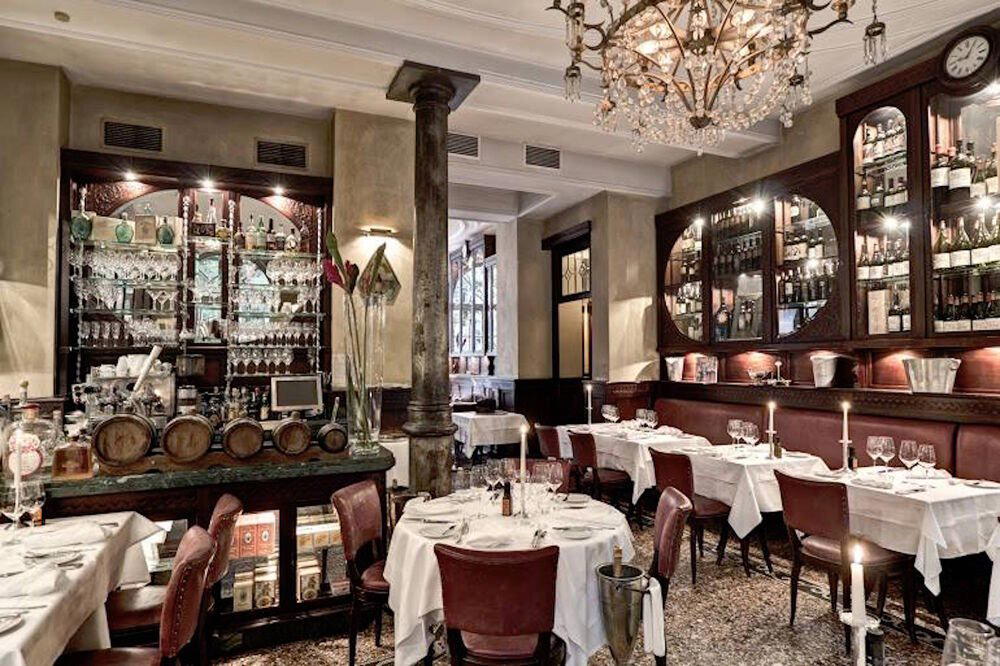
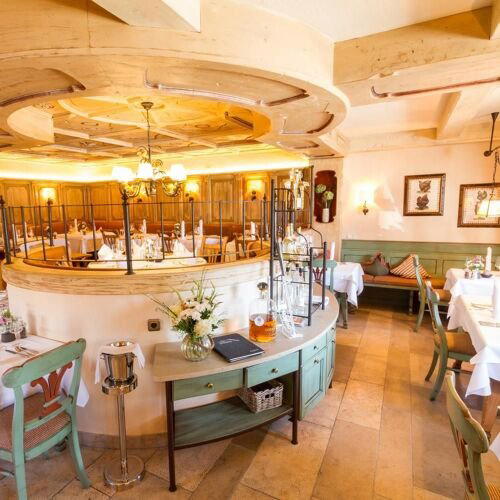
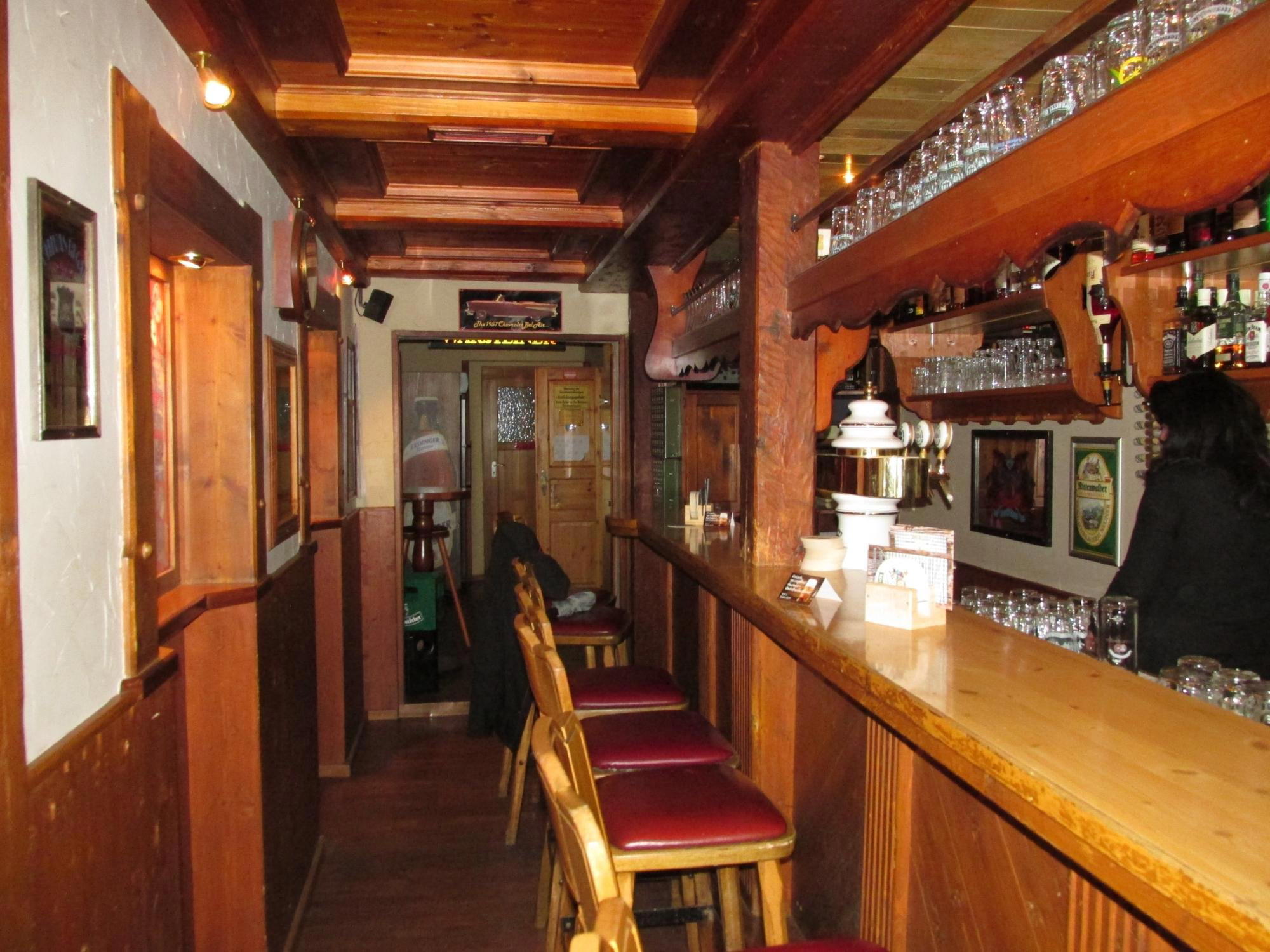
The Stube format carries its own atmospheric grammar: a contained, wood-panelled room where the furniture is fixed and the warmth is structural rather than designed. This is not a space that operates through contemporary restaurant aesthetics. The intimacy is built-in, the result of construction principles that predate the modern restaurant. What changes at a creative address within this format is the register of the meal, not the room's character. The contrast between a traditional interior and technically considered food is itself part of the experience: the Stube doesn't apologize for what it is, and neither does the kitchen.
This dynamic appears across the Austrian alpine creative tier. Schwarzer Adler in Hall in Tirol and Restaurant 141 by Joachim Jaud in Mieming each operate within the visual language of Tyrolean tradition while pushing well past its culinary boundaries. Obauer in Werfen, one of Austria's most durable creative addresses, built its identity precisely on this tension between a deep-rooted regional setting and cooking that refused to stay inside those boundaries.
Planning a Visit
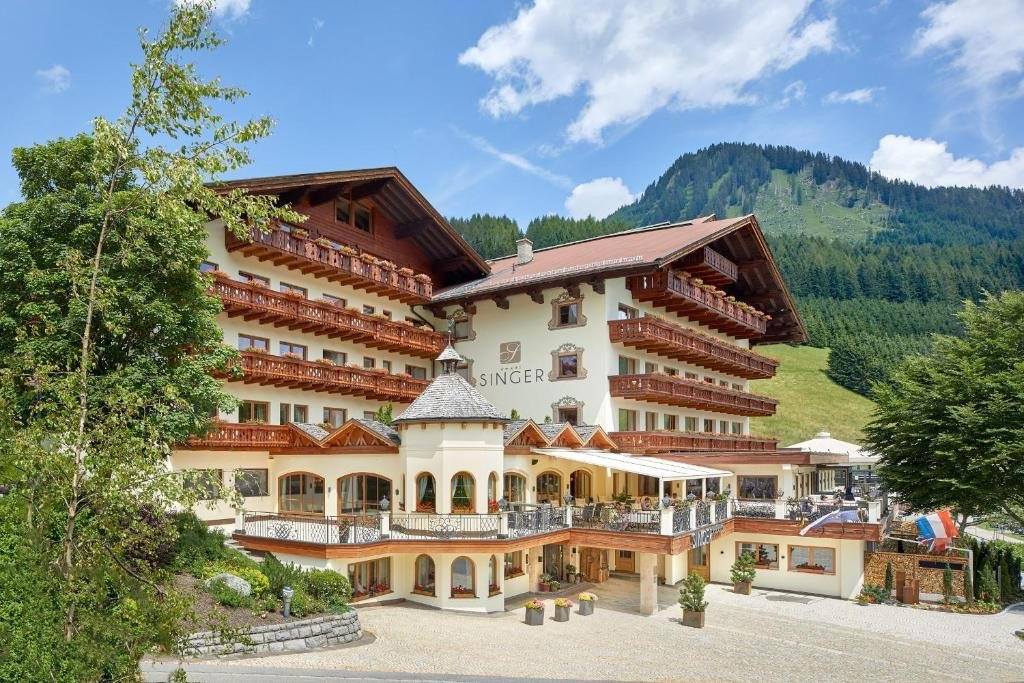
Berwang is a winter-season village, and the restaurant's address at Rinnen 45 places it in a quiet residential pocket of the area rather than in the main resort cluster. Reaching it requires a car or taxi rather than a walk from the ski lifts, which makes Singer's Tiroler Stube a destination in its own right rather than an incidental dinner choice. Given the scale of the village and the limited inventory of creative-cooking addresses, advance reservations are advisable; the combination of a high rating and a small alpine setting points to a room that fills quickly during the winter season, typically December through April.
For those planning a wider stay, our full Berwang hotels guide, bars guide, wineries guide, and experiences guide cover the full picture of what the area offers across categories.
Diners familiar with the level of creative ambition at urban Austrian addresses, or those arriving from restaurants like Le Bernardin in New York City or Atomix in New York City, will find Singer's Tiroler Stube operating in a different register: smaller, more specific, rooted in an alpine vernacular that neither of those rooms would claim. The interest is in exactly that specificity, a kitchen in a mountain village taking creative cooking seriously without the scaffolding of a metropolitan dining scene.
Frequently asked questions
Where exactly is Singer's Tiroler Stube?
Singer's Tiroler Stube is located at Rinnen 45, 6622 Rinnen, Austria, Berwang.
At-a-Glance Comparison
Comparable venues nearby, for context on price, style, and recognition.
| Venue | Cuisine | Price | Awards | Notes |
|---|---|---|---|---|
| Singer's Tiroler StubeThis venue (the venue you are viewing) | Tyrolean Austrian Fine Dining | Not listed | Relais Chateaux Award | Not listed |
| Rimmlstube | Tyrolian Regional Austrian | $20–30 | Not listed | Berwang |
| S-Lounge | Austrian Lunch Restaurant & Day Bar | Not listed | Relais Chateaux Award | Berwang |
| Hotel Sonnenhof Tirol | Modern Austrian Fine Dining | Not listed | Star Wine List | Tannheimer Tal |
| Montafoner Hof | Modern Montafon Gourmet | Not listed | Not listed | Tschagguns |
| Gourmet & Wine Hotel Austria | Modern Austrian Fine Dining | Not listed | Not listed | Obergurgl |
Recognition history
Dated appearances from independent guides and award organizations, with the underlying list record or original source where available.
Relais Chateaux Award
Relais Chateaux
Full recognition history (2 entries)
Relais Chateaux Award
Relais Chateaux
Continue exploring
More in Berwang
Restaurants in Berwang
All restaurants in Berwang →
Bars in Berwang
Browse all →

Details
- Rustic
- Cozy
- Elegant
- Intimate
- Classic
- Date Night
- Special Occasion
- Historic Building
- Extensive Wine List
- Local Sourcing
- Mountain
- Set Menu
- Austrian Wines
- Vegetarian Friendly
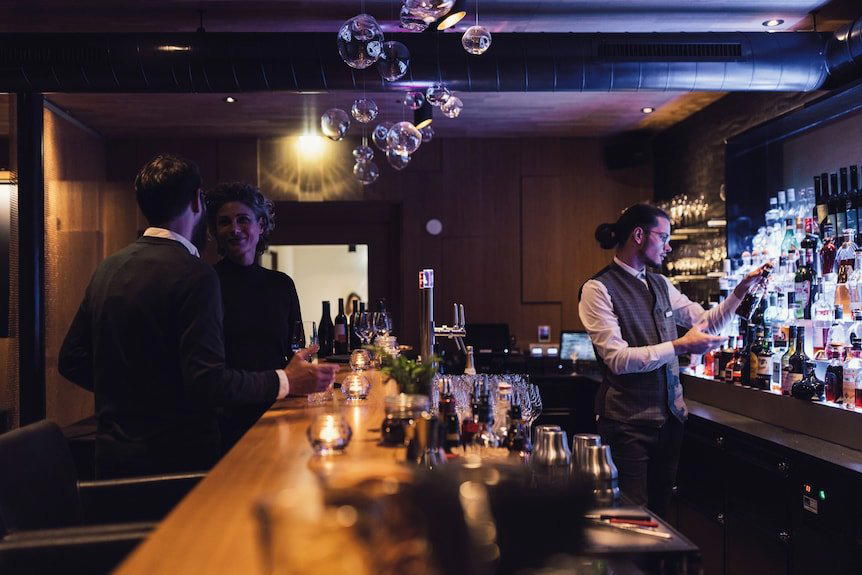
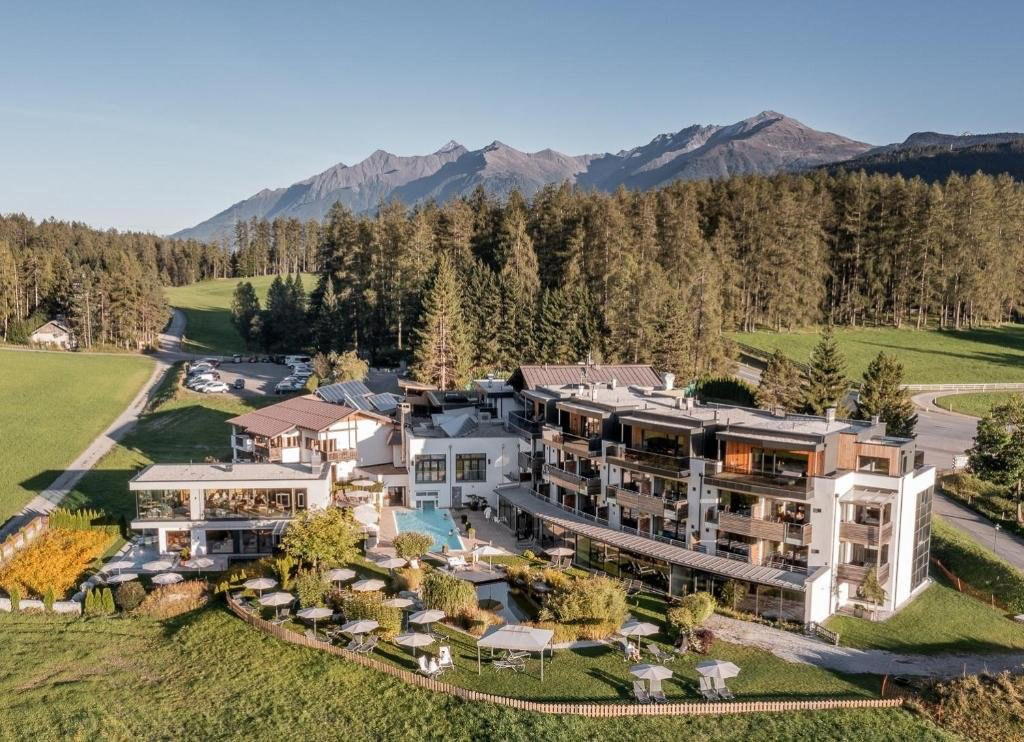
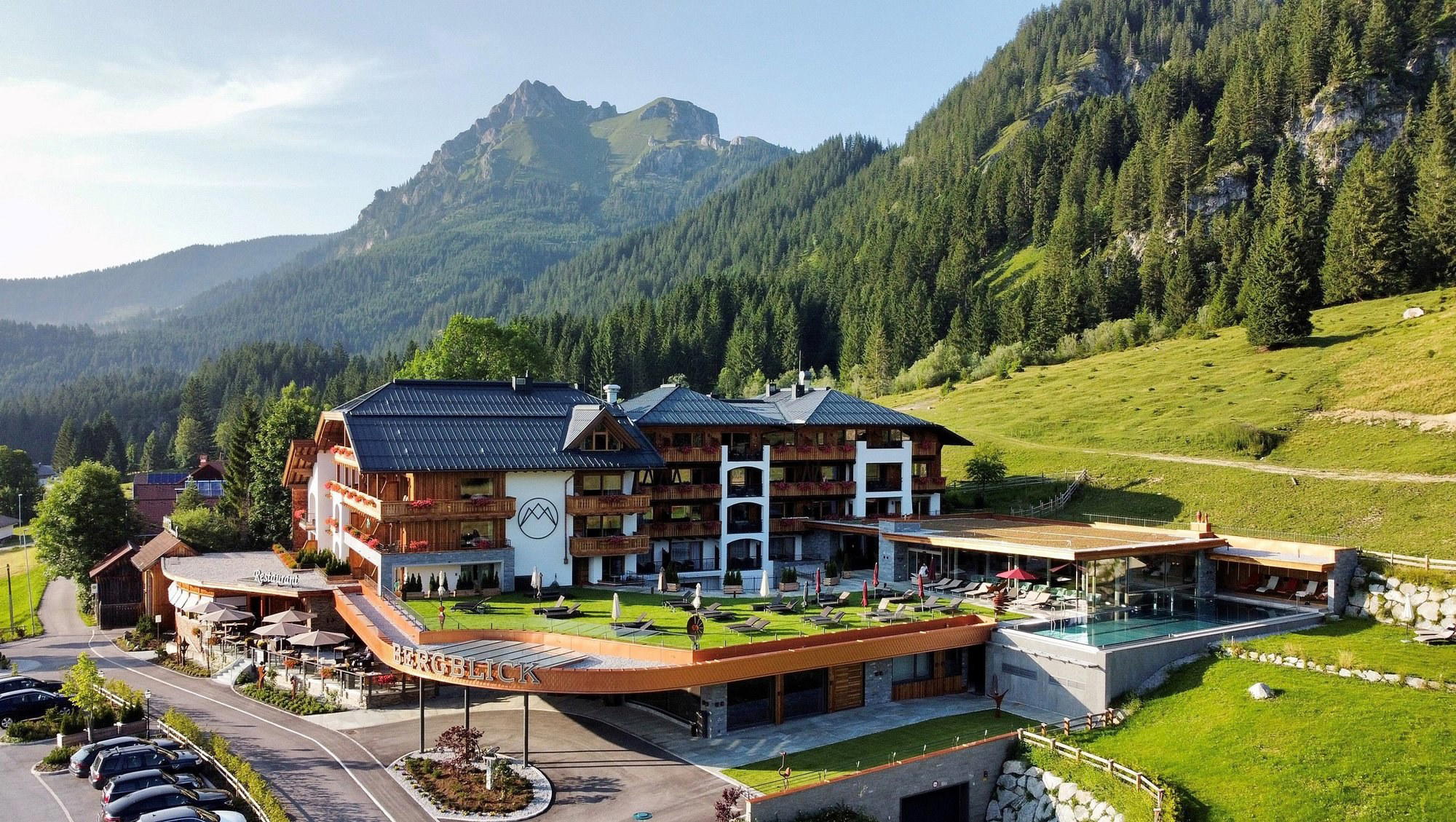
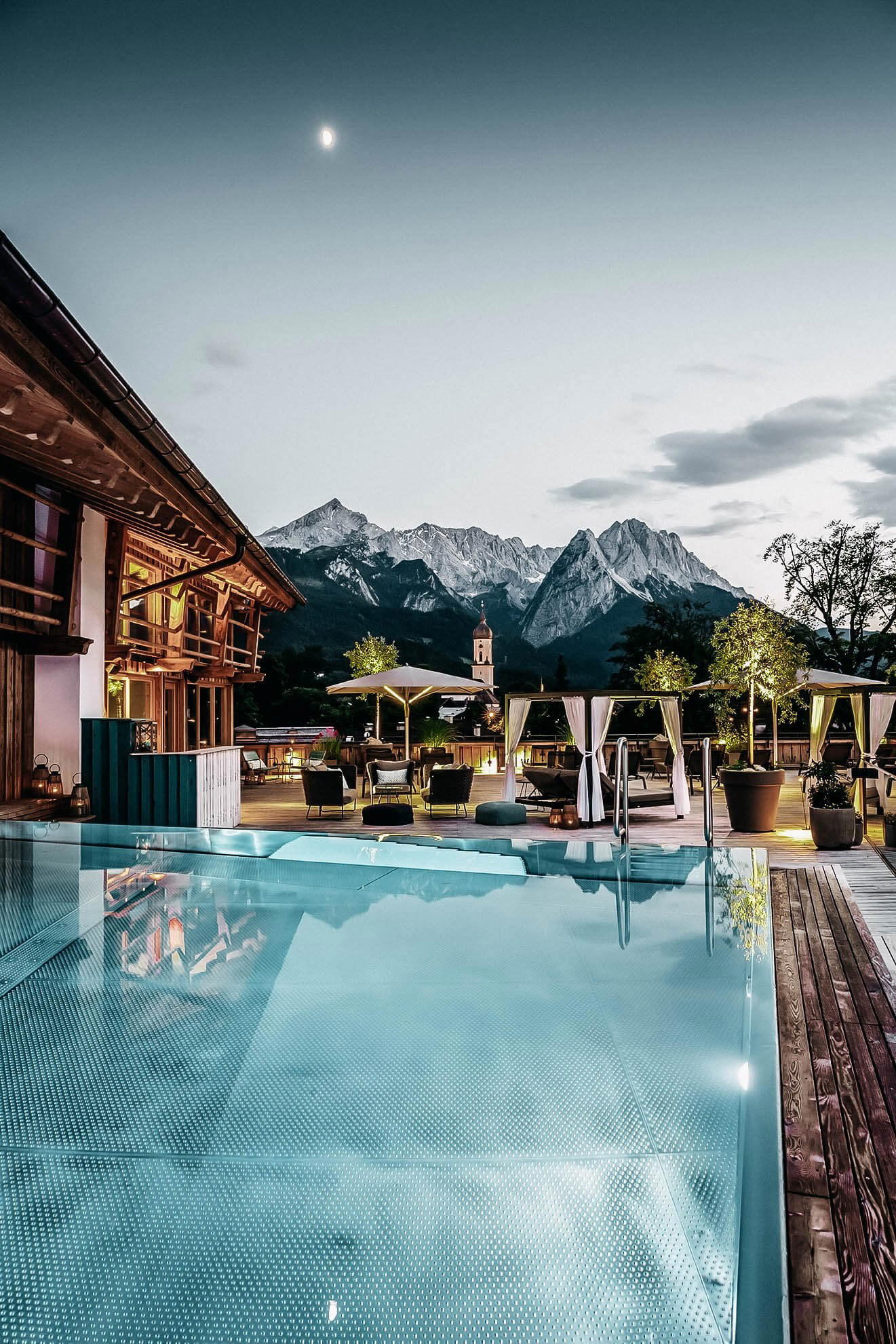
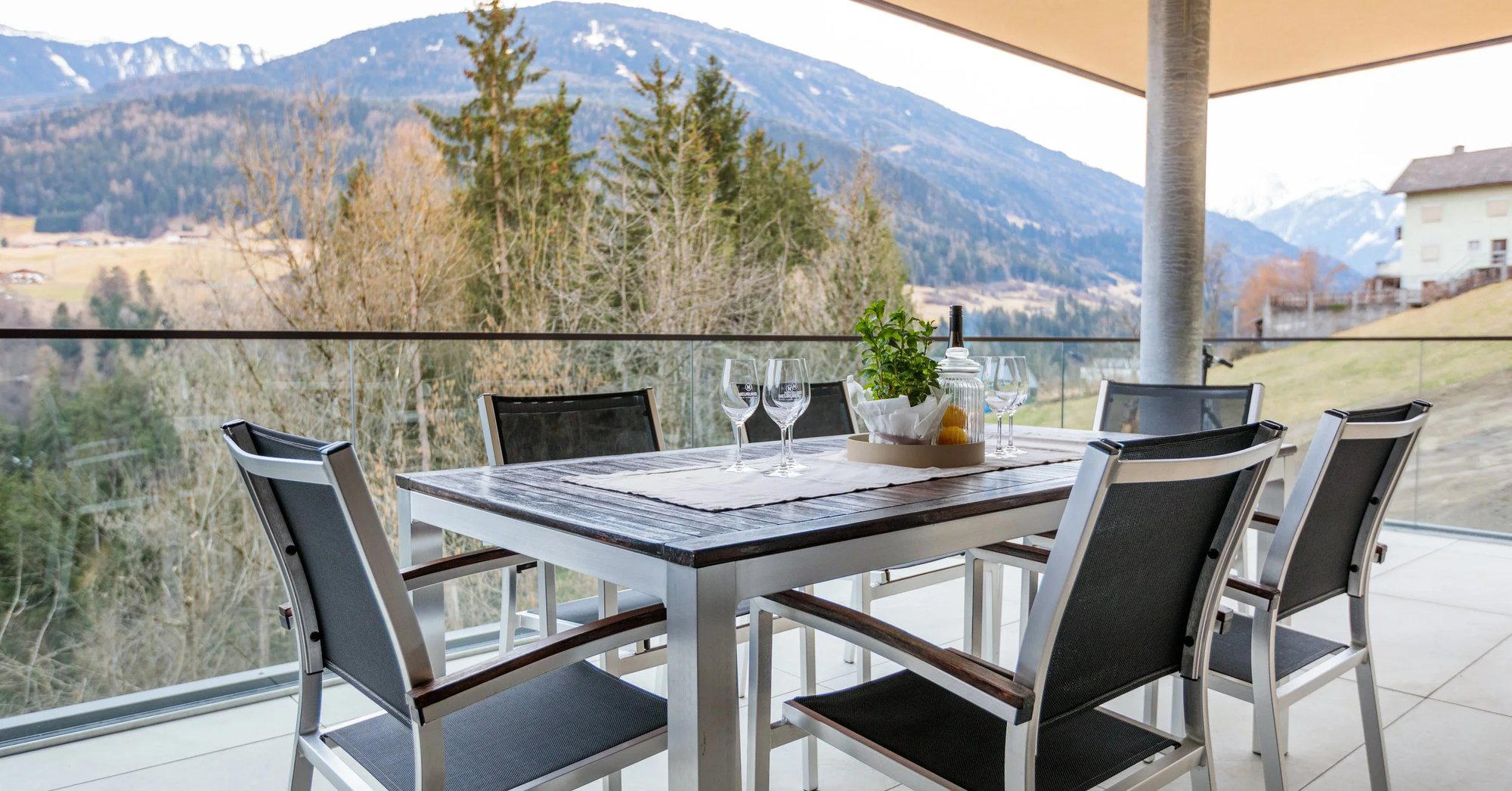
Warm stone walls, hand-carved wooden beams, and crackling fireplaces create an intimate, rustic yet sophisticated alpine atmosphere.