
Tabelog 100 #83
Our verdict
A Gion yakiniku address with a course-only charcoal format, private-room option, and repeated Tabelog 100 selection for western Japan’s yakiniku category. Its unusual daytime service matters: the same course is offered in the early afternoon as at night, shifting the meal from late-evening beef ritual to a quieter, itinerary-friendly Kyoto lunch.

Pearl is the En Primeur Club membership app, where members save venues, book tables and use the concierge.
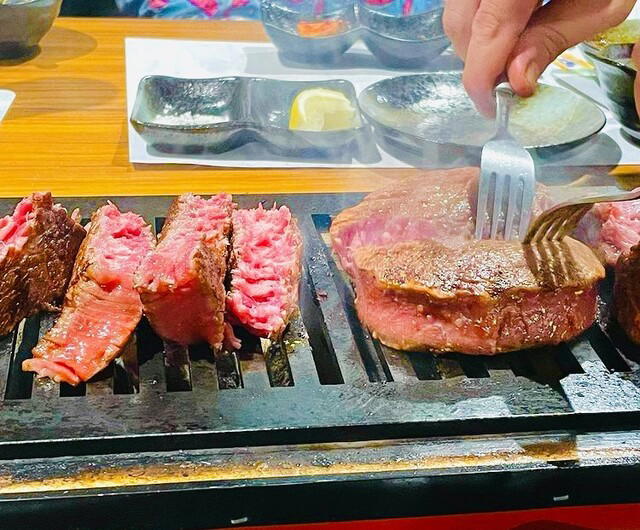
The menu
What to order
- Chateaubriand course
- Kuroge Wagyu fillet course
- Tongue with truffle salt
- Charcoal-grilled special selection Wagyu
Kyoto’s restaurant streets change by the hour. At night, the city becomes a kind of theatre: lantern light, taxi doors, reservations checked with precision. In early afternoon, the same city can feel almost private, with shuttered facades, delivery carts, and visitors moving between temples rather than dinner rooms. That split helps define Riki Chan Gion ten, where yakiniku is presented as a reserved, premium meal rather than a casual grill stop.
Kyoto’s premium dining reputation is usually framed by kaiseki, sushi counters, and kappo rooms, but yakiniku sits in another register. It is social, heat-driven, and built around grilling, pacing, and selection rather than the seasonal architecture of a multi-course Japanese dining room. In Kyoto, that makes the genre pointed: a meat-focused counterpoint to polished Japanese restaurants such as Gion Matayoshi, Gion Sushi Tadayasu, and Sushi Matsumoto, where the evening economy is shaped by formality, pacing, and reservation discipline.
Same budget, different clock: why the afternoon slot changes the meal
The defining feature is not a separate lunch bargain or lighter midday set. The verified budget is the same for lunch and dinner, listed at JPY 20,000 - JPY 29,999 for both services. For travelers, that changes the planning logic: daytime yakiniku can sit before a bar reservation, after a temple morning, or in place of a heavier dinner, while the premium format stays intact.
That matters in Kyoto because serious meals compete for the same evening window. Visitors trying to fit sushi, kappo, a bar, and grilled cooking into a short stay usually have to make hard cuts. Here, the lunch listing creates a second premium dining lane. It is not framed as a casual drop-in lunch; it is a way to plan a high-end yakiniku meal without necessarily surrendering the city’s prime evening hours. For broader planning, Our full Kyoto restaurants guide, Our full Kyoto bars guide, and Our full Kyoto hotels guide are useful companion reads.
Recognition gives the format a benchmark. Riki Chan Gion ten is listed in the Tabelog Hyakumeiten source for 2025, with a score of 3.64 and a budget range of JPY 20,000 - JPY 29,999. In Japan, Tabelog’s category lists function less like international award theatre and more like a local sorting mechanism, showing which places have traction among highly engaged users in a specific genre and region. For yakiniku in western Japan, that signal matters.
Grill pacing, meal structure, and Kyoto’s reservation-minded style
High-end yakiniku depends on control. The appeal is not simply ingredients meeting heat; it is selection, seasoning, grill management, and table rhythm held inside a defined structure. That is why the premium yakiniku model matters. It narrows decisions and moves the meal closer to a planned dining rhythm than the free-order style many overseas diners associate with Japanese barbecue.
The room experience should be understood through Kyoto’s broader preference for contained, reservation-minded dining rather than spectacle. The attraction is not only what is cooked but how the meal is paced: heat, smoke, sauce, timing, and conversation all have to stay in balance. That separates a serious yakiniku booking from casual grill rooms and places it nearer the special-occasion dining track Kyoto handles well.
Drinks should be planned with the same logic, even when the exact list changes by restaurant and season. Yakiniku can handle a wide range of pairings because fat, smoke, salt, and sauce pull in different directions. Travelers who might otherwise reserve bottle budget for other Kyoto dining rooms can treat this as a full premium meal rather than a side appointment before or after the main event.
The practical tone is still important. A yakiniku meal asks diners to pay attention to pace, heat, and portioning, so it works best when treated as a proper reservation rather than a casual refuel. Families, groups, and solo travelers should confirm current booking conditions directly, especially when planning around children, dietary needs, or a tight Kyoto schedule.
Where it fits in a Kyoto dining itinerary
The strongest case for Riki Chan Gion ten is itinerary design. Kyoto can punish diners who stack only formal dinners: one night of kaiseki, one night of sushi, one night of cocktails, and the schedule starts to feel narrow. A serious afternoon yakiniku meal adds contrast without making the whole trip revolve around the same kind of evening. It also pairs naturally with a lighter night or a bar-led plan rather than another long meal.
Within Kyoto’s dining map, it sits apart from inexpensive regional staples and sweets-led stops. A traveler might use other Kyoto dining rooms for quick comfort food, traditional confectionery, or casual reference points. This is a different spend category and tempo: reserved, grill-led, and built around yakiniku rather than snacking or sightseeing convenience.
For visitors extending beyond Kyoto, the comparison is useful across Japan, not just one city. Yakiniku and other grill-focused cooking can take many forms, from formal meals to casual regional formats, while overseas Japanese dining shows how broadly the category travels. Kyoto’s version, however, is best approached with more reservation discipline and a sharper sense of occasion than a casual barbecue stop.
The practical conclusion is simple: choose lunch if the trip already has ambitious dinners, evening if the meal should anchor the day. Either way, the value is in the structure: premium yakiniku, careful timing, and a Tabelog-recognized position in Japan’s grilling scene. For non-restaurant planning around the same city, Our full Kyoto wineries guide and Our full Kyoto experiences guide help keep the rest of the itinerary balanced.
Frequently asked questions
How much does it cost to eat at Riki Chan Gion ten?
Pricing at Riki Chan Gion ten is listed as JPY 20,000 - JPY 29,999 for both lunch and dinner.
Where do I go for Riki Chan Gion ten?
Kyoto.
When can I go to Riki Chan Gion ten?
Current opening hours are not included in the verified venue data; confirm the latest schedule directly before booking.
What is Riki Chan Gion ten known for?
Riki Chan Gion ten is known for yakiniku in Kyoto, with a 2025 Tabelog Hyakumeiten listing, a 3.64 score, and a listed price range of JPY 20,000 - JPY 29,999.
Accolades, Compared
Comparable venues in the metro at similar price points.
| Venue | Cuisine | Price | Awards | Notes |
|---|---|---|---|---|
| Riki Chan Gion tenThis venue (the venue you are viewing) | High-end Wagyu Yakiniku (Fillet Specialty) | $150–200 | Tabelog 100 #83 | Not listed |
| Wabiya Korekidou (侘家古暦堂 祇園花見小路本店) | Traditional Yakitori & Oyakodon | $30–50 | Tabelog 100 #4 | Gion |
| 菊乃井 露庵 | Seasonal Kyoto Kaiseki | $150–200 | 2 Michelin Stars · La Liste Top Restaurants | Nakagyō |
| Niku Ryori Arakawa | Wagyu-focused Yakiniku Counter | $50–100 | Tabelog 100 #77 | Nakagyō |
| Hachikian Marutamachi honten | Traditional Kyoto poultry and sukiyaki cuisine | $50–100 | Tabelog 100 #3 | Sakyō |
| Kuchibashi Modern | Modern Yakitori Omakase | $50–100 | Tabelog 100 #62 | Shimogyō |
Recognition history
Dated appearances from independent guides and award organizations, with the underlying list record or original source where available.
Tabelog 100 #83 · No. 83
Tabelog · Tabelog 100 - Yakiniku - WEST - 2025
Continue exploring
More in Kyoto
Restaurants in Kyoto
All restaurants in Kyoto →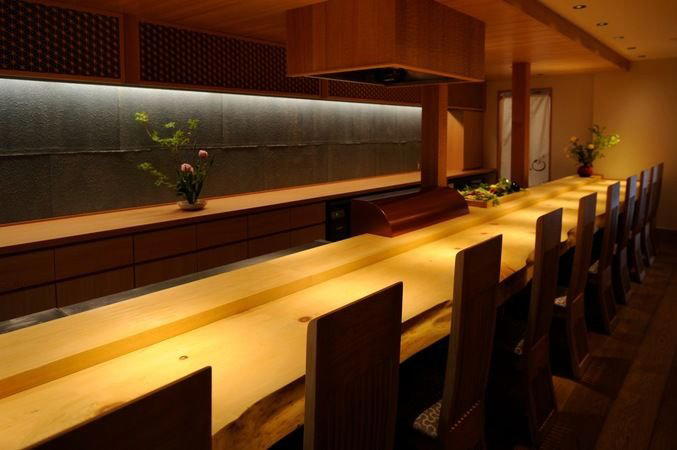
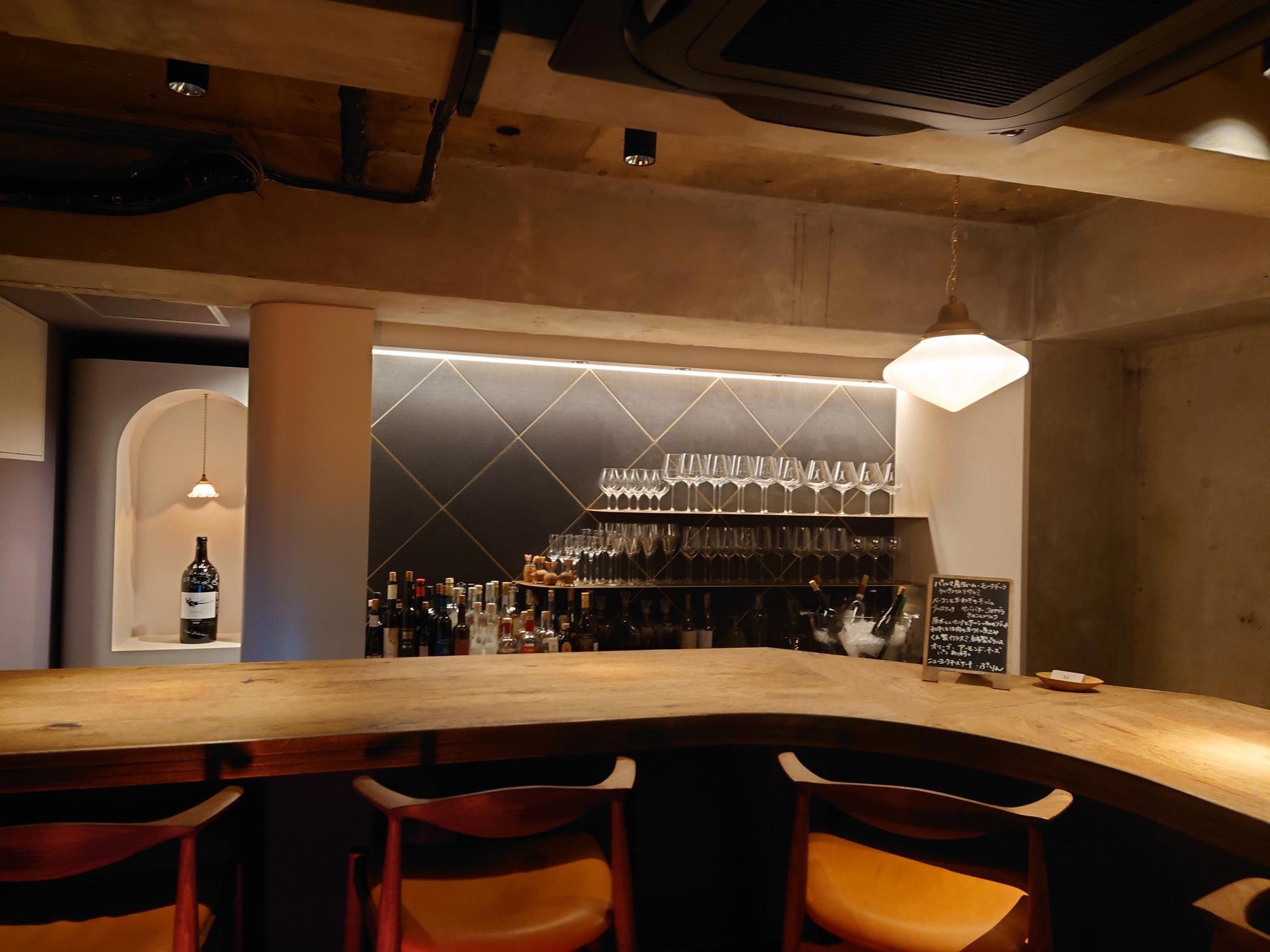
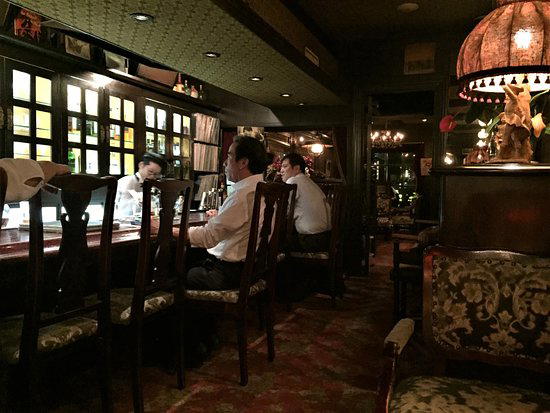
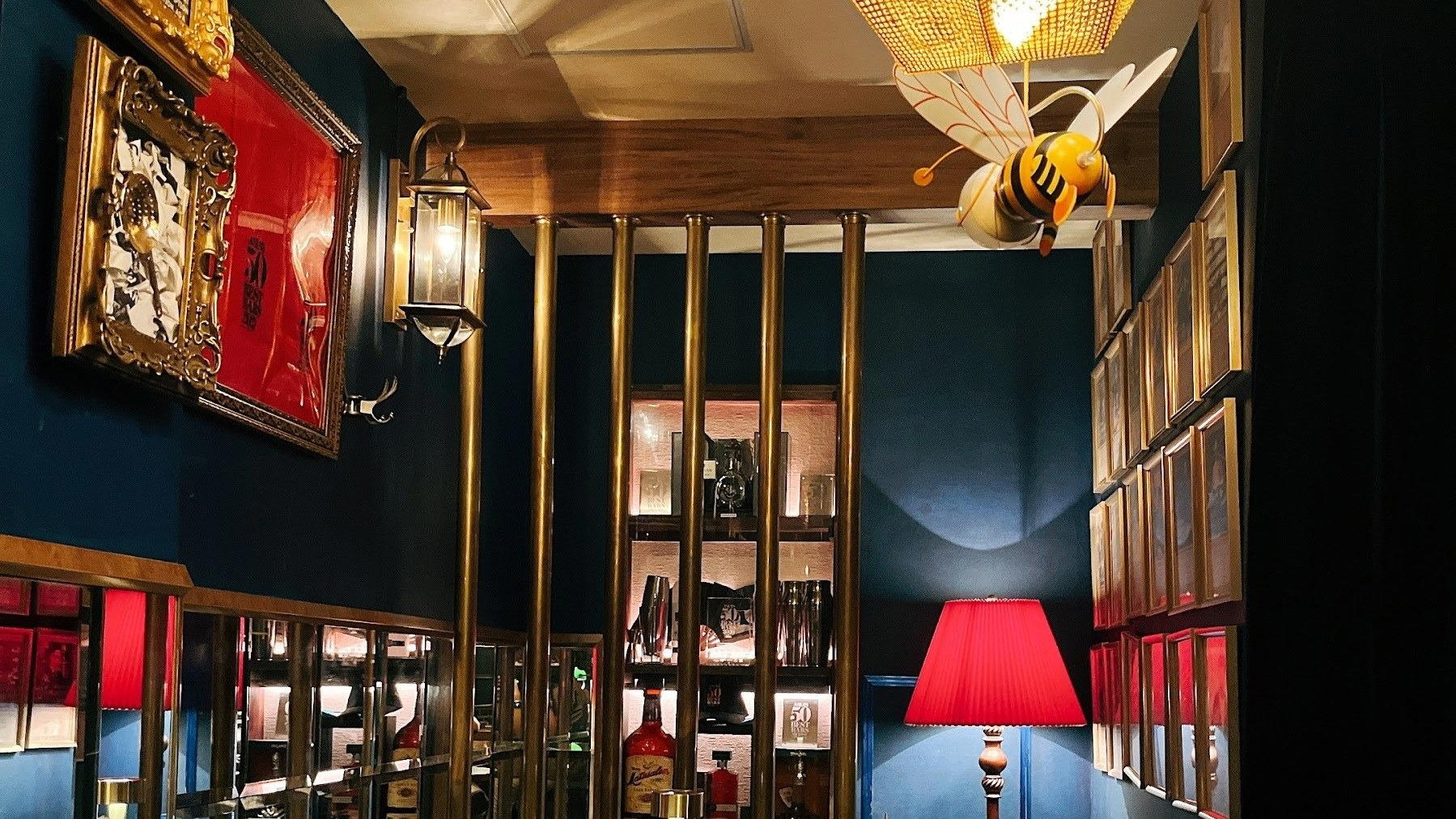
Bars in Kyoto
All bars in Kyoto →
Hotels in Kyoto
All hotels in Kyoto →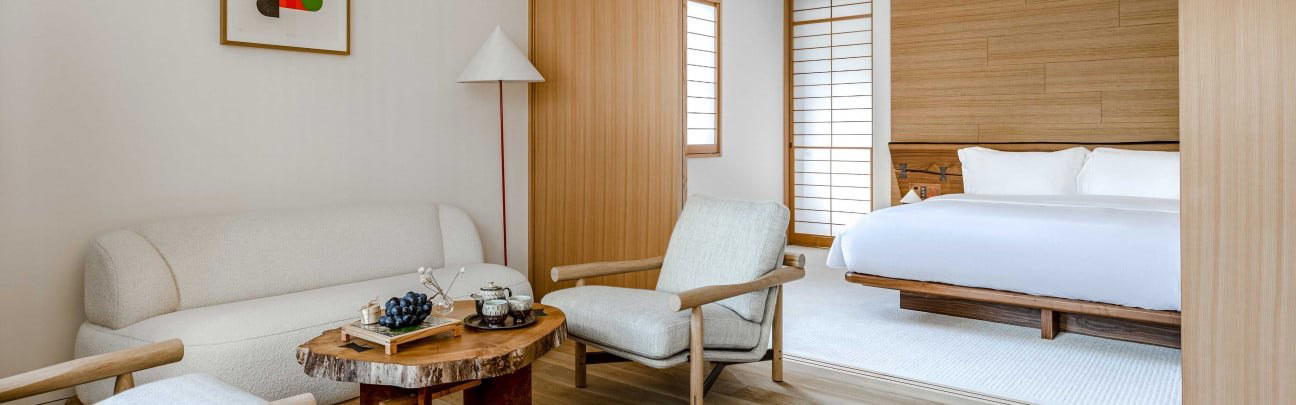
Wineries in Kyoto
Browse all →
Details
- Cozy
- Intimate
- Modern
- Date Night
- Business Dinner
- Group Dining
- Family
- Special Occasion
- Private Dining
- Standalone
- Sake Program
- A La Carte
- Set Menu
- Sake
- Beer
- Highballs
Current opening hours
- Monday
- 1–11 PM
- Tuesday
- 1–11 PM
- Wednesday
- 1–11 PM
- Thursday
- 1–11 PM
- Friday
- 1–11 PM
- Saturday
- 1–11 PM
- Sunday
- 1–11 PM
Hours can change for holidays and private events. Hours as of .
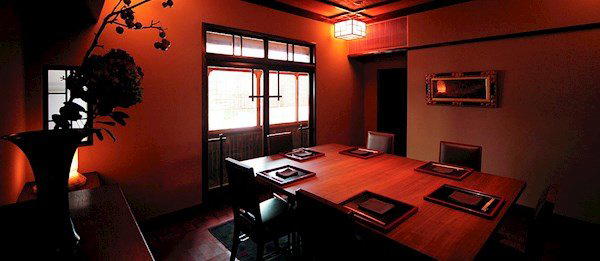
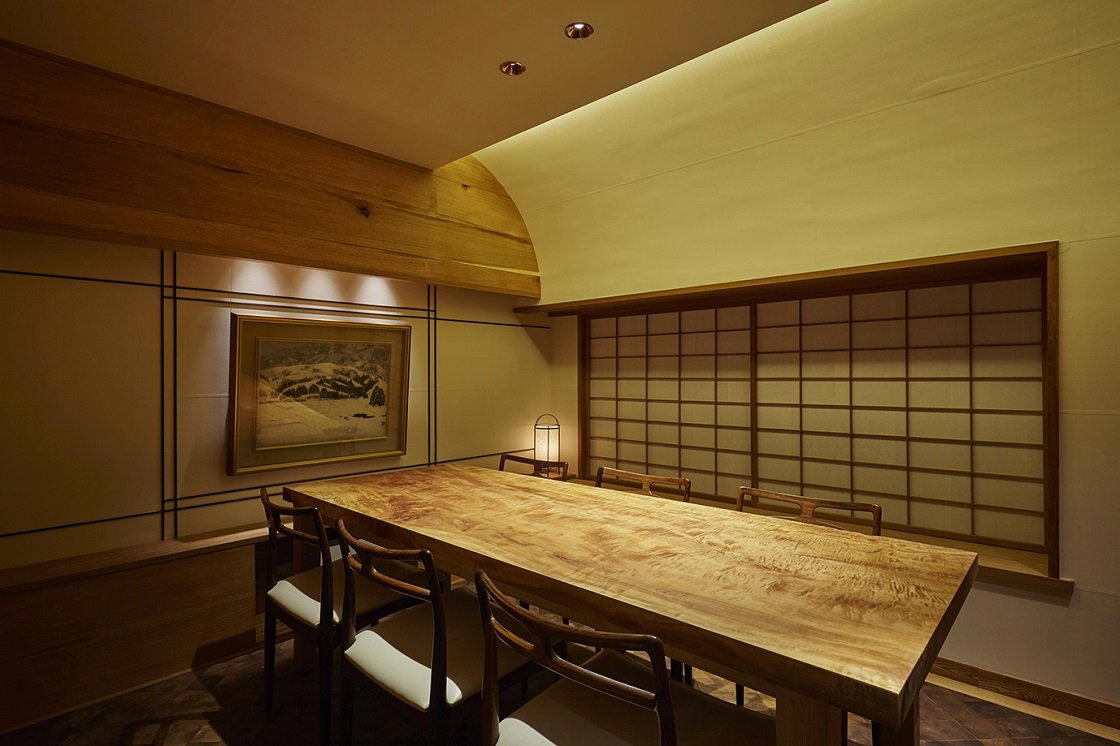
An intimate, reservation-only yakiniku dining room in Gion with a discreet, hidden entrance, limited seating and private rooms, offering a calm, cozy atmosphere where guests linger over premium Kuroge Wagyu fillet courses while staff provide attentive, welcoming service.