.png)
<h2>Queen Street East and the Case for Playful Seriousness</h2><p>Queen Street East has long operated at a different register than Toronto's more decorated dining corridors. Where King West accumulates expense-account ambitions and the downtown core hosts tasting-menu formalism, the stretch around Leslieville and Riverside sustains a neighborhood-scale energy that rewards curiosity over status-seeking. Ricky + Olivia, at 996 Queen St. E, fits that character without apology. The room announces itself through eclecticism: distinct areas with whimsical touches that resist any single design category. What you encounter is a space that treats atmosphere as a form of argument, suggesting the evening ahead will not follow predictable scripts.</p><h2>A Menu Built on Referential Play</h2><p>The cooking at Ricky + Olivia belongs to a category Toronto has been developing quietly for several years: technically grounded food that takes its emotional cues from nostalgia and wit rather than ceremony. Chefs Ricky Casipe and Olivia Simpson have built a menu that acknowledges the broader dining world around it, with dishes that carry subtle nods to childhood favorites and deliberate references to other restaurants. This is not parody; it reads as a form of culinary literacy, the way a jazz musician might quote a standard mid-solo.</p><p>The carrot and ice cream plate illustrates the approach directly. Roasted carrot arrives with chickpeas, topped by bay leaf ice cream over melted brie. The combination resists easy categorization but apparently functions on the plate, the kind of dish where internal logic overrides menu-description skepticism. Elsewhere, the format shifts from composed plates to shareable starters, tartares and dips for the table, then a middle register of burgers and turnip cakes, and proteins like kofta finished with rhubarb yogurt sauce. The range is wide without becoming incoherent, which is a harder balance to strike than it appears.</p><p>For context on Toronto's broader restaurant range, [Alo (Contemporary)](https://www.enprimeurclub.com/restaurants/alo-toronto-restaurant) and [Sushi Masaki Saito (Sushi, Japanese)](https://www.enprimeurclub.com/restaurants/sushi-masaki-saito-toronto-restaurant) anchor the formal, multi-course end of the city's dining spectrum. [Aburi Hana (Kaiseki, Japanese)](https://www.enprimeurclub.com/restaurants/aburi-hana-toronto-restaurant) and [DaNico (Italian)](https://www.enprimeurclub.com/restaurants/danico-toronto-restaurant) occupy a similarly considered tier. Ricky + Olivia operates in a different register entirely, where the format is casual-shareable and the intelligence is embedded in the cooking rather than the ceremony. That is not a lesser category; it is a distinct one, and Toronto has enough of the latter that a restaurant doing the former well earns its place clearly.</p><h2>The Wine Program in Context</h2><p>The editorial angle assigned to this page is wine, and that is worth examining honestly given what the database record contains and does not contain. The venue data does not detail a wine list, a sommelier, or a cellar philosophy at Ricky + Olivia. What the menu profile does suggest is a kitchen interested in contrast and acidity: rhubarb yogurt, brie, bay leaf ice cream, chickpea earthiness. These are flavors that reward wines with some tension in them, bottles that push back rather than comply.</p><p>Queen Street East restaurants have generally built their wine offerings to match their room energy rather than to perform for critics. In a city where the serious cellar conversation happens at places like [Don Alfonso 1890 (Contemporary Italian, Italian)](https://www.enprimeurclub.com/restaurants/don-alfonso-1890-toronto-restaurant) or, outside Toronto, at [Restaurant Pearl Morissette in Lincoln](https://www.enprimeurclub.com/restaurants/restaurant-pearl-morissette-lincoln-restaurant), a neighborhood room like Ricky + Olivia is more likely to pour toward flexibility and value than depth and vertical breadth. Whether the program here reflects that pattern specifically is not confirmed by the available data, and representing it otherwise would be speculation. What prospective guests should do is treat the wine list as a question to bring to the room rather than an assumption to arrive with.</p><p>For those building a broader Ontario wine picture before visiting, [Restaurant Pearl Morissette](https://www.enprimeurclub.com/restaurants/restaurant-pearl-morissette-lincoln-restaurant) in the Niagara Peninsula runs one of the province's most rigorously considered natural wine programs, and the contrast with a lively Queen East room makes for an instructive comparison of how wine service scales across format types.</p><h2>Where Ricky + Olivia Fits in Canada's Casual-Serious Tier</h2><p>Across Canada, the restaurants doing the most interesting work in casual-format cooking tend to cluster around a specific set of qualities: menus that reward repeat visits because the combinations shift, rooms where the energy matters as much as the food, and kitchens that maintain technical seriousness without requiring tablecloth formality. [AnnaLena in Vancouver](https://www.enprimeurclub.com/restaurants/annalena-vancouver-restaurant) is a peer example from the west coast. [Jérôme Ferrer - Europea in Montréal](https://www.enprimeurclub.com/restaurants/jrme-ferrer-europea-montral-restaurant) and [Tanière³ in Quebec City](https://www.enprimeurclub.com/restaurants/tanire-qubec-city-restaurant) operate at higher formality thresholds, but the broader Canadian dining conversation they participate in is the same one that makes a place like Ricky + Olivia legible to a traveled reader. [Narval in Rimouski](https://www.enprimeurclub.com/restaurants/narval-rimouski-restaurant) and [The Pine in Creemore](https://www.enprimeurclub.com/restaurants/the-pine-creemore-restaurant) extend that pattern into smaller Canadian markets. The international reference points worth holding are [Le Bernardin in New York City](https://www.enprimeurclub.com/restaurants/le-bernardin) for what maximum formality looks like, and [Emeril's in New Orleans](https://www.enprimeurclub.com/restaurants/emerils-new-orleans-restaurant) for how American casualness with culinary ambition has historically tracked.</p><h2>Planning Your Visit</h2><p>Ricky + Olivia sits at 996 Queen St. E in Toronto's east end, accessible by the 501 Queen streetcar. The venue data does not confirm current hours or a booking platform, so verifying both before visiting is advisable, particularly for weekend evenings when neighborhood rooms on this stretch tend to fill quickly. The format, shareable appetizers moving into individual plates, is suited to groups of two to four. Larger tables may want to confirm whether the room accommodates them. Guests with specific dietary restrictions or allergy concerns should contact the venue directly rather than relying on a third-party summary, as the available database record does not include allergy information.</p><p>For a fuller picture of where Ricky + Olivia sits within Toronto's restaurant ecosystem, see our [full Toronto restaurants guide](https://www.enprimeurclub.com/restaurants/toronto). The city's [hotels guide](https://www.enprimeurclub.com/hotels/toronto), [bars guide](https://www.enprimeurclub.com/bars/toronto), [wineries guide](https://www.enprimeurclub.com/wineries/toronto), and [experiences guide](https://www.enprimeurclub.com/experiences/toronto) round out the planning picture for a longer stay.</p><h2>Frequently Asked Questions</h2><dl><dt>What do people recommend at Ricky + Olivia?</dt><dd>The dishes that recur most in descriptions of the restaurant include the roasted carrot with bay leaf ice cream and melted brie, which functions as a signature of the kitchen's approach to unexpected combinations. Shareable starters like tartares and dips suit the format, while the kofta with rhubarb yogurt sauce represents the more composed end of the menu. The cooking by Chefs Ricky Casipe and Olivia Simpson draws on nostalgic references filtered through technical preparation, so most dishes carry a second layer of intent worth paying attention to.</dd><dt>Do I need a reservation for Ricky + Olivia?</dt><dd>The venue data does not confirm a booking platform or specific reservation policy, but neighborhood restaurants of this profile on Queen Street East tend to fill on Friday and Saturday evenings. Given that, booking ahead is the more dependable approach, particularly for groups of three or more. Contacting the venue directly to confirm current booking method is the most reliable step before visiting.</dd><dt>What do critics highlight about Ricky + Olivia?</dt><dd>The available descriptions of the restaurant emphasize the word "fun" as a defining quality, along with the kitchen's use of nostalgic references and playful nods to other restaurants as a form of culinary dialogue. The eclectic room design, which includes distinct areas with whimsical elements, receives consistent mention alongside the cooking. The combination places Ricky + Olivia in a tier of Toronto restaurants where atmosphere and menu intelligence are treated as equally important components of the experience.</dd><dt>Is Ricky + Olivia allergy-friendly?</dt><dd>The available venue data does not include specific allergy or dietary accommodation information. For accurate detail on allergens or menu modifications, contact the restaurant directly. Toronto's dining scene broadly maintains a high standard of allergy awareness, but confirming specifics with any individual venue before arrival is the standard approach.</dd><dt>How does Ricky + Olivia compare to other playful, casual-format restaurants in Toronto?</dt><dd>Toronto's casual-serious tier has expanded considerably in recent years, but Ricky + Olivia occupies a distinct position within it, using menu references to other restaurants and childhood nostalgia as an organizing principle rather than pure technique or single-cuisine focus. The eclectic room design reinforces that the kitchen's irreverence is a deliberate stance. For comparison, [Alo](https://www.enprimeurclub.com/restaurants/alo-toronto-restaurant) and the city's Japanese fine-dining tier represent the formal end of the spectrum; Ricky + Olivia makes its case at the opposite end without sacrificing cooking seriousness.</dd></dl>

Queen Street East and the Case for Playful Seriousness
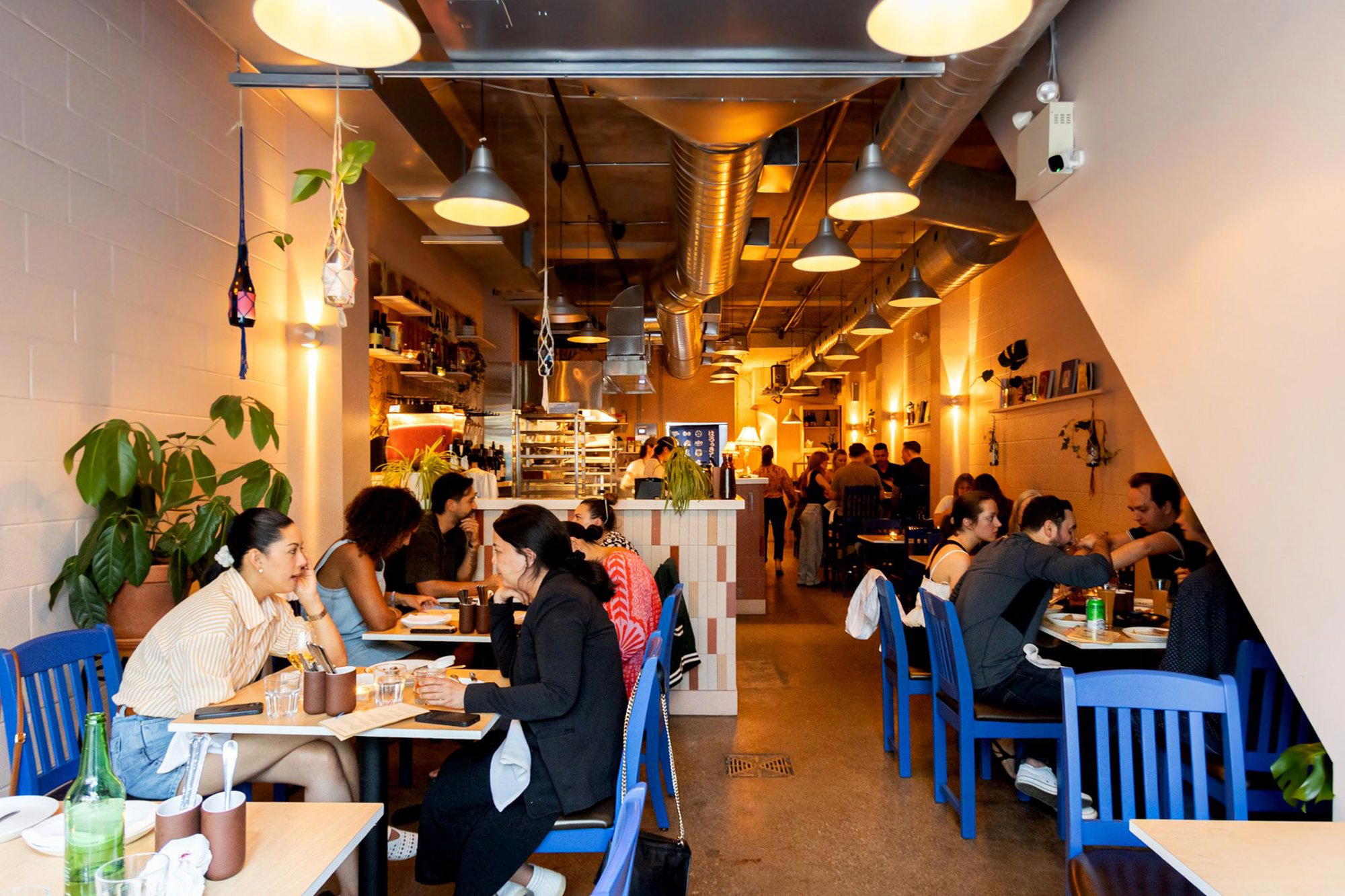
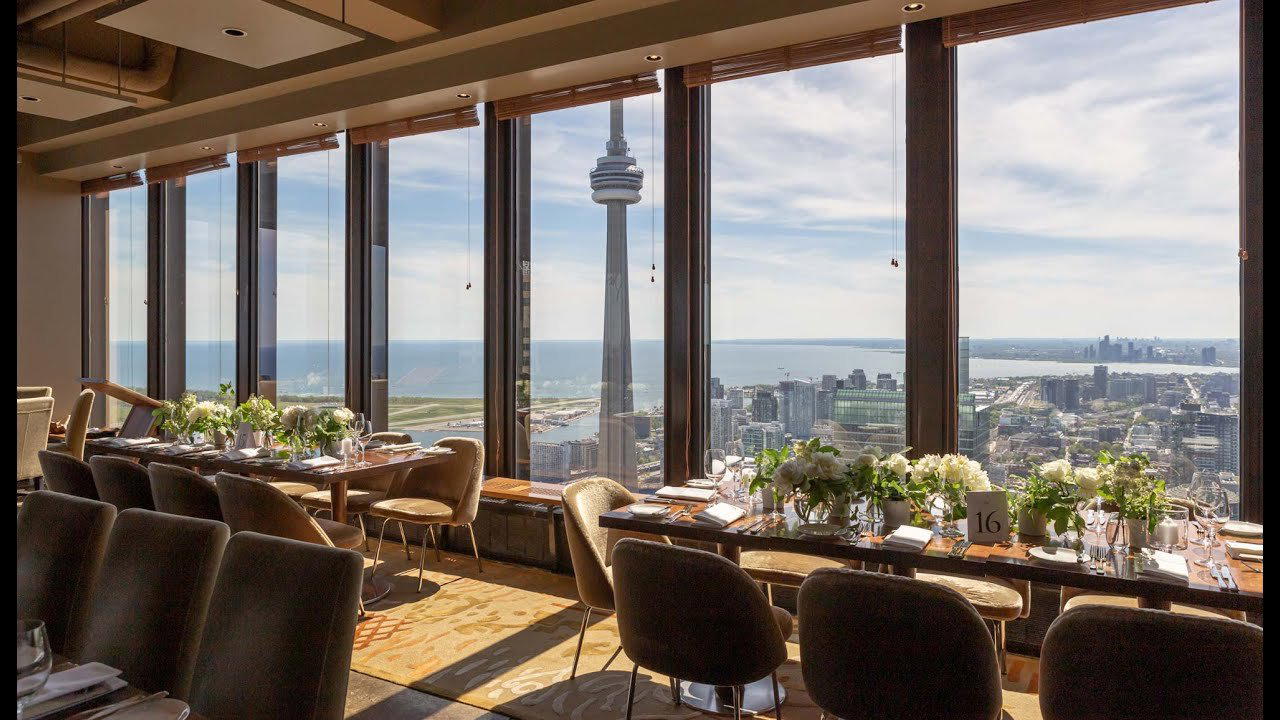
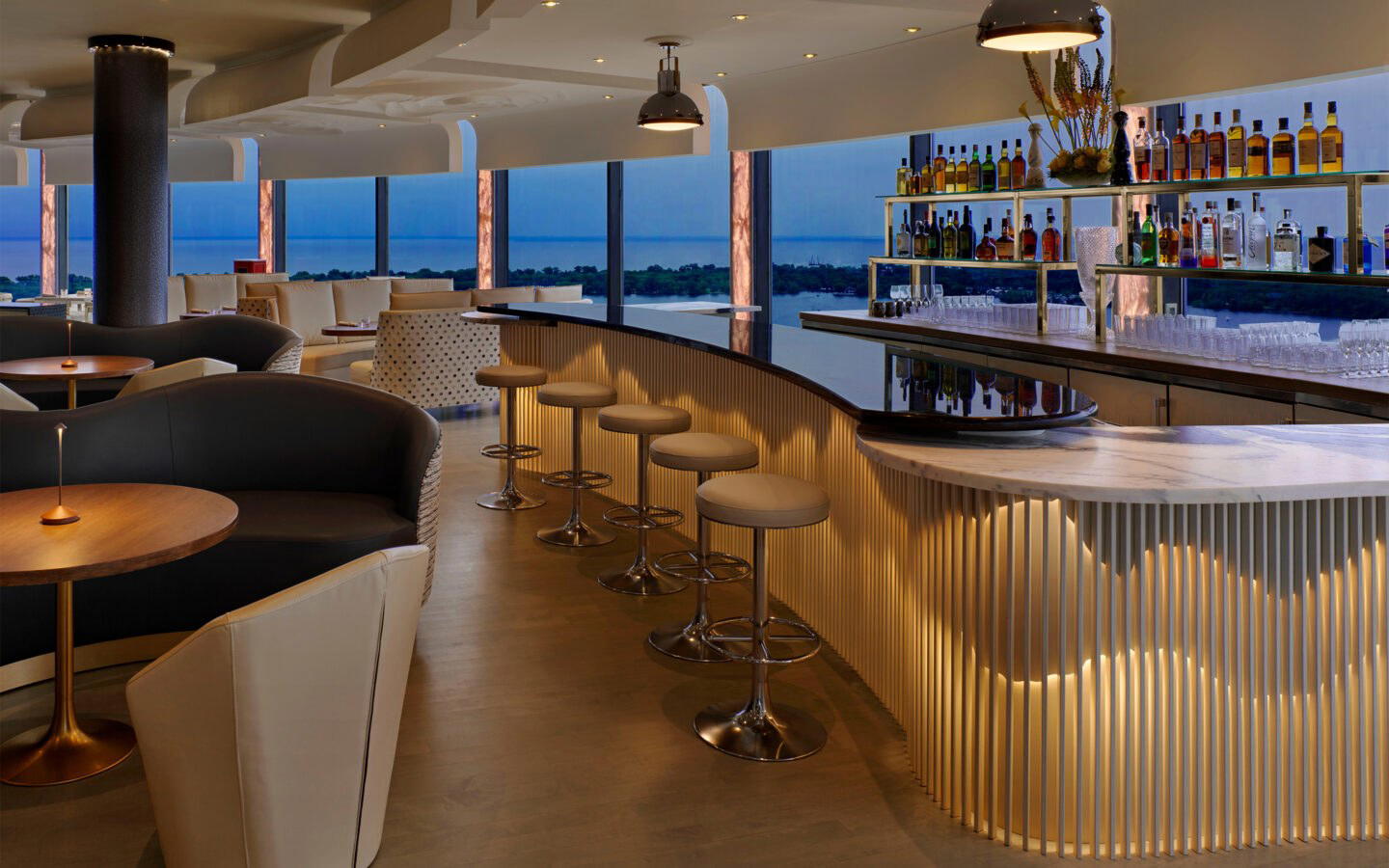
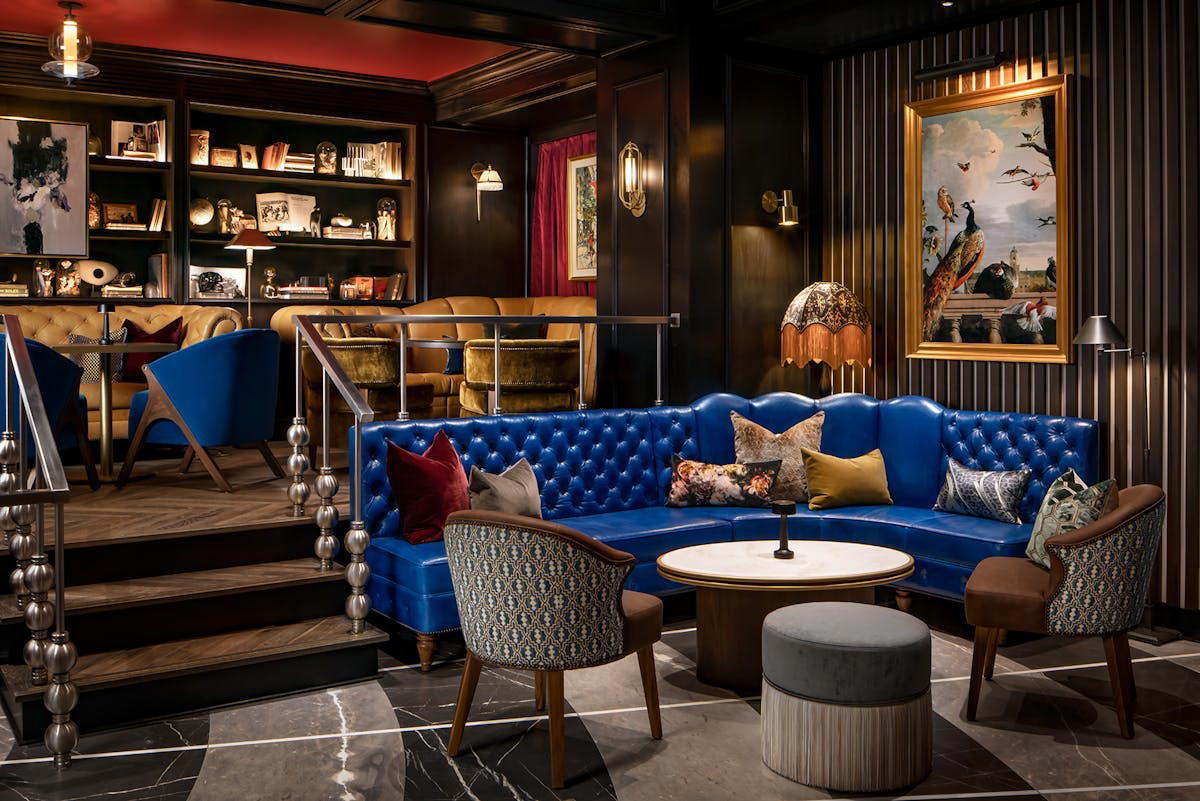
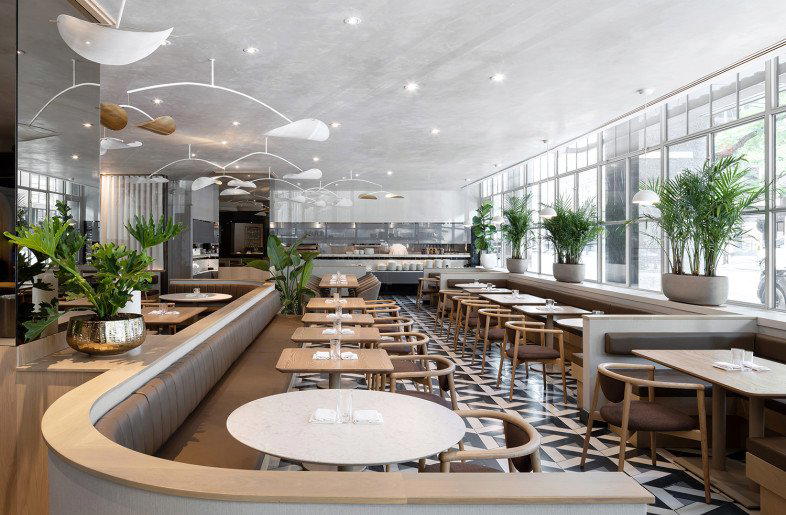
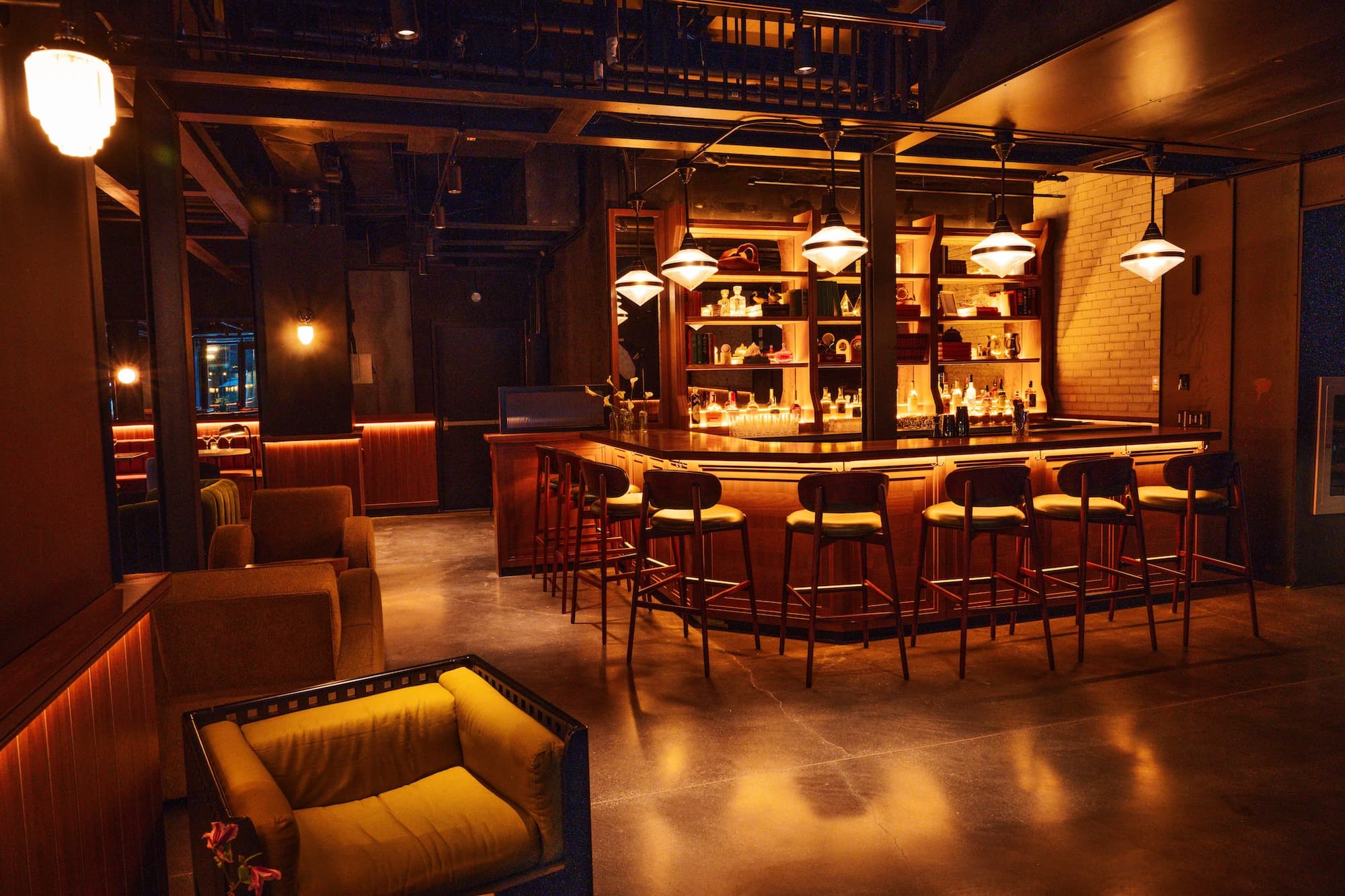
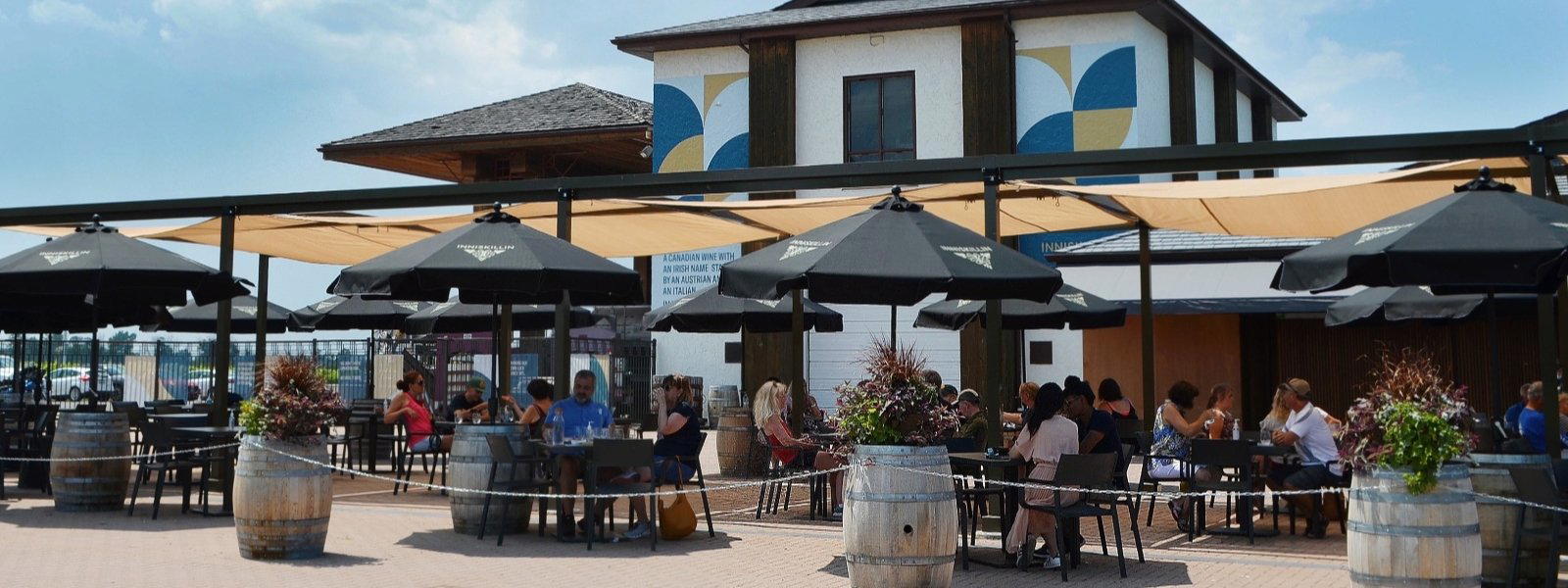
Queen Street East has long operated at a different register than Toronto's more decorated dining corridors. Where King West accumulates expense-account ambitions and the downtown core hosts tasting-menu formalism, the stretch around Leslieville and Riverside sustains a neighborhood-scale energy that rewards curiosity over status-seeking. Ricky + Olivia, at 996 Queen St. E, fits that character without apology. The room announces itself through eclecticism: distinct areas with whimsical touches that resist any single design category. What you encounter is a space that treats atmosphere as a form of argument, suggesting the evening ahead will not follow predictable scripts.
A Menu Built on Referential Play
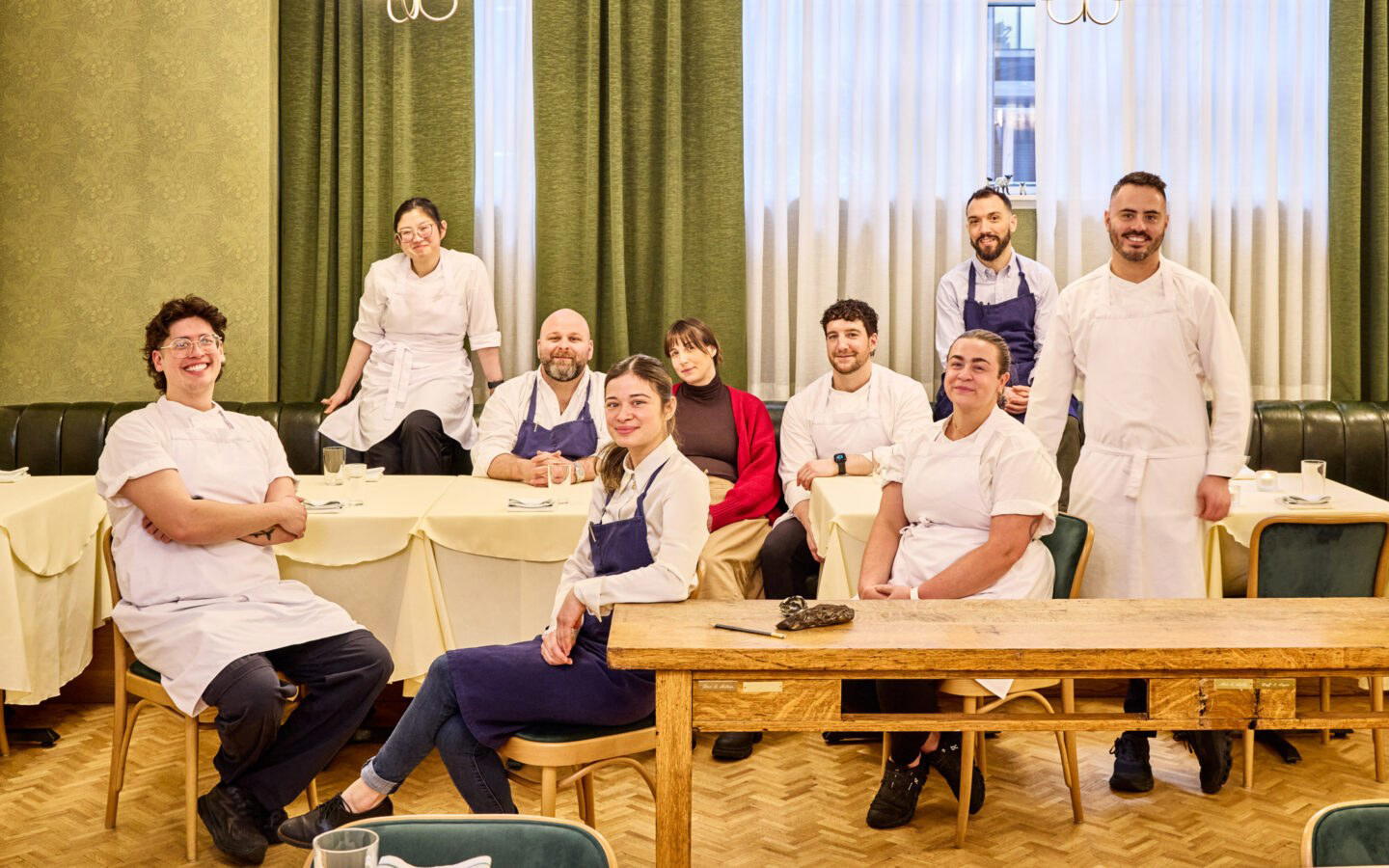
The cooking at Ricky + Olivia belongs to a category Toronto has been developing quietly for several years: technically grounded food that takes its emotional cues from nostalgia and wit rather than ceremony. Chefs Ricky Casipe and Olivia Simpson have built a menu that acknowledges the broader dining world around it, with dishes that carry subtle nods to childhood favorites and deliberate references to other restaurants. This is not parody; it reads as a form of culinary literacy, the way a jazz musician might quote a standard mid-solo.
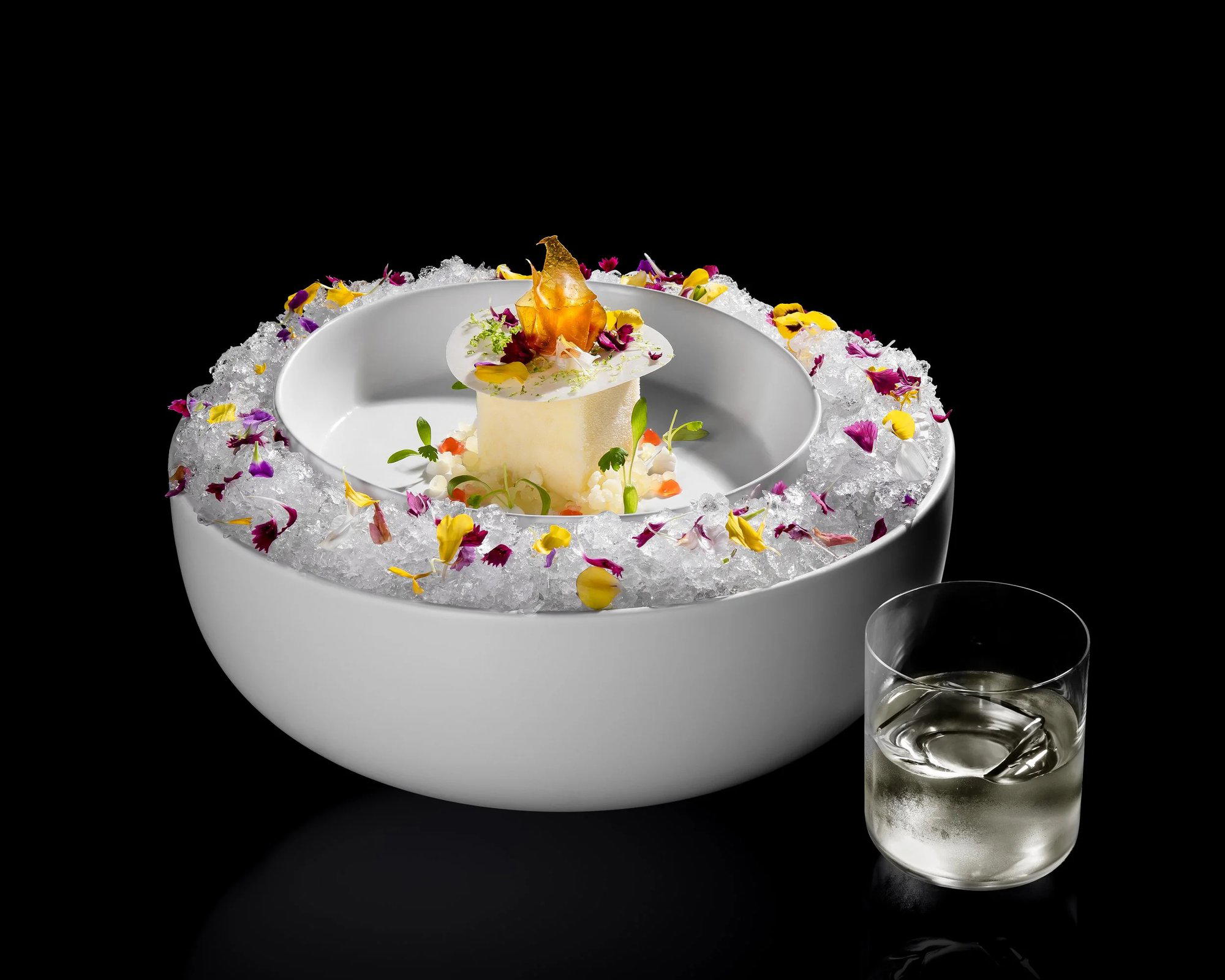
The carrot and ice cream plate illustrates the approach directly. Roasted carrot arrives with chickpeas, topped by bay leaf ice cream over melted brie. The combination resists easy categorization but apparently functions on the plate, the kind of dish where internal logic overrides menu-description skepticism. Elsewhere, the format shifts from composed plates to shareable starters, tartares and dips for the table, then a middle register of burgers and turnip cakes, and proteins like kofta finished with rhubarb yogurt sauce. The range is wide without becoming incoherent, which is a harder balance to strike than it appears.
For context on Toronto's broader restaurant range, Alo (Contemporary) and Sushi Masaki Saito (Sushi, Japanese) anchor the formal, multi-course end of the city's dining spectrum. Aburi Hana (Kaiseki, Japanese) and DaNico (Italian) occupy a similarly considered tier. Ricky + Olivia operates in a different register entirely, where the format is casual-shareable and the intelligence is embedded in the cooking rather than the ceremony. That is not a lesser category; it is a distinct one, and Toronto has enough of the latter that a restaurant doing the former well earns its place clearly.
The Wine Program in Context
The editorial angle assigned to this page is wine, and that is worth examining honestly given what the database record contains and does not contain. The venue data does not detail a wine list, a sommelier, or a cellar philosophy at Ricky + Olivia. What the menu profile does suggest is a kitchen interested in contrast and acidity: rhubarb yogurt, brie, bay leaf ice cream, chickpea earthiness. These are flavors that reward wines with some tension in them, bottles that push back rather than comply.
Queen Street East restaurants have generally built their wine offerings to match their room energy rather than to perform for critics. In a city where the serious cellar conversation happens at places like Don Alfonso 1890 (Contemporary Italian, Italian) or, outside Toronto, at Restaurant Pearl Morissette in Lincoln, a neighborhood room like Ricky + Olivia is more likely to pour toward flexibility and value than depth and vertical breadth. Whether the program here reflects that pattern specifically is not confirmed by the available data, and representing it otherwise would be speculation. What prospective guests should do is treat the wine list as a question to bring to the room rather than an assumption to arrive with.
For those building a broader Ontario wine picture before visiting, Restaurant Pearl Morissette in the Niagara Peninsula runs one of the province's most rigorously considered natural wine programs, and the contrast with a lively Queen East room makes for an instructive comparison of how wine service scales across format types.
Where Ricky + Olivia Fits in Canada's Casual-Serious Tier
Across Canada, the restaurants doing the most interesting work in casual-format cooking tend to cluster around a specific set of qualities: menus that reward repeat visits because the combinations shift, rooms where the energy matters as much as the food, and kitchens that maintain technical seriousness without requiring tablecloth formality. AnnaLena in Vancouver is a peer example from the west coast. Jérôme Ferrer - Europea in Montréal and Tanière³ in Quebec City operate at higher formality thresholds, but the broader Canadian dining conversation they participate in is the same one that makes a place like Ricky + Olivia legible to a traveled reader. Narval in Rimouski and The Pine in Creemore extend that pattern into smaller Canadian markets. The international reference points worth holding are Le Bernardin in New York City for what maximum formality looks like, and Emeril's in New Orleans for how American casualness with culinary ambition has historically tracked.
Planning Your Visit
Ricky + Olivia sits at 996 Queen St. E in Toronto's east end, accessible by the 501 Queen streetcar. The venue data does not confirm current hours or a booking platform, so verifying both before visiting is advisable, particularly for weekend evenings when neighborhood rooms on this stretch tend to fill quickly. The format, shareable appetizers moving into individual plates, is suited to groups of two to four. Larger tables may want to confirm whether the room accommodates them. Guests with specific dietary restrictions or allergy concerns should contact the venue directly rather than relying on a third-party summary, as the available database record does not include allergy information.
For a fuller picture of where Ricky + Olivia sits within Toronto's restaurant ecosystem, see our full Toronto restaurants guide. The city's hotels guide, bars guide, wineries guide, and experiences guide round out the planning picture for a longer stay.
Frequently Asked Questions
- What do people recommend at Ricky + Olivia?
- The dishes that recur most in descriptions of the restaurant include the roasted carrot with bay leaf ice cream and melted brie, which functions as a signature of the kitchen's approach to unexpected combinations. Shareable starters like tartares and dips suit the format, while the kofta with rhubarb yogurt sauce represents the more composed end of the menu. The cooking by Chefs Ricky Casipe and Olivia Simpson draws on nostalgic references filtered through technical preparation, so most dishes carry a second layer of intent worth paying attention to.
- Do I need a reservation for Ricky + Olivia?
- The venue data does not confirm a booking platform or specific reservation policy, but neighborhood restaurants of this profile on Queen Street East tend to fill on Friday and Saturday evenings. Given that, booking ahead is the more dependable approach, particularly for groups of three or more. Contacting the venue directly to confirm current booking method is the most reliable step before visiting.
- What do critics highlight about Ricky + Olivia?
- The available descriptions of the restaurant emphasize the word "fun" as a defining quality, along with the kitchen's use of nostalgic references and playful nods to other restaurants as a form of culinary dialogue. The eclectic room design, which includes distinct areas with whimsical elements, receives consistent mention alongside the cooking. The combination places Ricky + Olivia in a tier of Toronto restaurants where atmosphere and menu intelligence are treated as equally important components of the experience.
- Is Ricky + Olivia allergy-friendly?
- The available venue data does not include specific allergy or dietary accommodation information. For accurate detail on allergens or menu modifications, contact the restaurant directly. Toronto's dining scene broadly maintains a high standard of allergy awareness, but confirming specifics with any individual venue before arrival is the standard approach.
- How does Ricky + Olivia compare to other playful, casual-format restaurants in Toronto?
- Toronto's casual-serious tier has expanded considerably in recent years, but Ricky + Olivia occupies a distinct position within it, using menu references to other restaurants and childhood nostalgia as an organizing principle rather than pure technique or single-cuisine focus. The eclectic room design reinforces that the kitchen's irreverence is a deliberate stance. For comparison, Alo and the city's Japanese fine-dining tier represent the formal end of the spectrum; Ricky + Olivia makes its case at the opposite end without sacrificing cooking seriousness.
Price Lens
A quick context table based on similar venues in our dataset.
| Venue | Price | Awards | Notes |
|---|---|---|---|
| Ricky + Olivia | If you had to describe Ricky + Olivia in one word, it would undoubtedly be "… | This venue | |
| Alo | $$$$ | Michelin 1 Star | Contemporary, $$$$ |
| Sushi Masaki Saito | $$$$ | Michelin 2 Star | Sushi, Japanese, $$$$ |
| Aburi Hana | $$$$ | Michelin 1 Star | Kaiseki, Japanese, $$$$ |
| Don Alfonso 1890 | $$$$ | Michelin 1 Star | Contemporary Italian, Italian, $$$$ |
| Edulis | $$$$ | Michelin 1 Star | Canadian, Mediterranean Cuisine, $$$$ |
Need a table?
Our members enjoy priority alerts and concierge-led booking support for the world's most difficult tables.
Get Exclusive Access