Reyes Mezcaleria

James Beard Award Semi Finalist
Our verdict
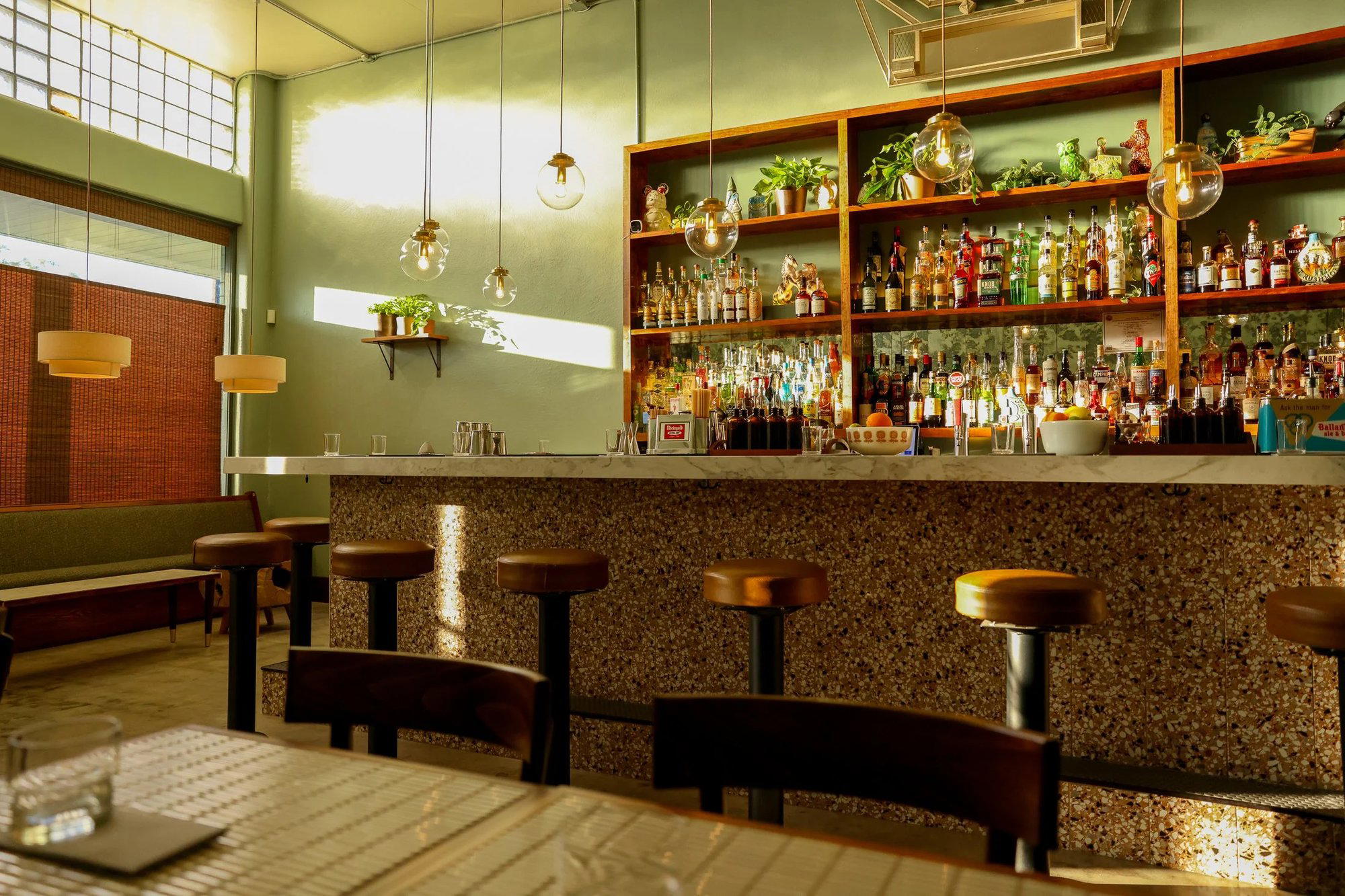
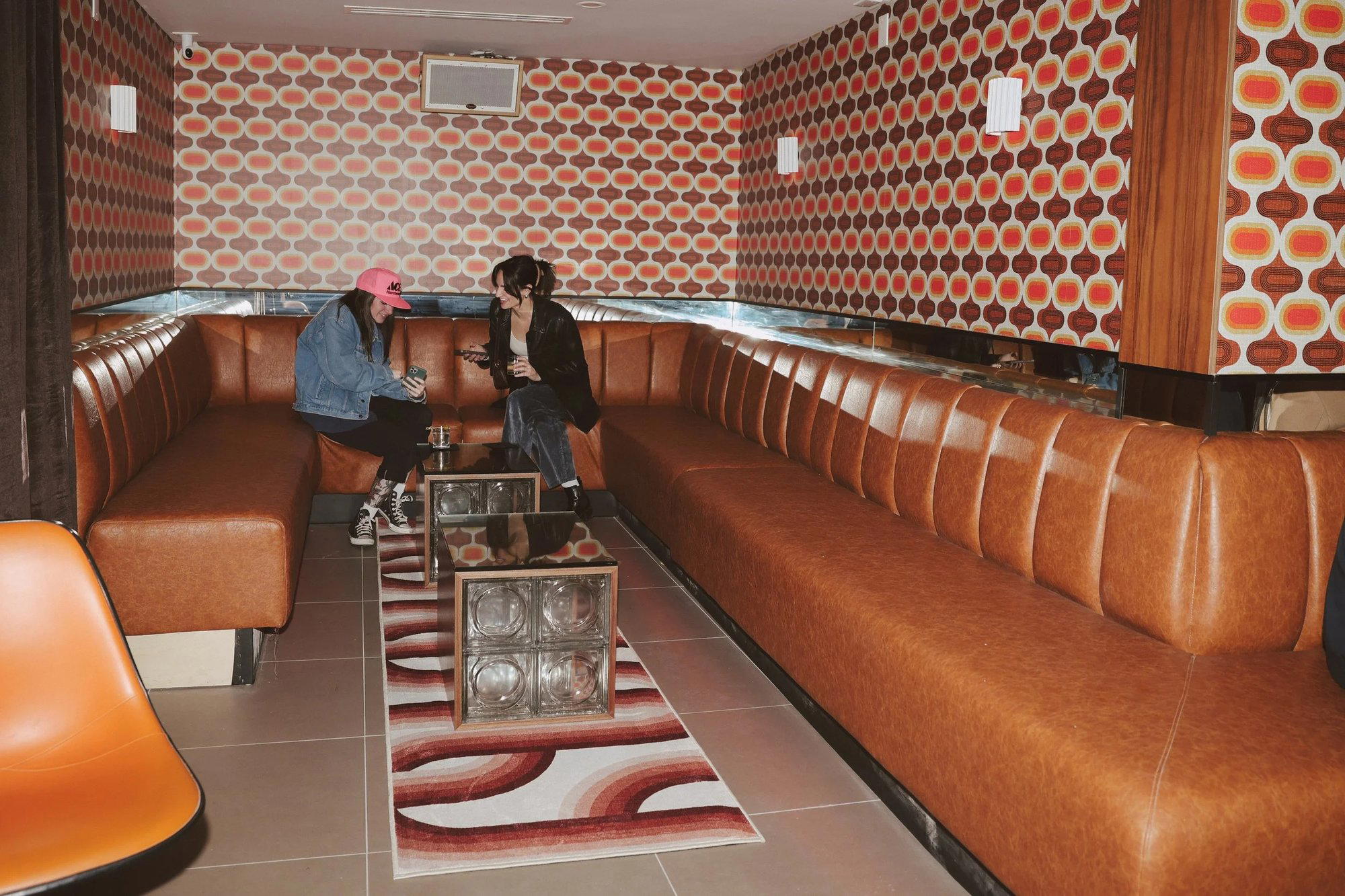
On North Orange Avenue, Reyes Mezcaleria brings agave-focused drinking culture to a stretch of Orlando that has steadily matured into one of the city's more considered nightlife corridors. The bar format centers mezcal as a category worth slowing down for, placing it alongside a dining scene that increasingly looks beyond theme park adjacency for its identity.

Pearl is the En Primeur Club membership app, where members save venues, book tables and use the concierge.
Agave, Ritual, and the Pace of North Orange Avenue
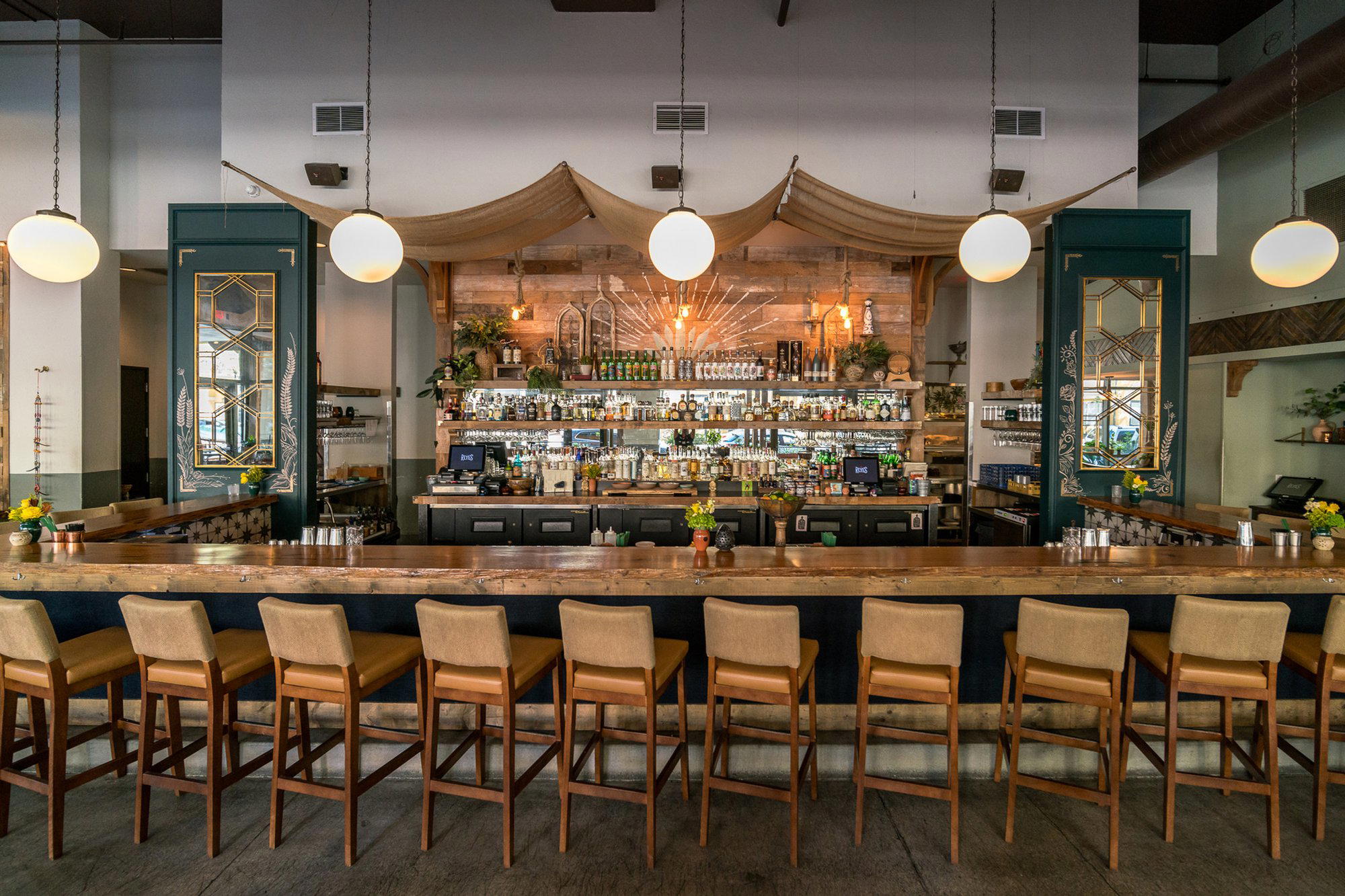
There is a particular rhythm to drinking mezcal well, and it has nothing to do with speed. The spirit demands attention in a way that tequila's smoother cousin rarely does: the smoke, the minerality, the way a good espadin or tobala opens differently at room temperature than it does straight from the freezer. Bars that understand this tend to organize their entire experience around that slower pace, and in Orlando, a city whose hospitality identity has long been shaped by volume and throughput, that restraint carries a point. Reyes Mezcaleria, on North Orange Avenue at 821 N Orange Ave, sits in a part of the city that has been accumulating serious food and drink operations over the past several years, positioning itself as a destination for drinkers who want more than a pour and a ticket stub.
The Mezcaleria Format and What It Demands of a Guest
The mezcaleria as a format has a distinct set of conventions. Unlike a cocktail bar where the bartender is largely invisible behind technique, or a wine bar where the list does the talking, a mezcaleria places education at the center of the transaction. Guests are expected to ask questions, to taste between expressions, to understand at least in passing that mezcal production involves a producer, a village, an agave variety, and a cooking method that may differ radically from the bottle standing next to it on the shelf. The ritual of ordering, in a room built for this conversation, becomes the point of the visit rather than a preamble to it.
This format has taken firmer hold in cities like Mexico City, Oaxaca, and Los Angeles over the past decade, as the category attracted serious collector interest and small-batch production gained critical mass in the export market. Its appearance in Orlando reflects a broader shift in the city's drinking culture, one that is pulling away from the frozen-drink volume model toward something more deliberate. Venues like Camille (Vietnamese) and Sorekara (Japanese) have demonstrated that Orlando diners will commit to formats built around craft and specificity. The mezcaleria fits that same trajectory.
Where North Orange Ave Stands in Orlando's Drinking Progression
North Orange Avenue has functioned as one of Orlando's primary bar corridors for years, though its character has shifted noticeably in the last half-decade. The stretch has moved from a largely volume-driven bar scene toward something with more distinct venues and sharper editorial points of view. This is the kind of neighbourhood progression common to mid-sized American cities where a single corridor concentrates enough density to attract operators willing to take risks on format. The arrival of an agave-specialist bar on this strip is consistent with that arc.
Orlando's broader dining and drinking scene is increasingly confident in its own identity, separate from the theme park infrastructure that still dominates most visitors' understanding of the city. That confidence is visible across price tiers and cuisine types, from the high-end steakhouse programming at Capa (Steakhouse) to the counter-format precision at Kadence (Japanese) and Natsu (Japanese). A mezcaleria that takes its category seriously belongs to that same conversation about what the city's hospitality scene is capable of producing. For a broader map of how these venues connect, our full Orlando restaurants guide provides the necessary context.
Drinking Mezcal: A Short Primer on Pace and Etiquette
For guests approaching mezcal as a category for the first time, a few conventions shape the experience. Mezcal is typically served neat, at room temperature, in a small clay copita or a narrow-mouthed glass that concentrates the aromatics. Sipping, not shooting, is the expected register. Many producers recommend leaving the glass for a minute before the first taste, allowing volatile compounds to settle. Alongside the spirit, sliced citrus and sal de gusano (a seasoned worm salt) often appear as palate references rather than mixers. The intention is to keep the spirit's own complexity legible.
A well-run mezcaleria will generally organize its list by agave variety, then by region, then by production method. The conversation between guest and bartender is not supplementary; it is the mechanism through which the right bottle reaches the right person. This is a very different social contract from ordering a cocktail, and guests who arrive prepared to participate in that exchange tend to have a better time. Arriving with a rough sense of whether you prefer smoke-forward or more floral expressions gives the bartender something to work with.
Orlando in a National Frame
Orlando does not yet sit alongside Chicago or New York or San Francisco in terms of the density of serious independent food and drink operations, but the gap has narrowed. The kind of editorial attention that restaurants like Alinea in Chicago, Lazy Bear in San Francisco, or Le Bernardin in New York City attract speaks to cities with long-established fine dining ecosystems. Orlando's independent scene is younger and less concentrated, but operators in the city are increasingly making programming decisions that reference national trends rather than simply local demand. A mezcaleria that takes producer sourcing and agave variety seriously is operating with that national frame in mind, even if it sits on a Florida avenue rather than a Oaxacan side street.
Other reference points in that national conversation include Providence in Los Angeles, Addison in San Diego, Blue Hill at Stone Barns in Tarrytown, Single Thread Farm in Healdsburg, The French Laundry in Napa, The Inn at Little Washington, Atomix in New York City, Emeril's in New Orleans, and 8 1/2 Otto e Mezzo Bombana in Hong Kong. These venues define a tier of programming seriousness that Orlando's leading independent operators are increasingly aware of, even as they build toward it from a different starting position.
Know Before You Go
| Address | 821 N Orange Ave, Orlando, FL 32801 |
|---|---|
| Neighbourhood | North Orange Avenue corridor, Orlando |
| Category | Mezcaleria / Agave bar |
| Reservations | Confirm current booking policy directly with the venue |
| Hours | Confirm current hours directly with the venue |
| Price range | Confirm current pricing directly with the venue |
Frequently asked questions
Where is Reyes Mezcaleria located?
Reyes Mezcaleria is located at 821 N Orange Ave, Orlando, FL 32801, Orlando.
What's the must-try at Reyes Mezcaleria?
Reyes is a mezcaleria, so the focus is on the spirit itself rather than food. The natural entry point is a neat pour chosen from the agave selection, the bar's format is designed around that kind of attentive, unhurried drinking rather than cocktail-led ordering. Ask the bartender to guide the selection based on your familiarity with the category.
How hard is it to get a table at Reyes Mezcaleria?
Reyes sits on North Orange Avenue at 821 N Orange Ave, one of Orlando's primary bar corridors, which means foot traffic peaks on weekends. Weekday visits tend to allow for a more focused, bar-seat experience.
What's Reyes Mezcaleria best at?
Reyes Mezcaleria is best approached by focusing on the core concept and signature offerings.
Can Reyes Mezcaleria handle vegetarian requests?
Mezcalerias as a format are primarily drink destinations, and Reyes fits that template at 821 N Orange Ave, Orlando.
Is Reyes Mezcaleria good value for money?
Pricing details aren't on record, but mezcal bars as a category carry a premium over standard spirits bars, quality agave distillates, particularly those from small producers, command higher wholesale costs that show on the menu. Within Orlando's North Orange Avenue corridor, Reyes occupies a more specialist position than volume-driven bars, which typically means the value case rests on selection depth rather than price per pour.
Standing Among Peers
Comparable venues nearby, for context on price, style, and recognition.
| Venue | Cuisine | Price | Awards | Notes |
|---|---|---|---|---|
| Reyes MezcaleriaThis venue (the venue you are viewing) | Modern Regional Mexican | $30–50 | James Beard Award Semi Finalist | Not listed |
| Cantina Catrina Orlando | Traditional Mexican Scratch Kitchen | $20–30 | Not listed | The Florida Mall area |
| Atlantic Restaurant | Modern surf-and-turf seafood in a Victorian undersea aquarium setting | $50–100 | Not listed | Universal Epic Universe – Celestial Park |
| Lamp & Shade Craft Kitchen and Cocktails | Pan-Asian Fusion | $50–100 | Not listed | Mills 50 |
| Sixty Vines | Wine Country Inspired American | $50–100 | Not listed | Little Sand Lake |
| Palm Tree Club Orlando | Upscale Coastal Cuisine | Not listed | Not listed | Pointe Orlando |
Recognition history
Dated appearances from independent guides and award organizations, with the underlying list record or original source where available.
James Beard Award Semi Finalist
James Beard Award
Full recognition history (2 entries)
James Beard Award Semi Finalist
James Beard Award