Our verdict
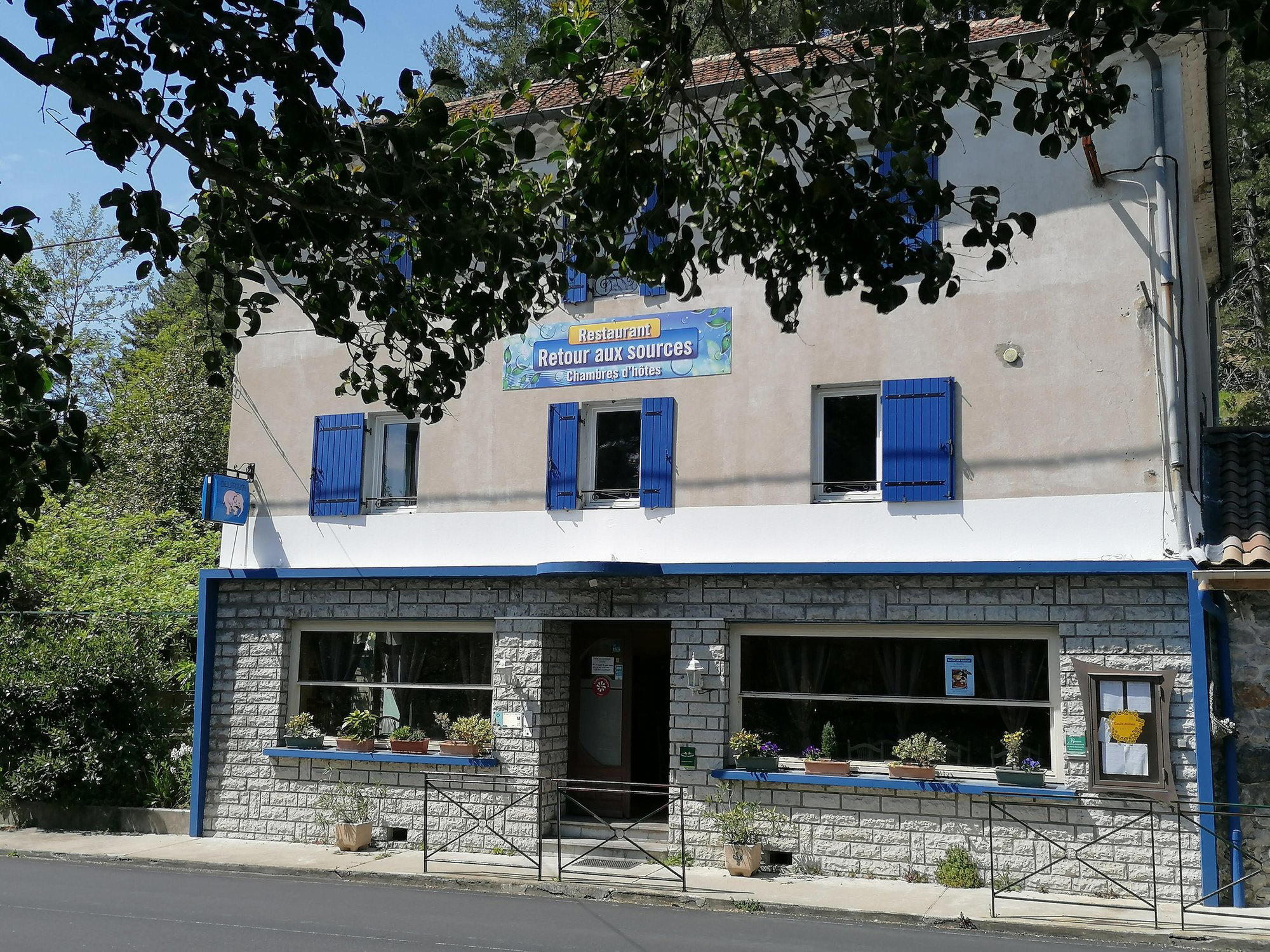
Retour aux Sources sits along the Route de la Fontaulière in Meyras, in the volcanic Ardèche, where the region's thermal springs and highland agriculture define what ends up on the plate. The name, 'return to the source', is less a marketing slogan than a geographic statement: the sourcing here begins close to home, shaped by one of France's more distinctive rural larders.

Pearl is the En Primeur Club membership app, where members save venues, book tables and use the concierge.
The menu
What to order
- Foie gras
- Fin gras du Mézenc
- Blueberry tart
Where the Ardèche Sets the Table
The Ardèche is not a region that announces itself. The département sits in the southern Massif Central, a terrain of basalt plateaus, chestnut forests, and narrow river gorges that have kept industrial agriculture at arm's length for generations. That relative isolation has preserved something useful for serious cooking: a larder that still operates at a human scale. Farmers here tend smaller herds, cheesemakers work with raw milk from animals on upland pasture, and the rivers that carved these valleys still produce freshwater species increasingly rare elsewhere in France. This is the backdrop against which Retour aux Sources operates at 2570 route de la Fontaulière in Meyras, a commune whose name most French food travellers would not recognise, which is itself a signal worth paying attention to.
The Ardèche's dining scene belongs to a pattern familiar across rural France: a handful of destination restaurants surrounded by a much larger number of genuinely local tables that never appear in guide coverage. Retour aux Sources falls into that second category by geography if not necessarily by ambition. Meyras sits near the confluence of the Fontaulière and Ardèche rivers, in the thermal zone around Vals-les-Bains. The thermal tradition here is old, the waters were documented by Romans, and the town's history as a health destination created a local hospitality infrastructure that persists in quieter form today. A restaurant named 'return to the source' in this specific valley is making a statement that is partly literal: the sources, the springs, are minutes away.
Ingredient Sourcing as the Central Argument
Across the southern Massif Central, the restaurants that have built lasting reputations tend to share one characteristic: they treat their regional larder as a fixed point rather than a starting point for range. Bras in Laguiole, the benchmark for this philosophy in the broader region, has spent decades demonstrating that the plateau's grasses, herbs, and cattle can sustain cooking of serious ambition. The Ardèche operates on a comparable ecological logic, with chestnut flour, sheep's cheese from the Cévennes fringe, river fish, and highland pork among the ingredients that define what is genuinely local rather than merely French.
A name like Retour aux Sources signals an intent to anchor in that tradition. Whether that intent is executed at the level of a destination address or a well-run neighbourhood table, the sourcing argument is the same: the Ardèche's agricultural character is specific enough to be worth communicating through what arrives on the plate. In a département where the land itself has resisted homogenisation, restaurants that take that seriously sit in a different tier from those that stock a generic southern French pantry. The distinction matters for how a traveller frames the visit, not as a detour toward something cosmopolitan, but as a reason to be in this landscape in the first place.
For broader context on how French regional cooking at the highest level has engaged with terroir as a primary argument, Mirazur in Menton and Auberge du Vieux Puits in Fontjoncouse both demonstrate what happens when sourcing proximity becomes a structural principle rather than a garnish on the menu language. Closer in register, Auberge de l'Ill in Illhaeusern shows the multigenerational version: a family house rooted in a specific river valley, where the surrounding landscape is not décor but ingredient source. Retour aux Sources occupies a different scale and a different level of recognition, but it operates within the same underlying logic.
Atmosphere and Physical Setting
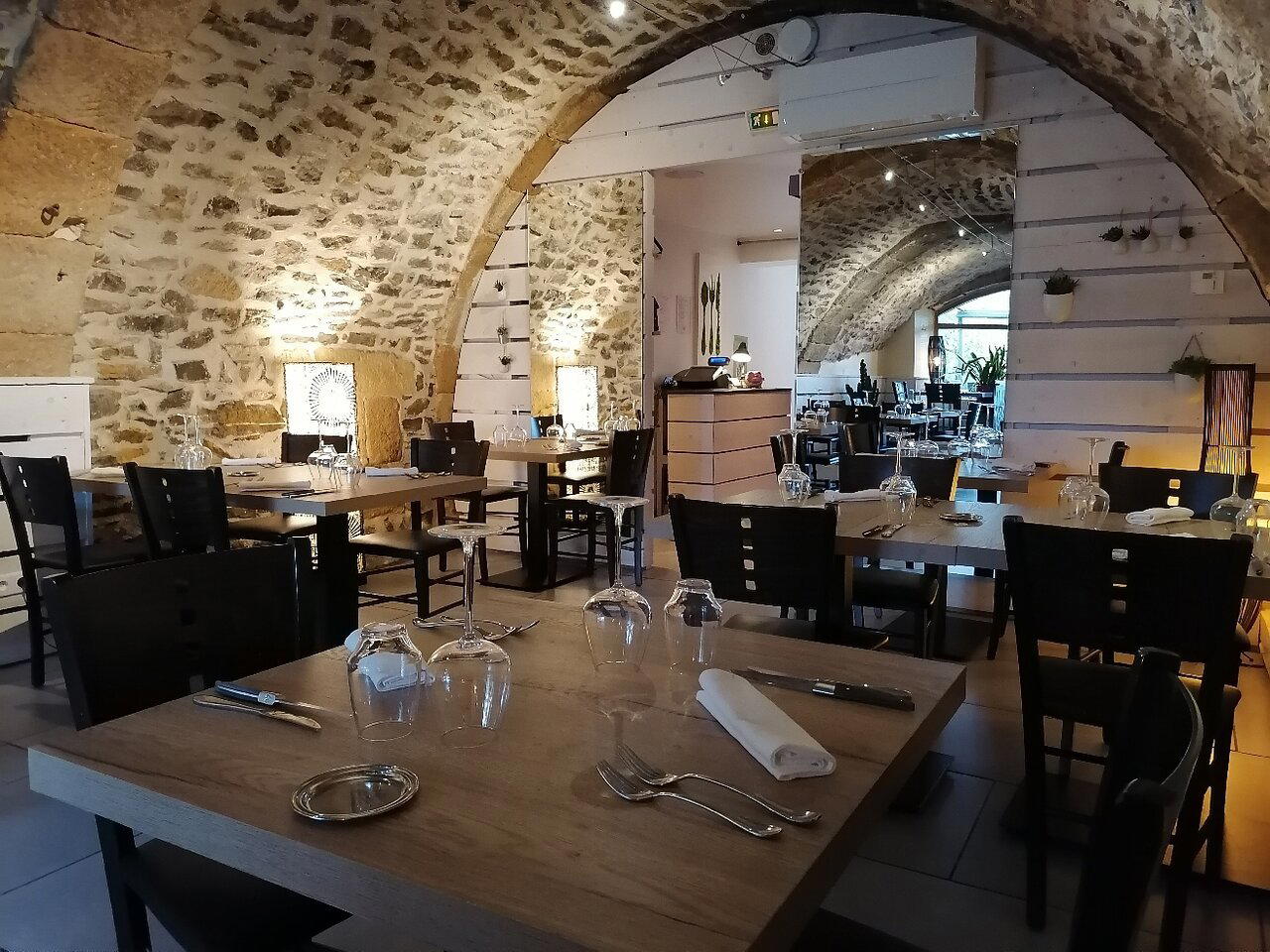
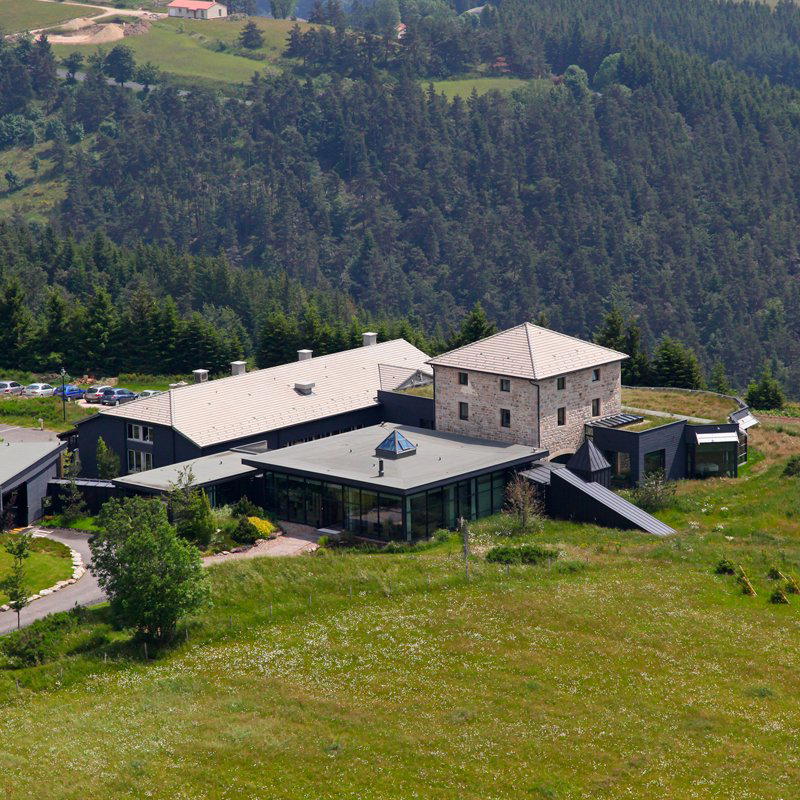
The route de la Fontaulière runs through a river valley where the scale is intimate rather than dramatic. The Ardèche's more spectacular gorge country lies to the south; this stretch near Meyras is softer, wooded, and relatively unhurried. Approaching a restaurant in this kind of terrain prepares you for a particular register: stone construction, interior temperatures that track the seasons, a dining room where the view carries as much weight as the furniture. Rural Ardèche addresses tend toward the unfussy, the emphasis is on what is in the bowl rather than the architectural statement surrounding it.
This is a meaningful difference from the grand destinations of French haute cuisine. Alléno Paris au Pavillon Ledoyen in Paris or Assiette Champenoise in Reims operate in environments where the physical setting is part of the proposition. In the Ardèche, the setting is the valley, the river, the volcanic rock beneath the soil, not the dining room's interior design. For travellers who find that distinction appealing, Meyras and its surroundings reward the detour specifically because the experience is calibrated to the place rather than despite it.
Planning a Visit
Meyras is reached most practically by road from Aubenas, the nearest substantial town, approximately 15 kilometres to the south on the D578. From Lyon, the drive runs around two hours through the Rhône corridor and into the Ardèche highlands. The nearest rail connection is Montélimar to the east, from which the drive northwest takes roughly an hour. The region sees its highest visitor volume in July and August, when the river valleys draw significant summer traffic; the shoulder seasons of May, June, and September offer the same landscape with considerably less congestion on the routes between gorge viewpoints. Given the rural context and the limited dining options in Meyras itself, contacting the restaurant directly to confirm hours and availability before making the drive is strongly advised. See our full Meyras restaurants guide for the broader local context.
Travellers building a longer itinerary through the southern French highlands might consider pairing Meyras with Flocons de Sel in Megève or Troisgros - Le Bois sans Feuilles in Ouches as part of a route through France's mountain and plateau restaurant culture. Those looking at how this style of place-rooted cooking translates to coastal contexts might look at Christopher Coutanceau in La Rochelle or La Marine in Noirmoutier-en-l'île, where the sourcing argument pivots from highland pasture to maritime supply chains. For reference on what urban kitchens do with similarly territory-driven ambitions, AM par Alexandre Mazzia in Marseille is the southern French example that has drawn the most international attention in recent years.
Frequently asked questions
Is Retour aux Sources child-friendly?
The setting along the route de la Fontaulière in Meyras is a river valley environment rather than a formal urban dining room, which tends to suit a relaxed pace. The venue's regional focus suggests a straightforward, produce-led approach to the meal rather than elaborate tasting-menu ceremony.
What should I expect atmosphere-wise at Retour aux Sources?
The address, 2570 route de la Fontaulière, places the restaurant in a valley corridor where the scale is intimate rather than dramatic, distinct from the gorge country further south in the Ardèche. The Massif Central setting shapes the register: basalt plateaus and chestnut forests rather than Provençal sunshine or Alpine grandeur. Expect a quieter, more grounded atmosphere consistent with the region's character.
How far is Retour aux Sources from Aubenas, and how do you get there?
Meyras sits approximately 15 kilometres north of Aubenas via the D578, making it a short drive through the Ardèche valley. The restaurant's address on the route de la Fontaulière follows the river corridor north from Aubenas, and no rail connection serves Meyras directly, so a car is the practical choice. Visitors arriving from Lyon should plan for roughly two hours by road depending on the route taken through the Massif Central.
What do people recommend at Retour aux Sources?
What the broader Meyras and southern Ardèche context suggests is that kitchens in this area tend to anchor their menus in local produce, chestnuts, river fish, plateau-grazed meat, rather than imported ingredients. Checking the restaurant directly or recent visitor accounts will give the most accurate picture of the current menu.
What's Retour aux Sources's location?
Retour aux Sources is located at 2570 route de la Fontauliere, 07380 Meyras, France, Meyras.
Do I need a reservation for Retour aux Sources?
Meyras is a small commune in the Ardèche, and restaurants at this scale in rural southern France typically operate with limited covers, making advance booking advisable particularly in summer and during school holiday periods.
How It Stacks Up
Comparable venues nearby, for context on price, style, and recognition.
| Venue | Cuisine | Price | Notes |
|---|---|---|---|
| Retour aux SourcesThis venue (the venue you are viewing) | Traditional French Bistro with Local Ardèche Products | $30–50 | Not listed |
| L Aile ou la Cuisse | French Rôtisserie | $20–30 | Place Jean Jaurès |
| L'Oiseau sur sa Branche | French Bistro with Local Products | $20–30 | Saoû |
| La Route Bleue | Bistronomic French | $30–50 | La Fouillouse |
| La Table du Meunier | Traditional Provençal French | $30–50 | Fontvieille |
| Grive | Modern French Bistro with Tapas | $30–50 | Quartier Quartiers Anciens |
Continue exploring
More in Meyras
Restaurants in Meyras
All restaurants in Meyras →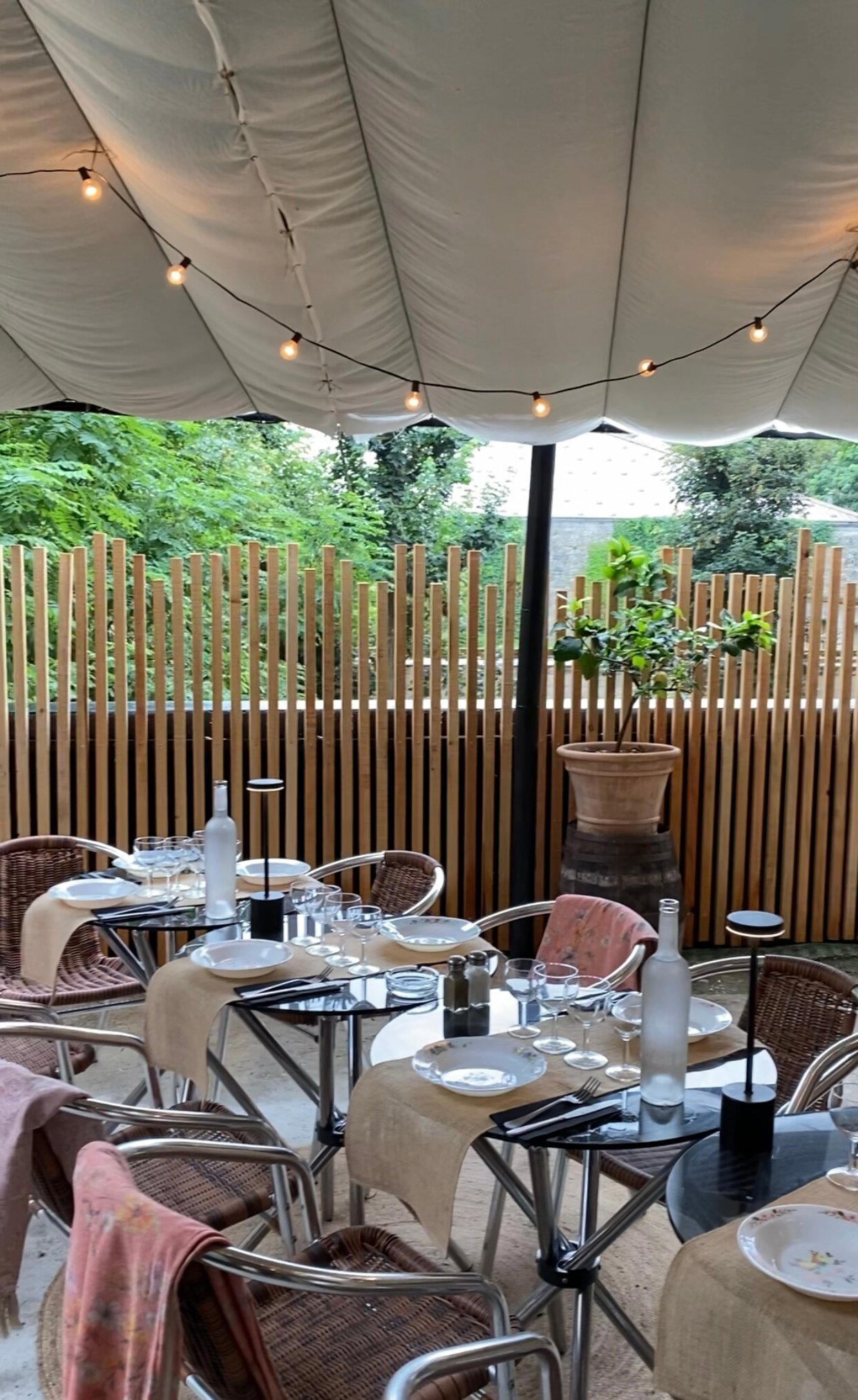
Hotels in Meyras
Browse all →

Details
- Rustic
- Cozy
- Intimate
- Date Night
- Family
- Terrace
- Local Sourcing
- A La Carte
- Vegetarian Friendly
Current opening hours
- Monday
- 12–1:30 PM
- Tuesday
- 12–1:30 PM
- Wednesday
- Closed
- Thursday
- 12–1:30 PM
- Friday
- 12–1:30 PM, 7:15–8:30 PM
- Saturday
- 12–1:30 PM, 7:15–8:30 PM
- Sunday
- 12–1:30 PM
Hours can change for holidays and private events. Hours as of .
Welcoming and cozy atmosphere with pleasant terrace shaded by kiwifruit vines, featuring refined presentation and local flavors.