Višnjica is a small settlement in Croatia's Slavonia region, where the logic of the table has always followed the logic of the land. Dining here sits within a broader Central Croatian tradition of produce-first cooking, where proximity to agricultural sources shapes what appears on the plate. For context on where Višnjica fits within Croatia's wider dining circuit, see our full Visnjica restaurants guide.
Pearl is the En Primeur Club membership app — saves, bookings, and concierge access live there. Same editors, same standards.
- Address
- 33520, Višnjica, Croatia
- Phone
- +38533401650
- Website
- visnjica.hr
- Directions
- Get directions
 Saves & bookings on Pearl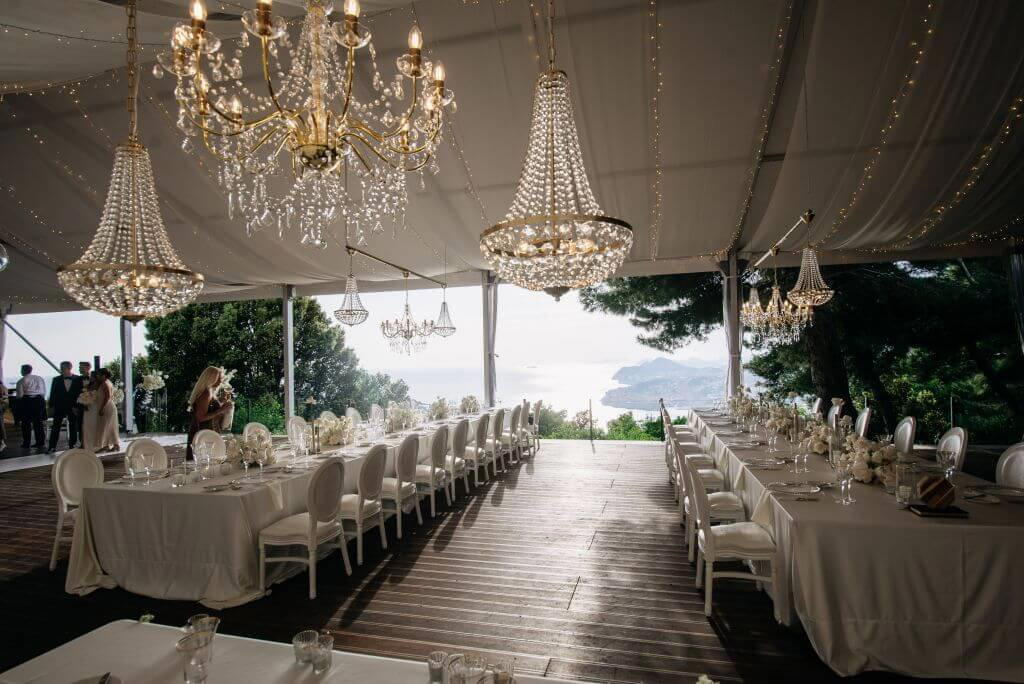
Where the Land Sets the Menu
In the parts of Croatia that sit away from the Adriatic coast, the relationship between kitchen and source land operates on different terms than it does in the resort towns. There is no theatre of freshly landed fish, no dramatic clifftop setting, and no reason to frame it like a coastal address. What there is, in settlements like Višnjica, is a quieter and often more direct connection between agricultural production and what arrives at the table. The address, postal code 33520, places this village inside one of the country's most productive inland farming regions, where cereal crops, orchards, and livestock have defined the local economy for generations. That context matters when thinking about what a meal here represents.
Inland Croatian cooking in this zone draws from a tradition that predates the coastal tourism economy entirely. Smoked and cured meats, freshwater fish from nearby rivers, dairy from local herds, and vegetables from kitchen gardens are the building blocks. The sourcing radius tends to be short: the supply chains that characterise urban restaurant kitchens simply do not apply in villages of this scale. What comes to the table has, in most cases, come from close by.
The Slavonian Sourcing Tradition
To understand the ingredient logic at play in this part of Croatia, it helps to look at Slavonia as a food-producing region rather than just a geographic area. The Požega Valley, which sits within this zone, is recognised for its wine production, its walnut orchards, and its breed-specific pork traditions. The Slavonian Black pig, a heritage breed connected to the region, produces cured meats, kulen being the prominent, that carry protected designation of origin status in Croatia. This is not incidental local colour; it reflects a sourcing infrastructure that serious kitchens elsewhere in Croatia and beyond have begun to reference and draw from.
The broader Croatian restaurant scene has, in recent years, started to look inland more deliberately. Coastal restaurants of the calibre of Pelegrini in Sibenik and Restaurant 360 in Dubrovnik have built reputations partly through the selective sourcing of inland and island producers. Agli Amici Rovinj applies Italian contemporary sensibility to Istrian and broader Croatian produce. In each case, the story of the plate begins somewhere other than the restaurant's postcode. For villages like Višnjica, that shift in where fine-dining sourcing attention lands has tangible implications for how local food culture is valued.
Inland Croatia's Dining Context
Restaurants in inland Croatia tend to operate in larger centres. Dubravkin Put in Zagreb and Korak in Jastrebarsko represent the more structured end of the inland Croatian dining spectrum, where produce-driven menus operate within recognisable fine-dining formats. Cantilly Garden Restaurant in Samobor occupies a similar position closer to the capital. These are establishments where the sourcing story is a conscious editorial choice made by a kitchen team.
In smaller settlements, the sourcing story is less curated but still real. The village scale of Višnjica means that any food operation here exists outside the usual set of tracked Croatian restaurants. Places like Boskinac in Novalja have built a case for island-specific produce and wine pairing as a serious format; the equivalent in Slavonian villages tends to be less formalized but draws from the same underlying logic of geographic specificity. The ingredient is local because there is no practical alternative, which is a different kind of provenance guarantee than the sourcing programs that urban kitchens implement deliberately.
The Coastal Contrast
It is worth holding the inland experience against what Croatia's coast offers, because the contrast clarifies what each tradition does well. Coastal destinations, from the Kvarner coast restaurants like Nebo by Deni Srdoč in Rijeka and Burin in Crikvenica to Dalmatian addresses like LD Restaurant in Korčula and Krug in Split, operate in a seasonal economy shaped by tourism arrivals. Their peak period is compressed into the summer months, and their ingredient stories are built substantially around the sea.
Inland Slavonia operates on a different seasonal rhythm. Autumn brings harvest, winter brings curing and preservation, spring brings the first garden produce. The calendar of what is available, and therefore what is cooked, follows agricultural cycles rather than tourism seasons. For a traveller arriving outside the coastal high season, the inland Croatian table offers a different but coherent set of references. Alfred Keller in Mali Lošinj and Cubo in Opatija represent the island and Kvarner expressions of Croatian produce; Slavonian villages like Višnjica represent something further from that tourist circuit and correspondingly less mediated by it.
For context on where Croatian coastal and island produce-driven dining sits in an international frame of reference, the sourcing discipline at venues like Le Bernardin in New York City or the ingredient precision at Atomix in New York City illustrates how seriously provenance is weighted at the upper end of the global restaurant market. Croatia's inland producers increasingly supply into that broader conversation, even when the villages themselves remain outside it.
Planning a Visit
Višnjica sits within the 33520 postal area of Croatia's Slavonia region, accessible by road from Požega and the wider highway network connecting Zagreb to eastern Croatia. Given the village scale and the absence of a dedicated hospitality infrastructure of the type found in coastal resort towns, a visit here works best as part of a broader Slavonian itinerary rather than as a standalone destination. Travellers interested in the regional food tradition will find that the surrounding area, the Požega Valley, the Papuk Nature Park to the north, the river valleys feeding into the Sava, offers a coherent landscape for understanding where Slavonian ingredients come from. Specific venue hours, booking contacts, and current menus are not listed here.
For comparison with other small-settlement and island dining contexts in Croatia, Bodulo in Pag and BioMania Bistro Bol in Bol offer reference points for how Croatian island and coastal villages approach the relationship between local produce and the dining experience.
In Context: Similar Options
Comparable venues nearby, for context on price, style, and recognition.
| Venue | Cuisine | Price | Notes |
|---|---|---|---|
| VišnjicaThis venue — the venue you are viewing | Traditional Slavonian Cuisine | $$ | Not listed |
| Stari Fijaker | Traditional Croatian Zagreb-Zagorje | $$ | Lower Town |
| RESTORAN Maksimir | Traditional Croatian | $$ | Maksimir |
| Grill Žar | Traditional Balkan Grill | $$ | Dolici |
| Restoran Stari Toranj | Traditional Croatian | $$ | city center |
| Moderato Cantabile POP | Coffee & Cakes Café | $$ | Vila Pasini |
Continue exploring
More in Visnjica
Restaurants in Visnjica
Browse all →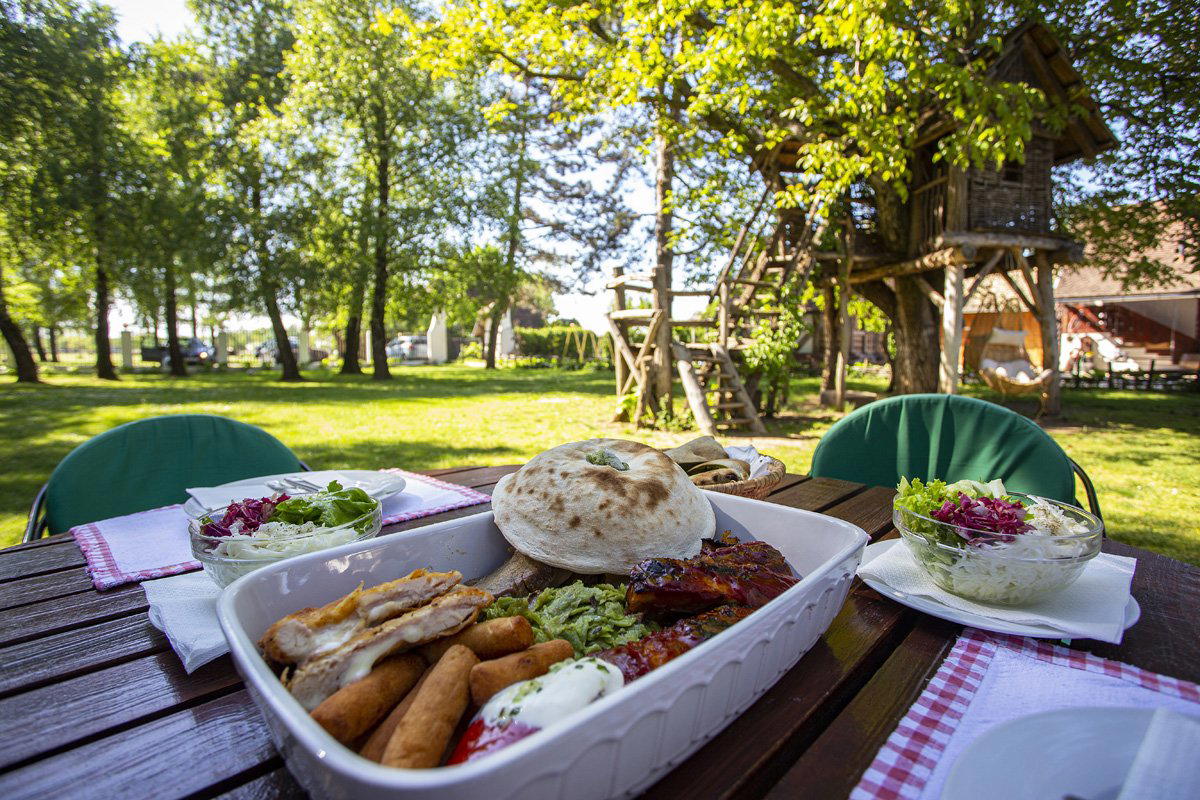

At a Glance
- Rustic
- Cozy
- Family
- Celebration
- Casual Hangout
- Terrace
- Historic Building
- Local Sourcing
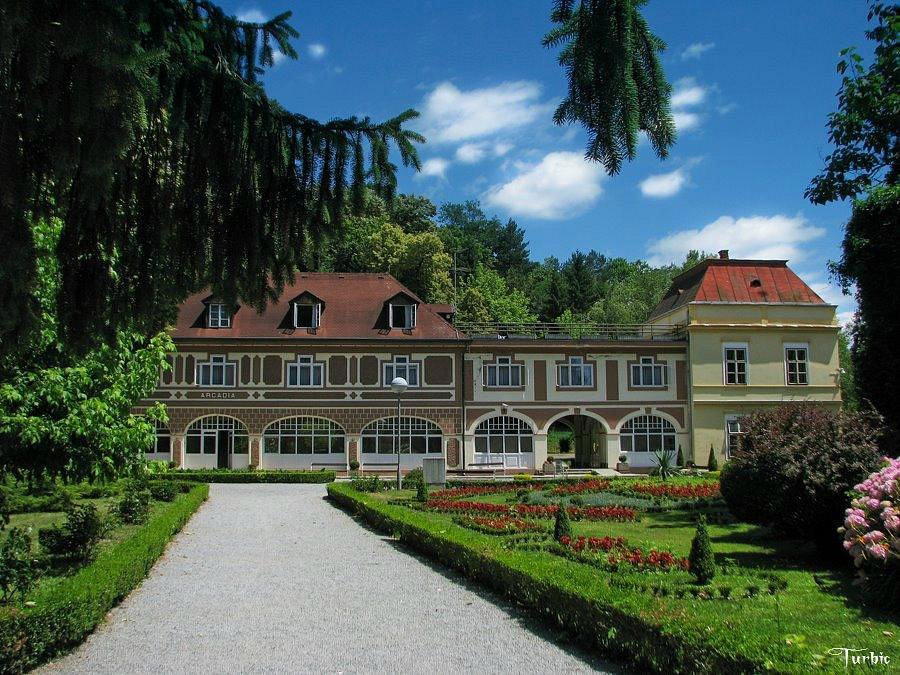
Beautiful rustic ambience with warm, nice atmosphere in restaurant and terrace.