In the flatlands of Podravina, Zlatni klas in Otrovanec sits within a Croatian agricultural tradition that prizes what grows and grazes nearby. The kitchen draws on the produce rhythms of the Drava river region, placing it inside a broader conversation about inland Croatian cooking that rarely reaches the coast-focused dining press. For those travelling through Slavonia and Podravina, it merits attention.
Pearl is the En Primeur Club membership app — saves, bookings, and concierge access live there. Same editors, same standards.
- Address
- Pitomača, Otrovanec 228, 33405, Otrovanec, Croatia
- Phone
- +38533714114
- Website
- zlatni-klas.hr
- Directions
- Get directions
 Saves & bookings on Pearl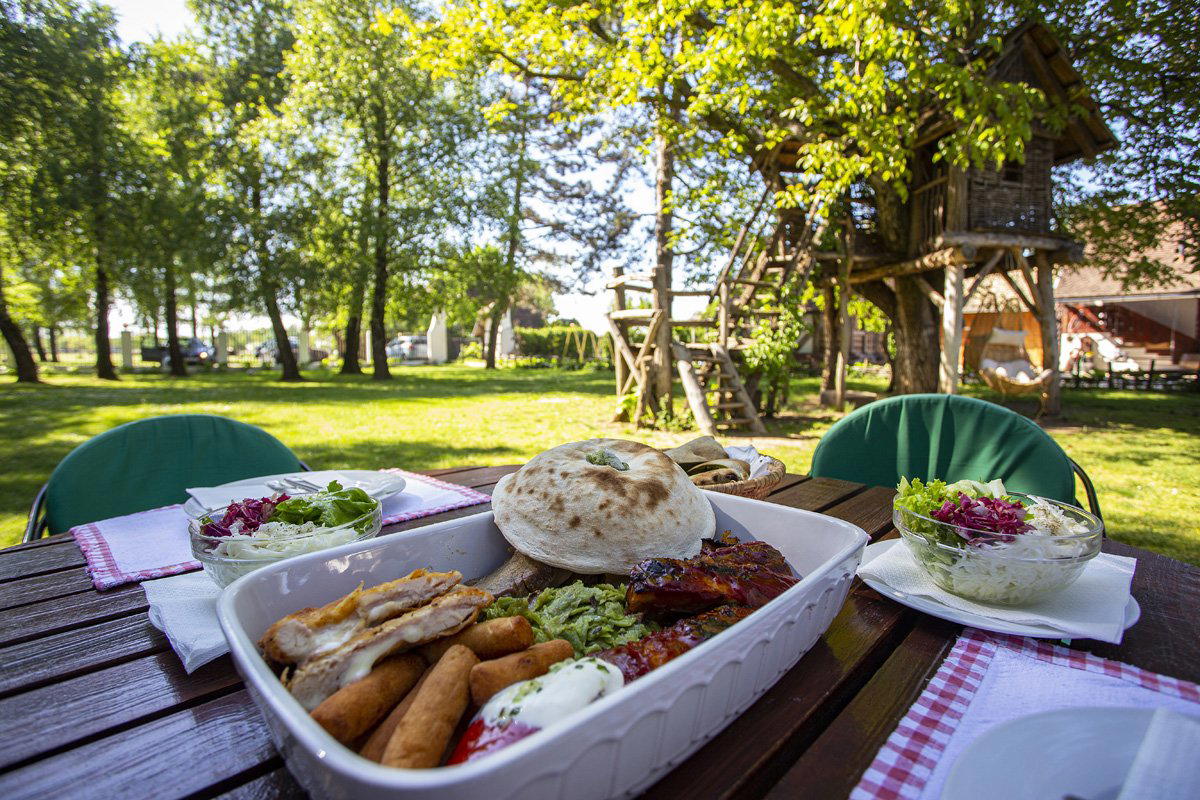
Inland Croatia's Dining Logic: What the Flatlands Produce
Croatia's dining conversation is dominated by the Adriatic coast. Zlatni klas is a traditional Croatian restaurant in Pitomača, Croatia, where the focus is local, seasonal cooking at an accessible price point. Dalmatian fish, Istrian truffles, and the stone-walled konobas of Dubrovnik's old town absorb most of the editorial attention, and most of the reservation pressure. Venues like Restaurant 360 in Dubrovnik and Pelegrini in Sibenik operate in that coastal register, with Mediterranean ingredients and a dining format shaped by tourist seasons. The interior of Croatia runs on a different clock and a different larder.
Podravina, the agricultural corridor that follows the Drava river through northern Croatia, produces some of the country's most grounded cooking. The soil here is suited to cereal crops, river fish, paprika-scented cured meats, and freshwater catches that rarely appear on coastal menus. Zlatni klas sits in Otrovanec, a settlement outside Pitomača, within this agricultural zone, and the name itself signals the register: "zlatni klas" translates as "golden ear of wheat," a reference to the grain culture that has defined Podravina's food tradition for generations.
The Setting: Agricultural Plains, Not Postcard Scenery
The approach to Otrovanec offers none of the Adriatic drama that Croatian tourism photography relies upon. What you find instead is the open flatland characteristic of Slavonia and Podravina: wide fields, farmstead architecture, and a quietness that makes the restaurant feel genuinely embedded in its surroundings rather than imposed on them. This is not a destination framed by a view. The draw is the food and the proximity to the ingredients that produce it.
Inland Croatian restaurants in this mould tend to occupy converted agricultural buildings or family-run structures that predate any hospitality ambition. The atmosphere reads accordingly: heavier wooden interiors, earthenware details, and a pace of service tied to a local clientele rather than a tourist turnover. For travellers accustomed to the coastal dining rhythm, the contrast is immediate. For those who have eaten at Korak in Jastrebarsko or Cantilly Garden Restaurant in Samobor, the format will feel familiar: a Croatian interior that takes its regional identity seriously.
The Ingredient Logic of Podravina
The broader argument for inland Croatian cooking rests on sourcing proximity. In coastal Croatia, the supply chain for quality ingredients often runs through the same regional distributors supplying Dubrovnik's tourist-facing restaurants. In Podravina, the equivalent supply chain is shorter and more agricultural in character. The Drava river provides freshwater fish, notably pike and catfish, that appear in preparations quite different from anything on an Adriatic menu. Local farms supply paprika, corn, and grains that feed into the cured meats and bread traditions of the region.
This is the ingredient register that restaurant draws on. Croatian inland cooking at its more serious end does not import the Adriatic's vocabulary; it works with what Podravina grows and raises. Dishes built around river fish, slow-braised meats, and fermented or pickled vegetables reflect seasonal agricultural cycles rather than tourist-season demand. The result is cooking that changes with the harvest rather than the ferry schedule.
To understand how different this approach is from Croatia's coastal fine dining tier, consider the sourcing philosophies at work at venues like Agli Amici Rovinj in Istria or Boskinac in Novalja, where island and Istrian provenance is itself part of the menu's identity. In Podravina, provenance is equally present but far less likely to appear as a self-conscious statement. It simply is the cooking.
Where Zlatni Klas Sits in the Broader Croatian Scene
Croatia's inland restaurant tier operates largely outside the circuits that produce Michelin recognition and 50 Best attention. The notable venues, from Dubravkin Put in Zagreb to Nebo by Deni Srdoč in Rijeka, tend to cluster in cities or on the coast, where the international visitor base and the dining press intersect. Slavonia and Podravina remain structurally undercovered relative to the quality of their agricultural output.
This does not mean the food is unsophisticated. It means the sophistication is rooted in different criteria: depth of local knowledge, relationship with specific producers, and command of a culinary tradition that has no interest in signalling to a coastal or international audience. The restaurant fits that profile. Its address in Otrovanec, outside Pitomača, places it firmly outside the dining corridors that attract food media. That invisibility is a structural feature of where it operates, not a measure of the kitchen's ambition.
For context on how different the coastal fine dining tier looks, LD Restaurant in Korčula and Krug in Split both operate in markets shaped by international tourism and seasonal pricing. The restaurant occupies a different market entirely, one defined by local regulars and the agricultural calendar of the Drava region. Even globally recognised venues anchored in sourcing logic, like Le Bernardin in New York City or Atomix in New York City, show that ingredient provenance can anchor a restaurant's identity at any price point. In Podravina, that anchor is simply closer to the ground.
Planning a Visit: Practical Notes
The restaurant is located at Otrovanec 228, on the outskirts of Pitomača, in Virovitica-Podravina County. Reaching Pitomača from Zagreb involves approximately two hours by road heading east along the A4 and regional routes. The nearest larger city is Virovitica, roughly 25 kilometres to the north. There is no rail connection of practical use for visitors arriving from Zagreb or the coast, making a car the sensible option. Reservations are recommended, particularly on weekends. A phone call ahead, where possible, is advisable. For those building a wider itinerary of Croatia's inland dining, consider pairing a visit with venues in the Slavonian corridor further east. Venues oriented toward agritourism and local sourcing along the Drava tend to be busiest in autumn, when the harvest provides the widest range of seasonal produce.
Quick Comparison
Comparable venues nearby, for context on price, style, and recognition.
| Venue | Cuisine | Price | Notes |
|---|---|---|---|
| Zlatni klasThis venue — the venue you are viewing | Traditional Croatian | $$ | Not listed |
| Hotel & Restoran Degenija | Traditional Croatian Regional Grill | $$ | Selište Drežničko, Rakovica |
| Corto Magarese | Mediterranean | $$ | Vis |
| Konoba Barba | Traditional Dalmatian Seafood & Grill | $$ | Komiza |
| Trilogija Fino&Vino | Contemporary Croatian with Mediterranean Influences | $$ | Kaptol |
| Bistro Pjat | Mediterranean Bistro with Croatian & Italian Influences | $$ | Old Town |
Continue exploring
More in Pitomaca
Restaurants in Pitomaca
Browse all →
Wineries in Pitomaca
Browse all →
At a Glance
- Rustic
- Cozy
- Whimsical
- Scenic
- Family
- Group Dining
- Celebration
- Special Occasion
- Date Night
- Garden
- Private Dining
- Terrace
- Standalone
- Beer Program
- Local Sourcing
- Organic
- Garden
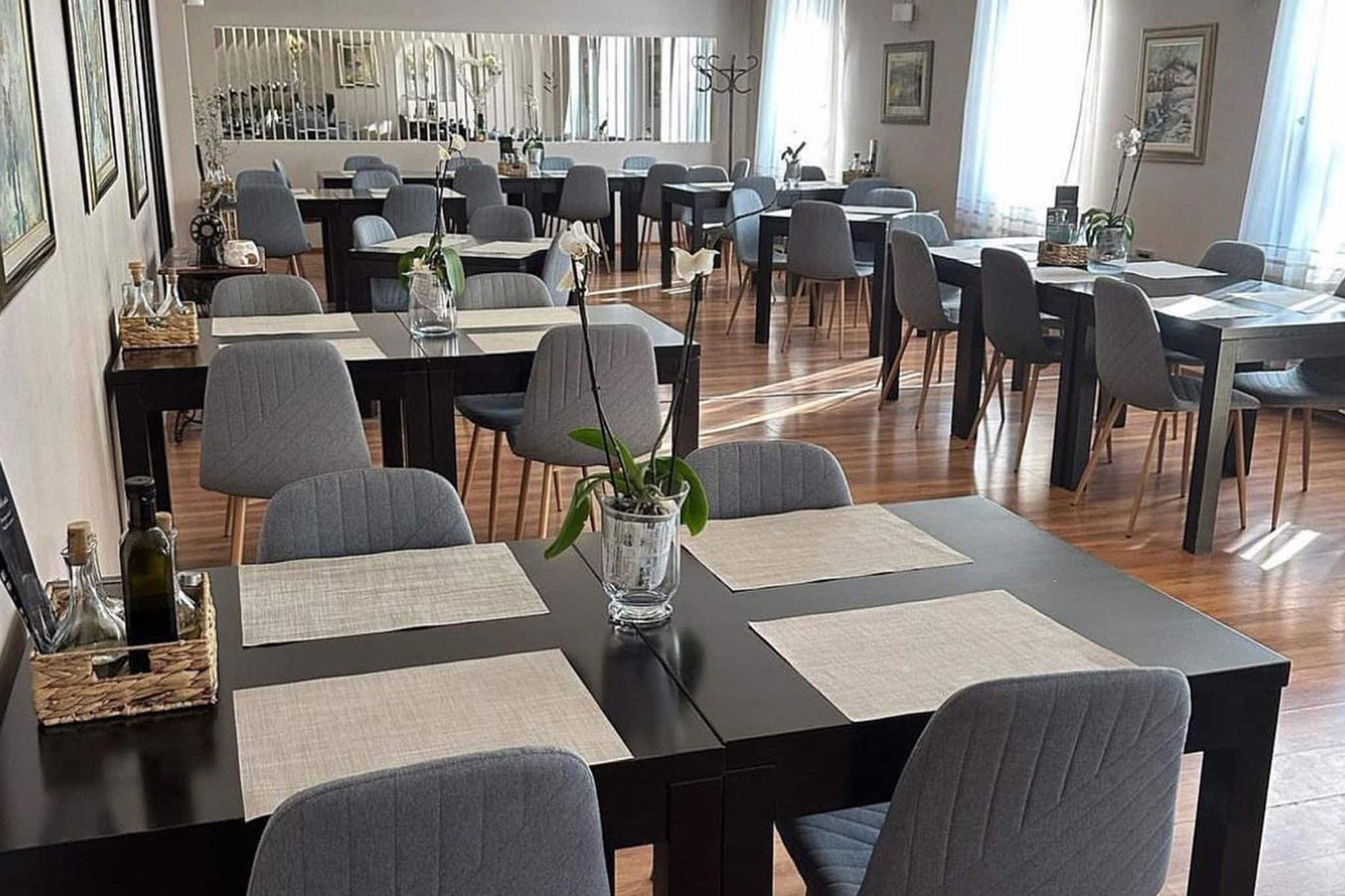
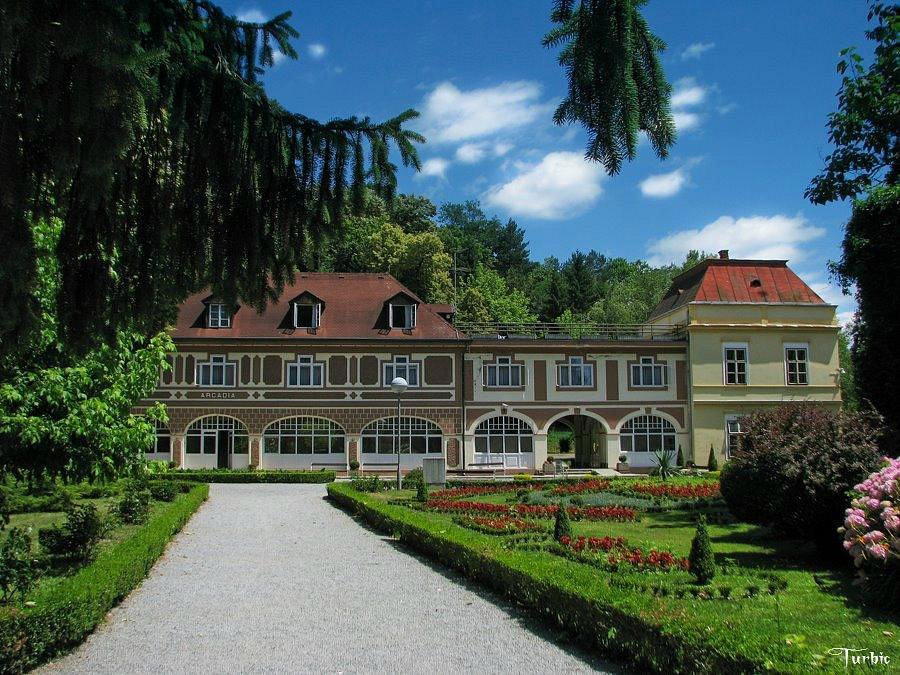
Charming retro-style interior with wood-themed rustic décor; cozy terrace overlooking beautiful gardens with animals, fields, and whimsical outdoor features creating a nostalgic, fairytale-like atmosphere.