V Starem Melinu occupies a corner of Zagreb that rewards visitors willing to move beyond the Upper Town circuit. The address on Junkovićev put places it within a quieter residential register of the city, where the dining proposition leans on proximity to Croatian produce traditions rather than centrepiece location. For those tracing Zagreb's less-toured restaurant geography, it merits attention alongside the city's more visible options.
Pearl is the En Primeur Club membership app — saves, bookings, and concierge access live there. Same editors, same standards.
- Address
- Junkovićev put 2, 10000, Zagreb, Croatia
- Phone
- +38513463132
- Website
- vstaremmelinu.com
- Directions
- Get directions
 Saves & bookings on Pearl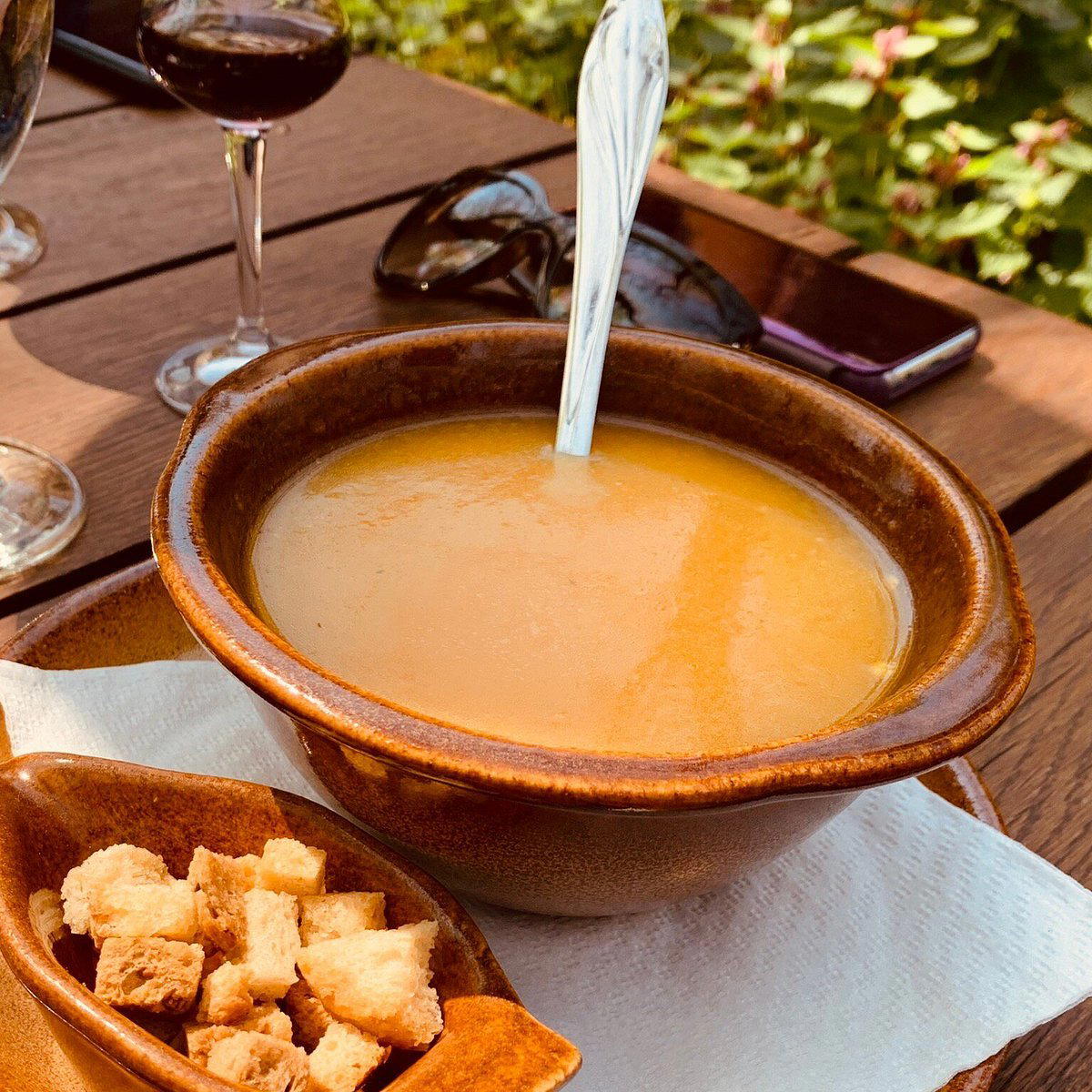
A Different Register of Zagreb Dining
Zagreb's restaurant scene has consolidated around two poles in recent years: the fine-dining tier anchored by venues like Noel (Modern Cuisine) at the upper price bracket, and a broader mid-market that ranges from neighbourhood Croatian cooking to imported formats. Between those poles sits a quieter category of address-driven restaurants, places where the draw is local habit and sourcing proximity rather than tasting-menu ambition or design-led spectacle. V Starem Melinu, on Junkovićev put in the 10000 postal district, operates in that register.
The address itself signals something. Junkovićev put is not a street that appears on tourist itineraries, and the restaurant's name, which translates roughly as "In the Old Mill," points toward a rooted, agricultural frame of reference rather than cosmopolitan positioning. In Croatian dining culture, that framing carries weight: it suggests a kitchen oriented toward provenance, seasonal availability, and the kind of produce relationships that develop over years rather than seasons.
What Croatian Ingredient Culture Looks Like From the Inside
To understand where a restaurant like this sits in Zagreb's supply chain, it helps to understand how Croatian ingredient culture operates at the regional level. Croatia's geography produces striking variation across a short distance: the continental interior around Zagreb draws on Slavonian grain, Zagorje dairy, and the forested uplands for game and mushroom harvests, while the coast from Istria south through Dalmatia yields a different pantry entirely: olive oil, seafood, sheep's milk cheese, and wine produced under Mediterranean sun. The country's leading kitchens use this variation deliberately, drawing from both registers depending on the season and the dish.
Zagreb's mid-market and neighbourhood restaurants have historically leaned continental, with roasted meats, rich stews, and fermented or cured preparations that reflect Central European influence as much as Adriatic. The coastal reference points, however, have migrated inland as Croatia's tourism economy has grown and as chefs at venues like Dubravkin Put (Mediterranean Cuisine) have made a Mediterranean sourcing vocabulary central to their offer. The result is a Zagreb dining scene where the sourcing question, where does this actually come from, has become more meaningful than it was a decade ago.
Restaurants anchored in the old-mill or farmhouse register of naming and atmosphere are making an implicit promise about that question. The commitment, where it holds, runs toward direct supplier relationships with nearby farms, seasonal menus that shift with harvest cycles rather than trend cycles, and preparations that let primary ingredients carry the plate rather than technique obscuring them.
Positioning Within Zagreb's Current Competitive Set
Zagreb now has enough reviewed and award-tracked restaurants to map competitive tiers with some precision. At the technical end, Noel occupies the highest price tier, while Izakaya (Japanese Contemporary) represents a lower-price, format-specific category. Mid-range Croatian-focused options, including Al Dente and Amfora, cover a more familiar urban dining proposition.
V Starem Melinu sits outside the dense Upper Town and Gornji Grad cluster where many of these venues compete for the same evening footfall. That distance from the concentration of tourist-facing restaurants is both a logistical consideration for visitors and a defining characteristic of the experience. Neighbourhood restaurants at this remove from the city's main circuits tend to serve a more locally rooted clientele, and that affects everything from pacing to menu evolution to the ambient register of an evening there.
Croatia's broader restaurant geography offers useful comparison points. The island and coastal venues, from Pelegrini in Sibenik to LD Restaurant in Korčula and Restaurant 360 in Dubrovnik, operate with a coastal sourcing logic that is quite distinct from what Zagreb's inland setting can offer. Closer in spirit to the continental register are venues like Korak in Jastrebarsko, southwest of Zagreb, where the proximity to agricultural land and wine-growing territory shapes a similar sourcing orientation. Within the city itself, the mid-market produces-focused category that V Starem Melinu appears to occupy is less thoroughly documented than the fine-dining tier, which makes venues in this bracket harder to place precisely but also more interesting to track over time. For a full view of where it sits within the city's dining options, see our full Zagreb restaurants guide.
Planning a Visit
The Junkovićev put address is not centrally located relative to the main Zagreb visitor circuit, so arriving by car or taxi rather than on foot from the centre makes practical sense for most visitors. As with many neighbourhood-oriented restaurants in Croatian cities, making a reservation in advance is advisable, particularly for weekend evenings when local regulars fill the room early. Those building a broader Croatian itinerary might also consider the wider coastal and island dining circuit, including Agli Amici Rovinj in Rovinj, Boskinac in Novalja, Alfred Keller in Mali Losinj, and Nebo by Deni Srdoč in Rijeka, which collectively illustrate how different Croatia's coastal and island restaurant culture is from the Zagreb inland tradition. For a point of reference outside Croatia entirely, venues like Le Bernardin in New York City and Atomix in New York City represent how sourcing-led kitchen philosophy operates at a technically intensive level, offering a comparative frame for what Croatian neighbourhood dining prioritises differently: accessibility, locality, and habituation over technical display. BioMania Bistro Bol in Bol on the island of Brač represents yet another version of the same sourcing-led approach at the lighter, produce-forward end of the Croatian register, useful context for understanding the full range of ingredient-led cooking the country produces across its diverse geography.
In Context: Similar Options
Comparable venues nearby, for context on price, style, and recognition.
| Venue | Cuisine | Price | Notes |
|---|---|---|---|
| V Starem MelinuThis venue — the venue you are viewing | Traditional Croatian | $$ | Not listed |
| Good Food | Fusion Bowls, Burgers & Sushi | $$ | Zagreb Center |
| Trilogija Fino&Vino | Contemporary Croatian with Mediterranean Influences | $$ | Kaptol |
| Ježeva kućica | Traditional Croatian Mediterranean | $$ | Maksimir |
| Tomassino | Modern Italian with Croatian Influences | $$ | Zagreb City Center |
| Vodnjanka | Authentic Istrian | $$$ | Lower Town |
Continue exploring
More in Zagreb
Restaurants in Zagreb
Browse all →
Bars in Zagreb
Browse all →
Hotels in Zagreb
Browse all →


At a Glance
- Rustic
- Cozy
- Classic
- Family
- Casual Hangout
- Terrace
- Historic Building
- Local Sourcing
Current opening hours
- Monday
- 8 AM–10 PM
- Tuesday
- 8 AM–10 PM
- Wednesday
- 8 AM–10 PM
- Thursday
- 8 AM–10 PM
- Friday
- 8 AM–10 PM
- Saturday
- 8 AM–10 PM
- Sunday
- 8 AM–10 PM
Hours can change for holidays and private events. Last verified .
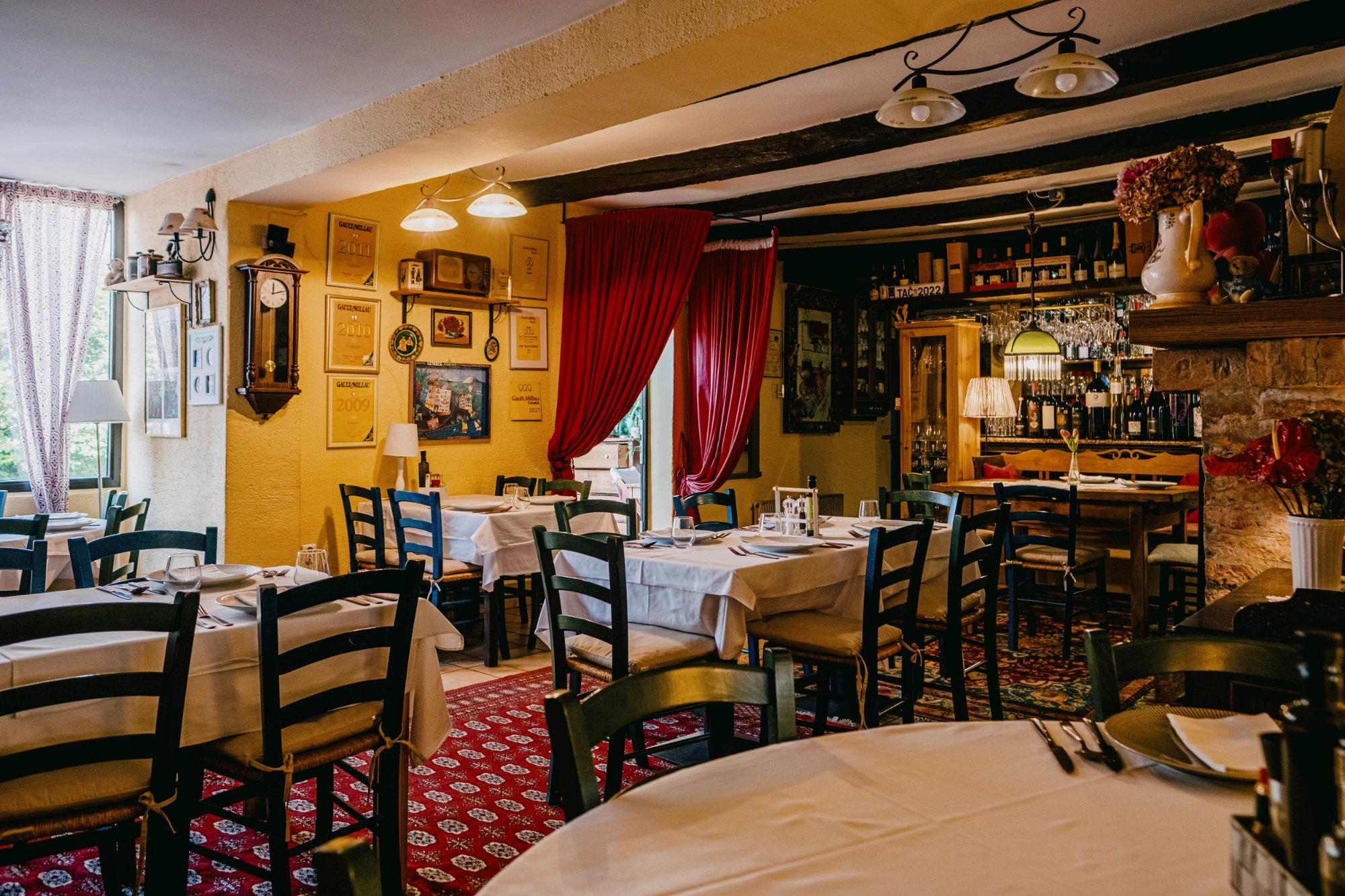
Warm homely atmosphere with authentic antique furniture, wooden interior, and relaxing terrace by a stream amid nature.