Our verdict
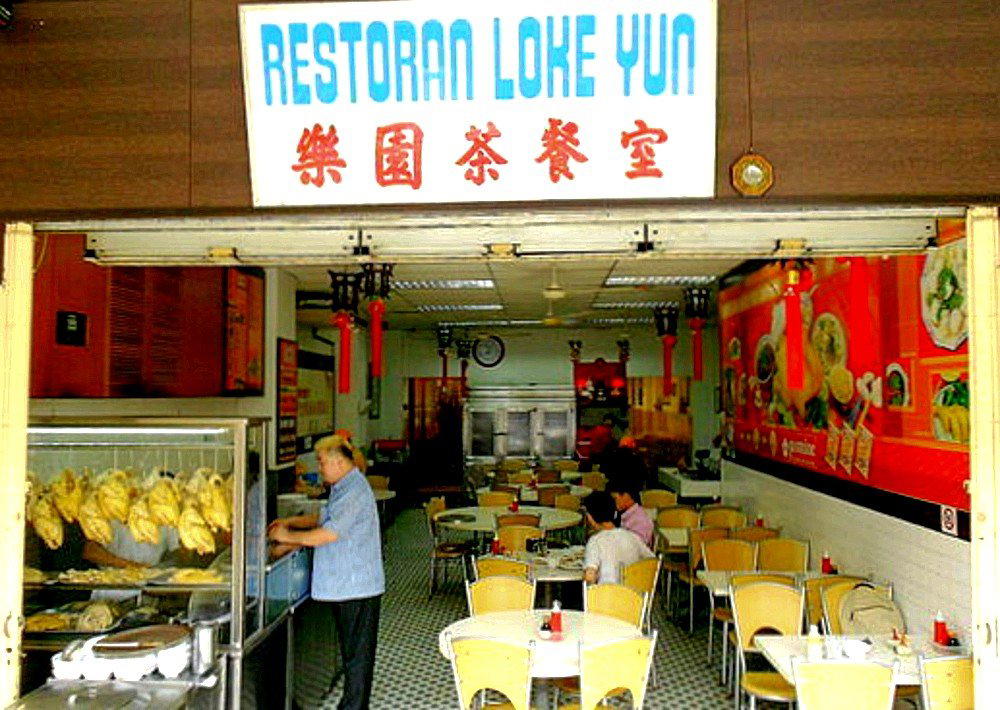
Restoran Loke Yun 樂園茶餐室 serves Hainanese Chicken Rice in a historic building at 158, Jalan Besar Ampang, with casual, conversational service for lunch or dinner.

Pearl is the En Primeur Club membership app — saves, bookings, and concierge access live there. Same editors, same standards.
- Address
- 158, Jalan Besar Ampang, Pekan Ampang, 68000 Ampang, Selangor, Malaysia
- Phone
- +60 3-4291 9884
- Hours
- Mon–Wed 10 AM–3 PM, 5–7:30 PMThu ClosedFri–Sun 10 AM–3 PM, 5–7:30 PM
- Website
- facebook.com
- Directions
- Get directions
The menu
What to order
- Poached Corn-Fed Chicken
- Chicken Rice
- Muar Otak-Otak
Kopitiam Culture on Jalan Besar Ampang
The Malaysian kopitiam occupies a category of its own in the country's food culture. These Chinese-run coffee shops, many of which have operated under the same roof for two or three generations, function less as restaurants in the formal sense and more as neighbourhood infrastructure: the place where construction workers and office staff share the same laminate tables at 7am, where teh tarik and half-boiled eggs are consumed as ritual rather than choice, and where the sourcing of ingredients is dictated by decades of supplier relationships rather than any seasonal menu rotation. Restoran Loke Yun 樂園茶餐室, at 158 Jalan Besar Ampang in Pekan Ampang, sits squarely inside that tradition.
Jalan Besar Ampang is among the older commercial strips in Selangor's Ampang district, and the shophouse row along it reflects the architectural rhythm of mid-century Chinese business: ground-floor trading, upper-floor living, tiled floors worn smooth by decades of foot traffic. Approaching the area in the morning, the sensory logic of the kopitiam becomes apparent before you reach the door: ceiling fans, the low clatter of ceramic cups on marble, the concentrated steam of something being brewed or boiled nearby. This is not ambient atmosphere engineered for effect. It is the residue of daily repetition across many years.
Where the Ingredients Come From and Why That Matters
Understanding what makes a long-running kopitiam like Loke Yun coherent as a dining proposition requires thinking about supply chains that operate almost entirely outside the premium food economy. The pork used in char siu or siu yuk preparations at establishments of this type comes from wet-market suppliers, often the same ones a kitchen has used for decades. The kaya — the coconut jam that is foundational to kopitiam breakfast — is frequently house-made or sourced from small producers rather than industrial lines. The coffee, typically a dark-roasted blend mixed with chicory or sugar and pulled through a cotton sock filter, reflects a sourcing tradition dating to the Hainanese coffeehouse operators who dominated this category across Malaya in the early twentieth century.
That sourcing infrastructure is what separates the kopitiam from both the fast-food chain and the farm-to-table restaurant in terms of food logic. There is no chef-driven narrative here and no seasonal pivot. The consistency is the point, and consistency is achieved through supplier loyalty and procedural discipline rather than culinary creativity. At venues of this type along the Klang Valley corridor, that same logic produces a remarkably stable food offering from year to year, which is precisely why regulars return with the expectation of sameness rather than surprise. For context on how Malaysia's food culture spans from this accessible register up through fine-dining expressions, see Dewakan in Kuala Lumpur, which operates at the opposite end of the formality spectrum while drawing on the same country's ingredient base.
The Ampang area has a particularly dense concentration of long-running Chinese coffee shops and hawker operations, partly because of the neighbourhood's demographic profile and partly because commercial rents along older strips like Jalan Besar have not yet pushed out operators with lower margins. That makes it a reliable zone for kopitiam eating when compared to the more tourist-trafficked districts of central Kuala Lumpur. For a broader map of where to eat across the district, our full Ampang restaurants guide covers the range from hawker to mid-tier.
The Format and What to Expect
Kopitiam service at this tier operates on an open-format model: walk in, find a table, place your order with the person who materialises at your elbow, and pay when finished. The concept of a booking system is largely irrelevant at venues of this type. Peak hours, typically 7am to 10am for breakfast and noon to 1.30pm for lunch, bring the fullest tables and the fastest service rhythm. Arriving outside those windows generally means shorter waits and a more relaxed pace, though some kitchens wind down certain preparations once the morning or lunch rush clears.
Dish selection at kopitiam venues in this category typically clusters around a core of Cantonese-Hainanese staples: toast with kaya and butter, soft-boiled eggs with soy and white pepper, wonton noodles, economy rice, and the house coffee in its several incarnations, black, with condensed milk, iced, or pulled hot. Individual stall operators within a shophouse kopitiam may specialise in a narrower range, and the overall menu is effectively the sum of those independent vendors operating under the same roof. This is a structural feature of the Malaysian kopitiam model rather than something particular to Loke Yun specifically.
Price positioning at kopitiam venues in Ampang remains among the most accessible in the Klang Valley. The category contrast with premium-end Malaysian dining is significant: where Dewakan or Auntie Gaik Lean's Old School Eatery in George Town operate in the double or triple-digit per-head range, a full kopitiam breakfast with coffee typically comes in well under MYR 15 per person. That price-to-substance ratio is one of the reasons the kopitiam category continues to draw a cross-demographic crowd despite competition from chain cafes.
How Loke Yun Sits in a Wider Malaysian Hawker Context
The kopitiam sits at one end of a long continuum of Malaysian Chinese food traditions that run from street-level hawker through mid-tier Chinese restaurant to banquet-hall seafood. Across the country, venues operating in this register share a common logic regardless of geography: Air Itam Asam Laksa, Chong Char Koay Teow, and 888 Hokkien Mee in Penang operate within the same street-food tradition from the northern end, while Restoran Soo Kee represents a local Ampang reference point in the mid-tier Chinese category. Further afield in the Malaysian dining spectrum, Da De Bah Kut Teh in Borneo and CRC Restaurant in Georgetown represent how Chinese-Malaysian food traditions translate across different regional contexts. For vegetarian-focused Chinese dining in Malaysia, Jia Yi Dao Vegetarian Restaurant in Taiping illustrates a parallel track within the same broad category.
What connects these venues across price points and regions is a shared sourcing logic grounded in local wet markets, generational supplier relationships, and a food culture that prioritises continuity over reinvention. That stands in pointed contrast to the tasting-menu model, whether at a three-Michelin-star counter like those covered by Le Bernardin in New York City or a Korean fine-dining programme like Atomix in New York City, where the sourcing story is itself part of the guest proposition. At Loke Yun and its peers, the sourcing story is invisible precisely because it has never needed to be marketed.
Planning a Visit
Restoran Loke Yun 樂園茶餐室 is located at 158 Jalan Besar Ampang, Pekan Ampang, 68000 Ampang, Selangor. The address places it within the older commercial core of Ampang town, accessible by car with street parking available along Jalan Besar, and reachable by Grab from central Kuala Lumpur in approximately 20 to 30 minutes depending on traffic. No reservation is required or possible at a venue of this format; the walk-in model is standard. Arriving before 9am captures the breakfast service at its most active, which is when the kopitiam's full range of morning preparations is most reliably available. Given the price tier and format, this is a meal that fits comfortably into a broader Ampang food itinerary rather than serving as a standalone destination. Pair it with a later stop through the area's seafood or mid-tier Chinese offerings for a fuller picture of what the district's food scene covers.
Frequently asked questions
Does Restoran Loke Yun 樂園茶餐室 work for a family meal?
Kopitiam dining on Jalan Besar Ampang is inherently family-friendly. The open-format setup at Loke Yun means tables accommodate groups without the need for reservations, and the communal noise level makes it comfortable for children. It is a practical choice rather than a special-occasion destination.
What is the atmosphere like at Restoran Loke Yun 樂園茶餐室?
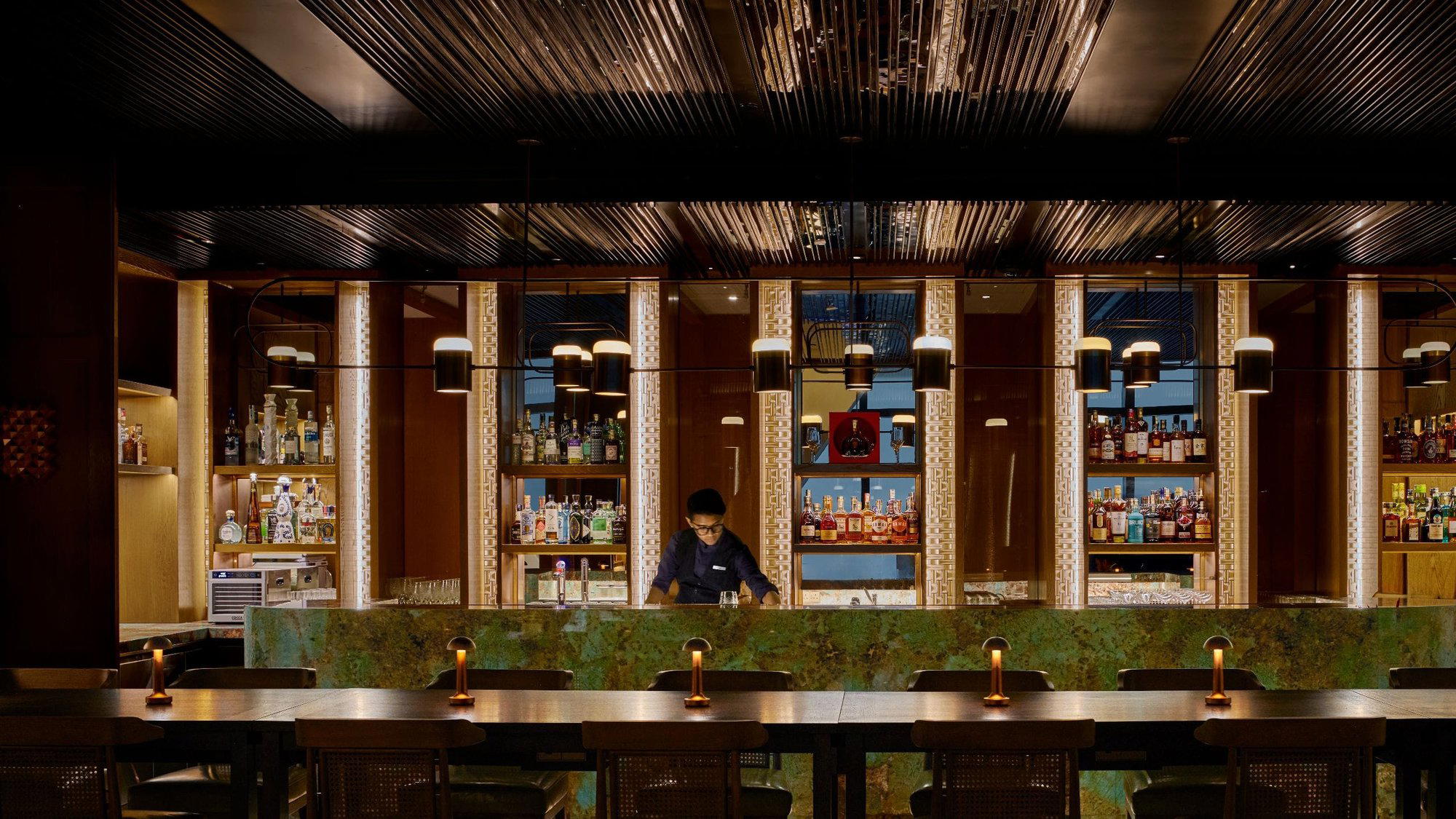
Loke Yun sits in the older commercial strip of Pekan Ampang at 158 Jalan Besar, which sets the tone: tiled floors, ceiling fans, and the ambient clatter of a working kopitiam rather than a curated dining room. Mornings tend to draw the heaviest crowd, with regulars occupying tables across long stretches of the service window.
Is Restoran Loke Yun 樂園茶餐室 part of Ampang's established Chinese food corridor?
Pekan Ampang has a documented concentration of Chinese-Malaysian food businesses along Jalan Besar, and Loke Yun at number 158 sits within that older commercial strip. The kopitiam format it operates under is one of the most historically continuous food traditions in Malaysian Chinese communities, predating the hawker centre model that became dominant in later decades.
What do people recommend at Restoran Loke Yun 樂園茶餐室?
The venue data on hand does not specify individual dishes or menu items. As a traditional kopitiam in Ampang, the format typically centres on coffee, toast with kaya or butter, and soft-boiled eggs alongside hawker-style plates, though specific recommendations at Loke Yun should be confirmed on arrival.
Where do I go for Restoran Loke Yun 樂園茶餐室?
Restoran Loke Yun 樂園茶餐室 is located at 158, Jalan Besar Ampang, Pekan Ampang, 68000 Ampang, Selangor, Malaysia, Ampang.
Do they take walk-ins at Restoran Loke Yun 樂園茶餐室?
Walk-ins are the standard operating model for a kopitiam of this type. There is no reservation system; you arrive at 158 Jalan Besar Ampang, find an available table, and order with the staff who approach. Peak hours, particularly weekend mornings, may require some patience for seating.
Comparable Spots, Quickly
Comparable venues nearby, for context on price, style, and recognition.
| Venue | Cuisine | Price | Notes |
|---|---|---|---|
| Restoran Loke Yun 樂園茶餐室This venue — the venue you are viewing | Hainanese Chicken Rice | $1–10 | Not listed |
| Restoran Soo Kee | Traditional Cantonese BBQ | $10–20 | Ampang |
| Fatt Kee Restaurant | Chinese Seafood Noodles | $1–10 | Taman Far East |
| Souper Tang 汤师父 | Chinese Herbal Soup | $10–20 | Mid Valley |
| Ka Bee Cafe 佳味餐室 | Chinese Seafood Noodles | $10–20 | George Town |
| Loke Yun Chicken Rice | Hainanese Chicken Rice | $1–10 | Ampang |

Details
- Classic
- Well Known
- Family
- Casual Hangout
- Historic Building
- A La Carte
Current opening hours
- Monday
- 10 AM–3 PM, 5–7:30 PM
- Tuesday
- 10 AM–3 PM, 5–7:30 PM
- Wednesday
- 10 AM–3 PM, 5–7:30 PM
- Thursday
- Closed
- Friday
- 10 AM–3 PM, 5–7:30 PM
- Saturday
- 10 AM–3 PM, 5–7:30 PM
- Sunday
- 10 AM–3 PM, 5–7:30 PM
Hours can change for holidays and private events. Last verified .
Classic cha chaan teng atmosphere in a neighborhood shoplot setting with a focus on traditional Chinese Malaysian comfort food.