Fatt Kee Restaurant is a Chinese-Malaysian dining address in Borneo, operating within a regional food culture shaped by Hokkien, Hakka, and Cantonese traditions brought across the South China Sea over generations. The restaurant sits in a city where hawker tradition and sit-down Chinese cooking occupy the same competitive space, making it a representative entry point into Borneo's broader community-rooted dining scene.

Pearl is the En Primeur Club membership app — saves, bookings, and concierge access live there. Same editors, same standards.
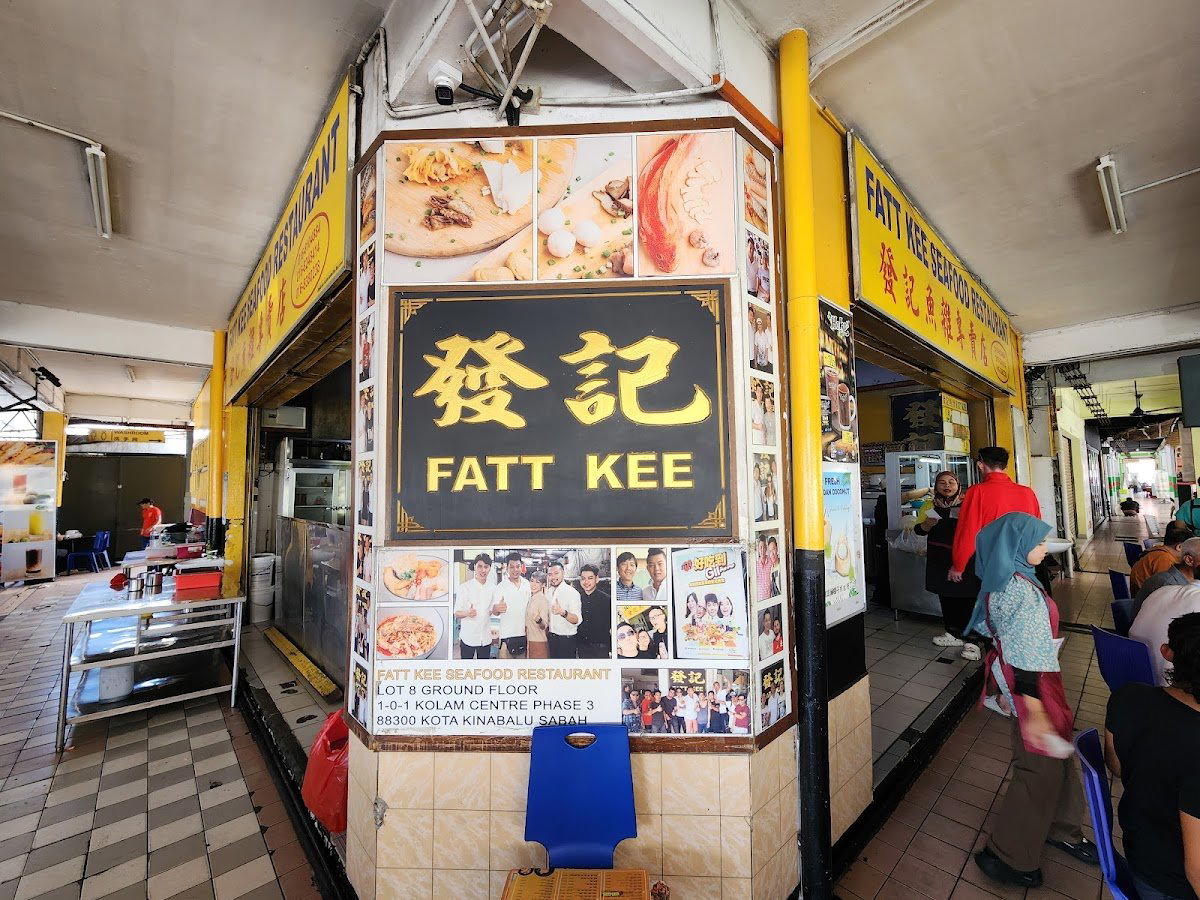
Where Borneo's Chinese Dining Tradition Comes Into Focus
Fatt Kee Restaurant is a casual Chinese Seafood Noodles restaurant in Borneo, where the Chinese-Malaysian restaurants of the island do not always make the travel press the way George Town's heritage shophouses or Kuala Lumpur's contemporary fine dining scene do. Yet the cooking that has evolved in Sabah and Sarawak over more than a century of Hokkien, Hakka, and Cantonese settlement carries as much cultural weight as anything you'll find in those more-photographed cities. Fatt Kee Restaurant operates within that tradition, in a food culture where the distance between a hawker stall and a family-run restaurant is measured less in formality than in the particular dishes a kitchen has chosen to specialize in over time.
Borneo's Chinese community restaurants are shaped by geography as much as ancestry. The island's position, closer to the Philippines and Indonesia than to peninsular Malaysia, means the cooking absorbed different local ingredients and different fishing traditions. Seafood sourced from the South China Sea and the Sulu Archipelago sits alongside pork preparations that trace directly to Fujian and Guangdong provinces. The result is a regional Chinese-Malaysian table that differs in meaningful ways from what you eat in Penang or Ipoh, even when the dish names are the same. For more on how that peninsular tradition plays out, Auntie Gaik Lean's Old School Eatery in George Town and Air Itam Asam Laksa, Chong Char Koay Teow, and 888 Hokkien Mee in Penang offer useful reference points.
The Scene Around It
Borneo's restaurant culture operates on a format logic that differs from Malaysia's west-coast cities. In Kota Kinabalu, Kuching, and the smaller towns between them, Chinese family restaurants typically function across both lunch and dinner services, drawing a neighborhood crowd at midday and a more deliberate dining public in the evening. The table turnover model, efficient, unpretentious, driven by shared plates and rapid ordering, remains the norm even at restaurants that have been operating for decades. Fatt Kee fits that pattern, sitting in a category where longevity and local loyalty carry more practical weight than awards recognition.
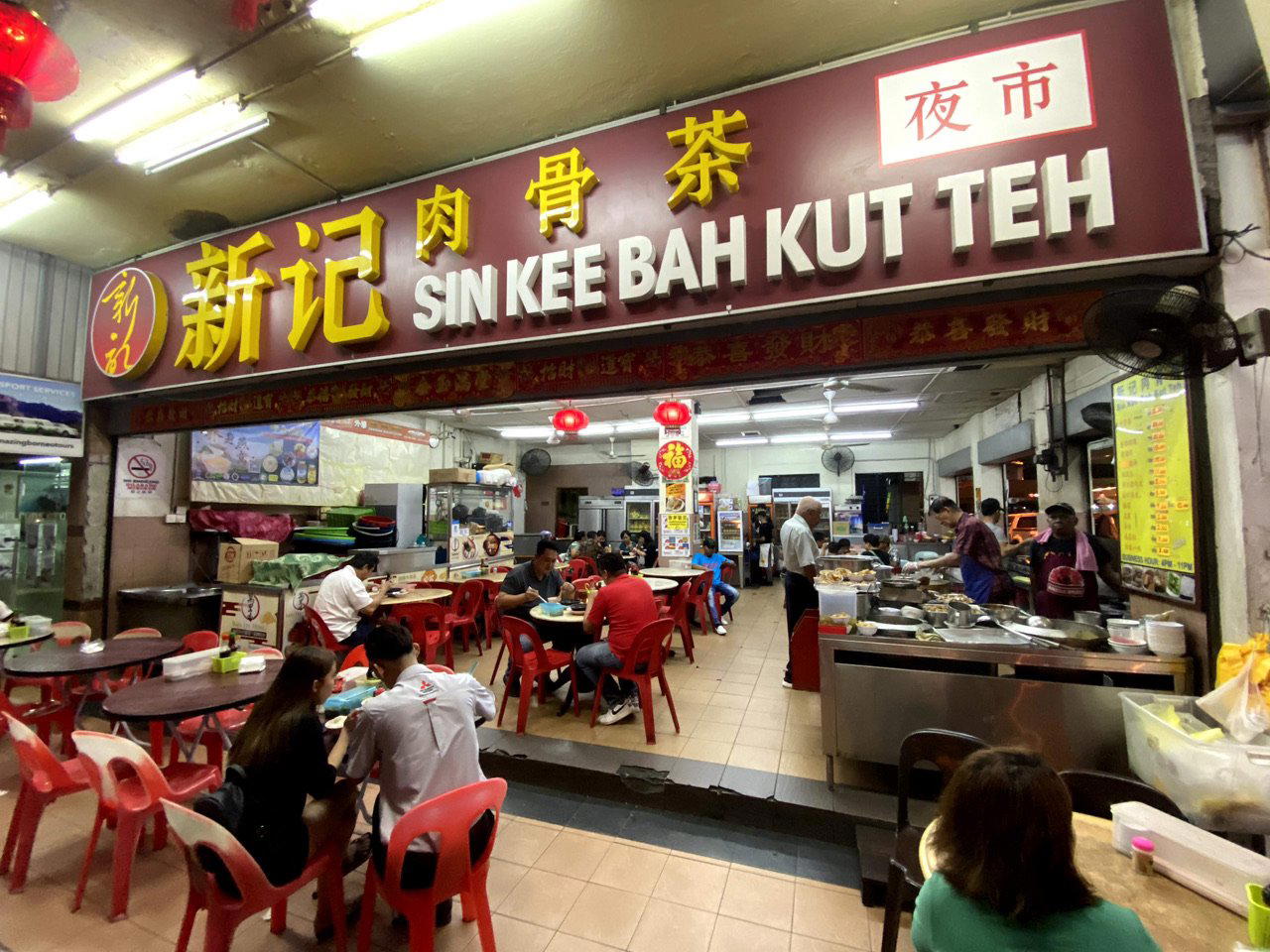
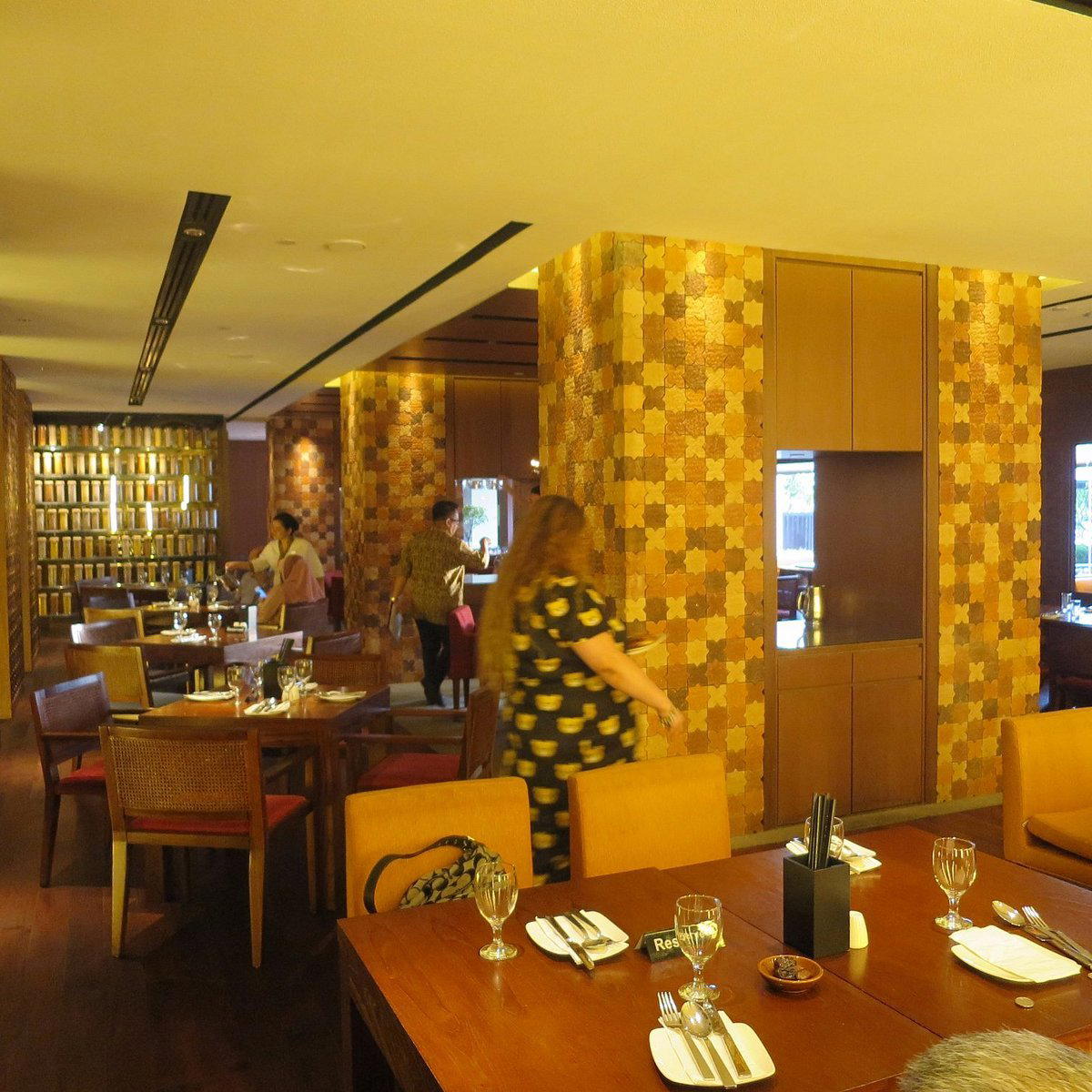
Nearby, Da De Bah Kut Teh and Sin Kee Bah Kut Teh anchor the bak kut teh segment of Borneo's Chinese-Malaysian dining, a format built around long-simmered pork rib broth that functions as both morning meal and late-night eating across the region. Tanjung Ria Cafe represents the lighter, cafe-format end of Borneo's Chinese-Malay dining spectrum. Fatt Kee occupies a different position from all three, operating as a more general Chinese restaurant rather than a single-dish specialist, which, in Borneo's dining structure, typically means a broader menu of stir-fries, soups, and seafood preparations cooked to order.
Cultural Roots of the Cuisine
The Chinese-Malaysian restaurant category in Borneo draws from several distinct culinary lineages. Hokkien cooking from Fujian province brought braised soy preparations, thick noodles, and a preference for pork-forward dishes. Hakka tradition contributed salt-baked and clay-pot techniques, alongside the preserved vegetable pairings that appear in many family-style rice menus. Cantonese influence, particularly in Sabah, shows up in the seafood approach, steaming whole fish, wok-frying shellfish with ginger and spring onion, and in the soup traditions that structure a shared meal.
What makes the Bornean version of this cooking distinct is the access to local seafood species not available on the peninsula, and a longer history of cooking alongside indigenous Kadazan-Dusun and Iban communities, which introduced ingredients and preparation logic that quietly shaped how Chinese-Malaysian cooks on the island work. You do not find this written on menus, but you often taste it in the balance of a dish, a lighter hand with soy, a reliance on fresh aromatics over fermented pastes, a preference for cooking that foregrounds the ingredient rather than the sauce.
For a comparison point at the contemporary fine-dining end of Malaysian Chinese cooking, Dewakan in Kuala Lumpur offers a useful counterpoint, a restaurant that interrogates Malaysian ingredients through a modernist framework, at the opposite end of the format spectrum from community restaurants like Fatt Kee.
How It Sits in the Broader Malaysian Dining Picture
Malaysia's restaurant ecosystem supports an extraordinary range of price points and formats, from street-level hawker operations to tasting-menu addresses comparable to Le Bernardin in New York City or Atomix in New York City in terms of ambition and technical precision. Chinese family restaurants occupy the middle register of that range, cooked to order, priced for regular dining, structured around shared plates rather than individual courses.
Within that middle register, restaurants like Fatt Kee function as community anchors in a way that single-dish specialists or hawker stalls do not. A broader menu demands a more versatile kitchen and a larger regular clientele, which means these restaurants tend to develop over years rather than months. Their reputations are built through word of mouth within specific neighborhoods and within the Chinese-Malaysian community networks that span across Borneo's coastal towns. Those looking to compare how vegetarian-focused Chinese-Malaysian cooking develops in a different Malaysian city can reference Jia Yi Dao Vegetarian Restaurant in Taiping, which shows how community-rooted Chinese restaurants adapt to dietary shifts without abandoning their format logic.
Planning Your Visit
Chinese family restaurants in Borneo's towns typically do not take advance reservations for small parties, walk-in is the norm, with peak periods at weekend lunch and Friday and Saturday evenings when extended family dining is most common. Arriving slightly before or after peak service times reduces wait times at the busier addresses. For restaurants in this format category, cash payment remains common even where card facilities exist, and menus are frequently presented in Chinese with limited or no English translation, making a basic familiarity with Cantonese or Hokkien dish names useful.
Those traveling with dietary restrictions should note that pork is central to many dishes at Chinese-Malaysian restaurants of this type. Seafood and vegetable preparations are generally available, but cross-contamination in a wok-based kitchen is standard. Visitors with strict dietary requirements will find it more practical to address these directly with staff before ordering than to rely on menu notation. For a comparable café-format experience with different dietary flexibility, Kopi Ping Cafe in Tuaran offers an alternative setting within the broader Sabah area.
Price Lens
Comparable venues nearby, for context on price, style, and recognition.
| Venue | Cuisine | Price | Notes |
|---|---|---|---|
| Fatt Kee RestaurantThis venue — the venue you are viewing | Taman Far East, Chinese Seafood Noodles | $$ | Not listed |
| Sin Kee Bah Kut Teh | Not listed | $ | Pusat Bandar Kota Kinabalu, Traditional Chinese Bak Kut Teh |
| Tanjung Ria Cafe | Not listed | $$$ | Kota Kinabalu District, Malaysian Buffet with International Flavors |
| Da De Bah Kut Teh | Not listed | $ | Gaya Street, Kota Kinabalu, Traditional Bak Kut Teh |
| DIN by Din Tai Fung | Not listed | $$ | KLIA2, Halal Taiwanese Dumplings |
| Din Tai Fung (Din Tai Fung (鼎泰豐)) | Bukit Bintang, Taiwanese Dim Sum | $$ | Not listed |
Continue exploring
More in Borneo
Restaurants in Borneo
Browse all →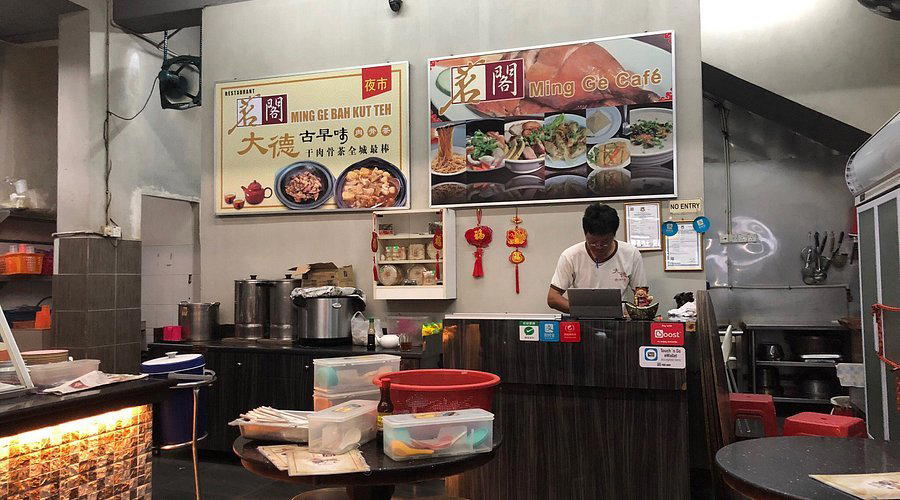
At a Glance
- Casual
- Casual Hangout
- Family
Casual and relaxed with air-conditioned branch seating, popular for quick and flavorful seafood noodle meals.