Restoran Soo Kee occupies a well-worn address along Jalan Ampang's 4th Mile stretch, a corridor that has anchored Chinese coffee shop culture in the Klang Valley for generations. It represents the kind of neighbourhood institution that regulars return to out of habit and loyalty rather than novelty. For visitors exploring Ampang's dining character, it offers an entry point into the area's less-curated, more functional food tradition.
Pearl is the En Primeur Club membership app — saves, bookings, and concierge access live there. Same editors, same standards.
- Address
- No. 373-1, 4th Mile, Jalan Ampang, 50450 Ampang, WP
 Saves & bookings on Pearl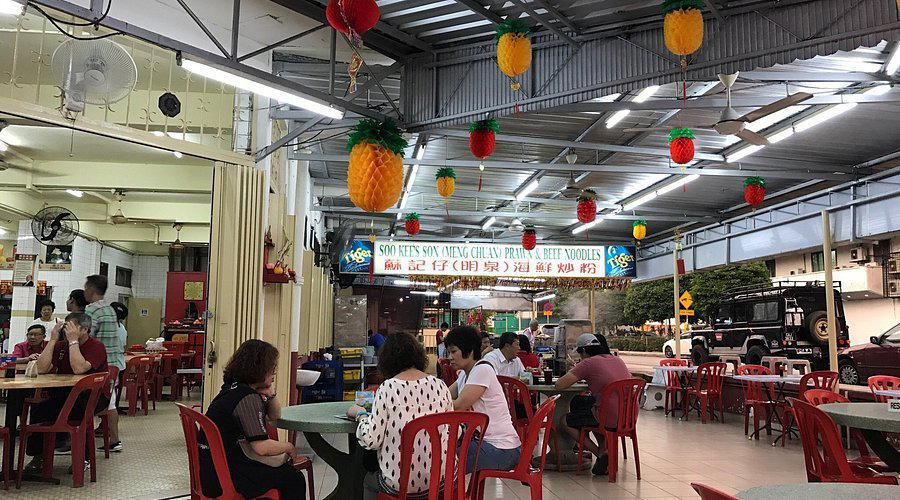
Jalan Ampang's 4th Mile and the Logic of the Old Coffee Shop
Approach the 4th Mile stretch of Jalan Ampang on any given morning and the scene reads the same way it has for decades: folding chairs pulled close to low tables, condensed milk stirred into dark kopi, and the ambient clatter of a kitchen that never paused long enough to reinvent itself. This is one of the Klang Valley's older commercial corridors, and the coffee shops and hawker-style restaurants that line it sit apart from the polished dining rooms appearing elsewhere in greater Kuala Lumpur. Restoran Soo Kee sits at No. 373-1, 4th Mile, Jalan Ampang, 50450 Ampang, and serves Cantonese BBQ Specialists at a casual, walk-in-friendly price tier.
In Malaysian Chinese food culture, the kopitiam and its close relative the restoran are rarely just eating spaces. They function as community anchors, social infrastructure, and culinary archives simultaneously. Dishes that have disappeared from menus at newer restaurants survive here because the regulars who order them never stopped ordering them. That dynamic shapes what places like Soo Kee represent in Ampang's wider dining picture: they are less trend-dependent and more directly accountable to a local constituency than venues serving a transient or aspirational audience.
The 4th Mile in Context: Where Ampang's Food Character Forms
Ampang's food identity is layered, and the 4th Mile corridor represents one of its older, denser strata. The suburb's Chinese community, heavily Cantonese and Hakka in origin, established coffee shops and economy rice stalls along Jalan Ampang as the area developed through the mid-twentieth century. These were practical operations, built around the cooking traditions their owners brought from southern China and adapted over time with local ingredients and neighbouring culinary influences.
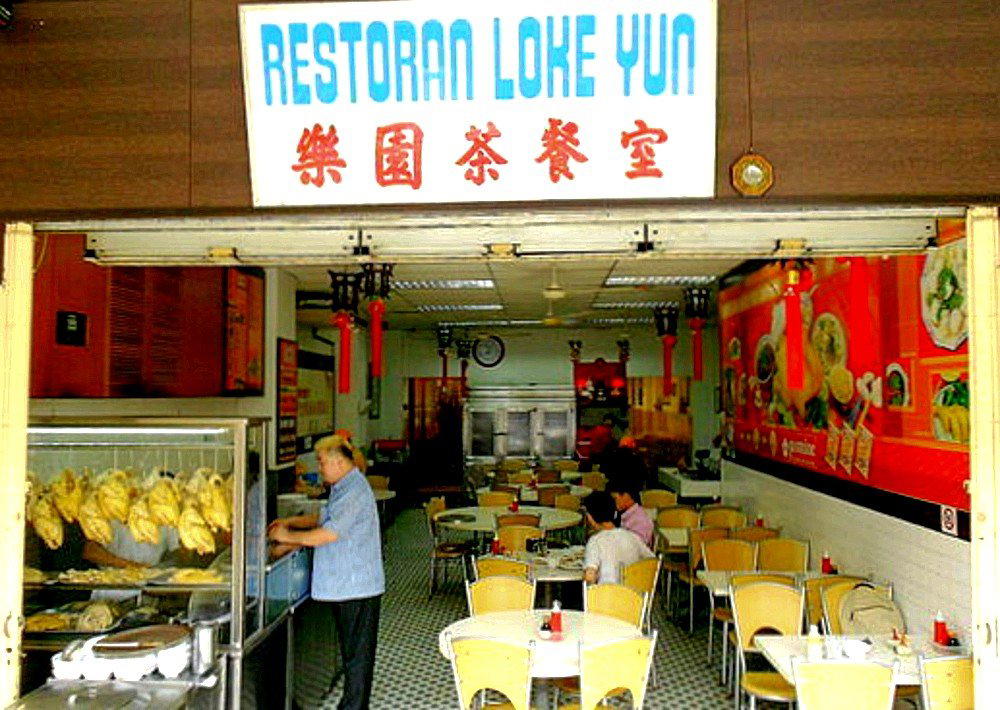
That history distinguishes the 4th Mile from Ampang's newer dining clusters, which skew toward international formats and contemporary Malaysian cuisine. Venues like Restoran Loke Yun 樂園茶餐室 occupy a similar tier within Ampang's older food geography, where the draw is consistency and cultural specificity rather than innovation.
Understanding where Soo Kee fits requires a look at how Malaysian Chinese restaurant culture is structured. The segment below kopitiam level and above hawker-stall-only formats occupies a middle ground where family cooking, economy dishes, and communal eating patterns overlap. Pricing in this tier tends to reflect volume and accessibility rather than premium ingredient sourcing. Regulars are not primarily motivated by novelty; they return for specific dishes prepared to a consistent standard they have already calibrated against.
The Cultural Weight of the Ampang Chinese Table
Malaysian Chinese cuisine in the Klang Valley spans a considerable range. At the higher end, restaurants like Dewakan in Kuala Lumpur and Auntie Gaik Lean's Old School Eatery in George Town represent the point where local traditions meet formal dining ambition. Penang's hawker culture, exemplified by places like Air Itam Asam Laksa, Chong Char Koay Teow, and 888 Hokkien Mee, operates at the opposite pole: maximum informality, singular dishes, and a competitive culture that keeps standards sharp through proximity and volume. The 4th Mile sits in a different band from both: less refined than the former, less singular than the latter, but serving a community need that both of those formats leave unaddressed.
Across Malaysia, this middle tier of Chinese restaurants has thinned in urban centres as rising rents, changing consumer preferences, and the death of founding generations have combined to close operations that once seemed permanent. The fact that addresses like Soo Kee persist on Jalan Ampang says something about the density of the local Chinese population in this part of Ampang and the appetite for this kind of cooking that the neighbourhood sustains. For those exploring this tier beyond Ampang, comparable traditions surface at places such as CRC Restaurant in Georgetown and Da De Bah Kut Teh in Borneo, where the logic of the community Chinese restaurant holds across different regional contexts.
The broader Malaysian table is equally varied in its non-Chinese expressions. India Gate Restaurant in Klang, Jia Yi Dao Vegetarian Restaurant in Taiping, and Kopi Ping Cafe in Tuaran each anchor their own community dining traditions, reinforcing how regional and ethnic specificity continues to shape Malaysian restaurant culture outside the headline venues. The distance between these operations and something like Le Bernardin in New York City or Atomix in New York City is not simply one of quality or ambition; it reflects entirely different functions that restaurants serve in different cultural contexts.
Planning Your Visit
Restoran Soo Kee is located at No. 373-1, 4th Mile, Jalan Ampang, 50450 Ampang. The 4th Mile stretch is accessible by car from central Kuala Lumpur and sits within the broader Ampang corridor that connects the city to the eastern suburbs. Breakfast and lunch hours tend to draw the heaviest local traffic at operations of this type, with earlier visits typically offering the widest selection of prepared dishes. No booking information is confirmed for this venue, and walk-in attendance follows the standard pattern for this restaurant format.
Other dining options across the Klang Valley worth considering include DIN by Din Tai Fung in Sepang, Kay's Steak and Lobster in Subang Jaya, Al-Sultan Restaurant in Shah Alam, and Kuroma Buffet and Dining in Johor Bahru for those ranging more widely across the region. For hot pot in the area, Haidilao in Malacca and Haidilao Hot Pot in Perai represent the branded end of that category.
Price Lens
Comparable venues nearby, for context on price, style, and recognition.
| Venue | Cuisine | Price | Notes |
|---|---|---|---|
| Restoran Soo KeeThis venue — the venue you are viewing | Ampang, Cantonese BBQ Specialists | $$ | Not listed |
| Restoran Loke Yun 樂園茶餐室 | Ampang, Hainanese Chicken Rice | $$ | Not listed |
| CRC Restaurant (CRC Restaurant (美麗華魚翅海鮮酒家)) | George Town, Cantonese Seafood | $$ | Not listed |
| Fook Heong Bak Kut Teh 福香肉骨茶 | Not listed | $$ | Taman Shamelin Perkasa, Traditional Bak Kut Teh |
| DIN by Din Tai Fung | Not listed | $$ | KLIA2, Halal Taiwanese Dumplings |
| Restoran Char Siew Yoong 叉燒楊家家來燒臘店 (Jalan Peel) | Taman Pertama, Cantonese Roast Meats | $ | Not listed |
Continue exploring
More in Ampang
Restaurants in Ampang
Browse all →
At a Glance
- Classic
- Well Known
- Casual Hangout
- Standalone
Casual, well-worn and functional, with the feel of an old-school local Chinese coffee-shop institution rather than a polished modern dining room.