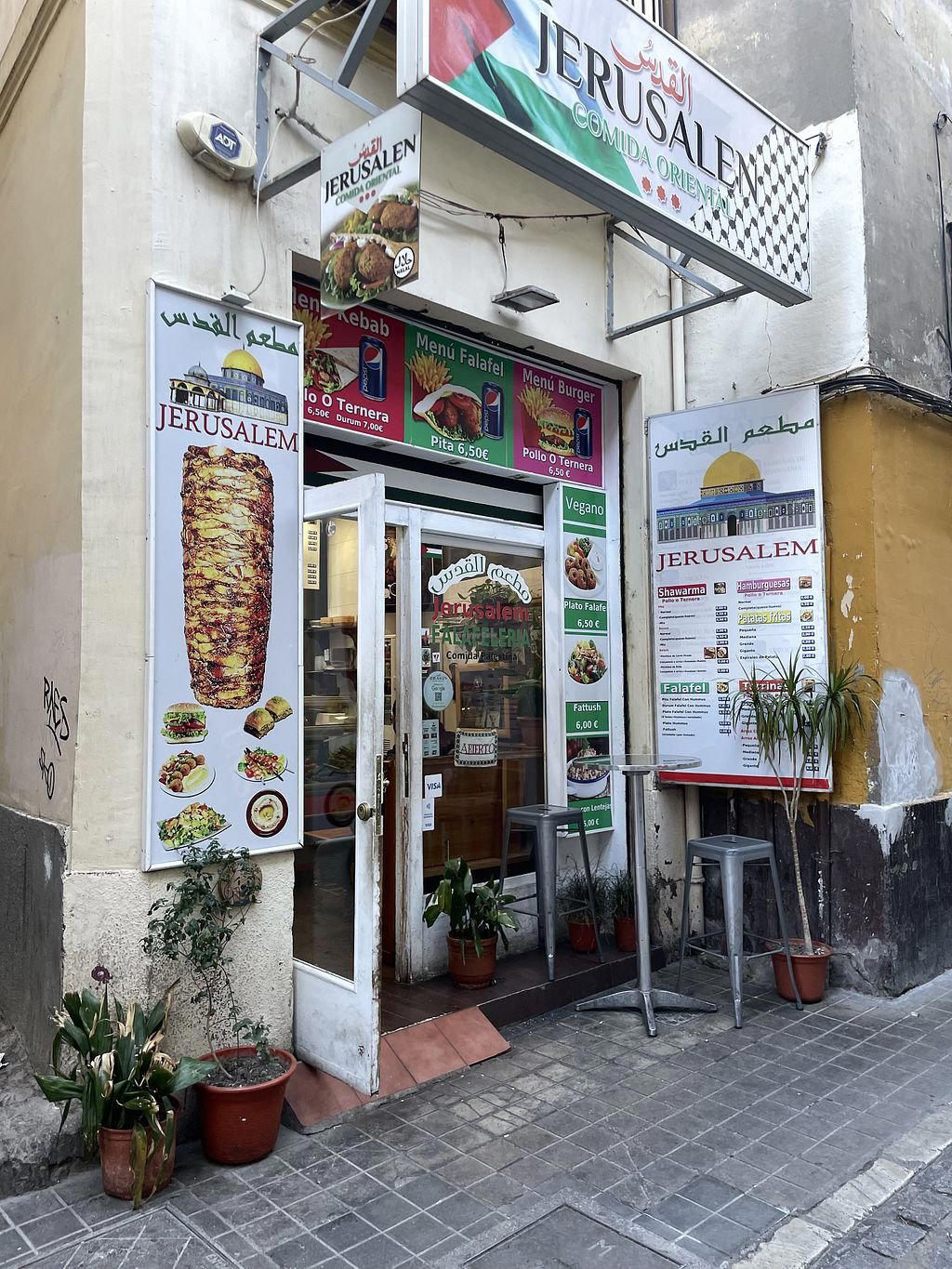
On Calle Elvira in the Albaicín, Restaurante Jerusalén occupies one of Granada's most culturally layered streets, where Moorish architecture and North African influence have shaped the neighbourhood's character for centuries. The restaurant draws on that proximity, offering a dining experience rooted in the culinary traditions that passed through Granada's historic medina quarter. For visitors tracing the city's Arab-Andalusian heritage through food, this address is worth noting.
 Discover on Pearl
Pearl is the En Primeur Club membership app — saves, bookings, and concierge access live there. Same editors, same standards.
- Address
- C. Elvira, 42, Albaicín, 18010 Granada, Spain
- Phone
- +34631166117
- Website
- tiktok.com
Where the Albaicín Meets the Table
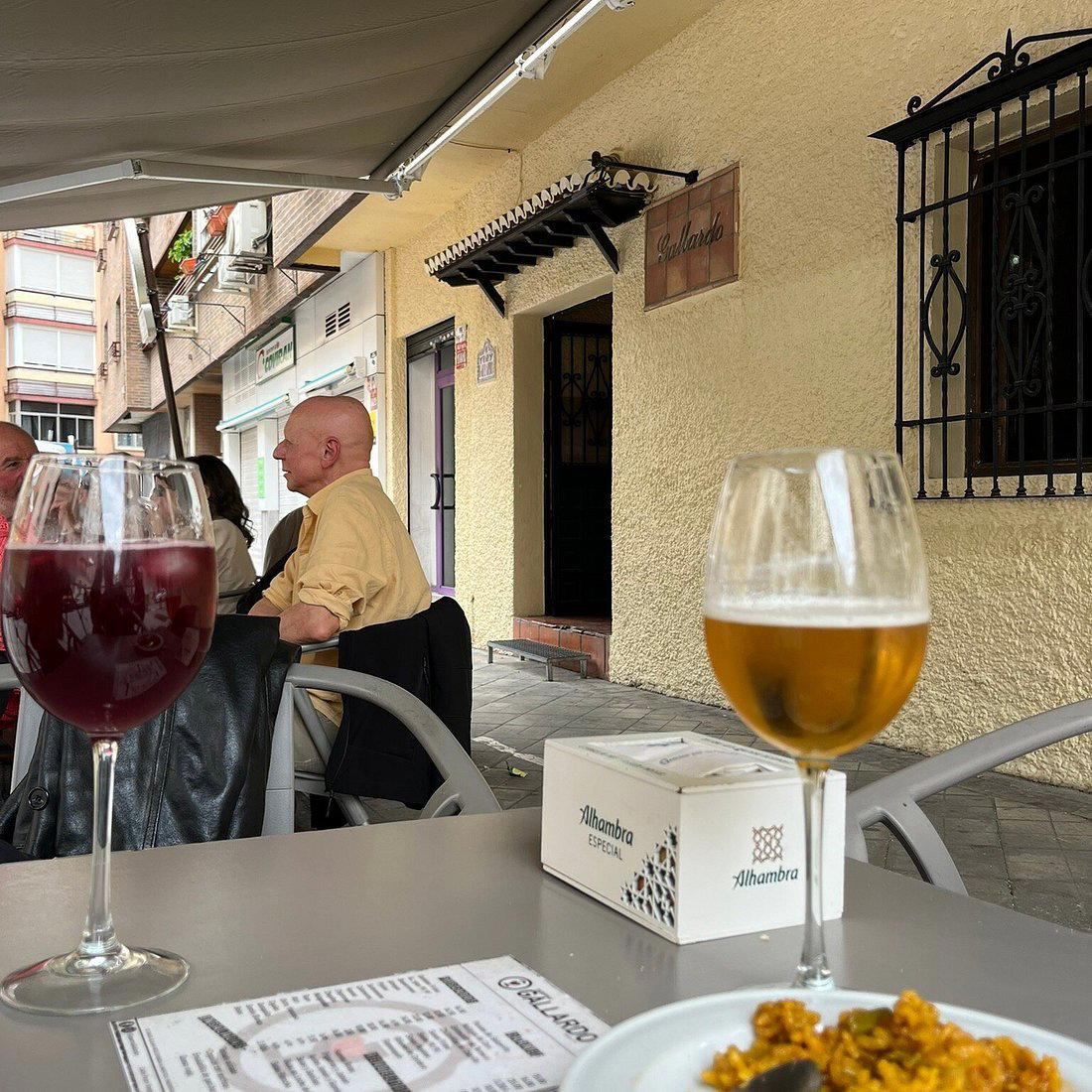
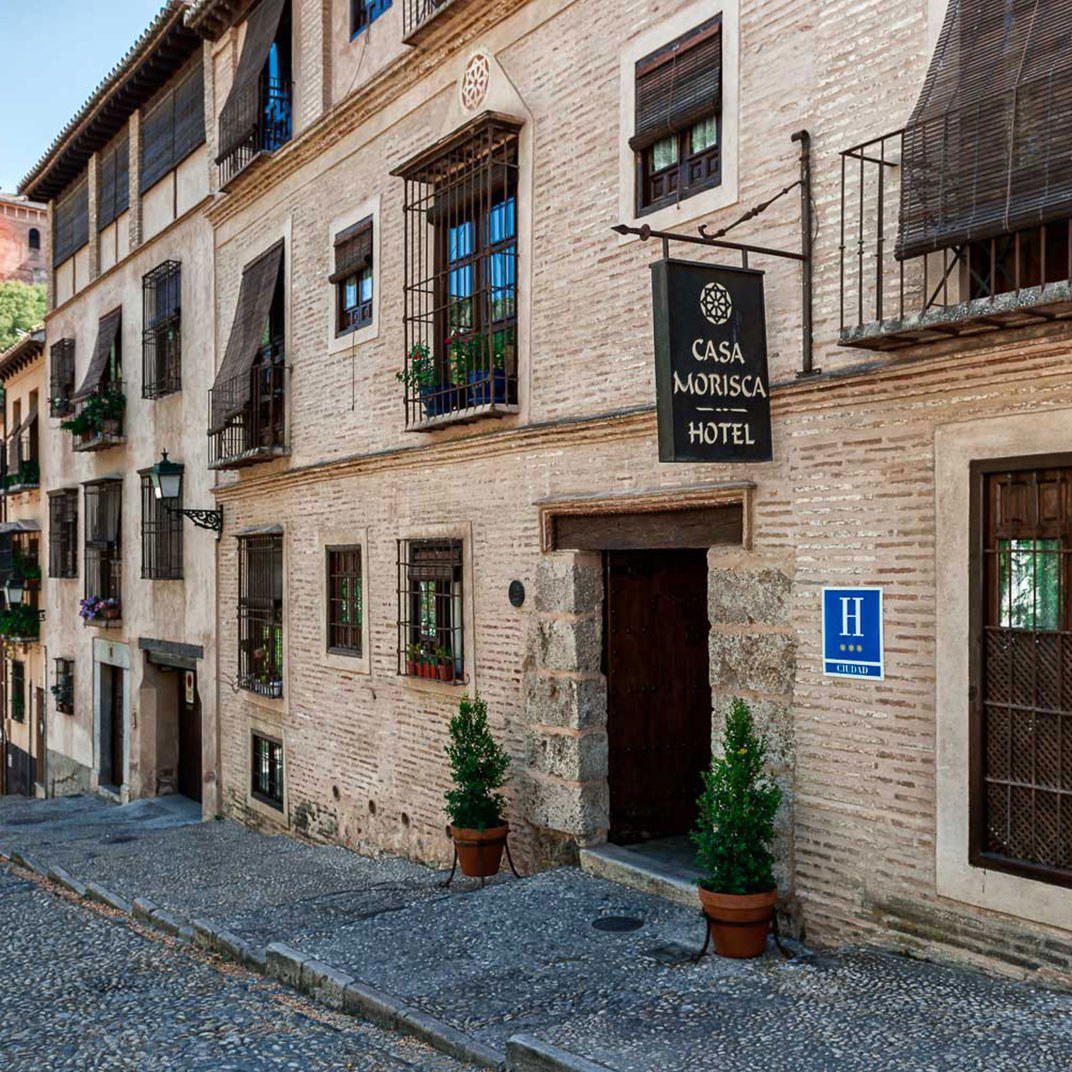
Calle Elvira runs like a spine through one of Spain's most architecturally complex neighbourhoods. The Albaicín, Granada's old Moorish quarter, climbs toward the Alhambra on one side and drops toward the Darro river on the other, and the streets in between carry the kind of density that only centuries of layered habitation can produce. Approaching Restaurante Jerusalén at number 42, you pass hammam entrances, tea houses selling mint and cardamom, and the low hum of a district that has never fully separated its Iberian present from its Arab past. Restaurante Jerusalén is a casual Palestinian Middle Eastern restaurant at C. Elvira, 42, Albaicín, Granada. That context is not incidental to the meal. It is the meal's architecture.
Granada sits at a particular crossroads in Spain's culinary geography. Unlike the avant-garde kitchens of San Sebastián, where Arzak and Mugaritz have spent decades rewriting Basque tradition through a contemporary lens, or the modernist ambition of Madrid's DiverXO, Granada's dining character is shaped by something older and less codified: the slow cultural negotiation between Andalusian, Moorish, and Jewish culinary inheritance. The name Jerusalén itself signals a positioning within that inheritance, not as theme or nostalgia, but as a reference point for cuisine that draws on spice traditions, slow-cooked preparations, and flavour combinations that pre-date Spain's modern regional identities.
The Rhythm of Eating on Calle Elvira
Dining in the Albaicín operates on a different tempo than central Granada. The neighbourhood resists the tourist-facing efficiency of the cathedral district. Meals here tend to extend, conversations linger, and the pacing of service reflects a part of the city that has not fully optimised itself for turnover. That unhurried quality is worth treating as the experience itself rather than a logistical inconvenience. Restaurants in this quarter, including Restaurante Jerusalén, occupy spaces where the dining ritual matters as much as any individual dish, where the sequence of arrival, settling, ordering, and eating carries social weight that fast-casual formats deliberately strip away.
This is a tradition with deep roots in Arab-Andalusian hospitality culture, where the act of receiving a guest at table was itself a form of statement. The slow procession of small dishes, the deliberate introduction of spices that require time to register fully on the palate, these are not affectations. They reflect a hospitality grammar that Granada's Albaicín has preserved more intact than most European city quarters of comparable age. Compared to the more structured contemporary formats at places like Atelier Casa de Comidas, where Spanish and contemporary influences are woven together with clear modern intent, the experience here operates closer to tradition's source material.
Granada's Dining Tiers and Where This Address Sits
Granada's restaurant scene has consolidated around a few distinct registers. At one end, tapas bars like Bar Los Diamantes anchor the city's free-tapa culture, a Granada custom that survives here more robustly than in almost any other Spanish city, where ordering a drink still arrives with a plate of food at no extra cost. At the other end, contemporary addresses such as Arriaga push toward a more curated, produce-led format. Restaurante Jerusalén on Calle Elvira occupies a middle register: not a tapas bar in the Granadino tradition, not a tasting-menu operation, but a table-service restaurant where the cuisine draws explicitly on the Moorish and Jewish culinary threads that Granada's historians have spent decades trying to reconstruct and contextualise.
That positioning is meaningful. Spain's highest-profile kitchens, from El Celler de Can Roca in Girona to Martin Berasategui in Lasarte-Oria, operate within well-defined regional identities, building menus around the specific terroir and culinary vocabulary of Catalonia or the Basque Country. Granada's culinary identity is less settled, more contested, and arguably richer for it. The city sits at the intersection of three monotheistic culinary traditions and a Mediterranean agricultural abundance that includes almonds, citrus, pomegranate, and some of the most underrated olive oils produced on the peninsula. Restaurants that engage with that complexity seriously are doing something that few kitchens in Spain attempt.
For seafood-forward small plates in a more casual register nearby, Bar FM offers a contrast in format and ingredient focus. For something rooted in farm-to-table sourcing within Granada province, Albidaya represents a different but complementary strand of the city's contemporary dining conversation.
Planning Your Visit
Calle Elvira 42 is walkable from the central Bib-Rambla square in under ten minutes, though the Albaicín's topography means the return route involves an uphill section through narrow lanes. Arriving on foot is the appropriate mode, the neighbourhood does not reward cars. The street itself is most atmospheric in the late afternoon and evening, when the day-trip crowds thin and the resident population reasserts the quarter's actual character. As with most restaurants in this part of Granada, turning up without a reservation on weekend evenings carries risk; the Albaicín's dining rooms are small by design.
Spain's most decorated kitchens, Quique Dacosta, Azurmendi, Ricard Camarena, Cocina Hermanos Torres, operate within highly structured frameworks of regional identity, seasonal constraint, and critical expectation. A restaurant on Calle Elvira in the Albaicín operates under none of those pressures, and that freedom carries its own kind of interest. What Granada offers, at its finest, is a dining tradition that has not yet been fully systematised, which means it can still surprise.
Cuisine and Recognition
Comparable venues nearby, for context on price, style, and recognition.
| Venue | Cuisine | Price | Awards | Notes |
|---|---|---|---|---|
| Restaurante JerusalénThis venue — the venue you are viewing | Palestinian Middle Eastern | $ | , | |
| Mercato Italiano Pasta Fresca y Gastronomia | Authentic Italian Pasta Fresca | $ | , | Centro - Sagrario |
| Restaurante Oliver | Traditional Spanish Seafood | $$ | , | Centro - Sagrario |
| Damasqueros | Creative Andalusian tasting menu | $$$ | , | Realejo |
| DIVINO | Authentic Italian with House-Made Pasta | $$ | , | Realejo - San Matias |
| María De La O | Modern Spanish fine dining in a 19th‑century mansion | $$$ | , | Genil |

At a Glance
- Cozy
- Casual
- Casual Hangout
- Historic Building
- Street Scene
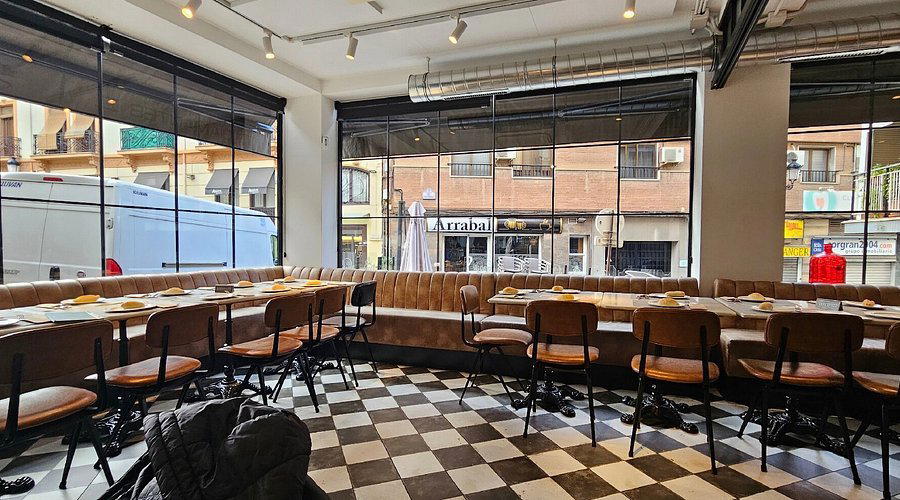
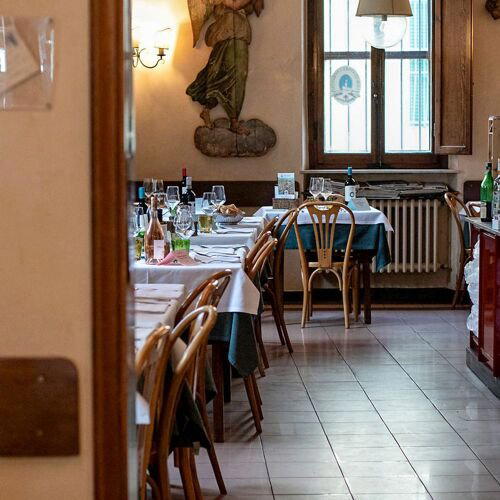
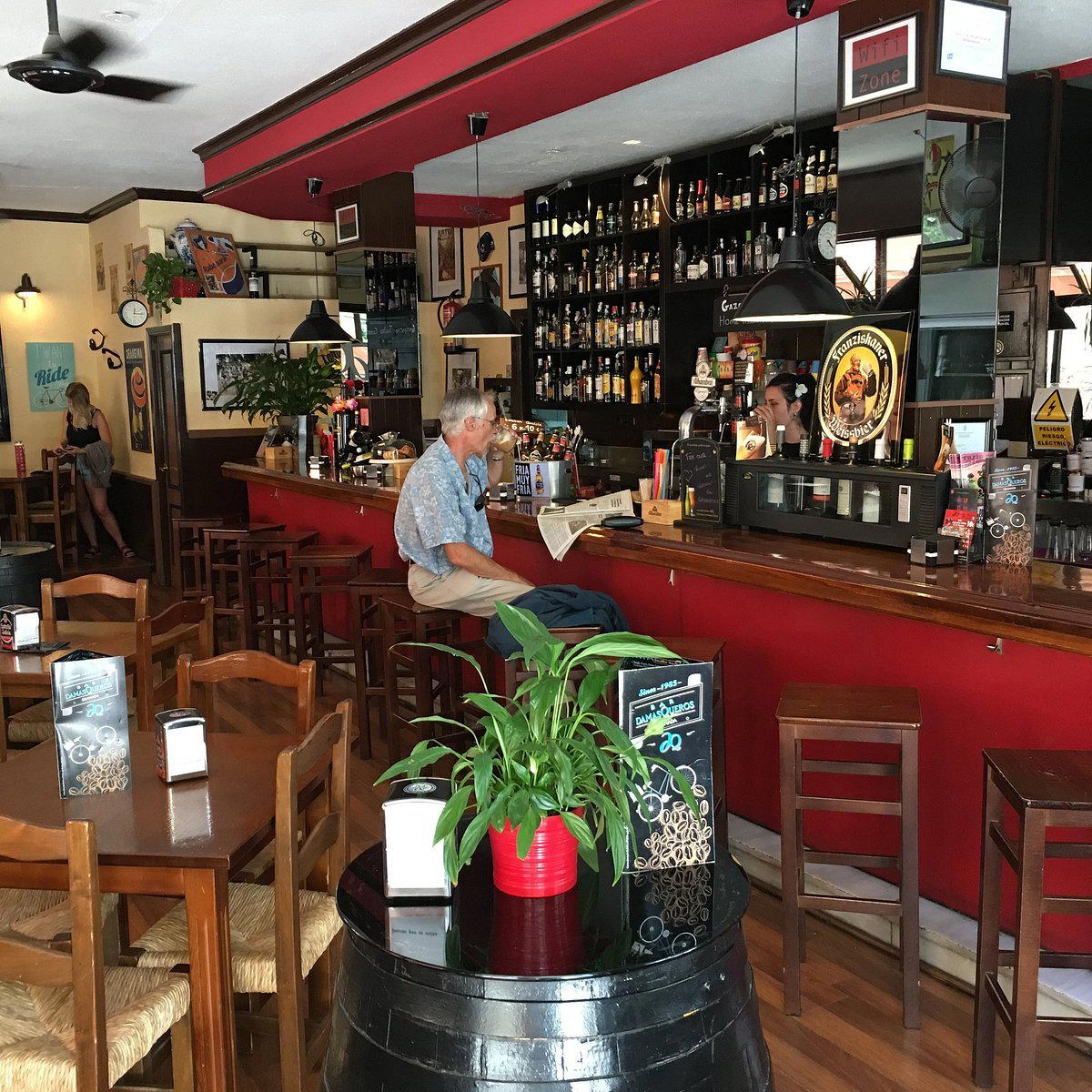
Casual and welcoming informal atmosphere ideal for quick meals.