Our verdict
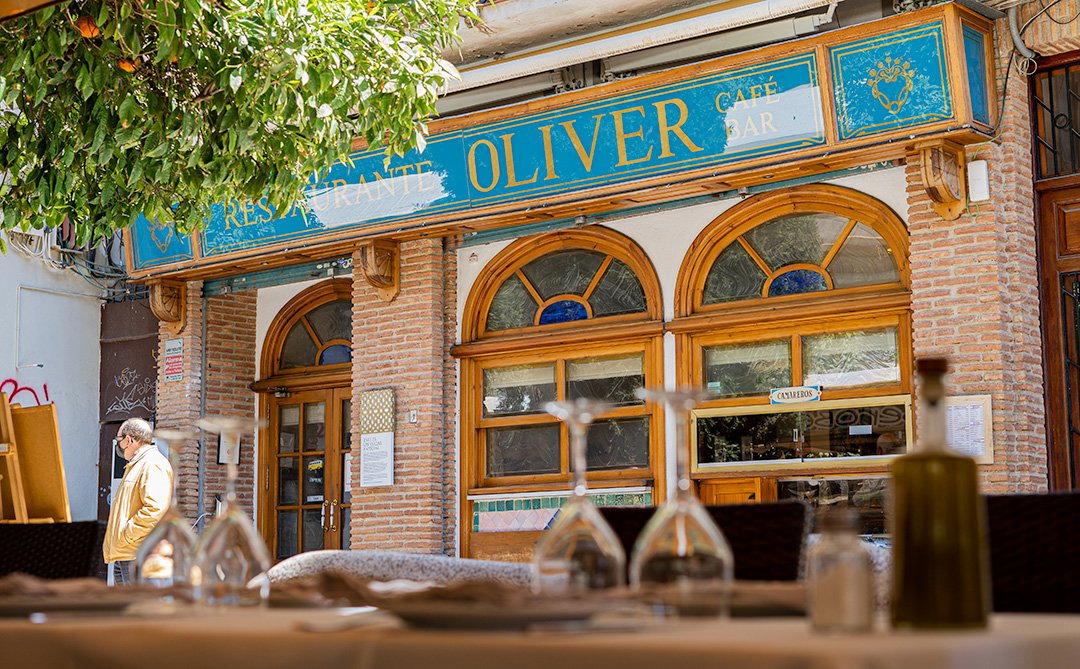
Restaurante Oliver occupies a address on Plaza Pescadería, one of Granada's most historically layered squares, placing it squarely inside the city's tradition of plaza-facing dining that treats the street as part of the meal. The kitchen works within a culinary register that Granada has refined over centuries, where Moorish, Andalusian, and Mediterranean currents intersect on the plate. Booking ahead is advisable given the plaza's steady foot traffic and the restaurant's fixed position in the Centro neighbourhood.

Pearl is the En Primeur Club membership app — saves, bookings, and concierge access live there. Same editors, same standards.
Granada's Plaza Culture and the Dining Tradition It Sustains
Plaza Pescadería sits at the centre of Granada's oldest commercial quarter, a square that has functioned as a marketplace, social crossroads, and civic stage since the city's medieval period. Restaurants on or immediately adjacent to it do not simply occupy prime real estate — they participate in a layered tradition of public dining that Granada has practised longer than almost any other city in Andalusia. The square's name, a reference to the fish market once held here, signals how deep the commercial and culinary history runs beneath the cobblestones. Restaurante Oliver holds an address at number 12, which positions it inside that history rather than merely beside it.
This matters because Granada's restaurant scene splits in a way that is rarely discussed clearly. There is a newer wave of contemporary Spanish kitchens, places like Arriaga and Atelier Casa de Comidas, which work with modernist technique and tasting-menu formats borrowed from the broader Spanish avant-garde tradition. Then there is the older, deeper current: Andalusian cooking that traces its flavour logic back through centuries of Moorish, Jewish, and Christian culinary interchange. Plaza-facing addresses like Oliver's tend to belong to this second register, where the meal is inseparable from the act of being in the city.
The Andalusian Culinary Register Granada Still Practises
Granada's culinary identity is unusual within Spain. Unlike the Basque Country, which has exported its cooking philosophy through institutions like Arzak and Mugaritz, or Catalonia, which operates through the international recognition of El Celler de Can Roca and the conceptual kitchen of Cocina Hermanos Torres, Granada has never built a single signature export dish or starred-kitchen identity that dominates the national conversation. What it has instead is a food culture that remains largely internal: deep, specific, and shaped by ingredients from both the Sierra Nevada and the Mediterranean coast a short drive south.
The result is a cooking tradition that combines mountain produce — cured meats, game, legumes, with coastal fish and shellfish in combinations that predate the Spanish nation itself. Saffron, cumin, and dried fruit appear in preparations that connect directly to Al-Andalus, the Moorish civilisation that controlled Granada until 1492. This is not decorative heritage. These flavour combinations persist because they work, and because Granada's markets and suppliers have maintained the ingredient chains that make them possible. Venues like Bar FM, which focuses on seafood small plates, and Albidaya, which takes a farm-to-table approach, represent two contemporary expressions of this same underlying logic: source carefully from this specific geography, and the cooking largely takes care of itself.
What the Plaza Setting Determines About the Experience
Dining on Plaza Pescadería is not a private experience. The square is one of Granada's most-trafficked pedestrian zones, particularly in the evenings when the Centro neighbourhood fills with a mix of university students, local families, and visitors moving between the Cathedral quarter and the Albaicín. A restaurant at this address operates within that flow rather than apart from it. The meal happens against a backdrop of public life, which is exactly how Andalusian dining tradition frames it: food as a social act conducted in shared space, not a retreat from the city.
This stands in deliberate contrast to the enclosed, technique-forward dining rooms that define Spain's most-discussed restaurants at the national level. DiverXO in Madrid and Quique Dacosta in Dénia operate in purpose-built theatrical environments where the cooking itself is the only theatre. Plaza-facing Andalusian restaurants work from the opposite premise: the environment is already theatrical, already loaded with history and movement, and the kitchen's task is to match that energy with food that earns its place in the scene.
Granada's Tapa Tradition and How It Shapes the Menu Logic
Granada remains one of a shrinking number of Spanish cities where tapas are still served complimentary with drinks. This is not a tourist concession, it is a functioning economic and social custom that shapes how kitchens operate and how guests use the room. A table at a Centro restaurant in Granada might move through several rounds of drinks and their accompanying plates before anyone orders from the main menu, or the tapas alone might constitute the meal. This compression of the boundary between drinking and eating is culturally specific to Granada and a handful of other Andalusian cities, and it produces a very different rhythm than the structured progression expected at, say, Azurmendi in the Basque Country or Aponiente in El Puerto de Santa María.
For the visitor, this means arriving with time rather than a schedule. The Granada tapa culture rewards patience and repetition: returning to a well-placed square-facing address across several evenings tells you more about the kitchen than a single sit-down meal would. Bar Los Diamantes, a few blocks away, runs on exactly this model, and the Centro's broader restaurant cluster functions as a system rather than a collection of isolated destinations.
Planning a Visit to Restaurante Oliver
Plaza Pescadería 12 is on foot from the Cathedral, the Alcaicería market, and the main pedestrian axis of Calle Reyes Católicos, making it reachable without navigating Granada's notoriously narrow vehicle-restricted lanes. The Centro neighbourhood is leading approached on foot from the central Acera del Darro or by taxi to the edge of the pedestrianised zone. For the Granada dining circuit more broadly, consulting our full Granada restaurants guide gives the clearest map of how the city's different dining tiers and neighbourhoods relate to each other. Evenings from Thursday through Saturday see the plaza at its most active; Sunday lunch is a slower, more local-facing session if a quieter meal is the priority. Specific hours and booking policies for Restaurante Oliver were not confirmed at time of publication, so arriving in person or contacting the venue directly is advisable before planning around a fixed reservation.
For those building a broader Andalusian or Spanish itinerary, the contrast between Granada's square-centred dining culture and the more internationally oriented restaurant formats found in Valencia, via Ricard Camarena, or in San Francisco, via Lazy Bear, or in New York, via Le Bernardin, is itself instructive. Granada is not competing with those cities on those terms. It is operating from a different set of values entirely, ones rooted in place, continuity, and the particular density of history that a square like Pescadería carries in its stones.
Frequently asked questions
What part of town is Restaurante Oliver in?
Restaurante Oliver is located at Pl. Pescadería, 12, Centro, 18001 Granada, Spain, Granada.
Is Restaurante Oliver a good choice for experiencing Granada's complimentary tapa tradition?
Plaza Pescadería 12 places Restaurante Oliver inside Granada's Centro quarter, which is one of the city's primary zones for the complimentary tapa-with-drinks custom — a practice Granada maintains where most other Spanish cities have dropped it. Granada's tapa tradition is not a tourist concession but a structural part of how the city's bars and restaurants operate. Dining at Oliver within that context means the experience is shaped by the square and the city's eating culture as much as by any individual kitchen.
What's the must-try dish at Restaurante Oliver?
What is documented is Granada's broader culinary register: the city practises one of Spain's last functioning complimentary tapa traditions, meaning dishes typically arrive alongside drinks rather than as standalone orders. Visiting with that format in mind — ordering drinks and receiving tapas as part of the rhythm — is the most authentic way to experience what Plaza Pescadería restaurants like Oliver are built around.
Do they take walk-ins at Restaurante Oliver?
Booking policy details for Restaurante Oliver at Plaza Pescadería 12 are not on public record. Plaza Pescadería is one of Granada's most-trafficked pedestrian zones, particularly during evening hours, so tables on the square tend to fill quickly on weekends and in peak tourist season. Arriving early in the evening service window, or on a weekday, gives the best chance of securing a spot without a reservation.
Budget and Context
Comparable venues nearby, for context on price, style, and recognition.
| Venue | Cuisine | Price | Awards | Notes |
|---|---|---|---|---|
| Restaurante OliverThis venue — the venue you are viewing | Traditional Spanish Seafood | $20–30 | Not listed | Not listed |
| El Claustro | Modern Andalusian Fine Dining | $50–100 | Not listed | Centro - Sagrario, Modern Andalusian Fine Dining |
| María De La O | Modern Spanish fine dining in a 19th‑century mansion | $50–100 | Guía Repsol 1 Sol | Genil, Modern Spanish fine dining in a 19th‑century mansion |
| Mercato Italiano Pasta Fresca y Gastronomia | Authentic Italian Pasta Fresca | $10–20 | Not listed | Centro - Sagrario, Authentic Italian Pasta Fresca |
| Taberna La Tana | Traditional Spanish Tapas & Wine Bar | $30–50 | Star Wine List · Macarfi 6.9 Food Rating | Realejo, Traditional Spanish Tapas & Wine Bar |
| Bar Los Diamantes | Traditional Spanish Seafood Tapas | $10–20 | Not listed | Realejo - San Matias, Traditional Spanish Seafood Tapas |
Continue exploring
More in Granada
Restaurants in Granada
All restaurants in Granada →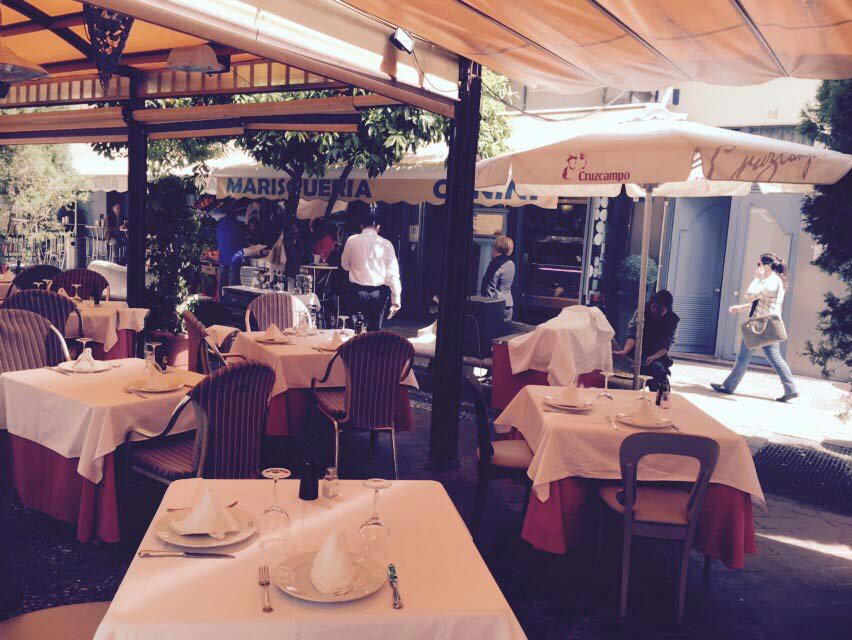
Bars in Granada
All bars in Granada →

Details
- Classic
- Cozy
- Casual Hangout
- Late Night
- Terrace
- Street Scene
- A La Carte
- Small Plates
- Vegetarian Friendly
- Vegan Options
- Gluten Free Options
Current opening hours
- Monday
- 9 AM–12 AM
- Tuesday
- 9 AM–12 AM
- Wednesday
- 9 AM–12 AM
- Thursday
- 9 AM–12 AM
- Friday
- 9 AM–12 AM
- Saturday
- 9 AM–12 AM
- Sunday
- Closed
Hours can change for holidays and private events. Last verified .
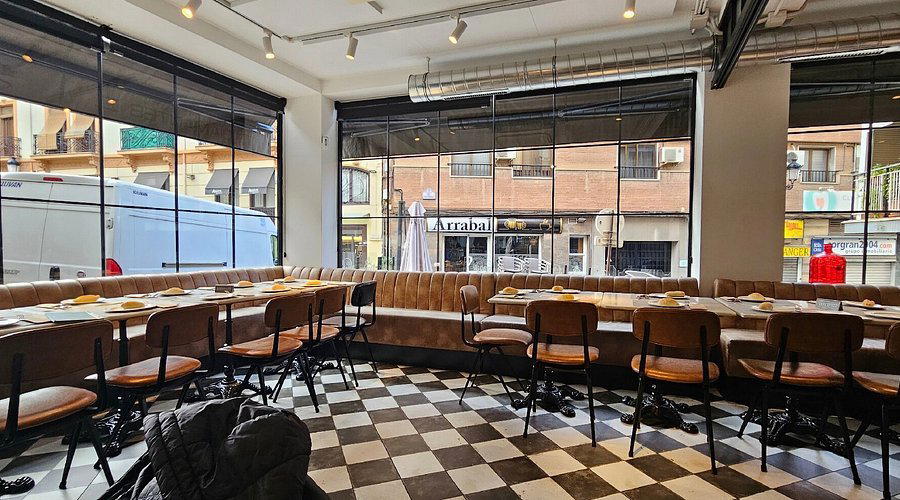
Classic traditional air in bar and dining room, posh-modern style comedor, pleasant and warm atmosphere.