On Calle Álvaro de Bazán in Granada's Centro district, Mercato Italiano Pasta Fresca y Gastronomia brings an Italian gastronomia format to a city more associated with free tapas and Moorish kitchens. The focus is fresh pasta and imported Italian staples, positioning it as a specialist import counter in a tapas-saturated neighbourhood. It occupies a niche that Granada's dining scene rarely fills on its own terms.
 Discover on Pearl
Pearl is the En Primeur Club membership app — saves, bookings, and concierge access live there. Same editors, same standards.
- Address
- C. Álvaro de Bazán, 17, Centro, 18001 Granada, Spain
- Phone
- +34 634 98 95 81
- Website
- mercatoitaliano.es
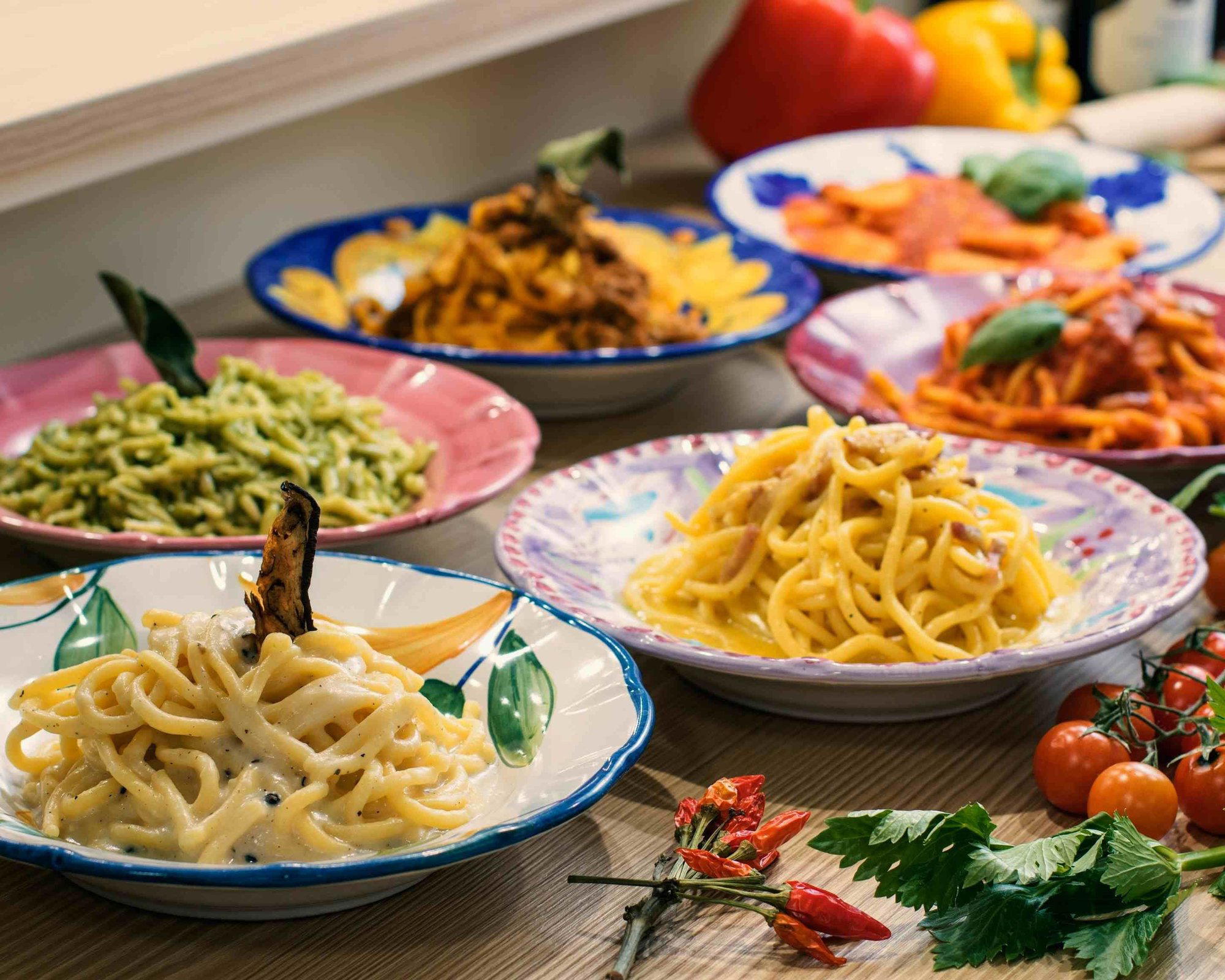
An Italian Gastronomia in Tapas Country
Calle Álvaro de Bazán runs through Granada's Centro district at a comfortable remove from the tourist corridors near the Alhambra, and it is precisely in this kind of in-between urban space that specialist food shops have historically found their footing. Mercato Italiano Pasta Fresca y Gastronomia is a casual Italian pasta fresca restaurant at C. Álvaro de Bazán, 17, Centro, 18001 Granada, Spain. Approaching the shop, the visual language shifts: where neighbouring businesses lean into the Andalusian vernacular, the signage and format here signal something closer to a northern Italian alimentari, the kind of counter-and-shelf operation that structures daily shopping in Bologna or Parma.
That format distinction matters. Granada's dining identity is built around the free tapa, a tradition with deep structural roots: order a drink, receive food, repeat. The city's most-visited establishments, from Bar Los Diamantes to the generations-old Bodegas Castañeda model, operate on volume and repetition. An Italian gastronomia sits outside this logic entirely. It asks the customer to select, to assemble, to take home or eat in on terms closer to a deli visit than a bar round. For Granada, that is a meaningful departure.
The Sourcing Premise
The name announces the editorial angle plainly: pasta fresca. Fresh pasta in Italy is not the artisanal exception but the regional standard across Emilia-Romagna and Lombardy, where egg-to-flour ratios and rolling technique are treated as fixed knowledge passed between households. Bringing that standard to southern Spain requires a supply chain argument. Either the pasta is produced on-site from Italian-heritage technique, or it arrives from a producer network that treats provenance as a selling point. In either case, the gastronomia format is only coherent if the sourcing claim holds up under scrutiny: the customer is paying for specificity, not convenience.
Italy's gastronomia tradition has always been about vertical sourcing in compressed geography. A shop in Modena stocks local mortadella because Modena is inside the production zone. Transporting that logic to Granada means the selection becomes curatorial rather than geographic, a deliberate edit of what Italian regional production looks like at distance. This is the harder version of the model, and the one that requires sharper sourcing decisions. What arrives from Italy, what is made locally, and how those two streams are presented to the customer defines whether the shop reads as a serious import counter or a themed concept.
For context on how ingredient sourcing shapes restaurant identity across Spain's premium dining tier, operations like Albidaya in Granada have built their entire format around traceable farm supply. At the other end of the national spectrum, Aponiente in El Puerto de Santa María has made marine sourcing a conceptual cornerstone, and Azurmendi in Larrabetzu integrates its own agricultural production directly into menu development. The gastronomia model operates on a smaller, more immediate scale, but the underlying logic of sourcing-as-identity is the same.
Where It Sits in Granada's Eating Pattern
Granada's mid-range dining has expanded in recent years. Arriaga works the contemporary Spanish register with precision, while Atelier Casa de Comidas covers Spanish-contemporary at the €€ tier, and Bar FM holds the seafood small-plates format with equal confidence. None of these directly overlap with an Italian gastronomia. Mercato Italiano fills a gap that is structural rather than trendy: the city has no deep tradition of Italian pasta counters, and the format serves a different eating occasion than a seated restaurant or a tapas bar. The purchase here is likely a composed plate eaten quickly, an ingredient to cook later, or a prepared item to carry. It is the lunch and early-evening economy that the gastronomia format was built for.
That occasion-specificity is worth understanding before visiting. This is not the right comparison point for Granada's more ambitious seated restaurants, nor for the sprawling tapas culture documented across our full Granada restaurants guide. It occupies a distinct niche and should be evaluated on those terms.
Planning a Visit
Calle Álvaro de Bazán 17 places the shop in the Centro district, accessible on foot from most of Granada's central accommodation. As with most specialist food shops of this format, timing your visit mid-morning or at midday is likely to offer the widest selection before prepared items are depleted. The shop format suggests walk-in purchase rather than advance reservation, but confirming current operating hours on arrival is prudent.
How It Stacks Up
Comparable venues nearby, for context on price, style, and recognition.
| Venue | Cuisine | Price | Awards | Notes |
|---|---|---|---|---|
| Mercato Italiano Pasta Fresca y GastronomiaThis venue — the venue you are viewing | Authentic Italian Pasta Fresca | $ | , | |
| DIVINO | Authentic Italian with House-Made Pasta | $$ | , | Realejo - San Matias |
| Capital Burger | Modern Gourmet Burgers | $$$ | , | Centro |
| Restaurante Jerusalén | Palestinian Middle Eastern | $ | , | Albaicín |
| María De La O | Modern Spanish fine dining in a 19th‑century mansion | $$$ | , | Genil |
| Damasqueros | Creative Andalusian tasting menu | $$$ | , | Realejo |
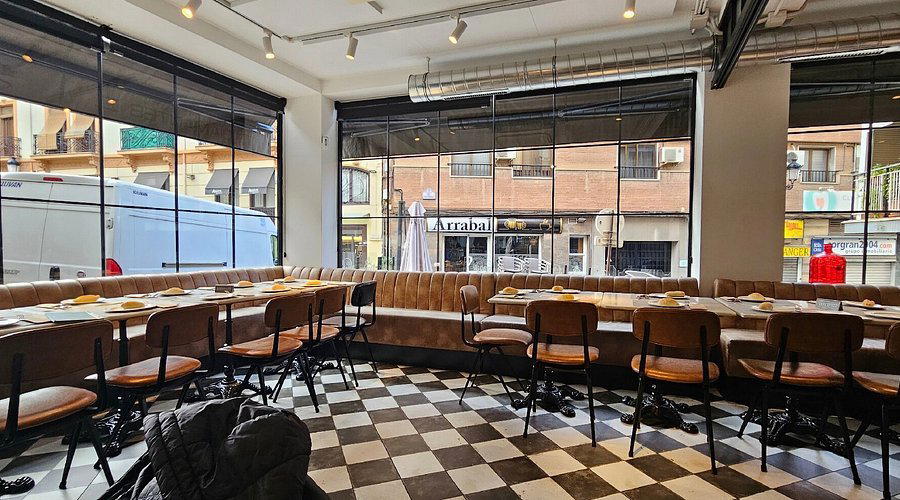
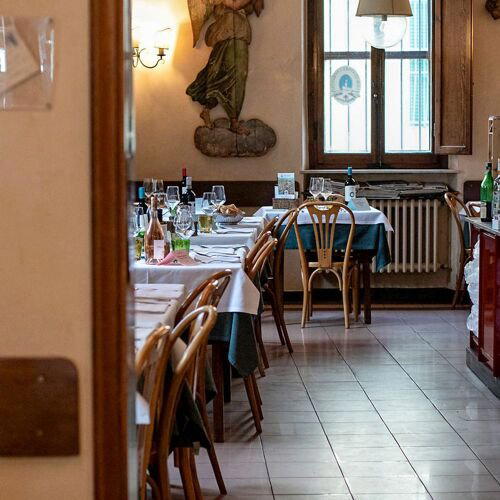
At a Glance
- Rustic
- Cozy
- Casual Hangout
- Family
- Open Kitchen
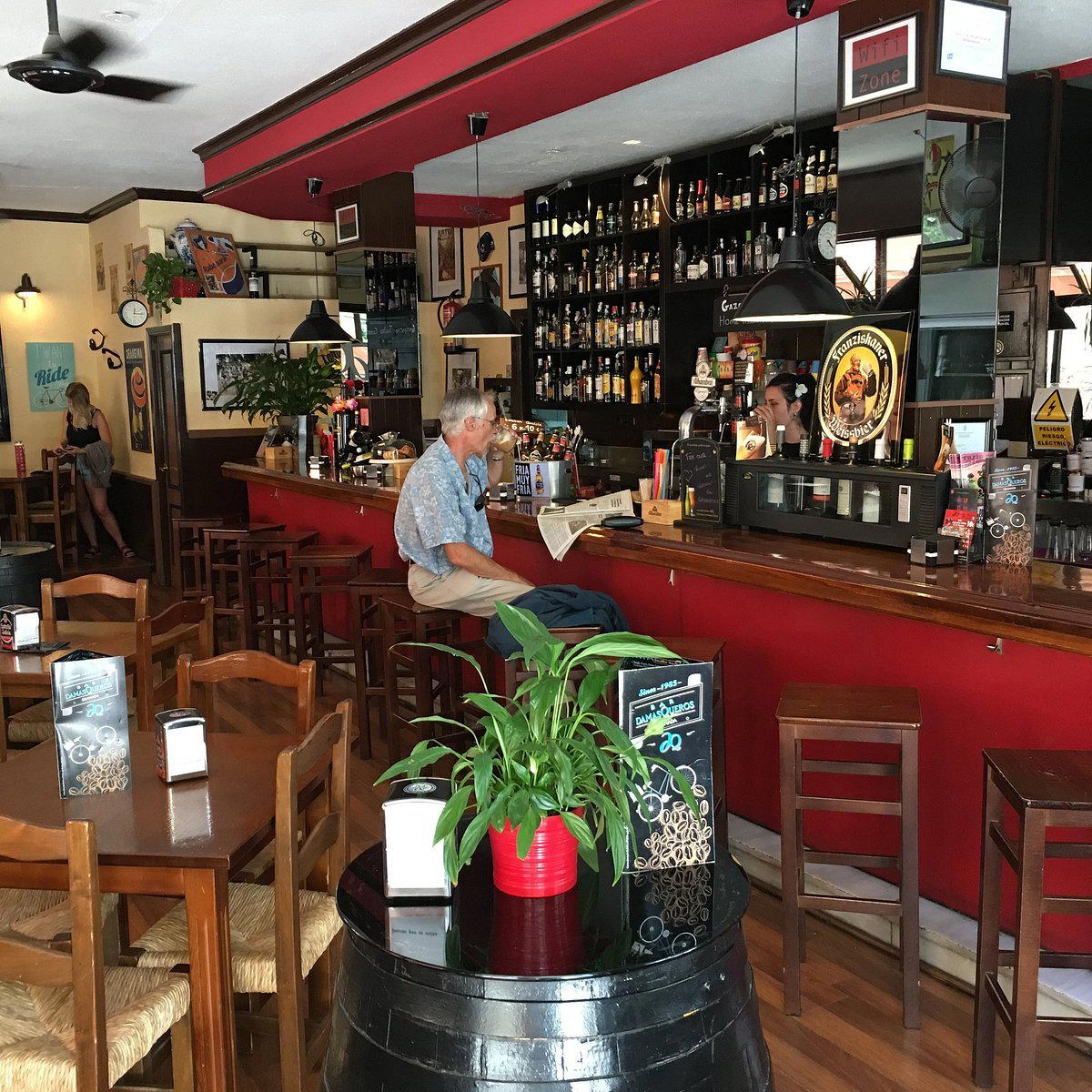
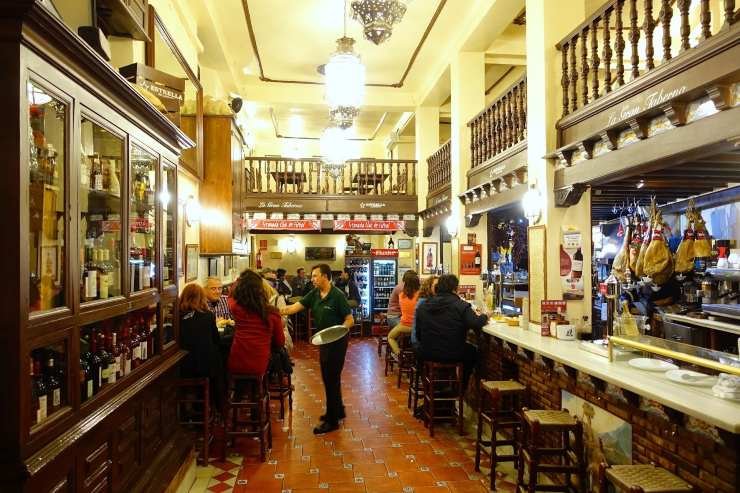
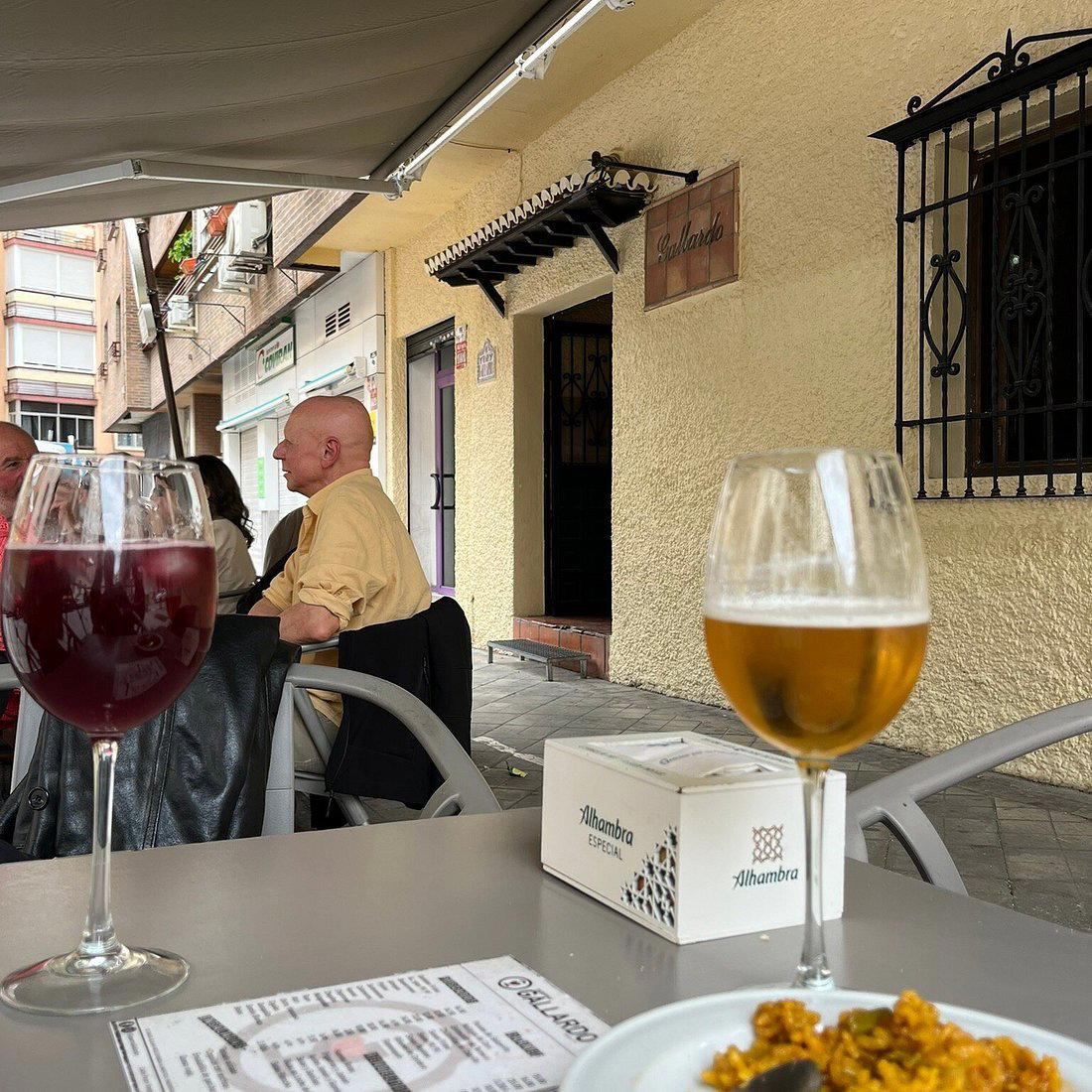
Casual market atmosphere with fresh food counters, potentially fishy smells noted by some, but welcoming and authentic Italian feel.