
Guía Repsol 1 Sol
Our verdict
María de la O is open in Granada’s Genil district at Carretera de la Sierra 13, with official menus and booking available through the restaurant site.
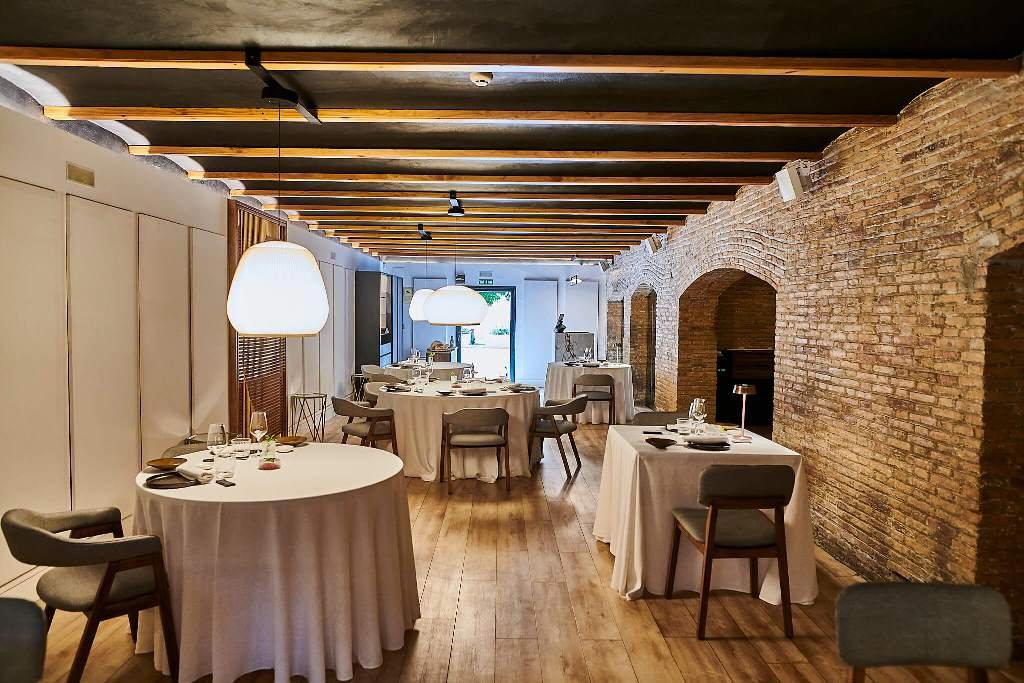
The menu
What to order
- Motril shrimp in orange escabeche
- Monkfish in Mozarabic sauce
The approach through Granada changes the dining mood before the first course arrives. Granada can feel compressed around tapas counters, student energy, and late-evening bar circuits; in other moments, the city invites a slower read of the meal. That matters for a restaurant such as María De La O, where the editorial interest is not only the fact of a booking, but how a Granada dining room can sit apart from the city’s more casual, bar-led habits.
Granada is often reduced to the free-tapa tradition, but its more formal restaurants have a different problem to solve: how to make a planned meal feel rooted in place without leaning on easy shorthand. The city gives visitors plenty of formats, from quick counters to longer dinners, and each asks to be judged on different terms. The 2026 1 Sol recognition places María De La O in the part of Granada’s dining conversation where those decisions are read with more scrutiny than in a casual tapas room.
Granada produce, handled outside the tapas script
The strongest reason to read this address through ingredients is Granada itself. Few Spanish cities carry such a strong sense of surrounding territory, and that context can shape how visitors understand a serious meal here. It gives a restaurant range, but it also exposes vague regional language. A more composed Granada restaurant has to show discipline in how it frames the city and its wider setting rather than simply invoking local identity.
That is where María De La O fits the city’s current restaurant tier. It is not competing with the velocity of Granada’s busiest tapas counters, where the appeal lies in bar immediacy, nor with the informal lanes that define another side of the city. It sits closer to the composed end of Granada dining, adjacent in reader intent to Atelier Casa de Comidas and other sourcing-conscious dining rooms. The distinction is useful: Granada’s restaurant scene is not a single ladder, but a set of formats. Counter tapas, wine bars, contemporary rooms, and ingredient-led kitchens answer different questions.
Ingredient-led cooking is often misunderstood as simplicity. In practice, it demands restraint. The risk is turning place into a checklist; the reward is a menu that makes its setting legible without forcing a museum version of Granada onto the plate. A 1 Sol address in this city has to carry that balance: polished enough for a planned dinner, grounded enough not to lose the local accent.
Granada gives the room a different kind of city reading
Location shapes expectation. In Granada, a meal can easily become part of a wider night out: a drink, a bar crawl, a final plate somewhere crowded. The city can also support a less performative pace. That suits a restaurant framed as a planned stop, and it encourages a longer read of Granada beyond the familiar circuits and tapas lanes.
That also changes how visitors should think about the meal. This is not the address to use as a quick substitute for a tapas crawl; it makes more sense as the anchor of an evening when the point is to see how Granada reads in a restaurant with formal recognition. For travellers comparing categories, Atelier Casa de Comidas and other contemporary dining rooms help map the composed side of the city, while Taberna La Tana and other wine-led rooms speak to a different Granada, one built around bottles, conversation, and a looser rhythm rather than a fully composed meal.
The useful comparison beyond Granada is not about copying another city’s prestige model. Spain’s dining map is full of highly specific regional formats, from Andalusian bar culture to wine-country restaurants and more polished destination rooms. María De La O is more compelling when read locally, as part of Granada’s attempt to give its dining scene a sharper restaurant language.
How to place it in a Granada itinerary
For a visitor planning one serious meal in Granada, the decision should start with format. Choose a tapas institution when speed, noise, and bar culture are the point. Choose a wine bar when the bottle list and grazing rhythm matter more than a full kitchen arc. Choose a contemporary restaurant when the interest is how the city can be edited into a measured dinner. María De La O belongs to that third category, with the 2026 1 Sol acting as a clear trust signal for travellers sorting a short list.
It also pairs well with a wider Granada itinerary that treats the city as more than monuments. Use our full Granada restaurants guide to compare dining formats, then build the rest of the trip through our full Granada hotels guide, our full Granada bars guide, our full Granada wineries guide, and our full Granada experiences guide. The stronger Granada trip usually alternates registers: one composed dinner, one traditional tapas night, one wine-led stop, and enough time in the city to understand why the surrounding landscape matters to the food.
The point is contrast: Granada’s strength is not scale or gloss, but the way a strong sense of place can converge on a plate when a restaurant has enough control to avoid cliché.
Frequently asked questions
Is María De La O a family-friendly restaurant?
Published recognition confirms María De La O as a Guía Repsol 1 Sol 2026 restaurant in Granada, but family-specific details are not provided here. Check the venue's official channels before booking with children.
What is the atmosphere like at María De La O?
María De La O is listed with a Guía Repsol 1 Sol 2026 in Granada. Beyond that recognition, current room and service details should be checked directly with the venue.
Where exactly is María De La O?
Granada.
Do I need a reservation for María De La O?
For a restaurant with a Guía Repsol 1 Sol 2026 in Granada, planning ahead is the sensible move. Check the venue's official booking channels for current availability.
What's the signature at María De La O?
The clearest marker is the restaurant itself: María De La O carries a Guía Repsol 1 Sol 2026 in Granada. No single signature dish is specified here.
Is María De La O good for vegetarians?
Those details are not provided here. Its Granada setting and Guía Repsol 1 Sol 2026 still make it a relevant option to research for a more formal meal. Check the venue's official channels for the latest details.
In Context: Similar Options
Comparable venues by cuisine and price in the same metro.
| Venue | Cuisine | Price | Awards | Notes |
|---|---|---|---|---|
| María De La OThis venue (the venue you are viewing) | Modern Spanish fine dining in a 19th‑century mansion | $50–100 | Guía Repsol 1 Sol | Not listed |
| El Claustro | Modern Andalusian Fine Dining | $50–100 | Not listed | Centro - Sagrario |
| Damasqueros | Creative Andalusian tasting menu | $50–100 | Guía Repsol 1 Sol | Realejo |
| Taberna La Tana | Traditional Spanish Tapas & Wine Bar | $30–50 | Star Wine List · Macarfi 6.9 Food Rating | Realejo |
| Atelier Casa de Comidas | Modern Andalusian Contemporary | $50–100 | Michelin Plate · Guía Repsol 1 Sol | Not listed |
| Restaurante Carmen De Aben Humeya | Modern Mediterranean with Andalusian influences | $30–50 | Not listed | Albayzin |
Recognition history
Dated appearances from independent guides and award organizations, with the underlying list record or original source where available.
Guía Repsol 1 Sol
Guía Repsol
Continue exploring
More in Granada
Restaurants in Granada
All restaurants in Granada →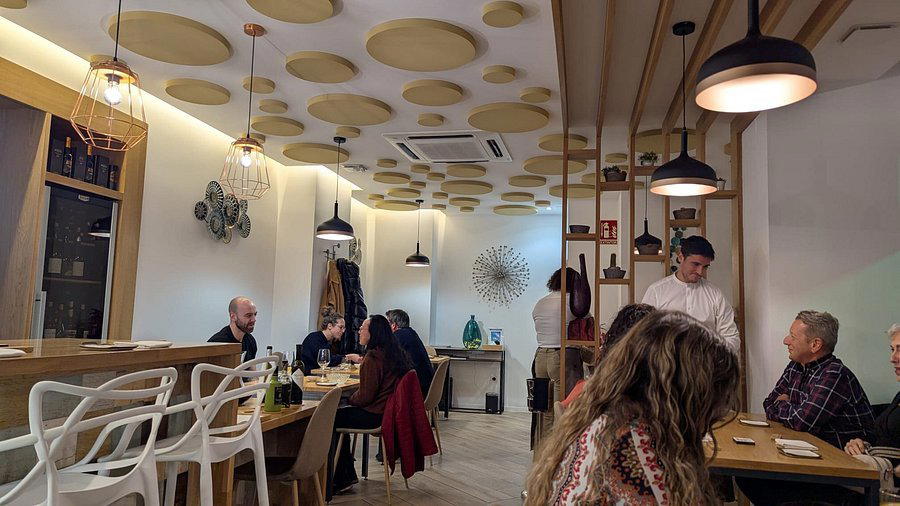
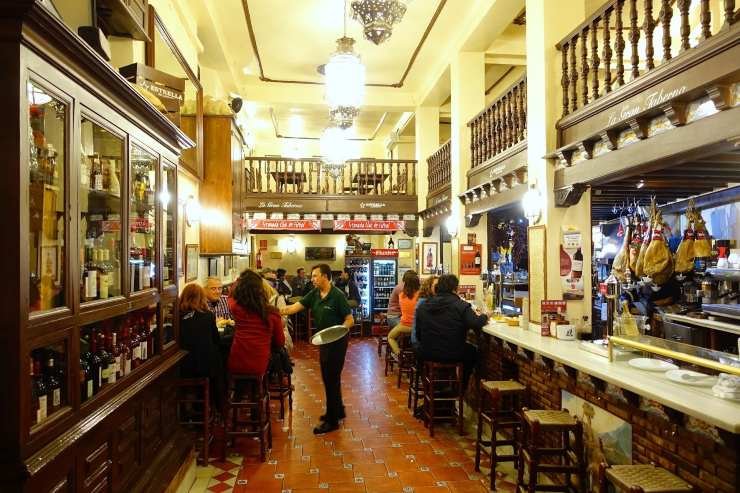
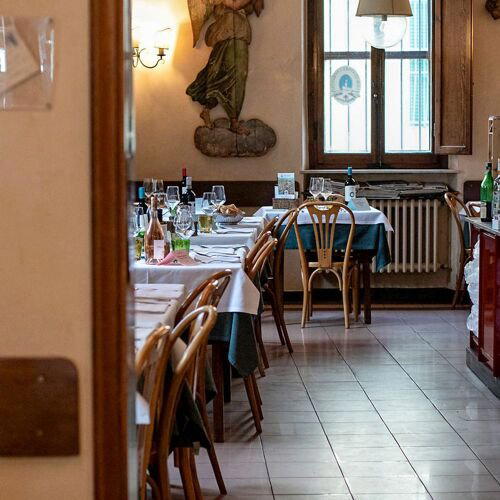
Bars in Granada
All bars in Granada →

Details
- Elegant
- Modern
- Romantic
- Sophisticated
- Cozy
- Date Night
- Special Occasion
- Celebration
- Business Dinner
- Group Dining
- Garden
- Terrace
- Private Dining
- Design Destination
- Historic Building
- Standalone
- Craft Cocktails
- Extensive Wine List
- Garden
- Tasting Menu
- A La Carte
- Wine
- Cocktails
- Vegetarian Friendly
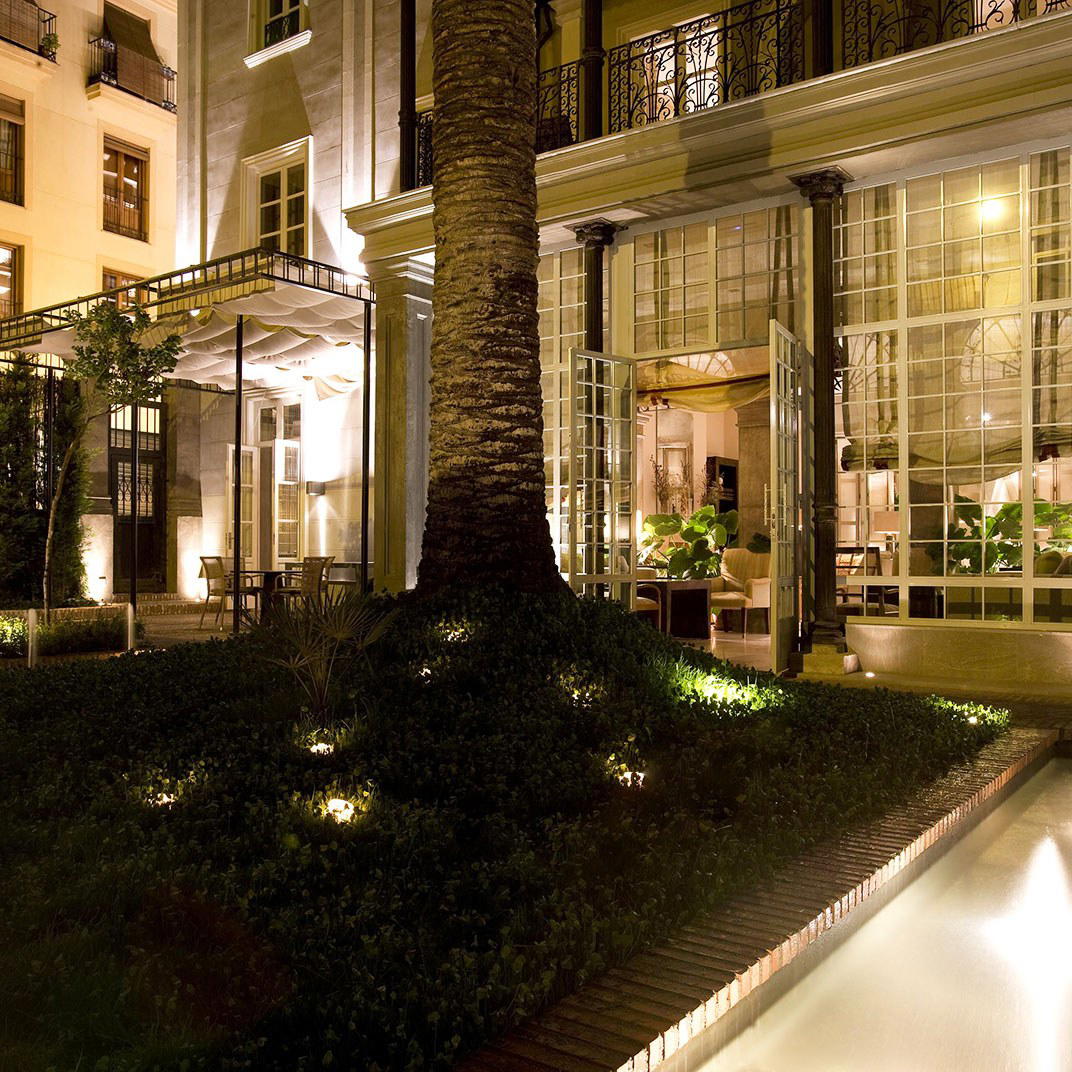
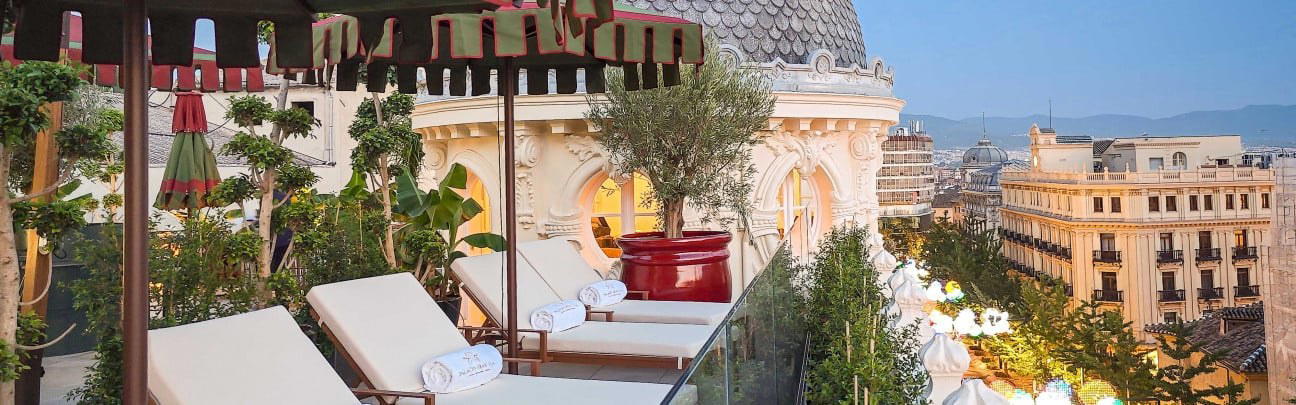
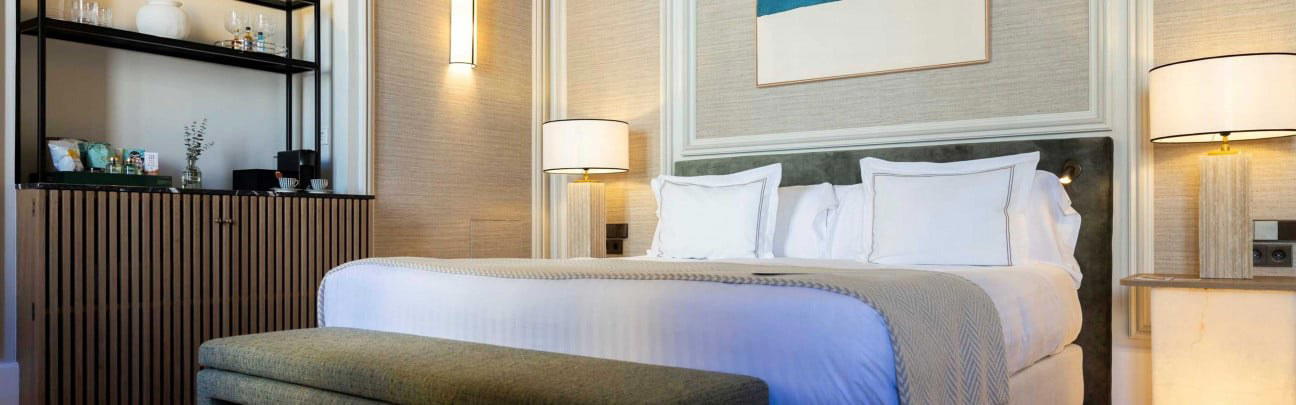
Chic and contemporary inside a historic palace, with spacious dining rooms, soft lighting, and a calm, refined atmosphere that feels special yet relaxed, complemented by greenery and a tranquil garden setting away from the tourist center.