Our verdict
In Salvador's Centro Histórico, Restaurante Chez Bernard occupies a French-inflected register that sits apart from the city's dominant Afro-Bahian kitchen. The address on Rua Gamboa de Cima places it close to the colonial streetscape of Pelourinho, where European culinary references have filtered through Brazilian ingredients for decades. For visitors mapping Salvador's dining range, it offers a counterpoint worth understanding.

Pearl is the En Primeur Club membership app — saves, bookings, and concierge access live there. Same editors, same standards.
- Address
- R. Gamboa de Cima, 11 - Centro, Salvador - BA, 40060-008, Brazil
- Phone
- +557133281566
- Hours
- Mon 7–10 PMTue–Thu 12–3 PM, 7–10 PMFri 12–3 PM, 7–11 PMSat 12–4 PM, 7–11 PMSun 12–4:30 PM
- Website
- chezbernard.com.br
- Directions
- Get directions
- Booking
- Book on the venue's website
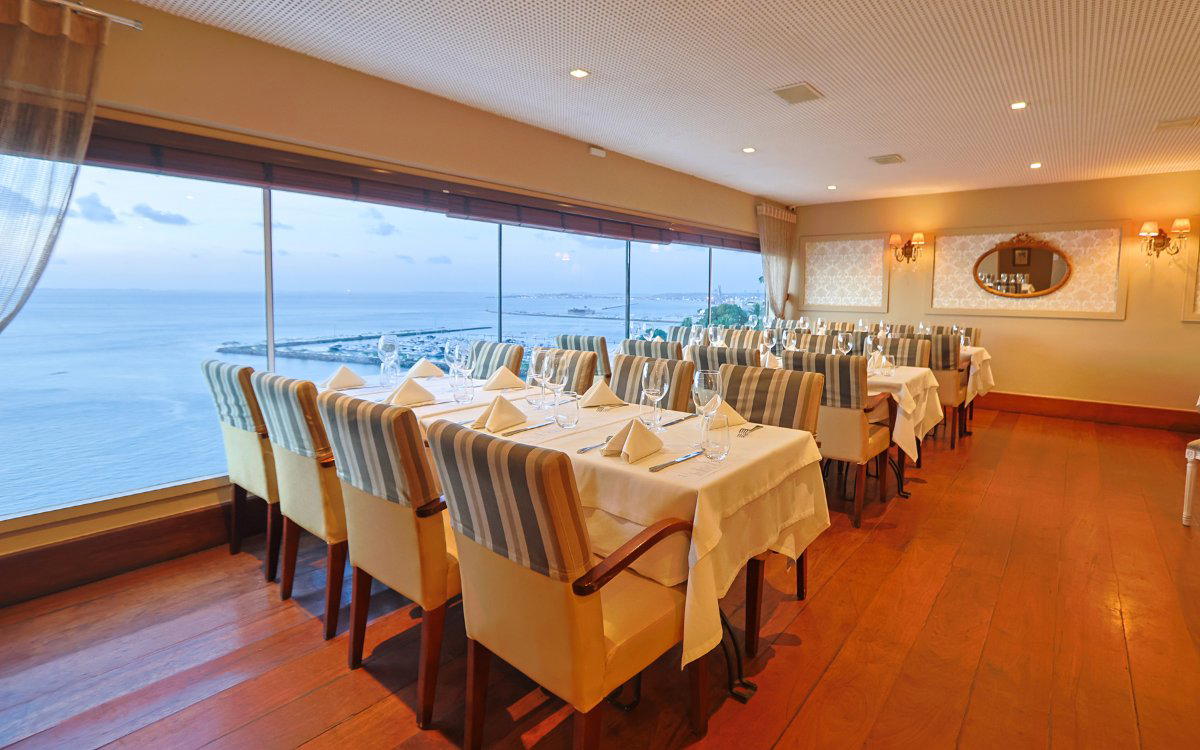
A French Register in a Bahian City
Salvador's dining identity is built on dendê oil, moqueca, and the Candomblé-inflected pantry that makes Bahian cuisine one of Brazil's most discussed regional traditions. Against that backdrop, restaurants operating in a French or Franco-Brazilian register occupy a distinct and smaller niche — one that has existed in the city since the colonial period but never dominated it. Restaurante Chez Bernard, addressed at Rua Gamboa de Cima 11 in the Centro district, sits inside that minority tradition. Understanding what that means requires a brief look at how European culinary lineages have always operated alongside, rather than over, Bahian cooking.
The Centro neighbourhood connects the Cidade Baixa waterfront to the upper city, and Gamboa de Cima itself runs through a quarter where the built environment still carries the weight of the 18th and 19th centuries. Arriving on foot from Pelourinho, the walk passes townhouses in varying states of restoration, small neighbourhood bars, and the occasional church facade catching the afternoon light. It is a setting in which a restaurant with French nominal associations reads as both historically plausible and, in the current dining moment, quietly unconventional.
The Ritual of the Franco-Bahian Table
In French culinary tradition, pacing is a form of argument. The meal is structured to unfold over time, with each course serving as evidence for a position the kitchen holds about ingredients, technique, and sequence. When that tradition lands in a tropical Brazilian city, the argument changes — the ingredients push back, the heat of the afternoon reshapes appetite, and the rhythms of a port city with deep African roots give the table a different social weight. The most interesting Franco-Brazilian dining in cities like Salvador, Rio de Janeiro, and São Paulo tends to emerge from that tension rather than resolve it in favour of either side.
This is the editorial lens through which a name like Chez Bernard is worth reading. The "Chez" construction, French shorthand for "at the home of", signals a particular dining ritual: hospitality framed as domestic, with the implicit promise that you are a guest rather than a customer. Whether that promise is fulfilled through the actual meal depends on what the kitchen does with local produce, and on how formally or loosely the French structure is applied.
Positioning Within Salvador's Dining Tiers
Salvador's restaurant scene has consolidated around a few recognisable tiers over the past decade. At one end sit the Mercado Modelo stalls and street-level acarajé vendors, which represent the Afro-Bahian cooking tradition at its most democratic and, arguably, its most technically refined. In the mid-range, neighbourhood restaurants in Barra, Rio Vermelho, and Graça serve Bahian staples to local regulars with minimal concession to tourism. At the upper end, a cluster of destination-grade restaurants competes for the attention of business travellers, food-literate tourists, and the city's own upper-middle class. Venues like Boi Preto Prime, Alfredo'Ro, and Larriquerrí occupy different corners of that upper tier.
A Franco-inflected table in the Centro district operates against this backdrop. The Centro address places it slightly off the main dining circuit, which has migrated toward the Orla neighbourhoods over the past two decades. That geographic position carries implications: either the kitchen is strong enough to draw diners across the city, or it functions primarily for a local clientele who value proximity and routine over destination-dining logic. Both are legitimate positions. Some of the most interesting restaurant experiences in Brazilian cities, from Manaus to Santa Maria, occur in places that sit outside the obvious tourist map.
Planning Your Visit
The address at Rua Gamboa de Cima 11, Centro, Salvador, BA 40060-008 is reachable on foot from the Pelourinho area and by taxi or rideshare from most parts of the city. Centro can be quieter in the evenings than the beachside neighbourhoods, so arrival in daylight or early evening is worth considering for those unfamiliar with the quarter. Verified current booking information and hours are; contacting the venue directly or checking current listings through our full Salvador restaurants guide is advisable before making the trip.
For visitors comparing options across Salvador's formal dining tier, Amado and Casa Castanho represent the contemporary Bahian direction, while Boi Preto Prime anchors the churrascaria end of the spectrum. Chez Bernard's French nominal framing positions it in a different register from all three, which is precisely what makes it worth investigating for travellers who want range across a city's dining character rather than depth in a single tradition.
For broader context on how Brazilian restaurants are engaging European culinary lineages at the top of the market, the work being done at D.O.M. in São Paulo and Lasai in Rio de Janeiro provides a useful reference frame. At the international level, the kind of classical French rigour that names like Le Bernardin in New York represent offers a benchmark for how French culinary tradition travels and adapts across contexts. Closer to home, Alfredo'Ro and Larriquerrí round out the local comparison set for anyone building an itinerary across Salvador's more formal tables.
Frequently asked questions
Where is Restaurante Chez Bernard in Salvador?
Restaurante Chez Bernard is located at R. Gamboa de Cima, 11 - Centro, Salvador - BA, 40060-008, Brazil, Salvador.
Is Restaurante Chez Bernard suitable for a formal dinner in Salvador's Centro neighbourhood?
Chez Bernard's French culinary framing places it in a different register from the casual street-food and market stalls that dominate Centro Salvador, making it one of the few addresses in that neighbourhood oriented toward a seated, multi-course format. The location on Rua Gamboa de Cima 11 is accessible from Pelourinho on foot, which makes it a practical option after an afternoon in the historic district.
What do regulars order at Restaurante Chez Bernard?
The kitchen at Chez Bernard operates within a French culinary register, which in Salvador's Centro context means structured courses rather than the shared, dendê-heavy plates common elsewhere in the city. Regulars gravitating toward the Franco-Bahian positioning tend to seek dishes where French technique meets local pantry ingredients. Without a current published menu, the safest approach is to ask staff on arrival what is prepared that day, as kitchens at this tier in Salvador often work with market-driven availability.
What's the best way to book Restaurante Chez Bernard?
No phone number or website is currently listed for Restaurante Chez Bernard, which makes walk-in or a direct approach via the address at Rua Gamboa de Cima 11, Centro, Salvador BA 40060-008 the most reliable option. The Pelourinho area is within walking distance, so combining a visit to the historic district with an early arrival to confirm a table is a practical approach. Asking your hotel concierge to reach out on your behalf often works for smaller French-style establishments in Salvador that do not maintain active online booking.
What's the defining dish or idea at Restaurante Chez Bernard?
The defining idea is the application of French meal pacing and structure inside a city whose culinary identity is built on Bahian Candomblé-inflected cooking traditions. Where Salvador's dominant dining culture favours communal, heavily spiced plates, Chez Bernard positions itself as a counterargument: sequential courses, European plating logic, and a slower tempo at the table. That structural contrast is the restaurant's clearest identity marker in the Salvador dining tier.
Category Peers
Comparable venues nearby, for context on price, style, and recognition.
| Venue | Cuisine | Price | Notes |
|---|---|---|---|
| Restaurante Chez BernardThis venue — the venue you are viewing | Classic French Fine Dining | Not listed | Not listed |
| Amado | Contemporary Brazilian Seafood | $50–100 | Comércio |
| Larriquerrí | French-Italian Bistro | Not listed | Garcia |
| Restaurante Mistura Contorno | Bahian Seafood Fusion | $30–50 | Dois de Julho |
| Alfredo'Ro | Classic Italian Seafood | Not listed | Ondina |
| Restaurante Casa de Tereza | Authentic Bahian Seafood | Not listed | Rio Vermelho |

Details
- Classic
- Elegant
- Romantic
- Sophisticated
- Date Night
- Special Occasion
- Historic Building
- Extensive Wine List
- Waterfront
- A La Carte
- Gluten Free Options
Current opening hours
- Monday
- 7–10 PM
- Tuesday
- 12–3 PM, 7–10 PM
- Wednesday
- 12–3 PM, 7–10 PM
- Thursday
- 12–3 PM, 7–10 PM
- Friday
- 12–3 PM, 7–11 PM
- Saturday
- 12–4 PM, 7–11 PM
- Sunday
- 12–4:30 PM
Hours can change for holidays and private events. Last verified .
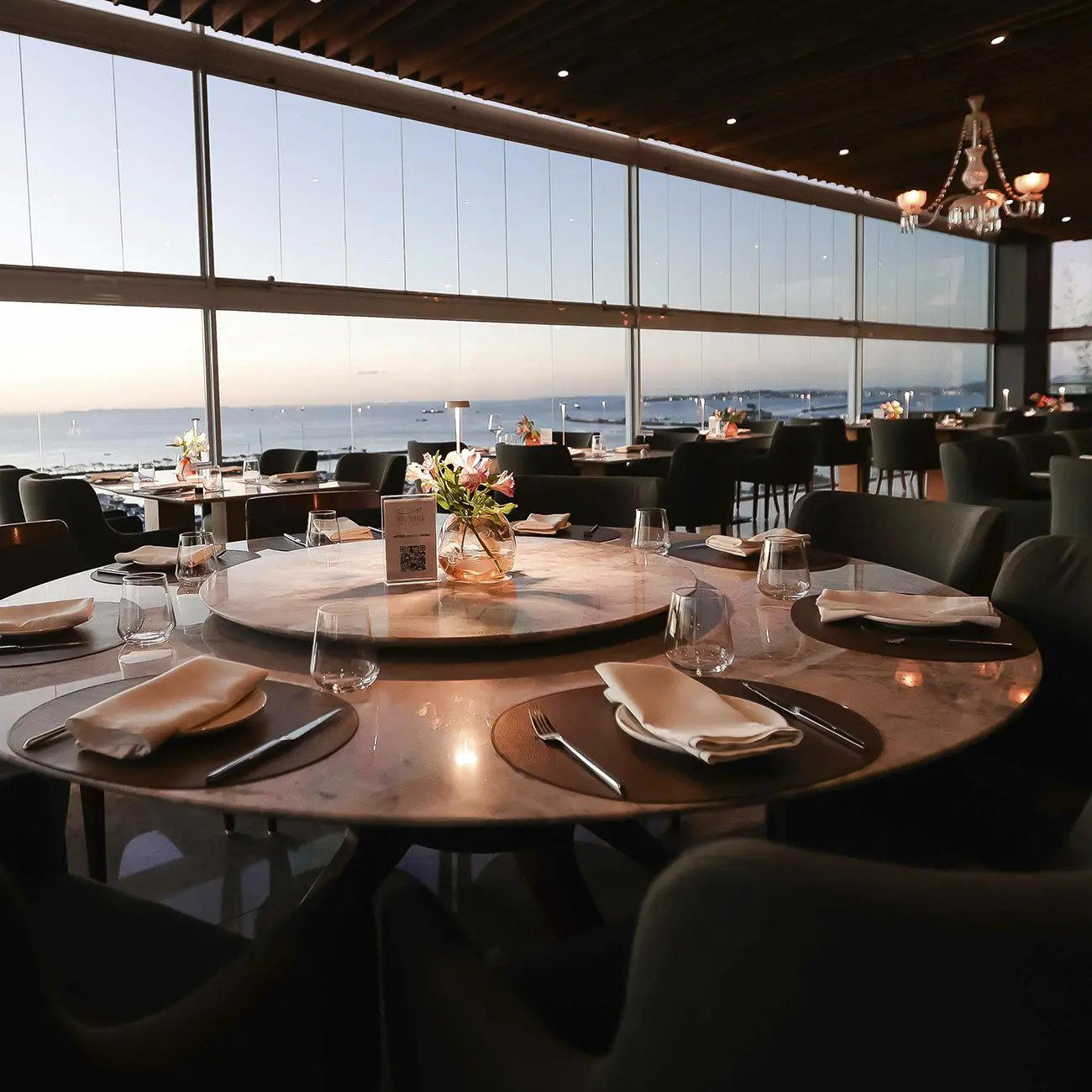
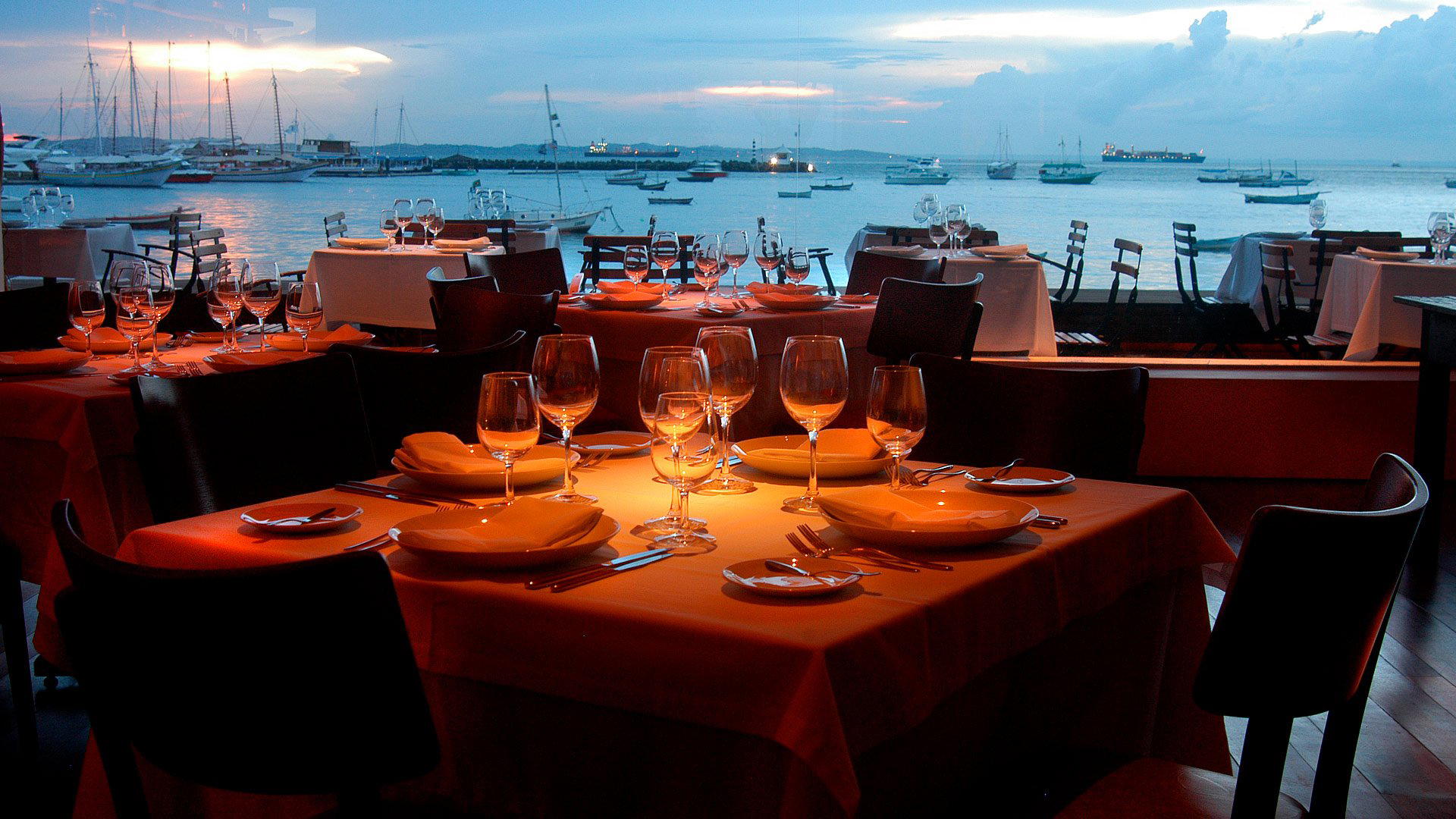
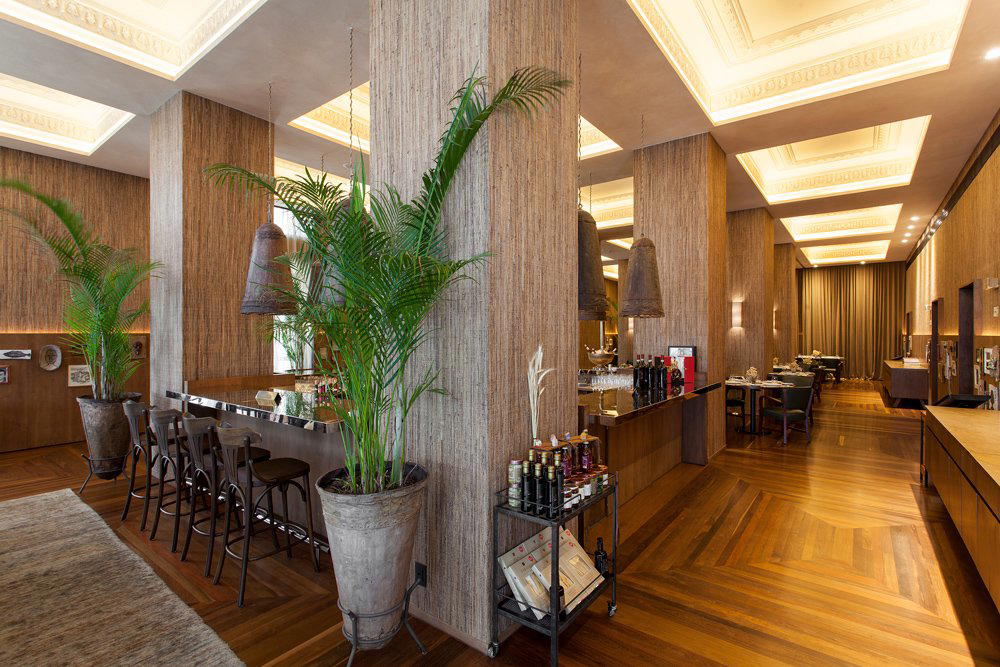
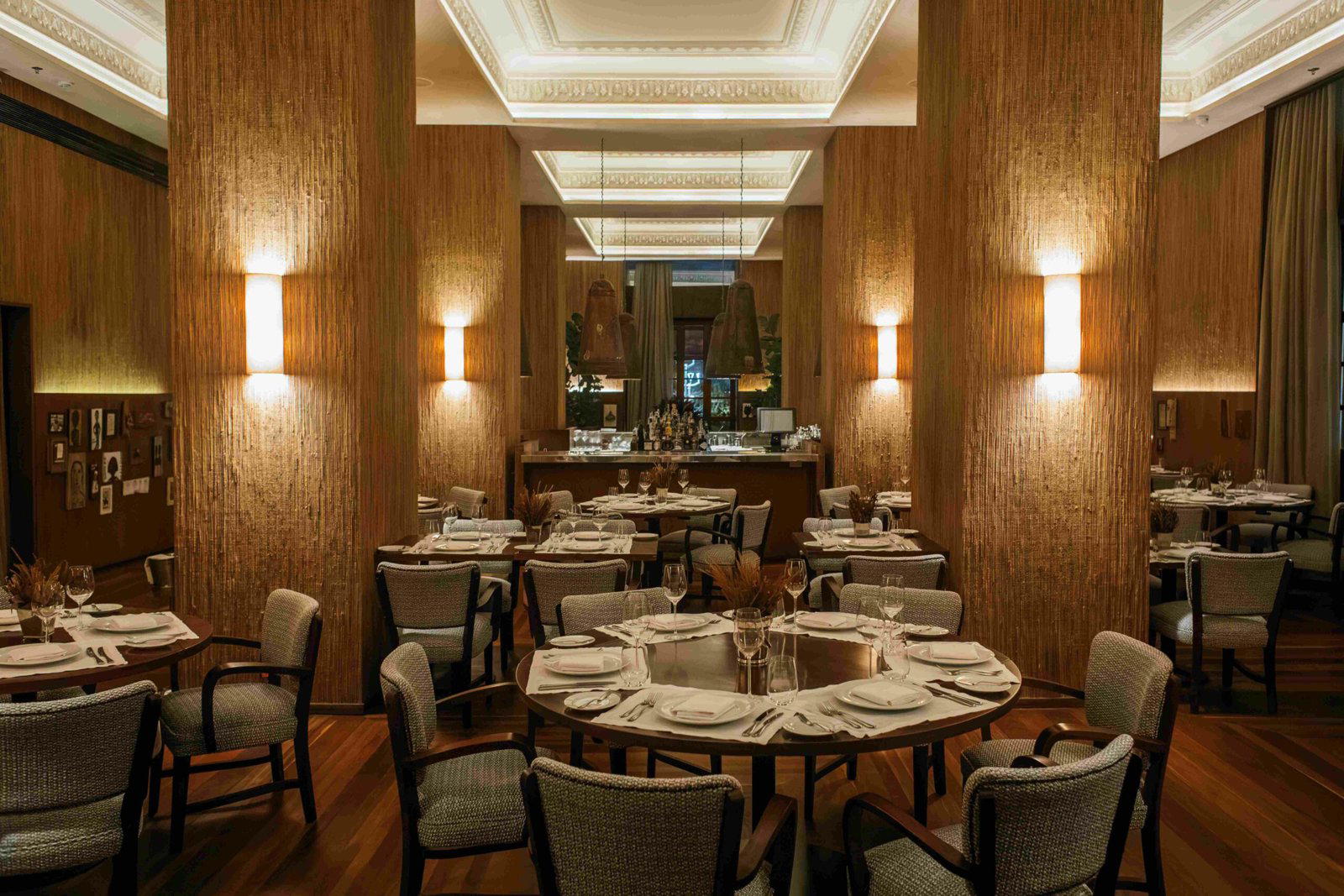
Sophisticated two-floor interior with repaginated 2018 decor featuring textures, cozy colors, romantic night lighting, and a conceptual wine cellar.