
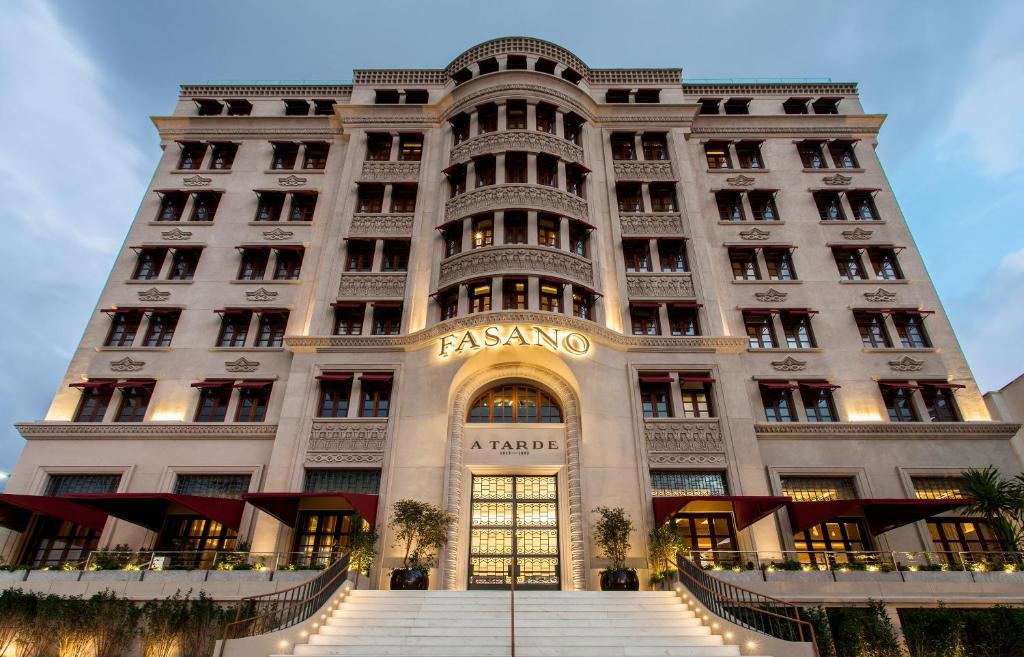
Fasano Salvador holds a Michelin Key distinction for 2025, placing it at the summit of Salvador's recognised hotel tier. Located on Praça Castro Alves in the historic Centro, the property brings the Fasano group's established design discipline to Bahia's most architecturally layered city. For travellers with an interest in both urban heritage and considered hospitality, it occupies a distinct position in Brazil's northeast.
Pearl is the En Primeur Club membership app — saves, bookings, and concierge access live there. Same editors, same standards.
- Address
- Praça Castro Alves, 5 - Centro, Salvador - BA, 40020-160, Brazil
- Phone
- +55 71 2201-6300
- Website
- fasano.com.br
- Directions
- Get directions
 Saves & bookings on Pearl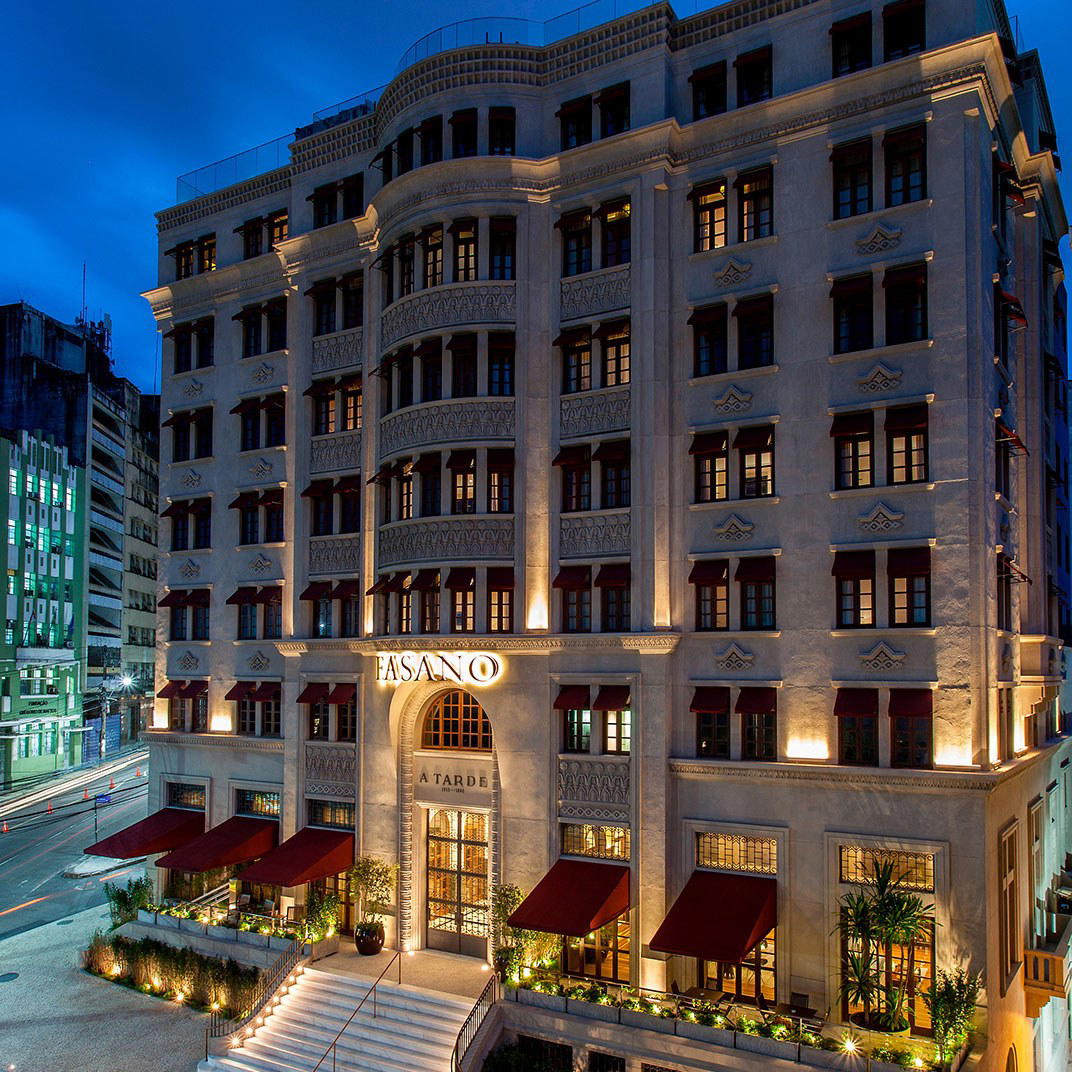
Where Colonial Salvador Meets Considered Design
Praça Castro Alves is not a neutral address. The square that anchors Salvador's Centro Histórico has been a civic gathering point since the nineteenth century, named for the abolitionist poet whose monument stands at its centre. Arriving at Fasano Salvador means arriving inside that history: the building's facade engages directly with one of Bahia's most charged public spaces, rather than retreating from it behind gates or a lobby designed to erase the street. That relationship between interior and urban fabric is where the property's design logic begins.
The Fasano group has developed a consistent architectural sensibility across its Brazilian portfolio, an approach that leans on restoration and material honesty rather than a generic luxury finish that could place a hotel in any city on earth. In Salvador, that philosophy meets a particularly demanding context. The Pelourinho and the surrounding Centro carry some of Brazil's most significant colonial and Baroque built heritage, and any intervention in that zone is read against that backdrop. Fasano's choice to locate at Praça Castro Alves rather than in a purpose-built tower elsewhere in the city signals a commitment to dialogue with the existing urban form.
A Michelin Key in Brazil's Northeast
In 2025, the Michelin Guide extended its hotel recognition programme to Brazil, awarding Keys to properties it assessed across the country's major hospitality markets. Fasano Salvador received one Michelin Key, placing it in the tier the guide uses to identify hotels where the stay itself is considered a meaningful part of travel, not simply overnight accommodation. For Salvador specifically, that recognition matters: the city's luxury hotel offer has historically been thinner than Rio de Janeiro or São Paulo, and Michelin's inclusion of a Salvador property in its first Brazilian hotel ranking signals that the market is now being taken seriously at an international editorial level.
Within the Fasano group's own footprint, the Salvador property sits alongside Hotel Fasano Salvador in Salvador Bahia as part of the brand's presence in the city. Across Brazil more broadly, the group operates at the upper end of the domestic luxury tier, comparable in positioning to properties like Rosewood São Paulo in São Paulo and the Belmond properties, including Copacabana Palace, A Belmond Hotel, Rio de Janeiro in Rio de Janeiro and Hotel das Cataratas, A Belmond Hotel, Iguassu Falls in Iguassu Falls. In that comparable set, Fasano's identity is defined by design specificity and urban positioning rather than resort-scale amenity.
The Salvador Hotel Market in Context
Salvador has long occupied an unusual position in Brazil's travel hierarchy. It is the country's third-largest city, the first capital of colonial Brazil, and the cultural centre of Afro-Brazilian tradition, yet its hotel infrastructure has lagged behind its cultural weight. The upper tier of the market has been served by a mix of international chain hotels and smaller boutique properties, with few options that combine genuine design investment with historical positioning.
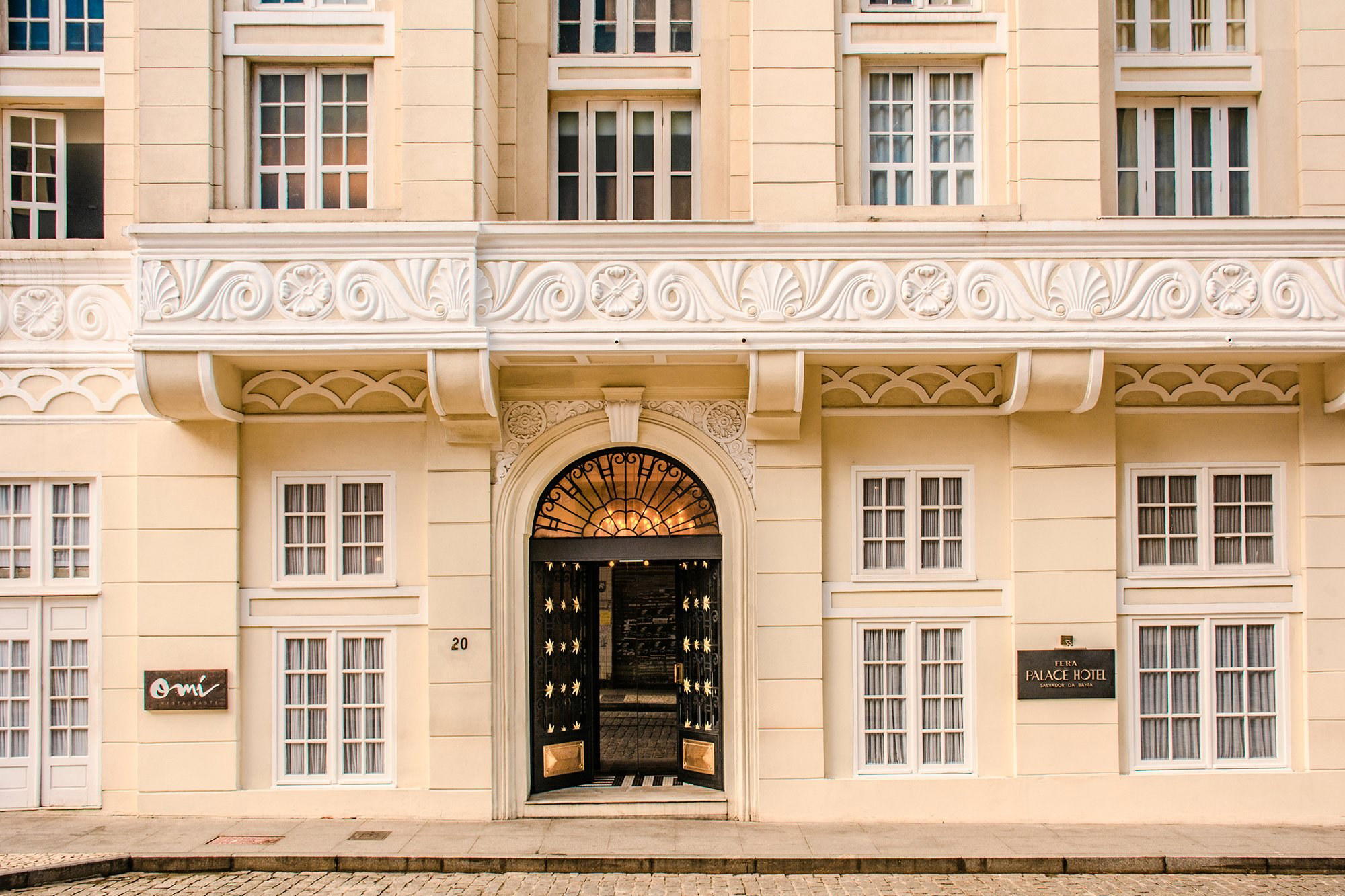
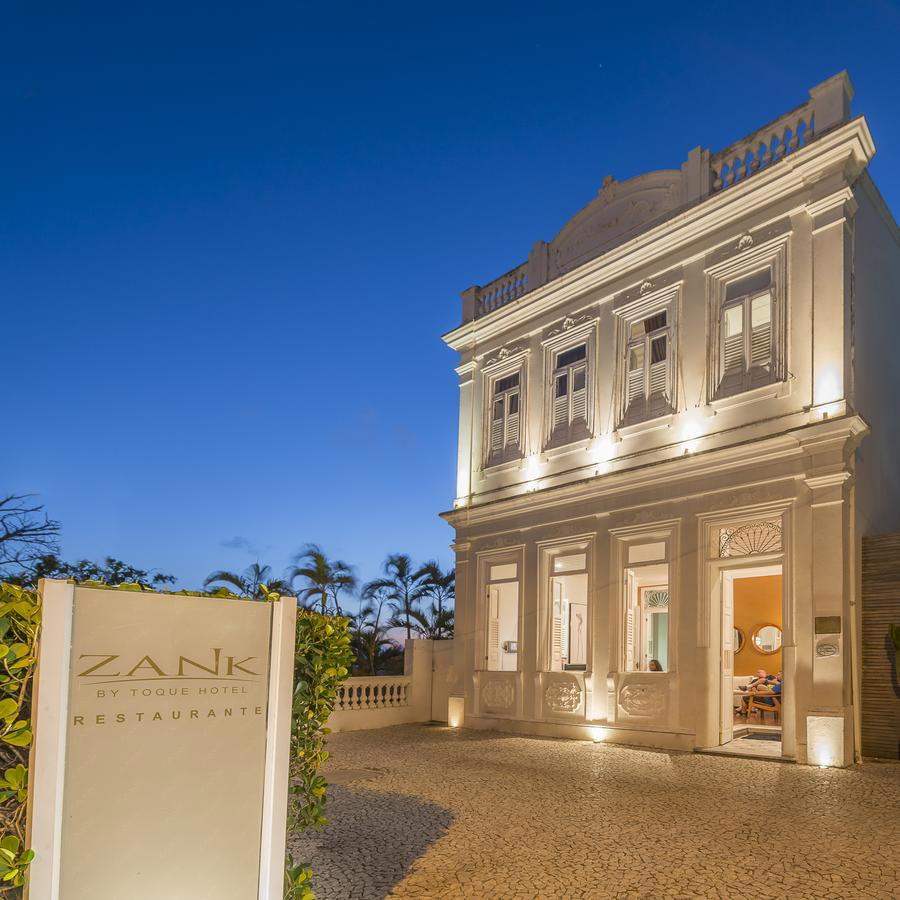
The arrival and recognition of Fasano Salvador shifts that balance. Among the city's recognised upper-tier properties, the Michelin Key places Fasano in a distinct bracket. Travellers comparing options in this range might also consider Fera Palace Hotel, Zank by Toque Hotel, and Aram Yami Hotel, each of which occupies a different position in the city's boutique and design-led accommodation offer. What separates Fasano in this set is the combination of group-level design infrastructure, a centrepiece civic address, and the external validation of Michelin's new hotel programme.
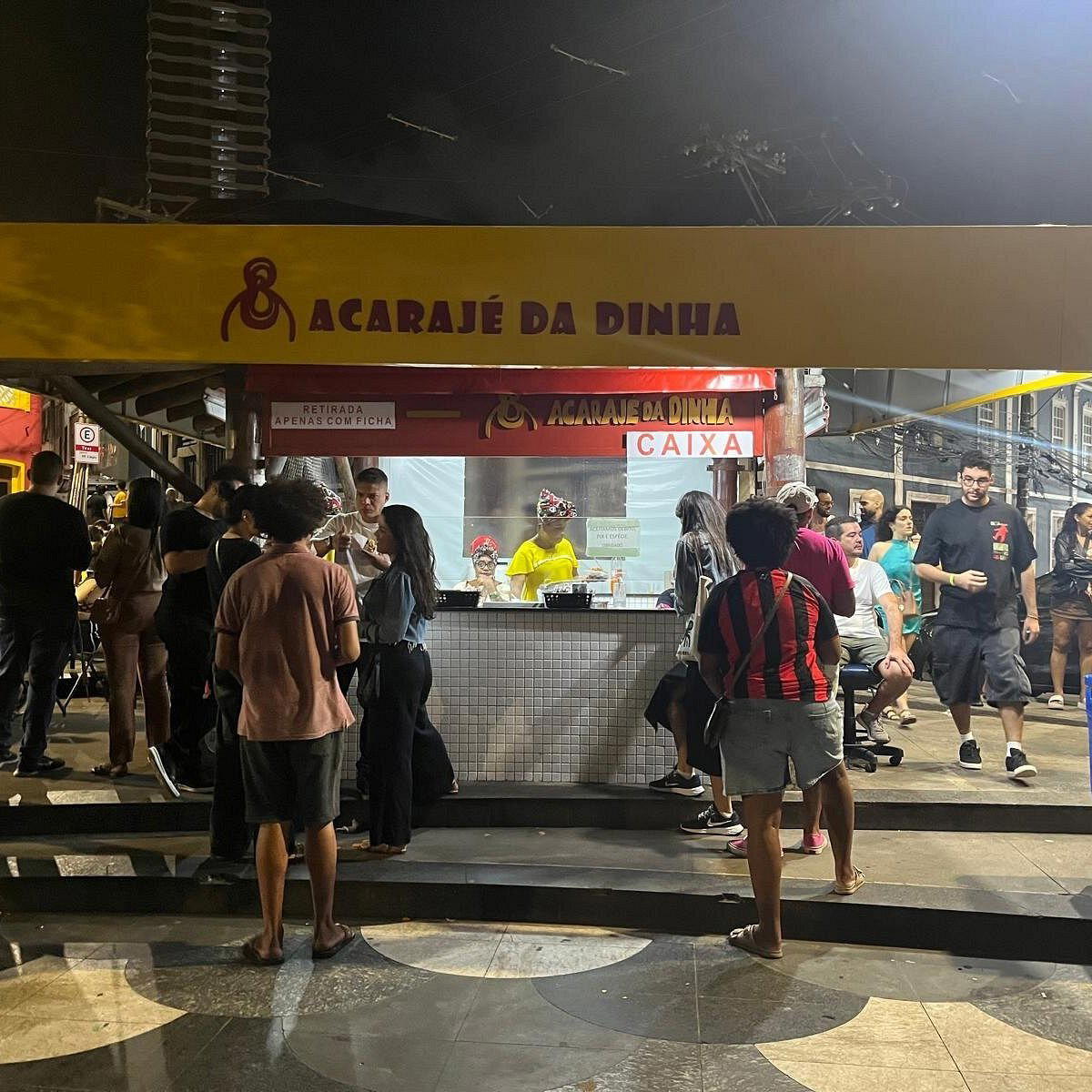
Salvador's Bahian identity also shapes what guests encounter beyond the hotel. The city's cuisine, built around dendê oil, moqueca, acarajé, and a canon of street food with West African roots, operates entirely outside the fine-dining register. Guests staying in the Centro are within reach of that food culture at its most concentrated. The Pelourinho's churches, the Mercado Modelo, the Elevador Lacerda connecting the Cidade Alta to the Cidade Baixa: these are not background scenery but active parts of a city that remains genuinely inhabited and culturally productive. For our full coverage of where to eat and drink in the city, see our full Salvador restaurants guide.
Brazil's Broader Luxury Hotel Spectrum
Placing the hotel within the national picture helps calibrate expectations. Brazil's luxury accommodation offer ranges from Amazon lodges like Cristalino Lodge in Alta Floresta and wetlands properties like Caiman, Pantanal in Miranda, through beach-focused retreats like Txai Resort Itacaré in Itacaré and Zorah Beach Hotel in Trairi, to mountain and rural escapes like Parador Casa da Montanha in Cambara Do Sul and Botanique Hotel Experience in Campos do Jordão. Coastal Bahia adds further options: Campo Bahia in Santo Andre, Etnia Casa Hotel in Trancoso, and Rancho do Peixe in Jericoacoara each represent the lower-key, design-conscious end of Brazil's coastal hospitality. Against that full range, the hotel represents the urban, architecturally rigorous pole, a city hotel built for guests who want the cultural density of the Centro rather than an escape from it.
Internationally, the Fasano group has positioned itself in a bracket comparable to hotels like Badrutt's Palace Hotel in St. Moritz and Hôtel de Paris Monte-Carlo in Monte Carlo in terms of design ambition and historical building engagement, though at a different price tier and in a different cultural context. The comparison is useful for framing the group's intent rather than any direct equivalence.
Planning Your Stay
The hotel is located at Praça Castro Alves, 5, Centro, Salvador, on the historic square that sits at the boundary between the Cidade Alta's cultural institutions and the commercial streets leading toward the Pelourinho. The address puts guests in walking distance of Salvador's most significant architectural and cultural sites, which makes it a logistically coherent base for a city-focused itinerary. Given the Michelin Key recognition and the limited number of comparable properties at this tier in Salvador, booking ahead is advisable, particularly during Carnaval (February) and the festa calendar associated with Candomblé celebrations that draw visitors to the city in large numbers across the year. Website and booking details should be confirmed directly through the hotel.
Travellers building a broader northeast Brazil itinerary might also consider Pousada Do Toque in Sao Miguel Dos Milagres or Ilha de Toque Toque Eco Hotel in Sao Sebastiao for coastal contrast, or Casas Brancas Boutique - Hotel & Spa in Buzios and Wyndham Gramado Termas Resort & Spa in Gramado for those extending into the south.
Quick Comparison
Comparable venues nearby, for context on price, style, and recognition.
| Venue | Cuisine | Price | Awards | Notes |
|---|---|---|---|---|
| Fasano SalvadorThis venue — the venue you are viewing | Boutique luxury heritage hotel blending historic Art Deco architecture with modern refinement | $$$$ | 5-Star | Not listed |
| Zank by Toque Hotel | Modern hip boutique hotel blending minimalist elegance with Brazilian lifestyle. | $$$$ | 5-Star | Rio Vermelho |
| Aram Yami Hotel | Restored colonial boutique hotel blending historic charm with modern comforts. | $$$ | 5-Star | Santo Antonio |
| Fera Palace Hotel | Historic boutique hotel blending 1930s glamour with modern luxury | $$$$ | Michelin 1 Key | Pelourinho |
| Uxua Maré | Restored antique farmhouses honoring heritage with low-density construction in rainforest sanctuary | $$$$ | 5-Star | Itapororoca |
| Nobu Hotel São Paulo | Luxury lifestyle hotel and residences with a restaurant-led mixed-use concept. | $$$$ | 5-Star | Wall Street district |
Recognition history
Dated appearances from independent guides and award organizations, with the underlying list record or original source where available.
Michelin 1 Key
Michelin
At a Glance
- Elegant
- Sophisticated
- Modern
- Scenic
- Romantic Getaway
- Business Trip
- Weekend Escape
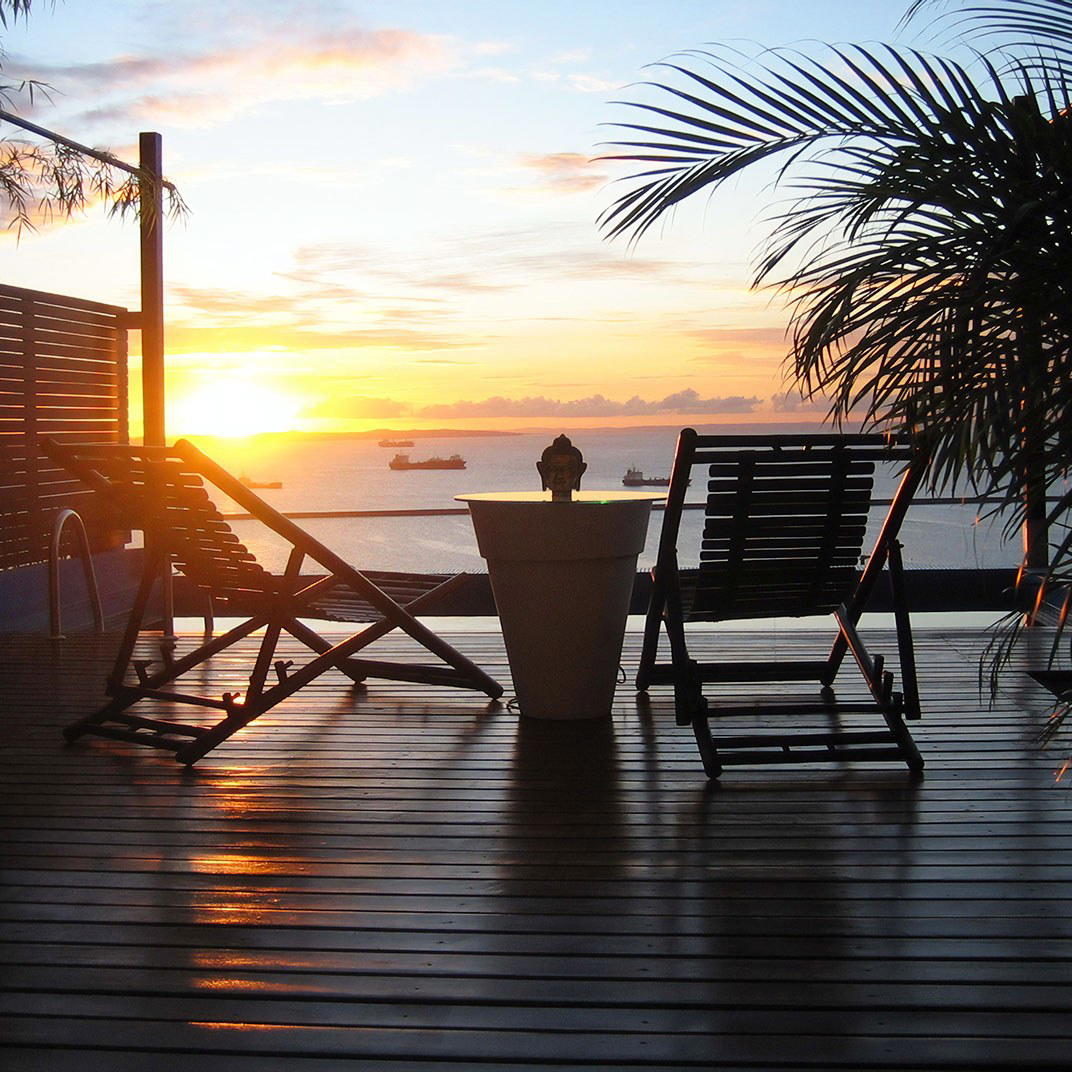
- Rooftop Pool
- Historic Building
- Panoramic View
- Wi Fi
- Pool
- Spa
- Fitness Center
- Restaurant
- Concierge
- Business Center
- Waterfront
- Skyline
- Wi Fi
- Pool
- Spa
- Fitness Center
- Restaurant
- Concierge
- Business Center
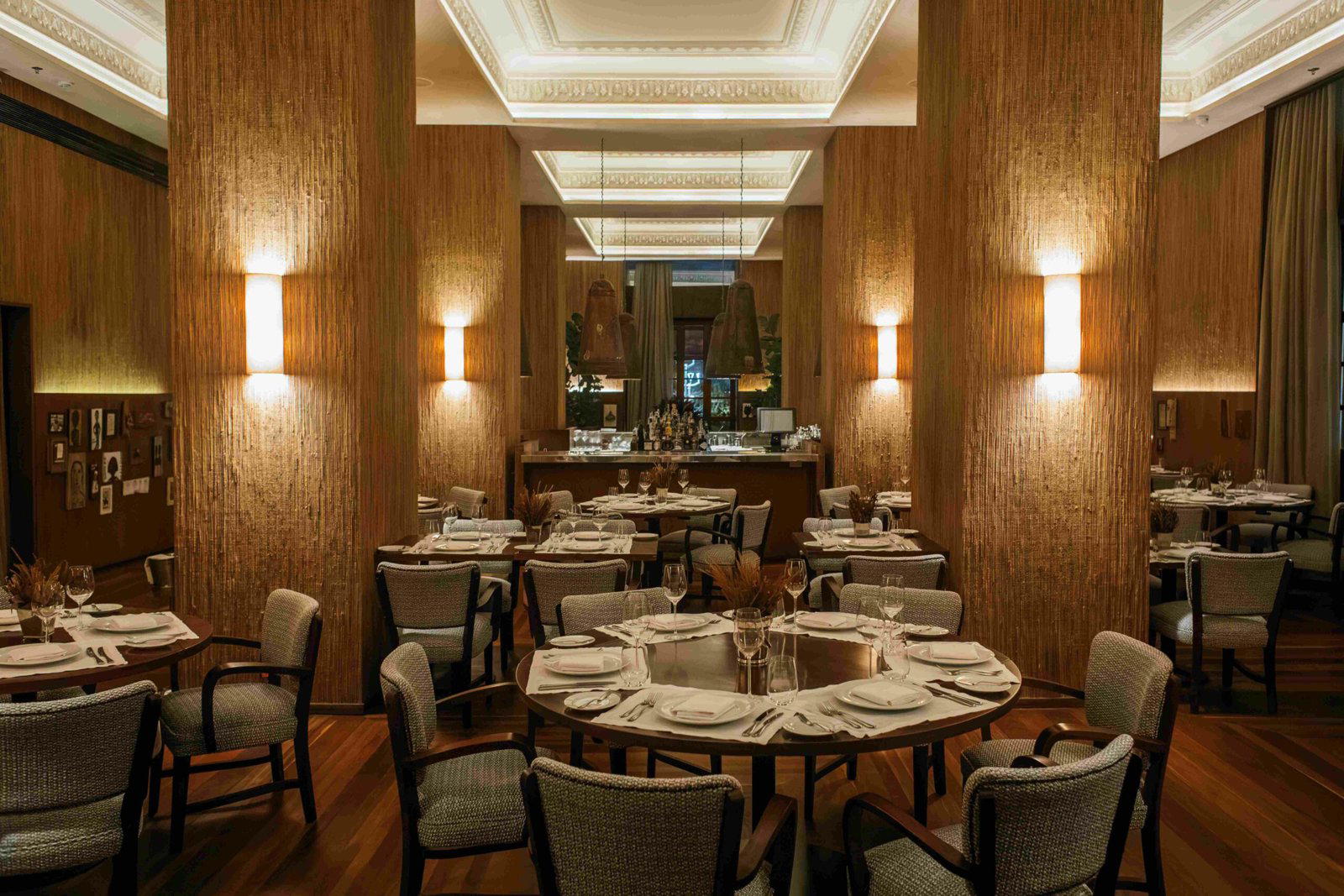
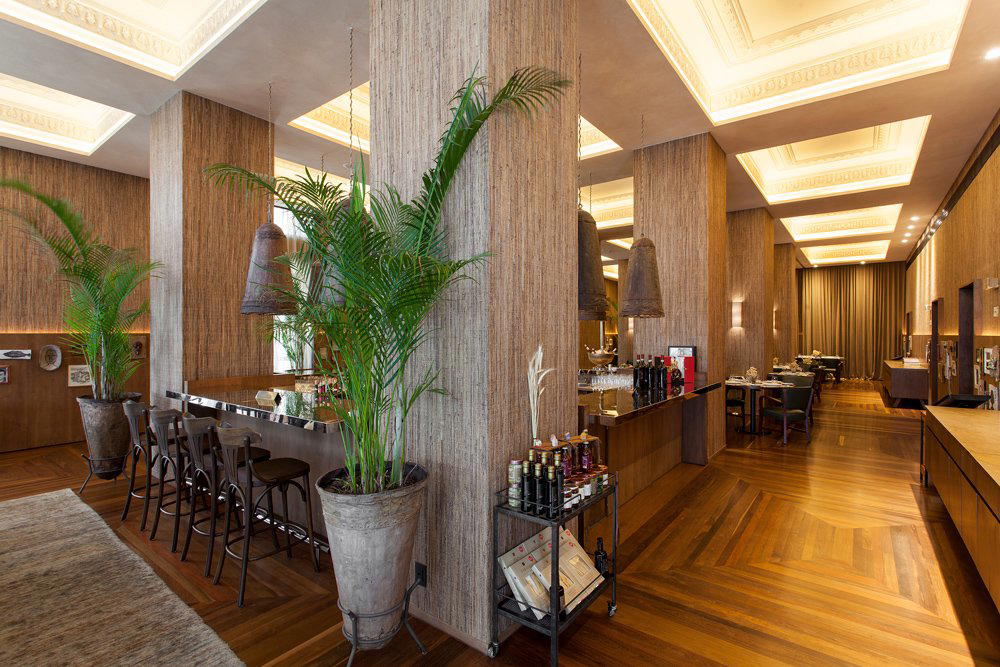
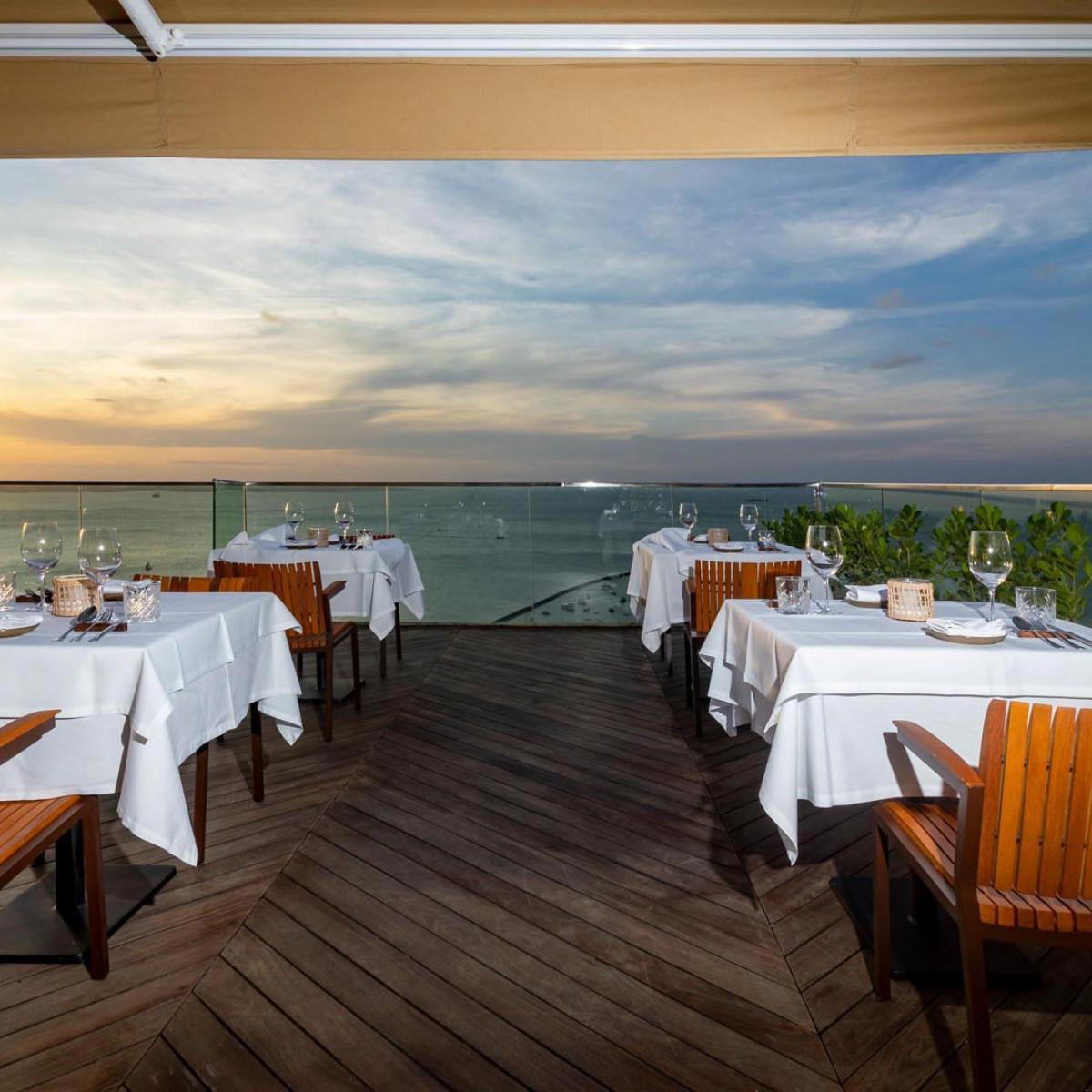
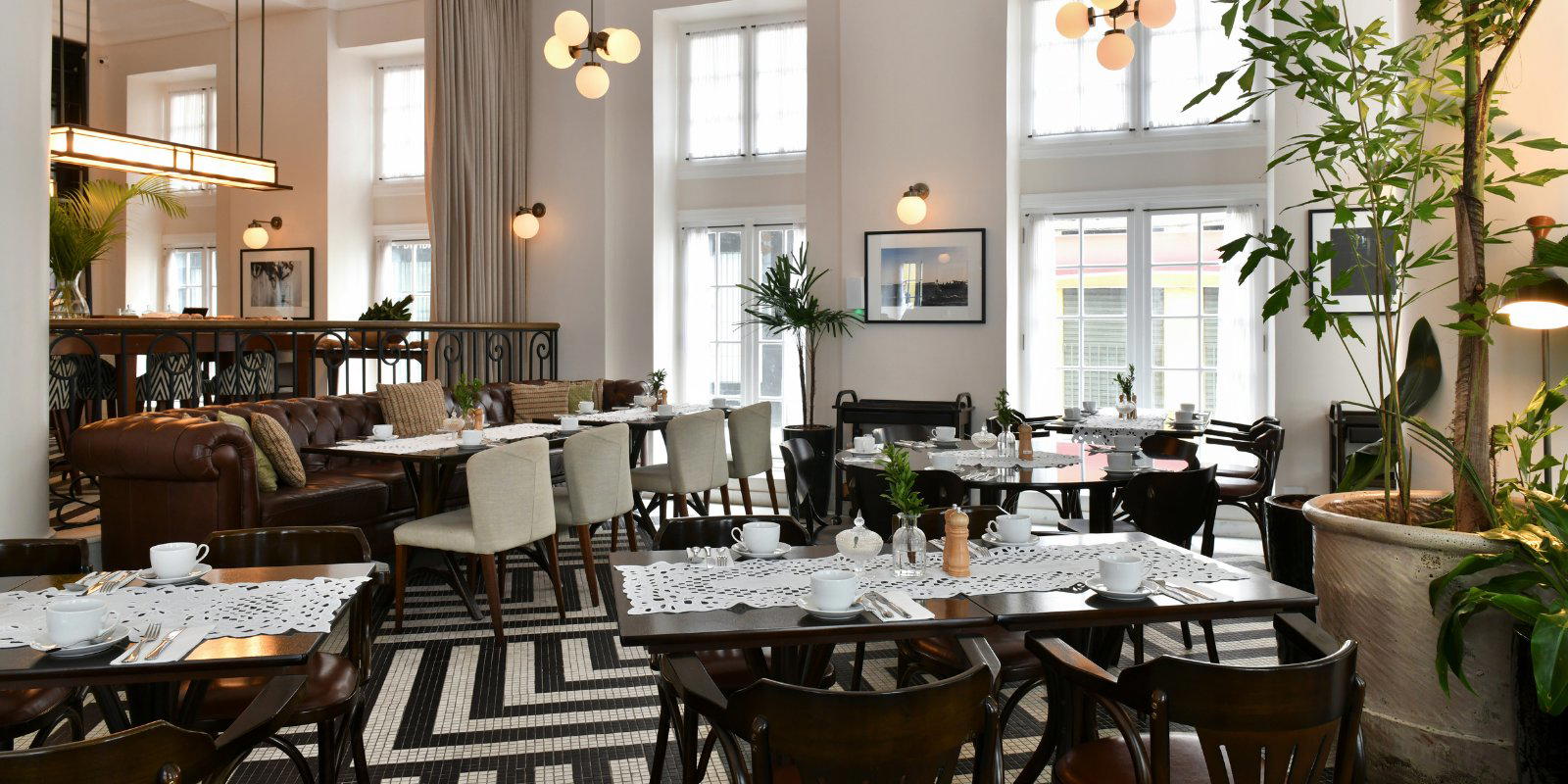
Refined and elegant with warm organic materials, Art Deco lobby preservation, and modern spa-like rooms featuring high-quality linens and rich bathrooms.