Restaurant Skovbakken sits at Østervangsvej 1 in Randers, Denmark, occupying a setting that speaks to the quieter, more considered side of Jutland dining. In a city where the restaurant scene has grown steadily more varied, Skovbakken represents the kind of neighbourhood anchor that regulars return to reliably. Visitors coming from farther afield will find it a useful lens into how Randers eats outside the city centre.
Pearl is the En Primeur Club membership app — saves, bookings, and concierge access live there. Same editors, same standards.
- Address
- Østervangsvej 1, 8900 Randers, Denmark
- Phone
- +4586420180
- Directions
- Get directions
 Saves & bookings on Pearl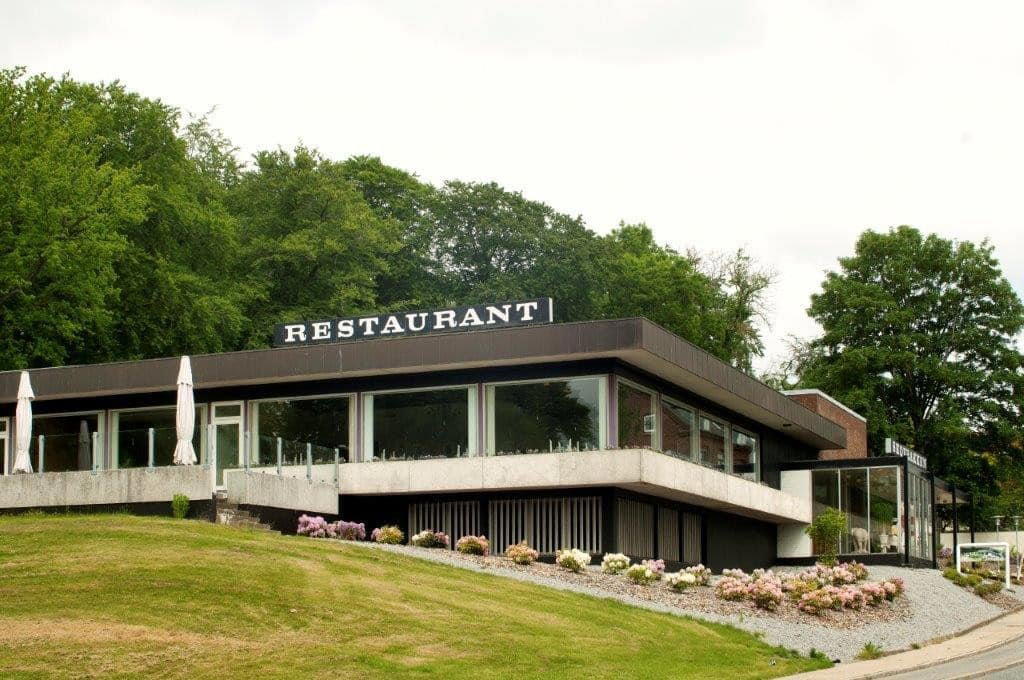
A Green Address in a City Finding Its Dining Feet
Randers sits roughly midway between Aarhus and the Jutland coast, a mid-sized Danish city that rarely appears on international itineraries but has developed a restaurant scene more layered than its profile suggests. The address at Østervangsvej 1 places Restaurant Skovbakken on the eastern edge of the city, where the urban grid loosens and gives way to the kind of park-adjacent setting that Danes have long favoured for restaurant-going. Approaching the venue, the surroundings do the orienting work: a quieter road, trees in the middle distance, the sense of arriving somewhere set apart from the commercial centre. That physical remove is itself a signal about the kind of experience on offer — unhurried, neighbourhood-grounded, and oriented toward guests who are there specifically rather than passing through.
Randers Dining in Context: Where Skovbakken Fits
To understand what Restaurant Skovbakken represents, it helps to map the broader territory. Denmark's restaurant culture has undergone a well-documented restructuring over the past two decades. Copenhagen set the international reference points — Geranium in Copenhagen and Jordnær in Gentofte operate at the level where Michelin recognition and international press coverage are the peer currency. But that top tier has pulled alongside it a second wave of serious cooking in provincial cities, where the influence of Nordic technique and seasonal sourcing has filtered down into dining rooms that make no claims to destination status but deliver consistency that rewards local loyalty.
In Jutland specifically, the direction of travel has been toward venues that combine accessible formats with produce-led menus, a different competitive logic than Copenhagen but no less intentional. Frederikshøj in Aarhus operates at the Michelin-starred end of that regional ambition. Randers, without Aarhus's scale, has developed its own tier: restaurants that serve the city's residents with a seriousness that reflects changed expectations rather than changed postcodes. Bistroteket, Bone's, and Cafe Hugo each occupy different corners of that local dining map, as do Atami Sushi Restaurant and Banana Leaf, which together reflect how diverse Randers's options have become. Skovbakken occupies a position shaped as much by its setting and longevity as by any single menu proposition.
The Evolution Question: How Provincial Danish Restaurants Reinvent Themselves
The editorial angle most relevant to understanding Skovbakken is not its current snapshot but the longer arc it has traced as Randers's dining culture shifted around it. Danish provincial restaurants of this type, established, address-defined, rooted in a particular neighbourhood relationship, have had to make a series of decisions over the past decade. The rise of Nordic cuisine as an international reference framework created both pressure and opportunity: pressure to modernise menus that once leaned on classical Danish-French convention, and opportunity to claim local sourcing credentials that were already embedded in practice if not in language.
Across Denmark's provincial cities, this reinvention has played out differently. Alimentum in Aalborg represents one model, tasting-menu formality at a regional remove from the capital. ARO in Odense and LYST in Vejle each chose formats that made architectural or scenic settings part of the offering. Elsewhere, at Henne Kirkeby Kro in Henne, Dragsholm Slot Gourmet in Hørve, and Frederiksminde in Præstø, the reinvention came through linking kitchen ambition to rural landscape and estate identity. Domæne in Herning offers yet another version: urban-Jutland fine dining stripped of country-house framing.
Skovbakken's position along this spectrum is defined by its Randers context rather than by any single programmatic choice. The venue's longevity at its Østervangsvej address is itself evidence of a relationship with the city that newer, more format-conscious arrivals have not yet built. In Danish restaurant culture, that kind of embedded presence counts for something, it reflects decades of return visits by guests whose expectations have themselves evolved, demanding that the kitchen keep pace.
What the Setting Signals
The park-adjacent positioning of Skovbakken aligns it with a recognisable Scandinavian restaurant archetype: the venue that earns its place through proximity to green space and the particular quality of light and quiet that comes with it. In Copenhagen, equivalents operate near Frederiksberg Have or along the lakes; in Aarhus, the Marselisborg forest fringe plays a similar role. For Randers, the eastern edge of the city provides that breathing room. Dining in such settings carries different expectations than city-centre formats, the pace is slower, the occasion more deliberate, and the guest more likely to be celebrating or marking something than filling a lunch hour.
For visitors arriving from outside the region, Randers is accessible by rail from Aarhus in under forty minutes, making Skovbakken a plausible evening destination for travellers based further south. The address at Østervangsvej 1 is findable by standard navigation, and the park surroundings make the approach on foot from the nearest transport options a reasonable prospect in good weather.
Planning a Visit: The Practical Picture
Danish restaurant conventions at this type of venue typically favour advance reservations for weekend evenings, with weekday lunch and early dinner slots more accessible on shorter notice. The our full Randers restaurants guide covers the broader scene for those who want to plan a day around multiple stops in the city. For international reference on what high-end format dining looks like at the upper end of the spectrum, Le Bernardin in New York City and Atomix in New York City offer calibration points, though Skovbakken operates in a provincial Danish register rather than a global destination one.
Continue exploring
More in Randers
Restaurants in Randers
Browse all →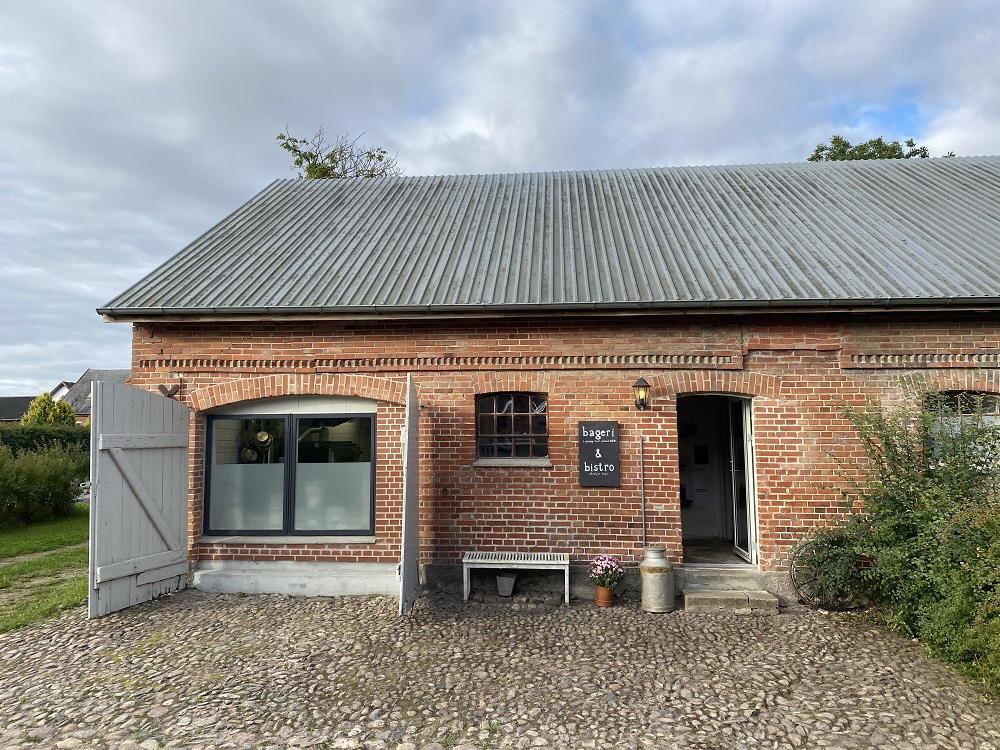
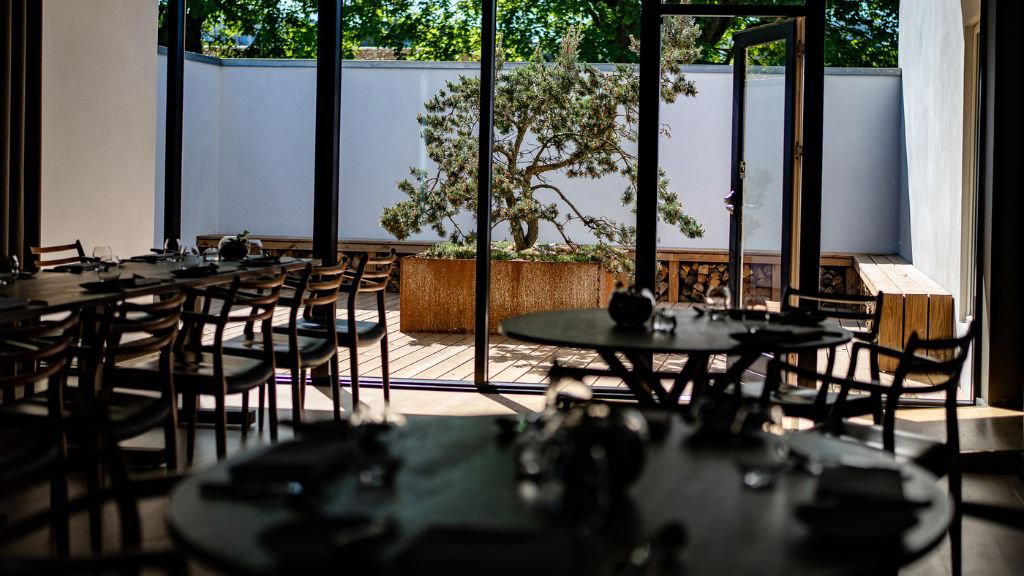
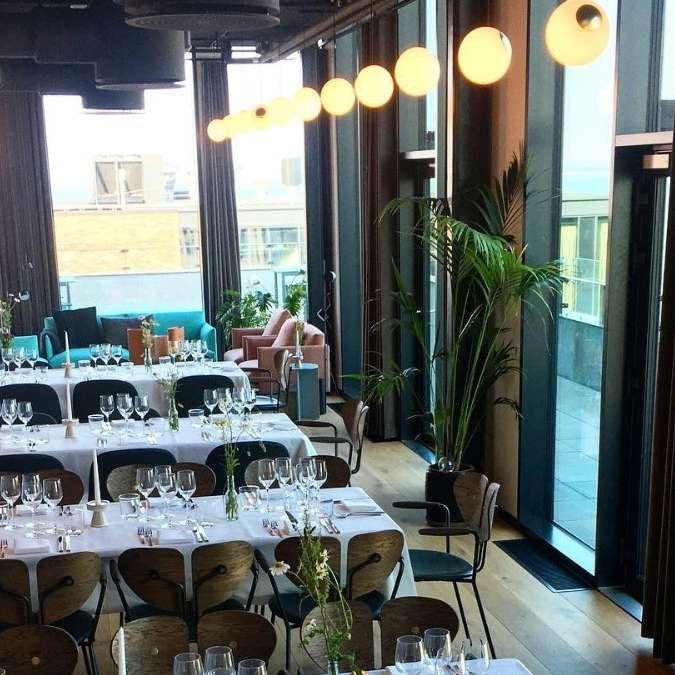
Bars in Randers
Browse all →
Hotels in Randers
Browse all →
Wineries in Randers
Browse all →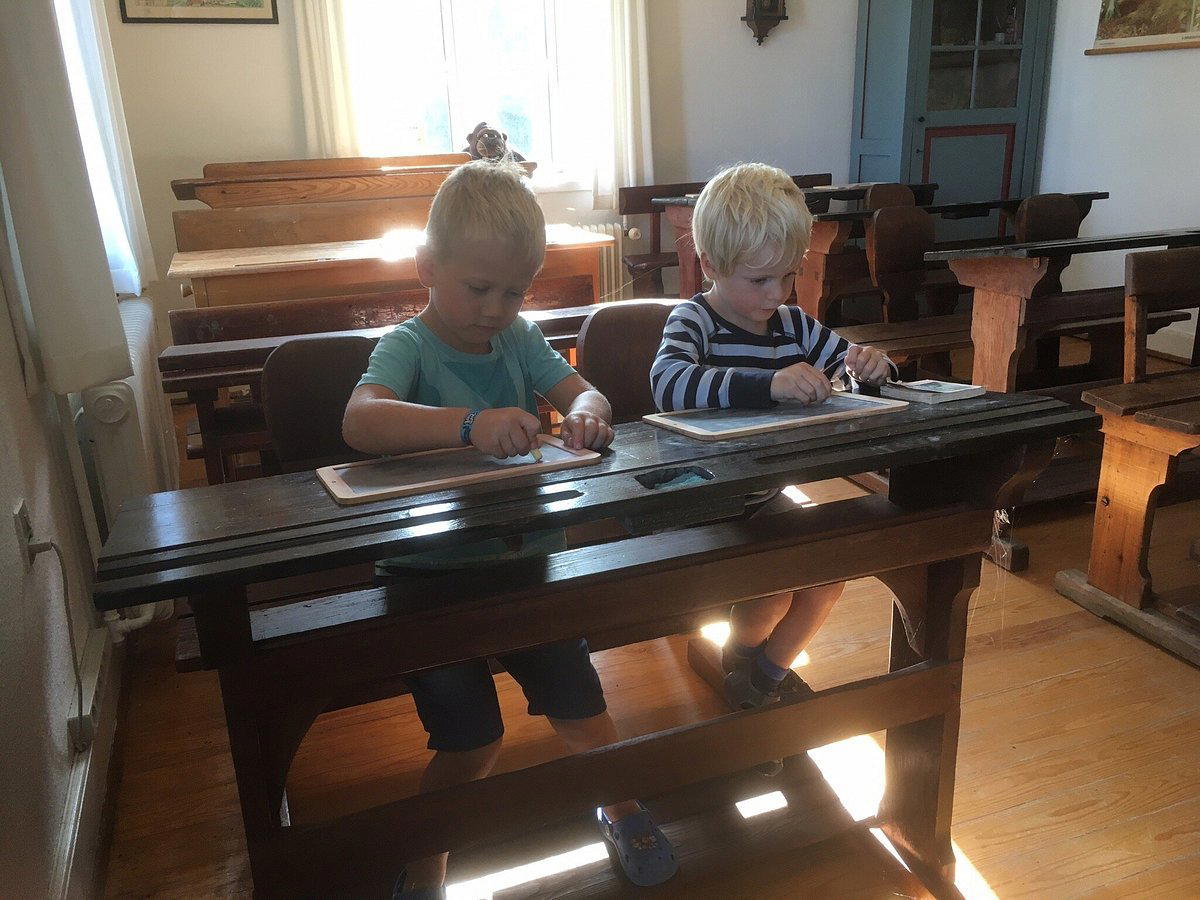

At a Glance
- Classic
- Cozy
- Family
- Group Dining
- Celebration
- Standalone
- Extensive Wine List
Current opening hours
- Monday
- 12–10 PM
- Tuesday
- 12–10 PM
- Wednesday
- 12–10 PM
- Thursday
- 12–10 PM
- Friday
- 12–10 PM
- Saturday
- 12–10 PM
- Sunday
- 12–4 PM
Hours can change for holidays and private events. Last verified .
Cozy old-school atmosphere reminiscent of traditional Danish village common house, clean but somewhat dated decor.
Know Before You Go
- Getting there
- Østervangsvej 1, 8900 Randers, Denmark