In the Tyrolean village of Axams, Restaurant Schwarz Weiss occupies a quiet but deliberate position in Austria's broader alpine dining scene, a setting where mountain proximity shapes what arrives on the plate. The restaurant sits within a region that has developed a coherent identity around produce drawn from altitude, and Schwarz Weiss operates within that tradition rather than against it.
Pearl is the En Primeur Club membership app — saves, bookings, and concierge access live there. Same editors, same standards.
- Address
- Sylvester-Jordan-Straße 1, 6094 Axams, Austria
- Phone
- +4366493055758
- Website
- restaurant-schwarzweiss.at
- Directions
- Get directions
 Saves & bookings on Pearl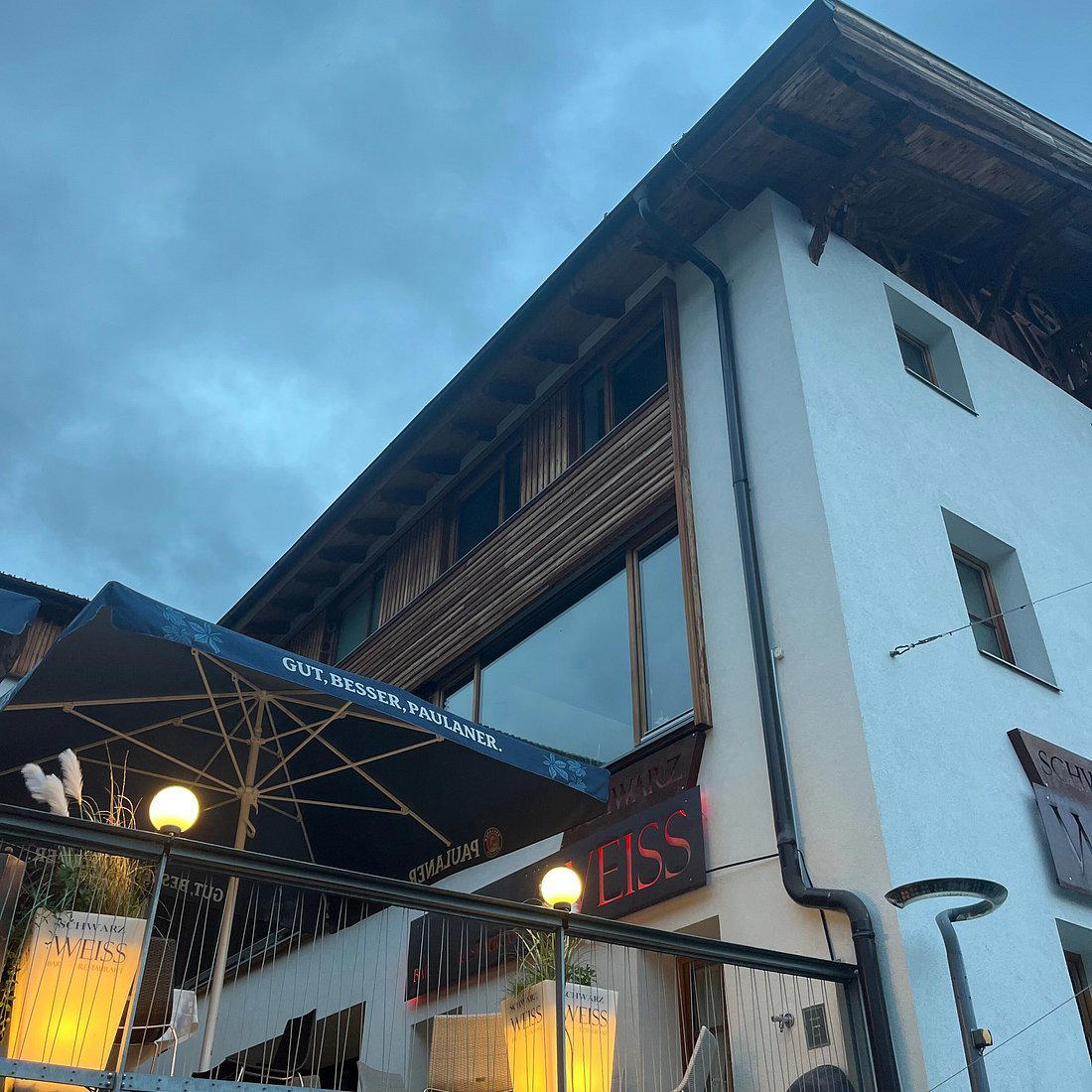
Where the Tyrolean Alps Set the Menu
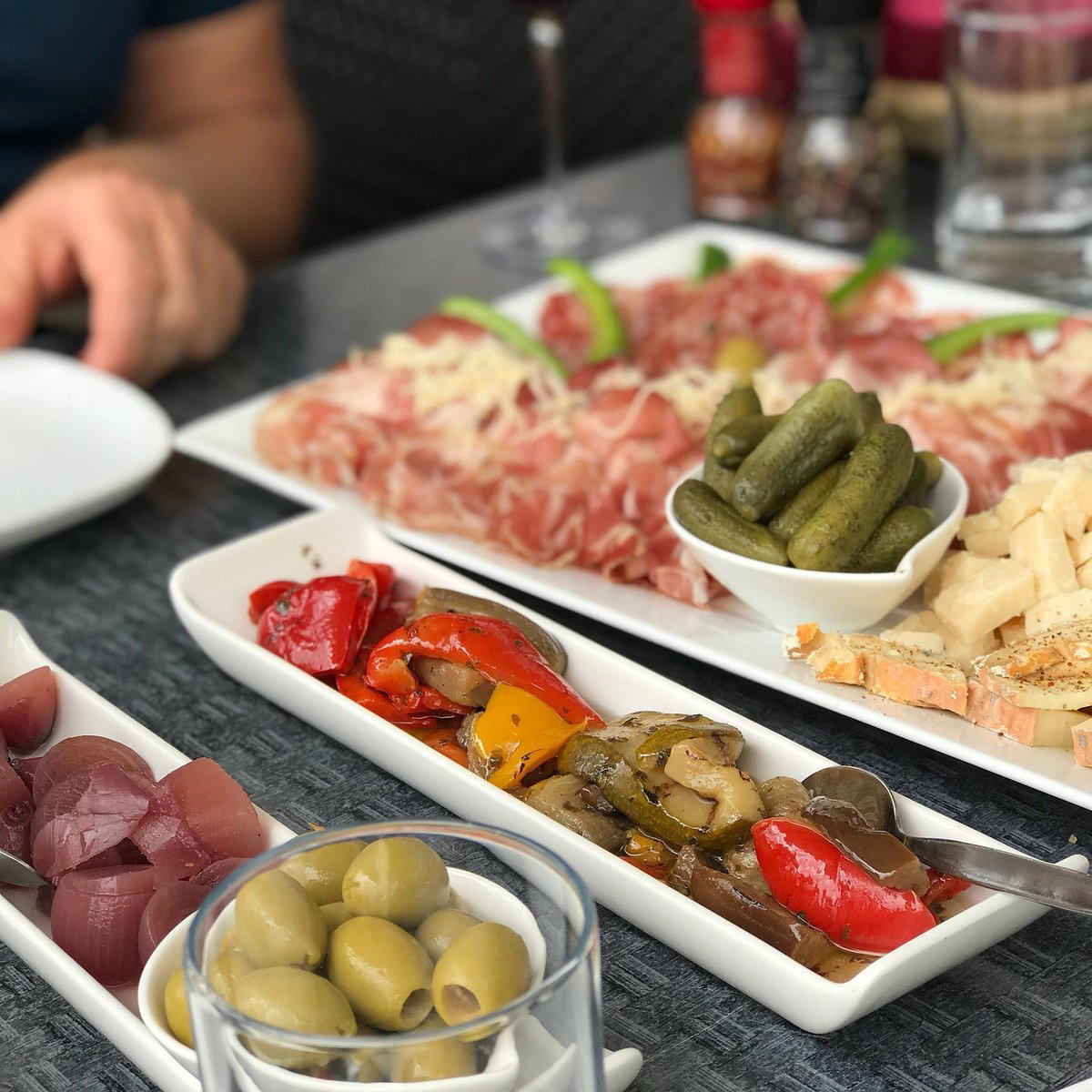
Axams is not a dining destination in the way Innsbruck is, and that distinction matters. The village sits at around 870 metres above sea level in the Stubai Valley corridor, close enough to Innsbruck's airport and rail connections to be accessible, but removed enough that the rhythm of the place remains agricultural rather than touristic. Restaurant Schwarz Weiss is an Austrian pub with Italian influences in Axams, Austria,209 reviews and a casual dress code. That structural reality shapes what ends up on the plate in ways that urban dining rooms rarely achieve by intention alone.
The alpine ingredient tradition in Tyrol runs deeper than the clichés of cheese and cured meat, though both earn their place. At altitude, growing seasons compress and intensify: herbs develop more concentrated oils, root vegetables carry a denser sweetness, and livestock grazed on high meadow pasture produces dairy and meat with more pronounced flavor. Chefs who build menus around these realities are working within a culinary logic that predates farm-to-table as a marketing concept by several centuries. Restaurant Schwarz Weiss operates within that geography, at an address, Sylvester-Jordan-Straße 1, that places it squarely in the village's residential fabric rather than on a resort strip.
The Ingredient Logic of Alpine Cooking
Across Austria's stronger regional kitchens, the sourcing argument has bifurcated. One camp treats local ingredients as a branding exercise: a menu footnote listing farm names, with cooking that could have happened anywhere. The other camp organises the menu around what the season and the altitude actually produce, adjusting formats and techniques to serve the ingredient rather than the other way around. The latter is harder to sustain and less amenable to year-round consistency, but it produces cooking with a legible sense of place.
In the Tyrolean context, this means working with producers whose farms sit at elevations where the growing window runs from late May to early September at leading. It means that preserved and fermented preparations, hay-infused dairy, dried alpine herbs, cured meats from animals slaughtered after summer pasture, are not a stylistic affectation but a practical necessity built into the food culture over generations. Kitchens that take this seriously operate differently from those that simply buy from a regional wholesaler: they plan menus months in advance, accept supply constraints as a design parameter, and build dishes around what the land offers rather than what a supplier catalogue lists.
Restaurants in comparable Austrian alpine settings have demonstrated that this discipline can support serious culinary ambition. Griggeler Stuba in Lech and Gourmetrestaurant Tannenhof in Sankt Anton am Arlberg both operate in Vorarlberg and Tyrol respectively, at the intersection of alpine sourcing and contemporary technique. Further afield, Döllerer in Golling an der Salzach has built a recognised program explicitly around alpine ingredient traditions, while Kräuterreich by Vitus Winkler in Sankt Veit im Pongau has made the herb-driven logic of mountain cooking its defining identity. These are the reference points against which alpine kitchens at the serious end of the spectrum position themselves.
Axams in Context: Small Villages, Serious Tables
Austria's fine dining conversation tends to concentrate on Vienna and Salzburg. Steirereck im Stadtpark in Vienna holds the clearest position at the summit of the Austrian restaurant hierarchy, and Ikarus in Salzburg has built an internationally recognised program around rotating guest chefs. But some of the country's most interesting cooking happens in smaller villages, where lower overheads and proximity to primary producers allow kitchens to take supply-side risks that a metropolitan restaurant cannot. Obauer in Werfen, Landhaus Bacher in Mautern an der Donau, and Taubenkobel in Schützen am Gebirge all illustrate what a village-scale operation can achieve when the sourcing relationship is genuine and the cooking is disciplined.
Axams itself has a small but coherent restaurant scene. Bürgerstuben represents the more traditional end of the village's offer, and the two restaurants together suggest a locality with more culinary seriousness than its size would predict. For visitors planning time in the Innsbruck region, the Axams restaurants guide covers the local options with more granular detail. The nearby Tyrolean comparison set also includes Schwarzer Adler in Hall in Tirol and Restaurant 141 by Joachim Jaud in Mieming, both within reasonable driving distance for guests staying in the valley.
Beyond Tyrol, for those building a broader Austrian itinerary around serious regional cooking, Ois in Neufelden in Upper Austria and Artis in Graz in Styria offer different regional expressions of the same commitment to sourced, place-specific cooking. International benchmarks in ingredient-led precision cooking, including Le Bernardin in New York City and Atomix in New York City, illustrate how source-discipline at the highest level translates across different culinary traditions, even when the ingredients themselves are radically different.
The name Schwarz Weiss, black and white, may reference anything from interior design to a family name to a philosophical position on cooking. That ambiguity is itself characteristic of small Austrian village establishments, which rarely build identity through branding in the way urban restaurants do. The cooking, and its relationship to the land around it, tends to do the explanatory work instead.
Comparable Venues
Comparable venues nearby, for context on price, style, and recognition.
| Venue | Cuisine | Price | Notes |
|---|---|---|---|
| Restaurant Schwarz WeissThis venue — the venue you are viewing | Austrian Pub with Italian Influences | $$ | Not listed |
| Bürgerstuben | Austrian & Central European with Mediterranean influences | $$ | Axams |
| Burkia Innsbruck | Traditional Austrian | $$ | Westpark |
| Kreither Alm | Traditional Austrian Alpine | $$ | Kreith |
| Umbrüggler Alm | Modern Tyrolean | $$ | Hungerburg |
| Glorious Butcher | American Burger Joint | $$ | Marktplatz |
Continue exploring
More in Axams
Restaurants in Axams
Browse all →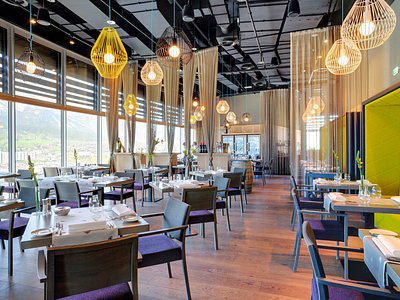
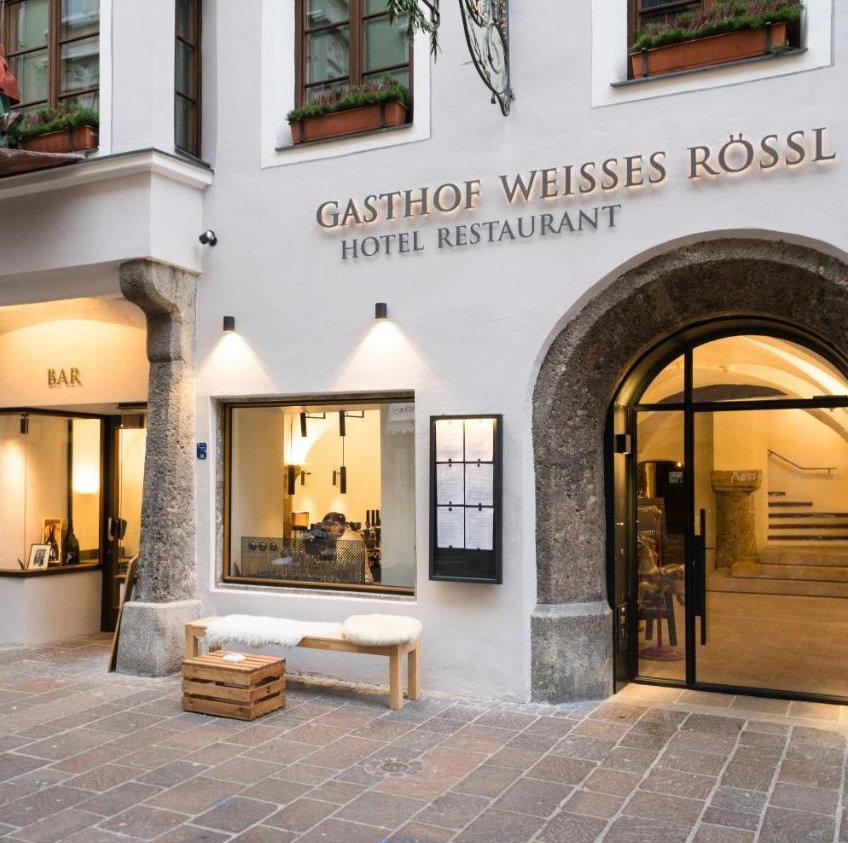
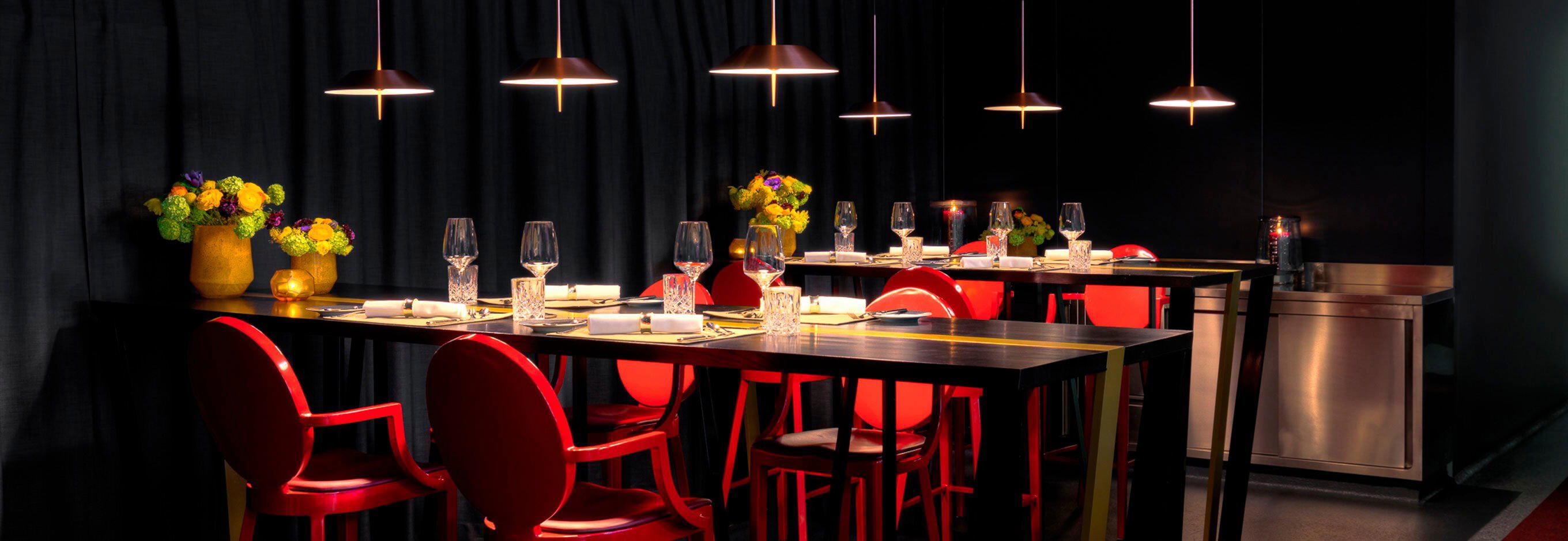
Bars in Axams
Browse all →
Hotels in Axams
Browse all →

At a Glance
- Modern
- Cozy
- Family
- Casual Hangout
- Terrace
Current opening hours
- Monday
- 11:30 AM–11 PM
- Tuesday
- Closed
- Wednesday
- 11:30 AM–11 PM
- Thursday
- 11:30 AM–11 PM
- Friday
- 11:30 AM–11 PM
- Saturday
- 11:30 AM–11 PM
- Sunday
- 11:30 AM–11 PM
Hours can change for holidays and private events. Last verified .
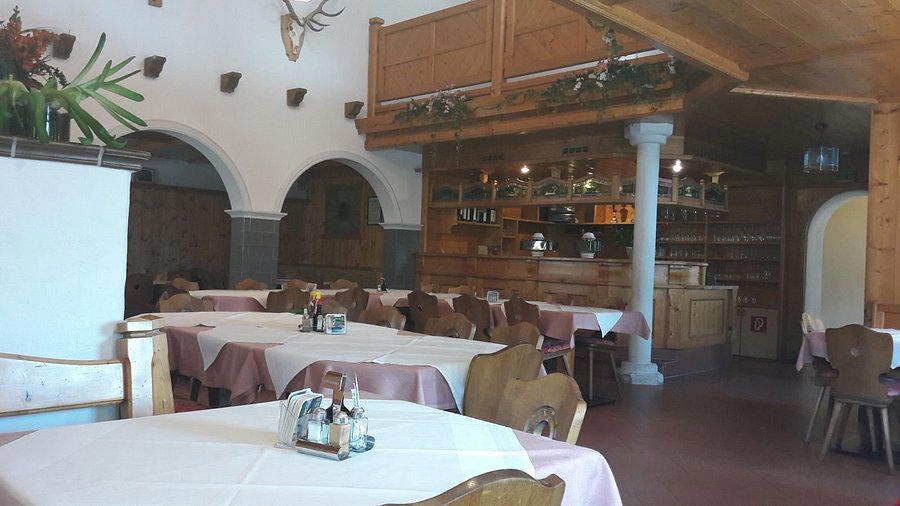
Modern interiors with nice music, cozy terrace, and pleasant family-friendly lighting.