Restaurant Orange Rouge sits on Rue De la Gauchetière in Montreal's Chinatown-adjacent core, a stretch where dining traditions from several continents have coexisted for decades. With limited publicly available details on format and pricing, the restaurant rewards those who arrive having done their research. For context on Montreal's broader dining scene, EP Club's full restaurant coverage maps the city's range from casual to haute.
- Address
- 106 Rue De la Gauchetière O, Montréal, QC H2Z 1C3, Canada
- Phone
- +1 514 861 1116
- Directions
- Get directions
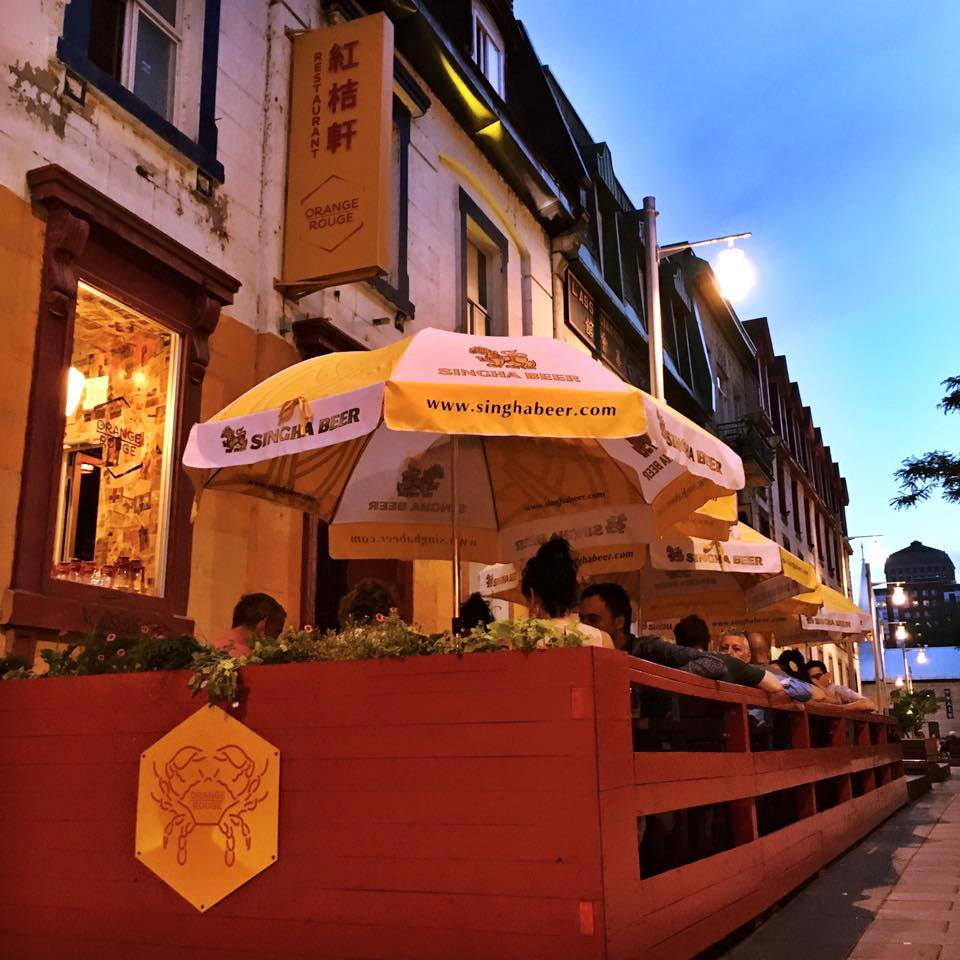
Rue De la Gauchetière and the Block That Refuses to Sit Still
The western end of Rue De la Gauchetière operates at a different register than the pedestrianized stretch to the east, where the covered portion of Chinatown draws crowds toward bubble tea and roast duck windows. At 106 Rue De la Gauchetière Ouest, the address sits at the intersection of several of Montreal's dining identities: the density of the downtown core, the residual character of Chinatown's edges, and the kind of side-street address that tends to filter out casual foot traffic before it reaches the door. That filtration is itself a form of curation. Restaurants on this block work harder for their clientele, which tends to shape both the room and the service posture inside.
Montreal's restaurant geography has always rewarded those willing to move a few blocks off the obvious corridors, and Restaurant Orange Rouge fits that pattern. The city's most interesting tables have historically appeared in converted row houses on the Plateau, in basement rooms in the Quartier Latin, and in ground-floor spaces in buildings that look, from the outside, like they contain nothing more interesting than a loading dock. The Gauchetière Ouest address fits that pattern: the building doesn't announce itself, and the restaurant inside is not the kind of operation that depends on walk-in volume.
Planning a Visit: What the Booking Experience Actually Looks Like
One reliable approach is to make a reservation, as recommended, or to confirm availability directly before you go. This is not unusual for smaller independent restaurants in Quebec, where a number of well-regarded addresses operate without a significant web presence, particularly in neighbourhoods where the local clientele self-organises through word of mouth and community channels.
For comparison, Jérôme Ferrer - Europea and Mastard both sit at the summit of Montreal's modern cuisine tier and carry four-dollar-sign and three-dollar-sign price points respectively, with online booking infrastructure to match their profile. Sabayon operates in that same mid-to-upper-modern bracket. Restaurant Orange Rouge, with a price tier of three dollars signs, sits in a different category of restaurant experience.
That said, the address on Gauchetière Ouest is fixed and verifiable. If you are building a Montreal itinerary, factor in the possibility that your first contact with this restaurant may need to be in person rather than digital. That approach, while less convenient than a two-click reservation at a larger operation, is not unusual for this part of the city and this type of address. Our full Montreal restaurants guide covers the city's range of booking cultures, from tasting-menu counters that open reservations weeks in advance to walk-in-only neighbourhood rooms.
Where Orange Rouge Sits in Montreal's Wider Scene
Montreal's restaurant density is high relative to comparable North American cities, and the spread between price tiers is meaningful. At the upper end, Toqué has held its position as the city's canonical fine dining reference for decades, with French-rooted technique applied to Quebec product. Europea operates in a similar register, with a larger room and a more event-oriented format. Below that, a layer of mid-market modern addresses, Mastard, Sabayon, are doing precise, ingredient-focused work at price points that don't require a corporate expense account.
Neighbourhood restaurants like 3 Pierres 1 Feu and Abu el zulof represent another layer entirely: community-embedded addresses where the room, the price, and the format are calibrated for regular local use rather than destination dining. Restaurant Orange Rouge, given its address and its limited public profile, likely belongs to a similar category, though with a confirmed Modern Asian Fusion label, that placement remains provisional.
Across Canada, the gap between low-profile neighbourhood restaurants and nationally recognised destination dining is wide and interesting. Tanière³ in Quebec City has built a reputation that draws visitors from outside the province. Alo in Toronto operates a tasting-menu format that books months ahead. Restaurant Pearl Morissette in Lincoln and Eigensinn Farm in Singhampton have each built a specific kind of destination gravity around a distinct format and setting. At the other end of the spectrum, Narval in Rimouski and Fogo Island Inn Dining Room demonstrate how place-specific identity can generate its own form of pull. AnnaLena in Vancouver, The Pine in Creemore, Busters Barbeque in Kenora, and Cafe Brio in Victoria each represent a distinct regional approach to hospitality.
Internationally, the contrast between high-profile destination restaurants and low-key neighbourhood addresses is equally pronounced. Le Bernardin in New York City and Lazy Bear in San Francisco operate with the kind of institutional infrastructure and advance booking culture that sits at the opposite end of the spectrum from a street-level address with no published phone number. Both ends of that spectrum have their own logic and their own appeal.
What to Know Before You Go
The address at 106 Rue De la Gauchetière Ouest places the restaurant in walkable range of several major downtown Montreal transit nodes, which makes the approach direct regardless of whether you are arriving from the hotel corridor on René-Lévesque or from the Quartier des spectacles to the north. The neighbourhood transitions quickly in this part of the city; a single block can shift the character of the street considerably, and the Gauchetière Ouest end tends toward a quieter, more residential-commercial mix than the pedestrian zone to the east.
Montreal's restaurant scene is active and changes relatively quickly; a room that was operating in one format six months ago may have adjusted its hours, its concept, or its booking approach since. Treat this as a visit that rewards flexibility rather than precision planning.
Accolades, Compared
Comparable venues nearby, for context on price, style, and recognition.
| Venue | Cuisine | Price | Notes |
|---|---|---|---|
| Restaurant Orange RougeThis venue — the venue you are viewing | Modern Asian Fusion | $$$ | Not listed |
| Junjun | Modern Filipino | $$$ | Petit Bourgogne |
| GaZette Bistro | Modern Quebec Bistro | $$$ | Centre-Ville |
| Brasserie T! - Quartier des spectacles | Modern French Brasserie | $$$ | Quartier des Spectacles |
| Jellyfish Montreal | Modern Crudo + Charbon Grill | $$$ | Vieux Montréal |
| Maison Publique | English Gastropub with Canadian Locavore Focus | $$$ | Parc-Laurier |
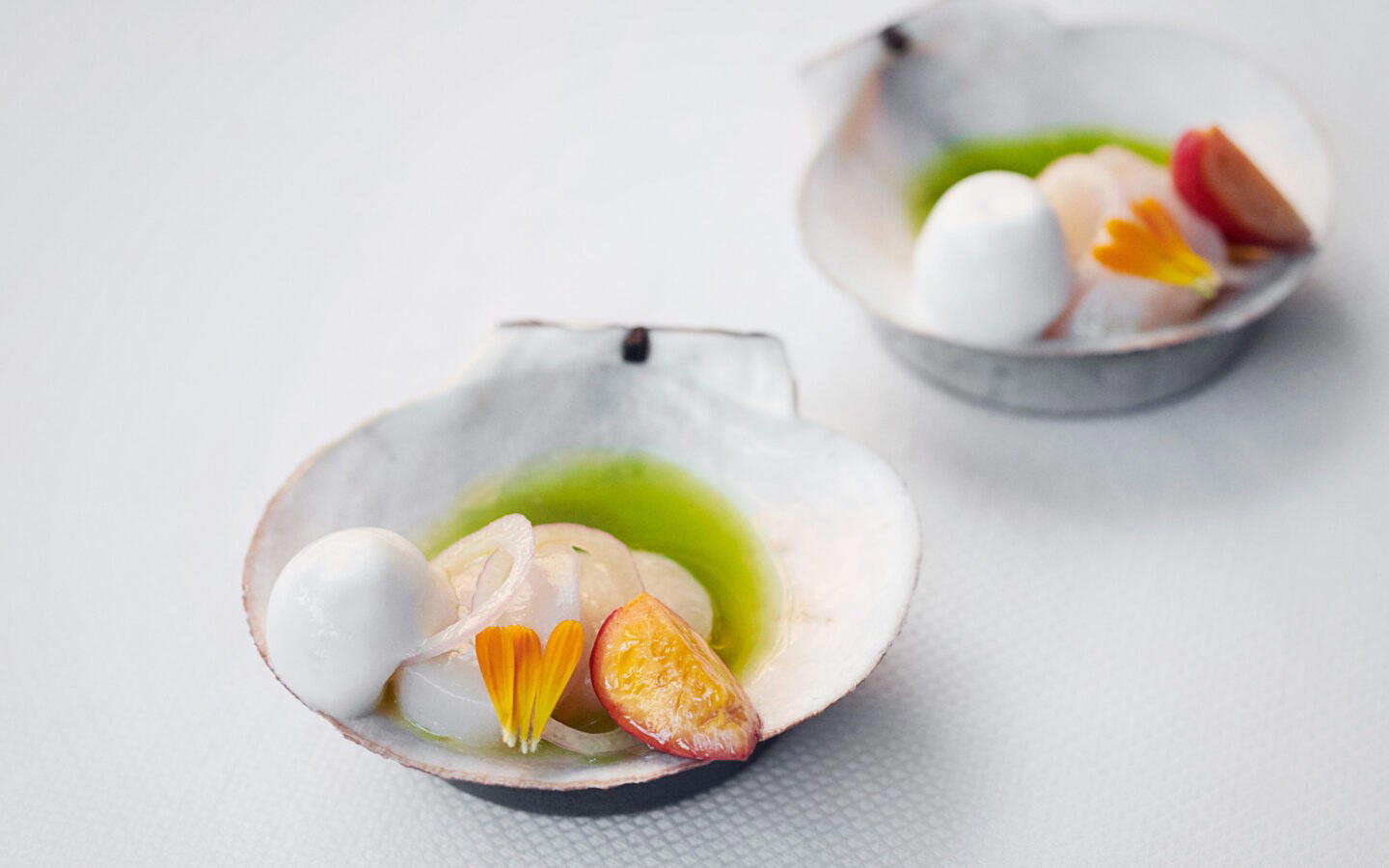
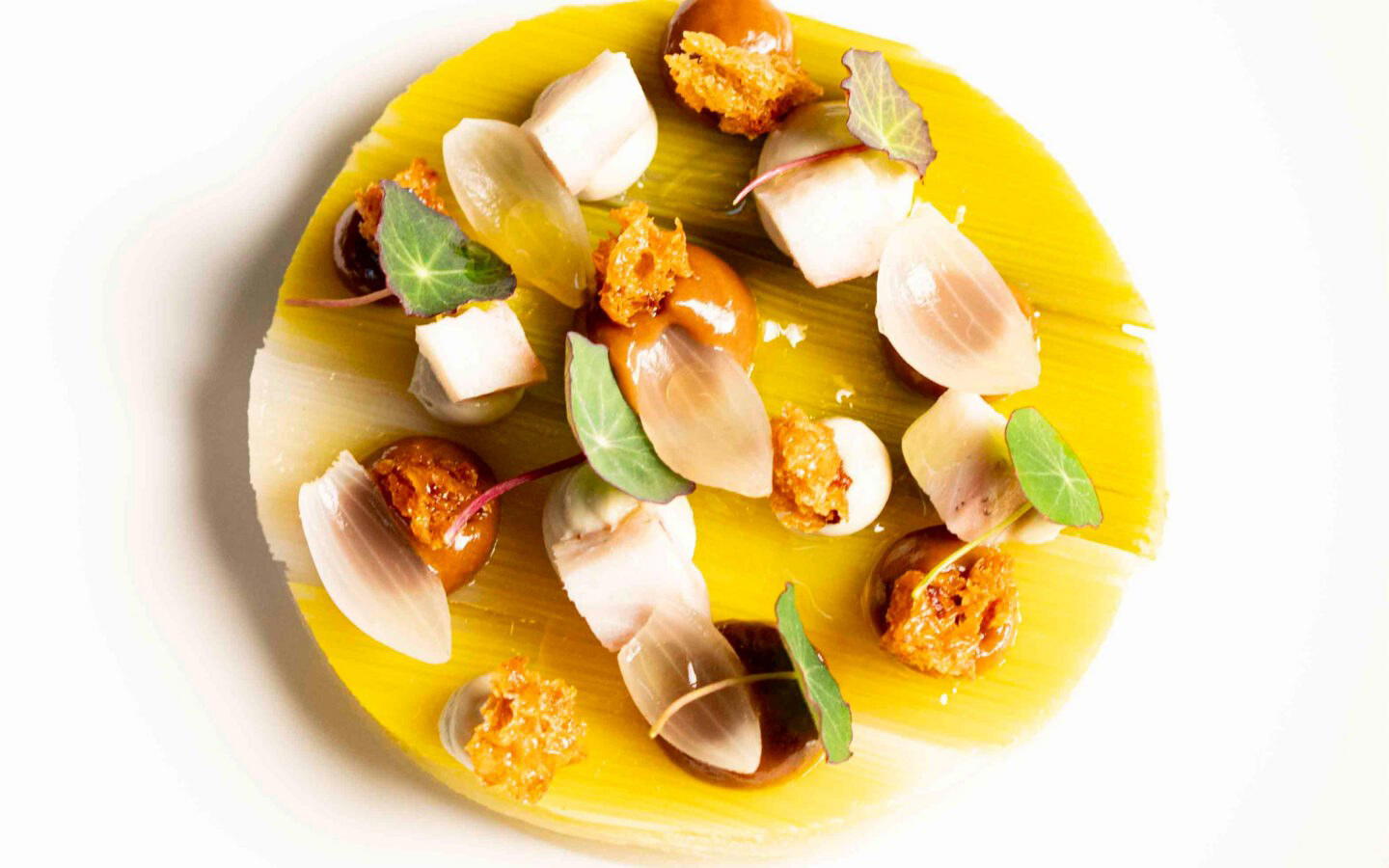
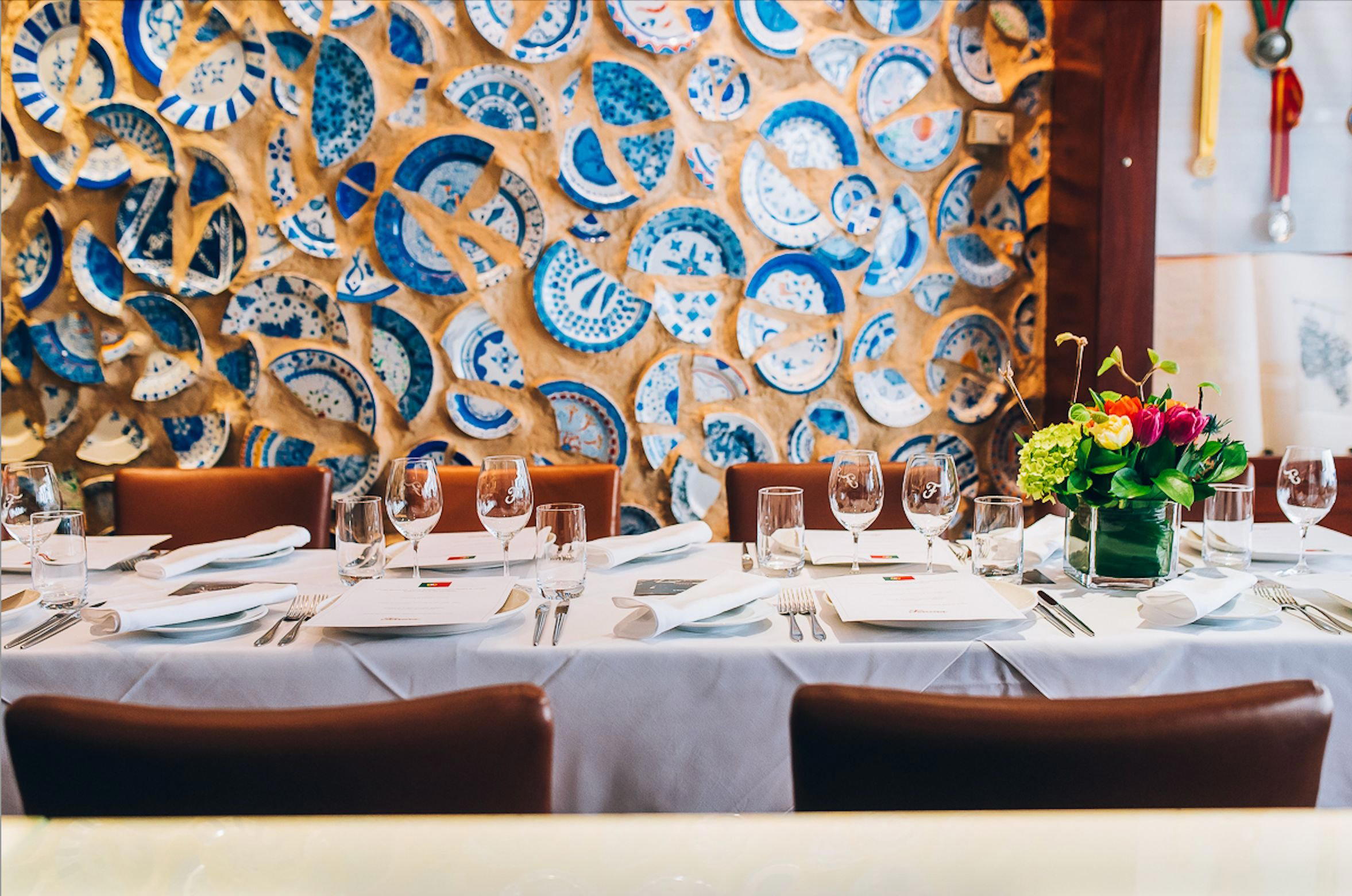
At a Glance
- Lively
- Elegant
- Intimate
- Trendy
- Date Night
- Special Occasion
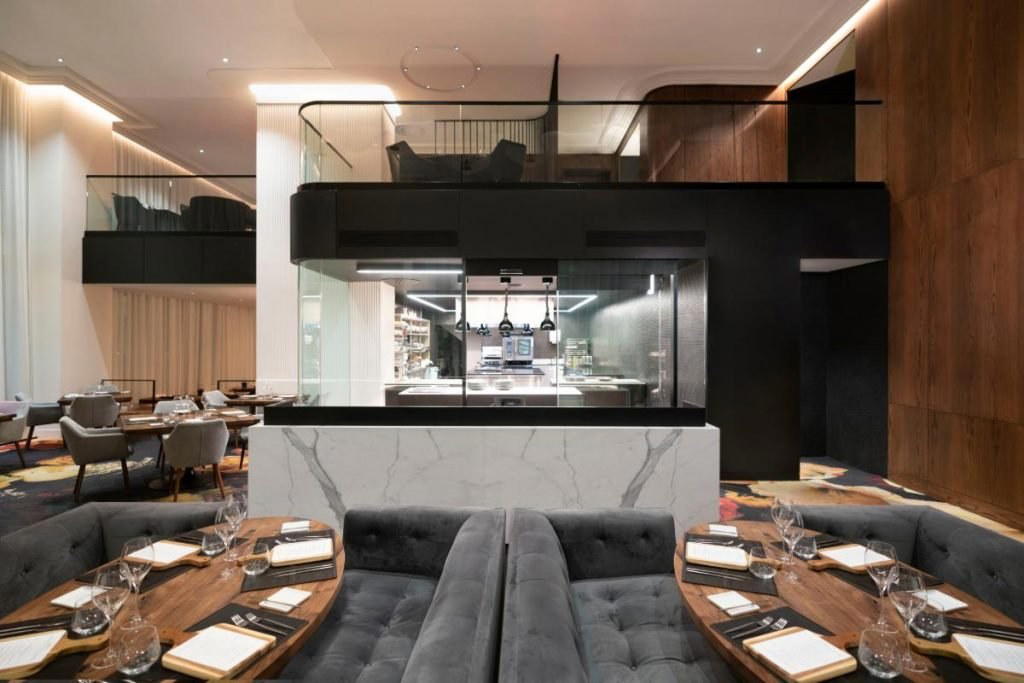
- Open Kitchen
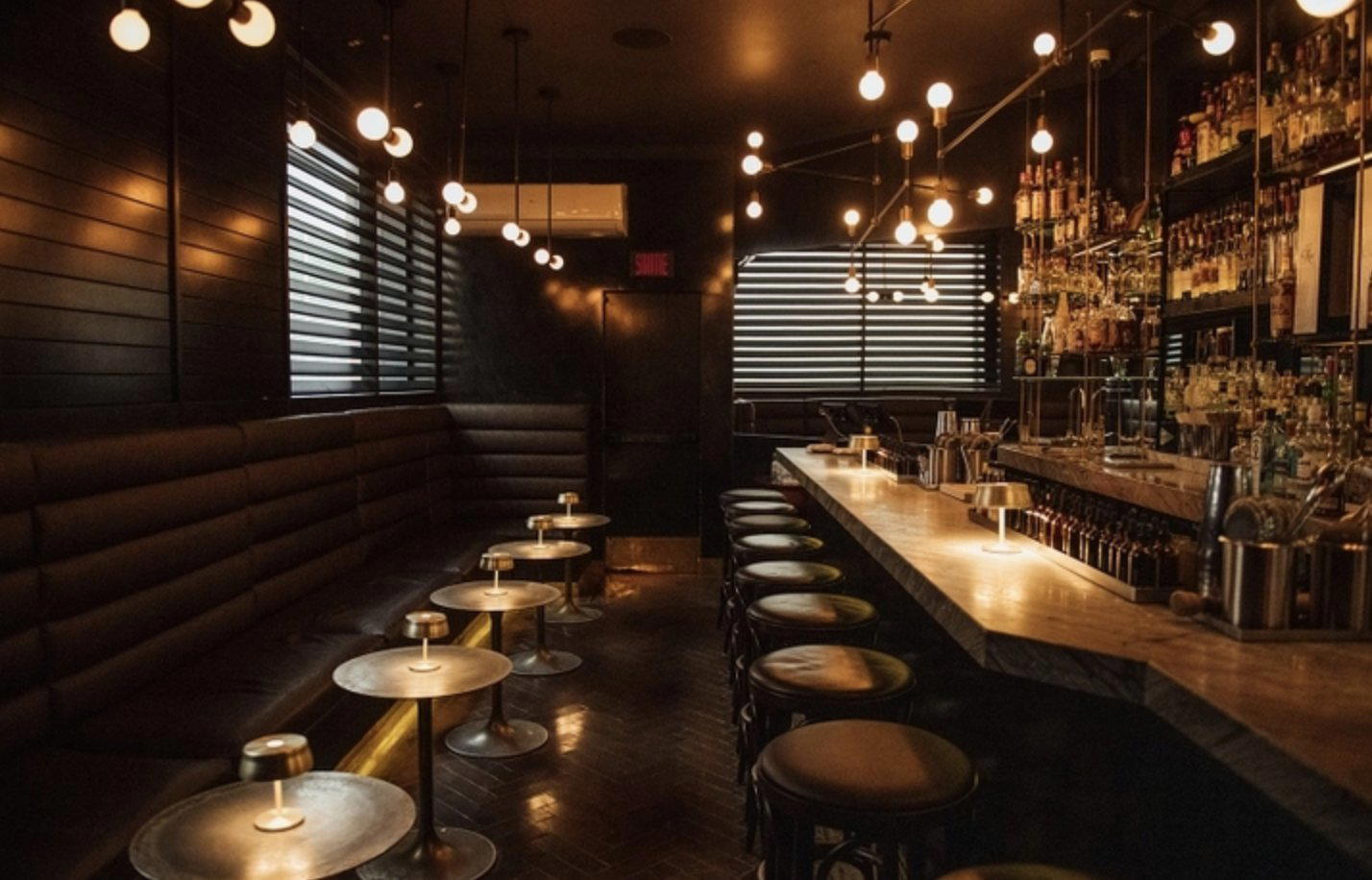
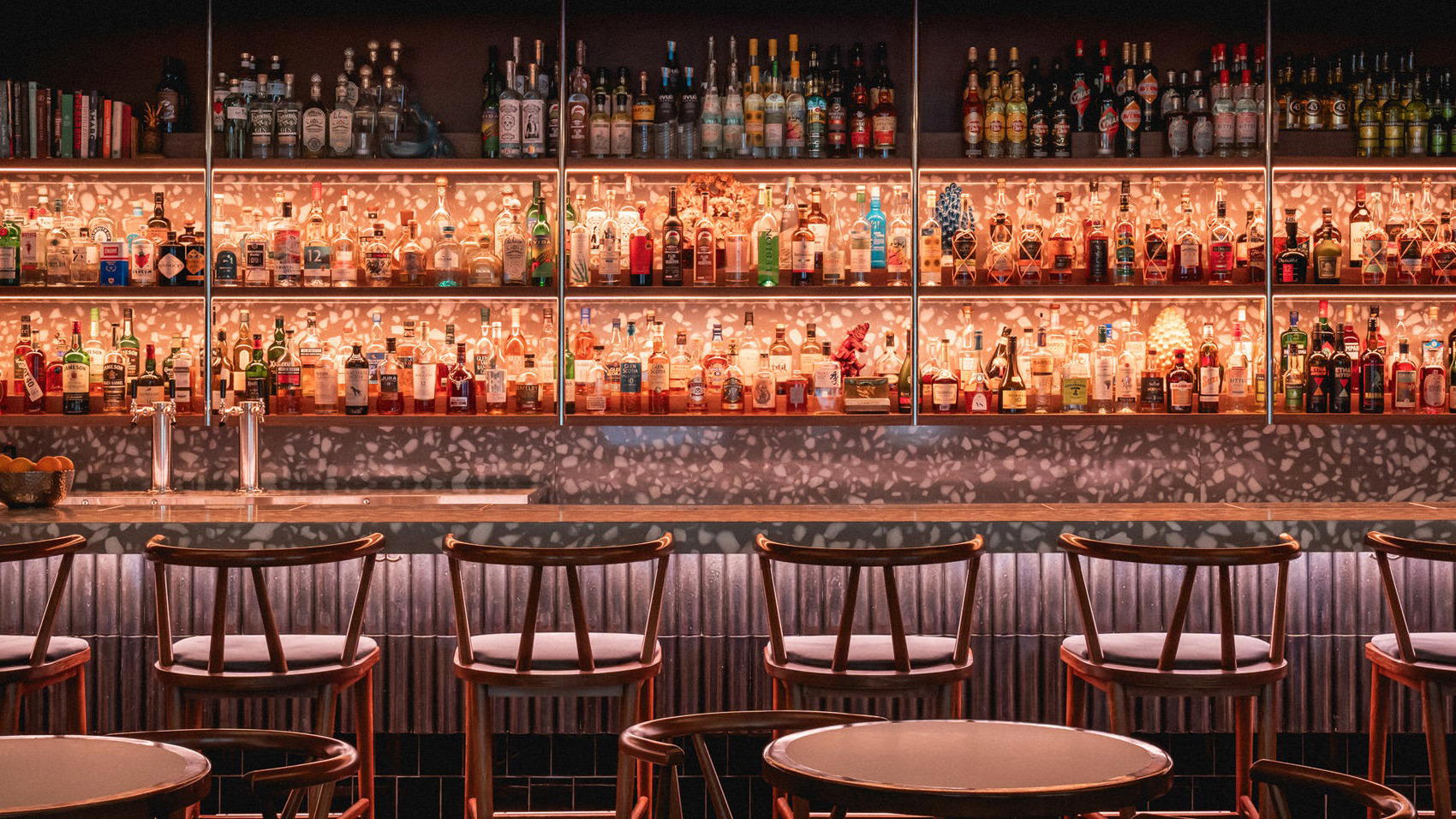
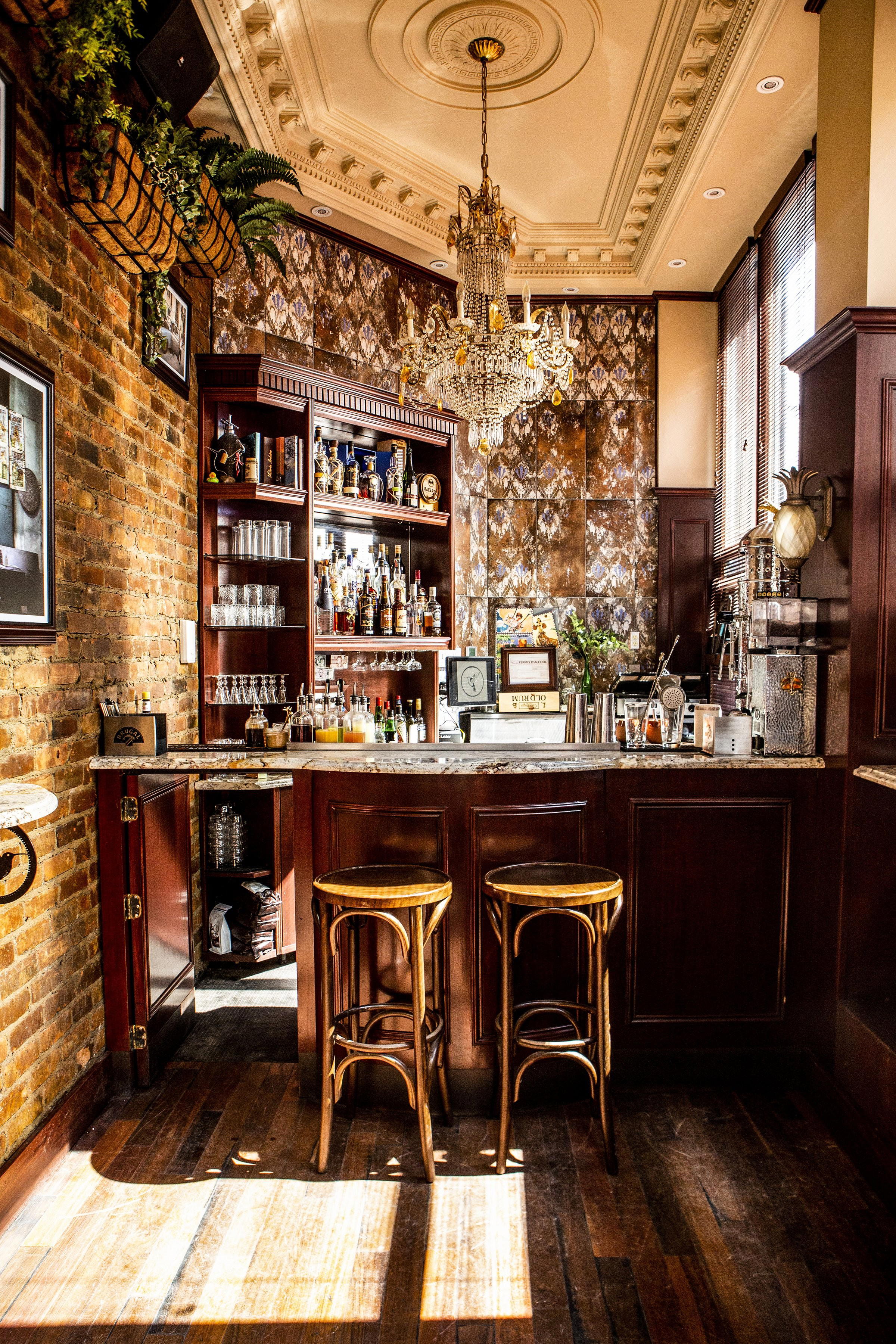
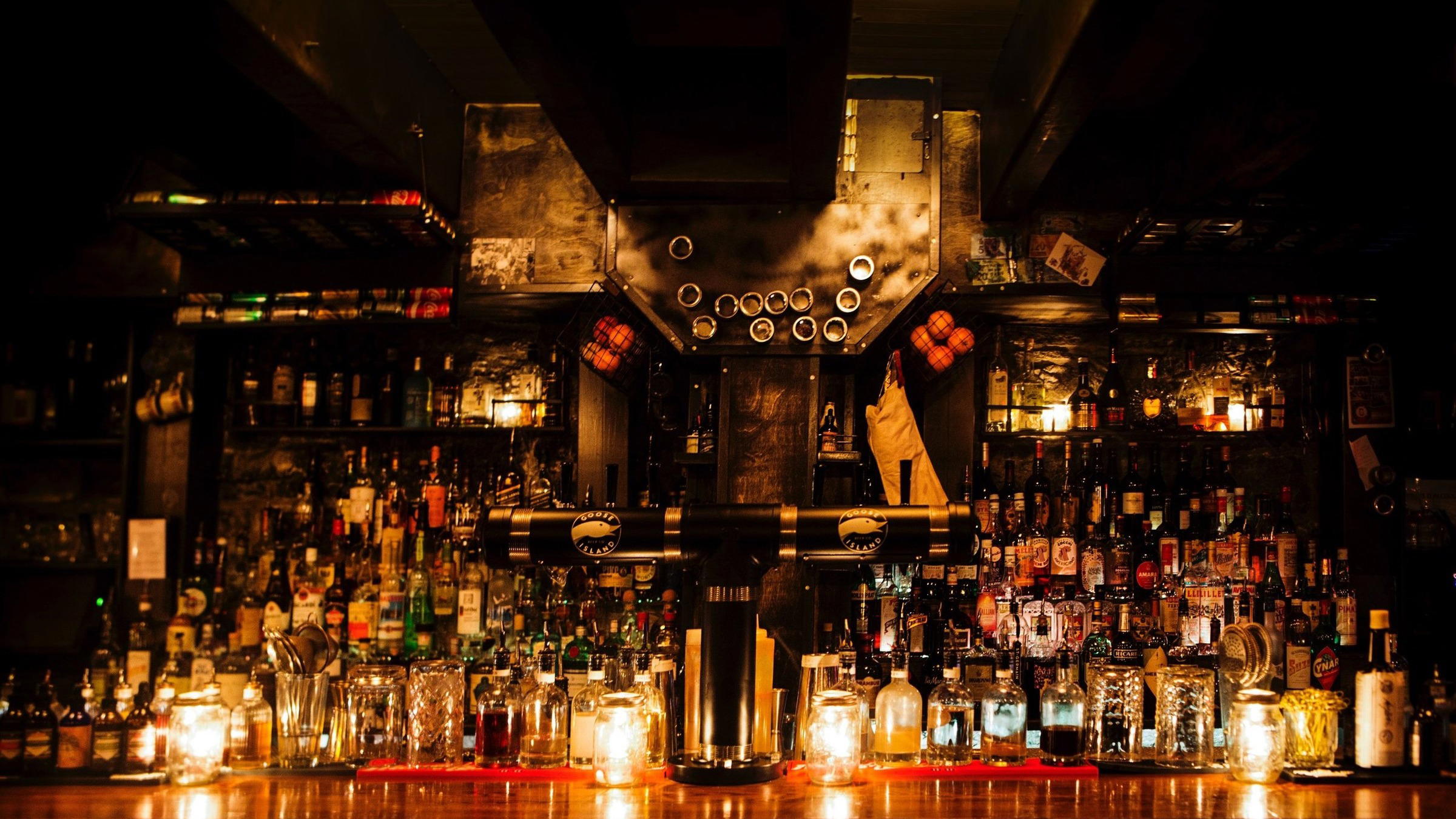
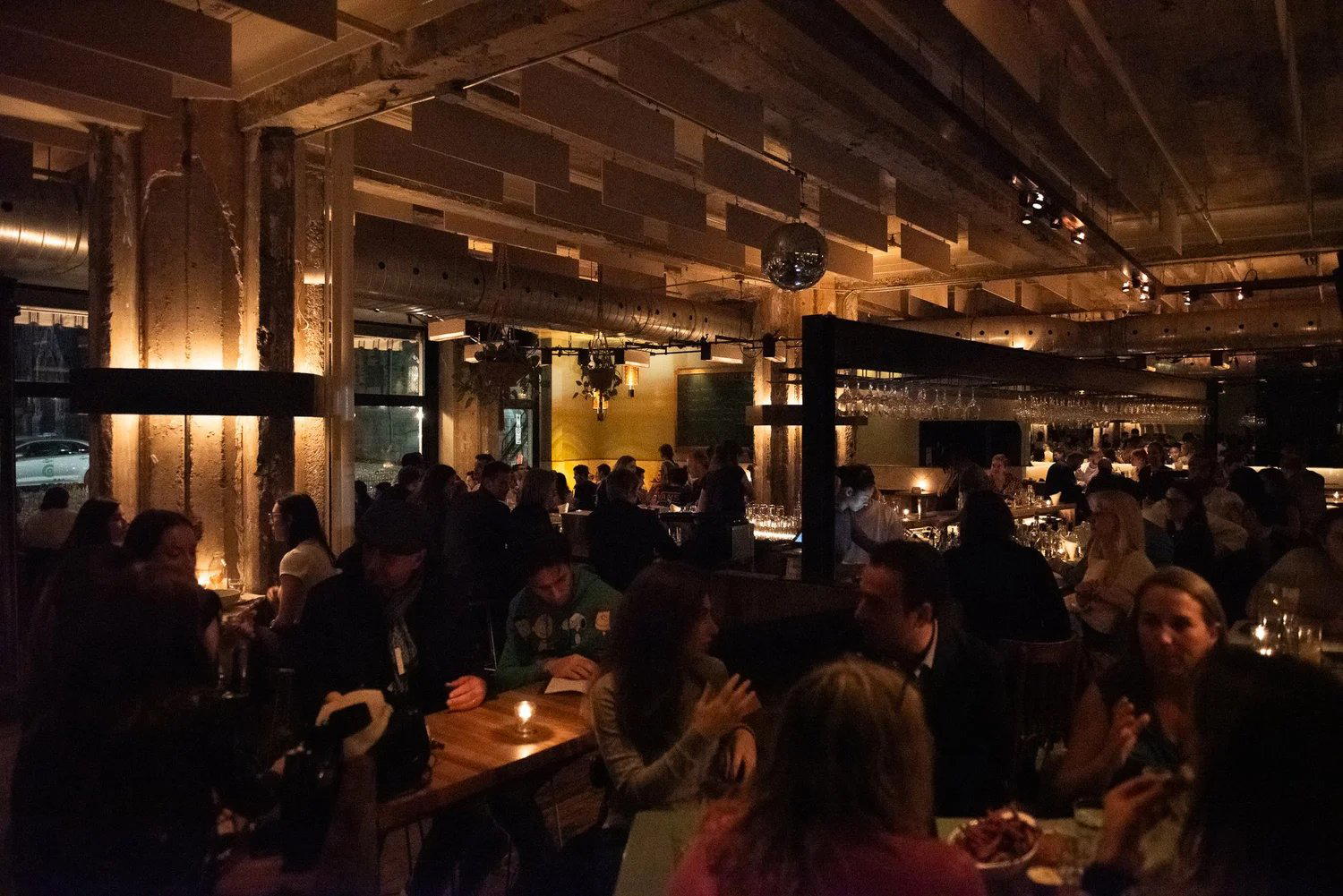
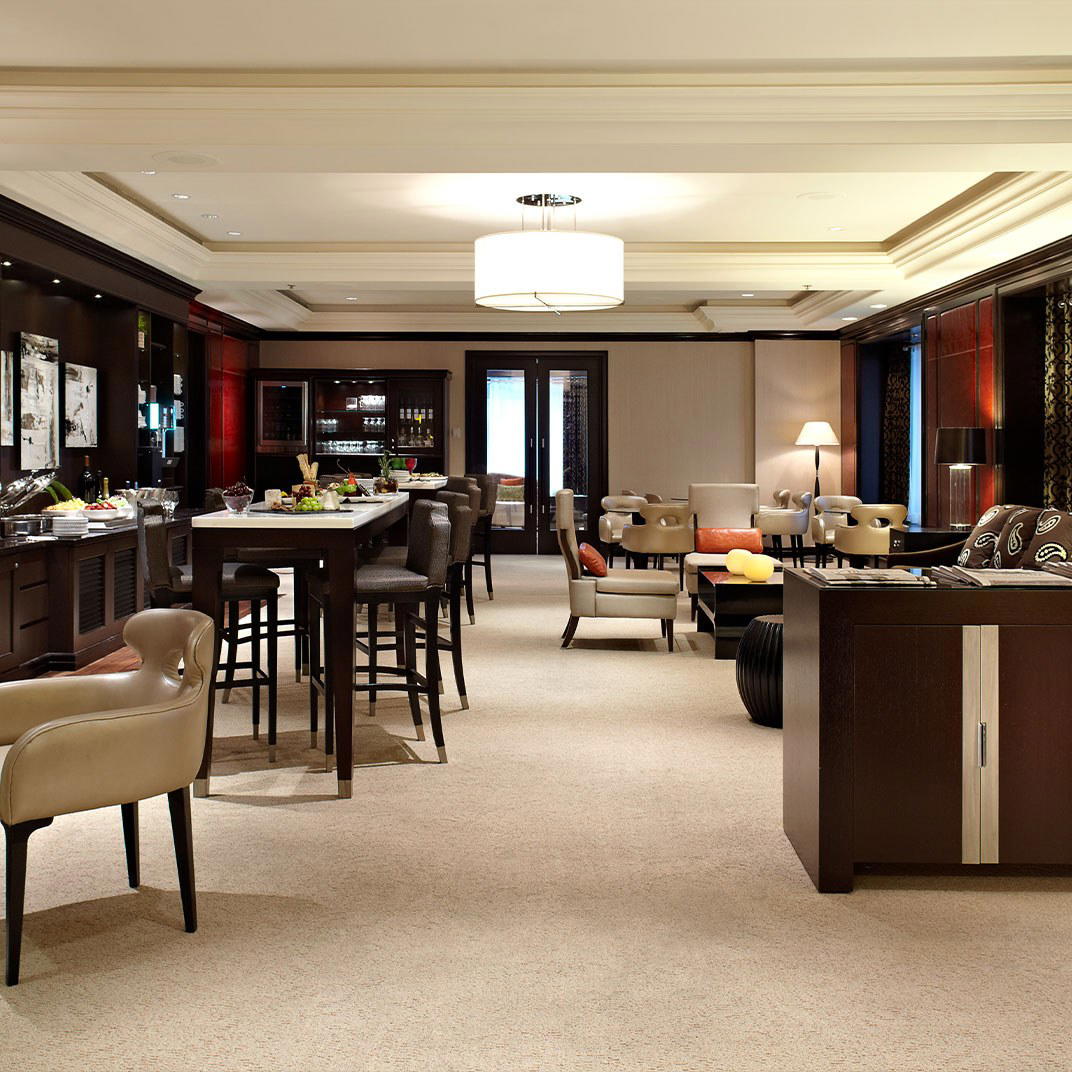
Refined speakeasy-style ambience with lacquered black walls and soft candlelight.