Set inside a converted gasworks complex on the western edge of Augsburg's city centre, Restaurant Ofenhaus occupies one of the more atmospherically distinctive addresses in Bavaria's third-largest city. The industrial heritage of Am Alten Gaswerk frames a dining room that sits apart from the old-town restaurant cluster. For Augsburg, it represents an interesting counterpoint to the city's more classical fine-dining options.
Pearl is the En Primeur Club membership app — saves, bookings, and concierge access live there. Same editors, same standards.
- Address
- Am Alten Gaswerk 8, 86156 Augsburg, Germany
- Phone
- +4982165098498
- Website
- restaurant-ofenhaus.de
- Directions
- Get directions
 Saves & bookings on Pearl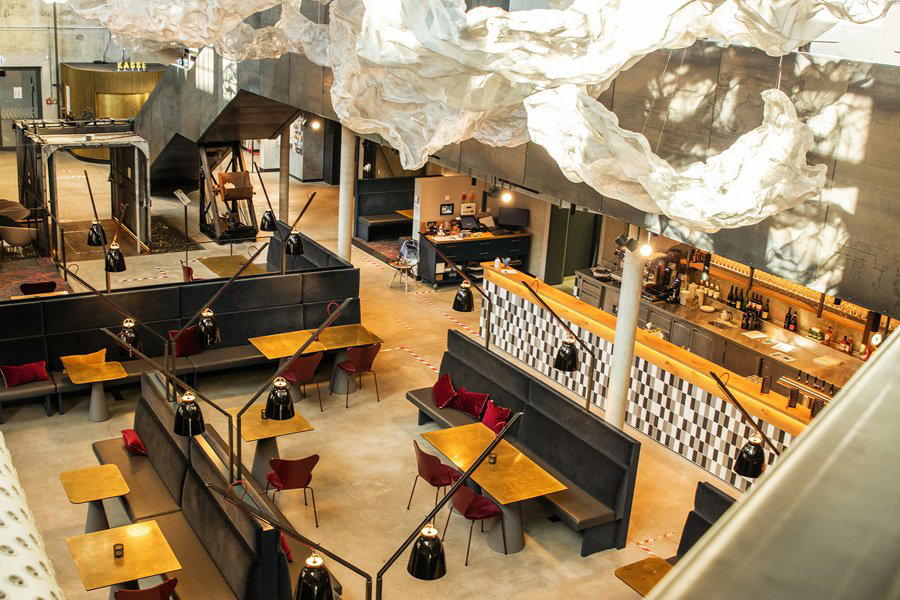
A Gasworks Reborn: The Setting That Shapes the Meal
Restaurant Ofenhaus is a restaurant in Augsburg, Germany, at Am Alten Gaswerk 8, serving Modern German Crossover cuisine and priced at about $80 per person. Restaurant Ofenhaus breaks from that geography. Its address at Am Alten Gaswerk 8 places it inside a repurposed industrial complex on the city's western fringe, the kind of site that signals a deliberate choice rather than an inherited one. Arriving here, you read the building before you read the menu: exposed brickwork, high ceilings shaped by former industrial function, and a spatial logic dictated by engineering rather than hospitality convention. In German cities from Berlin to Munich, the conversion of industrial heritage into cultural and culinary space has become a recognisable pattern over the past two decades, and Augsburg's Gaswerk complex follows that trajectory.
The physical environment matters because it conditions everything that follows. Restaurants that occupy legacy industrial spaces tend to make a statement about contrast, between rough material and refined plate, between the site's former utility and its current purpose. Whether Ofenhaus leans into that contrast or softens it is part of what distinguishes the experience from the city's more conventional addresses.
Augsburg's Fine-Dining Tier: Where Ofenhaus Fits
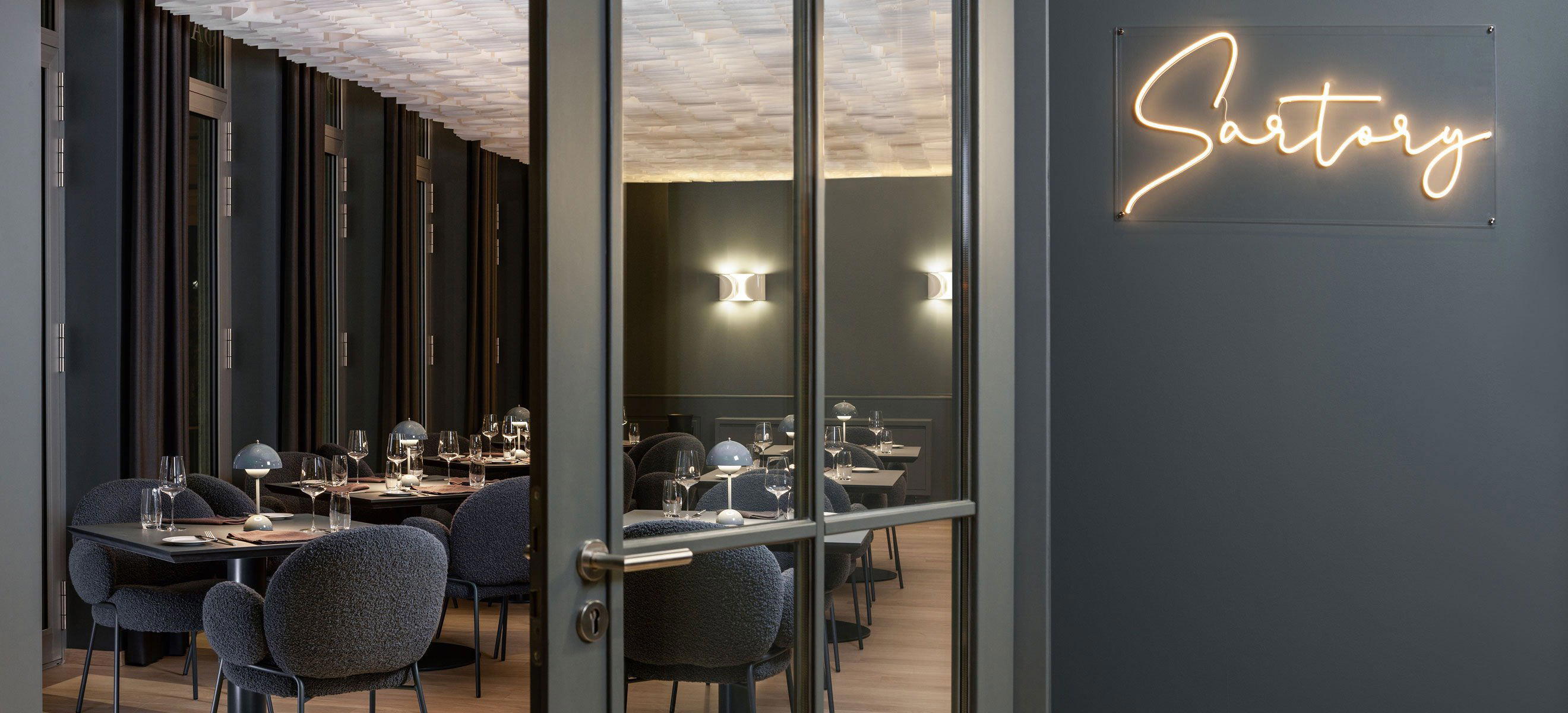
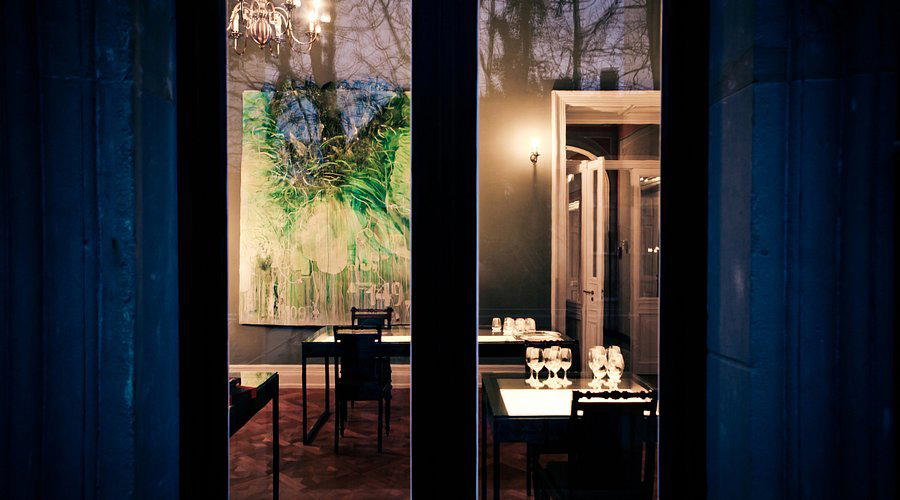
Augsburg does not carry the restaurant recognition of Munich, an hour to the east, but it sustains a genuinely considered dining scene for a city of its size. The higher end of that scene includes AUGUST, which operates at the €€€€ price point with a New American and Modern Brasserie orientation, and Alte Liebe, also priced at €€€€ within a modern cuisine framework. Sartory anchors the classic cuisine end of that same bracket. A step down in formality, Nose & Belly occupies the innovative €€€ tier. Each of these venues, in different ways, maps to the old-town hospitality corridor. Restaurant Ofenhaus, by contrast, draws diners out to an industrial quarter, which implies a different kind of commitment on the guest's part and a different kind of confidence on the restaurant's.
For visitors building an itinerary around Augsburg's better tables, Ofenhaus warrants attention as a venue that operates outside the conventional reference points. Internationally, the German fine-dining benchmark is set by addresses like Aqua in Wolfsburg, JAN in Munich, and Schwarzwaldstube in Baiersbronn, alongside two- and three-star tables such as Vendôme in Bergisch Gladbach, Victor's Fine Dining by Christian Bau in Perl, and Waldhotel Sonnora in Dreis. Within that national context, Ofenhaus occupies a regional rather than destination-level position, which is precisely what makes it interesting as a local find.
Menu Architecture and What It Signals
The way a restaurant structures its menu is an argument about priorities. A kitchen that offers a single tasting menu is making a statement about control and coherence. One that runs a long à la carte is signalling hospitality and flexibility. A short seasonal menu read off a chalkboard implies an improvisational kitchen that sources before it plans.
What the setting at Am Alten Gaswerk does suggest, architecturally and contextually, is a kitchen that aligns itself with a certain contemporary German approach: ingredient-attentive, informally presented but technically considered. The Gaswerk complex itself has developed into a mixed-use creative hub in Augsburg, which tends to attract operators with a specific sensibility, less traditional guild-style German cooking, more open to regional produce interpreted through a modern lens. Germany's most creatively structured menus in recent years have come from kitchens like CODA Dessert Dining in Berlin and ES:SENZ in Grassau, both of which have challenged conventional menu architecture at a national level. Ofenhaus operates at a more accessible register than either, but the industrial venue choice implies a similar willingness to operate outside inherited formats.
German cuisine in this tier increasingly draws on the country's regional larder with a seriousness that matches French or Nordic approaches. Bavarian ingredients, game, freshwater fish, dairy from alpine producers, have found their way into kitchens that a decade ago might have defaulted to French vocabulary. How Ofenhaus interprets that regional identity is among the more interesting open questions about the restaurant, and one that current documentation does not fully resolve.
Planning Your Visit
Am Alten Gaswerk 8 sits outside Augsburg's historic centre, which means arriving by car or taxi is more practical than relying on proximity to the old-town pedestrian zone. The Gaswerk complex itself has become a cultural destination in the city, hosting events and creative businesses alongside its hospitality tenants, so the surrounding context is engaged rather than isolated. Comparable ventures across Germany, whether Restaurant Haerlin in Hamburg or Schanz in Piesport, operate within well-established institutional frameworks that make booking and planning transparent. Those planning a broader German itinerary that extends internationally might also consider Le Bernardin in New York City or Atomix in New York City as comparative reference points for how industrial-to-cultural conversion spaces elsewhere have shaped premium dining formats. For Augsburg specifically, an evening at Ofenhaus pairs naturally with an afternoon in the Altstadt, followed by the short drive west to the Gaswerk quarter as the city shifts into the dinner hour. Other Augsburg options for a more casual bookend include Dessi Tadka Augsburg, which covers a different part of the city's dining range entirely.
Recognition, Side-by-Side
Comparable venues nearby, for context on price, style, and recognition.
| Venue | Cuisine | Price | Notes |
|---|---|---|---|
| Restaurant OfenhausThis venue — the venue you are viewing | Modern German Crossover | $$$ | Not listed |
| DILL Vegan Gastronomie | Vegan Bavarian | $$$ | Not listed |
| Steakmanufaktur | Premium Steakhouse | $$$ | Schertlinviertel |
| Dessi Tadka Augsburg | Indian Street Food | $$ | Barfüßerstr. |
| Restaurant Harmonie | Traditional German | $$ | Not listed |
| Restaurant Die Ecke | Modern German Fine Dining with Molecular Gastronomy | $$$$ | Altstadt (Old Town) |
Continue exploring
More in Augsburg
Restaurants in Augsburg
Browse all →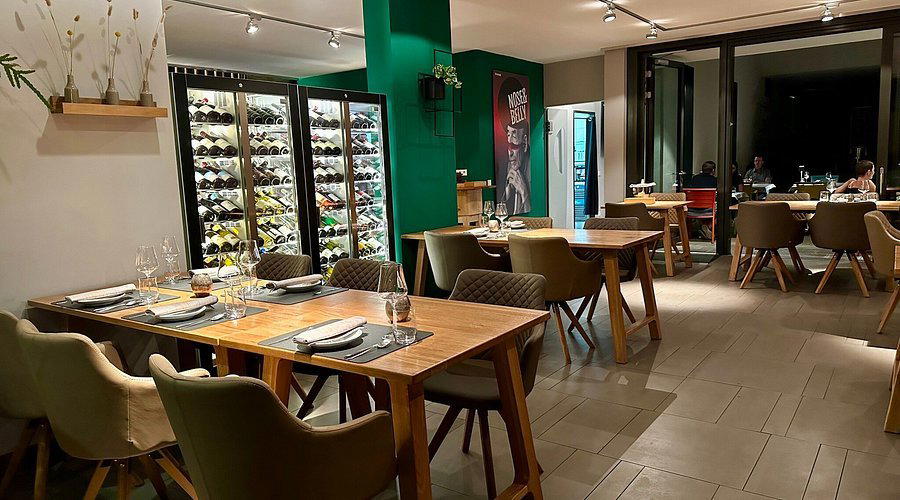
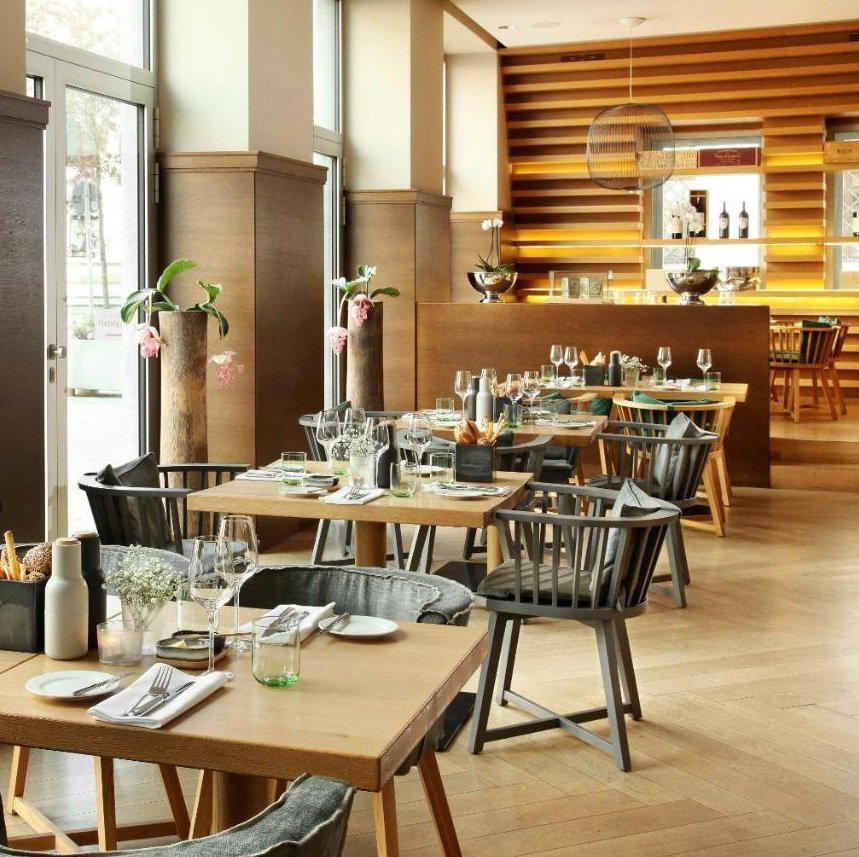
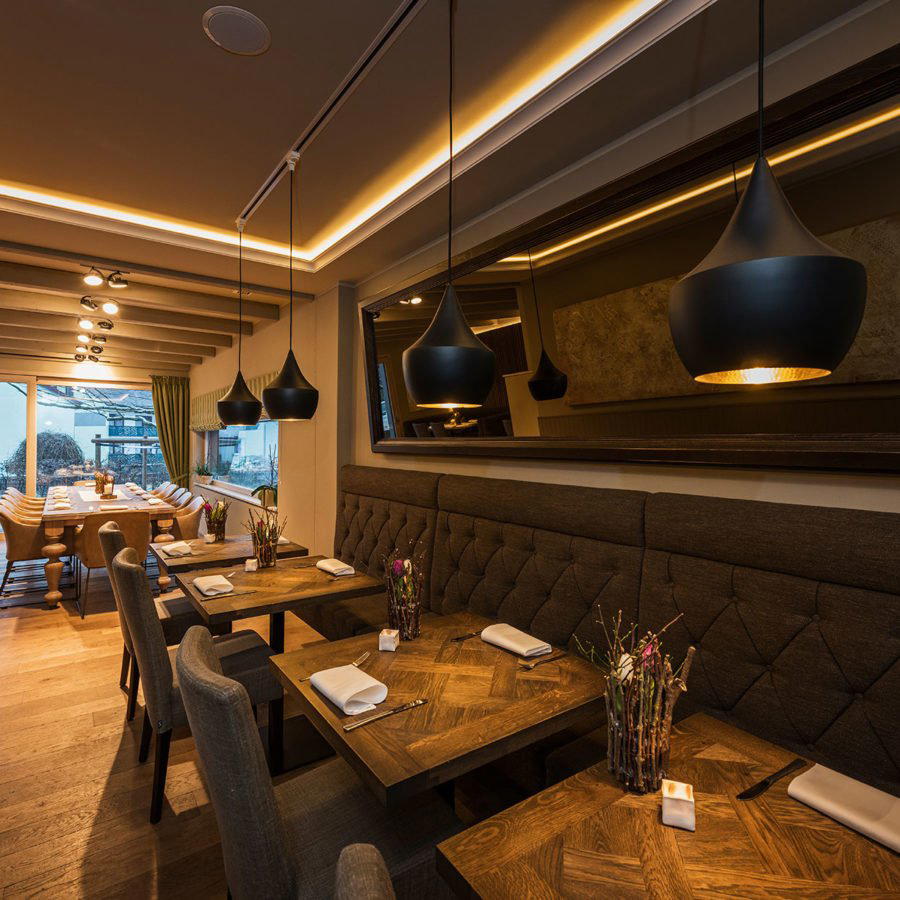
Bars in Augsburg
Browse all →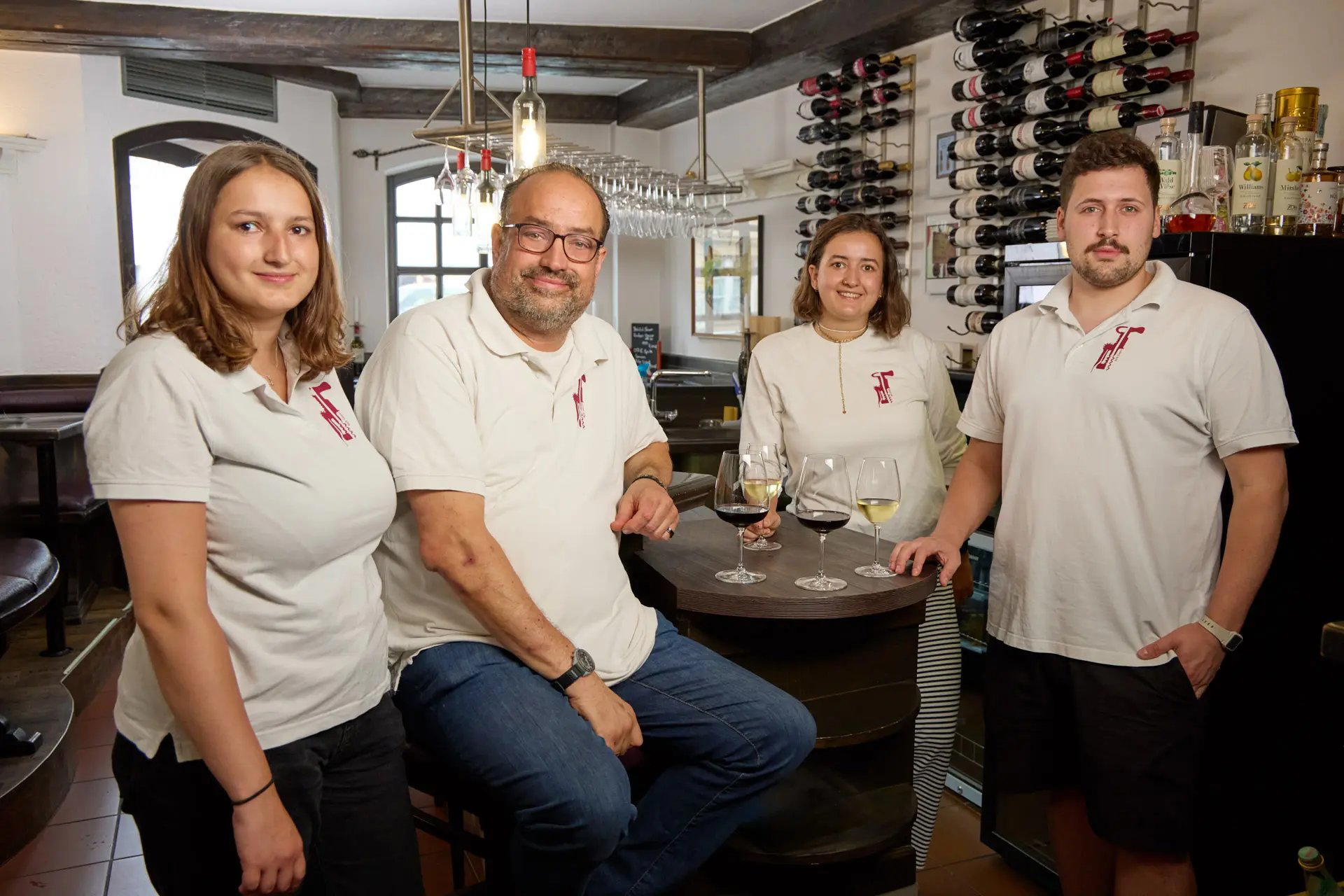
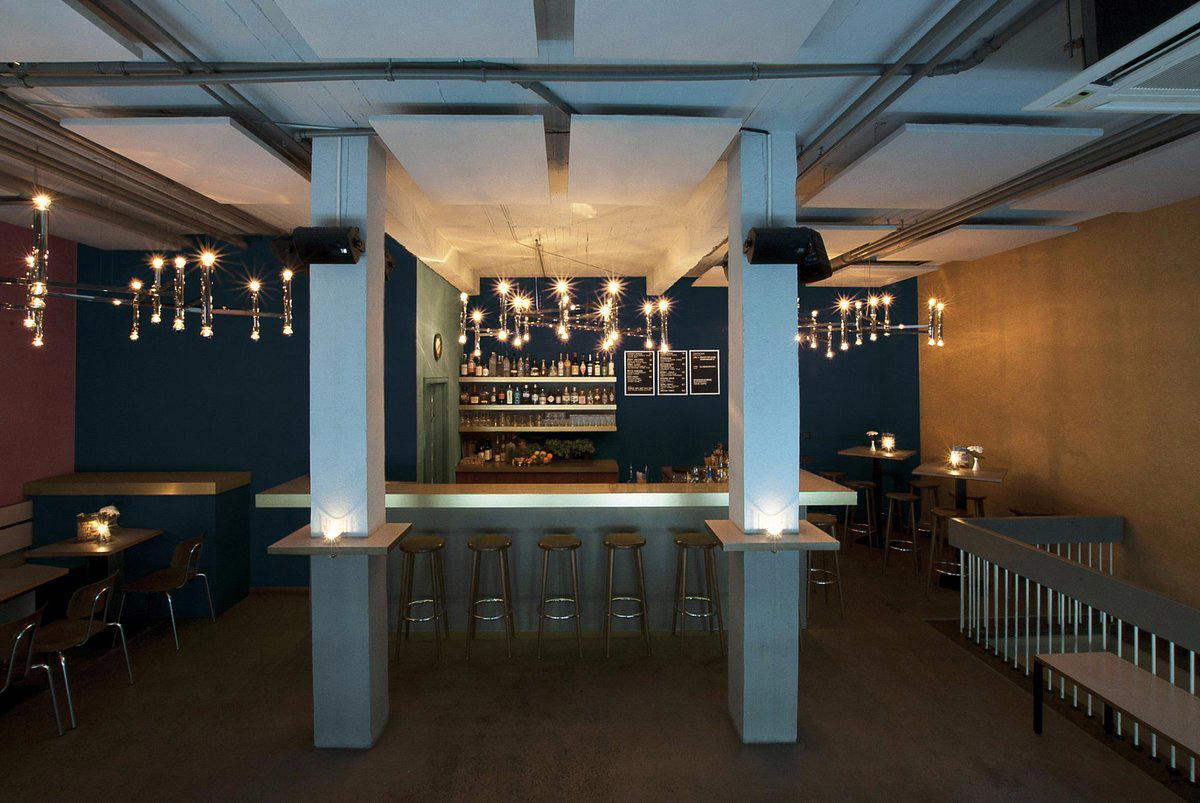

Hotels in Augsburg
Browse all →
At a Glance
- Industrial
- Rustic
- Cozy
- Trendy
- Date Night
- Special Occasion
- Open Kitchen
- Terrace
- Historic Building
- Craft Cocktails
- Extensive Wine List
- Local Sourcing
Current opening hours
- Monday
- Closed
- Tuesday
- Closed
- Wednesday
- 6 PM–12 AM
- Thursday
- 6 PM–12 AM
- Friday
- 6 PM–12 AM
- Saturday
- 6 PM–12 AM
- Sunday
- 6 PM–12 AM
Hours can change for holidays and private events. Last verified .
Schickes Industrie-Ambiente with creative craftsmanship and high culinary level in a former gasworks setting.