Our verdict
Restaurant Harmonie occupies a residential address on Schillstraße in Augsburg's northern quarter, positioning itself at some remove from the city's historic centre dining cluster.

Pearl is the En Primeur Club membership app, where members save venues, book tables and use the concierge.

Augsburg's Quieter Dining Register
Bavaria's second-largest city by population sits in an unusual position within Germany's fine dining conversation. Munich absorbs most of the regional attention, drawing visitors to starred kitchens like JAN in Munich, while the broader German scene plays out at addresses as far-flung as Aqua in Wolfsburg and Schwarzwaldstube in Baiersbronn. Augsburg, just 70 kilometres west of Munich by rail, has historically operated in that shadow, building a restaurant culture that rewards local knowledge rather than international recognition. That dynamic shapes what dining here looks like: fewer destination kitchens chasing accolades, more neighbourhood-anchored rooms with consistent regulars and a practical relationship with Bavarian and broader German culinary tradition.
Restaurant Harmonie at Schillstraße 104 sits within this quieter register. The address places it north of the Altstadt, away from the tourist-facing concentration of restaurants around the Rathausplatz and Fuggerei. In cities like Augsburg, that kind of geographic remove from the centre tends to correlate with a particular type of operation: one that functions on return custom rather than walk-in traffic, and where the room's character has developed over time through a relationship with its neighbourhood rather than through exterior validation.
What the Augsburg Scene Frames
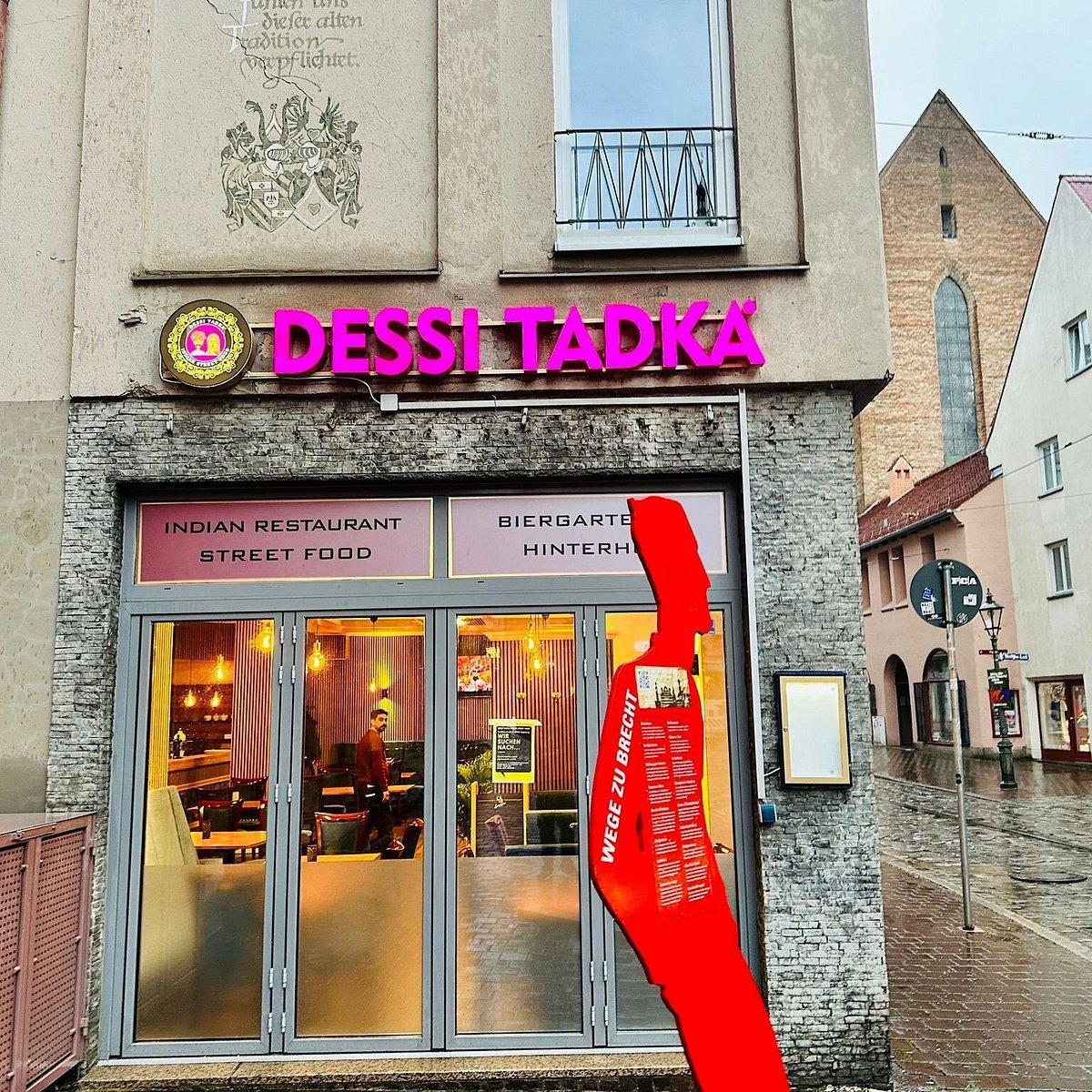
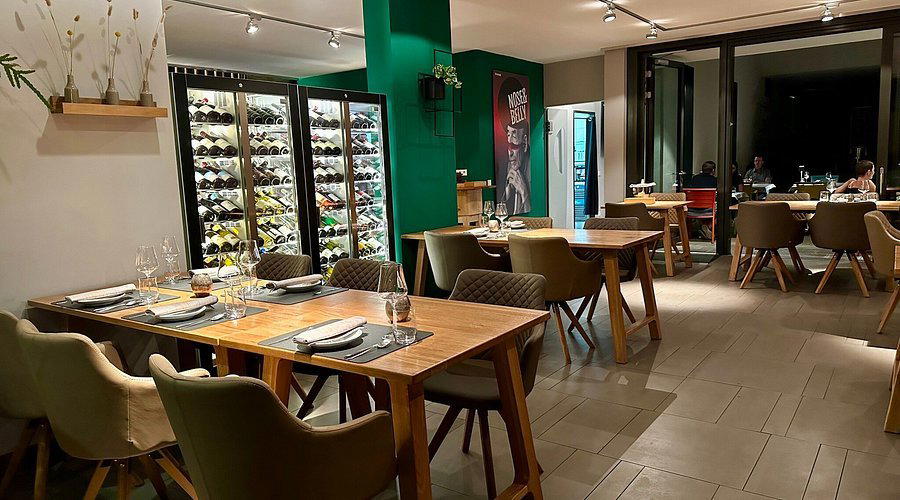
To understand where a restaurant like Harmonie fits, it helps to map the broader Augsburg dining picture. The city supports a range of price points and formats. At the upper end of the local market, venues such as AUGUST, which operates in the New American and modern brasserie register at the €€€€ tier, and Alte Liebe, which takes a modern cuisine approach at similar pricing, represent the city's most formally ambitious dining. Sartory occupies a classic cuisine position within that same upper bracket. A step down in price, Nose & Belly brings an innovative approach at the €€€ tier, while Dessi Tadka Augsburg points to the city's appetite for cuisine outside the Central European mainstream.
This spread matters because it tells you that Augsburg is not a one-register city. It has the conditions for serious cooking to take root, even if the international profile remains modest compared to Germany's marquee dining destinations. Restaurants operating here without the visibility of a Michelin listing or a prominent awards profile rely on something different: a durable relationship with a specific audience, a consistent kitchen, and a menu that reflects something genuine about where it is and what its guests expect.
The Cultural Weight of German Restaurant Tradition
German dining culture carries a set of assumptions that differ from the French or Scandinavian models that tend to dominate fine dining discourse. The emphasis on substance over gesture, on a kitchen that respects its ingredients rather than transforming them past recognition, and on a room that functions as a place of actual comfort rather than performance, runs through the tradition from simple Gasthäuser to the country's most decorated addresses. That sensibility shows up even in kitchens operating well below the starred tier.
The Bavarian variant of this adds a regional layer: proximity to Austria and the Alpine larder, a culture of hospitality with deep roots in inn-keeping, and an expectation that a restaurant should feel like a place people actually want to return to. Compared to the technical spectacle on offer at kitchens like CODA Dessert Dining in Berlin or the formal precision of Vendôme in Bergisch Gladbach, a neighbourhood-oriented Augsburg address occupies a fundamentally different space in the ecosystem, one that connects more directly to daily life and local appetite than to the international fine dining circuit.
This is the tradition that shapes what a restaurant like Harmonie is likely to be working within, even if the specifics of its kitchen, its format, and its menu remain outside the public record. The address, the neighbourhood, and the city's dining character together frame a particular kind of hospitality proposition.
Positioning Within the German Dining Spectrum
Germany's serious restaurant scene has a strong regional spread. Three-Michelin-star kitchens operate from locations as unexpected as Waldhotel Sonnora in Dreis and Victor's Fine Dining by Christian Bau in Perl, demonstrating that the country's gastronomic ambition distributes itself across the map rather than concentrating in one or two cities. Hamburg carries significant weight through addresses like Restaurant Haerlin, and the Moselle region supports kitchens such as Schanz in Piesport and ES:SENZ in Grassau. Against that national spread, Augsburg occupies a mid-tier position: a city with enough culinary infrastructure to support ambitious cooking, but without the concentration of destination restaurants that would make it a primary stop for food-led travel.
Restaurants operating in that context carry a different set of pressures and opportunities. Without the gravitational pull of a starred identity, they build their audience through consistency, through word of mouth, and through the quality of the experience they deliver across dozens of ordinary services rather than a handful of high-stakes ones. This is, in its own way, a more demanding form of hospitality than the destination model, and it produces a different kind of institutional knowledge about what a specific community wants from its dining rooms.
Planning a Visit
Restaurant Harmonie is located at Schillstraße 104, 86169 Augsburg, in the city's northern residential quarter. For a fuller picture of the city's dining options, the EP Club Augsburg restaurants guide maps the active dining scene with updated information across formats and price tiers. Visitors whose broader Germany itinerary extends to more documented addresses might also consider the range of kitchens profiled across the EP Club network, from the reference-level technique of Le Bernardin in New York City at one end of the global spectrum to Atomix in New York City, where the tasting menu format has been rethought from the ground up.
Frequently asked questions
Where is Restaurant Harmonie in Augsburg?
Restaurant Harmonie is located at Schillstraße 104, 86169 Augsburg, Germany, Augsburg.
Is Restaurant Harmonie a good option for dining in Augsburg if you want to avoid the Munich tourist circuit?
Restaurant Harmonie's address at Schillstraße 104 in Augsburg's northern residential quarter places it squarely outside the kind of high-footfall areas that characterise Munich's dining corridors. Augsburg as a city receives considerably less international dining attention than its Bavarian neighbour, which means restaurants here tend to operate on a local-first basis rather than curating an experience for first-time visitors. For travellers specifically seeking a less performance-driven meal in the region, Augsburg's quieter register makes it a reasonable alternative to the Munich scene.
What do regulars order at Restaurant Harmonie?
The restaurant is located at Schillstraße 104 in Augsburg's northern residential quarter, a setting that tends to favour kitchens with a neighbourhood-facing rather than tourist-facing menu logic. Contacting the venue directly before your visit is the most reliable way to understand current offerings.
How hard is it to get a table at Restaurant Harmonie?
Reservation data for Restaurant Harmonie has not been made publicly available. Augsburg sits outside the high-volume tourist circuits that pressure dining rooms in Munich, which can work in a diner's favour, but smaller neighbourhood restaurants in Germany often run with limited covers. Reaching out to the restaurant at Schillstraße 104 directly is the safest approach for planning.
What's Restaurant Harmonie best at?
What the Augsburg dining scene broadly rewards is consistency and a grounded approach to German hospitality traditions, qualities that neighbourhood restaurants in the city's quieter quarters tend to prioritise over spectacle. The address on Schillstraße places it away from the tourist centre, which typically signals a kitchen cooking for repeat local custom. Check the venue's official channels for the latest details.
Is Restaurant Harmonie allergy-friendly?
No allergen or dietary accommodation policy is publicly documented for Restaurant Harmonie. German restaurants are legally required under EU Regulation No. 1169/2011 to disclose the 14 major allergens on request, so staff should be able to advise on ingredients when asked. For complex dietary requirements, contacting the restaurant at Schillstraße 104, Augsburg before booking is advisable.
Budget Reality Check
Comparable venues nearby, for context on price, style, and recognition.
| Venue | Cuisine | Price | Notes |
|---|---|---|---|
| Restaurant HarmonieThis venue (the venue you are viewing) | Traditional German | Not listed | Not listed |
| DILL Vegan Gastronomie | Vegan Bavarian | Not listed | Not listed |
| T2 Misu Augsburg | Japanese-Vietnamese Fusion | $20–30 | Brixener Straße, Japanese-Vietnamese Fusion |
| Dessi Tadka Augsburg | Indian Street Food | $20–30 | Barfüßerstr., Indian Street Food |
| Restaurant Landito's Kitchen | Authentic Middle Eastern | Not listed | city center, Authentic Middle Eastern |
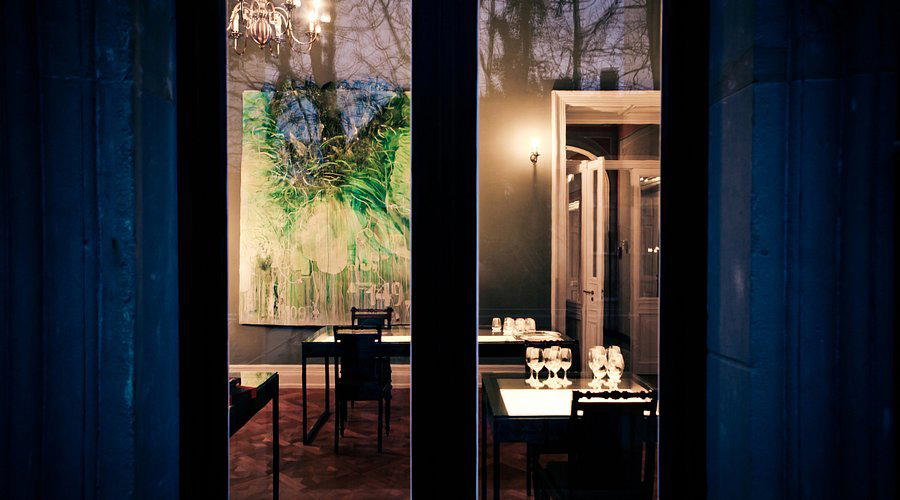
| Restaurant Die Ecke | Modern German Fine Dining with Molecular Gastronomy | $50–100 | Altstadt (Old Town), Modern German Fine Dining with Molecular Gastronomy |
Continue exploring
More in Augsburg
Details
- Rustic
- Classic
- Historic
- Special Occasion
- Historic Building
- A La Carte
Current opening hours
- Monday
- Closed
- Tuesday
- Closed
- Wednesday
- 10 AM–10 PM
- Thursday
- 10 AM–10 PM
- Friday
- 10 AM–10 PM
- Saturday
- 10 AM–10 PM
- Sunday
- Closed
Hours can change for holidays and private events. Hours as of .
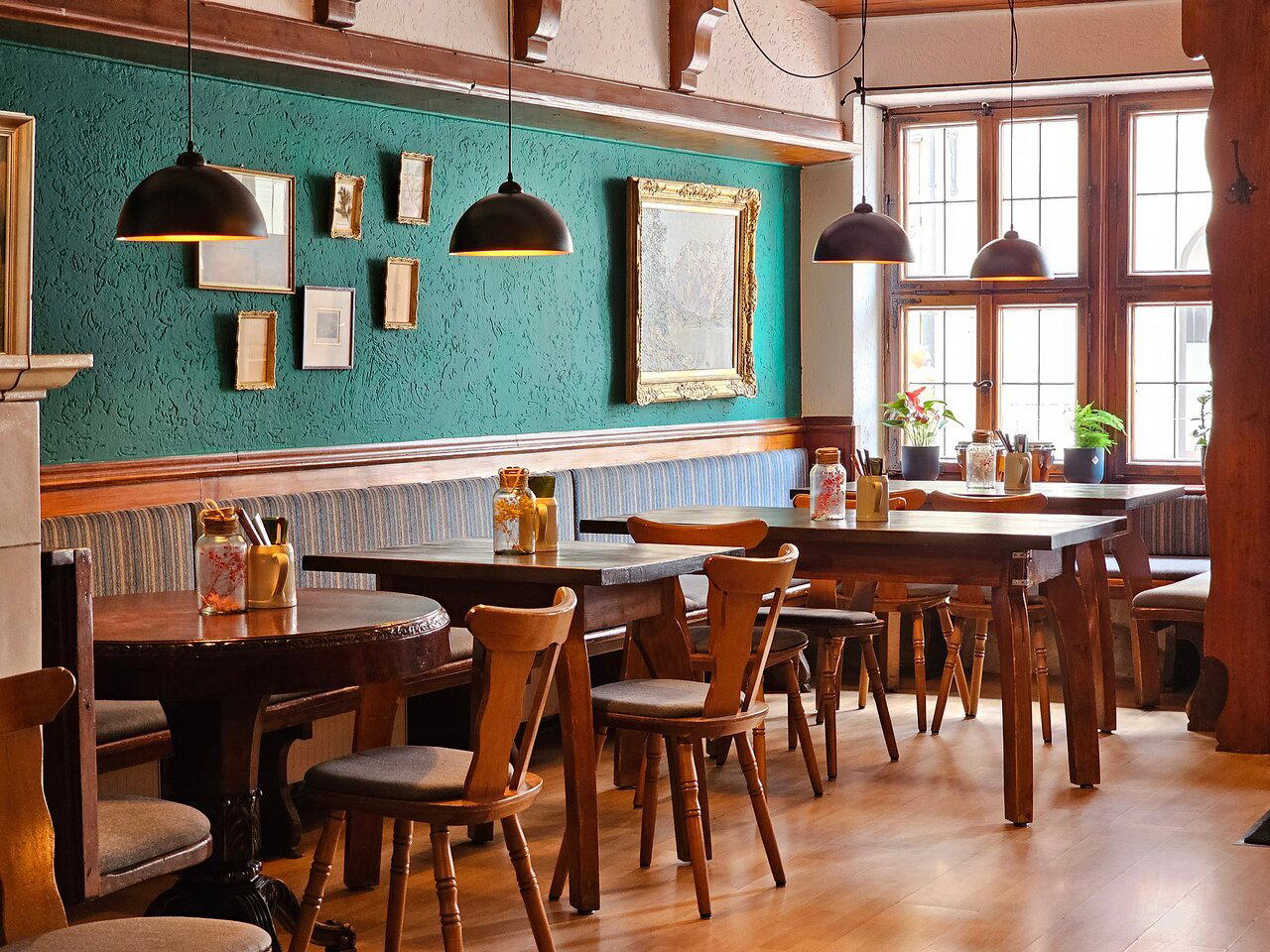
rustic and historic ambiance