Positioned on Elias-Holl-Platz in the heart of Augsburg's Renaissance old town, Restaurant Die Ecke occupies one of the city's most architecturally significant addresses. The setting places it within a small cluster of serious dining rooms that treat Bavarian and regional German sourcing as a point of editorial rigour rather than nostalgic decoration. Worth seeking out for visitors tracking Augsburg's emerging fine-dining conversation.
Pearl is the En Primeur Club membership app — saves, bookings, and concierge access live there. Same editors, same standards.
- Address
- Elias-Holl-Platz 2, 86150 Augsburg, Germany
- Phone
- +4949821510600
- Website
- restaurant-die-ecke.de
- Directions
- Get directions
 Saves & bookings on Pearl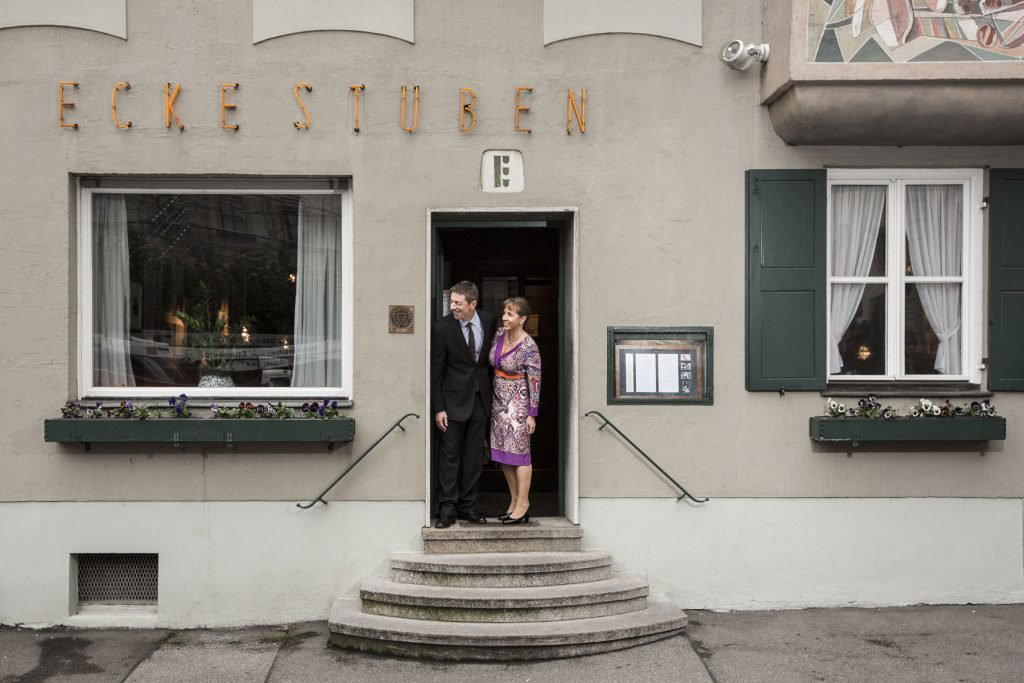
A Corner Table in Augsburg's Renaissance Core
Elias-Holl-Platz is not incidental geography. Named for the architect responsible for Augsburg's Town Hall, one of the earliest and most consequential Renaissance civic buildings north of the Alps, the square sits at the physical and symbolic centre of a city that has spent five centuries taking its own cultural seriousness for granted. Arriving at Restaurant Die Ecke from this address means entering a dining room at Elias-Holl-Platz 2, Augsburg. In Augsburg's relatively compact fine-dining scene, where a handful of rooms compete for the attention of a city of roughly 300,000 people and a steady flow of visitors from Munich an hour to the east, location on this square carries genuine weight.
Restaurant Die Ecke is a modern German fine dining restaurant with molecular gastronomy in Augsburg. The city does not have Munich's density of Michelin-marked addresses, but it has developed a cluster of serious independent rooms that position themselves through sourcing discipline and culinary specificity rather than through volume or spectacle. AUGUST, the city's most decorated room, demonstrates what a New American and modern brasserie approach looks like when applied to Bavarian and regional German ingredients at the €€€€ tier. Alte Liebe works a modern cuisine register at a comparable price point. Sartory occupies the classic cuisine position in that same upper bracket. Restaurant Die Ecke enters this conversation from Elias-Holl-Platz 2, and its address alone signals that it is playing in a particular register of the city's dining market.
Sourcing as Structure: Bavaria's Larder and What It Means Here
Augsburg sits at the confluence of the Lech and Wertach rivers in the Swabian region of Bavaria, and the agricultural character of that position matters to any kitchen with sourcing ambitions. The Lechtal to the south produces dairy of genuine quality. The Allgäu, within reasonable supply-chain distance, is one of Germany's most productive regions for aged cheeses, grass-fed beef, and game. The Danube basin to the east contributes freshwater fish, pike-perch and trout especially, that appear on regional menus in a way that has no equivalent in Germany's coastal cities.
This matters because the ingredient sourcing argument in German fine dining has shifted considerably over the past decade. At the summit of the national market, rooms like Aqua in Wolfsburg, Schwarzwaldstube in Baiersbronn, and Vendôme in Bergisch Gladbach have built their reputations through a combination of French classical technique and precisely specified regional sourcing. Further down in population size but not in ambition, rooms like ES:SENZ in Grassau, less than 90 kilometres from Augsburg in Alpine foothills, have shown that proximity to notable primary producers can anchor a serious dining programme without the infrastructure of a major city. The restaurant's position on Elias-Holl-Platz places it within this broader pattern: a Bavarian address with credible access to one of Germany's most productive regional larders.
For context on what this looks like at the other end of the German culinary spectrum, CODA Dessert Dining in Berlin has built a two-Michelin-star programme around a radically different sourcing philosophy, fermentation, controlled environments, and the deconstruction of sweetness as a category. The contrast is instructive: Bavarian fine dining, including Augsburg's better rooms, tends to resolve toward the primary producer rather than away from it.
Where Die Ecke Sits in the Augsburg Field
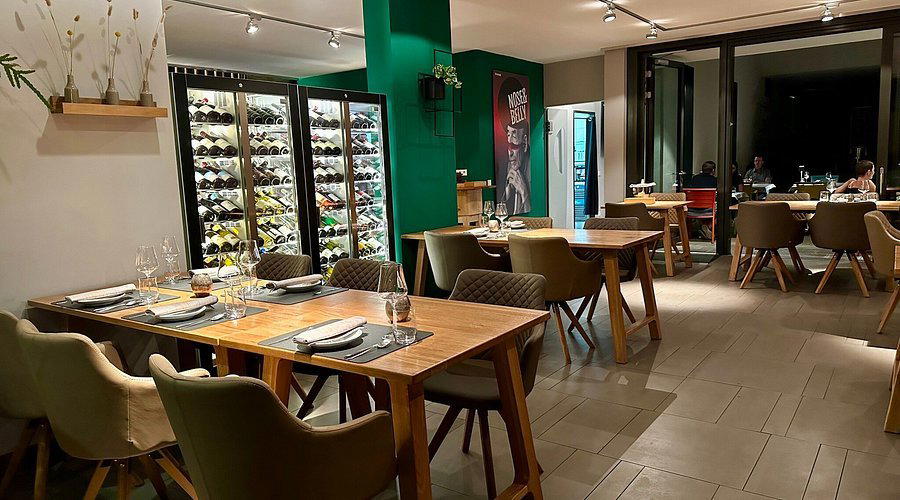
Augsburg's fine-dining market is small enough that the competitive set is legible at a glance. At the innovative tier, Nose & Belly operates at the €€€ price point with a format that rewards experimentation. The €€€€ cluster, where AUGUST, Alte Liebe, and Sartory all operate, represents the ceiling of the city's formal dining market. The restaurant's placement on one of Augsburg's most historically charged squares suggests it is competing in or near that upper tier, in a city where that distinction matters precisely because the pool of venues claiming it is so limited.
For visitors arriving from Munich, where rooms like JAN represent a different scale of fine-dining density, Augsburg's market will feel compressed but not thin. The advantage of a smaller city with genuine culinary ambition is that the good rooms are not diluted by the noise of marginal operators claiming the same tier. The disadvantage is that booking windows can be tighter than the city's scale might suggest, particularly for tables on weekends when Munich-based visitors account for a meaningful share of covers.
Elsewhere in Germany, the rooms that have most clearly demonstrated the value of a regional-sourcing argument anchored to a specific geography include Schanz in Piesport on the Mosel and Waldhotel Sonnora in Dreis. Both operate in small towns, both carry serious Michelin recognition, and both demonstrate that a kitchen's relationship to its immediate geography can substitute for urban density as a source of identity. The same logic applies in the Augsburg context, even if the verification of that claim at Die Ecke specifically requires direct engagement with the restaurant.
How It Stacks Up
Comparable venues nearby, for context on price, style, and recognition.
| Venue | Cuisine | Price | Notes |
|---|---|---|---|
| Restaurant Die EckeThis venue — the venue you are viewing | Modern German Fine Dining with Molecular Gastronomy | $$$$ | Not listed |
| Restaurant Harmonie | Traditional German | $$ | Augsburg |
| DILL Vegan Gastronomie | Vegan Bavarian | $$$ | Augsburg |
| T2 Misu Augsburg | Japanese-Vietnamese Fusion | $$ | Brixener Straße |
| Restaurant Ofenhaus | Modern German Crossover | $$$ | Oberhausen |
| Restaurant Landito's Kitchen | Authentic Middle Eastern | $$ | city center |
Continue exploring
More in Augsburg
Restaurants in Augsburg
Browse all →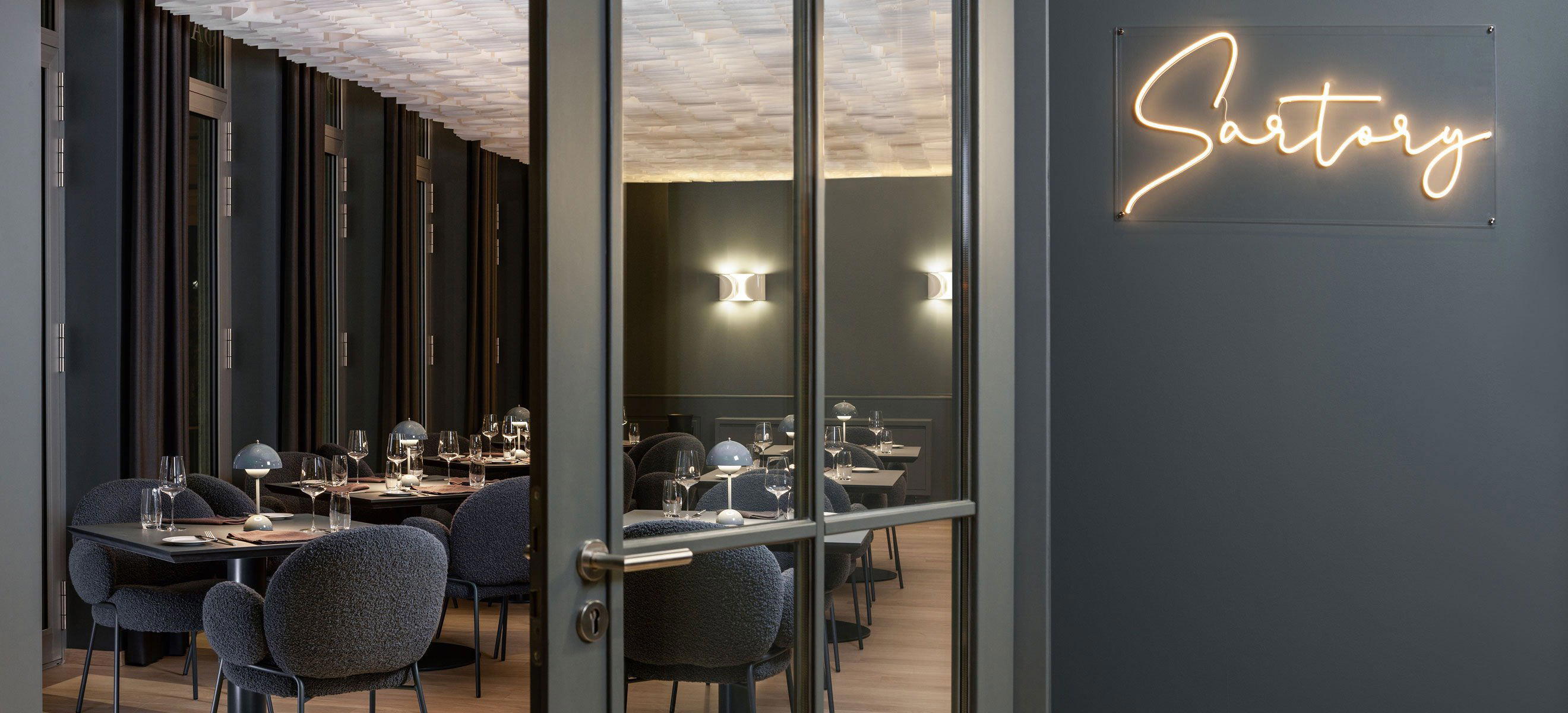
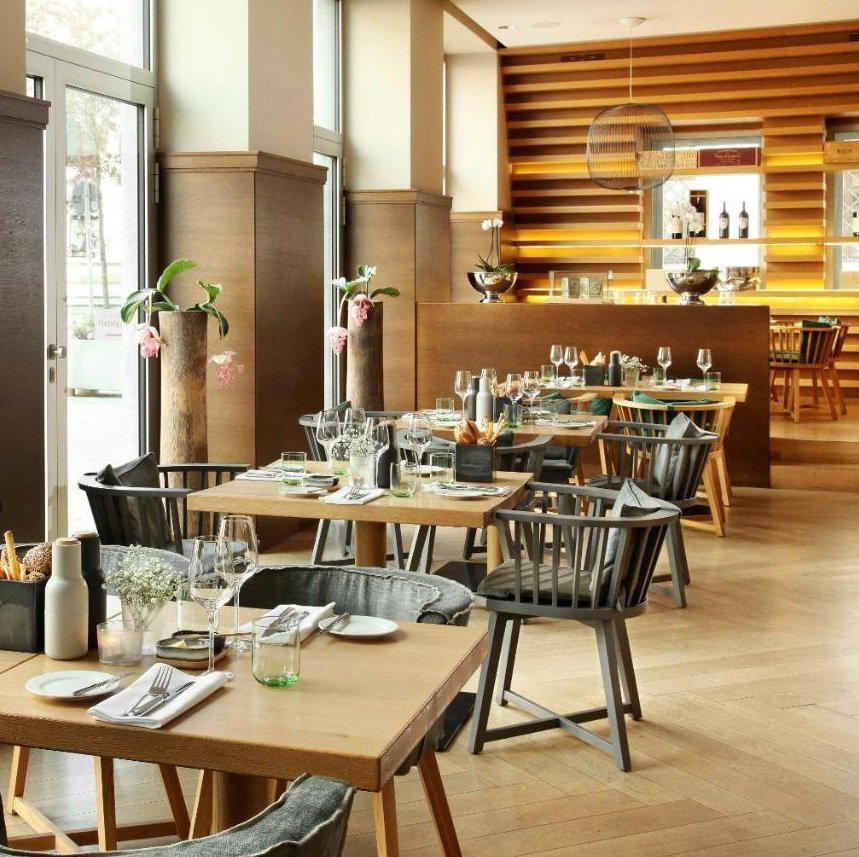
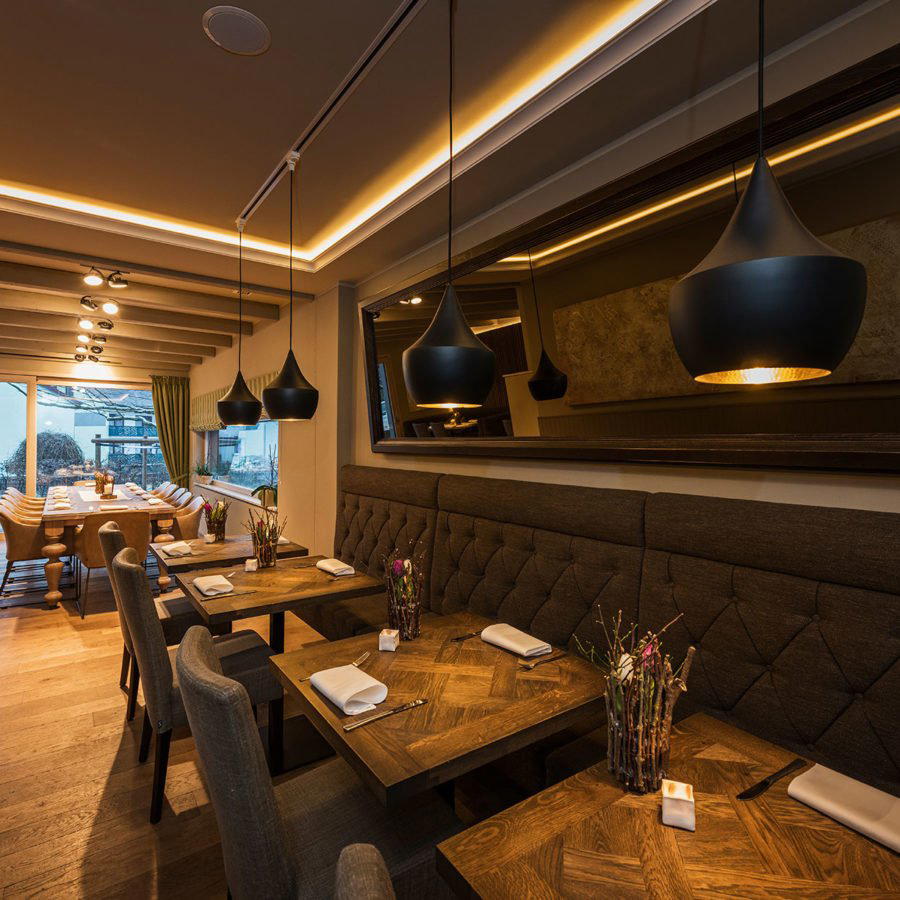
Bars in Augsburg
Browse all →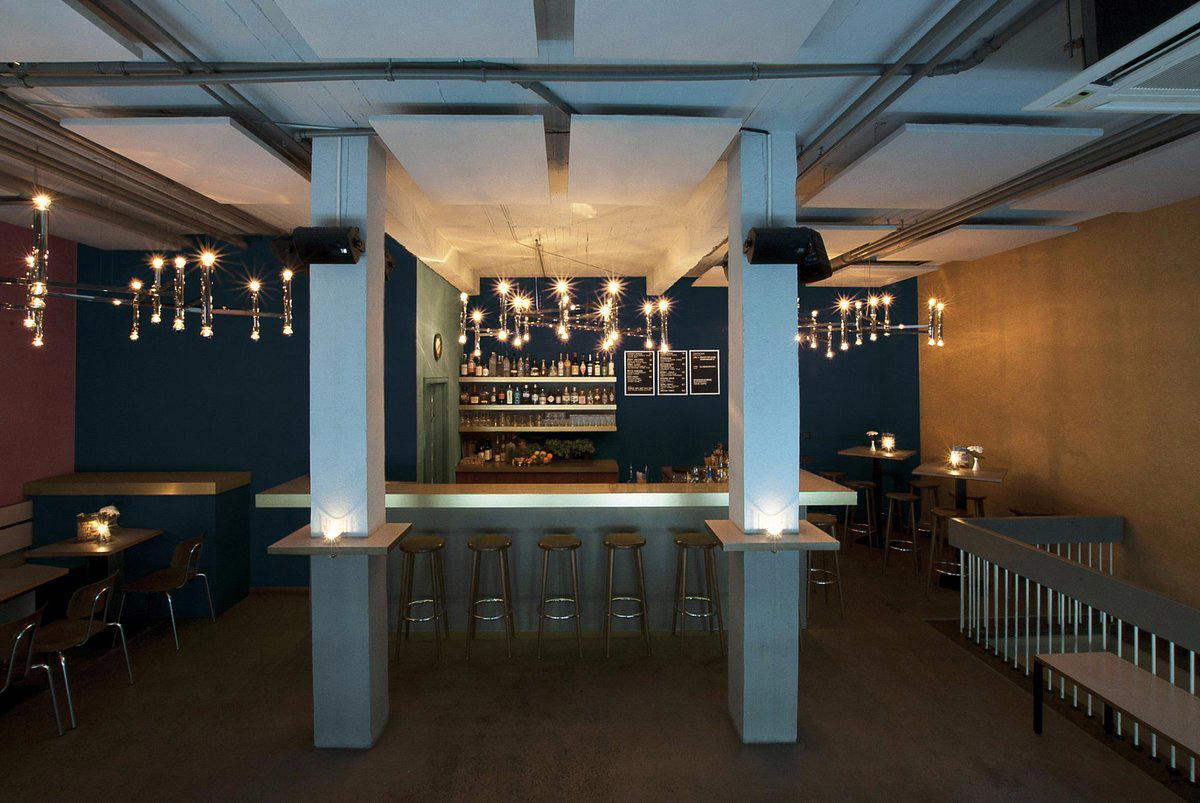
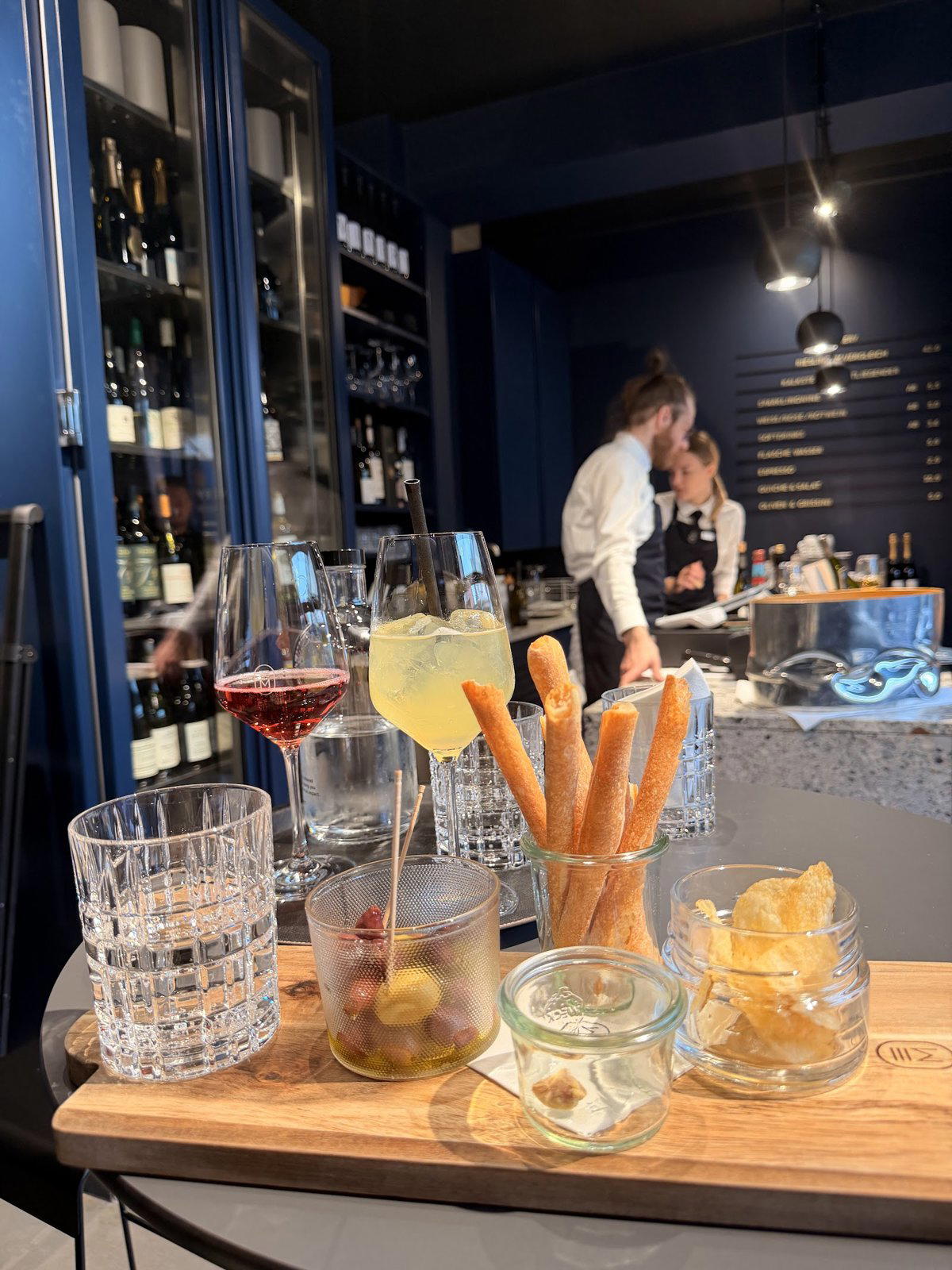

Hotels in Augsburg
Browse all →
At a Glance
- Elegant
- Classic
- Sophisticated
- Intimate
- Date Night
- Business Dinner
- Special Occasion
- Celebration
- Historic Building
- Courtyard
- Private Dining
- Extensive Wine List
- Sommelier Led
- Local Sourcing
Current opening hours
- Monday
- Closed
- Tuesday
- Closed
- Wednesday
- 11:30 AM–2 PM, 5:30–11 PM
- Thursday
- 11:30 AM–2 PM, 5:30–11 PM
- Friday
- 11:30 AM–2 PM, 5:30–11 PM
- Saturday
- 11:30 AM–2 PM, 5:30–11 PM
- Sunday
- 11:30 AM–2 PM, 5:30–11 PM
Hours can change for holidays and private events. Last verified .
Warm, refined atmosphere in a historic building with attention to detail in both presentation and ambiance; combines traditional elegance with contemporary culinary artistry.