On a quiet stretch of Rue Saint-Zotique Est in the Rosemont-La Petite-Patrie neighbourhood, Restaurant nozy occupies the kind of address that Montreal's more attentive diners tend to find by word of mouth. The kitchen operates at the intersection of locally sourced Quebec ingredients and technique drawn from broader culinary traditions, positioning nozy within a growing cohort of neighbourhood-scale restaurants that are reshaping how the city eats outside its downtown core.
Pearl is the En Primeur Club membership app — saves, bookings, and concierge access live there. Same editors, same standards.
- Address
- 156 Rue Saint-Zotique Est, Montréal, QC H2S 1K8, Canada
- Phone
- +14383869797
- Website
- restaurantnozy.ca
- Directions
- Get directions
 Saves & bookings on Pearl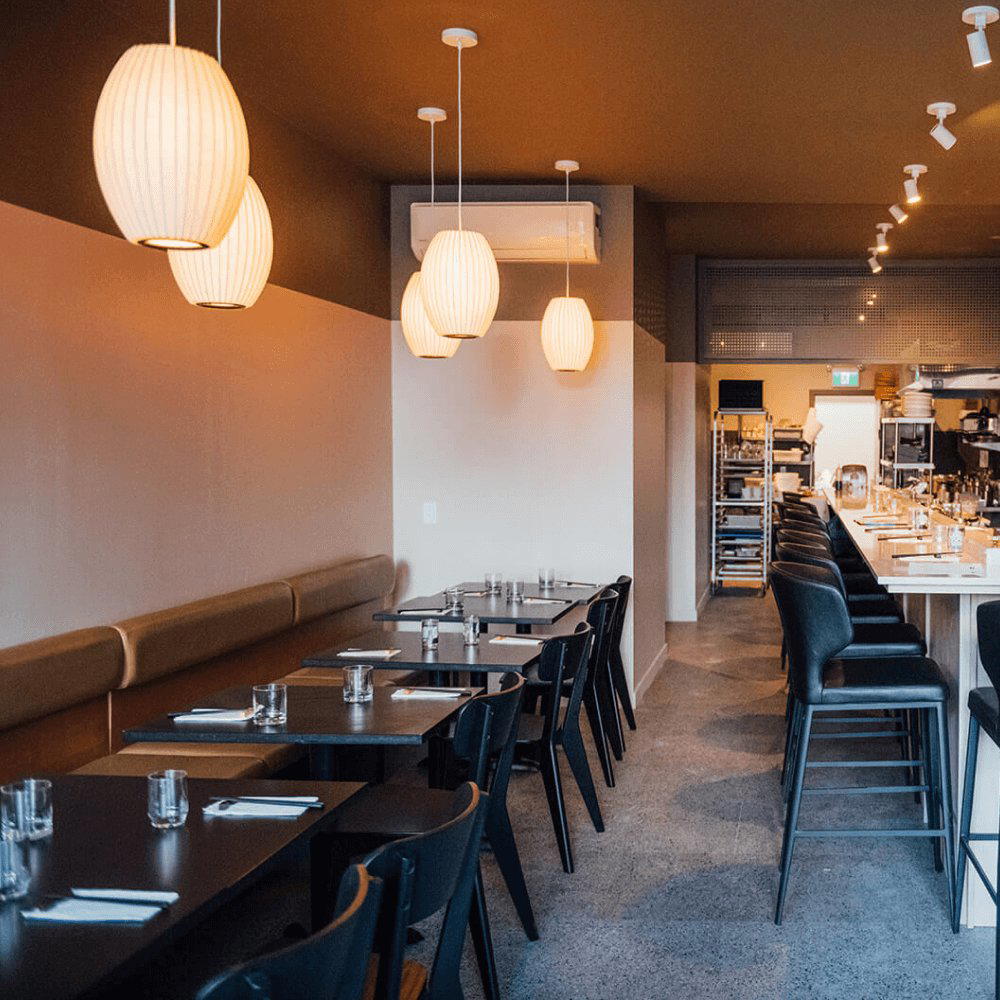
Restaurant nozy is a teishoku-style Japanese restaurant in Montréal's Rosemont-La Petite-Patrie neighbourhood. What it does have is a dining public that expects cooking to be deliberate and sourcing to be honest. Restaurant nozy, at number 156, sits inside that expectation rather than against it.
Montreal's neighbourhood restaurant scene has been moving in a particular direction for most of the past decade. The city's formal fine-dining tier, represented by addresses like Jérôme Ferrer - Europea and the four-dollar-sign markers of the downtown bracket, has remained stable and recognised. But a parallel tier has grown steadily in the city's plateau and east-end neighbourhoods: restaurants operating at mid-range price points with kitchen discipline that would not look out of place in a more celebrated context. Mastard and Sabayon are part of this cohort. So, in its own register, is nozy.
Local Products, Borrowed Precision
One useful frame for understanding what nozy does is the tension between geography and technique that defines a broader moment in Canadian cooking. Quebec's larder is genuinely distinctive: the province's cold climate produces dairy with particular fat profiles, its rivers and forests generate ingredients that don't appear in southern markets, and its agricultural calendar compresses the growing season in ways that force specific decisions about preservation, fermentation, and root vegetable cookery. The challenge for any kitchen working in this territory is how to apply external culinary logic to ingredients that don't always fit neatly into classical European categories.
Tanière³ in Quebec City has built its entire identity around indigenous and foraged Quebec ingredients processed through contemporary technique. AnnaLena in Vancouver operates on similar principles applied to a Pacific Northwest context. Even at the rural scale, places like Narval in Rimouski and Eigensinn Farm in Singhampton demonstrate that the local-ingredient, global-method conversation is happening across every Canadian region, not just in urban centres.
What distinguishes the neighbourhood-scale version of this approach, the version nozy represents, is restraint in ambition and clarity in execution. The goal is not to redefine a cuisine but to cook the ingredients in front of you with as much care as the context allows. That is a different project from the grand-statement tasting menus at Alo in Toronto or the rigorous sourcing frameworks of Restaurant Pearl Morissette in Lincoln, and it should be assessed on its own terms.
Where nozy Sits in the Montreal Conversation
Montreal's dining taxonomy has never been especially tidy. The city maintains a strong French bistro tradition, anchored by addresses that have been operating for decades and feel no particular pressure to modernise. It has a delicatessen culture that functions almost as a civic institution. And it has, sitting above and between those two poles, a layer of contemporary independent restaurants that absorb influences from wherever their kitchens have trained and translate them into something that reads as specifically Montréalais.
Nozy belongs in that third category. It shares a neighbourhood sensibility with places like 3 Pierres 1 Feu and Abu el zulof, both of which demonstrate that serious cooking in this city is not confined to its most visible addresses. The Rosemont-La Petite-Patrie neighbourhood, in particular, has developed a critical mass of this type of restaurant: small rooms, focused menus, kitchens that cook to the season rather than to a fixed identity.
For visitors arriving from cities with more hierarchical dining cultures, this can be disorienting in a useful way. Montreal does not concentrate its most interesting eating in one district or one price bracket. The comparison set for nozy is not the formal rooms of downtown or the tourist-facing terrasses of the Plateau; it is a distributed network of neighbourhood kitchens that collectively define how the city actually eats.
At the international scale, the closest analogues to this approach are the technique-forward neighbourhood bistros that have proliferated in cities like Copenhagen, Melbourne, and Lyon: restaurants that operate without the apparatus of awards recognition but maintain kitchen standards that reward attention. In North America, the reference points are places like The Pine in Creemore or, at a different scale entirely, the French-rooted rigour of Le Bernardin in New York City. Nozy works with the same respect for product and technique on a smaller, neighbourhood scale.
The Rosemont-La Petite-Patrie Address
The neighbourhood matters here. Rosemont-La Petite-Patrie has a residential density and a daily-life rhythm that distinguishes it from Montreal's more touristic eating districts. The clientele at addresses on Saint-Zotique Est tends to be local, returning, and opinionated. This is a neighbourhood where restaurants are evaluated over multiple visits rather than single occasions, which creates a different kind of accountability than the one-time-visitor economy imposes. For a kitchen working at nozy's scale, that accountability is the relevant pressure to track.
The street-level experience on this stretch of Saint-Zotique is low-key by design. There is no marquee presence, no valet operation, no queue management apparatus. The neighbourhood's dining culture rewards this register. Kitchens that perform conspicuous ambition here tend to find it harder than those that settle into the fabric of the block. The comparison at the broader Canadian level is with restaurant cultures in cities like Lyon at a French scale: places where cooking is a neighbourhood function before it is an industry event.
For visitors to Montreal who have covered the obvious ground, including the historic dining rooms represented by addresses like Aux Anciens Canadiens in Quebec City and the more internationally profiled kitchens, the Rosemont-La Petite-Patrie corridor offers a register of eating that is harder to replicate elsewhere. It is the register where the city's most interesting contemporary cooking often happens first, before critical infrastructure catches up.
Know Before You Go
Address: 156 Rue Saint-Zotique Est, Montréal, QC H2S 1K8, Canada
Neighbourhood: Rosemont-La Petite-Patrie
Getting There: The address is accessible via the 29 bus on Saint-Zotique or a short walk from the Beaubien metro station on the Orange Line.
Dress Code: No confirmed dress code; neighbourhood context suggests casual to smart casual.
Cuisine and Credentials
Comparable venues nearby, for context on price, style, and recognition.
| Venue | Cuisine | Price | Notes |
|---|---|---|---|
| Restaurant nozyThis venue — the venue you are viewing | Teishoku-Style Japanese | $$ | Not listed |
| Gourmet ÉH -PÂTÉ | :null | Not listed | Pere-Marquette |
| Restaurant Kamúy | Pan-Caribbean | $$ | Quartier des Spectacles |
| Satay Brothers Resto 3721 Notre-Dame | Singaporean Street Food | $$ | Saint-Henri |
| Mirage Restaurant | Lebanese and Middle Eastern | $$ | Golden Square Mile |
| Le 404 | Modern Cocktail Bar with French-Mexican Fusion Small Plates | $$ | Vieux Montréal |

At a Glance
- Cozy
- Intimate
- Modern
- Date Night
- Casual Hangout
- Open Kitchen
- Sake Program
Current opening hours
- Monday
- 5:30–9:30 PM
- Tuesday
- Closed
- Wednesday
- 5:30–9:30 PM
- Thursday
- 11:30 AM–2 PM, 5:30–9:30 PM
- Friday
- 11:30 AM–2 PM, 5:30–10:30 PM
- Saturday
- 5:30–10:30 PM
- Sunday
- Closed
Hours can change for holidays and private events. Last verified .
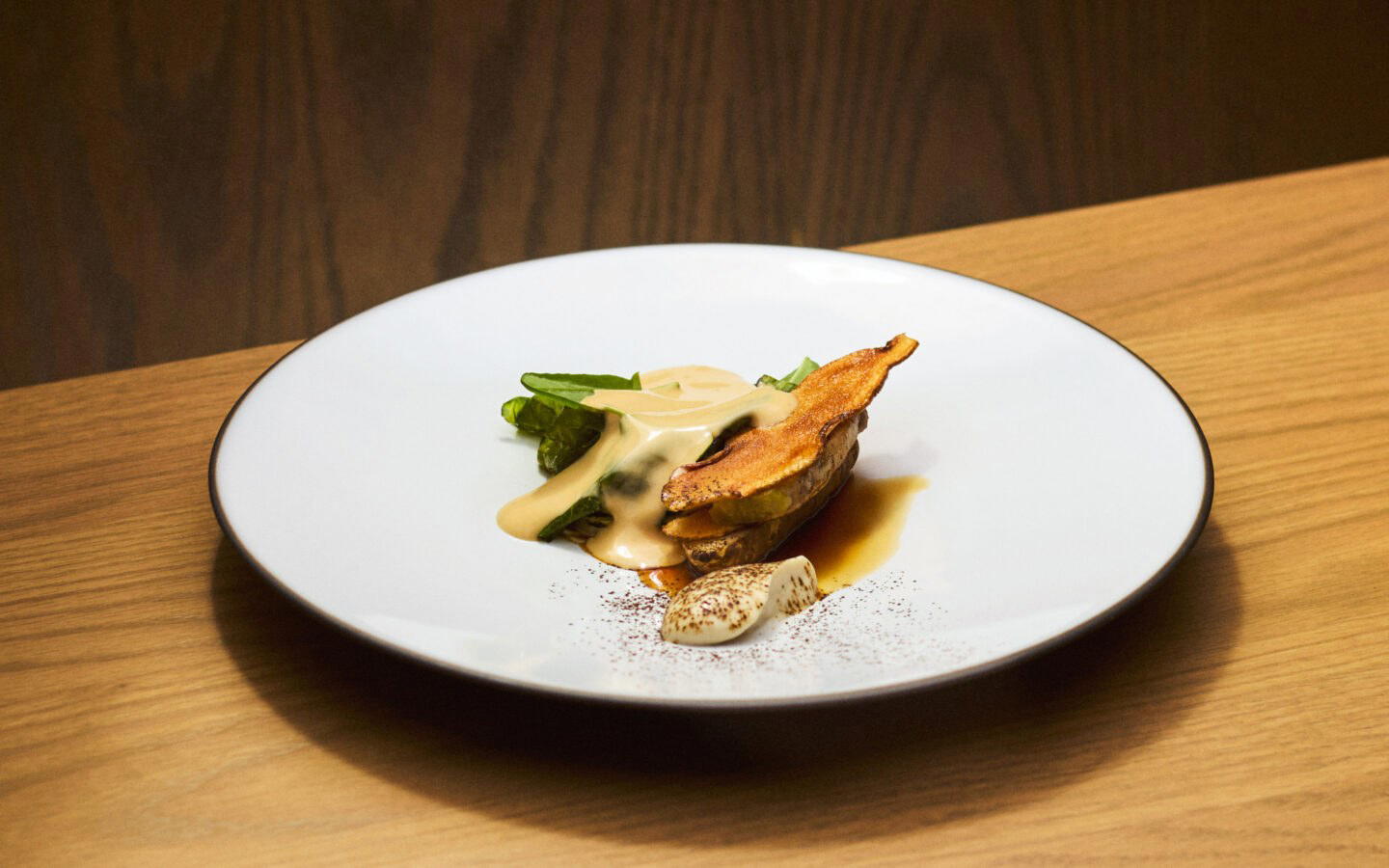
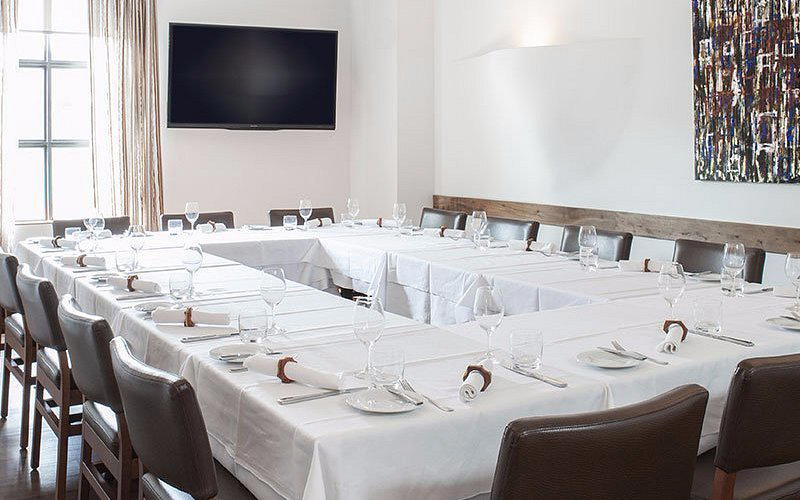
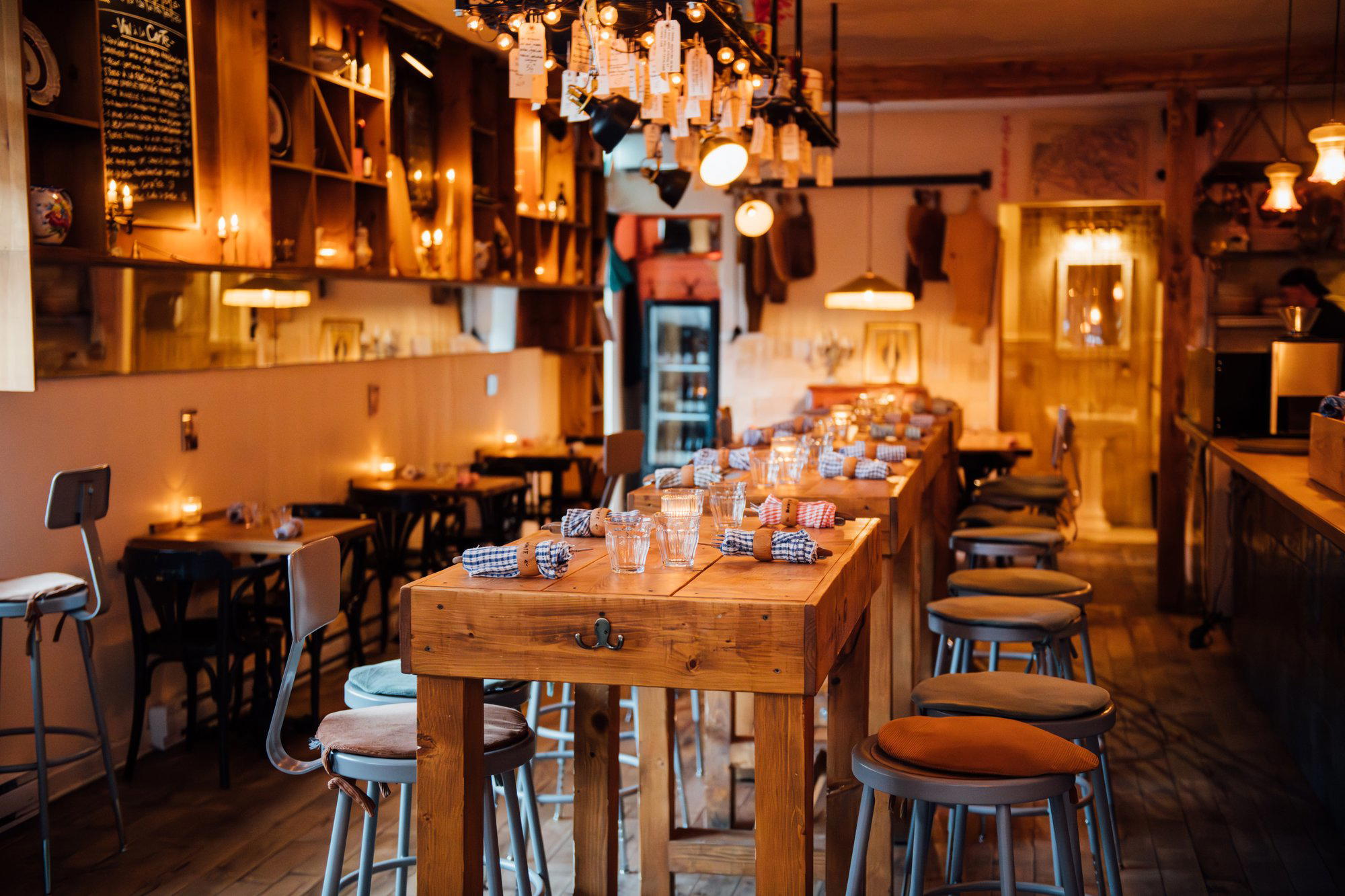
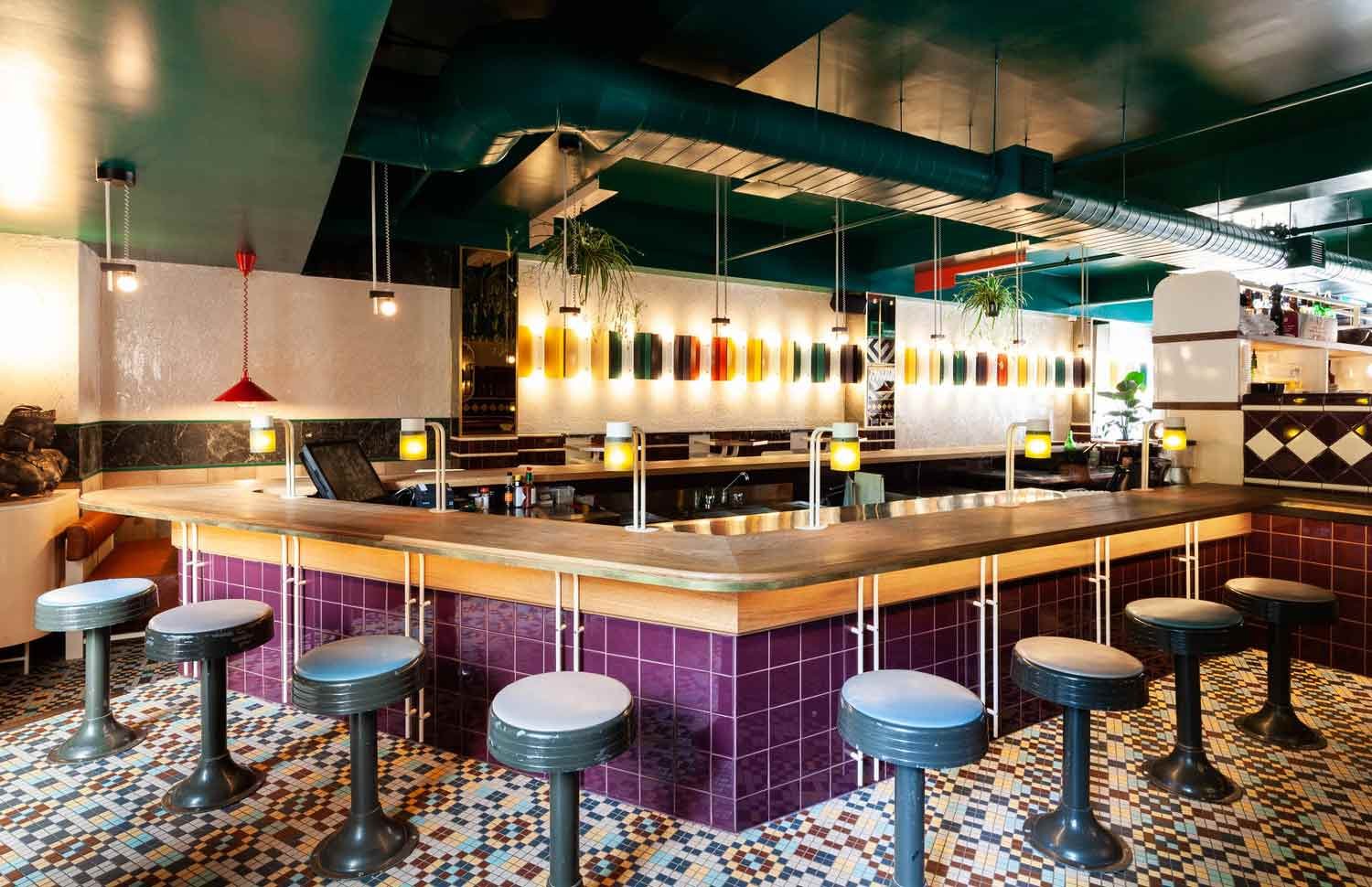
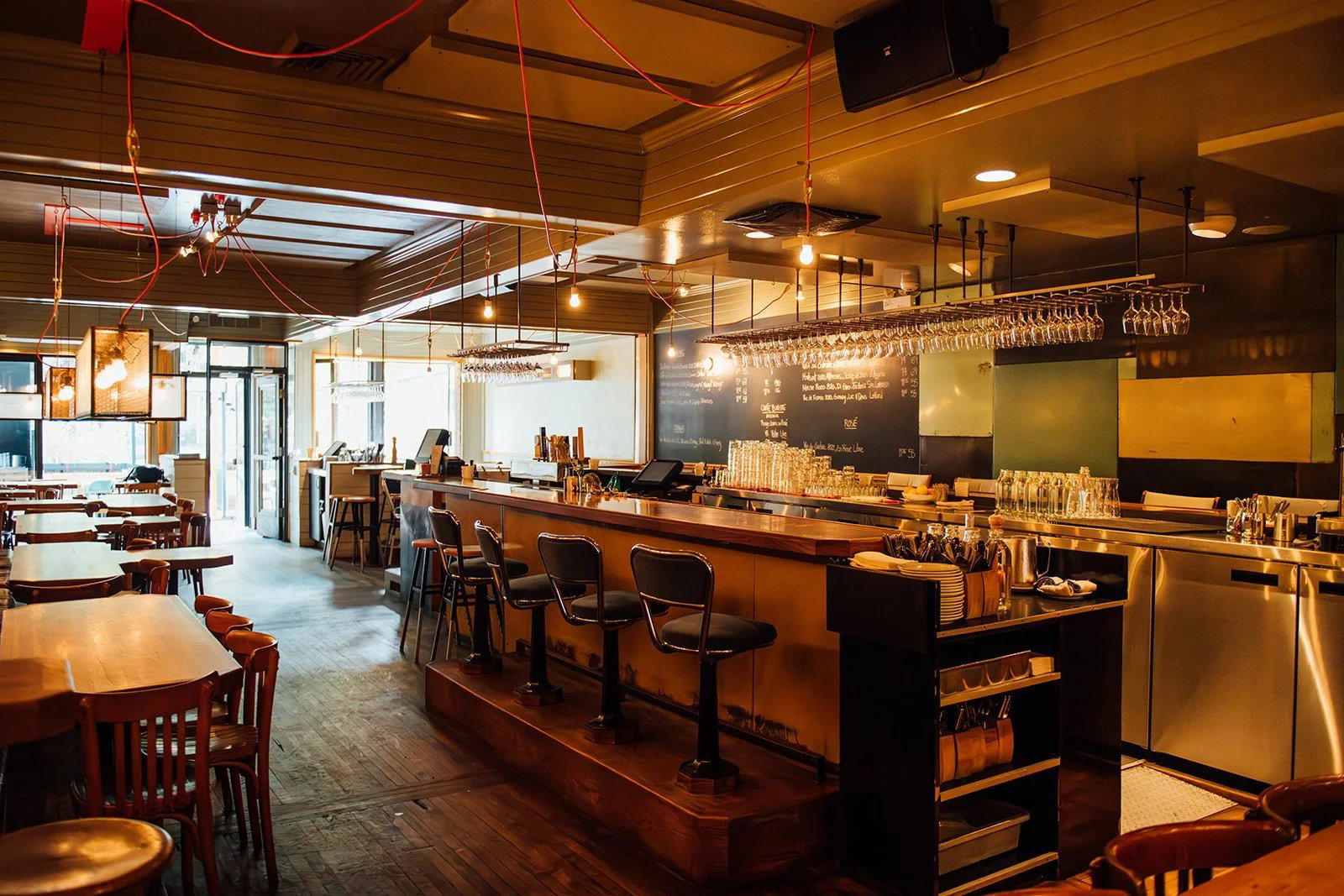
Small, cozy, and charming with a down-to-earth, relaxed atmosphere and simple, modern decor.