On a stretch of Notre-Dame Ouest where Montréal's eating options range from neighbourhood diners to destination restaurants, Satay Brothers at 3721 occupies a distinct position: Southeast Asian street-food tradition filtered through a city that takes both sourcing and technique seriously. It sits closer in spirit to a casual counter than to the grand-tasting-menu tier occupied by Toqué or Jérôme Ferrer - Europea, and that is precisely its appeal.
Pearl is the En Primeur Club membership app — saves, bookings, and concierge access live there. Same editors, same standards.
- Address
- 3721 R. Notre Dame O, Montréal, QC H4C 1P8, Canada
- Phone
- +1 514 933 3507
- Website
- sataybrothers.com
- Directions
- Get directions
 Saves & bookings on Pearl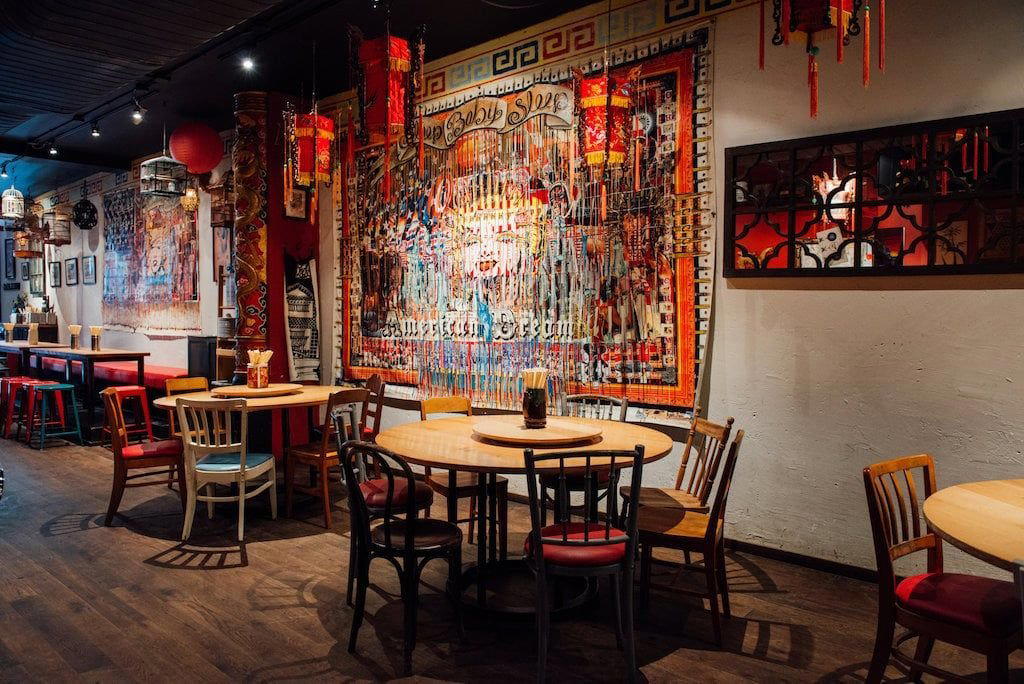
Notre-Dame Ouest and the Case for Casual Precision
The stretch of Rue Notre-Dame Ouest running through Saint-Henri and into the lower edge of Westmount has shifted considerably over the past decade. What was once a corridor defined by hardware stores and discount furniture has become one of the more interesting eating strips in the city, with venues operating across a wide range from neighbourhood staples to rooms serious enough to draw diners from across Montréal. Satay Brothers at 3721 sits in that corridor without pretending to be anything it is not: a room where Southeast Asian cooking, particularly the grilled and sauced traditions of Singapore and Malaysia, is taken seriously enough to matter.
That seriousness is worth contextualizing. Montréal's restaurant culture is often framed around its French inheritance — the bistro grammar of Jérôme Ferrer - Europea, the modernist precision of Mastard, the technique-driven rooms like Sabayon. But the city also sustains a strong tradition of immigrant-origin kitchens that operate outside that frame entirely, and Satay Brothers belongs to that second category. The comparison set is not Toqué at $$$$ or the grand-tasting tier; it is the smaller group of casual rooms in Montréal that apply genuine culinary knowledge to formats that don't ask for white tablecloths.
Southeast Asian Street Cooking in a Canadian Context
The editorial angle that matters here is not the venue itself but the broader challenge that Southeast Asian cooking faces when transplanted to a city like Montréal. The technique is specific: grilling over charcoal at controlled heat, building peanut sauces that balance salt, sweet, and fat without collapsing into any one of them, sourcing proteins that can hold up to the direct heat required for satay-style preparation. These are not skills that transfer automatically, and the number of restaurants across Canada that do this format at a level worth traveling to is relatively small.
Montréal's supply chain for Southeast Asian ingredients has improved markedly, with dedicated importers now servicing the city's growing cohort of Asian-origin restaurants. That shift has allowed kitchens working in this tradition to get closer to their source material than was possible even five years ago. Venues operating in this space now face a different problem: the ingredients are available, but the technique and the context still have to come from somewhere. That is where training lineage and culinary background matter, even in a casual room.
For Canadian points of comparison in how local ingredients and imported technique can converge at a high level, it is worth noting what is happening elsewhere in the country. AnnaLena in Vancouver has built a reputation on exactly this intersection, as has Restaurant Pearl Morissette in Lincoln in a wine-country context. Further afield, Fogo Island Inn Dining Room represents the extreme version of local-ingredients logic applied to a remote setting. Satay Brothers is working on a different scale and with a different culinary tradition, but the underlying question — how do you honor an imported cooking method while operating in a Canadian supply context, is the same.
How It Positions Against Montréal Peers
Within Montréal's casual dining tier, Satay Brothers occupies a specific niche that is distinct from both the French bistro tradition (L'Express, operating in the $$ bracket with its canonical steak-frites and tartare) and the deli tradition anchored by Schwartz's on Saint-Laurent. The Southeast Asian casual category in Montréal is less crowded than those two, which means a room doing this format well faces less direct competition and more responsibility to represent the tradition accurately.
Venues like 3 Pierres 1 Feu and Abu el Zulof occupy adjacent positions in Montréal's casual and mid-range market, each working a distinct cultural tradition with varying degrees of fidelity to source. That peer group is a useful frame for understanding where Satay Brothers sits: not competing with the $$$$ modernist rooms, but operating in a space where the quality differential between a committed kitchen and a formulaic one is immediately apparent to anyone eating regularly across the city.
For readers who track how Canadian cities handle non-European culinary traditions, the broader context includes rooms like Tanière³ in Quebec City (which approaches Indigenous ingredients through a fine-dining lens) and Alo in Toronto (working French technique at the top of the tasting-menu market). These are different registers entirely, but they illustrate the range of approaches Canadian kitchens are taking to the intersection of imported method and local context. Satay Brothers operates at the accessible end of that spectrum without sacrificing the integrity of its source tradition.
Planning a Visit
The address at 3721 Rue Notre-Dame Ouest places the restaurant in the Saint-Henri corridor, accessible by Metro (Lionel-Groulx station is the most practical option for those arriving without a car) and well within reach of the Sud-Ouest arrondissement's broader eating circuit. Given the venue's profile and the modest size typical of rooms in this format and price tier, reservations or early arrival are advisable, particularly on weekend evenings when the stretch of Notre-Dame draws consistent foot traffic. Current hours and booking availability are best confirmed directly, as this category of casual restaurant adjusts seasonally. Our full Montréal restaurants guide covers the broader eating context for the city, including how to sequence visits across neighborhoods and price tiers.
For those building a longer Canadian itinerary, the contrast between what Satay Brothers represents in Montréal and what venues like Eigensinn Farm in Singhampton, The Pine in Creemore, or Narval in Rimouski are doing in their respective regional contexts is instructive. Each is asking a version of the same question about culinary identity and place. Satay Brothers asks it through a Southeast Asian lens, on a street that has become one of the more honest indicators of where Montréal's casual dining is actually heading.
At a Glance
- Lively
- Trendy
- Cozy
- Group Dining
- Casual Hangout
- Family
- Open Kitchen
Current opening hours
- Monday
- 5–11 PM
- Tuesday
- 5–11 PM
- Wednesday
- 5–11 PM
- Thursday
- 11 AM–11 PM
- Friday
- 11 AM–11 PM
- Saturday
- 11 AM–11 PM
- Sunday
- 11 AM–11 PM
Hours can change for holidays and private events. Last verified .
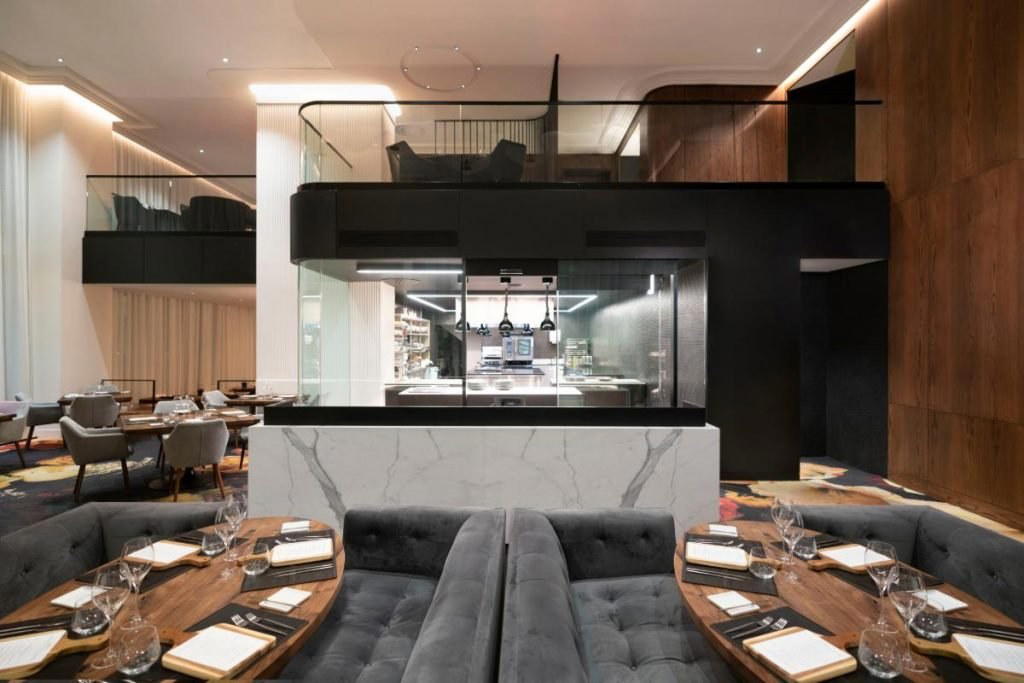
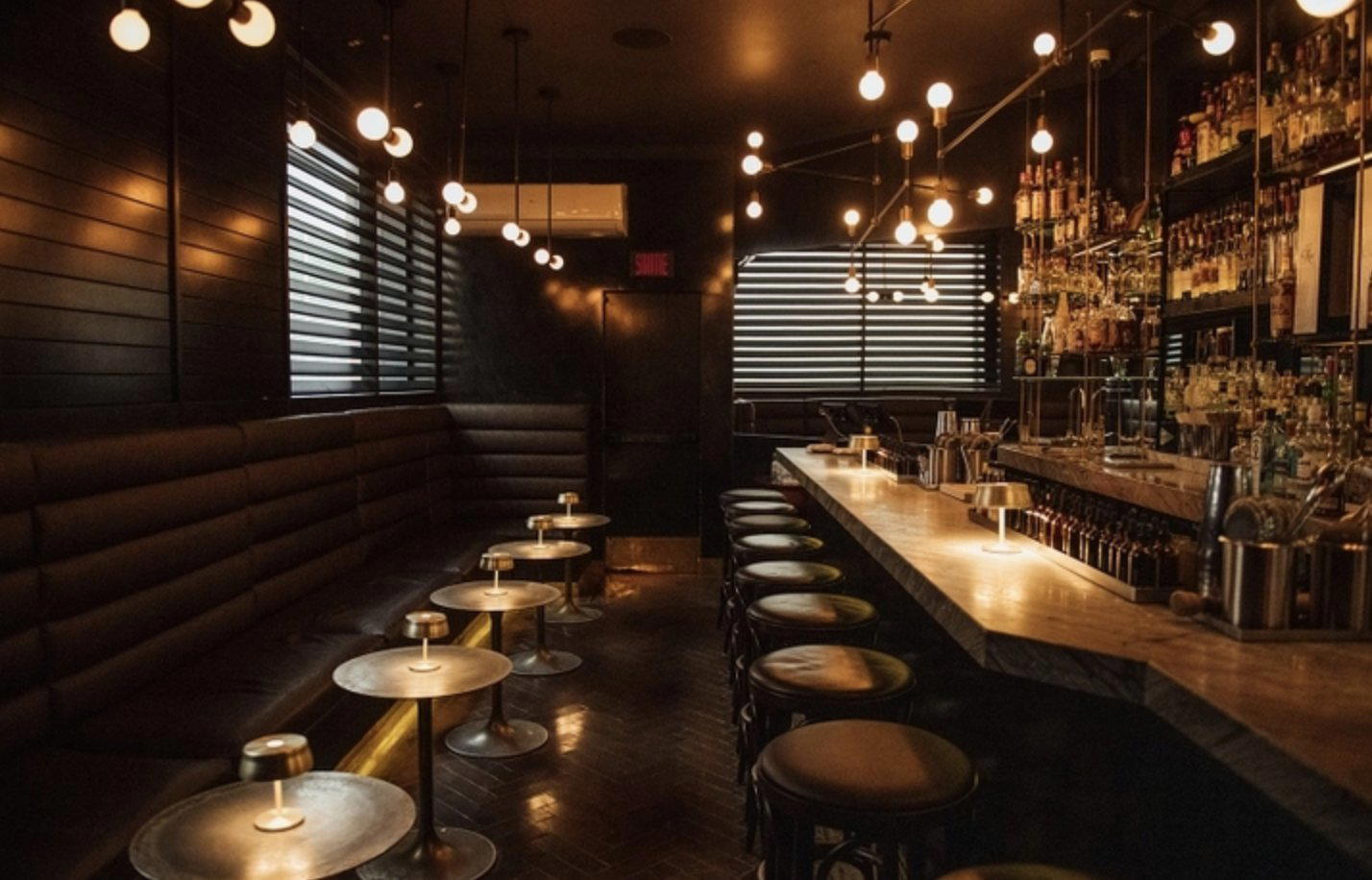
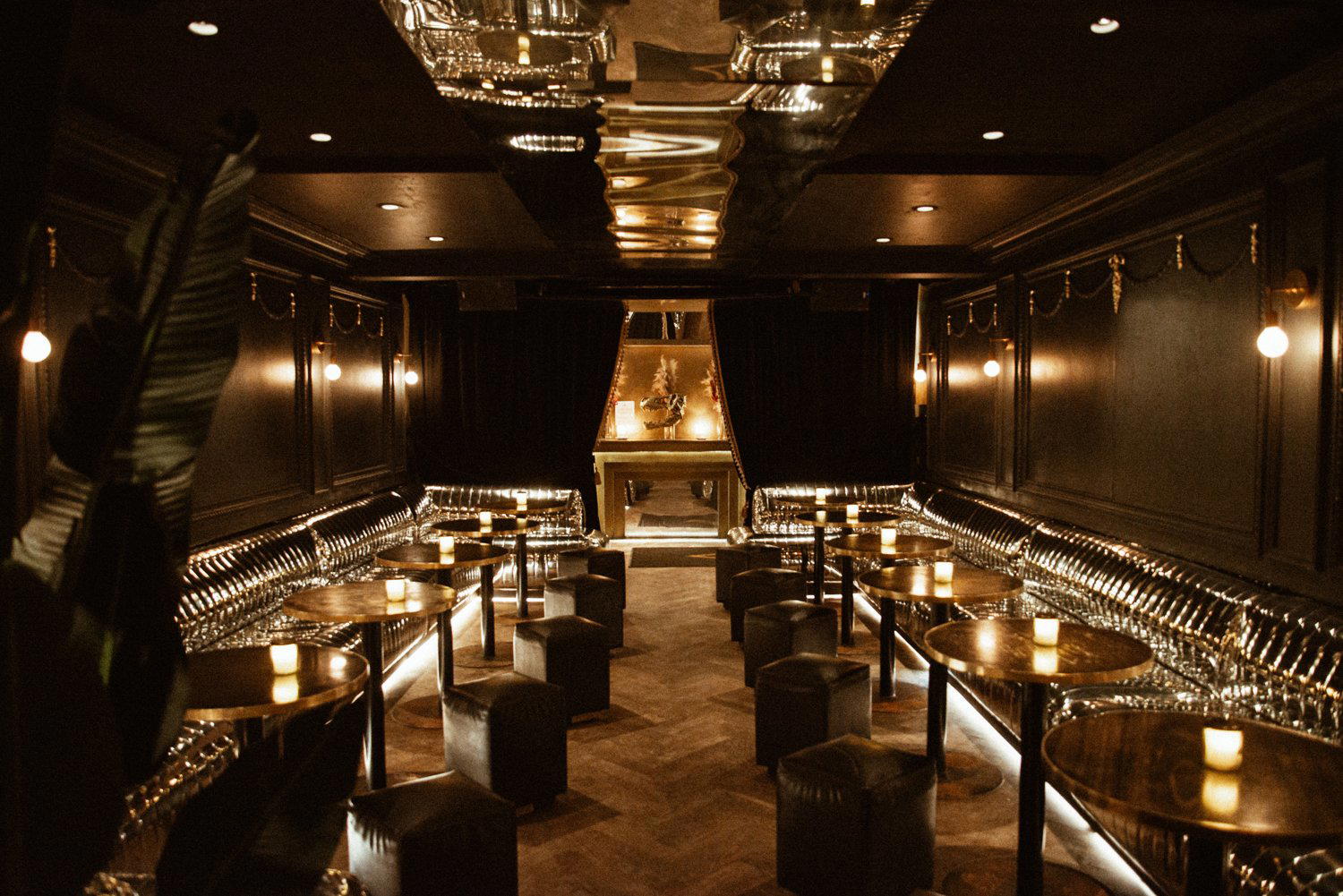
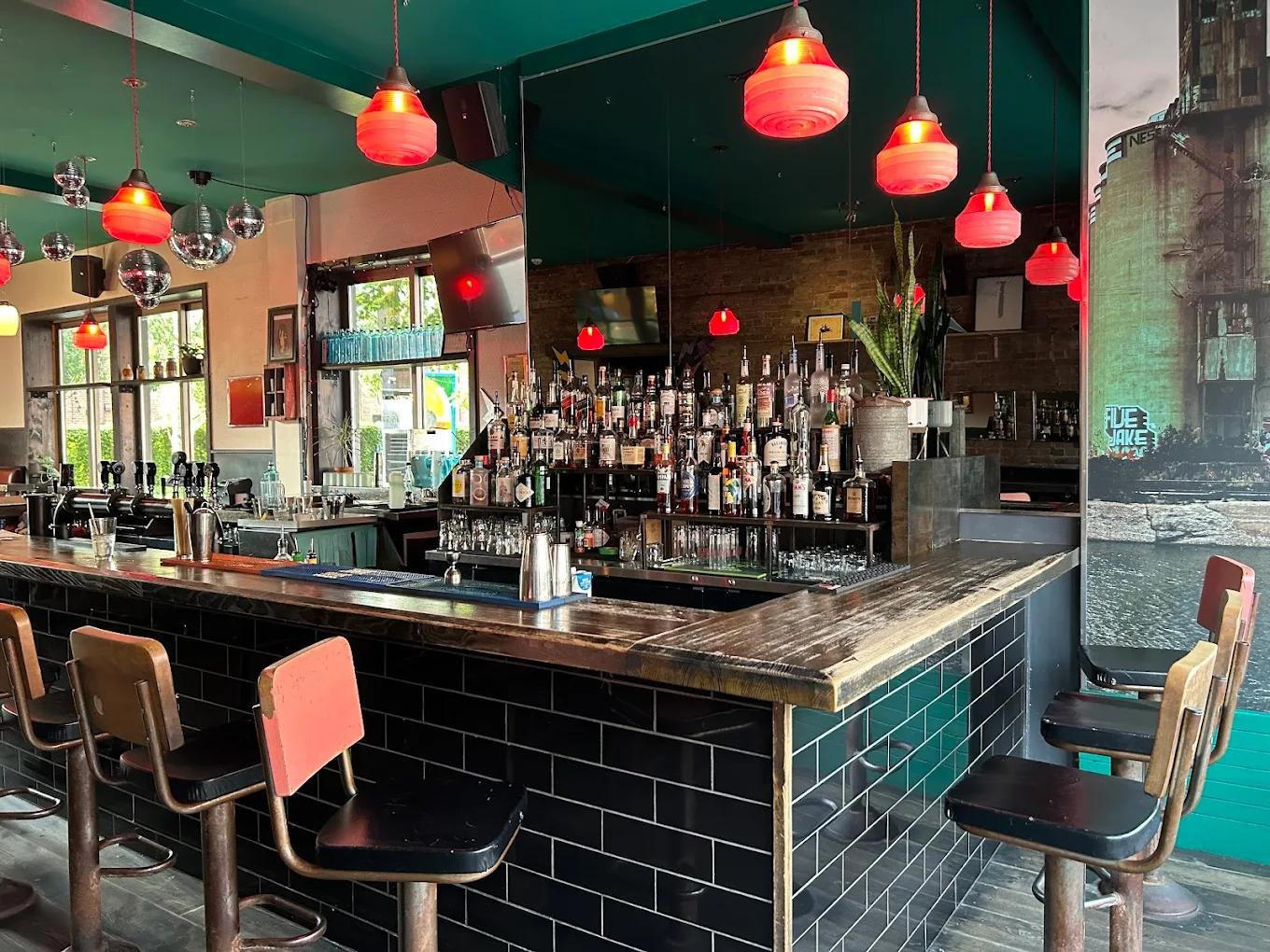
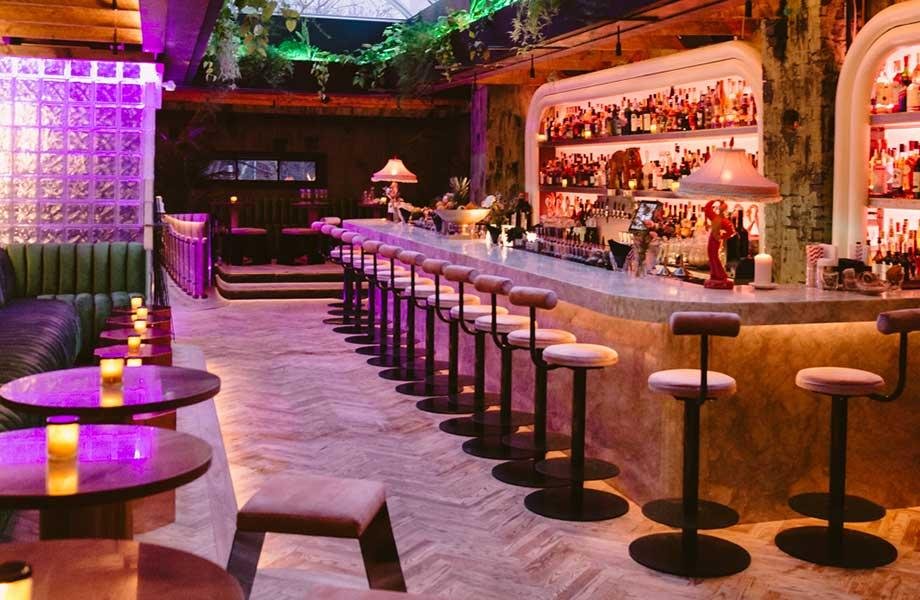
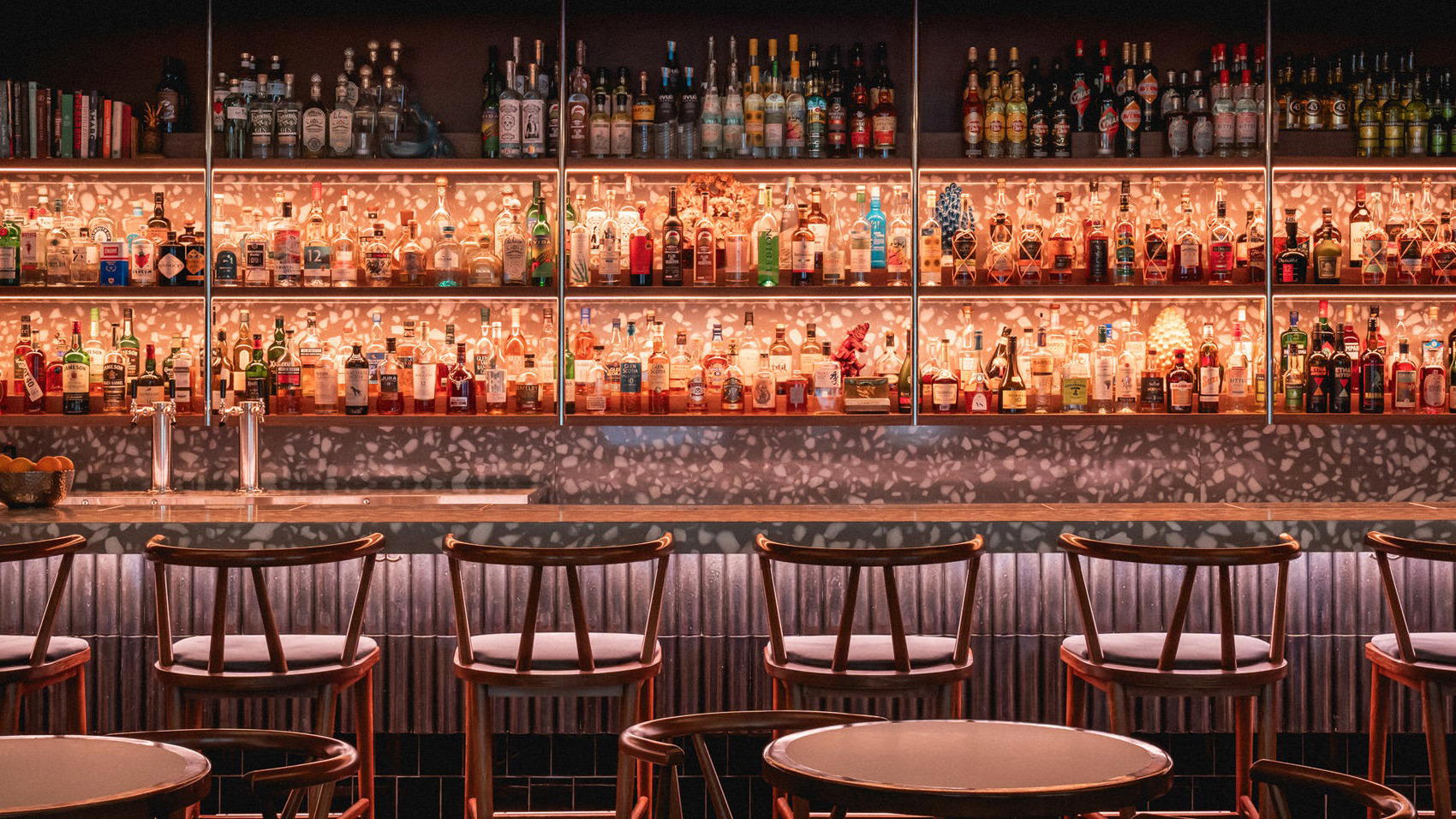
Lively and eclectic atmosphere with a fun, effervescent charm blending street food energy and casual dining.
Know Before You Go
- Getting there
- 3721 R. Notre Dame O, Montréal, QC H4C 1P8, Canada