Restaurant Kamúy sits in Montreal's competitive modern dining tier, where Indigenous and Quebec culinary traditions increasingly intersect with contemporary technique. The address on Rue Jeanne-Mance places it in the cultural corridor between the Quartier des spectacles and the Plateau, a neighbourhood that rewards exploratory dining. For those tracking where Canadian Indigenous cuisine is being taken seriously at the table, this is a name that surfaces consistently.
Pearl is the En Primeur Club membership app — saves, bookings, and concierge access live there. Same editors, same standards.
- Address
- 1485 Rue Jeanne-Mance, Montréal, QC H2X 2J4, Canada
- Phone
- +15144477481
- Website
- kamuy.ca
- Directions
- Get directions
 Saves & bookings on Pearl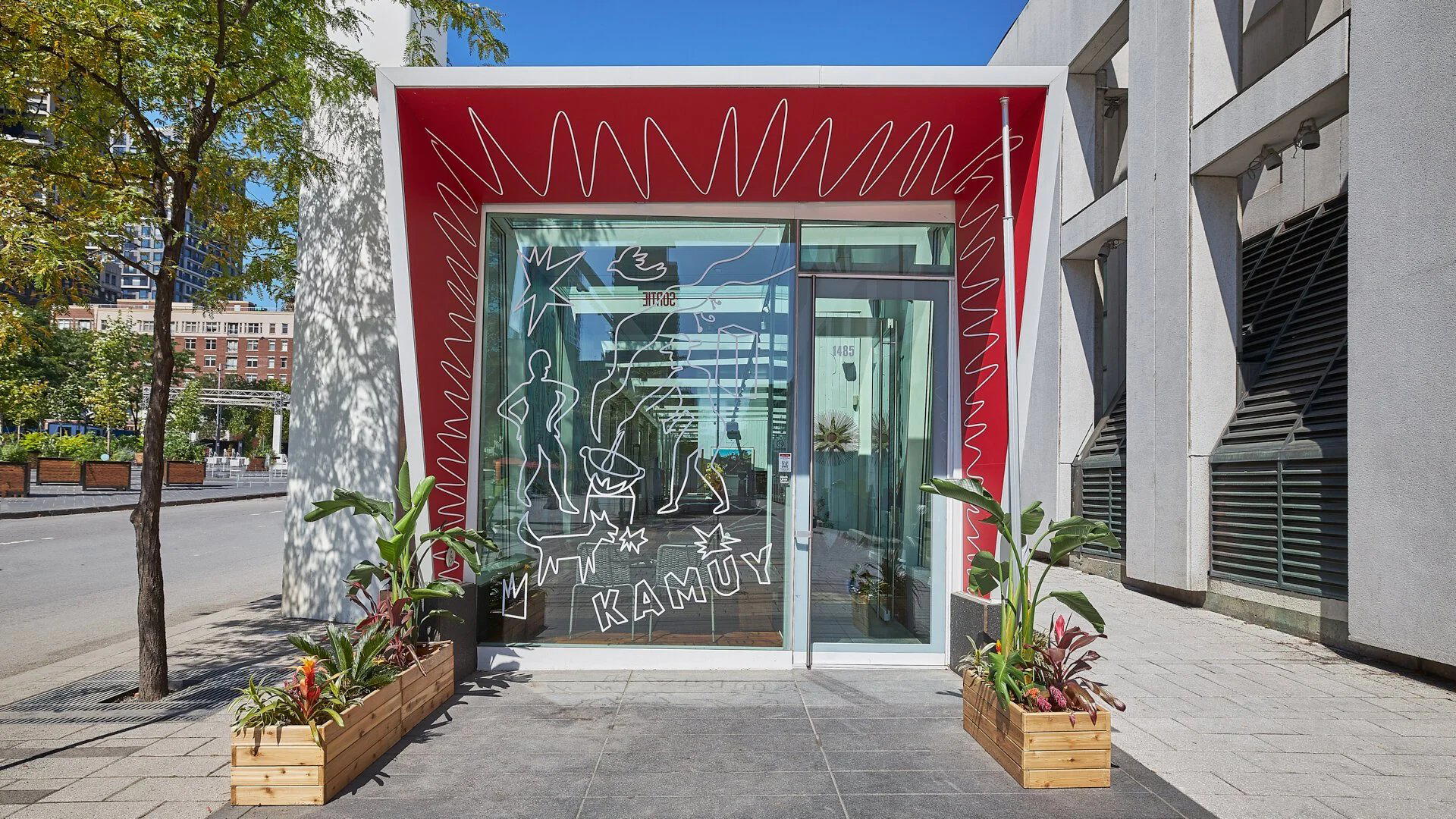
Where the Room Does the Talking
The stretch of Rue Jeanne-Mance running through the lower Plateau and up toward the Quartier des spectacles has quietly accumulated some of Montreal's more considered dining rooms over the past decade. Restaurant Kamúy is a Pan-Caribbean restaurant at 1485 Rue Jeanne-Mance, Montréal, QC H2X 2J4, Canada, with a $30 per person price point. Regulars don't come back because the room demands it, they come back because the food earns it.
That dynamic, a clientele that self-selects through repeat visits rather than occasion dining, is increasingly the mark of where Montreal's modern dining scene is maturing. The city's top tier has long been anchored by French technique, venues like Jérôme Ferrer - Europea and Mastard hold that ground, but the more interesting movement over the past several years has been the emergence of restaurants drawing on Indigenous culinary traditions and northern Quebec ingredients, framing them with contemporary kitchen discipline rather than folkloric presentation.
The Regulars' Case
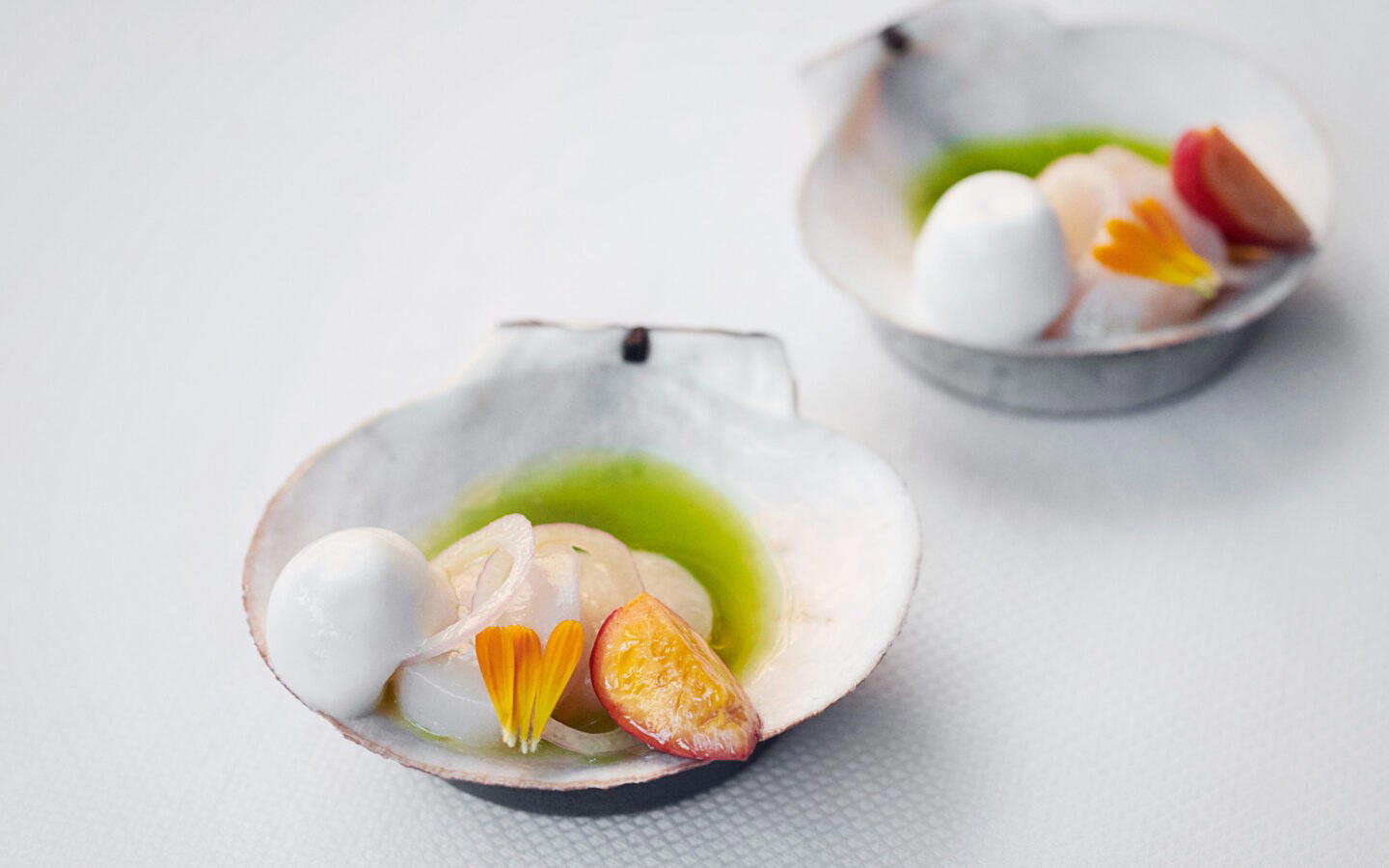
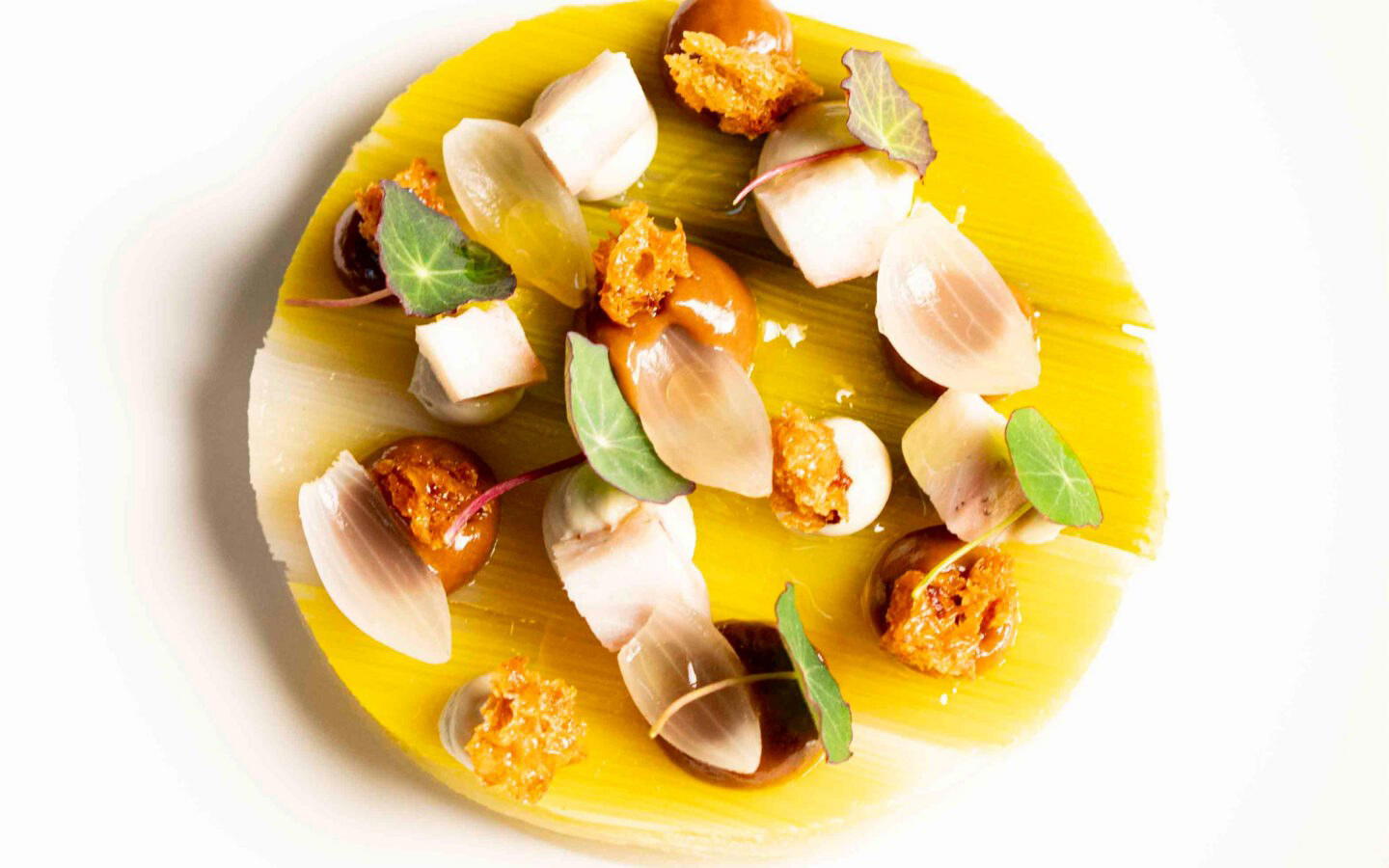
What keeps a diner returning to the same table is rarely a single dish. It's more often a consistency of intent: the kitchen has a point of view, and it doesn't drift based on trend pressure. At restaurants operating in the space where Indigenous ingredients and modern technique intersect, a category gaining serious traction across Canada, from Tanière³ in Quebec City to AnnaLena in Vancouver, the loyalty of repeat visitors is almost always earned through specificity. Generic seasonal menus don't build regulars. A kitchen that treats bannock, game, smoked fish, or foraged forest products as primary ingredients rather than garnish does.
Kamúy, as a name rooted in Ainu tradition (the word carries meanings associated with the spiritual and the natural world), signals an orientation toward Indigenous cultural framing from the outset. In the Montreal context, that positioning places it within a smaller, more deliberate tier of restaurants than the city's established French-forward scene. It aligns more closely with the direction being pursued at Sabayon or the more regionally-rooted formats visible elsewhere in Quebec, than with the classical French formalism that defined the city's dining reputation through the 1990s and early 2000s.
The regulars at this type of restaurant tend to track what's on the plate with a different level of attention than occasion diners. They're noting the sourcing shifts, the seasonal transitions in ingredients, the moments where the kitchen pushes a technique further than it did three months ago. The unwritten menu, the things you only know to order if you've been before, is typically built on those relationships.
Montreal's Wider Indigenous and Modern Dining Context
Canada's treatment of Indigenous cuisine at the fine dining level has accelerated considerably since the early 2010s. Quebec in particular has developed a pipeline of chefs and restaurateurs working with Innu, Cree, and Abenaki ingredients and traditions, applying contemporary kitchen methods without flattening the cultural specificity of the source material. The comparison set here isn't the French bistro tier, represented with considerable depth by venues like 3 Pierres 1 Feu or the enduring Aux Anciens Canadiens in Quebec City, but rather the tighter cohort of restaurants treating northern and Indigenous culinary traditions as the main event.
Nationally, the conversation spans formats from destination dining (see Eigensinn Farm in Singhampton for the rural-immersive end of that spectrum) to urban fine dining counters. In Montreal specifically, the density of talent and the city's bilingual cultural identity have made it a productive environment for this kind of culinary experimentation. Restaurant Kamúy sits within that productive tension.
For comparison, the Plateau and adjacent neighbourhoods now host a range of modern cuisine formats at the $$$ to $$$$ tier, with Mastard anchoring the contemporary French-leaning side and Kamúy representing the Indigenous-inflected modern end of the same price tier conversation. Further afield, Alo in Toronto and Narval in Rimouski trace the edges of how Canadian fine dining is diversifying its reference points.
What the Repeat Visitor Knows
Across Montreal's modern dining tier, the restaurants that build genuine regulars share a few structural traits: they have conviction about their sourcing, they don't over-explain what's on the plate, and they treat the rhythm of service as part of the experience rather than a logistical function. The addresses that survive on occasion dining alone are a different category, designed for one visit, not ten.
Kamúy's positioning on Rue Jeanne-Mance puts it in proximity to both the cultural institutions of the Quartier des spectacles and the residential density of the lower Plateau. That geography matters for repeat business: For a restaurant with this kind of culinary specificity, that accessibility is an asset. It means the regulars can actually become regulars, rather than visiting twice a year for a special occasion.
The broader Canadian dining scene, from Restaurant Pearl Morissette in Lincoln to The Pine in Creemore, has demonstrated that restaurants grounded in a specific place and culinary tradition can build durable audiences. The international comparison holds too: Le Bernardin in New York City built its regulars through technique-driven consistency, and Atomix through cultural specificity. Both models reward the returning visitor differently than the one-time diner. Kamúy's operating context suggests a similar logic at play.
Know Before You Go
- Address: 1485 Rue Jeanne-Mance, Montréal, QC H2X 2J4, Canada
- Neighbourhood: Quartier des spectacles / lower Plateau border
- Price tier: Approximately $30 per person
- Dietary requirements: Notify the venue at time of booking, Indigenous and northern ingredient-forward kitchens typically require advance notice for substitutions
- Hours: Mon: Closed; Tue: Closed; Wed: 5–10:30 PM; Thu: 5–10:30 PM; Fri: 5 PM–12 AM; Sat: 5 PM–12 AM; Sun: 5–10:30 PM
Recognition, Side-by-Side
Comparable venues nearby, for context on price, style, and recognition.
| Venue | Cuisine | Price | Notes |
|---|---|---|---|
| Restaurant KamúyThis venue — the venue you are viewing | Pan-Caribbean | $$ | Not listed |
| Restaurant Gandhi | Authentic Indian Halal | $$ | Vieux Montréal |
| Sabrosa | Latin American Fusion with Japanese-Peruvian Influences | $$ | Vieux Montréal |
| Bacaro Pizzeria - Plateau Mont-Royal | Neapolitan Pizza & Pasta | $$ | Parc-Laurier |
| Umamia | Modern Japanese Sushi | $$ | Griffintown |
| Boca Iberica | Portuguese and Spanish Tapas | $$ | Saint-Louis |
At a Glance
- Lively
- Trendy
- Energetic
- Date Night
- Group Dining
- Special Occasion
- Open Kitchen
- Terrace
- Craft Cocktails
- Local Sourcing
- Street Scene
Current opening hours
- Monday
- Closed
- Tuesday
- Closed
- Wednesday
- 5–10:30 PM
- Thursday
- 5–10:30 PM
- Friday
- 5 PM–12 AM
- Saturday
- 5 PM–12 AM
- Sunday
- 5–10:30 PM
Hours can change for holidays and private events. Last verified .
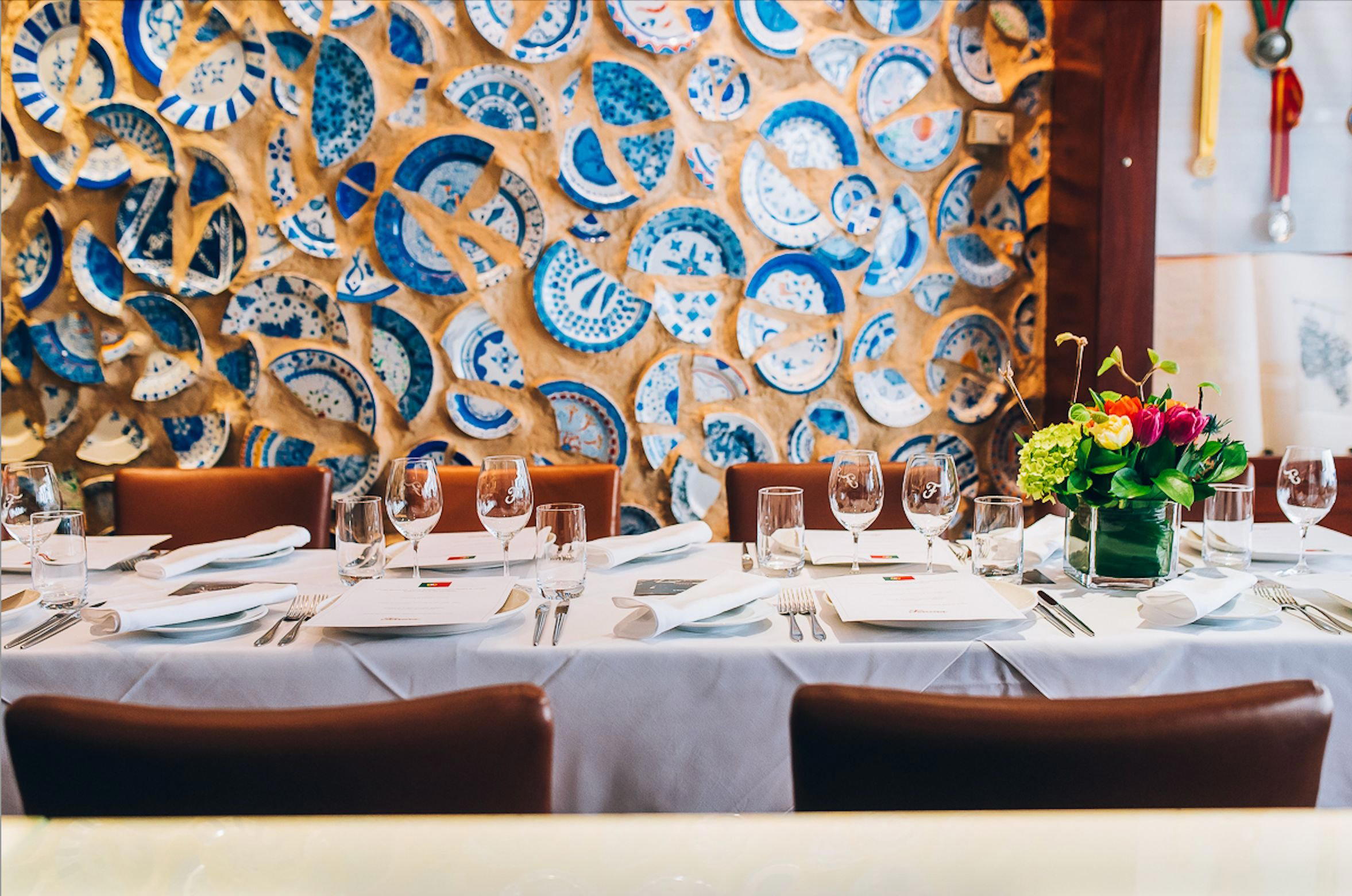
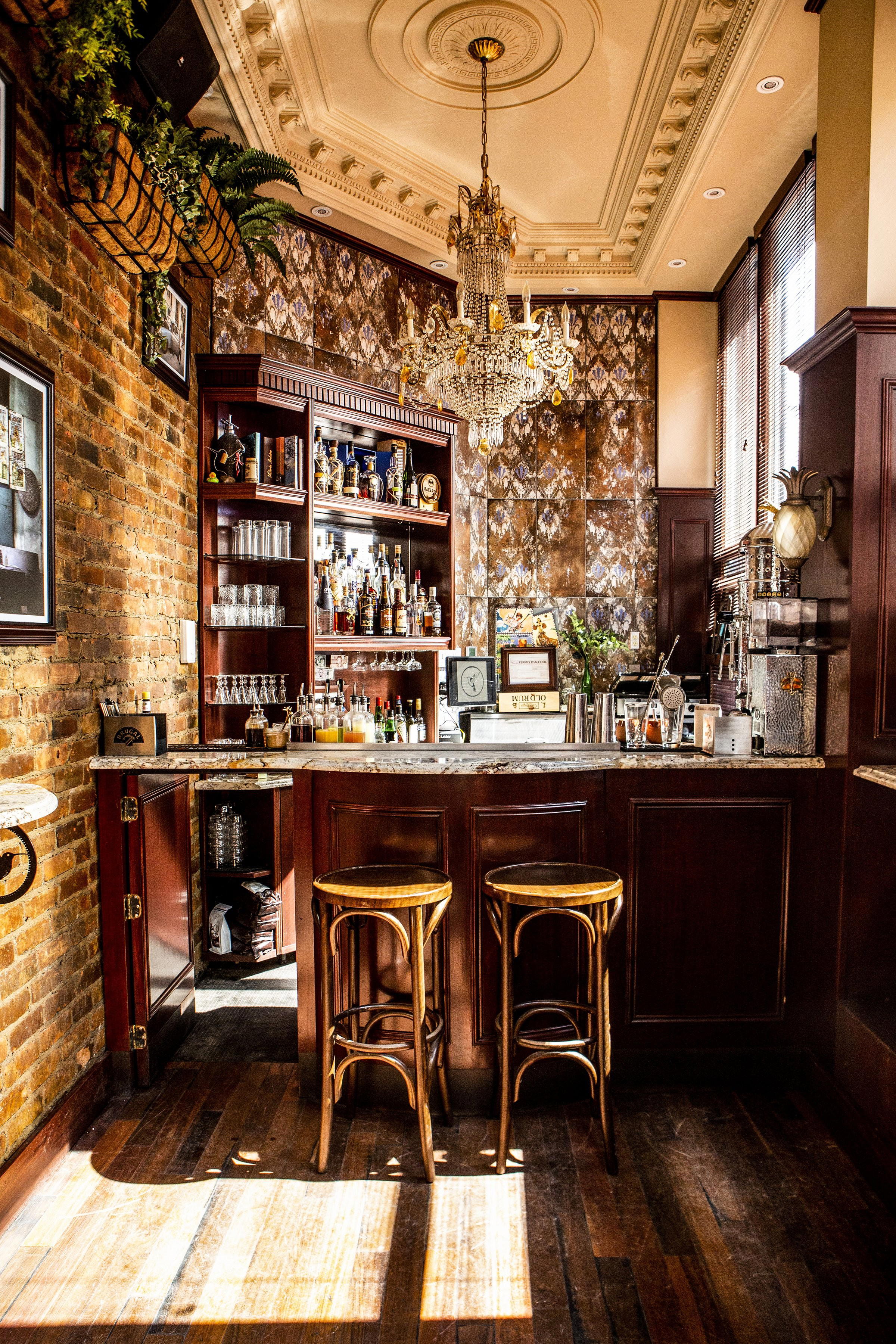
Festive atmosphere evoking a traditional Caribbean market with colorful art, curated music including reggae and salsa, lively and friendly vibe under moderate noise levels.