Tony ate the Senegal national dish with some locals. The national dish is called ceebu jen (meaning rice with fish). The fish they used was "Senegalese grouper, scored and stuffed with a mixture of garlic, parsley, and peppers, then slow simmered in a hearty tomato broth, infused by a funkatizing goodness brought by fermented conch and salt fish, served over rice and vegetables."
Pearl is the En Primeur Club membership app — saves, bookings, and concierge access live there. Same editors, same standards.
- Address
- 9794, Dakar 00000, Senegal
- Phone
- +221 33 827 53 71
- Website
- newafricarestaurant.com
- Directions
- Get directions
 Saves & bookings on Pearl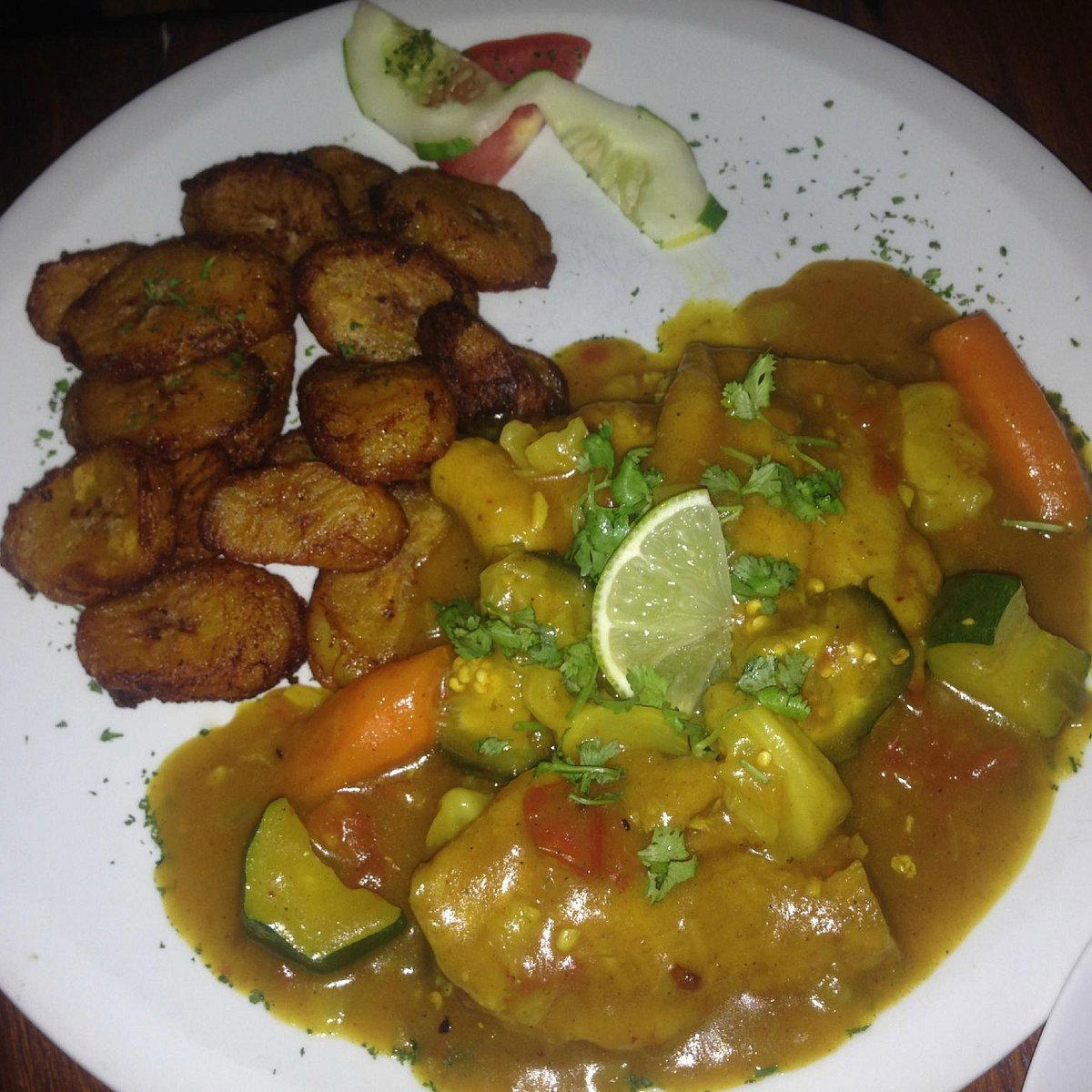
Where Dakar's Table Begins: The Ingredient Question
In Dakar, the line between market and restaurant has always been shorter than in most cities. The capital of Senegal sits at a crossroads of Atlantic fishing grounds, Sahelian grain routes, and a horticultural interior that supplies everything from hibiscus and tamarind to millet and peanuts. Restaurants that understand this geography cook differently from those that don't. Restaurant New Africa, located on the Dakar peninsula at address 9794, operates in a city where provenance is not a marketing concept but a practical daily reality shaped by proximity to source.
That context matters when assessing any table in this city. The vendors at Marché Tilène and the fishing landings at Soumbédioune are not picturesque backdrops; they are the actual supply chains feeding Dakar's kitchens. The restaurants that pull from those sources directly, rather than relying on imported or processed alternatives, tend to carry a different register of flavour and a different relationship with seasonality. For visitors approaching Restaurant New Africa, understanding that infrastructure is part of understanding what ends up on the plate.
The Dakar Dining Scene and Where This Address Fits
Dakar's restaurant scene has evolved well beyond the colonial-era French brasserie model that once dominated the city's formal dining. Today the scene splits broadly into three tiers: international and French-influenced establishments aimed at expats and business travellers; mid-range neighbourhood restaurants working Senegalese classics like thiéboudienne, yassa, and mafé with varying degrees of care; and a smaller, less visible cohort of places where West African culinary tradition is treated with the same seriousness that award-winning kitchens elsewhere bring to their own canon. Venues like Casa Teranga and Le jardin de l'Amitié occupy recognisable positions in that spread. Restaurant New Africa sits within this broader city pattern, in a neighbourhood that reflects the everyday rhythm of Dakar rather than its diplomatic or tourist enclaves.
For context on what that rhythm looks like at its most ingredient-focused, compare Restaurant New Africa's urban positioning to operations elsewhere in Senegal. Huitres De Sokone draws directly on the oyster beds of the Sine-Saloum delta, a source known across West Africa for its tidal productivity. La Taverne Du Pêcheur in Communaute Rurale De Ngueniene works from a coastal supply that city restaurants can only approximate. Restaurant New Africa, by contrast, works within Dakar's urban sourcing reality, which means the Atlantic catch arriving daily at the city's fish markets, seasonal vegetables from the Niayes growing zone north of the city, and the dried and fermented ingredients that give Senegalese cooking its depth.
Senegalese Culinary Tradition as the Frame
To read a Senegalese menu without understanding the sourcing logic behind it is to miss most of what's happening. Thiéboudienne, often described as the national dish, is structurally a rice-and-fish preparation, but its complexity comes from the fermented fish paste (guedj), smoked fish (yeet), and the particular variety of broken rice (riz brisé) that absorbs the braising liquid from tomato, tamarind, and vegetables. Each of those components has a supply chain attached to it. The quality of the dish shifts significantly depending on whether the guedj is fresh or old stock, whether the fish is the day's landing or yesterday's remainder.
That same logic applies across the broader repertoire. Yassa's defining character comes from the slow-caramelised onion and the balance of mustard and lemon; the sourcing of the chicken or fish underneath matters, but the treatment of the aromatics is where the kitchen shows its hand. Mafé's peanut base connects directly to Senegal's position as one of West Africa's major groundnut producers, giving the dish an ingredient lineage that is genuinely local rather than imported. Restaurants that understand this history cook with a different intentionality than those treating these dishes as fixed, unchanging formulas.
Other parts of Senegal demonstrate how ingredient proximity shapes the table at its most direct. La Kassa in Ziguinchor, in the Casamance region, works with an entirely different pantry than Dakar, one shaped by palm oil, fresh river fish, and the forest produce of a wetter, greener south. La Louise in Saint Louis operates near the Senegal River delta, where the smoked and dried fish traditions take on a different regional character. Dakar sits between these poles, drawing on the Atlantic while also receiving ingredients from across the country's interior.
The Neighbourhood Register
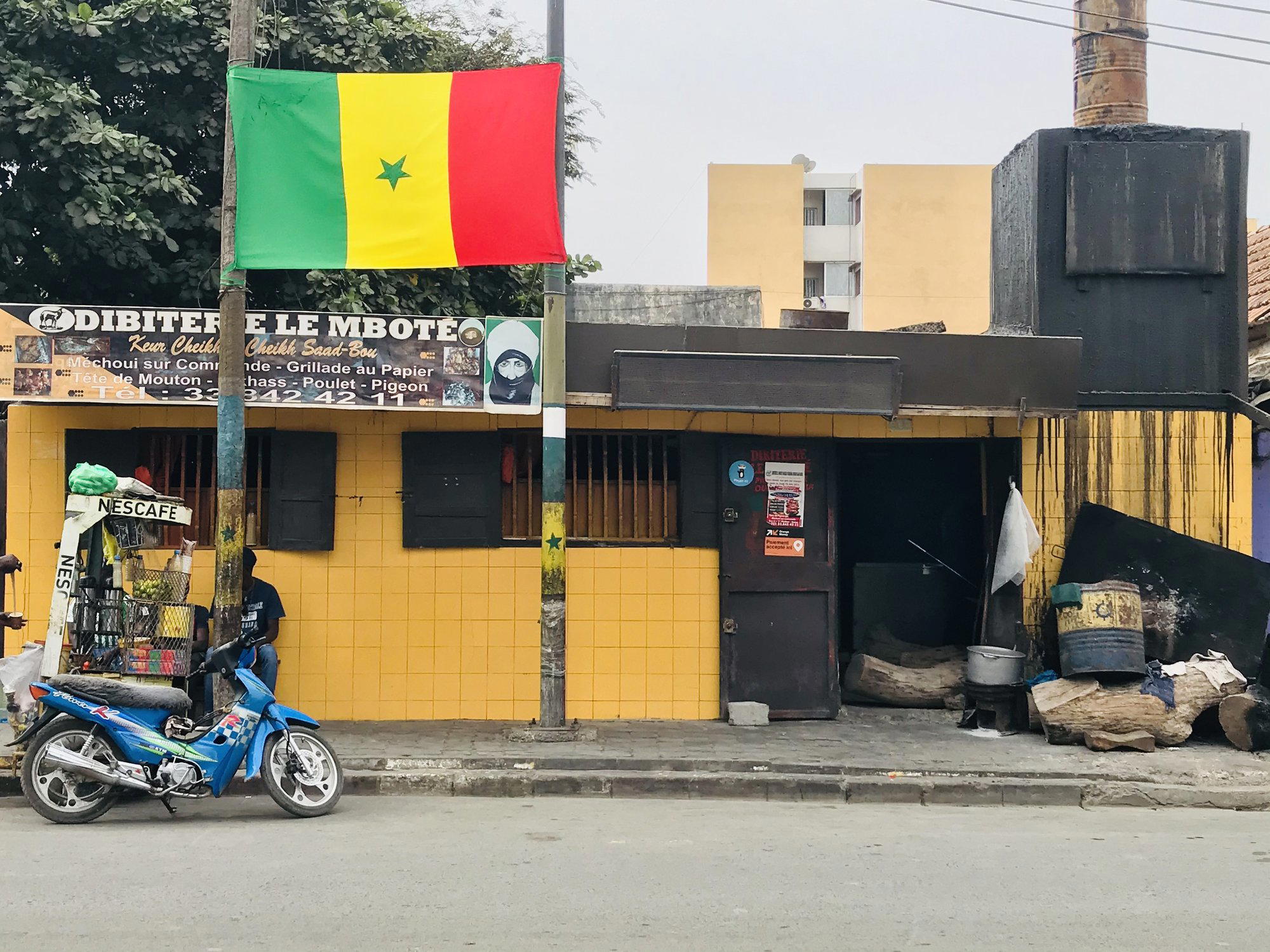
The address at 9794 Dakar places Restaurant New Africa outside the tourist-facing belt of the Plateau and Almadies districts. Dakar's non-tourist neighbourhoods carry a different pace: market activity closer to the street, lunch service that reflects working rhythms rather than leisure timelines, and menus that shift with what was available that morning rather than what was printed months ago. Restaurants like Chez Kiki and Dibiterie Le Mboté 1 operate in that same register, where the dibiterie tradition of charcoal-grilled lamb and the informal lunch counter remain the reference points rather than the tasting menu format.
For visitors coming from cities where the fine-dining apparatus of Michelin recognition shapes expectations, the comparison set is worth clarifying. Kitchens like Le Bernardin in New York City, Atomix, or Amber in Hong Kong operate within award systems that validate a particular set of formal criteria. West African restaurant culture, including Dakar's, has not been systematically integrated into those frameworks. Restaurants like those covered in our full Dakar restaurants guide should be assessed on their own terms, against the sourcing realities and culinary traditions of Senegal rather than against the criteria of systems designed for other contexts.
Planning Your Visit
As a general pattern across Dakar's non-tourist-district restaurants, lunch tends to be the primary service, with kitchens often winding down or shifting to a reduced offering by mid-afternoon. Visiting earlier in the day aligns with both kitchen rhythm and the freshest ingredient cycle, since morning market purchases shape what is available.

At a Glance
- Lively
- Cozy
- Energetic
- Intimate
- Group Dining
- Casual Hangout
- Celebration
- After Work
- Late Night
- Live Music
- Terrace
- Beer Program
Current opening hours
- Monday
- 6:30 PM–12 AM
- Tuesday
- 6:30 PM–12 AM
- Wednesday
- 6:30 PM–12 AM
- Thursday
- 6:30 PM–12 AM
- Friday
- 6:30 PM–2 AM
- Saturday
- 6:30 PM–2 AM
- Sunday
- Closed
Hours can change for holidays and private events. Last verified .
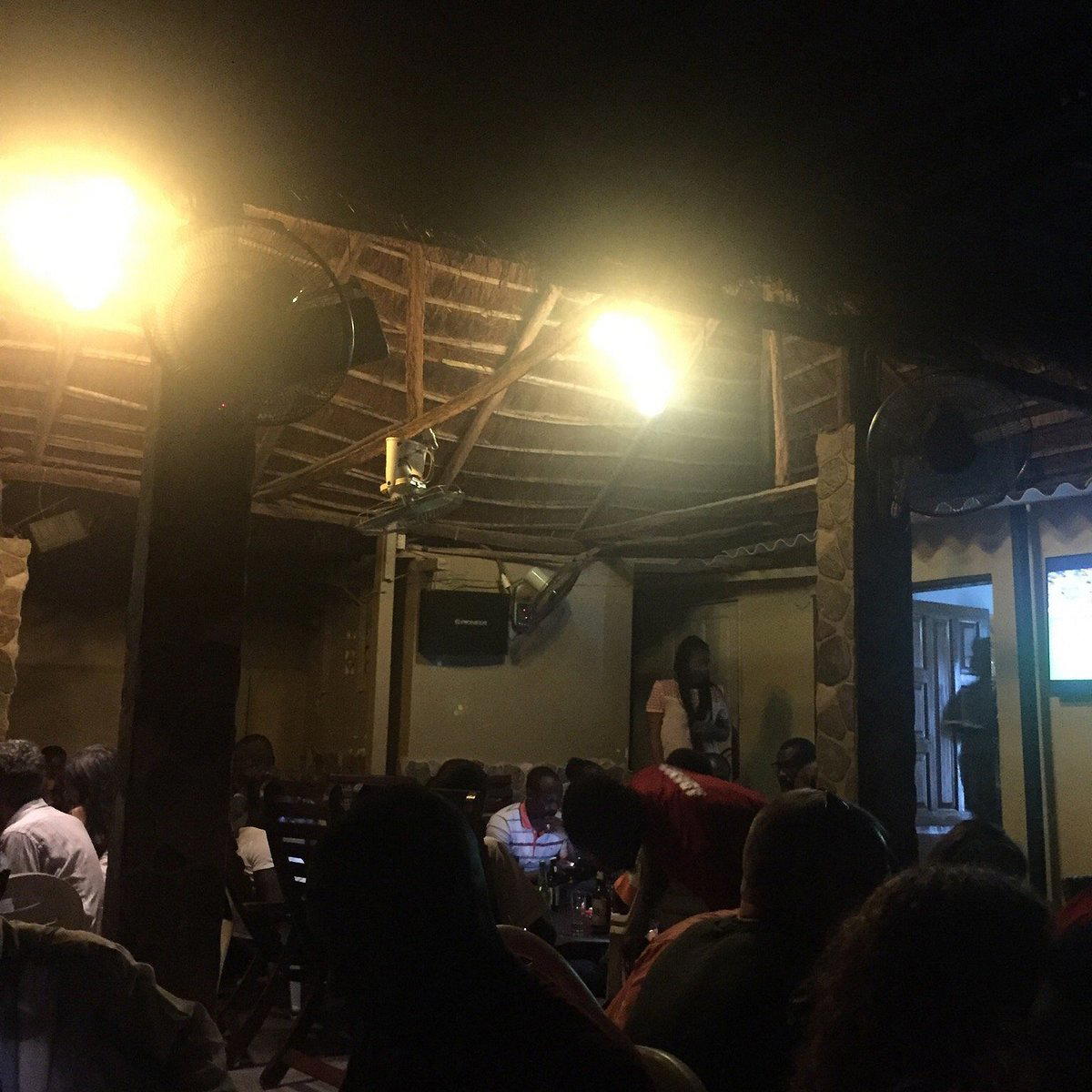
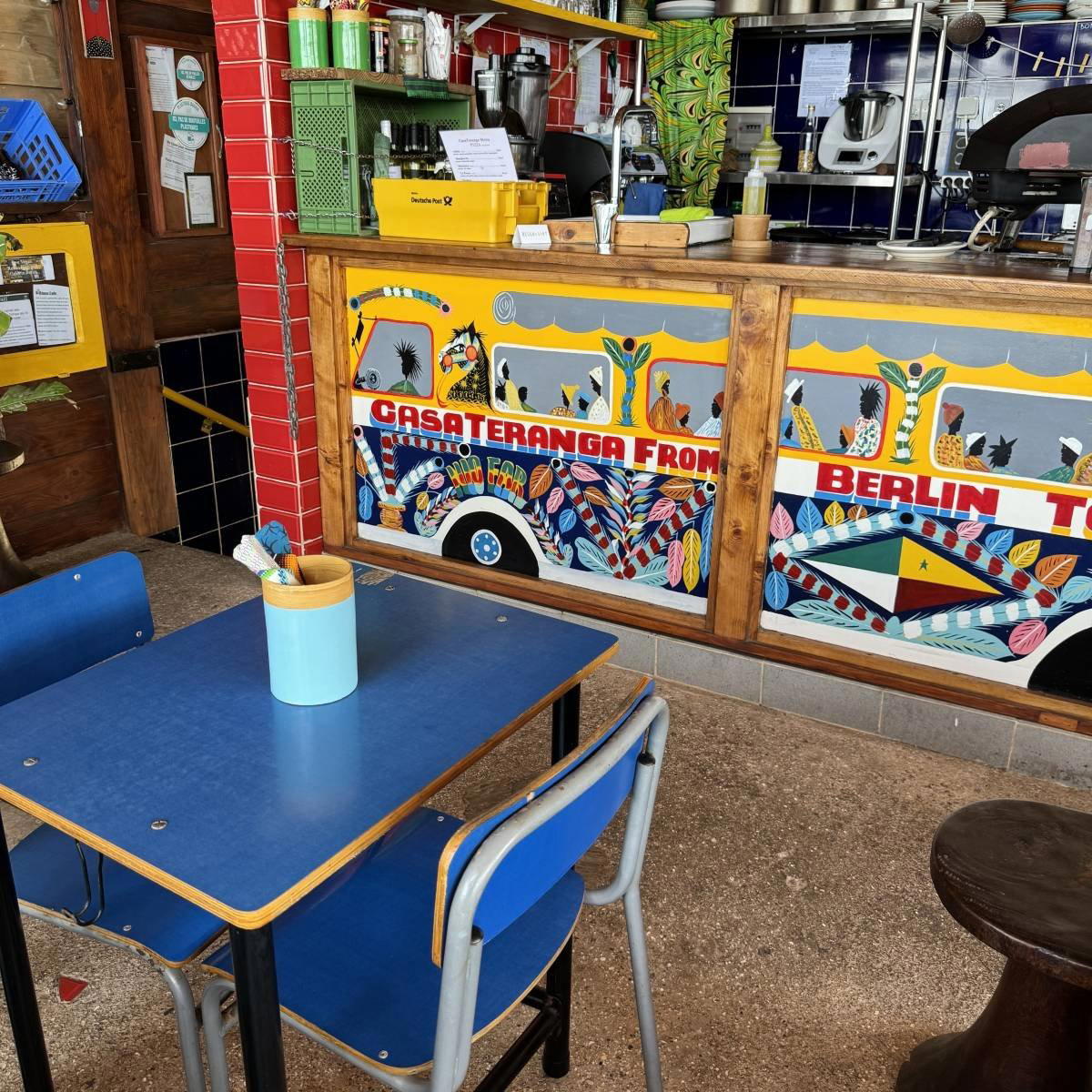
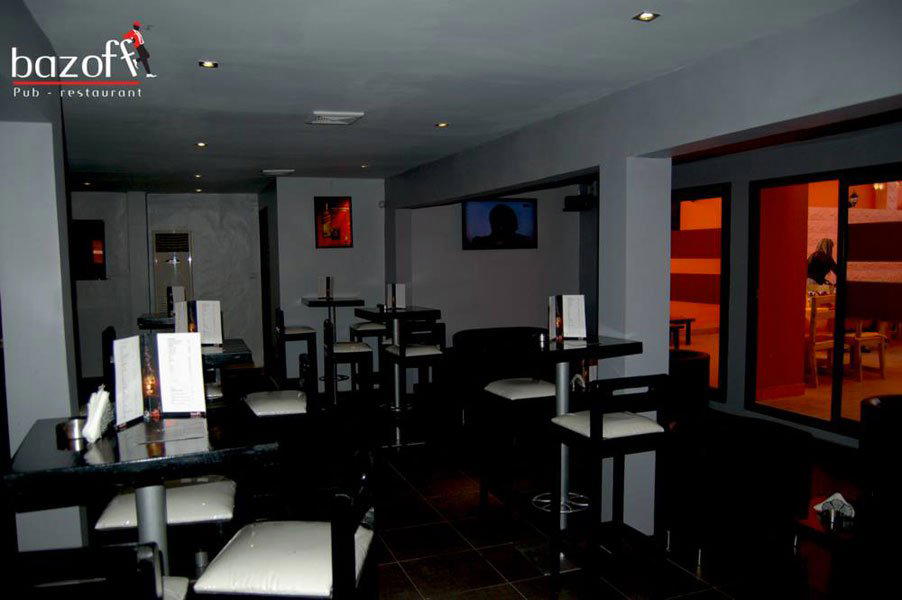
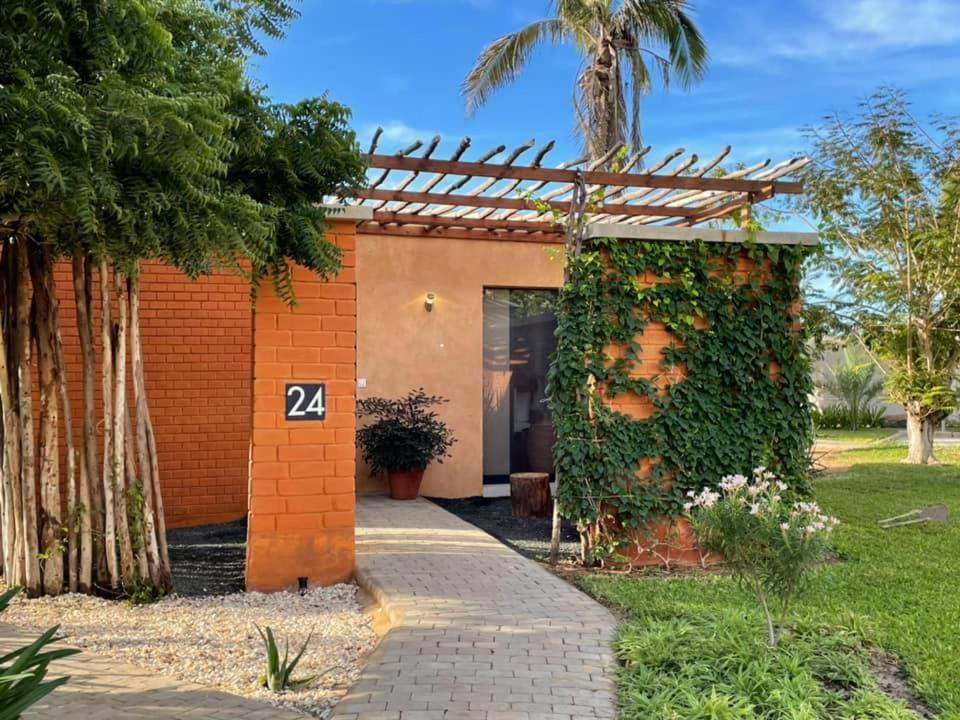
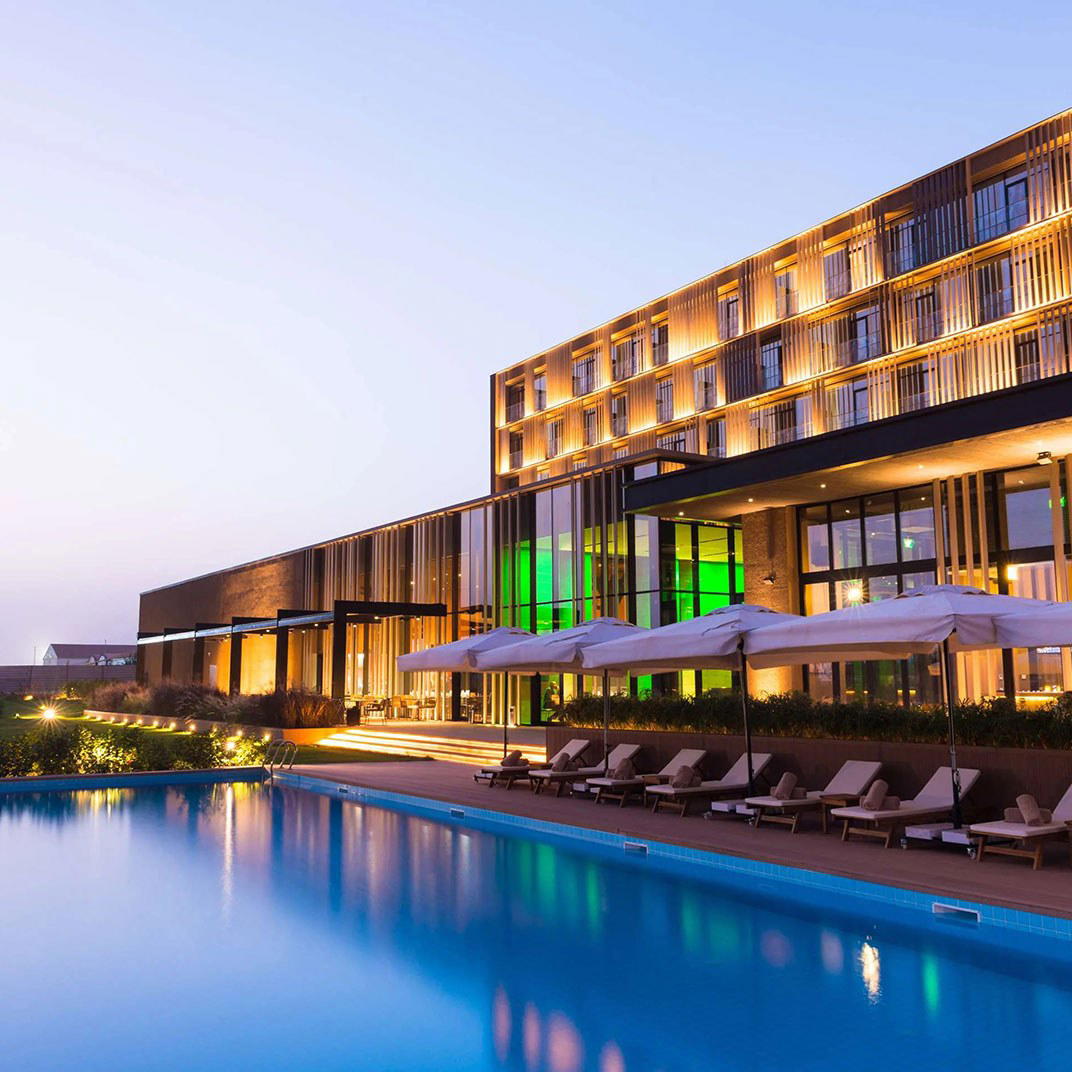
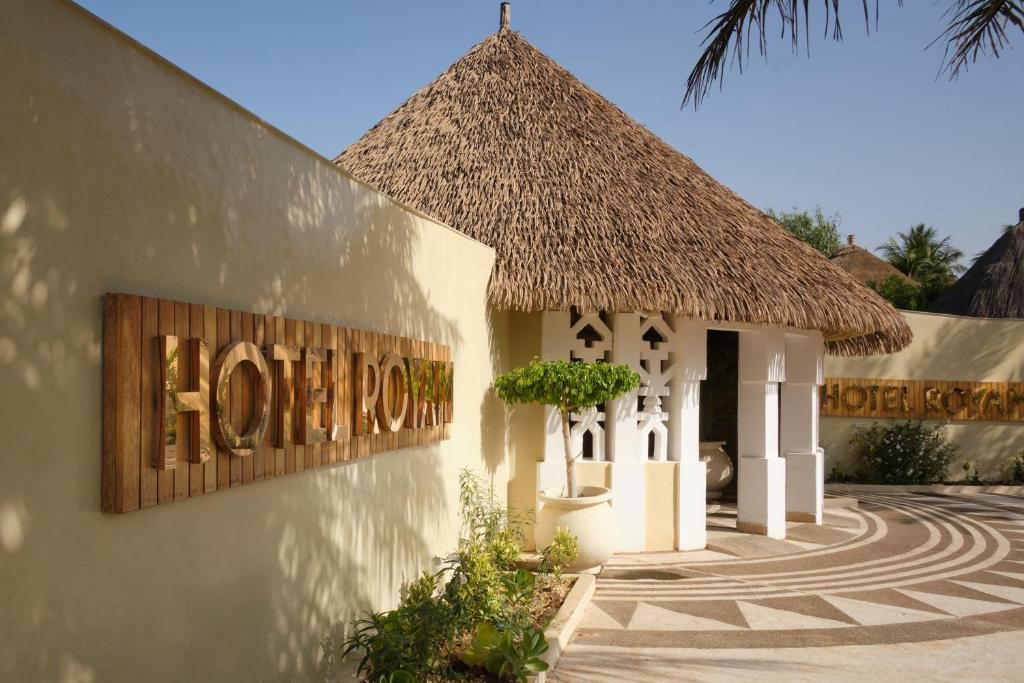
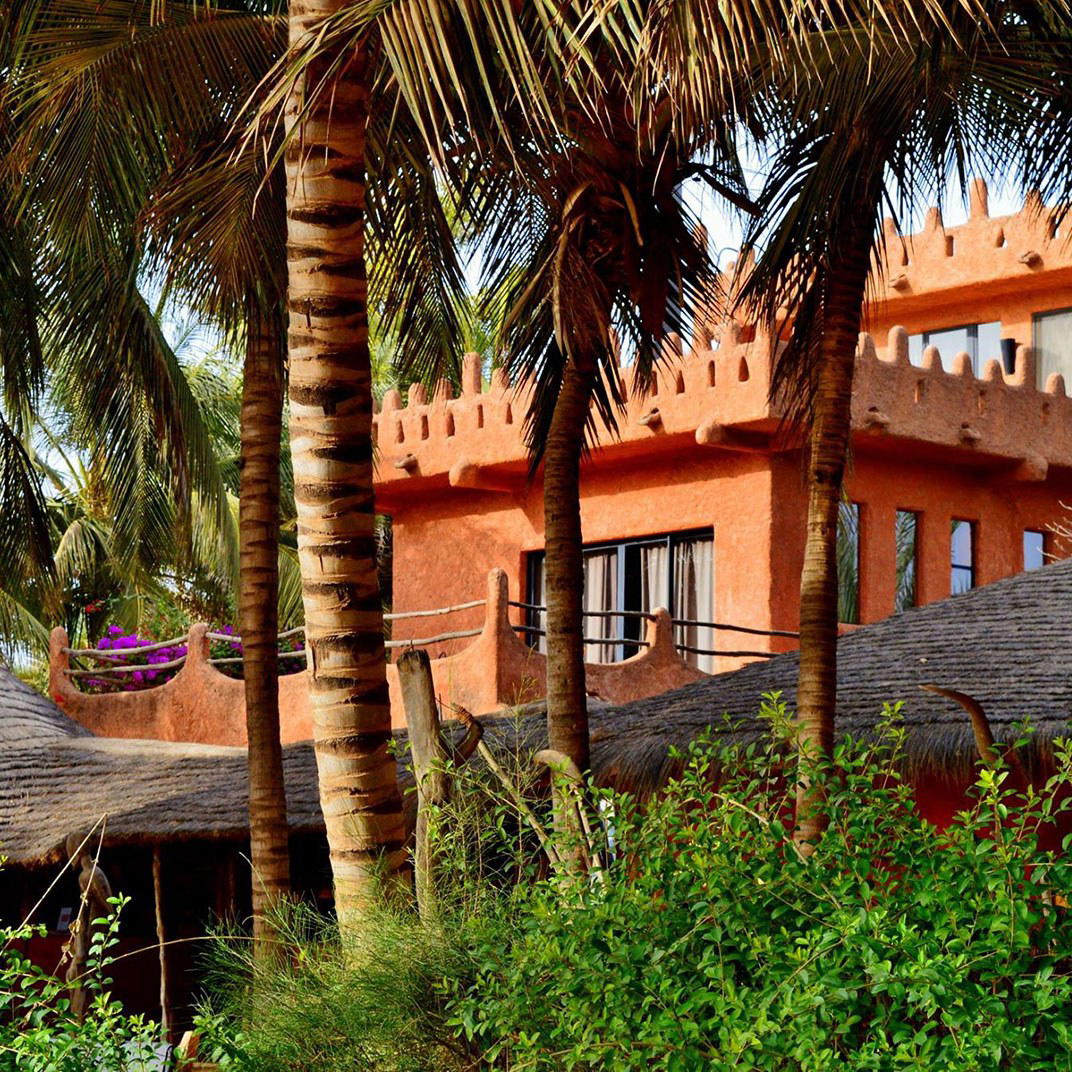
Warm, intimate, and colorful setting with inviting atmosphere; warm lighting enhances the dining experience. Indoor seating in the main dining room or outdoor patio with lush vegetation.
Know Before You Go
- Getting there
- 9794, Dakar 00000, Senegal