Marzilibrücke
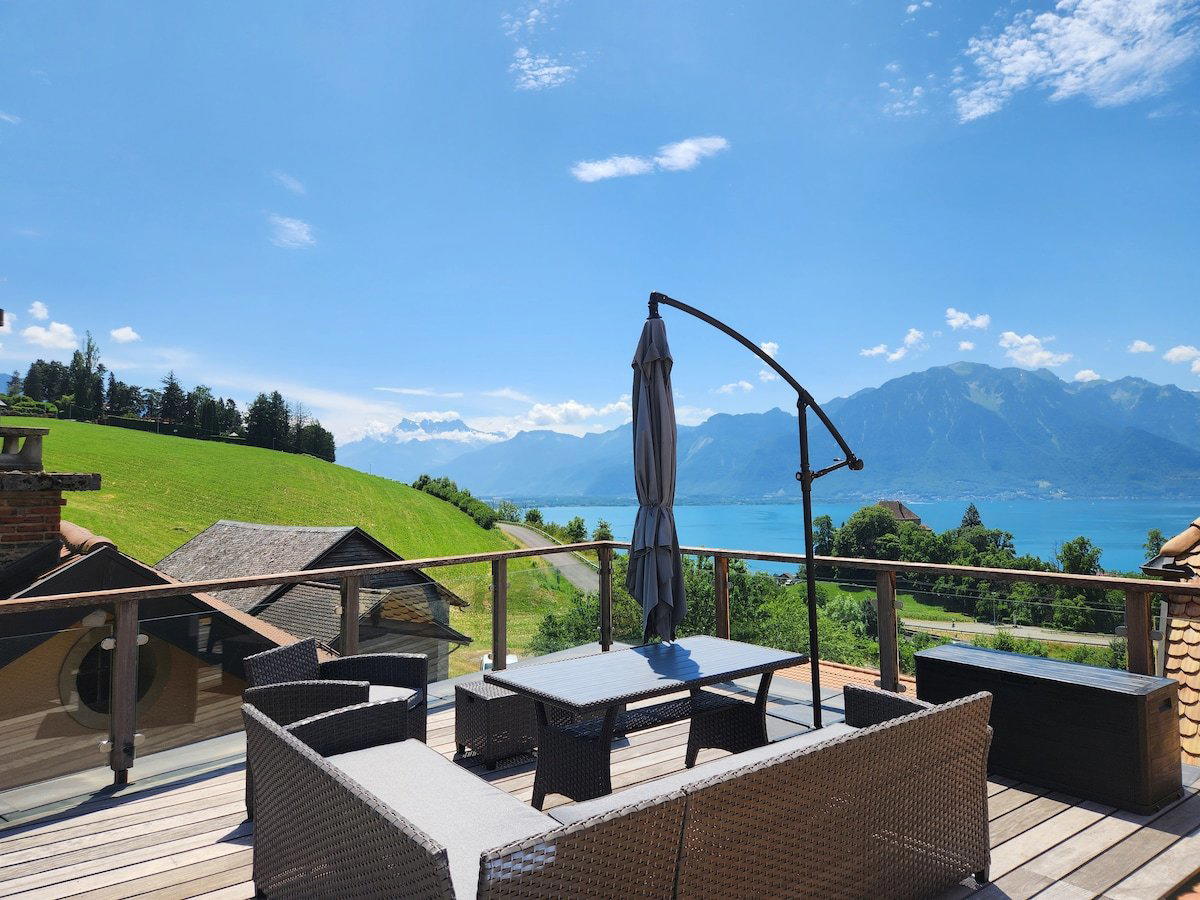
Marzilibrücke pairs Swiss Fondue & European Bistro cooking with a casual, leisurely setup, plus garden and waterfront views, for brunch, lunch, or dinner in Bern.
Pearl is the En Primeur Club membership app — saves, bookings, and concierge access live there. Same editors, same standards.
- Address
- Gasstrasse 8, 3005 Bern, Switzerland
- Phone
- +41313112780
- Website
- restaurant-marzilibruecke.ch
- Directions
- Get directions
 Saves & bookings on Pearl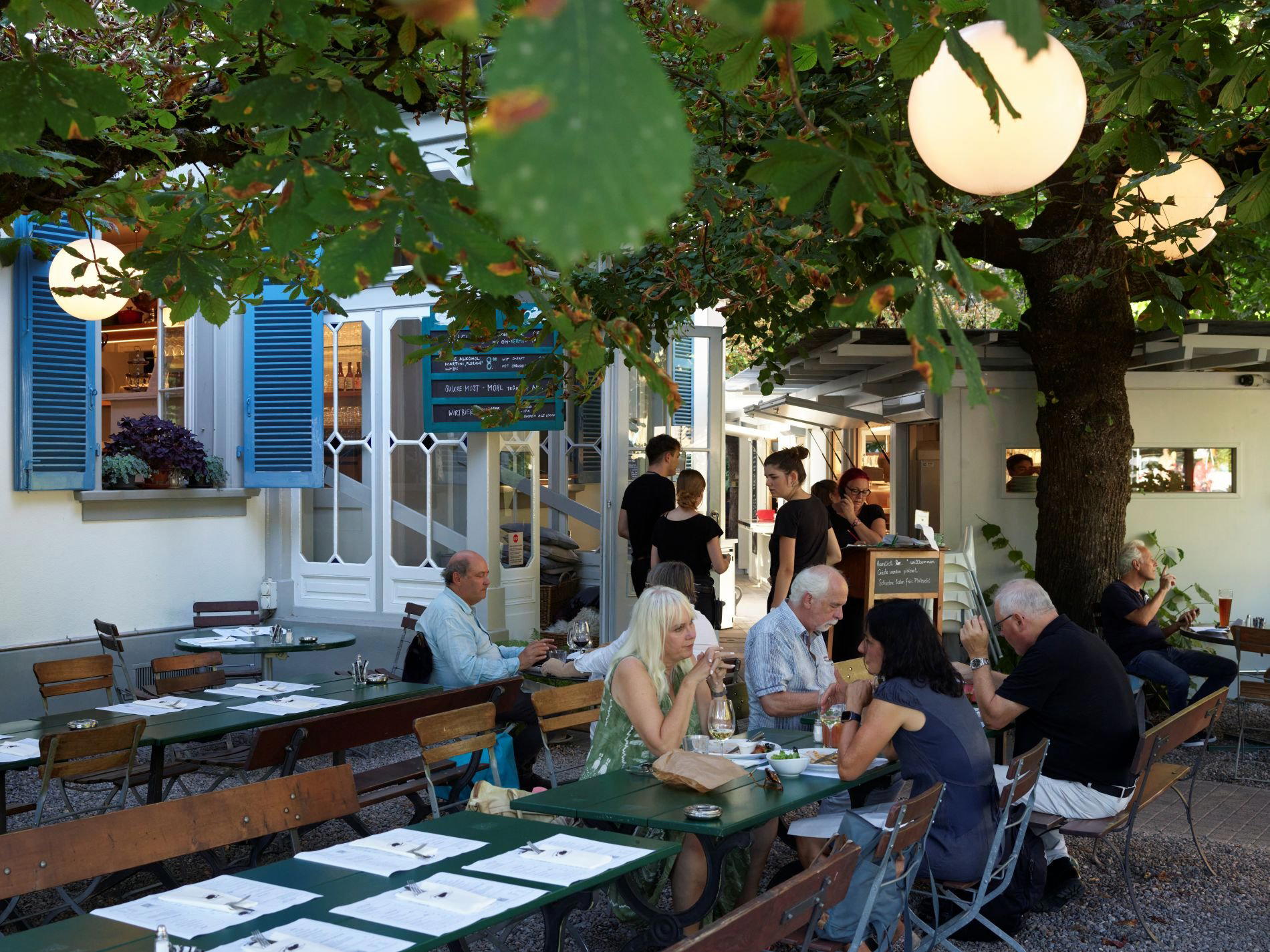
Where the Aare Bends: Dining at the Edge of Bern's Most Storied Riverbank
The Marzili quarter sits at the southern arc of the Aare's famous oxbow through Bern, a neighbourhood defined less by its address than by its posture toward the river. This is where the city exhales. The historic open-air baths draw swimmers from May through September, the current runs fast and cold from the alpine snowmelt upstream, and the buildings along Gasstrasse carry the modest, purposeful character that distinguishes working Bern from its more tourist-facing districts. Marzilibrücke occupies this particular corner of the city, at Gasstrasse 8, where the riverside and the residential grid meet without ceremony.
In Swiss dining, the division between formal gastronomy and neighbourhood institution has sharpened over the past decade. At one end of the spectrum sit properties like Hotel de Ville Crissier in Crissier and Schloss Schauenstein in Fürstenau, where tasting menus and controlled sourcing chains define the experience. At the other end, places embedded in specific urban ecologies serve a different function: they anchor a neighbourhood's daily rhythm rather than interrupt it with occasion dining. Marzilibrücke belongs to the latter tradition, positioned within a Bern dining scene that encompasses everything from the modern cuisine of Wein & Sein to the vegetarian-forward programming at ZOE.
The Sustainability Current Running Through Bern's Restaurant Scene
Switzerland's hospitality sector has engaged with questions of environmental accountability longer than most European markets, partly because alpine geography makes supply chain visibility harder to ignore. The distance from lowland agricultural zones, the reliance on seasonal produce windows, and the cultural weight given to regional provenance have combined to produce a restaurant culture where sourcing is often discussed openly rather than buried in marketing copy. Bern, as the federal capital, sits at the intersection of that alpine pragmatism and an internationally mobile dining public.
The broader shift visible across serious Swiss restaurants involves moving away from decorative sustainability gestures toward structural ones: menus calibrated around what is actually available regionally by week, waste streams treated as a design problem rather than an afterthought, and supplier relationships made transparent to guests who ask. This is the same current that runs through destination properties like focus ATELIER in Vitznau and Memories in Bad Ragaz, though applied at different price points and scales. The Marzili quarter, with its community-oriented identity and proximity to the river corridor, is a plausible setting for this kind of considered approach to place-based eating.
For context on how Bern's wider dining options map against these concerns, Al Toque and Azzurro – Terra e Mare each occupy distinct positions in the city's mid-to-upper tier, while the creative programming at Steinhalle signals how much room there is for format experimentation within Bern's compact but serious restaurant circuit.
A Neighbourhood That Sets Its Own Terms
The Marzili district operates on a different tempo than Bern's Altstadt. The medieval centre, with its arcaded Lauben and the Bear Park draw, functions as a public stage. Marzili is residential in grain, with the rhythm of a place where people actually live. The Marzilibrücke footbridge itself connects this neighbourhood to the Bundeshaus plateau and the city's administrative core, making the area something of a transit zone for Bern's working population during morning and evening hours.
This matters for how a restaurant in the area operates. Venues in residential quarters close to commuter corridors tend to serve a more local, repeat clientele than tourist-facing addresses. The dining calculation is different: consistency and value hold more weight than novelty, and the sustainability credentials that matter to this crowd are often practical ones, such as where the produce comes from, whether portions reflect honest pricing, and whether the kitchen's relationship with waste is visible rather than abstract. These are the pressures that produce genuinely rooted restaurants rather than concept-driven ones.
Across Switzerland, comparable neighbourhood dynamics have shaped some of the country's most interesting mid-tier dining. Einstein Gourmet in Sankt Gallen and Colonnade in Lucerne both demonstrate how Swiss cities outside Zurich and Geneva have developed serious dining without defaulting to the international hotel model. Bern's version of this is quieter, more federal in character, but no less considered.
Situating Marzilibrücke in the Bern Tier
Bern's restaurant market sits in a middle register by Swiss standards. What Bern offers instead is a restaurant culture calibrated for a city where the permanent population skews educated, internationally experienced, and moderately conservative in its spending. That profile tends to reward reliability over spectacle.
In international comparative terms, Bern's neighbourhood dining sits closer to the civic dining traditions of northern European capitals than to the high-volume, occasion-driven model common in larger cities. Venues like Le Bernardin in New York City or Atomix operate in ecosystems defined by media attention and international visitor traffic. Bern's equivalent addresses work without that infrastructure, which is partly what gives them their particular character. See our full Bern restaurants guide for a structured overview of how the city's dining tiers and neighbourhoods compare. The city's western counterpart in terms of gastronomy credentialing is Cheval Blanc by Peter Knogl in Basel, which demonstrates the ceiling of what Swiss fine dining achieves outside the major resort circuits.
Planning Your Visit
Marzilibrücke is located at Gasstrasse 8, 3005 Bern, in the Marzili quarter on the south bank of the Aare. The neighbourhood is walkable from Bern's main train station in approximately fifteen minutes on foot, or accessible by tram to the Marzili stop. The area is most animated during the warmer months, when the adjacent outdoor baths are in operation and the riverside paths carry considerable foot traffic from late morning onward. Visitors coming from out of the city for a specific dinner should verify current opening hours and availability directly with the venue, as the information was not available at time of publication. Given the residential character of the area and the likely local-heavy clientele, booking ahead is advisable for evening services, particularly Thursday through Saturday.
How Marzilibrücke Bern compares with similar nearby venues.
| Venue | Cuisine | Price |
|---|---|---|
| noumi | World Cuisine | €€€ |
| Casino Restaurant | Modern French | €€€ |
Continue exploring
More in Bern
Restaurants in Bern
Browse all →
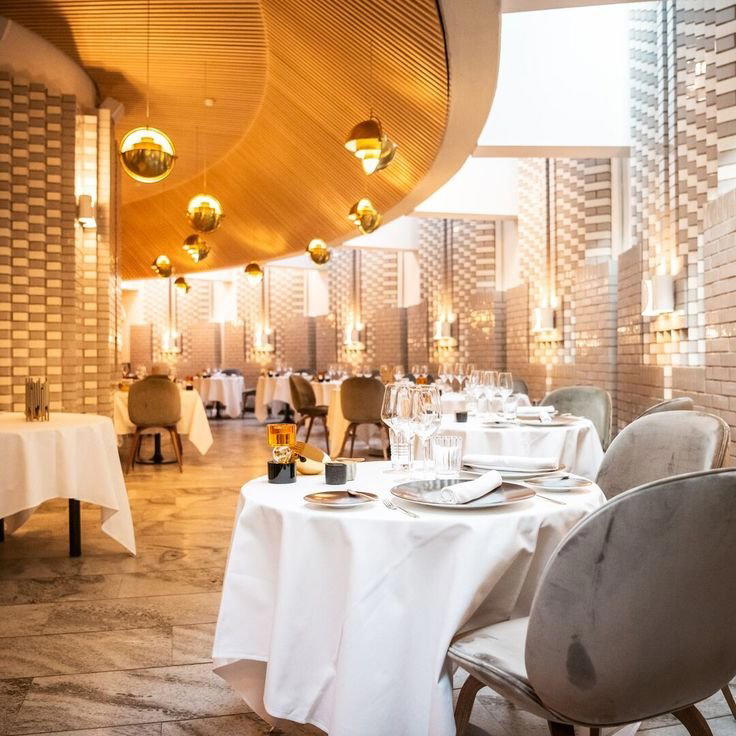
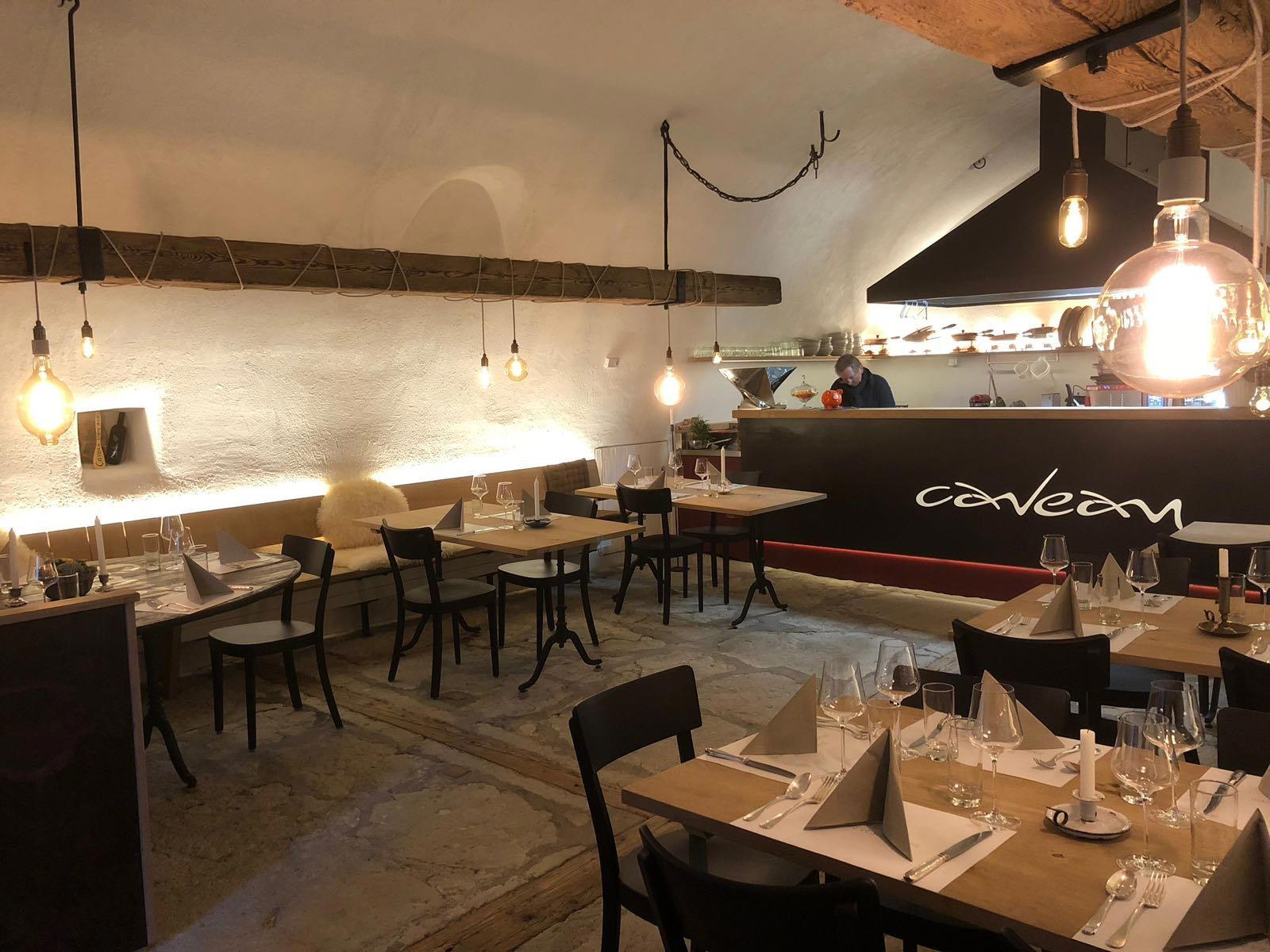
Bars in Bern
Browse all →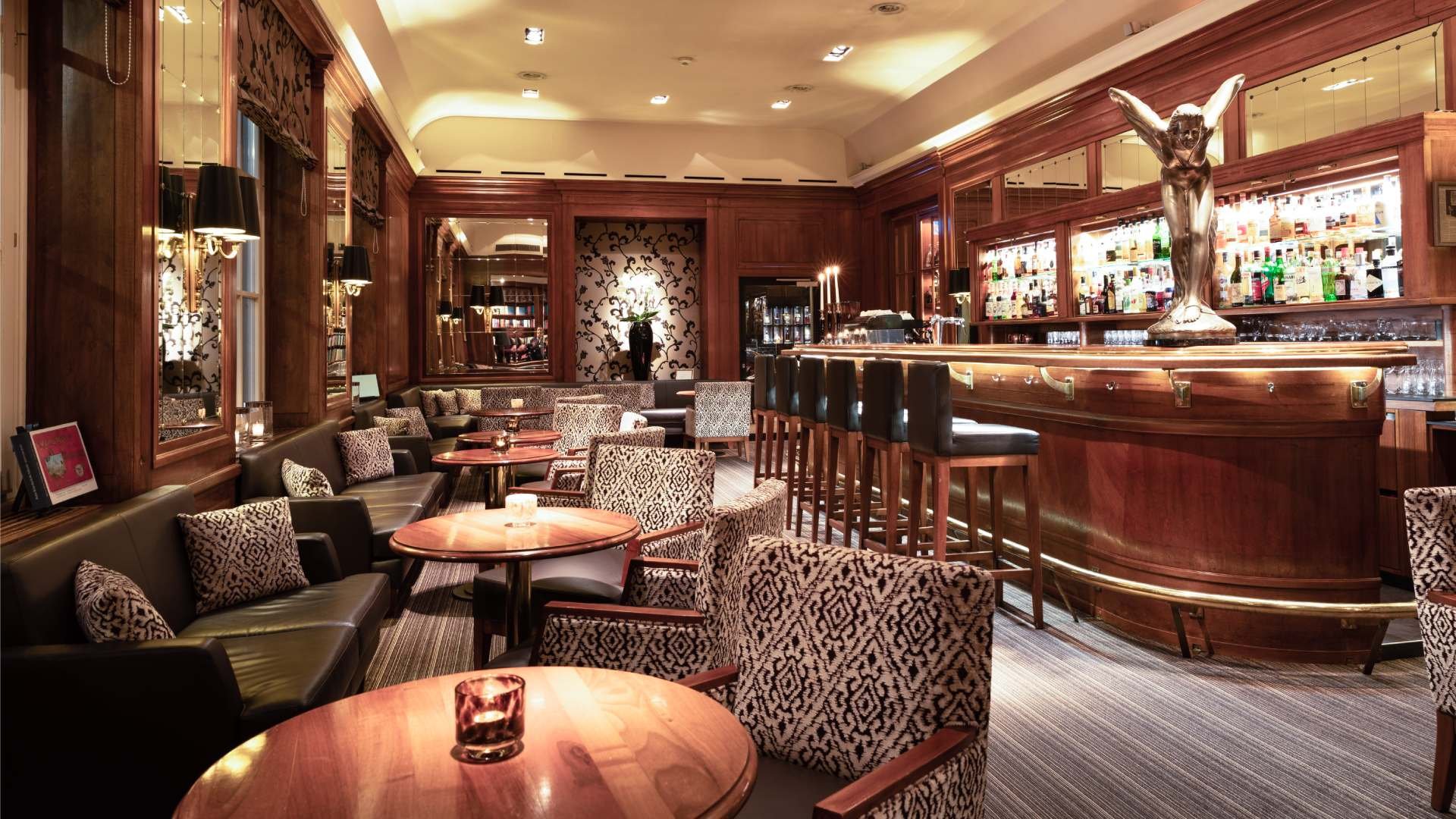
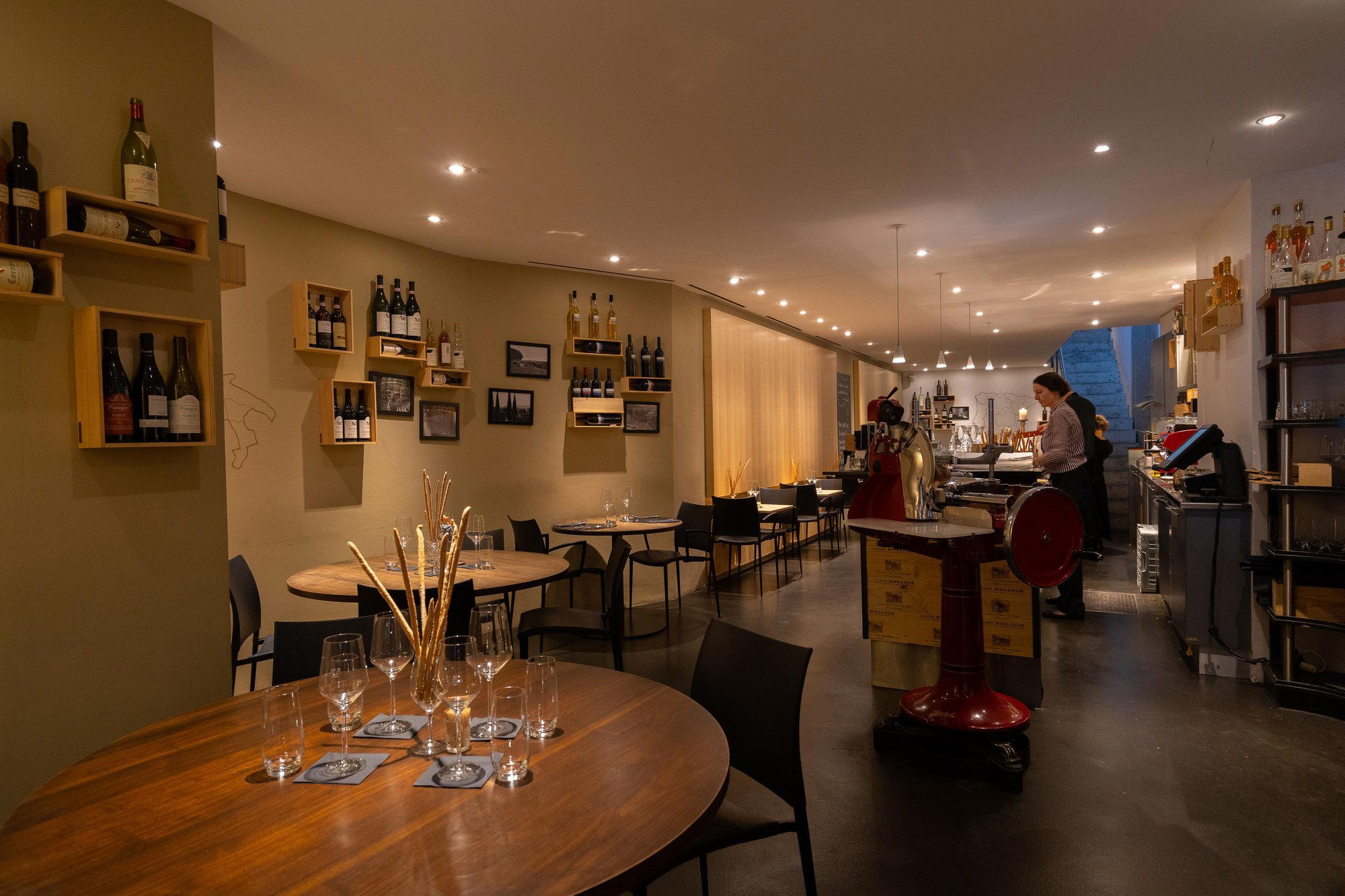
Hotels in Bern
Browse all →

At a Glance
- Cozy
- Scenic
- Rustic
- Brunch
- Family
- Celebration
- Garden
- Terrace
- Waterfront
- Garden
Current opening hours
- Monday
- 11:30 AM–11:30 PM
- Tuesday
- 11:30 AM–11:30 PM
- Wednesday
- 11:30 AM–11:30 PM
- Thursday
- 11:30 AM–11:30 PM
- Friday
- 11:30 AM–11:30 PM
- Saturday
- 12–11:30 PM
- Sunday
- 10 AM–10:30 PM
Hours can change for holidays and private events. Last verified .
Cozy light-filled eatery with a lush garden by the river providing a scenic and relaxed atmosphere.