L'OURS



1 Michelin Star · Falstaff Restaurant - 94 Falstaff Points · Relais Chateaux Award
Our verdict
L'OURS holds a Michelin star at the Hostellerie du Pas de l'Ours in Crans-Montana, where chef Franck Reynaud runs a five-to-eight course discovery menu grounded in seasonal ingredients and classical technique. Wood, stone, and a well-curated Valais wine list define the room's register. At the €€€€ price tier, it sits at the top of the resort's fine dining bracket.

Pearl is the En Primeur Club membership app — saves, bookings, and concierge access live there. Same editors, same standards.
- Address
- Rue du Pas-de-l'Ours 41, 3963 Crans-Montana, Switzerland
- Phone
- +41 27 485 93 33
- Hours
- Mon ClosedTue–Fri 7–9 PMSat 12–1:30 PM, 7–9 PMSun Closed
- Website
- pasdelours.ch
- Directions
- Get directions
- Booking
- Book on the venue's website
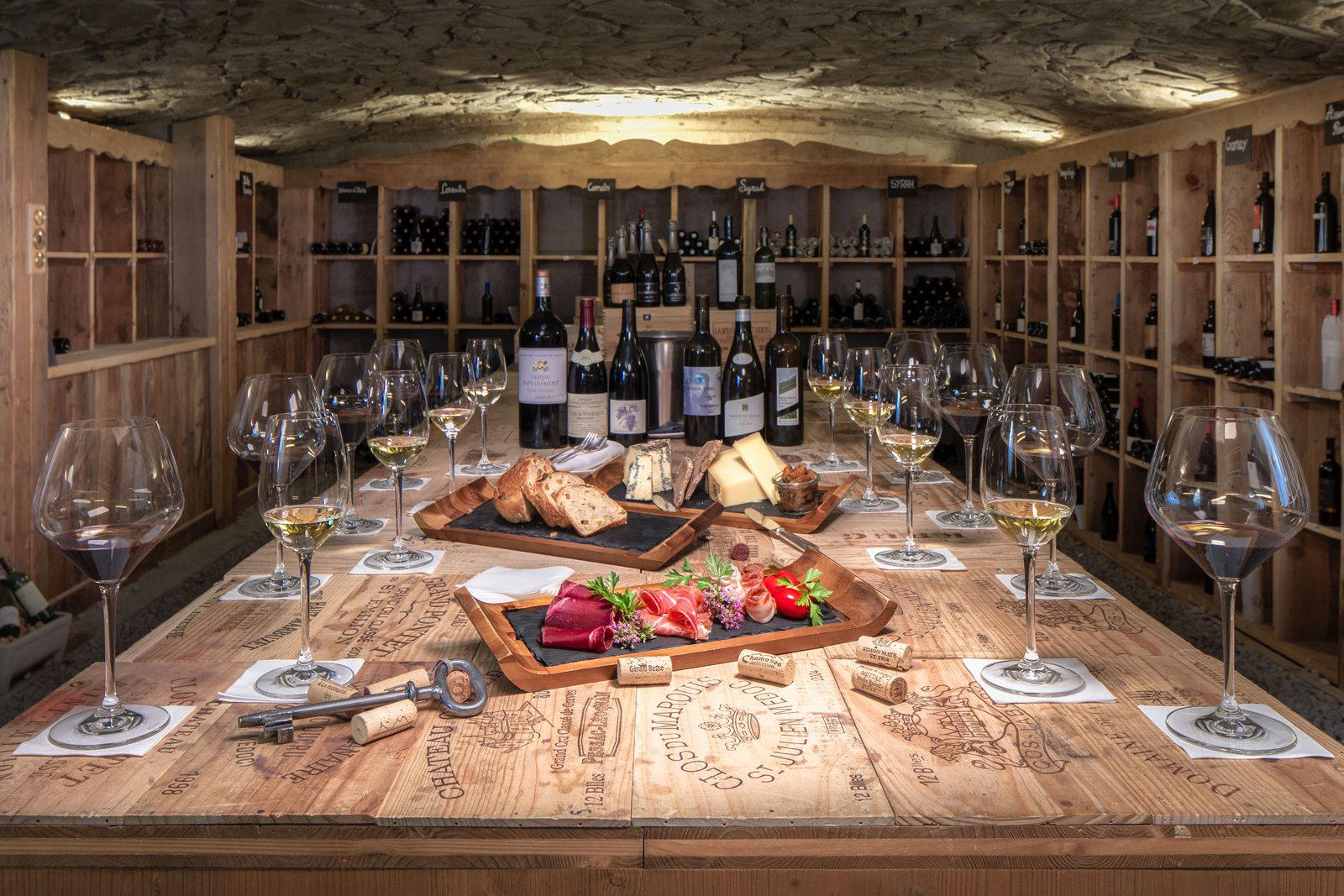
Where Alpine Architecture and Seasonal Cooking Converge
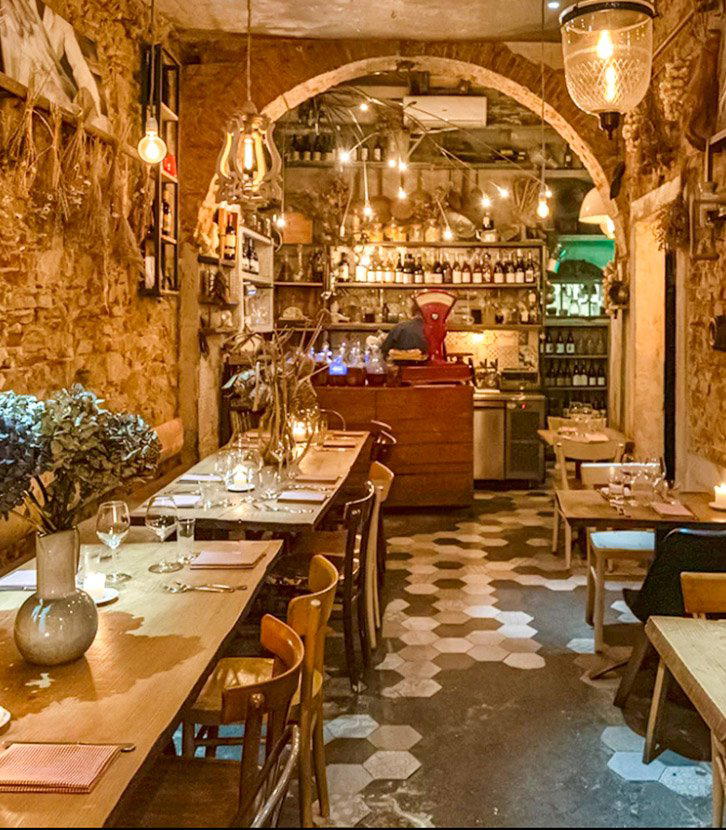
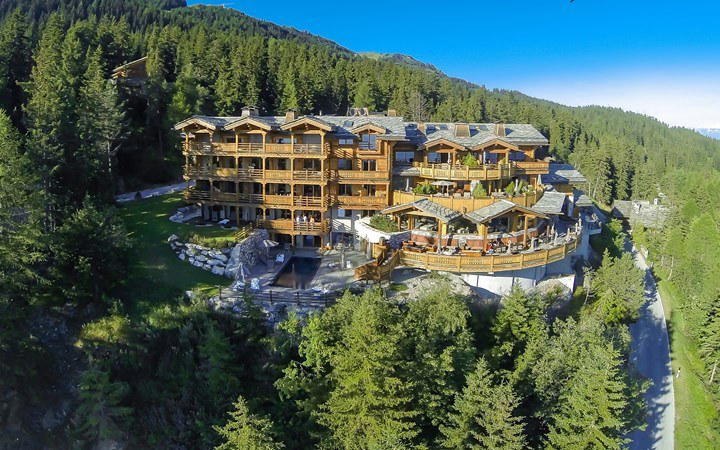
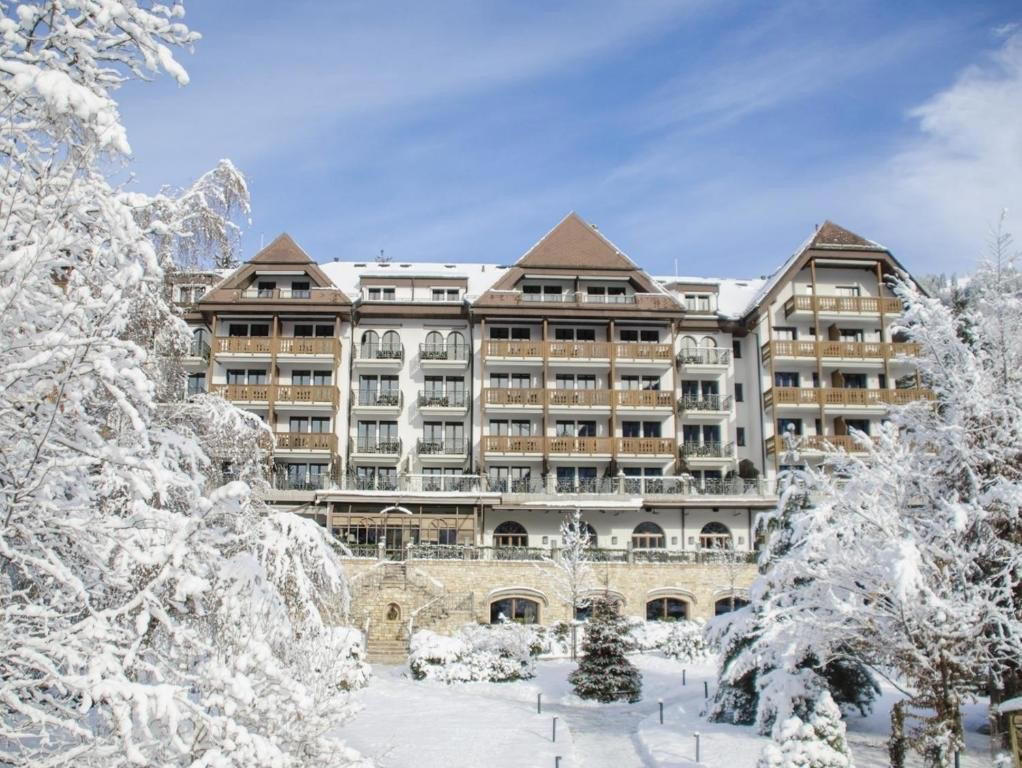
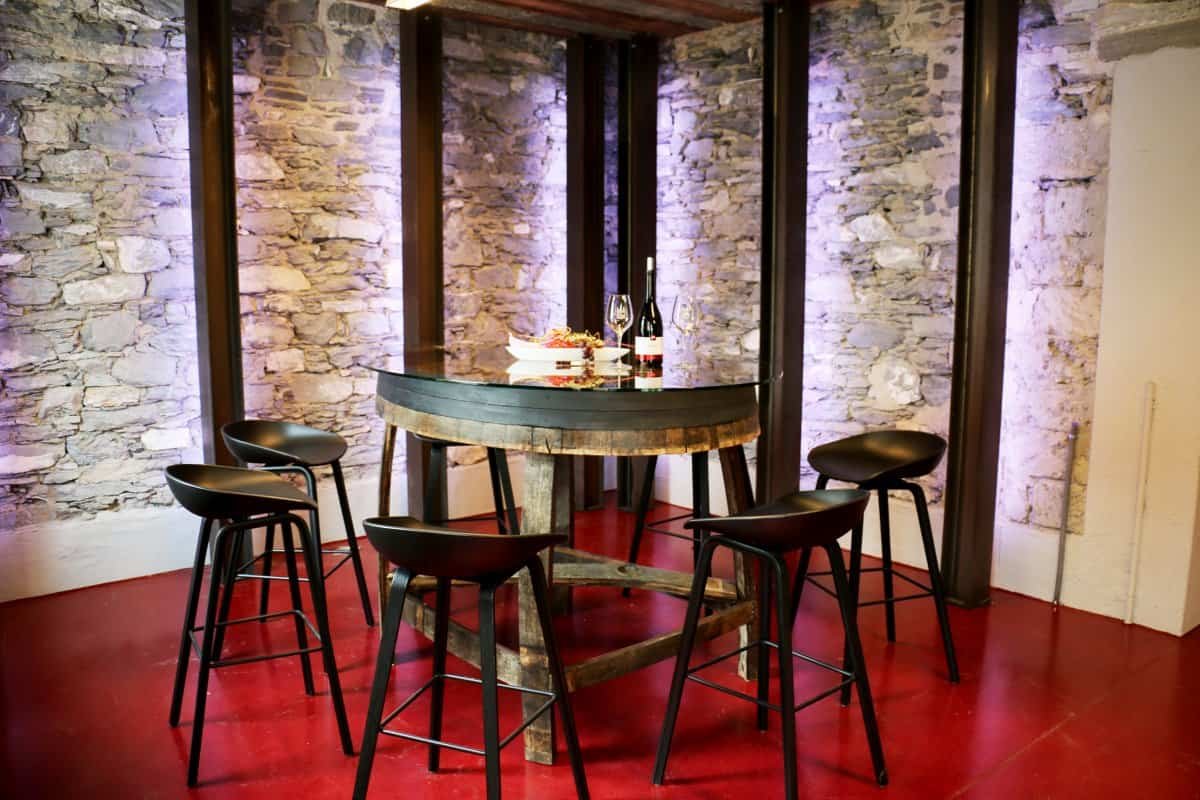
Walk into L'OURS on a winter evening and the room does most of the argumentative work before a dish arrives. Wood and stone surfaces absorb the candlelight in a way that feels less like decoration and more like a considered material choice about what Alpine dining should feel like in 2024. This is not the whitewashed minimalism that spread through European fine dining after Noma's influence peaked; it is a warmer, more rooted register that anchors the room to its geography in the Valais highlands, some 1,500 metres above the Rhône Valley. The Hostellerie du Pas de l'Ours, the property that houses the restaurant, amplifies that tone: it is the kind of mountain inn that has absorbed decades of use and come out more characterful for it, and the restaurant draws from the same aesthetic logic.
Crans-Montana's fine dining tier is smaller and more specialised than many visitors expect. The resort handles significant international traffic across both ski and golf seasons, which has historically produced a reliable market for mid-range and brasserie-format dining. L'OURS, alongside LeMontBlanc at the same €€€€ price point, occupies a narrower upper tier where Michelin recognition functions as a sorting mechanism. Both carry a single star; both serve multi-course formats. The comparison is instructive: where LeMontBlanc operates within a Modern French frame, L'OURS positions itself under the broader category of Modern Cuisine, which in practice gives chef Franck Reynaud more room to move between classical French technique and Alpine regional materials without the genre requiring him to stay inside a national idiom.
The Cultural Architecture of Mountain Fine Dining
To understand what L'OURS is doing, it helps to understand what the Valais has always been as a culinary region. The canton sits at the intersection of French-speaking Switzerland, Italian influence coming through the southern passes, and a German-speaking east; its food culture reflects that triangulation. The cheeses are firm and high-fat from altitude grazing. The wines, grown on steep south-facing terraces between Martigny and Sierre, produce some of Switzerland's most structured whites and a Pinot Noir tradition that deserves more attention outside the country. Raclette and dried meats from the Val d'Anniviers built the region's gastronomy long before any ski lift was installed.
Modern Alpine cooking at the starred level does not abandon that inheritance so much as it complicates it. The classical-with-a-modern-twist formulation that Michelin's own language applies to Reynaud's approach captures the tension that defines the better mountain restaurants across Switzerland and Austria: respect for the seasonal and the local, combined with a technical vocabulary that owes something to classical French training. At L'OURS, the discovery menu runs from five to eight courses, a format that allows the kitchen to sequence ingredients according to seasonal availability rather than fixing the offer across months. In a region where the gap between the ski season (December to April) and the golf and hiking season (June to October) produces genuinely different larders, that flexibility is operationally sensible as well as editorially coherent.
The Valais wine list is one of the room's more important details. Swiss wine rarely appears on international fine dining lists in meaningful depth, in part because export volumes are low and in part because Swiss wine culture has historically been protective of its domestic consumption. A list that treats Valais wine as a serious pairing partner rather than a token regional gesture signals that the kitchen and the sommelier are working from the same cultural premise. For a visitor arriving from a market where Valais Fendant or Humagne Rouge is unknown, the wine list functions as an education as well as a pairing service. For the region's regular guests, it is a point of pride.
L'OURS in Crans-Montana's Dining Ecosystem
The resort's other options map a clear price-to-format spectrum that helps locate L'OURS within its competitive context. Le Partage and FIVE operate at €€€ with French Contemporary and Lebanese formats respectively, providing a middle tier with more informal structures and broader menu flexibility. Edo at €€ covers the Japanese segment at a lower price point. Le Bistrot des Ours, the same property's companion dining room, handles Traditional Cuisine at €€€ for guests who want the hostellerie's atmosphere without the discovery menu's structure or price. That architecture is deliberate: the Hostellerie du Pas de l'Ours essentially offers two hospitality formats under one roof, segmenting the market vertically rather than asking every guest to commit to a full tasting menu experience.
Within Switzerland, the reference points for this kind of Alpine fine dining include properties like Schloss Schauenstein in Fürstenau, Memories in Bad Ragaz, and 7132 Silver in Vals, each of which has developed a significant destination dining identity tied to a specific landscape and an architectural setting. Hotel de Ville Crissier in Crissier and Cheval Blanc by Peter Knogl in Basel occupy the upper end of that national tier. The constellation makes Swiss fine dining a more varied and geographically distributed proposition than its lower international profile might suggest. Colonnade in Lucerne adds a further urban counterpoint. For international reference, the modern cuisine category at this level draws comparison with destination restaurants like Frantzén in Stockholm or its international extension FZN by Björn Frantzén in Dubai, both of which demonstrate how the modern cuisine format travels across contexts while retaining a kitchen identity.
Reading the Room: Service, Format, and What the Star Signals
The 2024 Michelin recognition confirms what the format already implies: this kitchen is operating with sufficient consistency and ambition to warrant serious attention. A single star in Switzerland is not a courtesy award; Switzerland's Michelin guide maintains high thresholds relative to the number of entries, and the inspectors' language around Reynaud's kitchen specifically notes the quality of ingredients and the seasonal commitment as primary factors, alongside the front-of-house team's polish. That last detail matters. Alpine resort restaurants can suffer from seasonal staff churn, which tends to compress service coherence over the course of a long winter season. A specifically noted front-of-house capability is a data point worth holding.
The discovery menu format, running five to eight courses at the guest's selection, means the kitchen is not operating on a single fixed script. The variable length gives the table some agency and allows the restaurant to calibrate the experience to the occasion, whether a business dinner that needs to land within two hours or a weekend meal that can extend across the evening. The service window is tight: lunch from noon to 1:45 PM and dinner from 7 PM to 9 PM daily, which means the kitchen is running two short, high-concentration services rather than a long restaurant-style window. That structure suits the discovery format and keeps the kitchen's output focused.
Planning Your Visit
L'OURS operates at Rue du Pas-de-l'Ours 41 in Crans-Montana, within the Hostellerie du Pas de l'Ours. The restaurant is open seven days a week across both lunch and dinner services, which is less common at this price tier and suggests the property's hotel operation provides sufficient demand to sustain daily covers. Guests staying at the hostellerie have the obvious advantage of proximity, but the restaurant draws diners from across the resort, particularly during peak ski and summer seasons. Given the tight service windows and the restaurant's Michelin profile, advance booking is advisable, especially for dinner during December to March and the summer months of July and August. For the wider context of where L'OURS sits among Crans-Montana's dining options, the full Crans-Montana restaurants guide covers the resort's full range. Travellers combining the meal with a stay should consult the Crans-Montana hotels guide, and those looking to extend their time in the resort can find further context in the bars guide, wineries guide, and experiences guide.
Frequently asked questions
What kind of setting is L'OURS?
L'OURS occupies the fine dining room of the Hostellerie du Pas de l'Ours at Rue du Pas-de-l'Ours 41 in Crans-Montana. The interior relies on wood and stone throughout, grounding the room in an Alpine register without retreating into rustic cliché. The Michelin guide singles out the fixtures and fittings as high-quality, and the hotel offers overnight stays for those who want to extend the evening.
Where is L'OURS in Crans-Montana?
L'OURS is located at Rue du Pas-de-l'Ours 41, 3963 Crans-Montana, Switzerland, Crans-Montana.
What distinctions does L'OURS have?
L'OURS has received recognition including: HIGHLIGHTS: • 1 MICHELIN STAR 2024 • CREATIVE COOKING; A modern, stylish vibe, depicted by high-quality fixtures and fittings and a profusion of wood and stone, sets the Alpine scene. The quality of the ingredients is equally superlative an….
What's the signature dish at L'OURS?
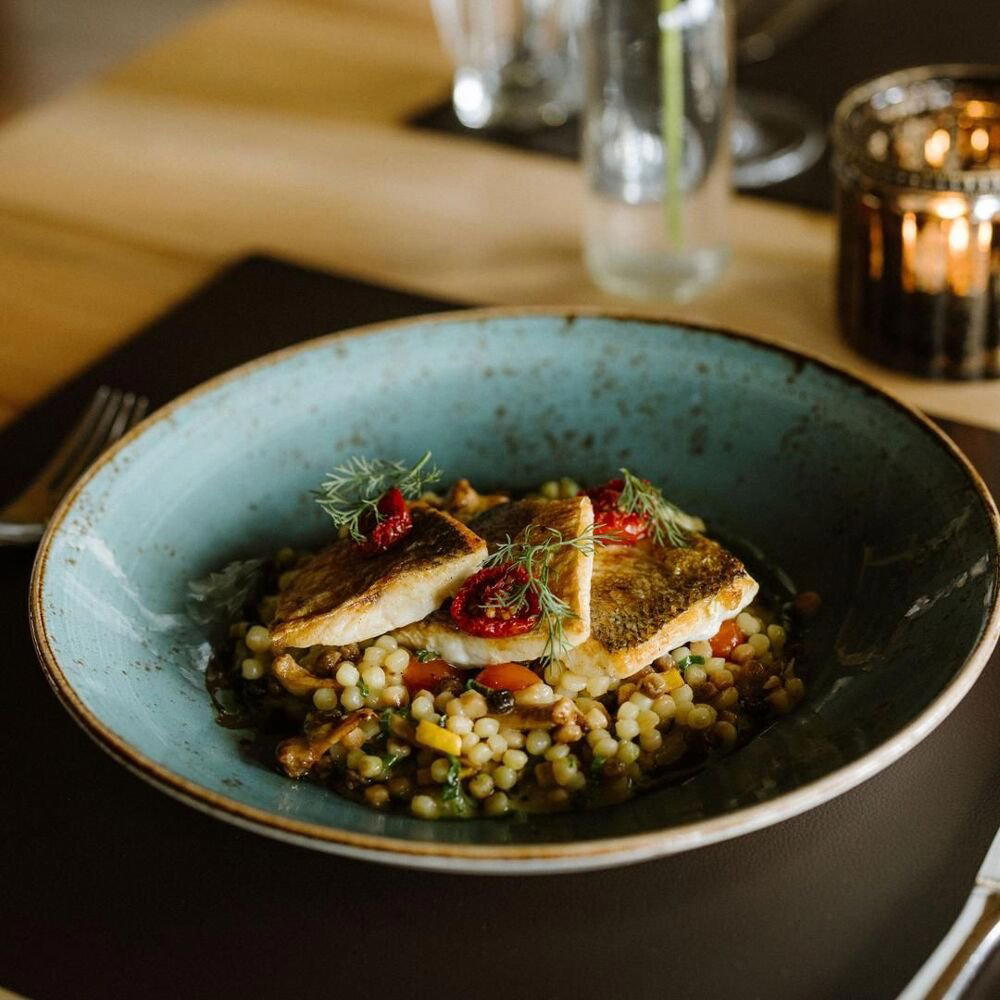
The Michelin citation notes classical recipes with a modern inflection and describes the ingredient sourcing as superlative. The wine list draws heavily from the Valais, the canton that surrounds Crans-Montana.
How much does it cost to eat at L'OURS?
Pricing at L'OURS is listed as €€€€.
What It’s Closest To
| Venue | Cuisine | Price | Awards | Notes |
|---|---|---|---|---|
| L'OURSThis venue — the venue you are viewing | Modern French Fine Dining | Not listed | 1 Michelin Star · Falstaff Restaurant - 94 Falstaff Points | Not listed |
| LeMontBlanc | Modern French Fine Dining with Swiss Influences | $150–200 | 1 Michelin Star | Modern French |
| Edo | Authentic Japanese | $50–100 | Michelin Bib Gourmand | Not listed |
| Le Partage | Modern European Fine Dining | $200–300 | Michelin Plate · Relais Chateaux Award | Not listed |
| FIVE | Modern Levantine Mediterranean | Not listed | Michelin Plate | Not listed |
| Le Bistrot des Ours | French-Swiss Alpine Bistro | $50–100 | Michelin Plate · Relais Chateaux Award | Not listed |
Recognition history
Dated appearances from independent guides and award organizations, with the underlying list record or original source where available.
Michelin 1 Star
Michelin
Falstaff Restaurant - 94 Falstaff Points
Falstaff
Relais Chateaux Award
Relais Chateaux
Full recognition history (4 entries)
Michelin 1 Star
Michelin
Continue exploring
More in Crans-Montana
More from Chef Franck Reynaud
Browse all →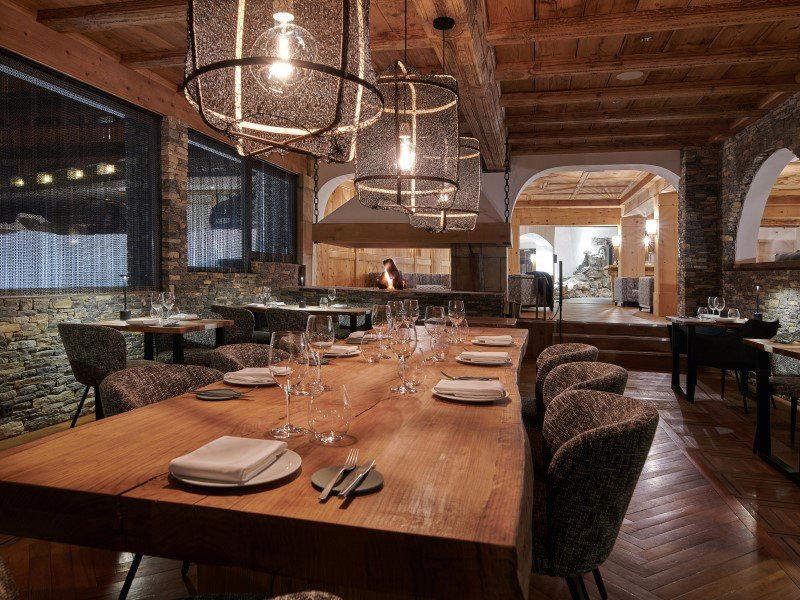
Restaurants in Crans-Montana
Browse all →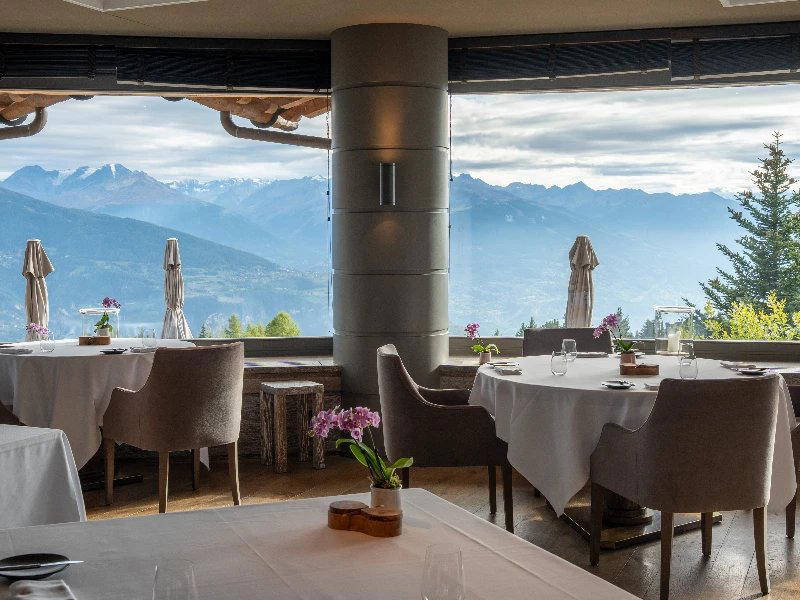
Bars in Crans-Montana
Browse all →
Hotels in Crans-Montana
Browse all →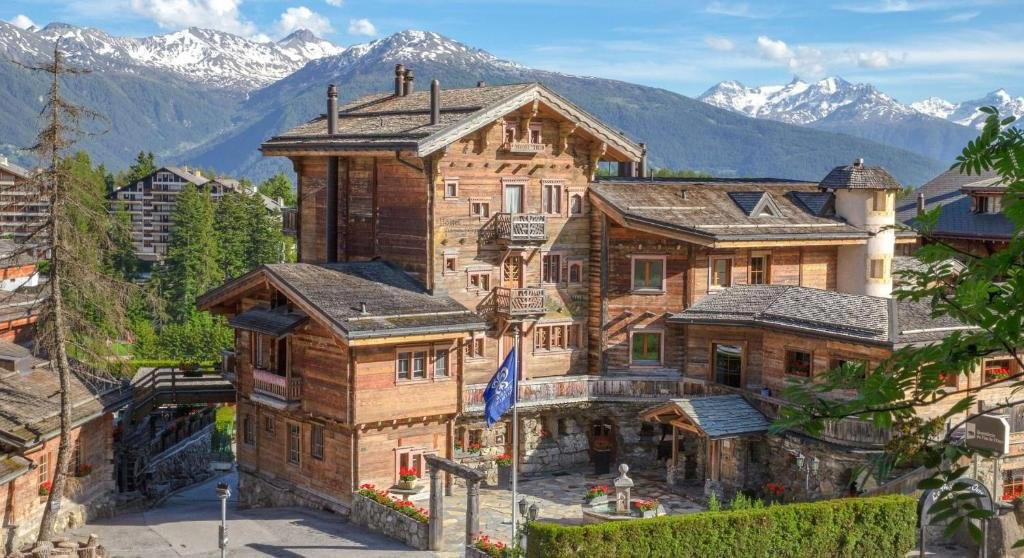
Details
- Elegant
- Sophisticated
- Cozy
- Modern
- Scenic
- Date Night
- Special Occasion
- Hotel Restaurant
- Panoramic View
- Extensive Wine List
- Sommelier Led
- Local Sourcing
- Mountain
- Tasting Menu
Current opening hours
- Monday
- Closed
- Tuesday
- 7–9 PM
- Wednesday
- 7–9 PM
- Thursday
- 7–9 PM
- Friday
- 7–9 PM
- Saturday
- 12–1:30 PM, 7–9 PM
- Sunday
- Closed
Hours can change for holidays and private events. Last verified .
Modern stylish vibe with high-quality wood and stone fixtures creating a cozy yet elegant Alpine atmosphere.