Restaurant Le K

Relais Chateaux Award
Our verdict
Restaurant Le K occupies a quietly residential stretch of the Route des Pinchinats, east of Aix-en-Provence's centre, where the Provençal dining scene thins out beyond the tourist-facing terraces. The address alone signals a local rather than visitor-oriented operation. For a city whose restaurant culture spans Michelin-decorated creative kitchens to neighbourhood bistros, Le K positions itself at a remove from both extremes.

Pearl is the En Primeur Club membership app, where members save venues, book tables and use the concierge.
Dining Outside the Centre: What the Route des Pinchinats Address Tells You
Aix-en-Provence's restaurant geography divides along a familiar fault line. The cours Mirabeau and the streets immediately behind it concentrate the visitor-facing trade: terrace bistros, tourist menus, and a handful of ambitious kitchens that know they are being watched. Further out, along routes like the Pinchinats, the dynamic shifts. Restaurants that operate here are, by default, directing themselves toward a local clientele that drives rather than wanders, and that returns rather than passing through once. Restaurant Le K, at 3959 Route des Pinchinats, belongs to that second category. Its address is, in itself, an editorial statement about who the kitchen expects to be cooking for.
That context matters when you are reading the Aix scene as a whole. The city sits within a broader southern French dining tradition that runs from neighbourhood Provençal cooking at around €€ to high-concept creative menus at €€€€, represented locally by names like Pierre Reboul and Le Art, both operating in the upper tier with formal structures and tasting-menu formats. Le K, on current available data, occupies a different position in the city's dining map, one that is not anchored to the competitive set of trophy kitchens and not competing on the same terms as the cours Mirabeau terrace trade.
The Lunch and Dinner Divide in Provençal Dining
Across southern France, and particularly in cities like Aix, the difference between lunch and dinner service is structural rather than cosmetic. The midday meal here remains culturally weighted in a way that has largely disappeared from northern European cities. Tables fill with professionals on formule, locals who treat the two-hour lunch as a given rather than an occasion, and visitors who have learned that the same kitchen often delivers better value and more relaxed pacing at noon than at eight in the evening.
By evening, the same addresses frequently shift register: the room tightens, the menu extends, the bill climbs, and the expectation of ceremony enters. For properties like Château de la Pioline or the more traditional rooms in the old quarter such as Côté Cour, dinner is the primary event. For a restaurant on the Pinchinats, sitting at a remove from the evening foot traffic of the centre, the lunch service is likely where the kitchen builds its local reputation and its regulars.
This lunch-first dynamic is not unique to Aix. It defines much of provincial France's serious restaurant culture, where the midday table is where a chef proves consistency and the evening is reserved for larger ambition. At institutions like Auberge de l'Ill in Alsace or Bras in the Aubrac, the lunch format has historically been where the kitchen's relationship with its regional identity is most clearly expressed. The same principle applies at the neighbourhood level.
Where Le K Sits in Aix's Broader Restaurant Picture
Aix-en-Provence is not a dining city in the way Marseille is. Marseille, thirty minutes south by road, has a port-driven ingredient culture and a rough energy that produces restaurants like AM par Alexandre Mazzia, where the cooking is high-technical and globally referenced. Aix is more interior, more bourgeois, more conservative in its dining tastes. The city's serious restaurants tend toward French classical foundations with Provençal inflection rather than the boundary-pushing formats you find at, say, Mirazur in Menton or the architectural precision of Alléno Paris au Pavillon Ledoyen.
Within that context, a restaurant on the Route des Pinchinats is positioning itself for the Aix local: someone who wants cooking that respects the regional tradition, sourcing that connects to Provence's market culture, and a room that does not perform for tourists. That is a legitimate and durable market position in a city where visitor pressure on the centre is significant. Comparable addresses across the city that serve similar functions include BACK to BAC, which also operates slightly outside the main tourist corridor.
Approaching the Restaurant: Planning a Visit
Route des Pinchinats runs northeast from the city centre, through a quieter residential and semi-rural zone. Reaching Le K requires either a car or a specific journey rather than a spontaneous walk. That filtering effect is part of the address's logic: the clientele that arrives here has made a deliberate choice. For visitors staying in central Aix, the journey is short by car and entirely manageable, but it is worth treating this as a destination booking rather than a walk-in attempt. Given the absence of current online booking and contact data in public records, confirming a reservation directly with the restaurant before visiting is the practical route. The broader Aix dining scene, including options ranging from the neighbourhood to the formally decorated, is covered in depth in our full Aix-en-Provence restaurants guide.
For travellers using Aix as a base for wider regional dining, the southern French circuit includes the three-star benchmark of Flocons de Sel in Megève, the long-established prestige of Paul Bocuse in Collonges-au-Mont-d'Or, and newer technical ambitions at Assiette Champenoise in Reims or Au Crocodile in Strasbourg. Internationally, the format comparison extends to tightly controlled tasting counter experiences like Atomix in New York or the seafood precision of Le Bernardin, both of which represent what happens when a kitchen fully commits to a single register. Le K, at this stage of available data, sits at a different point on that spectrum: closer to the neighbourhood institution than the destination kitchen, closer to lunch regulars than the tasting-menu circuit.
The Troisgros group's evolution at Le Bois sans Feuilles in Ouches offers a useful reference for thinking about what it means for a serious French kitchen to operate at a remove from a city centre, building its identity on the terms of a local community rather than the gravitational pull of urban food media.
Frequently asked questions
What's the vibe at Restaurant Le K?
Le K sits on the Route des Pinchinats, northeast of the cours Mirabeau tourist corridor, which shapes its character significantly. The address signals a place drawing professional locals and deliberate visitors rather than passing trade. Expect a quieter, residential-zone atmosphere rather than the animated terrace scene of central Aix.
What part of town is Restaurant Le K in?
Restaurant Le K is located at 3959 Rte des Pinchinats, 13100 Aix-en-Provence, France, Aix-en-Provence.
Is Restaurant Le K worth the trip from central Aix-en-Provence?
Route des Pinchinats requires a car or a taxi from the city centre, which means Le K is a deliberate choice rather than a spontaneous stop. Restaurants at this kind of address in Aix tend to hold a loyal local clientele precisely because they aren't competing on foot traffic. If the locals are making the drive regularly, that is the relevant signal.
What should I order at Restaurant Le K?
Aix-en-Provence kitchens at this address type tend to draw on Provençal staples: seasonal vegetables, lamb from the Alpilles, and olive oil-led preparations. Checking directly with the restaurant before your visit is the most reliable approach.
Cuisine-First Comparison
Comparable venues nearby, for context on price, style, and recognition.
| Venue | Cuisine | Price | Awards | Notes |
|---|---|---|---|---|
| Restaurant Le KThis venue (the venue you are viewing) | Japanese-Provençal Fusion | Not listed | Relais Chateaux Award | Not listed |
| MITCH | Contemporary French | $50–100 | Not listed | Centre Ville |
| L'Opéra | French Bistronomic | $50–100 | Not listed | Centre Ville |
| O'père, Cuisine d'Amour | Bistronomique French Bistro | $30–50 | Not listed | St Mitre Les Granettes Pey Blanc |
| La méduse | Provençal Seasonal Bistro with Natural Wine Focus | $30–50 | Not listed | Centre Ville |
| BACK to BAC - Aix-en-Provence | Cocktail Bar with Tapas & Pizza | $30–50 | Not listed | Centre Ville |
Recognition history
Dated appearances from independent guides and award organizations, with the underlying list record or original source where available.
Relais Chateaux Award
Relais Chateaux
Continue exploring
More in Aix-en-Provence
Restaurants in Aix-en-Provence
All restaurants in Aix-en-Provence →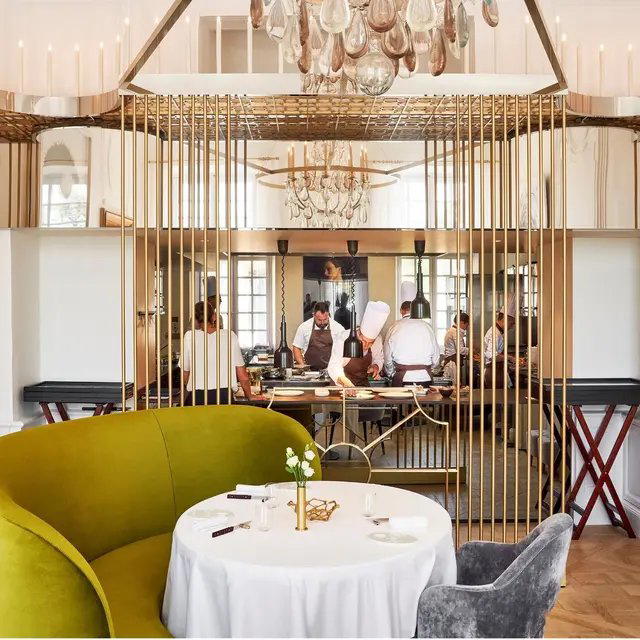
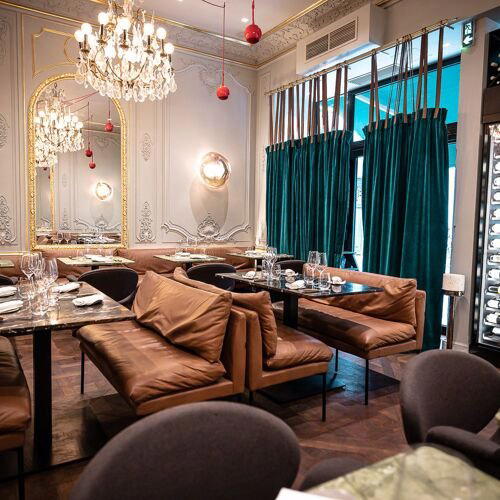
Bars in Aix-en-Provence
All bars in Aix-en-Provence →

Details
- Intimate
- Cozy
- Elegant
- Sophisticated
- Date Night
- Special Occasion
- Terrace
- Open Kitchen
- Extensive Wine List
- Local Sourcing
- Garden
- A La Carte
- Small Plates
Current opening hours
- Monday
- Closed
- Tuesday
- 12–2 PM, 7–9:30 PM
- Wednesday
- 12–2 PM, 7–9:30 PM
- Thursday
- 12–2 PM, 7–9:30 PM
- Friday
- 12–2 PM, 7–9:30 PM
- Saturday
- 12–2 PM, 7–9:30 PM
- Sunday
- Closed
Hours can change for holidays and private events. Hours as of .
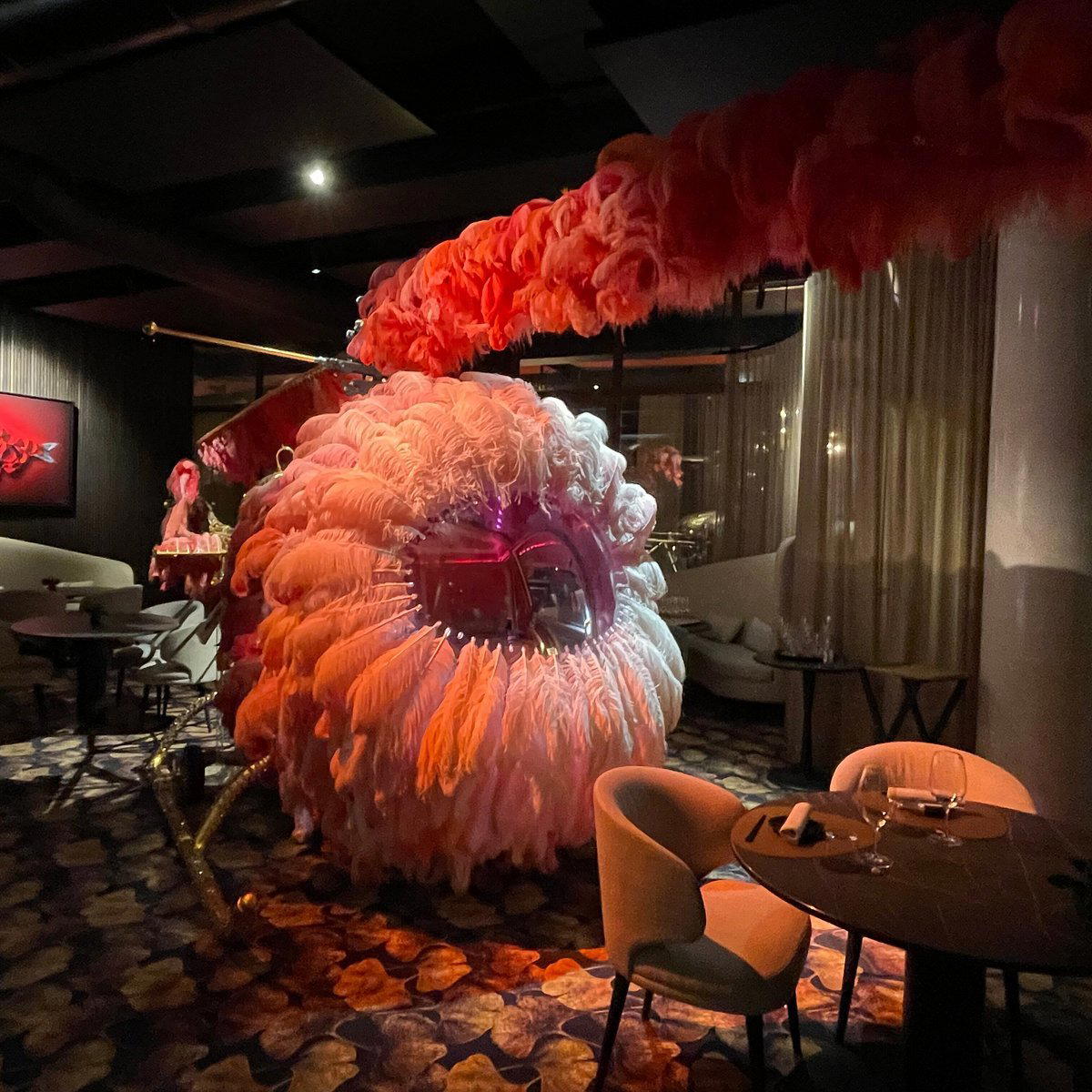
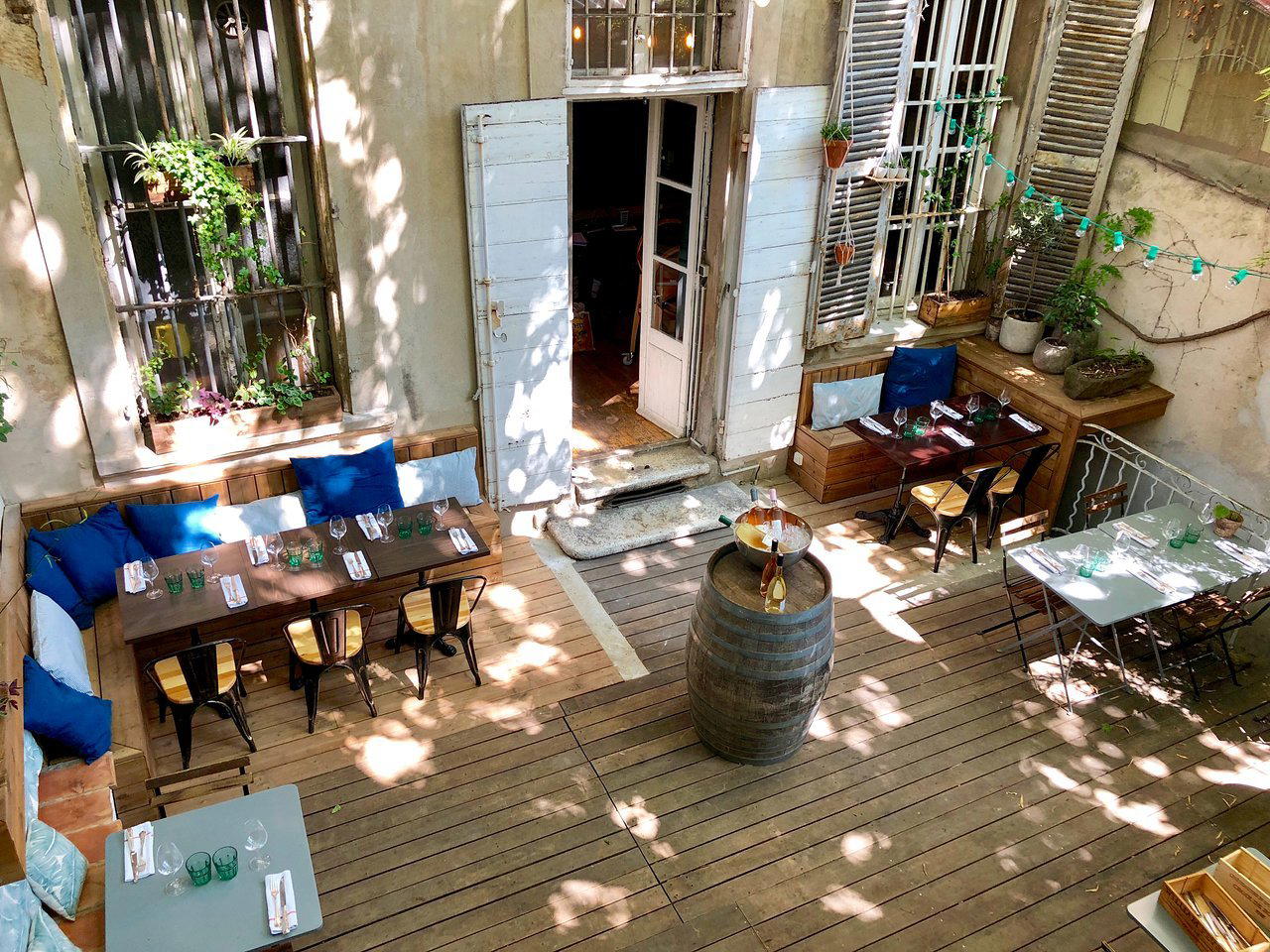
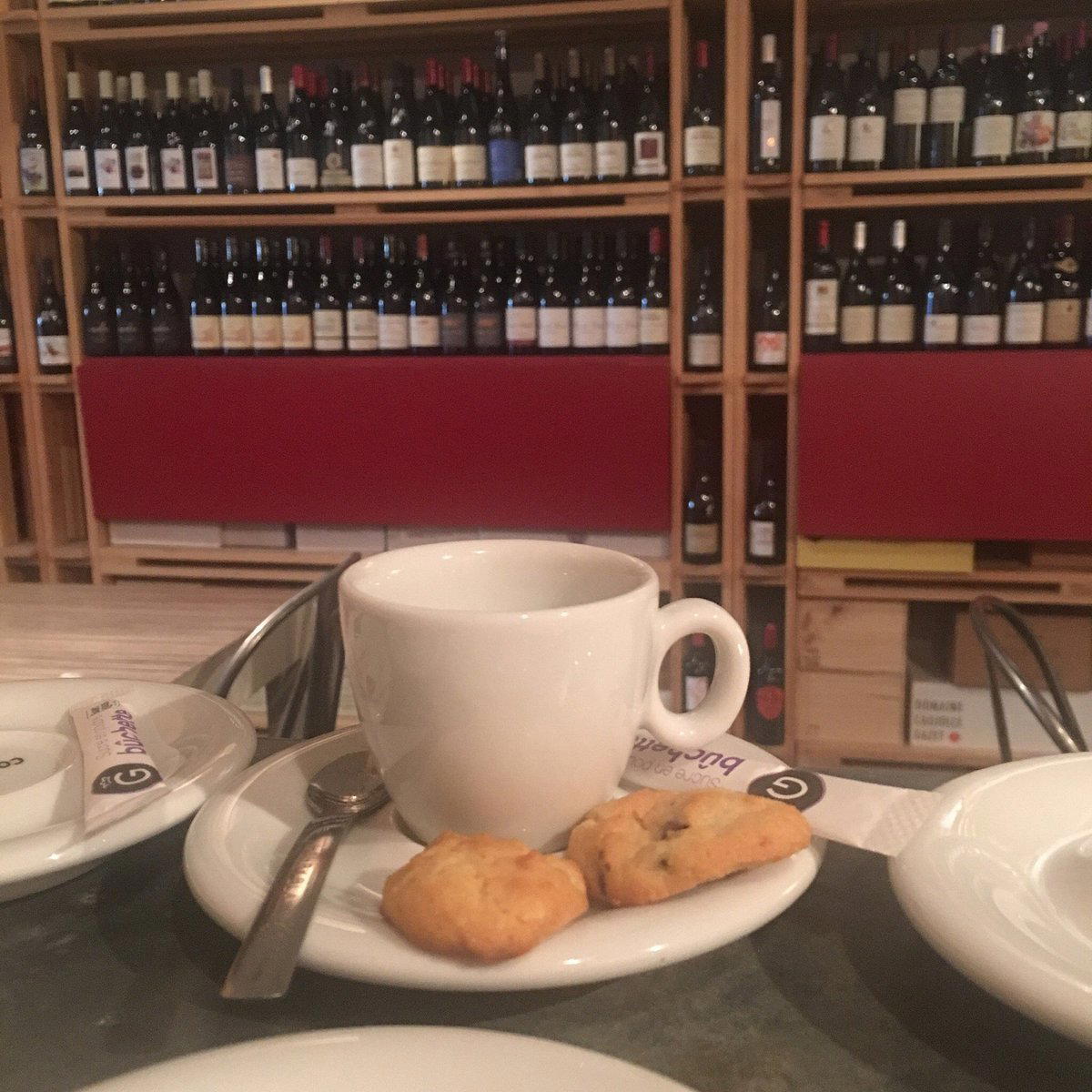
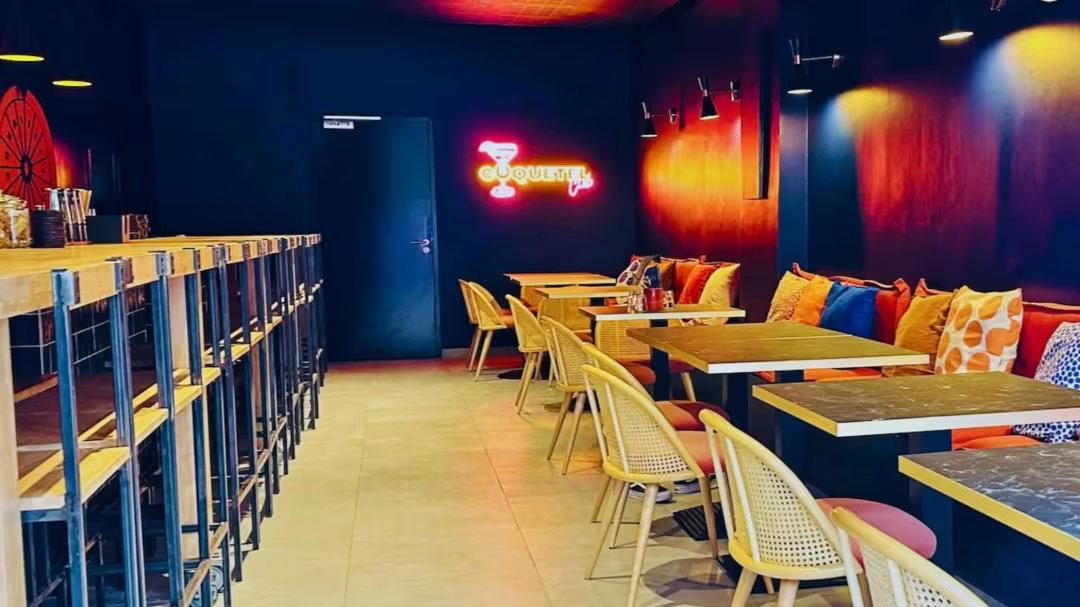
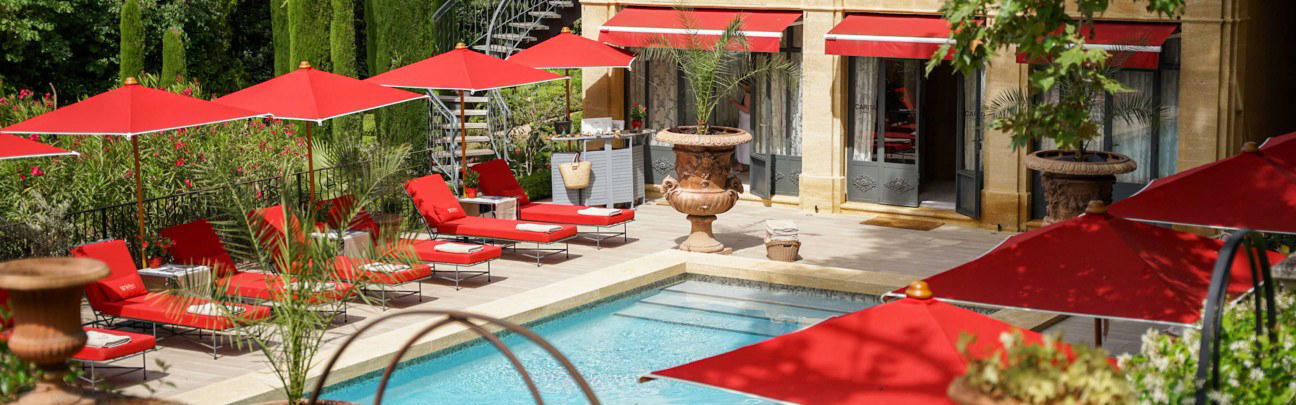
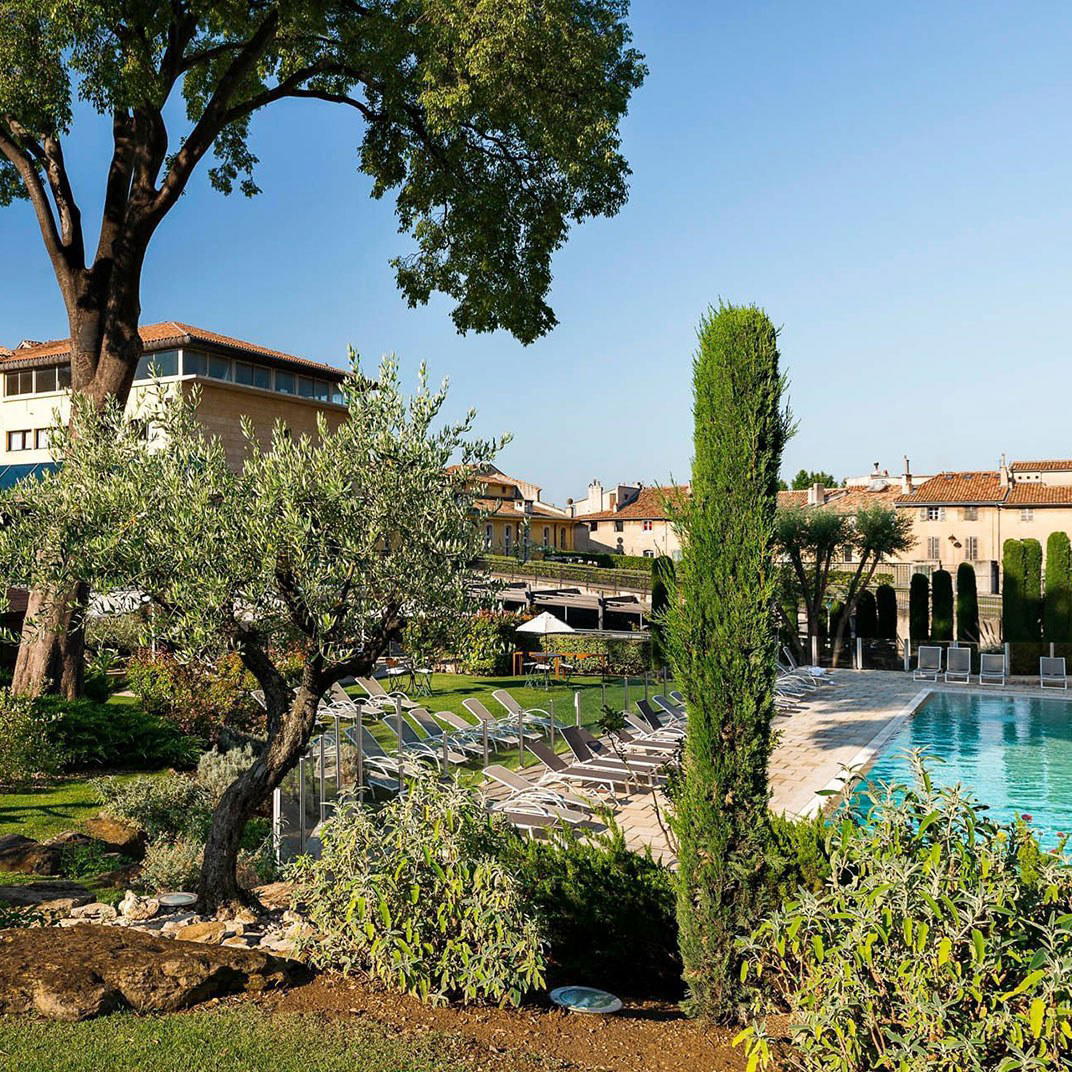
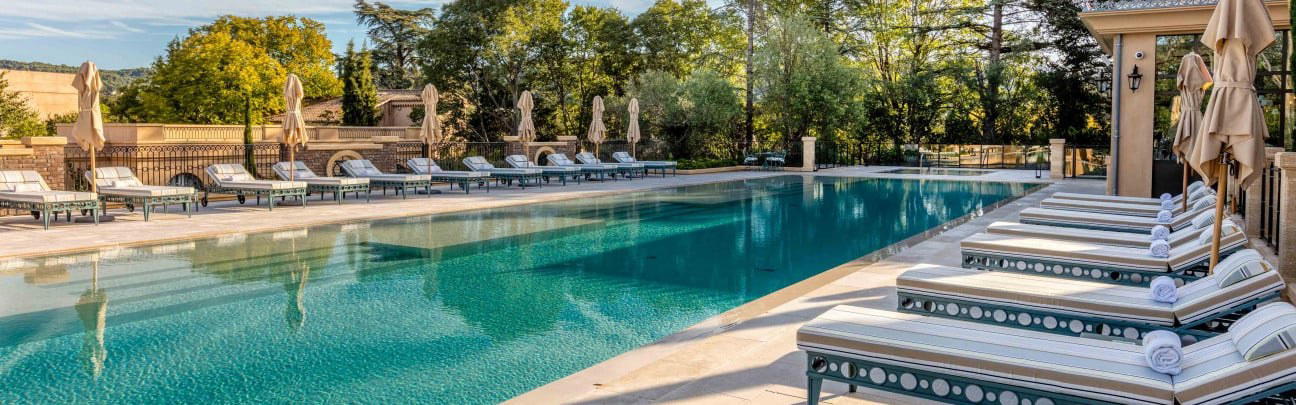
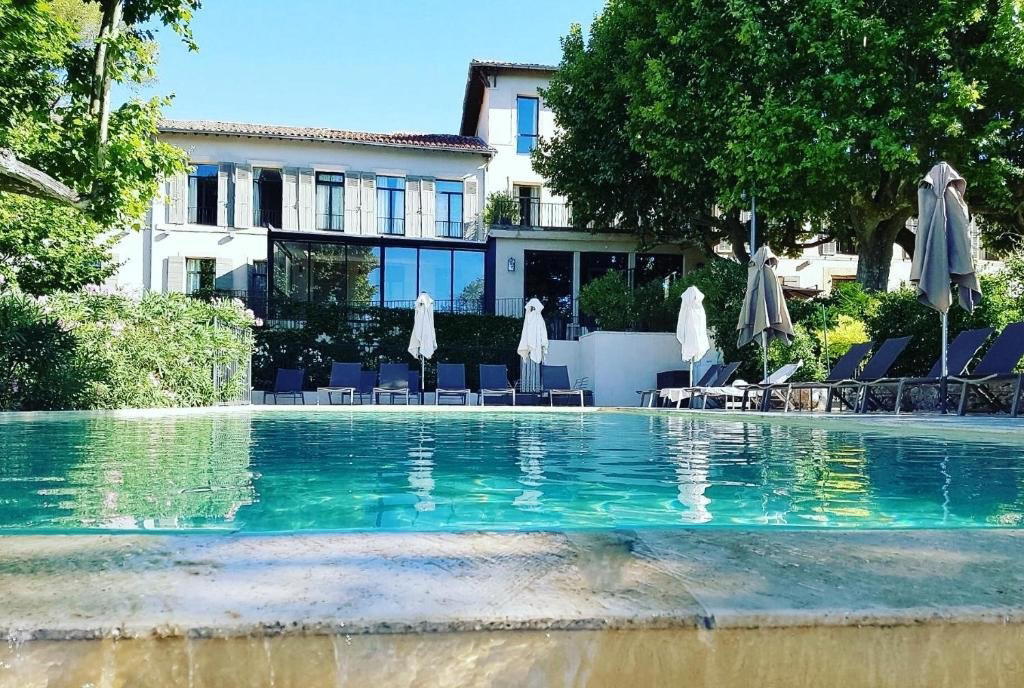
Tamisé lighting creating a convivial chiaroscuro atmosphere blending Japanese notes with Provençal charm, enhanced by an intimate cozy terrace.